
Haval H2 Export Buying Guide for Dealers and Importers
Compare Haval H2 trims, new and used options, export pricing logic, MOQ, shipping, homologation, and rivals before ordering from China with confidence.
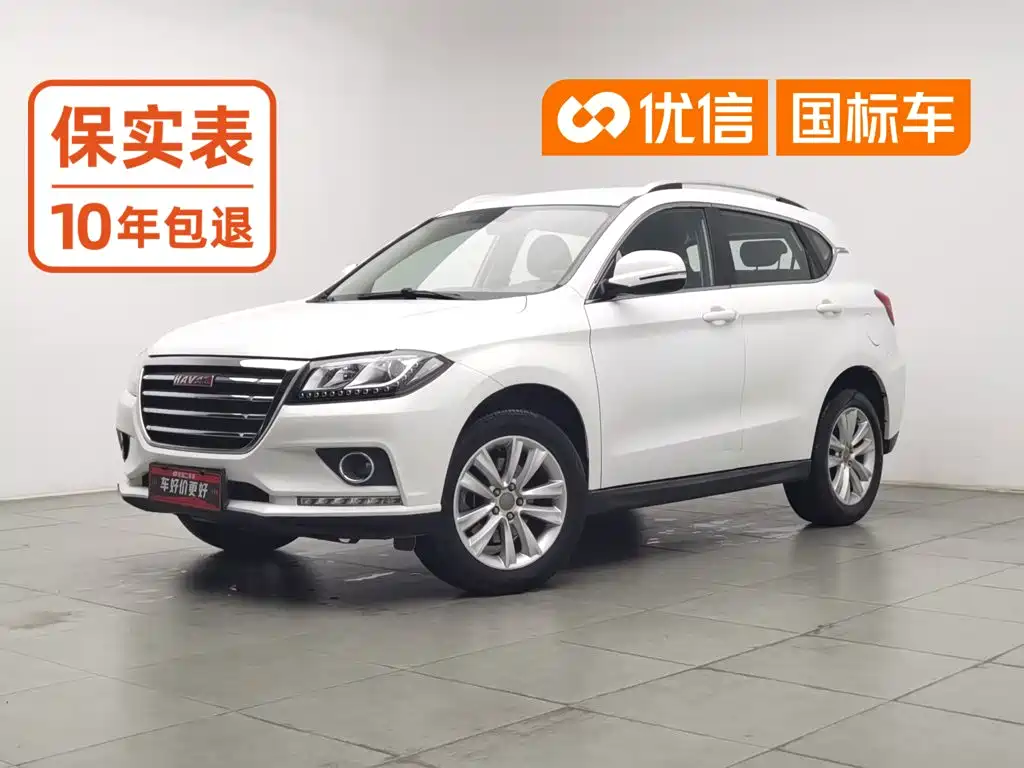
At a glance
- The H2 is a compact petrol SUV pairing a 1.5T engine with manual, automatic, and dual-clutch options.
- Two-wheel drive is explicit on many named trims, but every VIN should be checked for drivetrain and steering configuration.
- Used units suit value-focused importers; newer vehicles suit buyers prioritising condition and specification consistency.
- Export pricing depends on age, trim, gearbox, condition, exchange rates, freight, and Incoterm, so compare written landed quotes.
- Current per-unit price, MOQ, and availability are shown in live H2 listings; a written quote should govern the order.
Why the Haval H2 matters for export markets
The Haval H2 sits in the compact SUV segment as a practical alternative for buyers who want a raised, five-door vehicle without moving into a larger model. Its export appeal comes from a 1.5-litre turbocharged petrol engine, two-wheel-drive applications, and a choice of manual, automatic, or dual-clutch transmissions. This mix lets importers serve several markets without treating every vehicle as the same product. It is relevant to dealers evaluating used units or newer Chinese-market examples, although suitability still depends on current local emissions, safety, and service rules in that market.
What makes the model relevant to overseas buyers is its position between small hatchbacks and larger crossovers. The H2 offers a higher seating position and more useful passenger shape than a hatchback, yet remains simpler to ship and stock than a full-size SUV. For country importers serving SUV demand, that middle ground can be easier to retail than an imported premium badge. The trade-off is that competing crossovers may offer newer safety technology, stronger warranty support, or more efficient engines, so total ownership—not size alone—should drive the decision.
Demand for vehicles is strongest where buyers value affordability, ownership, and a versatile body style. The H2 can fit that brief in markets accepting Chinese-origin used vehicles and in dealer programs for economical transport equipment. Its compact format makes it more realistic for first-time importers to test demand with a mixed selection of trims rather than committing to one specification. However, global demand is not a substitute for market research: fuel prices, road conditions, import policy, and the availability of Haval servicing can determine whether a particular country is commercially viable.
- Compact SUV positioning.
- 1.5T petrol powertrain.
- Value-focused import fit.
Model range, trims and powertrain variants: how the lineup is structured and how to choose
The H2 lineup is organised around a consistent 1.5T powertrain family, with differentiation coming mainly from transmission, drivetrain, equipment grade, and model-year specification. Export listing names may carry Red Label, Blue Label, Elite, Luxury, Prestige, Comfort, Creation Edition, or ZhiShang wording, sometimes alongside H2 or H2s. These badges are useful for locating comparable stock, but translated names are not a substitute for a VIN-specific equipment sheet. An importer should therefore compare the vehicle itself before ordering or approving payment, not assume that similarly named trims in different model years are identical.
Transmission choice is a clear way to segment the range. Manual models suit buyers who prioritise straightforward operation, predictable servicing, or a lower acquisition tier; automatic models reduce driver workload in dense traffic; and dual-clutch versions sit between those priorities, offering a modern character but greater mechanical complexity. For fleet resale, the right choice depends on the driver profile and the market's familiarity with each gearbox. Automatic and dual-clutch units may command more attention, but that premium should be weighed against parts support and fuel use rather than guaranteeing better value.
Two-wheel drive is attached to many named trims, making drivetrain confirmation an essential part of the specification check. The H2 is a road-focused model; its appeal lies in road use, packaging, and manageable dimensions rather than heavy-duty capability. Trim selection should therefore focus on equipment that customers can see and use: air conditioning, infotainment, camera or parking-assistance equipment, upholstery, and safety provisions, subject to what the individual vehicle actually contains. Ask for photographs of the cabin, option labels, and a VIN decode before promising an equipment level in your own sales material.
- VIN-specific trim checks.
- Manual, automatic, dual-clutch.
- Verify 2WD and equipment.
New vs used Haval H2: how export inventory is structured and how buyers choose
Export inventory for the H2 can include newer Chinese-market vehicles and used examples from earlier ownership cycles. This structure gives importers two routes to market: a lower-entry purchase with more condition risk for used units, or a newer vehicle with less wear and potentially more consistent specification. The balance between those routes depends on local demand and how the vehicle will be supported after delivery. A lower purchase outlay does not automatically create a lower landed cost if repairs, compliance work, or unsold stock become the dominant expenses over time.
For a used H2, the purchase decision should be vehicle-specific rather than based on age alone. Request the VIN, registration or title documents, service history, odometer evidence, photographs, and an inspection report covering the engine, transmission, suspension, brakes, tyres, bodywork, and electrical systems. A manual gearbox may be straightforward for experienced drivers, while an automatic or dual-clutch unit demands a careful health check. Also establish whether the vehicle was used as a private car, fleet car, or rental vehicle, because usage and maintenance records can affect resale confidence before payment.
A newer H2 can suit importers who need a cleaner presentation, current specification, or a simpler warranty story, but new does not mean homologated for the destination. The vehicle may be a Chinese-market configuration, and its Chinese warranty may not transfer to an overseas owner. Before treating a unit as new export stock, verify its production date, invoice category, title status, VIN consistency, and warranty terms. For a dealer, a mixed strategy can work: one inspected used vehicle may reveal local demand, while a newer unit tests the higher end of the market.
- Used: higher condition risk.
- Newer: cleaner specification.
- Inspect every vehicle.
How export pricing works: the factors behind a live listing price, and how to read one
A Haval H2 export price is the result of several variables rather than one fixed wholesale figure. Model year, trim, transmission, mileage, exterior and interior condition, ownership history, originality of equipment, and repair history all influence a unit's asking position. Market conditions matter: the seller's cost, currency movements, and the logistics required to reach your destination can change what a buyer ultimately pays. Because these variables move independently, compare like with like and avoid using an isolated listing as a representative benchmark for the whole market when planning an import budget.
To read a live H2 listing correctly, begin with the vehicle title, then verify the year, exact trim, gearbox, drivetrain, mileage, and condition notes against the photographs. Check whether an automatic listing means a conventional torque-converter unit or identifies a dual-clutch model; the difference affects the spare-parts and servicing proposition. Also look for restoration work, repainted panels, replaced wheels, missing equipment, and inconsistencies between the listing name and the VIN. These details help distinguish a genuinely comparable unit from a cheap headline that carries hidden acquisition risk for the buyer.
The displayed price is not necessarily the landed cost. Freight, marine insurance, origin and destination charges, customs duty, taxes, registration, port handling, inspection, and conversion work can all sit outside the listing amount. Exchange-rate movements between quotation and payment also affect the final figure. Ask each seller for a written quote that states the Incoterm, currency, payment schedule, validity period, and what is excluded. Use the same landed-cost format when comparing suppliers, then record local charges separately so that a low vehicle price is not mistaken for the cheapest transaction.
- Compare like-for-like VINs.
- Separate vehicle and landed costs.
- Use one Incoterm format.
MOQ, ordering and payment: single units vs consolidating a container
Minimum order quantity is a seller term, not a permanent H2 attribute. A marketplace-style listing may permit a single-unit purchase, while a dealer, auction, or export package may require several vehicles. Therefore, confirm the MOQ on the specific live listing before budgeting freight or negotiating discounts. If one vehicle is available, clarify whether the seller will release it immediately, whether a deposit secures that VIN, and whether batching changes the terms. This prevents a low unit price from being outweighed by inventory-holding or ongoing compliance costs on unsold stock.
Buying a single unit gives flexibility but exposes the importer to inefficient transport, because one vehicle does not fill a standard container. Consolidation through a shared vehicle carrier or container can reduce freight per unit, but adds handling, scheduling, and allocation risk. A damaged vehicle may arrive after the group has been released, while mixed specifications create extra retailing work. Compare the all-in saving with the value of speed and direct control, and use a named freight forwarder with a clear damage and claims process rather than relying on the lowest quoted rate.
An ordering process separates vehicle commitment from payment and shipping obligations. After technical selection, request a pro forma invoice showing the vehicle, options, serial or VIN details, price, currency, Incoterm, deposit, balance, and refund conditions. Pay only through the verified business channel named in that document and invoice, and retain signed inspection, sale, and title records. The balance should follow inspection or the agreed shipment milestone, not a promise. Clear written terms are especially important for used units, where late-disclosed damage can otherwise turn a modest saving into an expensive dispute.
- Live-listing MOQ check.
- Compare consolidation savings.
- Invoice-linked payment terms.
Shipping, homologation and market compliance caveats: LHD/RHD and import rules by country
Haval H2 export shipping begins with securing the vehicle and export documents, then arranging transport by a vehicle carrier or suitable container service. Ro-ro and container options differ in cost, handling frequency, and security, so the method should reflect the vehicle count and urgency. Transit time is not a fixed promise: port congestion, sailing schedules, customs inspections, weather, and inland delivery can extend it. Insure the vehicle for its agreed value and agree in writing who bears risk at each handoff, especially if several consignees share a shipment to the final buyer.
Steering configuration is one of the consequential pre-order checks. Many vehicles originating in the Chinese market are configured for left-hand drive, while some destination markets permit or expect right-hand drive. A listing that does not state the configuration must not be assumed suitable, and changing the steering side adds cost, lead time, inspection work, and resale risk. RHD availability also varies by source, model year, and seller. Ask for a cabin photograph and VIN confirmation, then obtain assurance that the vehicle will meet the destination's registration rules before paying the balance.
Import rules are country-specific, and a vehicle legal for sale in China may still be ineligible for registration elsewhere. Emissions, noise, safety, lighting, VIN checks, customs valuation, taxes, age limits, and restrictions on used imports may all apply. Confirm current rules with a customs broker or destination authority before committing, including whether a Chinese specification needs lighting, catalyst, or equipment changes. Ensure the VIN, title, export declaration, bill of sale, and import invoice agree. Where rules are unclear, obtain a written eligibility decision rather than relying on a generic model description.
- Confirm steering configuration.
- Check destination import eligibility.
- Insure cargo and allocate risk.
Who should buy the H2 — and who should pick a different vehicle
The H2 is a candidate for value-focused importers, small dealer trials, and fleet buyers seeking a compact petrol SUV with straightforward service needs. It is particularly useful where manual and automatic options let one sourcing programme cover different driver preferences. A used vehicle can make sense when the importer has a clear refurbishment standard and expectations about wear. The business case is strongest when the destination accepts the powertrain, the vehicle will be supported by accessible parts suppliers, and the dealer can market its size and practicality without relying on unsupported claims.
Certain buyers should choose a different vehicle. Drivers who prioritise the latest driver-assistance systems, cabin technology, stronger warranty coverage, or established nationwide servicing may find newer mainstream crossovers more convincing. EV or hybrid mandates can make a petrol-only H2 commercially unsuitable, even if its purchase price appears attractive. Those needing a large boot, seven-seat flexibility, heavy towing, or all-terrain ability should look elsewhere as well. The H2 is a road-focused compact SUV, and honest positioning prevents an importer from buying it for a use case it was not designed to serve.
A decision can be made by matching the vehicle to three tests: legal, operational, and commercial. It must pass the destination's import and registration rules; it must be mechanically supportable and suitable for local road conditions; and its acquisition plus transport and ownership costs must support the intended resale price. For a pilot purchase, one representative unit from each shortlisted transmission may reveal which buyer segment responds best. For a larger wholesale programme, repeat the checks across VINs and use inspection evidence, not model reputation, as the basis for each acceptance decision.
- Good for dealer trials.
- Needs local service access.
- Poor fit for heavy towing.
Main rivals and how the H2 compares
The alternatives depend on whether the buyer wants an older used H2, a newer Chinese export SUV, or a mainstream compact crossover with stronger local support. The H2's distinguishing proposition is its combination of 1.5T petrol performance, manual/automatic/dual-clutch choice, two-wheel-drive applications, and potentially accessible used pricing. Chery's Tiggo 5X and Nissan's Magnite are export alternatives in the compact-SUV field, while the Hyundai Creta is a familiar benchmark for buyers who value brand recognition and after-sales reach. None is automatically superior; the correct choice depends on market, generation, equipment, and landed cost.
Against the Hyundai Creta, the H2 appeals to buyers seeking a distinctive Chinese badge, an older low-entry used vehicle, or a transmission choice not always offered in the same combination. The Creta can be the safer commercial choice where a strong Hyundai dealer network, standardized parts support, and a newer local model are decisive. Against the Nissan Magnite, the H2 offers an established earlier-generation purchase pool, but Magnite buyers may prefer a newer design and a newer-market product proposition. In both cases, compare the exact imported specification rather than the badge.
The Chery Tiggo 5X is a comparable Chinese-brand alternative because it also competes for compact-SUV buyers and, in some markets, uses turbo petrol power with automated transmissions. Chery can benefit from greater export familiarity, so an importer should compare local servicing and parts access rather than assume either brand has an advantage. The H2 may make more sense where a tested used unit or a specific manual, automatic, or dual-clutch configuration is required. Select the vehicle whose compliance file, inspection evidence, parts plan, and landed-cost total are strongest for the market.
- Creta: local-brand benchmark.
- Tiggo 5X: close Chinese rival.
- Magnite: newer-market option.
Live Haval H2 export inventory
View all listings →Real units currently on ChinaCarDirect with per-unit asking prices and MOQ. Availability updates live from the catalogue.

How to buy a Haval H2 from China
-
1
Define the destination and use case
Write down the destination, steering requirement, powertrain, budget basis, and intended sales channel. Check used-import, emissions, safety, and registration rules before shortlisting vehicles.
-
2
Build a VIN-level shortlist
Compare the exact trim, transmission, drivetrain, condition, and documents in live inventory. Treat translated edition names as search aids rather than proof of equipment.
-
3
Verify identity and ownership
Request the VIN, title or registration records, production date, mileage evidence, and service history. Reconcile the seller description with the VIN and invoice before progressing.
-
4
Inspect before financial commitment
Commission a pre-ship inspection covering the engine, transmission, chassis, brakes, tyres, bodywork, electrical systems, and emissions equipment. For used vehicles, require repair estimates for any defects found.
-
5
Build comparable landed quotes
Ask the seller and freight forwarder to quote the same currency, Incoterm, vehicle scope, freight method, insurance, destination charges, and exclusions. This makes supplier comparisons meaningful.
-
6
Confirm MOQ and payment terms
Check the listing-specific MOQ, VIN allocation, deposit, balance trigger, and refund conditions. Pay through the verified business channel shown on the pro forma invoice and retain all signed records.
-
7
Arrange shipping and clearance
Book the carrier, insurance, export documents, pre-arrival inspection, and destination compliance work. Confirm who bears cargo risk at each handoff and do not release the balance until the agreed milestone is satisfied.
H2 vs rivals
| Hyundai Creta | The Creta is a strong alternative where Hyundai's local service network, newer model generations, and standardized parts support matter more than the H2's used-value potential and broad gearbox choice. In a market without a strong Haval network, it may carry less operational risk. |
|---|---|
| Chery Tiggo 5X | The Tiggo 5X is a close Chinese export-brand alternative for value-focused compact-SUV buyers, with turbo-petrol and automated transmission options in some markets. The deciding factor is local parts and service access plus the landed quote for the exact specification. |
| Nissan Magnite | The Magnite may better suit buyers seeking a newer global-market design and established Nissan support where available, while the H2 can suit value-focused used sourcing and particular transmission requirements. Compare dimensions, equipment, and compliance for the exact vehicle rather than assuming either has the lower landed cost. |
Frequently asked questions
How is the export price of a Haval H2 determined?
A unit price reflects model year, trim, transmission, mileage, condition, ownership history, equipment originality, and market conditions. Freight, insurance, exchange rates, customs charges, and the Incoterm can change the landed total. ChinaCarDirect's live H2 inventory shows the current per-unit figure; request a written quote for the exact vehicle and destination.
What powertrain and driving range does the Haval H2 have?
The H2 is petrol-powered, with a 1.5T turbocharged engine and manual, automatic, or dual-clutch transmissions depending on trim. It is not an EV, so battery capacity, charging, and electric range do not apply; driving range depends on fuel use, vehicle condition, load, and driving conditions.
Should an importer choose a new or used Haval H2?
A used vehicle can offer a lower entry point but requires stricter inspection of wear, service history, title documents, and mechanical condition. A newer vehicle usually presents more consistent condition and specification, but its Chinese-market warranty and compliance may not transfer automatically. Choose from the vehicle's evidence and destination economics, not from age alone.
What is the MOQ for Haval H2?
MOQ is set by the seller and shown for the individual listing, not by the model itself. A single vehicle can be purchased when that listing permits it, while a dealer or export package may require more. Confirm the stated MOQ, VIN allocation, and any batch terms before paying a deposit.
How long does shipping take and what does it cost?
Transit and cost depend on origin and destination ports, carrier schedule, container or vehicle-carrier method, insurance, handling, customs, and inland delivery. Congestion, inspections, weather, and route changes can extend the timetable. Ask the freight forwarder for a written estimate with the Incoterm and charge inclusions.
Are spare parts available for the Haval H2?
Parts can usually be identified more reliably when the exact trim, model year, and VIN are known before ordering. Chinese-language catalogues and specialist suppliers may be needed for some items, while body, electronic, or trim-specific components can take longer. Order commonly replaced wear items early and confirm part numbers against the VIN.
Is a right-hand-drive Haval H2 available for export?
RHD availability varies by source, model year, and live unit, so it should not be assumed from the H2 name alone. Confirm the steering configuration from cabin photographs and VIN documentation, then check local registration and conversion rules. A steering conversion can add cost, inspection requirements, and resale risk.
How do I order a Haval H2 from China?
Shortlist the vehicle in live inventory, verify its documents and condition, request a written quote, and confirm MOQ and payment terms. Pay through the verified business channel shown in the pro forma invoice, with the balance linked to inspection or agreed shipment terms. Arrange transport and destination compliance before the vehicle is released.
Ready to source the Haval H2?
Send ChinaCarDirect your destination, required transmission, steering configuration, and quantity for a current Haval H2 export quotation.
Request a quote