
Haval H4 Export Buying Guide for Overseas Dealers
Buy a Haval H4 from China with expert guidance on trims, used-vehicle condition, export pricing, MOQ, shipping, homologation and key rivals for importers.

At a glance
- The Haval H4 combines compact-SUV practicality with a turbocharged petrol powertrain.
- Export trims span manual and DCT versions, but Chinese naming must be translated into exact specifications.
- Used H4 sourcing can suit value-led retail and fleet programs when inspection is rigorous.
- Export prices must be compared using like-for-like vehicles, the same Incoterm and destination.
- MOQ, availability and freight terms are unit-specific and should be confirmed on live listings.
- Local homologation, steering configuration and parts support determine export feasibility.
Why the Haval H4 matters for export markets
The Haval H4 sits in the compact SUV segment: a middle ground between a small hatchback and a larger family crossover. Its raised body, practical cabin and turbocharged petrol powertrain suit buyers who want more space and road presence without moving into a premium price bracket. For overseas dealers, that positioning can be attractive where demand exists for an affordable, modern-looking vehicle with usability. The H4 is not a performance model or an off-road specialist; its export case rests on packaging, equipment, drivetrain choice and value relative to locally sourced rivals.
The model’s relevance in export markets should be judged against the buyer’s use case, not against global-sales claims. Chinese-market H4 versions commonly pair a 1.5-litre turbocharged petrol engine with either a dual-clutch automatic or a manual transmission, giving buyers a choice between convenience and lower mechanical complexity. Export trims also span fashion-oriented, luxury-connected, smart and sport-labelled versions. Those names are useful for identifying equipment, but a dealer should translate them into a clear vehicle specification rather than presenting the labels as if they were familiar in the target destination market.
For an importer, the H4 can work as a value-led fleet or retail product, provided local homologation, parts support and residual-value assumptions are checked before committing. The model’s domestic-market origins mean that steering, emissions, equipment and software presentation may differ from an equivalent vehicle sold under another Haval name in Europe, Asia, the Middle East or Latin America. Buyers should treat each export listing as a specific vehicle, not assume that a trim badge guarantees a universal global specification. Photographs, year, transmission, condition and destination-market eligibility matter more than the model name alone.
- Compact SUV for value-focused importers
- Turbo petrol, manual or DCT
- Verify destination-market eligibility early
Model range, trims and powertrain variants: how the lineup is structured and how to choose
The H4 lineup is easier to navigate when separated into commercial labels and the mechanical content behind them. Red Label and Blue Label entries are associated with 1.5 GDIT versions, while the Enjoy Edition is commonly presented with a 1.5T engine. Within those families, buyers encounter Fashion, Luxury Smart Connectivity, Elite Smart Connect, Pro, Smart, Sport, Joy, Manual and DCT designations. These are China-market trim names, so record engine, transmission, equipment, emissions designation and model year for each vehicle rather than relying on the badge alone or making assumptions from photographs.
Transmission choice is a practical way to compare otherwise similar H4 vehicles. A dual-clutch transmission suits buyers prioritizing convenience and consistent take-away delivery, especially in stop-start urban use. A manual can appeal to fleet buyers who value mechanical simplicity, predictable service procedures or a lower acquisition outlay, although purchase price must be compared like-for-like. Do not assume every manual and DCT car has identical equipment: the trim may also change infotainment, upholstery, driver aids and exterior details. Those differences matter to resale and fleet standardization more than the transmission label alone.
Emissions references such as China V and China VI identify the Chinese-market standard assigned to the vehicle, but they are not automatic approval for import into another country. An importer must verify how that designation maps to the destination’s emissions, type-approval and registration rules. The listing should make clear whether the car is finished to the original specification or has been altered. A pre-shipment document check is more dependable than assuming that a China VI badge guarantees lower import restrictions or identical road-tax treatment. Confirmation should come from the local authority or a qualified specialist.
- Red Label, Blue Label, Enjoy families
- China V/VI is not export approval
- Match gearbox to operating needs
New vs used Haval H4: how export inventory is structured and how buyers choose
China-origin H4 supply can reach export channels through different routes: dealer stock, used-vehicle sourcing, fleet disposals and direct manufacturer-linked sales. The live marketplace mix can change as vehicles are reserved or sold, so buyers should not plan around a fixed new-versus-used ratio. What remains relevant is the commercial structure: a used vehicle is purchased as an individual asset with an existing history, while a new vehicle is ordered against a defined production specification and delivery process. Both routes can suit export, but they create different inspection, margin and working-capital questions.
For a used H4, listing evidence should be treated as the foundation of due diligence. Check the model year, odometer reading, exterior and interior condition, tyre wear, service records, accident or repair indicators, and whether photographs show the actual vehicle. Ask for cold-start, acceleration and fault-screen evidence where practical, and confirm that engine, gearbox and emissions descriptions match the seller’s documents. A clean exterior should not replace a mechanical inspection, especially for a vehicle bought unseen and shipped over distance. For a multi-unit shipment, apply the same standard to every assigned vehicle.
New inventory offers the advantage of a more standardized condition, known equipment and clearer warranty channels, but export buyers should establish what the warranty covers, where it is honoured and whether shipping or homologation work is included. Used stock can reduce acquisition cost and provide trims or configurations that are no longer readily available, yet it leaves more uncertainty around wear, repair history and residual value. The right choice depends on the buyer’s target retail segment, financing plan and tolerance for refurbishment, not simply the age label or sales cycle.
- Used stock demands documented inspection
- New stock offers defined configurations
- Include refurbishment and resale
How export pricing works: the factors behind a live listing price, and how to read one
An export listing price is a combination of the vehicle’s market value and the commercial terms attached to it. The underlying value normally responds to model year, trim, engine and transmission, mileage, condition, service history, options and whether the unit is new or used. Supply and demand at the time of quotation also matter, as does the seller’s commercial position. Two H4s with similar names can therefore differ materially because one is a higher-spec car, has a different history, or is offered under different payment and delivery terms for the buyer.
Freight, insurance, exchange-rate movements, port charges and the selected Incoterm can also change the landed cost. Some listings show a vehicle price only, while others may incorporate part of the export transaction; the description must be checked rather than inferred from the headline figure. Import duty, VAT or sales tax, registration fees and local compliance work are usually separate buyer costs. Compare quotations using the same currency, Incoterm, destination and documentation level, and request an all-in estimate where possible. This prevents a cheaper vehicle figure from masking a more expensive delivered purchase.
To read a live quote correctly, start with the unit identifier and exact vehicle description, then verify the year, trim, gearbox, mileage, condition and seller location. Review the photographs and ask whether the displayed price is negotiable, refundable or tied to a vehicle reservation. Then check which taxes, documents, freight and destination charges are included. Prices and availability should always be taken from the current unit page rather than copied from an older article or market summary, because the binding quotation can change with the individual vehicle and commercial terms.
- Compare like-for-like vehicles and terms
- Confirm freight, taxes and Incoterm
- Use each live unit page
MOQ, ordering and payment: single units vs consolidating a container
Minimum order quantity is a supplier term, not a fixed property of the H4 model. A marketplace may offer individual-unit purchasing while some sellers set a lot requirement for a vehicle or payment plan. On each live listing, check the stated MOQ, unit allocation and whether that condition changes after a quotation is issued. Buyers seeking one vehicle should ask the seller to confirm acceptance of a single-unit order in writing, along with deposit, balance and expected dispatch sequence. A platform search is the starting point, not a substitute for seller confirmation.
Consolidating several H4s in one container can improve freight efficiency and create a more attractive retail batch, but it introduces allocation and inventory risk. Trims, colours, model years and gearbox choices must be reconciled before payment, and every unit should have its own identification and inspection record. A mixed container can diversify customer choice, yet slow retail turnover if slower-moving specifications are mixed with higher-demand versions. Model the landed cost per unit separately from vehicle acquisition so unsold stock does not obscure the true working-capital requirement for the importing business.
Payment structure should be settled before funds are committed. Ask for a pro forma invoice that identifies the vehicle or allocation rule, unit price, MOQ, deposit, balance trigger, refund conditions, documentation package and Incoterm. A common sequence is deposit first, inspection or production confirmation second, and balance before release, but the actual sequence must be agreed rather than assumed. Independent inspection and clear title-transfer rules are especially important when buying unseen. ChinaCarDirect’s contact channel can be used to request a written quotation and the exact ordering terms for a selected live unit.
- Confirm MOQ and unit allocation
- Validate demand before consolidation
- Document deposit and release terms
Shipping, homologation and market compliance caveats: LHD/RHD and import rules by country
Import rules are determined by the destination country, not by the China V or China VI label alone. Before contracting, confirm the applicable customs classification, engine and emissions requirements, minimum age restrictions, VIN documentation, roadworthiness, insurance and registration process. Local authorities may also require evidence for infotainment, radio, cybersecurity, software or connected services, depending on the market. These checks can affect whether a particular Chinese specification is eligible, what modifications are permitted and how much lead time should be allowed before the vehicle can be sold locally in that jurisdiction.
Do not assume the steering configuration from the model name. Export availability for left-hand-drive and right-hand-drive H4 units varies by production batch and seller, and a right-hand-drive requirement should be stated before payment rather than assumed. Converting a left-hand-drive vehicle is not necessarily prohibited, but it can involve safety, registration and insurance consequences and may affect warranty coverage. Where regulations permit conversion, use a qualified specialist and retain the conversion records; otherwise prioritize a native right-hand-drive vehicle or a model officially offered in that configuration for export in that destination market.
Freight method, route and loading priority influence the landed cost and delivery schedule. Compact crossovers are commonly moved in containerized or roll-on/roll-off vehicles, but the chosen transport must match the vehicle’s dimensions, condition and port requirements. Sea freight is often the economic default for larger purchase programs, while higher-value or urgent lots may justify other arrangements. Ask who books the carrier, when demurrage starts, which insurance applies and what documents must accompany the vehicle. Local clearance delays can matter as much as the ocean crossing itself and should be included in the delivery schedule.
- Check local emissions and registration
- Specify LHD or RHD before payment
- Count insurance, demurrage, clearance
Who should buy the H4 — and who should pick a different vehicle
The H4 is most suitable for an overseas buyer who wants a modern compact SUV, a petrol powertrain and either manual or DCT operating choice at a value-led acquisition point. It can suit independent dealers building an accessible retail tier, company fleets replacing high-running-cost vehicles, or importers serving urban and regional customers who need more practical space than a hatchback. The decision works best when expected fuel use, service access, spare-part lead times and resale expectations are understood before stock is committed. It is a general-purpose vehicle rather than a specialist.
It is a weaker choice for buyers whose core requirement is battery-electric range, plug-in capability or a seven-seat family layout. Heavy towing, serious off-road use, high-load commercial work or a requirement for a fully validated premium resale programme may also point elsewhere. Dealers should not choose the H4 solely because the acquisition quote looks favorable; taxes, insurance, parts, warranty handling and unsold inventory can change the commercial result. For mainstream markets, an established rival with denser service coverage may offer lower operating risk even when the initial vehicle cost is higher.
A sound decision starts by defining the customer and the vehicle’s job, then testing each shortlisted H4 against at least two credible alternatives. Check whether the chosen gearbox, equipment level and emissions specification meet local rules, and ask whether parts can be ordered against the exact platform and trim. For fleet use, compare total cost per kilometre rather than purchase price alone. For retail use, consider warranty credibility, financeability and likely residual values. The best choice is the H4 only when those operational realities reinforce, rather than undermine, its initial value proposition.
- Suited to urban fleets and value retail
- Weak fit for EV or heavy-duty needs
- Compare lifetime cost and resale
Main rivals and how the H4 compares
The Chery Tiggo 4 is probably the most direct Chinese-brand comparison: both are compact SUVs designed to combine mainstream dimensions, turbo-petrol efficiency and a high level of visible equipment. The decision often comes down to exact size, gearbox behavior, local parts availability and the dealer’s ability to support the brand. An H4 may offer attractive value and a broad selection of Chinese-market trims, while the Tiggo 4 can benefit from different recognition in some export regions. Compare certified configurations rather than assuming either model has one universal specification for that market.
The Hyundai Creta represents the established global alternative, with broader market familiarity and a stronger expectation for standardized dealer support, although that advantage can come with a higher acquisition cost. The H4 can be more compelling where the buyer wants comparable packaging at a lower entry point and can establish its own parts and compliance supply chain. The Creta is usually the safer resale-oriented choice in markets with deep manufacturer support; the H4 is stronger as a value-led product when the importer has solved logistics and after-sales arrangements. Local market evidence should decide the comparison.
The JAC JS3 is another close value competitor in the small SUV segment. Like the H4, it is best evaluated on engine, transmission, cabin equipment, safety equipment, dimensions and homologation rather than badge appeal. JAC may offer useful price positioning in selected markets, but support coverage and spare-parts consistency can differ by country; the H4 has the same exposure when its own brand network is less familiar. Test the local proposition for service accessibility, warranty handling and parts identification before choosing either model.
- Tiggo 4: closest China-brand rival
- Creta: global support benchmark
- JS3: compact value alternative
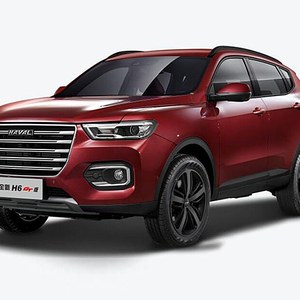
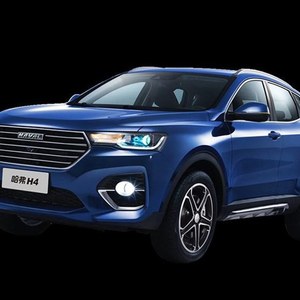
Live Haval H4 export inventory
View all listings →Real units currently on ChinaCarDirect with per-unit asking prices and MOQ. Availability updates live from the catalogue.

How to buy a Haval H4 from China
-
1
Define the destination and compliance brief
Specify the destination country, steering side, import route, intended use, acceptable emissions standard and expected after-sales support before selecting a vehicle.
-
2
Shortlist exact live vehicles
Use the current Haval H4 inventory to compare model year, trim, engine, gearbox, mileage and condition, retaining the unit identifier for every candidate.
-
3
Normalize the landed-cost comparison
Request equivalent quotations using the same currency, destination and Incoterm, then separate vehicle cost from freight, insurance, duty, taxes, registration and compliance expenses.
-
4
Confirm MOQ and commercial terms
Ask the seller to state the MOQ, unit allocation, deposit, balance trigger, refund conditions, documentation package and expected dispatch sequence in writing.
-
5
Verify condition and documents
Review VIN and chassis records, service history, inspection evidence, emissions documents, ownership status and conformity of the listed equipment before payment.
-
6
Complete a protected payment process
Pay only against agreed terms, use an appropriate inspection process for unseen vehicles and retain the invoice, proof of payment and release documentation.
-
7
Arrange freight and destination clearance
Confirm the carrier, Incoterm, insurance, loading responsibility, demurrage terms and customs broker before dispatch, then track arrival and local registration.
H4 vs rivals
| Chery Tiggo 4 | The Tiggo 4 is the closest like-for-like Chinese-brand value competitor, making equipment, dimensions, gearbox behavior and local parts support the decisive checks. The H4 may provide stronger trim choice for some importers, while the Tiggo 4 may have better recognition in certain markets. |
|---|---|
| Hyundai Creta | The Creta is the established global benchmark for dealer familiarity, warranty infrastructure and resale confidence. The H4 is generally the more value-led proposition, but only when its logistics and after-sales support have been properly established. |
| JAC JS3 | The JAC JS3 competes closely in the value-focused compact-SUV segment and should be compared on certified dimensions, powertrain, equipment and homologation. Choose between them using verifiable local service coverage and parts identification rather than badge appeal alone. |
Frequently asked questions
How is Haval H4 export pricing determined?
The live price reflects the individual vehicle’s year, trim, engine, gearbox, mileage, condition and commercial position. Freight, insurance, exchange rates, taxes and the selected Incoterm also affect the landed cost. Check the current Haval H4 listings for each unit’s price and request a written quotation with all included and excluded charges.
Which Haval H4 engine and transmission options are available?
The export line-up centers on 1.5-litre turbocharged petrol engines, identified by 1.5 GDIT or 1.5T trim labels, with DCT and manual transmissions represented. Confirm the exact engine, gearbox and emissions description on each live listing. The H4 is an internal-combustion model, so electric battery and driving-range figures do not apply.
Should an overseas buyer choose a new or used H4?
New vehicles provide more standardized condition and equipment, while used vehicles can offer lower acquisition cost and access to specific trims but require more condition and history checks. The decision should reflect refurbishment capacity, warranty needs, financing and expected resale rather than the vehicle’s age label alone.
How does MOQ work when buying a Haval H4 from China?
MOQ is set by the seller and the selected vehicle or payment plan; it is not a permanent model-wide rule. Check the MOQ displayed on the live listing and obtain written confirmation of the deposit, allocation and balance terms. Some programs may accommodate a single unit, while others may require a larger lot.
What determines Haval H4 shipping time and cost?
Transport mode, route, carrier allocation, port congestion, documentation readiness, insurance and customs clearance all affect the schedule and landed cost. Sea freight is often practical for larger programs, while urgent lots may require a different solution. The freight quotation should specify the Incoterm, destination charges and responsibilities for demurrage and clearance.
How are spare parts sourced for an exported Haval H4?
Parts should be ordered using the VIN or chassis number, model year, engine, transmission and exact trim because Chinese-market configurations can differ. Establish a local or export-based parts channel before buying, especially for fleet maintenance. If parts availability cannot be supported, factor lead times and potential downtime into the purchase decision.
Is right-hand-drive Haval H4 availability guaranteed?
No. Steering configuration must be confirmed for the individual production batch and seller rather than inferred from the model name. State the right-hand-drive requirement before payment. If local rules permit conversion, use a qualified specialist and retain the conversion records, but check registration, insurance and warranty consequences first.
How do I order a Haval H4 through ChinaCarDirect?
Browse the live Haval H4 listings, select a vehicle or submit a request with your destination, preferred trim, gearbox and required quantity. Ask for a written quotation showing the unit, MOQ, payment schedule, documentation, freight basis and Incoterm. The relevant unit page and final RFQ should be used for the current binding figures.
Ready to source the Haval H4?
Send us your destination, preferred H4 trim and gearbox, and required quantity for a current unit-level quotation and export plan.
Request a quote