
Haval M6 Export Buying Guide for Dealers and Fleets
Buy a Haval M6 from China with practical guidance on trims, used versus new vehicles, export pricing, MOQ, shipping, homologation, and rival value.
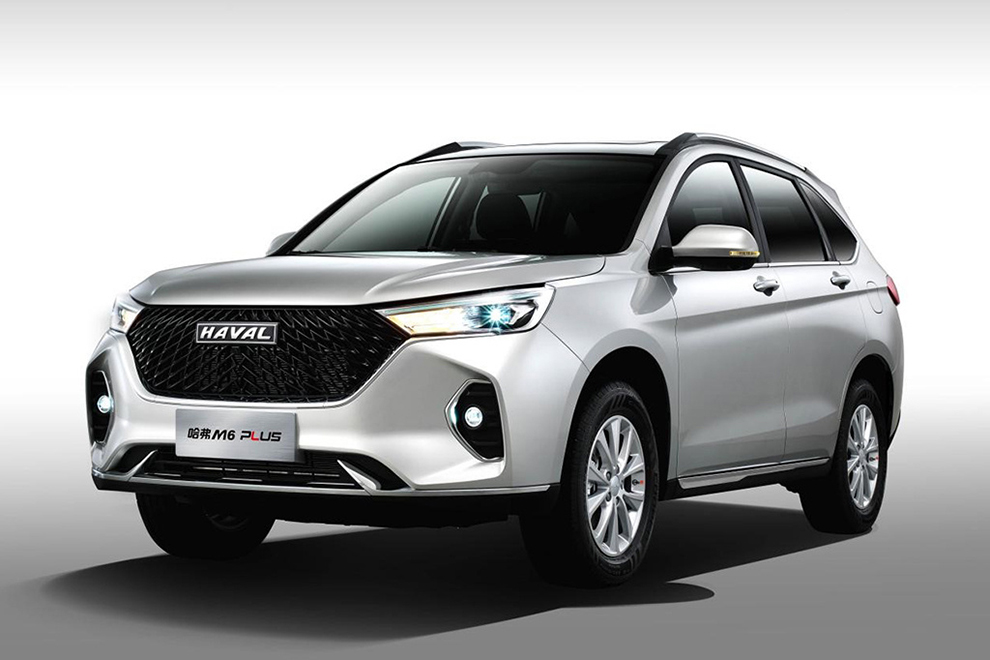
At a glance
- The Haval M6 is a compact five-door SUV powered by a 1.5T petrol engine, with manual and DCT versions represented in export listings.
- Urban, Value, Elite, Luxury, Comfort and Smart Connectivity names show a broad trim ladder; exact equipment must be checked per vehicle.
- Used sourcing offers more choice and lower entry commitment, while newer vehicles offer more coherent condition and specification.
- Export price depends on year, trim, gearbox, condition, mileage, currency, freight and Incoterm; current figures are shown in live listings.
- Single-unit requests and container consolidation are possible, but each listing's displayed MOQ and written terms must be confirmed.
Why the Haval M6 matters for export markets
The Haval M6 matters because it combines the packaging of a compact SUV with a 1.5-liter turbocharged petrol engine and a broad choice of manual and DCT versions. That combination targets buyers who want a practical, higher-riding vehicle without moving into the cost and operating footprint of a larger premium SUV. For overseas dealers, the appeal is not prestige branding but product-market fit: a manageable wheelbase, a useful five-door body, and configurations aimed at both value-oriented and better-equipped customers. It is especially relevant in markets where compact crossovers serve as practical alternatives to sedans.
Demand for this type of vehicle tends to follow practical needs: fuel economy, easy urban parking, ground clearance for uneven roads, and a higher seating position. The M6's 1.5T engine and two-wheel-drive variants can suit paved-road retail and fleet use, while DCT models may appeal to customers who prefer smoother automated shifting. Export listings also identify Smart Connectivity and Luxury trims, giving importers room to assemble a value-oriented entry vehicle and a higher-specification version without changing body style. That makes trim planning and market-specific configuration more important than simply choosing the newest-looking vehicle.
For an overseas buyer, the M6 is best treated as a platform decision rather than a single global specification. China domestic trims and emission labels do not guarantee that the same vehicle is road legal in another country, so the target market should drive the shortlist. Dealers should balance customer appeal against spare-parts planning, homologation, and realistic resale expectations. The model earns its place in an export range when those operational factors are addressed before the vehicle is priced and booked. A live unit-level review is more dependable than assumptions about a distant catalogue.
- Manual and DCT 1.5T petrol versions.
- Compact five-door SUV packaging.
- Value, Elite, Luxury, and connectivity grades.
Model range, trims and powertrain variants: how the lineup is structured and how to choose
The M6 lineup is easiest to understand by reading the full trim name rather than relying on a short badge. Export descriptions include Urban, Value, Elite, Luxury, Comfort, Smart Connectivity, Revised Version, and Facelift designations. Some versions pair the 1.5T engine with a manual gearbox, while others use DCT or an automatic-labelled transmission. Two-wheel drive appears repeatedly in the named variants. These labels establish the broad hierarchy, but they do not reveal the complete equipment list, so a buyer should compare the exact Chinese-market grade on the selected vehicle listing. Ask the supplier for a photographed, itemized equipment sheet.
Choosing between manual and DCT should be based on the buyer profile rather than a broad claim that one is better. A manual can suit drivers accustomed to simple controls and may reduce the complexity of automated transmission maintenance, although the exact vehicle must be inspected. DCT versions prioritize convenience and rapid, gearless-feeling changes in normal road use. For fleets, compare the familiarity of local drivers, traffic conditions, resale expectations, and service support for the selected transmission before deciding. This is particularly important when the vehicle will be sold or maintained in a different market from its source.
Drivetrain and emissions labels need equally careful interpretation. The 1.5T versions shown are petrol-powered and predominantly described as two-wheel drive, which is important for buyers considering towing, load, steep grades, or poor surfaces. China V and China VI designations identify the Chinese emissions standard of the relevant version; they are not substitutes for destination-market approval. On a PLUS Smart Connectivity car, request the actual infotainment, connectivity, and equipment functions, because the trim name alone cannot confirm feature compatibility for the importer's intended customers. Also confirm spare-parts sourcing for the exact generation.
- Match gearbox to driver familiarity.
- Verify 2WD and emissions designation.
- Request an itemized equipment sheet.
New vs used Haval M6: how export inventory is structured and how buyers choose
Export inventory for the M6 is a mixed structure rather than a single, uniform model-year offering. It can include newer vehicles and used examples from different production periods, with manual and DCT cars spread across base, mid-range, and higher-named trims. That structure is useful because an importer can test different price bands without changing model, but it also makes direct comparison harder. The first decision is therefore whether the objective is a low-commitment used-unit resale, a standardized fleet batch, or a newer vehicle for a particular campaign. Define that objective first.
A used M6 can make economic sense for a dealer seeking established demand at a lower acquisition commitment than a newer vehicle, provided the buyer accepts depreciation, repair uncertainty, and slower specification matching. Inspect bodywork, tyres, fluids, battery condition, service history, accident evidence, and the operation of the manual, DCT, or automatic transmission. Ask for the VIN, registration documents, import history where available, and a physical or independent inspection. A clean title and a coherent service record are more valuable than an attractive photograph or a generic trim badge alone.
Newer M6 inventory offers a different proposition: less uncertainty about wear, a more coherent specification, and potentially simpler positioning for buyers who value condition over the lowest acquisition outlay. It may also be easier to standardize colours, transmissions, and equipment for fleet delivery. The trade-off is that new-vehicle availability and configuration can be more constrained than the variety found in used sourcing, and the buyer still needs to compare landed cost, warranty handling, local certification, and expected resale rather than treating factory condition as the end of the analysis carefully.
- Inspect used-car condition and title.
- Standardize newer fleet specifications.
- Compare total ownership cost.
How export pricing works: the factors behind a live listing price, and how to read one
A Haval M6 export price should be read as the result of several interacting variables, not as a permanent model-level rate. The vehicle's year, named trim, manual or DCT transmission, China V or VI version, condition, mileage, service history, cosmetic state, and whether it is new or used can materially affect the ask. Equipment bundled into a particular grade also matters. For the same body and engine, a documented, low-wear example with the preferred transmission will generally command more attention than a higher-mileage or less complete vehicle in the same market.
The live listing is the starting point for a unit-specific comparison, not necessarily the final landed invoice. Read the vehicle title, model year, condition designation, trim wording, gearbox, drivetrain, mileage, and any disclosed damage or equipment details. Then ask the supplier what the displayed price includes and what it excludes. Freight, marine insurance, export handling, port charges, customs duties, taxes, delivery, and dealer preparation may sit outside the listed figure. Ask for the applicable Incoterm so both parties are working from the same cost and risk boundary and assumptions. Current, binding per-unit price and availability must be confirmed in the live inventory.
Currency and market conditions can also change the comparison between quotations. Obtain the currency, payment date, validity period, exchange-rate basis, and any commission or banking charge for each quote. Do not compare one seller's border price with another seller's landed estimate without normalizing both. A useful worksheet records the same fields for every candidate: unit condition, exact trim, transmission, year, mileage, Incoterm, destination, and exclusions. This method reveals whether a seemingly cheaper vehicle is actually cheaper after transport, compliance, repair, and preparation costs. It also prevents hidden assumptions from distorting the final decision.
- Compare identical year, trim, and gearbox.
- Confirm currency, Incoterm, and exclusions.
- Price freight separately.
MOQ, ordering and payment: single units vs consolidating a container
MOQ means the minimum quantity a supplier is willing to sell or reserve under the quoted commercial terms. ChinaCarDirect's live inventory should be treated at unit level, and some vehicles may be offered without a multi-unit fleet commitment; however, the displayed MOQ on the selected listing is the binding reference. For a first purchase, request a quote for one vehicle, then ask what price or reservation treatment applies if several buyers are interested. This avoids confusing a single-unit marketplace request with a factory-style container order on the same Incoterm basis.
Consolidating several M6 units into a container can improve freight efficiency and make fleet standardization easier, but it introduces additional exposure. A mixed container may combine model years, trims, transmissions, and condition grades that do not match a retail plan. Verify whether the seller can provide a unit list after booking, how substitutions will be handled, and how units are protected during handling. For Haval M6 wholesale or fleet buyers, aligning colour, gearbox, emissions version, and equipment before loading is often more valuable than filling every available space with suitable transport protection and documentation.
Payment mechanics should be agreed before funds are committed. The written quotation should identify the vehicle or allocation, total payable amount, currency, deposit, balance trigger, refund conditions, inspection rights, title documents, and expected dispatch window. Buyers should understand whether the deposit secures a specific unit or only reserves a production slot, especially for a newer vehicle or a consolidated order. Use the RFQ process to resolve these terms and retain written records of every change rather than relying on informal messages, photographs alone, or verbal assurances without a formal written record.
- Check each listing's displayed MOQ.
- Define single-unit and container terms.
- Record deposits, inspection rights, and refunds.
Shipping, homologation and market compliance caveats: LHD/RHD and import rules by country
Shipping the M6 is not a fixed surcharge because the route, vehicle, and service scope determine the cost. RoRo, containerized, and protected shipping methods have different handling requirements; used cars may need additional preparation, securement, or documentation. The origin and destination ports, distance, sailing or road schedule, terminal charges, insurance, customs brokerage, and inland delivery all affect the landed total. Obtain a freight quote using the actual destination and Incoterm, and ask who bears risk at each transfer point. Timing also depends on port congestion, sailing frequency, customs clearance, and whether the vehicle is held for inspection.
Homologation is the critical gate between a Chinese-market M6 and lawful use in the destination market. A China V or China VI badge does not automatically satisfy local emissions, safety, or type-approval rules. Depending on the country, an importer may need a Certificate of Conformity, local test results, an approved modification, or individual vehicle approval. Import duty, VAT or sales tax, emissions charges, and used-vehicle age restrictions can also change the economics. Confirm requirements with a customs broker or local authority before shipping rather than after the vehicle has left China.
Steering configuration is another frequent source of export mismatch. The M6 units described by these trims are primarily China-market vehicles, so buyers should not assume that a right-hand-drive example is available for every destination. Confirm LHD or RHD from the vehicle record before payment, and verify that steering, pedals, lighting, wipers, instruments, and air-conditioning equipment are appropriate for local use. If conversion is considered, obtain a specialist assessment: altered geometry, electrical loads, safety, and homologation can outweigh the initial purchase saving. The VIN and production photos should support the configuration confirmation.
- Confirm LHD or RHD early.
- China V/VI is not local approval.
- Check tax, age, and import rules.
Who should buy the M6 — and who should pick a different vehicle
Who should buy the M6? Independent dealers serving value-conscious compact-SUV customers, regional fleets, and importers seeking a common body style with several transmission choices are strong candidates. It is especially useful where a raised seating position and five-door practicality matter more than premium cabin materials or brand prestige. For fleet programs, the mix of manual and DCT versions can support different driver groups, provided the importer can standardize servicing and keep spare-parts planning aligned with the selected transmission. A single-unit dealer can also test demand before committing to larger stock.
Conversely, the M6 may be the wrong choice for buyers who need a heavy-duty tow rating, sustained high-load operation, or assured all-wheel drive on difficult terrain. The two-wheel-drive versions identified in export descriptions should not be evaluated as substitutes for a dedicated 4x4. It may also suit buyers less well if they require a fully documented European specification, broad immediate parts support in their country, or a vehicle with comprehensive local warranty coverage. In those cases, a rival with clearer homologation or a better-established regional service network may reduce risk.
A disciplined decision starts by matching the vehicle to the operating environment, customer profile, and compliance route. Shortlist only the drivetrain, gearbox, emissions version, condition, and equipment that can be supported lawfully and economically in the target market. Compare total delivered cost rather than headline asking price, including likely preparation, compliance, servicing, and residual-value effects. For an unfamiliar market, order one carefully selected vehicle, learn the parts and homologation process, and expand only after its total cost, customer response, and local demand have been validated.
- Best for value-focused dealers and fleets.
- Unsuitable for heavy towing or 4x4 needs.
- Pilot before scaling.
Main rivals and how the M6 compares
The Dacia Duster is a close benchmark for buyers focused on a budget compact SUV. It benefits from a long-established presence in many export markets, and buyers may find it easier to source familiar service parts or RHD variants locally. The Haval M6's differentiator is its China-market 1.5T, manual, and DCT choice, which can provide useful equipment value. Conversely, Duster recognition and established local servicing may reduce resale and operating uncertainty for importers who value network strength over model variety. The decision should be based on total delivered cost, not badge recognition alone.
The Chery Tiggo 4 is a more direct Chinese-export alternative because it competes for the same value-conscious compact crossover buyer. Haval can stand out through the M6's broad mix of manual and DCT grades and its explicit Luxury, Elite, and Smart Connectivity positioning, but Chery may offer a familiar route for distributors already supporting that brand. Compare engine and transmission choices, exact dimensions, equipment, parts packaging, destination approvals, and warranty workflow side by side. The better fit is the one that can be supported profitably after freight and compliance, not necessarily the one with the newest catalogue presentation.
The Hyundai Creta represents a mainstream global-manufacturer alternative with greater recognition in many buyer markets. It may be easier to position where customers trust the brand, expect established residual values, or require a familiar regional parts and dealer structure, although the delivered cost can be higher. The Haval M6 may win on purchase value and the availability of manual plus DCT configurations, while the Creta may win on brand reassurance and standardized global support. Compare actual quotations and local aftersales evidence rather than relying on generic positioning for the target market.
- Duster offers wider market familiarity.
- Tiggo 4 is a direct export rival.
- Creta adds brand reassurance.
Live Haval M6 export inventory
View all listings →Real units currently on ChinaCarDirect with per-unit asking prices and MOQ. Availability updates live from the catalogue.
Used Haval M6 2021 PLUS 1.5T Manual Luxury Smart Connectivity Model
How to buy a Haval M6 from China
-
1
Define the destination-market requirements
State the country, LHD or RHD requirement, expected use, customer profile, and applicable import constraints before selecting a vehicle.
-
2
Filter the live Haval M6 inventory
Compare year, trim, manual or DCT gearbox, drivetrain, condition, equipment, current price, and displayed MOQ on the available units.
-
3
Request a complete unit dossier
Ask for the VIN, production photographs, itemized equipment list, title documents, service history, condition disclosure, and an independent inspection for a used vehicle.
-
4
Build a like-for-like cost comparison
Normalize currency, condition, trim, transmission, Incoterm, freight, insurance, duties, taxes, delivery, and quote validity before comparing suppliers.
-
5
Confirm MOQ and payment terms
Clarify whether the order covers one unit or a consolidated batch, and document deposits, balance triggers, allocation, inspection rights, substitutions, and refund conditions.
-
6
Complete compliance and shipping arrangements
Use a local customs broker to confirm homologation and import requirements, then select the transport method, insurance, Incoterm, and responsible parties for each handover.
-
7
Order a Haval M6 from China
Submit the preferred live listing and destination details through the RFQ process, then approve the final written quote and shipping documents before release.
M6 vs rivals
| Dacia Duster | The Duster offers stronger recognition and established local service familiarity in many markets. The Haval M6 competes through its 1.5T choice, manual and DCT options, and potential equipment value for importers that can support China-market parts and homologation. |
|---|---|
| Chery Tiggo 4 | The Tiggo 4 is the more direct Chinese-export alternative and may suit distributors already familiar with Chery support. The M6 stands out through its broad mix of Value, Elite, Luxury, Comfort, and Smart Connectivity versions, but total delivered cost and parts support should decide the fit. |
| Hyundai Creta | The Creta carries greater brand reassurance and a more established global support expectation, which can reduce buyer uncertainty at a higher delivered cost. The M6 may provide stronger purchase value and broader manual/DCT availability where local buyers prioritize equipment and price. |
Frequently asked questions
How is Haval M6 export pricing determined, and where can I see the live price?
Pricing depends on the individual vehicle's year, trim, transmission, emissions version, condition, mileage, service history, and included equipment. Freight, currency, exchange rate, insurance, duties, taxes, and Incoterm can also affect the landed total. The current per-unit price is shown in the live Haval M6 inventory, while a binding destination quotation should be requested for the selected vehicle.
What engine and transmission options are available on the Haval M6?
The M6 is a petrol-powered internal-combustion vehicle, with export descriptions identifying a 1.5-liter turbocharged engine and manual, DCT, or automatic-labelled transmissions depending on the version. Battery capacity and electric range do not apply. Confirm the exact gearbox, drivetrain, and engine description for each unit before ordering.
Is a used Haval M6 better value than a newer one?
A used M6 can offer a lower acquisition commitment and access to more varied trims, but it also carries depreciation, repair, and specification-matching risks. A newer vehicle normally offers more coherent condition and equipment, making it easier to standardize for fleet resale. Compare inspection results, landed cost, expected servicing, and residual value rather than relying on condition labels alone.
What is the MOQ for Haval M6 orders?
MOQ is set within the commercial terms of each listing and can differ between a single vehicle, an allocation, and a consolidated container order. Read the MOQ displayed on the selected live listing and request it in the written quotation. That displayed requirement is the relevant reference for the current order.
What determines the shipping time and cost for a Haval M6?
Origin and destination ports, transport method, sailing or road schedule, port handling, insurance, customs brokerage, inland delivery, and Incoterm allocation all affect the result. Congestion, inspections, documentation issues, and protection requirements for a used vehicle can add time. Request a route-specific freight and landed-cost estimate using the actual destination.
Can overseas buyers obtain spare parts for the Haval M6?
Parts can be sourced for the M6, but the importer should identify the correct generation, engine, transmission, and trim before ordering. Ask the supplier which parts are held, which require an original-parts search, and which items can be supplied to a local workshop. For a fleet, include fast-moving service and wear items in the initial parts plan.
Is a right-hand-drive Haval M6 available for export?
Right-hand-drive availability should be confirmed for the specific vehicle rather than assumed from the model name or the broader inventory. Check the live listings and request the VIN, steering configuration, and production photographs before payment. If no suitable RHD unit is available, obtain a specialist assessment of conversion cost, safety, and local homologation before proceeding.
How do I order a Haval M6 from China?
Start with the live Haval M6 listings, select a vehicle that matches the required year, trim, gearbox, condition, and destination configuration, then submit an RFQ with the destination and required quantity. Obtain a written quote covering price, MOQ, payment, Incoterm, freight, compliance, inspection, and dispatch arrangements. Finalize the order only after those terms and the supporting vehicle documents have been reviewed.
Ready to source the Haval M6?
Send your target market, preferred year and trim, steering configuration, and required quantity to request a current Haval M6 quotation.
Request a quote