
Haval Second-generation Big Dog Export Buying Guide
Plan a Haval Second-generation Big Dog export purchase with trim, range, pricing, MOQ, shipping and compliance guidance for overseas dealers and fleet buyers.
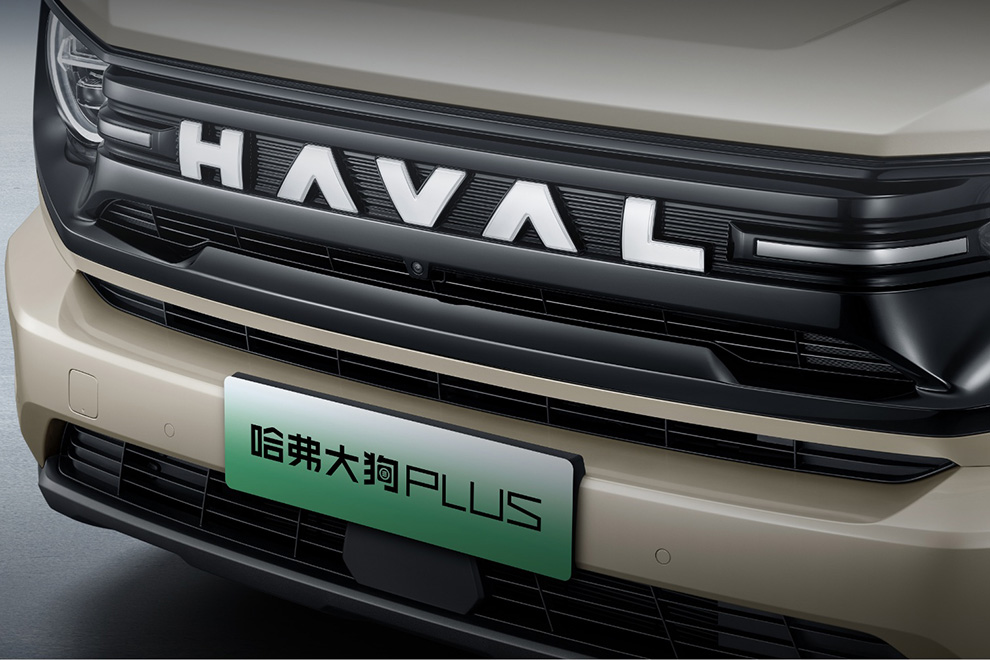
At a glance
- The Second-generation Big Dog combines rugged SUV styling with a plug-in-hybrid export proposition.
- Named export configurations include DHT-PHEV 105km Trendy Electric Edition Plus and Hi4 102km Trend Electric Plus.
- Range labels are trim-specific and must be checked against the applicable test cycle.
- New and used purchases call for different evidence on provenance, condition, warranty and hybrid-system health.
- Live listings carry the current unit price, availability and MOQ; landed cost also depends on freight, duties and local charges.
Why the Haval Second-generation Big Dog matters for export markets
The Second-generation Big Dog occupies a practical middle ground in Haval's SUV range: a rugged-styled new-energy model that combines plug-in-hybrid capability with a road-oriented crossover format. For export dealers, that matters because it offers a more distinctive product than a conventional family SUV while retaining the familiar advantages of an electrified drivetrain. Its appeal is strongest where buyers need flexible daily mobility, occasional electric running, and a vehicle that still feels capable on poor urban roads or regional travel routes without departing from the packaging and operating patterns familiar to crossover customers.
Global demand is best understood as buyer needs rather than a sales claim. Fleet operators with controlled charging can use the stated electric range for predictable daily duties, while customers without dependable charging still have a combustion-powered fallback. Dealers can position the model around visible off-road cues, electrified efficiency and a practical five-door body, but should avoid promising performance that depends on unverified equipment. Market-by-market demand ultimately depends on fuel policy, charger access, import rules and local service support. These conditions should be checked before committing showroom stock or fleet volumes.
For an importer, the Big Dog is therefore not simply another export SUV. The procurement decision should connect the chosen trim to charging patterns, expected road conditions, aftersales coverage and the destination country's certification pathway. It is also important to compare the actual listing specification rather than infer equipment from the Chinese trim name. Review Haval options and live Second-generation Big Dog listings, then ask a qualified importer to validate the vehicle against local registration, insurance and duty requirements before funds are committed. That sequence protects both buyer confidence and dealership planning.
- Rugged plug-in-hybrid SUV positioning.
- Charging access drives electric-use value.
- Validate local approval first.
Model range, trims and powertrain variants: how the lineup is structured and how to choose
The export-facing lineup shown for the Second-generation Big Dog includes two differentiated configurations: DHT-PHEV 105km Trendy Electric Edition Plus and Hi4 102km Trend Electric Plus. The 105 km and 102 km figures embedded in the names represent the electric-range proposition of each version, but they should not be treated as guaranteed real-world distance. Confirm the applicable test cycle, standard equipment, charging method and certified figures on the listing, because trim descriptions can hide changes. It is also prudent to compare luggage capacity, safety kit and towing limits from the specification sheet.
Functionally, DHT identifies Haval's dedicated hybrid transmission approach, which is designed to blend engine and electric drive. Hi4 is the marque's four-wheel-drive technology branding and is normally associated with a more traction-focused derivative. The practical distinction matters when roads are wet, loose or steep, but it does not by itself establish safe off-road capability. Buyers should confirm driven axles, differential hardware, tyre specification and any load limits, rather than translating “Hi4” into a promise of extreme-terrain performance. Ground clearance, approach and departure angles, if marketed, should be checked against actual dimensions.
The choice should follow duty rather than trim prestige. A buyer with short commutes, reliable depot charging and occasional long trips may prioritize the DHT-PHEV version for straightforward operation and favourable urban energy use. A buyer facing snow, gravel, mountain access or dispersed regional travel may favor the Hi4 derivative, provided local homologation and insurance accept the configuration. For either, compare the live specification, test-drive behaviour, service capability and whole-life fuel assumptions. The lowest purchase quote is not automatically the cheapest operating proposition. Charging availability and route realism deserve equal attention.
- Two named electrified configurations.
- Verify range test cycles.
- Choose drivetrain by duty.
New vs used Haval Second-generation Big Dog: how export inventory is structured and how buyers choose
Export inventory for the model is structured around model year, powertrain designation, trim and vehicle condition. Because stock changes, the approach is to treat the live marketplace as a configurable supply pool rather than assume an annual model mix. Compare each listing's year, trim, range label, mileage, condition and location. New vehicles emphasize documented delivery and factory configuration; used examples, when available, open a different value equation based on depreciation, wear and the remaining service life of hybrid components. Condition evidence is especially important when export units have complex ownership histories.
For a new unit, ask whether the advertised configuration is the one held by the seller, whether the vehicle is completed, and whether any production or delivery conditions remain. Request the VIN, build information, original invoice or sales document, warranty terms and a photograph-backed condition report. Factory warranty can be valuable, yet its usefulness depends on the importing country's service network and whether coverage extends to the buyer or only to the first registered owner. These points should be settled in writing, not assumed from the badge. Confirm all terms before payment.
A used plug-in hybrid requires a forensic purchase. Check service history, battery state of health, charging faults, engine condition, transmission operation, four-wheel-drive hardware where fitted, accident repair, software updates and outstanding recalls. An independent pre-shipment inspection adds little value if it is generic, so specify hybrid and charging checks. Obtain title documents, odometer evidence and an export-eligibility statement. A sticker price can be outweighed by uncertain battery health, missing keys, repair history or the cost of importing a non-compliant configuration. Use the inspection result to negotiate or decline, not merely to reassure.
- Compare every live listing.
- Document new-unit provenance.
- Inspect used hybrid systems.
How export pricing works: the factors behind a live listing price, and how to read one
A live export price is the result of several commercial variables, not a fixed market value for the model. Model year, exact trim, electric-range version, drivetrain, optional equipment, mileage and condition all affect the vehicle's starting point. Market conditions then add exchange-rate movement, supplier margin, inspection, documentation, storage and transport costs. Port, destination and delivery method matter, as does the Incoterm: an EXW figure excludes most export services, while a delivered quotation may include more obligations. Always establish what the quoted figure actually includes. The same listing title can conceal cost differences.
To compare two live offers, normalize the specification first. Confirm year, trim, range designation, axle layout, factory options, condition, mileage, VIN status and whether the vehicle is new or previously registered. Then separate the vehicle price from charges for transport, marine insurance, export clearance, inland haulage, port handling and destination taxes or duties. Check whether the seller is asking for a firm unit price or a conditional quotation, and whether any deposit is refundable. Screenshots and messages should be attached to the final pro forma invoice. That record prevents ambiguity later.
Currency can move between enquiry and settlement, so a quote should state the currency, validity period and payment milestones. A buyer should also ask whether the price assumes one unit, several units, a mixed model-year batch or consolidated freight. After freight, insurance, duty and local charges are included, the all-in cost may rank offers differently from the visible listing price. Use ChinaCarDirect's live Big Dog inventory for the current unit-level figures, and request a quote for the vehicle and delivery scope. This is more reliable than relying on a historical average or an unverified estimate.
- Specification drives vehicle pricing.
- Incoterm defines included services.
- Compare landed cost, not sticker.
MOQ, ordering and payment: single units vs consolidating a container
Minimum order quantity depends on the seller and transaction route. A marketplace listing may permit a single-unit purchase, while a factory or consolidator may impose a batch requirement for certain allocations, colours or customized production. MOQ is therefore a line in the quotation, not an inherent property of the Big Dog. Buyers should confirm whether the displayed quantity is genuinely orderable, whether mixed trims are allowed, and whether the supplier requires payment for units that remain unsold. For a trial order, one vehicle is easier to finance, register and evaluate.
The usual ordering sequence begins with a written specification, followed by a seller confirmation and pro forma invoice. The buyer should lock the VIN or production identity for an in-stock unit, or approve a factory order with its lead time, options and delivery condition. Payment commonly includes a deposit and a balance linked to inspection or shipping milestones. Documents should identify the vehicle, price, Incoterm, delivery point, warranty and dispute process. Never treat a chat message as the final agreement when the commercial terms can be captured in a formal invoice.
A wholesale container consolidation can improve freight efficiency, but it changes the risk profile. A buyer may combine several Big Dog trims or model years to reach a practical load volume, subject to the carrier's acceptance and destination rules. A mixed shipment should be documented unit by unit, with VINs, condition reports and values assigned for customs and insurance. Check port congestion, vessel schedule, securing requirements and the consequences of damage to one vehicle in a batch. For first-time importers, a single vehicle plus inspection is easier to control than a multi-car shipment.
- Confirm MOQ per seller.
- Use a formal pro forma invoice.
- Consolidation adds shipment risk.
Shipping, homologation and market compliance caveats: LHD/RHD and import rules by country
Shipping cost and time depend on the origin and destination ports, vessel availability, container or roll-on/roll-off method, cargo handling, marine insurance, inland transport and customs clearance. Larger or heavier vehicles can affect freight utilization, but the applicable charge must be quoted for the actual unit and route. Transit time is not just the sailing duration; it also includes booking, terminal processing, documentation, inspections, congestion and last-mile delivery. Ask for the planned milestone and the party responsible for each stage, and avoid presenting a general transit estimate as a guaranteed delivery date.
Steering configuration is a procurement condition, not an assumption. Chinese-market vehicles may be left-hand drive, while some destinations require right-hand drive; the Big Dog must be checked for the factory configuration, and aftermarket conversion should not be treated as equivalent to homologated production. Import rules can also require evidence of emissions compliance, noise limits, safety approval, VIN, lighting, tyres and other local standards. The importing dealer or its agent should confirm the type approval and certificate set before committing, because approval in one country does not automatically authorize sale in another.
Plug-in hybrid imports also raise local operating and compliance questions. Confirm the charging connector, supply requirements, battery safety documentation, fuel-system rules and any subsidy eligibility with the destination authority. Customs classification, emissions treatment, tax treatment and insurance assumptions should be recorded in the landed-cost model. The 105 km and 102 km designations in the available trim names should not be used as local certification claims. A launch plan pairs the vehicle with charging guidance, technician training, parts planning and a clear after-sales escalation path for the destination market.
- Freight varies by route and Incoterm.
- Confirm LHD or RHD first.
- Verify local homologation.
Who should buy the Second-generation Big Dog — and who should pick a different vehicle
The Second-generation Big Dog fits buyers wanting one vehicle for daily commuting, family transport, regional travel and occasional rough-surface use. It is relevant for a dealer seeking a rugged-looking SUV with an electrified powertrain rather than a conventional combustion model. Fleets with depots can test electric operation on predictable routes, while the hybrid system offers a combustion fallback when charging is impractical. The decision is strongest when duty patterns are documented and the destination market clearly recognizes and supports the configuration through reliable local service coverage and effective warranty handling.
It may be the wrong choice for a buyer whose priorities cannot be met by this format. Those priorities include a low acquisition budget, a seven-seat requirement, a duty-cycle commercial chassis, uninterrupted electric-only operation over long distances, or easy maneuvering in tight urban spaces. A plug-in hybrid without regular charging may not deliver the expected operating advantage, so fuel-use assumptions should be based on routes. If the destination lacks charging infrastructure or approved technicians, a simpler combustion vehicle or a battery-electric model with suitable range may be more rational.
Before placing a dealer order, run a three-part business case. First, map daily distance, charging windows, payload and road type to the correct powertrain and axle choice. Second, calculate landed cost, energy use, maintenance, insurance, charging provision and residual risk under the trade scenario. Third, verify that parts, software, warranty and inspection can be supported locally. A small pilot can expose charging and service assumptions before volume is committed. If the model fails any of these tests, a rival should be selected rather than forcing the purchase for appearance alone.
- Suits mixed urban and regional use.
- Unsuitable for electric-only needs.
- Pilot before fleet commitment.
Main rivals and how the Second-generation Big Dog compares
The BYD Song Plus DM-i is a close family-SUV benchmark for buyers prioritizing electrified efficiency, mainstream comfort and brand familiarity. Its drivetrain, equipment and homologation package should be compared under local rules, because version naming alone does not reveal the complete specification. The Big Dog's stronger case is its rugged visual identity and the choice between the DHT-PHEV and Hi4-branded derivatives. The Song Plus may appeal where comfort, cabin technology or brand recognition outweigh that styling and traction distinction. Evaluate both on charging access, duty-cycle suitability, aftersales and total delivered cost.
The Changan Deepal S07 is another relevant new-energy SUV comparator, with alternative electrified formats and a more comfort-oriented positioning in markets. It can suit buyers who focus on cabin space, urban technology and the availability of range-extender or electric options rather than rugged cues. The Big Dog should be judged on its DHT and Hi4 trade-off, loading practicality and dealer support at destination. Neither model should win automatically: local homologation, service reach and real-world charging can matter more than headline equipment found in a Chinese brochure. Verify each marketed format locally.
The Jetour Shanhai T1 is the closest stylistic and format competitor for shoppers comparing compact new-energy SUVs with rugged or outdoors-oriented design. Decide between them using verified dimensions, seating and luggage capacity, axle arrangement, range version, charging compatibility, warranty and parts support—not brochure imagery. The Haval's DHT-PHEV 105 km and Hi4 102 km variants provide starting points for that comparison, but exact equipment must be confirmed. For every candidate, build the same landed-cost worksheet and test it against the buyer's actual routes before ordering. That process avoids false product equivalence.
- Song Plus DM-i: family PHEV benchmark.
- Deepal S07: comfort-led new-energy SUV.
- Shanhai T1: rugged-style compact rival.
Live Haval Second-generation Big Dog export inventory
View all listings →Real units currently on ChinaCarDirect with per-unit asking prices and MOQ. Availability updates live from the catalogue.
Haval Haval Second-Generation Big Dog New Energy 2023 DHT-PHEV 105km Trendy Electric Edition Plus
Haval Haval Second-Generation Big Dog New Energy 2024 Hi4 102km Trend Electric Plus
Haval Haval Second-Generation Big Dog New Energy 2023 DHT-PHEV 105km Trendy Electric Edition Plus
Haval Haval Second-Generation Big Dog New Energy 2023 DHT-PHEV 105km Trendy Electric Edition Plus
How to buy a Haval Second-generation Big Dog from China
-
1
Define the destination and operating pattern
State the destination country, urban or regional duty cycle, annual distance, payload needs, charging access and required steering configuration. These parameters determine which powertrain and axle version deserve further review.
-
2
Shortlist the relevant configuration
Compare the DHT-PHEV and Hi4 versions through the live listings, then request the full specification sheet for the selected vehicle. Verify range cycle, charging details, driven axles, safety equipment and luggage capacity.
-
3
Check compliance before payment
Have the importing dealer or its appointed agent confirm homologation, VIN requirements, emissions rules, charging compatibility, insurance coverage and customs classification for the destination market.
-
4
Request an itemized export quotation
Specify the vehicle, destination, quantity, Incoterm and required delivery point when requesting a quote. Ask for the unit price, freight, insurance, documentation, inland transport, duties and other local charges to be shown separately.
-
5
Lock the order in writing
Confirm the VIN or production identity, options, condition, quotation validity, payment milestones, inspection process, warranty and ownership documents in a pro forma invoice. Do not rely on an informal message as the binding agreement.
-
6
Inspect, export and receive
Complete the agreed pre-shipment inspection and retain VIN-matched photographs and reports. Coordinate export clearance, freight booking, marine insurance, arrival inspection and local registration before the vehicle enters service.
Second-generation Big Dog vs rivals
| BYD Song Plus DM-i | A mainstream electrified family SUV that may better suit buyers prioritizing comfort, cabin technology and brand familiarity. The Big Dog is more distinctive for rugged styling and the choice between DHT-PHEV and Hi4-branded configurations. |
|---|---|
| Changan Deepal S07 | A comfort-led new-energy SUV benchmark with alternative electrified formats for buyers focused on cabin space and urban technology. The Big Dog distinguishes itself through rugged cues and its DHT versus Hi4 selection. |
| Jetour Shanhai T1 | The closest format and styling competitor for compact new-energy SUV shoppers. Compare verified dimensions, range versions, axle arrangements, charging compatibility, warranty and local parts support rather than brochure appearance. |
Frequently asked questions
How is Haval Second-generation Big Dog export pricing determined?
The live price reflects factors such as model year, trim, range and drivetrain configuration, optional equipment, condition, exchange rates, freight, insurance and the selected Incoterm. Buyers should compare the vehicle price with the estimated landed cost rather than treating the visible listing figure as the total import cost. Current binding unit prices are shown on the live ChinaCarDirect inventory.
Which powertrain and electric range should I choose?
The named configurations are DHT-PHEV 105km Trendy Electric Edition Plus and Hi4 102km Trend Electric Plus, with electric-range figures embedded in their designations. DHT is associated with the dedicated hybrid transmission, while Hi4 denotes Haval's four-wheel-drive technology. Confirm the certified test cycle, battery, motor, engine and charging details in the live listing because those specifications are not fully stated here.
Is a new or used Second-generation Big Dog better for export?
A new vehicle generally offers clearer provenance, factory configuration and potentially more straightforward warranty handling, subject to local service coverage. A used vehicle may offer a different acquisition-cost profile but requires battery health, hybrid-system, accident, service and title checks. The better choice depends on the inspection result, import eligibility and the buyer's risk tolerance.
What is the minimum order quantity for the Haval Second-generation Big Dog?
MOQ is set by the seller and transaction route rather than by the vehicle model itself. Some listings may accept a single unit, while factory allocations or mixed wholesale orders may have other conditions. Check the MOQ displayed on each live listing and have it repeated in the written quotation.
How long does shipping take, and what determines the cost?
Shipping time depends on booking availability, vessel schedule, port congestion, cargo handling, documentation, customs clearance and inland delivery. Cost also depends on the route, transport method, vehicle dimensions, marine insurance, Incoterm and destination charges. Request a shipment-specific schedule and landed-cost breakdown rather than relying on a general transit estimate.
Can spare parts be ordered for an exported Big Dog?
Parts can be ordered by VIN and part number, but availability and delivery lead time depend on the supplier, model year and destination service network. Ask the seller or local Haval distributor to confirm hybrid-system components, electronics, service items and warranty parts before the vehicle ships. Maintaining a planned spares list is particularly important for a plug-in hybrid entering a new market.
Is a right-hand-drive Second-generation Big Dog available?
Do not assume the steering configuration from a Chinese-market listing. Ask the supplier to confirm factory RHD availability and have the importing agent verify that it is homologated for the destination market; an aftermarket conversion is not automatically equivalent. Current configurations and available vehicles should be checked through the live listings and confirmed in writing before ordering.
How do I order a Haval Second-generation Big Dog from China?
Start with the live listings, select a vehicle or request a quotation, and submit the destination, specification, quantity and Incoterm through the RFQ process. Before payment, obtain a formal pro forma invoice, agree the inspection and payment milestones, verify title and warranty documents, and confirm the freight and customs plan. The exact vehicle, current price, availability and MOQ should be binding only when confirmed in that written order.
Ready to source the Haval Second-generation Big Dog?
Send ChinaCarDirect your destination, preferred configuration, steering requirement and quantity for a vehicle-specific export quotation and live-inventory shortlist.
Request a quote