
HIMA Aito M6 Export Buying Guide for Overseas Buyers
Buy a HIMA Aito M6 from China: compare trims and powertrains, understand export pricing, MOQ, shipping and compliance for overseas dealers with confidence.
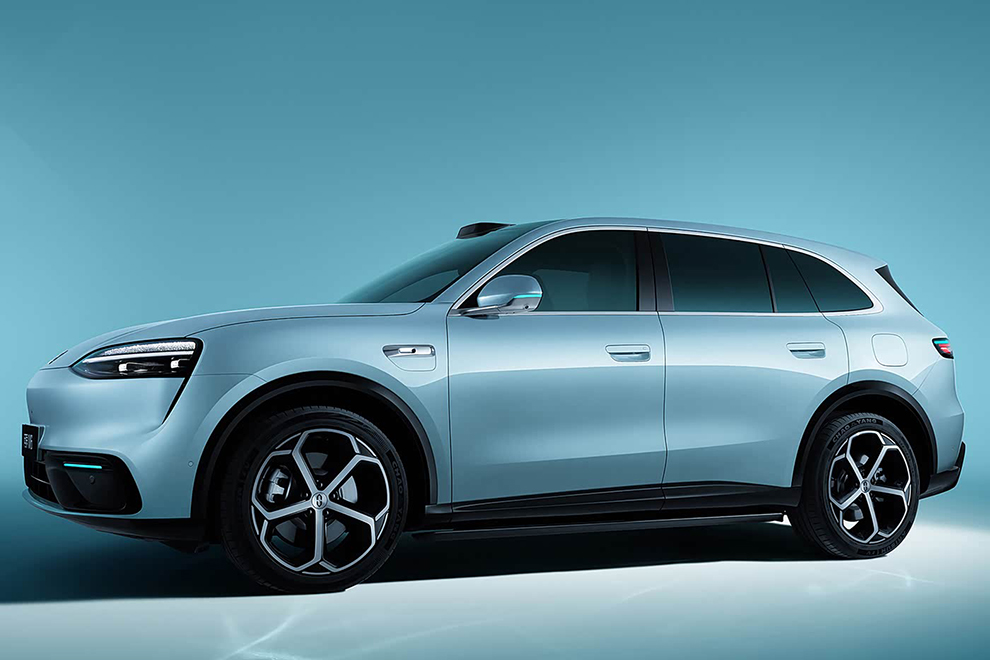
At a glance
- The Aito M6 is offered in pure-electric and range-extended forms, giving fleet buyers two distinct operating architectures.
- The line-up spans Max, Max+, Long-Range and Ultra Four-Wheel Drive labels, so equipment and drivetrain must be verified per unit.
- A range-extended model can suit mixed-route operations, while a pure-electric model is better matched to fleets with dependable charging.
- Used-unit value depends on VIN history, condition, battery health, software and transferable warranty rather than the “used” label alone.
- Landing cost depends on unit specification, condition, exchange rate, freight, insurance, duties, Incoterm and local homologation.
Why the HIMA Aito M6 matters for export markets
The HIMA Aito M6 matters to export buyers because it occupies the crowded but fast-moving Chinese electrified-SUV segment and gives importers more choice than a battery-electric-only proposition. Buyers can compare full-electric versions with range-extended versions for fleet duties, charging conditions and route profiles. That flexibility is commercially useful when one destination has strong charging coverage while another has long intercity routes or limited infrastructure. Dealers can therefore build a narrower, market-specific inventory strategy without assuming that customers will accept one powertrain, cabin compromise or charging dependency everywhere in their market.
The model also reflects a broader shift in Chinese vehicle exports: domestic competition is pushing brands to combine range, cabin technology and driver assistance in a single premium-looking SUV package. HIMA is commonly evaluated as a technology-led marque rather than a low-cost commodity, so overseas buyers should assess the complete product and support proposition, not just the vehicle’s catalogue position. Dealer value will depend on whether local customers recognize the brand, whether software functions work in the destination market and whether parts and service can be sustained through local partners.
Global demand should not be inferred from Chinese launch enthusiasm alone. For an overseas buyer, the Aito M6 is most defensible where smart SUV demand is real, the vehicle can be registered without major modification and the importer can support its technology. A worked example is a regional distributor separating urban fleet sales from long-distance assignments: it may offer the Long-Range pure-electric derivative for depot charging and a range-extended derivative for less predictable routes. The commercial test is repeatability—reliable specification, documentation, spares and aftersales—not novelty across the first sales cycle.
- Two powertrain routes
- Technology-led smart-SUV positioning
- Support matters as much as range
Model range, trims and powertrain variants: how the lineup is structured and how to choose
For HIMA Aito M6 specs, the line-up is organized around two energy routes: pure-electric variants and range-extended variants. Within those families, the names All-Electric Max, All-Electric Max+, Pure Electric Max+ Long-Range, Range-Extended Max+ Four-Wheel Drive and Range-Extended Ultra Four-Wheel Drive identify different combinations of range emphasis, equipment level and drivetrain. Those labels are useful for shortlisting, but they do not replace the unit-level specification sheet. Battery, motor, charging and equipment details should be read from the live listing and confirmed with the seller in writing before any deposit is placed or final payment authorized.
A range-extended Aito M6 combines electric driving with an onboard combustion-based range extender, offering a different operating proposition from a conventional plug-in hybrid. For buyers, the key is not the label alone but the division of responsibility between battery depletion, generator use, fuel availability and charging habits. An all-electric variant may suit fleets with controlled overnight charging, while a range-extended model can reduce charging dependence on mixed routes. Exact engine, generator, battery and certified-range data must be checked for the specific configuration in the destination market before any commitment.
Trim selection should follow four checks: operating duty, equipment relevance, homologation and aftersales. Four-wheel-drive versions may appeal where wet roads, gradients or heavier loads are common, but they can introduce cost and efficiency trade-offs that a fleet should model. The Max, Max+ and Ultra labels may indicate hierarchy, yet feature lists can change across model years and markets. Compare each candidate by verified dimensions, seating, luggage capacity, charging hardware, safety systems and software functions rather than by badge language alone on the signed inspection report and sales contract before purchase.
- Match powertrain to duty cycle
- Use trim names as shortlisting cues
- Verify features on each unit
New vs used HIMA Aito M6: how export inventory is structured and how buyers choose
Export inventory is not one uniform pool. New vehicles generally offer the most standardized specification and the clearest factory warranty path, whereas used vehicles can be more immediately available and may carry visible cost advantages. However, “used” is a broad description: a unit may be nearly new, an ex-demonstration vehicle or a previously registered fleet car. The condition label alone therefore tells an overseas buyer very little. Always ask for the registration history, production date, odometer reading and a current inspection report from an independent inspection provider, with documents verified where possible.
A new Aito M6 suits importers who need consistent specification, an untouched warranty and predictable delivery documents. Its trade-offs are a higher acquisition commitment, possible factory allocation or production delay, and less flexibility if a particular trim or colour is unavailable. A used example can reduce acquisition exposure and offer access to a configuration that is difficult to source new, but it demands more scrutiny. Ask whether the remaining factory warranty is transferable and whether battery health, tyres, fluids, bodywork and software have been inspected and formally documented by an independent inspector.
For fleet buyers, the strongest comparison is not simply new versus used; it is residual risk per vehicle. Build a file for each candidate containing VIN and registration documents, photographs of all panels and wheels, an independent inspection, charging or fuel records where relevant, and confirmation of the exact factory options. Reconcile those records with the seller’s trim name. Then compare expected downtime, likely reconditioning and warranty uncertainty. Current condition and availability must be taken from live Aito M6 inventory rather than assumed from the model line-up at the time of purchase.
- Used status needs history checks
- New units prioritize consistency
- Inspect battery, wear and software
How export pricing works: the factors behind a live listing price, and how to read one
An Aito M6 export price is not a fixed factory number. It is built from the vehicle’s model year, trim, energy version, battery or drivetrain option, mileage, condition, history, specification and, for a used unit, what may still be covered by warranty. Market forces also move the conversion from Chinese yuan into the buyer’s currency. The practical starting point is therefore the live asking price for the exact unit, followed by separate calculation of freight, insurance, port charges, tax and the chosen Incoterm, with all destination-specific charges shown separately and clearly.
Listings from different sellers may not include the same landed items. One quote may include export documentation and inland transport to the named port, while another may be an ex-works vehicle requiring the buyer to arrange collection. A dealer should compare like with like: the same trim, condition, steering side and destination, with the same trade term and delivery scope. Currency choice also matters because exchange-rate movements can change the payable total even when the underlying vehicle does not change. The exposure can also increase during the contract and shipping stages if exchange rates, surcharges or taxes move without a fixed-price safeguard.
To read a live listing correctly, separate vehicle price, export charges and destination charges. Confirm whether the displayed amount is negotiable, whether it excludes VAT or export documentation, and who is the named seller or exporter. Ask for the unit identifier and a written quotation that states the Incoterm, port, payment currency, validity period and what happens if freight or tax changes. ChinaCarDirect’s live Aito M6 listings are the authoritative place for the current per-unit asking price and availability; request an RFQ for a binding landed quote for the destination.
- Start with exact unit pricing
- Compare one Incoterm
- Separate vehicle and landed costs
MOQ, ordering and payment: single units vs consolidating a container
Minimum order quantity is a commercial term, not a fixed characteristic of the Aito M6 name. A marketplace listing may allow a single-unit purchase, while a seller handling factory allocation, matching or container loading may apply its own minimum. Buyers should confirm the MOQ shown for the specific listing and what counts as one order: one vehicle, one model set or a mixed shipment. Do not assume that a dealer’s container plan can be replicated on an individual vehicle without written permission from the exporter for that shipment or contract.
Ordering one vehicle gives a dealer a low-volume test of brand recognition, service capability and customer fit. It also leaves the importer exposed to fixed freight, insurance, inspection and compliance costs because those charges are spread across fewer units. For a wholesale programme, consolidating several Aito M6s can improve freight economics and create a more persuasive launch stock, but mixed trims or steering configurations can complicate resale, certification and planning. Model container economics only after confirming each vehicle’s dimensions, weight, packing requirements and destination charges before committing to a firm shipping date or budget.
A typical ordering sequence is specification approval, unit reservation, deposit, document and inspection release, balance payment, export preparation, booking and shipment. Payment method, timing, cancellation terms and refund conditions should be written into the contract, especially for a used vehicle whose condition can affect value. Buyers should also determine who is responsible for the balance before the vessel departs and how insurance claims are handled in transit. A signed pro forma invoice and sales contract should reconcile the listing, quotation and payment records exactly before any further funds are released.
- Confirm listing-specific MOQ
- Weigh single-unit versus container economics
- Contract every payment milestone
Shipping, homologation and market compliance caveats: LHD/RHD and import rules by country
Shipping an Aito M6 begins with the destination and the steering configuration. China can supply left-hand-drive and right-hand-drive production for some models, but availability is not guaranteed for every trim and should never be assumed from a listing photograph. A buyer in a right-hand-drive market must obtain written confirmation before payment. If only the opposite configuration is available, local conversion may be technically possible but can add cost, affect warranty and create approval issues. Check the live unit specification and the exporter’s production records before placing any binding order with the seller.
Vehicle delivery can use roll-on/roll-off, container or specialist flat-rack arrangements, depending on vehicle dimensions, port handling and cargo economics. Freight cost depends on route distance, vessel or roll-on capacity, fuel and congestion surcharges, port charges, insurance, cargo handling and delivery inland from the destination port. Transit time is not a single fixed number: it changes with sailing schedules, transshipment, customs holds, port congestion and final-mile arrangements. Ask the forwarder for a door-to-door or port-to-port plan with chargeable milestones and deadlines so the importer can monitor each stage and budget contingencies.
Market compliance is more important than simply completing shipment. Each destination may impose type approval, emissions, safety, cybersecurity, data-protection, charging, language, warranty and software-update rules. Range-extended and battery-electric versions may not receive identical treatment, and local rules can change, so a licensed customs broker or local compliance specialist should confirm requirements for the exact variant. Also verify that connected features, navigation, emergency assistance and mobile apps are supported locally. Title, VIN, export declaration, tax payment, registration and insurance must be planned in the destination country before the vehicle departs China.
- Confirm steering side before ordering
- Price all freight surcharges
- Check homologation and digital support
Who should buy the Aito M6 — and who should pick a different vehicle
The Aito M6 fits an importer that wants a smart, higher-feature SUV and is prepared to support a Chinese technology ecosystem. It is particularly relevant when the buyer needs both a battery-electric and a range-extended proposition, or when customers value cabin technology, driver assistance and a distinctive design more than a universally familiar badge. For a commercial pilot, one carefully selected unit can test demand while the exporter demonstrates documentation, parts supply and technician support. The model is less compelling as an unsupported, one-off speculative purchase without proper market validation.
Choose a different vehicle when charging infrastructure is mature and the fleet can exploit low-energy operating costs without needing an onboard range extender. A globally established battery-electric SUV may be easier to resell and service when the buyer values widespread dealer familiarity, standardized parts and a simpler compliance case. The same caution applies where software connectivity, Mandarin-language interfaces or Chinese connected-car ecosystems would create an operating burden. Compare aftersales reach, warranty administration and residual-value support in the destination market before fleet deployment and local financing arrangements are finalized, and contingency plans are agreed.
The buyer should also avoid the Aito M6 if its verified dimensions or cargo capacity do not fit the fleet’s mission, even if the powertrain looks attractive. Maximum towing, payload, thermal performance and real-world range must be confirmed rather than inferred from the SUV format. Large passenger groups should check seating configuration and luggage usability; commercial users should verify load-floor dimensions, anchor points and towing limits. If those checks fail, a more conventional premium SUV or an electric van may deliver a better lifecycle outcome for the intended daily operation.
- Suit tech-focused mixed-powertrain buyers
- Local support remains essential
- Verify real fleet fit
Main rivals and how the Aito M6 compares
Tesla Model Y is a direct benchmark for buyers focused on a pure-electric smart SUV, established brand recognition and a comparatively familiar global service proposition. The Aito M6 offers a different choice because its range-extended versions can suit routes where charging access is inconsistent, while its technology-led cabin may appeal to customers seeking a more integrated Chinese digital experience. Neither vehicle is automatically easier to operate abroad: charging standards, parts, software support and resale networks must be checked locally before a fleet decision. Local field checks often matter more than catalogue positioning.
BYD Sealion 7 competes for buyers considering a premium electrified SUV from a Chinese manufacturer with a broad international growth strategy. Sealion’s appeal lies in a globally developing model family and electrified-powertrain choice, whereas the Aito M6 differentiates more clearly through its range-extended option and HIMA’s smart-cabin positioning. The comparison should be made at equivalent trim, equipment and warranty level. Import restrictions and local brand awareness may matter more to a small dealer than headline range, acceleration or battery-versus-range-extender availability in that market, and customer test results may differ materially.
Li Auto L7 is a useful reference in the range-extended family-SUV segment, particularly for buyers prioritising electric daily driving with additional range flexibility. The Aito M6 should be judged against it on packaging, seat and luggage usability, ride, energy consumption, technology, warranty and the availability of parts in the destination. L7’s range-extension positioning makes it a closer technical comparison than many BEV crossovers, but brand awareness and service coverage may vary by country. A test-drive and landed-cost comparison are more informative than badge-level assumptions before a volume order is placed.
- Model Y: global BEV benchmark
- Sealion 7: electrified SUV rival
- L7: range-extended SUV reference
Live HIMA Aito M6 export inventory
View all listings →Real units currently on ChinaCarDirect with per-unit asking prices and MOQ. Availability updates live from the catalogue.
Used Hima AITO M6 2026 Model Range-Extended Ultra Four-Wheel Drive
Used Hima AITO M6 2026 Model Range-Extended Max+ Four-Wheel Drive
How to buy a HIMA Aito M6 from China
-
1
Set the destination and operating profile
Define the destination country, steering-side requirement, typical route length, charging access and expected annual demand. This establishes which compliance and logistics checks apply before selecting a vehicle.
-
2
Shortlist energy type and trim
Compare pure-electric and range-extended options against the fleet’s duty cycle. Verify battery, range, motor, charging, dimensions and equipment on the specific configuration rather than relying only on trim nomenclature.
-
3
Review and verify live units
Open ChinaCarDirect’s live Aito M6 listings and compare matching configurations. Record the unit identifier, condition, mileage, factory options, warranty position and all photographs before requesting commercial terms.
-
4
Request a written landed quotation
Send an RFQ stating the destination, required trim, steering side and intended Incoterm. The quotation should separate the unit price from export, freight, insurance, port and destination charges.
-
5
Complete document and inspection checks
Verify the VIN, registration or ownership documents, production details, service history and physical condition. Use an independent inspection for used vehicles and document battery, software and bodywork condition.
-
6
Agree payment and shipment milestones
Put the deposit, balance, cancellation terms, inspection release and insurance responsibilities into the sales contract. Confirm the Incoterm, named port, booking responsibility and treatment of freight or tax changes.
-
7
Prepare import and local handover
Work with a customs broker and local compliance specialist on registration, taxes, software support and safety requirements. Arrange parts references, technician preparation and delivery inspection before releasing vehicles to customers.
Aito M6 vs rivals
| Tesla Model Y | Model Y is the closest global BEV benchmark for a technology-focused SUV buyer. It may have advantages in international brand familiarity and service visibility, while the Aito M6 adds a range-extended choice and a different smart-cabin proposition. |
|---|---|
| BYD Sealion 7 | Sealion 7 is a credible electrified-SUV alternative for a Chinese-brand portfolio. The Aito M6 stands apart through its named range-extended and Ultra Four-Wheel Drive options, while local brand recognition, parts support and homologation can outweigh trim hierarchy. |
| Li Auto L7 | L7 is a useful range-extended family-SUV reference for buyers valuing electric daily driving plus route flexibility. The Aito M6 may offer a different equipment and technology mix, but packaging, verified range capability, aftersales and resale should decide the fleet fit. |
Frequently asked questions
How is HIMA Aito M6 export pricing determined?
The export price starts with the live asking price for the exact vehicle and is then affected by trim, model year, powertrain or battery version, mileage, condition, equipment, exchange rates, freight, insurance, port charges, duties and the agreed Incoterm. It is not a fixed model-wide amount. Check current per-unit prices in ChinaCarDirect’s live Aito M6 listings and request a written landed quotation for your destination.
Which Aito M6 powertrain and range options are available?
The line-up includes All-Electric Max, All-Electric Max+, Pure Electric Max+ Long-Range, and range-extended Max+ and Ultra Four-Wheel Drive versions. The long-range label is a trim designation, not a substitute for certified test-range figures. Battery capacity, motor output, charging rate and official range vary by configuration and should be confirmed on the live listing.
What are the main new versus used Aito M6 trade-offs?
New vehicles generally provide standardized specification and a clearer factory warranty route; used vehicles can reduce acquisition exposure and may offer configurations easier to find. A used unit requires checks of VIN and history, odometer, bodywork, tyres, battery condition, software and transferable warranty. Current condition and availability must be checked per unit in the live inventory.
Does the HIMA Aito M6 have a fixed wholesale MOQ?
MOQ is set by the listing or seller and may allow one vehicle or require a larger order, depending on allocation and loading plans. Ask what constitutes one order and whether mixed configurations are accepted before paying a deposit. ChinaCarDirect’s RFQ process can confirm the applicable terms for the specific units.
What determines Aito M6 shipping time and cost?
Shipping time and cost depend on origin and destination ports, vessel schedule, transshipment, congestion, customs clearance, insurance, cargo handling and inland delivery. Vehicles may move by roll-on/roll-off, container or another approved method depending on size and logistics. Request a milestone-based quote so delays, surcharges and destination charges are visible.
How are spare parts supplied for an exported Aito M6?
Parts availability depends on the exact trim, model year, software region and local Aito or HIMA service coverage. Before ordering, request a parts reference for items such as lamps, mirrors, panels, charging leads and service items, and confirm cross-border lead times. Fleet stocking should match expected downtime rather than rely on generic supply claims.
Is right-hand-drive Aito M6 availability guaranteed?
Right-hand-drive availability depends on production and the specific configuration, so it should be confirmed rather than inferred from the model name or image. A buyer needing RHD should specify it in the RFQ and require written confirmation before the deposit is paid. If RHD is unavailable, assess local conversion, warranty impact and regulatory compliance before proceeding.
How do I order a HIMA Aito M6 from China?
Start by defining the destination, powertrain, trim, budget framework and aftersales requirements, then review live Aito M6 listings. Select a unit, verify its documents and specifications, and request a written quotation showing the Incoterm, payment schedule, documents, freight and delivery scope. Finalize the sales contract, deposit, inspection, balance and shipping plan only after those terms align.
Ready to source the HIMA Aito M6?
Send an RFQ for your preferred HIMA Aito M6 configuration and destination to obtain a current unit quote and export plan.
Request a quote