
HIMA Aito M9 Export Buying Guide for Overseas Buyers
Compare HIMA Aito M9 trims, range-extended and electric options, export pricing, ordering, shipping and compliance for overseas importers and dealers.

At a glance
- Overseas buyers evaluating the HIMA Aito M9 for export should align powertrain, seating and equipment with local charging, duty cycles and compliance.
- The range-extended lineup uses 42 kWh or 52 kWh batteries, while all-electric versions use a 100 kWh battery.
- Five- and six-seat configurations suit different passenger and luggage priorities.
- Used HIMA Aito M9 value depends on condition, mileage, service history and battery evidence as much as the asking quote.
- Current per-unit price, MOQ and availability must be confirmed on each live listing and in a written RFQ.
Why the HIMA Aito M9 matters for export markets
The HIMA Aito M9 occupies a distinctive place in the large premium SUV segment: it combines flagship proportions and a passenger-focused cabin with both range-extended and battery-electric choices. That makes it relevant to overseas buyers who want executive-space comfort but cannot assume one energy format suits every route, charger network or duty regime. For export, the M9 is not simply a China-market SUV; its value depends on matching seating, powertrain and equipment to local infrastructure and regulation rather than relying on headline specifications alone before any dealer launch or shipment commitment.
Its strongest export proposition is flexibility, not universal compatibility. A range-extended Aito M9 combines electric driving with an onboard engine-generator, while the all-electric version removes the engine and makes charging access and route planning more important. A buyer serving airport transfers, executive fleets or premium family transport may appreciate that choice. A dealer entering a market with weak charging coverage may favor range-extended stock, while an EV-focused market may prefer the 100 kWh all-electric configuration, subject to local approval and usable charging across the deployment area.
Demand should be assessed locally rather than inferred from online attention. ChinaCarDirect's live Aito M9 listings let buyers compare the configurations, presentation and documentation actually offered for onward sale, while the HIMA brand hub provides broader context. Overseas success also depends on parts, diagnostic support, software language, insurance and a realistic residual-value plan. Those operational factors can matter more than headline equipment when deciding whether the M9 is suitable for a particular market. Export readiness should therefore be tested as a complete operating proposition, not judged from specification sheets alone.
- EREV and all-electric export options
- Five- and six-seat configurations
- Parts and residual values decide viability
Model range, trims and powertrain variants: how the lineup is structured and how to choose
The lineup should be decoded by three axes: energy type, battery option and seating layout. Range-extended versions appear with either a 42 kWh or a 52 kWh traction battery, while all-electric versions use a 100 kWh battery. The M9 is also offered in five- and six-seat forms. Battery capacity identifies stored energy; it is not a quoted driving-range figure, especially because homologated ratings and test cycles vary by market. Compare the locally certified consumption and range figures with your own route profile, temperature, load and charging routine before selecting either powertrain.
Within those powertrain families, names such as Max, Ultra and Max+ separate equipment grades rather than the basic platform. An Ultra listing should not be assumed to include every feature of another market's top specification, and a Max should not be dismissed because it lacks the Ultra label. Compare equipment, infotainment, driver-assistance functions, comfort, wheels, materials and option packages on the exact vehicle. For fleet specification, consistency between units matters as much as maximum equipment. Ask for a written equipment reconciliation against the VIN before balance payment or final shipment.
EREV buyers should first assess how the vehicle will be used. If most daily driving can be charged and longer trips need reliable backup propulsion, the range-extended format may reduce range-planning pressure. A BEV buyer should start with confirmed charging access, route temperature and realistic charging intervals. Within either choice, five seats may improve third-row practicality and luggage flexibility, while six seats may suit executive transport, chauffeured operations or larger families. Choose the configuration that fits the duty cycle, not automatically the largest battery or the highest equipment grade there.
- 42 kWh and 52 kWh EREV batteries
- 100 kWh all-electric battery
- Five- or six-seat layouts
- Trim names require equipment verification
New vs used HIMA Aito M9: how export inventory is structured and how buyers choose
A new-versus-used decision for an exported Aito M9 is largely a question of depreciation, condition and risk allocation. A used example can reduce initial acquisition cost and make a premium SUV more practical for a dealer test or fleet pilot. However, the buyer inherits questions about mileage, prior ownership, accident repair, service records, battery degradation, tire wear and remaining useful life. A new vehicle offers a cleaner ownership history, but normally carries the higher depreciation exposure of the premium segment before local registration and operating costs are considered in full.
Export inventory changes continually, so neither a new nor used label proves the commercial strength of a batch. ChinaCarDirect's live search should be the current source for which units exist, their model year, exact trim and asking terms. Compare like with like: a lower-priced used M9 is not directly comparable with a higher-equipped new one. Build a specification sheet for each candidate and normalize mileage, condition, battery version, seating, options and logistics before comparing totals. Include expected registration, insurance and charging or fuel costs in the same worksheet before approval.
Inspection is especially important for a high-value used vehicle. Request original sales documents, registration records, service history, accident or structural-repair disclosures, photographs of the underbody and battery areas, and a clear VIN identity. For a range-extended car, understand how the engine, generator, onboard charging equipment and electric drivetrain were maintained; for a BEV, ask for battery-health information where available. A pre-purchase inspection should be performed by someone familiar with premium Chinese vehicles, ideally before the final payment milestone. A written report should accompany any price adjustment or final acceptance decision.
- Used vehicles reduce entry cost and raise condition risk
- New vehicles simplify ownership history
- Normalize specifications before comparing
- Inspect documents, structure and battery evidence
How export pricing works: the factors behind a live listing price, and how to read one
An Aito M9 export price is the starting point of a transaction, not the final cost of ownership. Vehicle-side factors include model year, exact trim, energy type, battery capacity, seating, mileage, condition, ownership history and visible options. For used stock, repair quality and documentary completeness can move a quote as much as mileage. Ask the seller to identify the unit by VIN and state whether the displayed amount includes any claimed battery or service history. Also request a separate line for every known charge that is not included in that vehicle figure.
Logistics and transaction structure add a second layer. Export freight depends on origin and destination ports, sailing or roll-on/roll-off availability, vehicle size, securing equipment, insurance, customs handling and the Incoterm. Currency conversion at settlement also affects the amount payable overseas. Duties, taxes, registration charges and compliance work may be quoted separately because they depend on the importing country and classification of the vehicle. A seller showing only a vehicle price has not necessarily quoted landed cost. A complete comparison must also state the delivery point, exclusions and validity period clearly.
To compare ChinaCarDirect listings, open each live record and note the year, trim, battery version, seat count, mileage, condition, stated MOQ, seller location and displayed price. Then request a written quotation that identifies the exact unit, separates vehicle price from freight and insurance, names the Incoterm and port, and states what taxes are excluded. Check the quote again before contracting because currency, freight capacity and available inventory can move. Current, binding figures should come from the live listing and final quotation. No article or directory result should replace that transaction-specific confirmation.
- Year, trim, battery, seats and condition set the vehicle basis
- Freight, insurance, duty and handling build landed cost
- Confirm currency, Incoterm and exclusions
- Use the live unit quote as binding
MOQ, ordering and payment: single units vs consolidating a container
The minimum order quantity is a commercial term, not a fixed characteristic of the Aito M9. Some export sellers and marketplace listings can accept a single vehicle, especially when the buyer is purchasing an individual used example, while factory or bulk arrangements may require several units to justify shipping and export preparation. ChinaCarDirect displays a per-listing MOQ where applicable, so read that field for the selected unit and have it repeated in the pro forma invoice. A lower per-unit price cannot compensate for a quantity the buyer cannot sell profitably.
A single-unit order is often sensible for a dealer test, a VIP customer or a small fleet evaluation. It reduces inventory exposure and allows the buyer to validate parts supply, charging arrangements, software, inspection quality and real-world operating costs before ordering more. However, consolidating several vehicles can improve shipment economics and give a reseller more uniform stock. Before choosing, calculate the units that can realistically be sold in a defined period, reserve budget for registration and marketing, and avoid filling a container merely because per-unit freight appears lower at face value.
Payment structure should follow risk and documentary milestones. A typical sequence is a pro forma invoice, deposit, inspection or production confirmation, balance payment against required documents, and then release of transport files. Verify the seller's legal identity, vehicle titles, export eligibility, beneficiary account and refund terms. Payment protections, escrow arrangements and accepted methods should be agreed in writing; a large wire should not be sent solely because a listing says the vehicle is ready. Ownership and title documents should be reviewed before the balance becomes non-refundable or the vehicle ships.
- MOQ is set by each listing and seller
- Pilot purchases limit inventory exposure
- Consolidation rewards planned sell-through
- Tie payments to inspection and documents
Shipping, homologation and market compliance caveats: LHD/RHD and import rules by country
The first compliance question is whether the vehicle is configured for the destination's traffic side. The M9 should not be assumed to arrive in the required configuration merely because it is described as export-ready. Confirm whether it is left- or right-hand drive and obtain photographs of the steering position, instrument cluster, lighting, displays and exterior equipment before shipment. If right-hand drive is required, availability may be limited or conversion may be required; that can affect cost, warranty boundaries, customs treatment and market suitability for the importer and intended customer alike.
Homologation is country-specific and separate from export clearance. The importing authority may impose requirements covering type approval, occupant protection, lighting, brakes, emissions, electrical safety, radio equipment, software and cybersecurity or data governance. An all-electric version needs particular attention to charging and battery-related approvals, while a range-extended version still requires approval for its complete propulsion system rather than treatment as a conventional fuel vehicle. Obtain a written local regulatory assessment before paying for a vehicle that cannot be registered. Local dealers and specialist compliance advisers can identify gaps before funds are committed.
Customs treatment depends on the destination, vehicle classification, age, engine or battery configuration, origin documents and the importer's status. Duties, VAT or sales tax, registration fees and emissions charges can change effective acquisition cost. Shipping method should suit the vehicle's dimensions and handling needs, and the insurer should confirm coverage for the powertrain, battery, loss or damage during inland movement and port handling. Pre-shipment inspection, secure loading, original documents and a licensed destination agent are integral to a compliant import. Check that every document matches the VIN and declared configuration.
- Confirm LHD or RHD before contracting
- Homologation is separate from export clearance
- Check complete powertrain approval requirements
- Model duty, VAT, registration and insurance
Who should buy the Aito M9 — and who should pick a different vehicle
The Aito M9 is a strong candidate for buyers who prioritize space, a premium cabin, distinctive technology and a choice of energy architectures. It can suit high-end family transport, executive chauffeur operations, hospitality fleets and importers building a flagship offer in a market with adequate charging and after-sales support. Range-extended versions are relevant where charging is inconsistent but long-distance travel must remain practical, while the all-electric version can suit organizations committed to electrified fleets and controlled charging routes. Subject to local certification, charging compatibility, service readiness and adequate local support.
It is a weaker fit for buyers focused only on the lowest operating cost, small urban parking convenience or rapid resale in a market with weak brand recognition. A large premium SUV will normally carry more insurance, tire, energy and servicing expense than a compact model, and imported vehicles may require costly remediation if local support is limited. Used fleet operators should model repair and residual-value risk as carefully as acquisition cost. Organizations without charging infrastructure or an independent workshop should treat those gaps as prerequisites, not afterthoughts before purchase.
The decision also depends on local market fit. If right-hand-drive supply is uncertain, fleet standardization is difficult, or homologation cannot be completed economically, a more readily certified rival may be the rational purchase. Buyers should test the vehicle against a weighted total-cost model covering acquisition, freight, taxes, charging or fuel, maintenance, parts lead time, insurance and expected resale. The M9 makes more sense when its space and powertrain choice create measurable operational or customer value; otherwise, a simpler vehicle with a clearer service network may be more economical in the long run.
- Best for premium, spacious, technology-led buyers
- Charging, parts and workshop readiness are essential
- Poor fit for lowest-cost urban fleets
- Assess homologation and resale before scaling
Main rivals and how the Aito M9 compares
The closest direct alternative for many buyers is the Li Auto L9, which also uses a range-extended architecture in a large family SUV format. It is a useful benchmark for comfort, packaging and range-extended ownership, but software language, local service, parts availability and homologation support can favor either model depending on the destination. A buyer considering both should compare the actual export specification and local operating package rather than assume China-market trims are equivalent. Compare warranty coverage, software functionality, charging access where relevant and the cost of establishing service locally.
For battery-electric buyers, the NIO ES8 offers a closer test of large premium EV demand, including executive and six-seat family use cases. Its ecosystem, including battery swapping where supported, creates a different ownership proposition from charging-based Aito M9 use. The relevant comparison is whether the destination can support that ecosystem reliably; otherwise, the M9's conventional charging and range-extended options may be easier to introduce. Dealer support, software and residual values must also be assessed locally. Neither brand should be treated as globally familiar, and importer capability can materially affect the final customer proposition.
The Mercedes-Benz GLE represents the conventional luxury-SUV alternative for buyers who place more weight on an established global dealer network, familiar service processes and a simpler resale proposition. It does not offer the Aito M9's choice of range-extended and all-electric powertrains within one model family. Conversely, Aito M9 buyers should not assume that richer technology automatically offsets weaker brand familiarity, certification work or long-term parts planning. A shortlist becomes meaningful only when every rival is equipped for the same destination, duty regime and customer duty cycle and budget for each.
- Li Auto L9: direct range-extended benchmark
- NIO ES8: large premium EV alternative
- Mercedes-Benz GLE: service-led alternative
- Compare homologated export packages
Live HIMA Aito M9 export inventory
View all listings →Real units currently on ChinaCarDirect with per-unit asking prices and MOQ. Availability updates live from the catalogue.
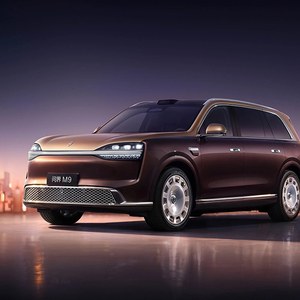
Used Hima AITO M9 2024 Range-Extended Ultra Version 42 kWh 6-Seater Model
Used Hima AITO M9 2024 Range-Extended Max Edition 52 kWh 6-Seater Version
Used Hima AITO M9 2024 Range-Extended Ultra Version 42 kWh 6-Seater Model
Used Hima AITO M9 2024 Range-Extended Ultra Version 42 kWh 6-Seater Model
How to buy a HIMA Aito M9 from China
-
1
Define the operating requirement
Set the route, passenger count, charging access, weather, service coverage and expected resale market before selecting a powertrain or trim.
-
2
Review live Aito M9 listings
Compare the model year, trim, battery capacity, seating, mileage, condition, VIN and listing-specific MOQ on each available unit.
-
3
Verify vehicle identity and history
Request registration records, service history, ownership documents, structural-repair disclosure and battery or range-extender maintenance evidence.
-
4
Request a landed-cost quotation
Ask for the unit-specific vehicle price, freight, insurance, port charges, Incoterm, exchange-rate basis and excluded duties or taxes.
-
5
Complete destination compliance review
Confirm LHD or RHD configuration, homologation, charging compatibility, customs classification, registration requirements and data or software restrictions.
-
6
Agree inspection and payment milestones
Use a written pro forma invoice and contract, with the balance linked to satisfactory inspection, verified title documents and agreed export paperwork.
-
7
Arrange pre-shipment and logistics
Complete a final inspection, confirm secure loading and insurance, release original shipping documents and use a licensed destination customs agent.
Aito M9 vs rivals
| Li Auto L9 | The Li Auto L9 is the closest powertrain-format benchmark: a large family SUV with range-extended propulsion. It may appeal where buyers prioritize a simpler EREV proposition, but the M9's equipment, seating choice and export support should be compared for the destination rather than assumed equivalent. |
|---|---|
| NIO ES8 | The NIO ES8 is a closer large premium EV comparison for executive and six-seat use. Its battery-swapping ecosystem where supported differs from charging-based ownership, so local infrastructure and dealer capability determine which proposition is more practical. |
| Mercedes-Benz GLE | The Mercedes-Benz GLE is a conventional premium-SUV alternative with an established global service and resale proposition. It does not provide the Aito M9's within-family range-extended and all-electric choice, but it may reduce market-entry risk for buyers prioritizing homologation and support. |
Frequently asked questions
How is the HIMA Aito M9 export price determined, and where can I see the live price?
A displayed price normally reflects the vehicle and seller terms shown for that unit, not the full landed cost. Year, trim, battery, seats, mileage, condition, currency, freight, insurance, port, Incoterm, duty and local taxes can all change the total. Open the live HIMA Aito M9 listings for the current per-unit figure, then request a written quote naming the VIN and separating included and excluded charges.
Which HIMA Aito M9 powertrain and battery options are available?
Range-extended versions are listed with 42 kWh or 52 kWh batteries, while all-electric versions use a 100 kWh battery. A range-extended model combines electric driving with an engine-generator; an all-electric model depends entirely on external charging. Certified driving range, charging specification and motor output should be checked on the exact listing because ratings and equipment can differ by market.
Should I buy a new or used HIMA Aito M9?
Used units can lower acquisition cost but transfer condition, mileage, repair and battery-health risk to the buyer. New units simplify ownership history but usually start a steeper depreciation curve. For either route, compare like-for-like trim and battery versions and require a VIN-specific inspection and documentary review.
How does MOQ work for HIMA Aito M9 wholesale or pilot purchases?
MOQ is set by the seller and listing, not by the model name. A pilot or individual used vehicle may be sold singly, while wholesale or factory arrangements may require a larger batch; confirm the stated MOQ for the selected listing. Ask for it on the pro forma invoice and final sales contract, and never infer a permanent Aito M9 rule from one offer.
What determines shipping time and cost for an Aito M9?
Transit time and cost are driven by origin and destination ports, carrier schedule, sailing or roll-on/roll-off space, vehicle handling, insurance, customs paperwork and destination charges. Larger or heavier vehicles can affect space utilization, but route-specific carrier decisions matter more than a generic estimate. Get a freight quote for the exact VIN, delivery port and Incoterm rather than using a model-level shipping figure.
Can overseas buyers source spare parts for the HIMA Aito M9?
Do not assume spare-parts support follows the vehicle purchase; availability and lead time must be checked by VIN and exact part number. Confirm that wear items, sensors, charging components and service documentation can be supplied for the selected powertrain. Also assess local workshop capability, diagnostic software and warranty boundaries, because a part existing in China does not guarantee quick overseas delivery.
Is right-hand-drive HIMA Aito M9 availability confirmed for export?
Right-hand-drive availability varies by source unit and destination. Many export purchases may be left-hand drive, so confirm steering position, dashboard and related equipment before ordering rather than relying on the Aito M9 model name. If conversion is required, ask a specialist to assess legality, cost, warranty and homologation impact before committing.
How can I buy HIMA Aito M9 from China?
Start with the live Aito M9 listings, shortlist the required year, trim, battery and seating layout, then send an RFQ with destination, Incoterm and quantity. Review the pro forma invoice, VIN, ownership documents, inspection plan and all-in cost before paying the deposit. The balance should follow satisfactory inspection and receipt of agreed export documents, with a licensed forwarder handling loading, customs and destination formalities.
Ready to source the HIMA Aito M9?
Request a current HIMA Aito M9 quotation with unit details, landed-cost assumptions, shipping terms and destination compliance checks.
Request a quote