
Honda Civic Export Buying Guide for Dealers and Importers
Compare Honda Civic trims, engines and export pricing, then learn how overseas dealers assess live listings, MOQ, shipping, homologation and compliance.
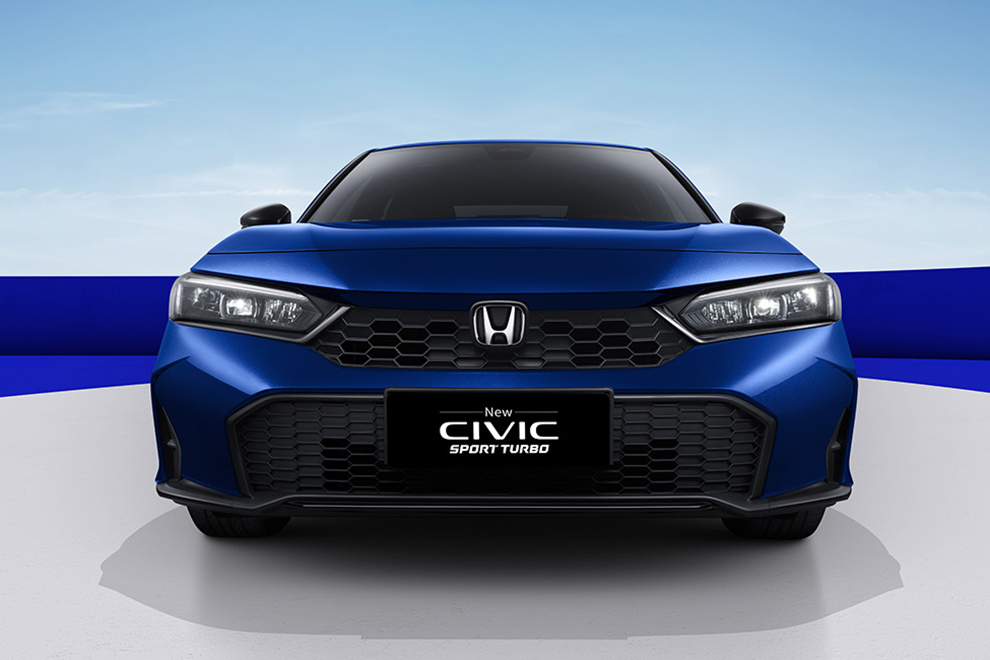
At a glance
- Chinese-market sedans and hatchbacks span naturally aspirated, turbo and manual options.
- Confirm the exact trim, model year, mileage, condition and equipment on every live listing.
- Export quotes move with specification, vehicle condition, freight, exchange rates and Incoterm.
- Most Chinese-built examples are left-hand drive, so right-hand-drive supply requires early confirmation.
- Check destination emissions, type-approval, tax and used-vehicle import rules before committing.
- Single-unit and consolidated purchases should both be supported by a written, unit-specific quotation.
Why the Honda Civic matters for export markets
The Honda Civic sits in the mainstream compact-car segment, combining a relatively manageable footprint with petrol-powered configurations suited to private buyers, company fleets and dealers serving urban markets. Chinese-market examples are offered in sedan and five-door hatchback forms, with trim naming that can look more complex than a simple model-and-equipment list. That breadth is useful for export sourcing because it lets a buyer separate basic transport needs from higher-output or more highly equipped derivatives without treating output labels as universal proof of equipment or destination suitability for the market sourcing.
Demand for the Civic in export markets is driven less by exotic positioning than by familiarity: Honda is a widely recognised name, the compact footprint eases urban use, and petrol models avoid the charging infrastructure required by battery-electric alternatives. Dealers can serve customers who want a recognizable global marque without moving into the cost of a larger premium vehicle. The trade-off is that Chinese domestic trims, emissions labels and equipment do not necessarily mirror the specification sold under the Civic name in Europe, North America or other regions or destination homologation requirements.
For overseas buyers, the Civic is therefore best treated as a sourcing platform rather than a single globally standardized product. The relevant decision is whether a specific Chinese trim suits the intended road, climate, customer and compliance regime. A hatchback may be easier to load for commercial use, while a sedan may have broader appeal for private buyers. Neither body style solves import restrictions, and a China VI designation is evidence of the Chinese emissions version, not automatic approval for the destination country without local certification and testing where required.
- Sedan and hatchback body choices.
- Petrol powertrains, not battery-electric range.
- Chinese trim labels require destination checks.
Model range, trims and powertrain variants: how the lineup is structured and how to choose
The Civic lineup in the Chinese export catalogue is organised around 1.8L petrol versions, 180TURBO, 220TURBO and 240TURBO derivatives, with sedan and hatchback configurations. Trim names may specify an edition such as Comfort, Classic, Luxury, Dynamic, Sport or Prestige, as well as features such as China V or China VI. These labels help define the vehicle, but they are not a substitute for the build sheet: axle, factory options and equipment can vary within a named edition. Check the VIN-linked listing and supporting photographs before treating any trim name as definitive.
The 1.8L automatic cars provide the simplest specification logic for buyers prioritizing familiarity, operating simplicity and the broadest compatibility with petrol refuelling. The 180TURBO family sits between the naturally aspirated car and the more powerful 220TURBO and 240TURBO options. Actual output, acceleration and equipment should never be inferred solely from these badges; verify the exact engine, transmission, curb weight and local equipment in the live record for each vehicle because market-specific calibrations and homologation can change what a buyer ultimately receives or may legally use at the point of import.
Most versions pair the engine with a CVT automatic, while certain 220TURBO cars are listed with a manual gearbox. CVT is the simpler default for broad resale and fleet use; a manual can appeal to buyers who value direct engagement and may prefer a particular configuration. Front-wheel drive is the normal layout. Before ordering, confirm whether the body, gearbox, engine code and destination-market equipment form the combination you need rather than combining features from separate listings or relying on a trim badge that may cover several market-specific configurations in practice.
- Match body style to customer use.
- Treat 220TURBO and 240TURBO as separate configurations.
- Verify CVT/manual choice and factory equipment.
New vs used Honda Civic: how export inventory is structured and how buyers choose
Chinese export inventory can contain both unused vehicles and cars that have completed ordinary use in China. A new example is best for buyers prioritising predictable delivery condition, warranty handling and a consistent specification, although its depreciation begins once it is registered or placed into service. A used example can offer a lower acquisition point for a vehicle that already suits the buyer, but the price and risk must be assessed against age, mileage, service history, accident repair and remaining economic life rather than the headline used-car discount alone by itself.
For a dealer, the key distinction is not simply new versus used but whether the unit is ready to stock. A new car may need registration, PDI and transport preparation; a used car may need inspection, reconditioning and evidence of roadworthiness before export. Used vehicles can carry unresolved cosmetic defects, non-recorded repair or unclear ownership documents even when the listing photographs look attractive. Require the seller to disclose faults and provide verifiable records rather than relying on the classification shown on the listing or a single inventory status label alone.
The practical selection process starts with a target specification and then permits condition to influence the final choice. If a fleet needs a uniform model year, gearbox and trim, new inventory may simplify standardisation; if the budget is driven by acquisition cost and a suitable used example is available, age and condition become central. Whichever route is chosen, compare several individual records, request inspection evidence and model total ownership cost. Current new and used examples, along with each unit's price and condition, should be confirmed directly in the live inventory.
- New stock favours consistency and simpler handover.
- Used stock requires condition and history checks.
- Inspect individual units before fixing a bid.
How export pricing works: the factors behind a live listing price, and how to read one
An export price is the result of several interacting variables, not a fixed market value for the Civic name. Model year and generation affect depreciation and parts positioning; trim and engine choice affect demand and equipment value; mileage, service history, paint, tyres and interior condition affect a used vehicle. Market conditions also matter, including exchange rates, local competition and how urgently the unit must move. Freight, insurance, port charges and handling should be separated from the vehicle price whenever possible so the buyer can compare like with like across offers.
When reading a live listing, identify what the displayed amount covers and whether it is tied to a particular unit. For used cars, check whether the asking price is negotiable and what evidence supports the condition. For all units, locate the Incoterm, named place, payment conditions and validity period, because a quote excluding freight is not directly comparable with a delivered price. Ask for a written quotation that names the vehicle, service scope and additional charges, then build the landed-cost view separately for each shortlisted configuration and alternative units available.
Negotiation should be based on evidence and comparables, not a generic discount expectation. A clean, documented example may command a different position from an older unit needing work; a mixed container can also produce a different unit price from a single purchase. Export buyers should ask whether the seller offers a unit-level adjustment, what stock allocation is required and whether the quote includes export preparation. The binding figures—current price, availability and commercial terms—are shown on the live ChinaCarDirect inventory and must be reconfirmed before any payment or shipment.
- Compare vehicle price and delivered cost separately.
- Confirm Incoterm, named place and quote validity.
- Use current unit-level inventory figures.
MOQ, ordering and payment: single units vs consolidating a container
There is no single MOQ or order size that should be assumed for Honda Civic sourcing. Availability and minimum-order conditions can differ by seller, vehicle condition, consignment route and the terms attached to a particular live listing. A buyer wanting one vehicle should ask directly whether it can be sold as a stand-alone unit and what export service is included. A buyer filling a container should define the required mix first, because combining vehicles can involve different sellers, preparation standards and delivery schedules, before any payment commitment is made by the buyer.
Single-unit purchasing is appropriate for test fleets, replacement vehicles, small importers and dealers trying a new model before scaling. It reduces exposure to unsold stock, but the buyer must confirm that the listing remains available and that the seller will handle one-unit documentation and transport correctly. Container consolidation can lower freight pressure per vehicle and support a broader range of trims, yet it introduces coordination, inspection and damage-allocation issues. The economic benefit depends on the final mix, not volume alone, and whether each participant accepts the same terms in advance.
A sound ordering workflow starts with a written RFQ that states destination, body style, engine, transmission, model-year preference, condition, quantity and required Incoterm. Ask for vehicle identities, photographs, specifications and commercial terms rather than relying on a catalogue description. Then define the reservation, payment, inspection, balance and release stages in the sale contract. Use protected payment methods, verify the trading entity and avoid instructions that move the transaction outside the agreed platform or documentation trail, especially where deposits or freight payments are requested before documents can be independently verified properly.
- Ask whether one-unit purchases are accepted.
- Define the container mix before quotations.
- Put every payment stage in writing.
Shipping, homologation and market compliance caveats: LHD/RHD and import rules by country
Chinese-built Civics are predominantly left-hand drive, so an overseas buyer must establish steering configuration before reserving a vehicle. Right-hand-drive availability is market-specific and may be limited; a China VI badge does not create RHD compliance, and converting steering and related components can complicate parts, safety and registration. For the United Kingdom, Australia, New Zealand, Japan and other right-hand-drive markets, confirm the exact vehicle, VIN and homologation route with a specialist importer before paying. Never assume a familiar trim name guarantees local eligibility for the destination country or its regions involved.
Import compliance is country and vehicle specific. It may involve emissions standards, type approval, safety features, VIN and ownership documents, customs classification, age limits, quotas, duties, VAT or other taxes, and local inspection. Used-car imports often face stricter rules than new vehicles, while a compliant Chinese vehicle is not automatically compliant elsewhere. China V and China VI designations describe Chinese emissions versions; they should be checked against the destination's rules, but they do not replace local certification. Obtain a written import assessment before committing funds, arranging transport or paying non-refundable deposits.
Shipping method should follow the vehicle and route. Enclosed or roll-on/roll-off shipping suits complete road vehicles; flat-rack or other open transport may be used where permitted, with greater exposure to weather and handling. The landed cost and timing depend on origin and destination ports, sailing schedules, vehicle preparation, space, insurance, customs clearance and terminal handling. Pack only approved items, secure loose equipment and photograph the vehicle at loading. A handover plan should cover original documents, keys, tools, accessories, condition records and responsibility at each stage, including who arranges destination charges.
- Confirm LHD or RHD before deposit.
- Check destination emissions and type approval.
- Define freight scope, insurance and port charges.
Who should buy the Civic — and who should pick a different vehicle
The Civic is a strong candidate for overseas dealers, importers and fleet operators that need a compact petrol car with a familiar global badge, a manageable size and a choice of sedan or hatchback utility. It can suit mixed fleets where drivers move between city streets and regional roads, provided the selected powertrain meets local expectations. The hatchback is especially practical for cargo volume, while the sedan may be easier to position as a conventional family or company car. For buyers, however, brand familiarity does not remove the need to verify Chinese specifications.
It is less suitable for a buyer who specifically needs right-hand drive at short notice, a battery-electric or plug-in hybrid product, or a commercial vehicle with a high payload. Local rules may also make certain used imports impractical. Buyers prioritising low running costs should compare real fuel consumption, insurance and servicing rather than assume a turbo badge delivers an advantage; heavier performance equipment can change consumption. Those seeking premium cabin quality, advanced driver assistance or a specific global homologation package may prefer a rival designed and certified for their market.
The best buying decision is a fit matrix. List the required body style, steering side, engine character, gearbox, budget ownership horizon, expected resale and local compliance needs, then score each candidate against them. A Civic that fails only a preference for steering position may still be a sound vehicle elsewhere, while one that fails safety, emissions or registration rules should be excluded regardless of price. For fleet use, compare total cost, downtime, parts planning and resale; for dealership use, compare trim demand, condition presentation and the ease of finding the exact specification.
- Good fit for compact petrol sedan or hatchback demand.
- Requires advance checks for RHD and compliance.
- Less suitable for BEV mandates or heavy payloads.
Main rivals and how the Civic compares
The Toyota Corolla is the closest global rival for many buyers because it competes directly in the compact petrol segment and is available in sedan and hatchback forms in relevant markets. It is often the safer choice where fuel economy, broad service familiarity and strong residual-value expectations dominate; a well-maintained example may also be easier for local buyers to understand. The Civic counters with a more driver-focused positioning, a broad set of Chinese turbo trims and hatchback availability. Neither is automatically cheaper after taxes, freight and local preparation are included.
The Volkswagen Golf is the stronger comparison for buyers who prioritise a premium cabin, a hatchback format and a more sophisticated road-car feel. It can be a better fit where refinement, international brand positioning or local dealer familiarity outweigh the Civic's wider Chinese trim selection. The Golf may also bring stronger perceived resale value in some markets, but purchase and operating costs can be less attractive. The Civic is generally the more pragmatic choice when the buyer wants multiple engine grades, accessible servicing and a broader configuration search across export markets.
The Hyundai Elantra is another credible compact alternative for buyers who prioritise equipment value, a modern sedan format and the potential advantages of a different manufacturer and export network. It may be attractive when the target market values warranty support or a particular Elantra trim more strongly than a Civic equivalent. The Civic's advantage is its established global name, broad petrol-choice range and the option of a hatchback for fleet and loading needs. A side-by-side landed-cost calculation for the vehicles, including destination fees and expected resale, should decide the comparison.
- Corolla: economy, familiarity and resale.
- Golf: premium feel and hatchback focus.
- Elantra: equipment value and modern sedan alternative.
Live Honda Civic export inventory
View all listings →Real units currently on ChinaCarDirect with per-unit asking prices and MOQ. Availability updates live from the catalogue.
How to buy a Honda Civic from China
-
1
Define the target vehicle
Specify the destination, sedan or hatchback body, engine preference, transmission, model-year requirement, condition and quantity. Distinguish mandatory compliance needs from preferred equipment.
-
2
Review live Civic records
Use the live inventory to compare individual vehicles by trim, year, gearbox, mileage, condition and seller information. Do not rely on a model-level description when ordering a particular unit.
-
3
Request verification evidence
Ask for photographs, specifications, ownership records, service history, known defects, VIN details where available, and evidence of inspection for used vehicles.
-
4
Obtain a landed-cost quotation
Request a written quote identifying each vehicle, the Incoterm, named place, freight scope, insurance, port charges, payment stages and quote-validity period.
-
5
Verify the seller and terms
Check the trading entity and incorporate the reservation, inspection, balance payment, document handover and vehicle-release conditions into the sale contract. Keep payment within the agreed documented process.
-
6
Approve condition and release
Review inspection findings and vehicle images before authorizing release. Confirm that keys, tools, documents, accessories and any permitted cargo are included in the handover record.
-
7
Ship and complete import clearance
Coordinate loading, insurance, export documents, freight booking and destination customs. Confirm local emissions, safety, type-approval, tax, quota and used-vehicle restrictions before shipment.
Civic vs rivals
| Toyota Corolla | The Corolla is often the lower-friction choice for buyers prioritizing fuel economy, service familiarity and resale expectations. The Civic offers a more driver-focused character and broader Chinese turbo and hatchback selection. |
|---|---|
| Volkswagen Golf | The Golf is the stronger fit for a premium cabin, hatchback format and sophisticated road-car feel, with potentially stronger perceived resale in some markets. The Civic is generally more pragmatic for accessible servicing and multiple engine grades. |
| Hyundai Elantra | The Elantra is a credible alternative for buyers prioritizing modern sedan styling, equipment value and a different export network. The Civic benefits from a widely established global name and the option of a practical hatchback. |
Frequently asked questions
How is Honda Civic export pricing determined?
Live export pricing reflects model year, trim, engine, gearbox, condition, mileage, market demand, exchange rates, freight, insurance and the selected Incoterm. A vehicle-only quote cannot be compared directly with a delivered price. Current unit-level prices and binding terms are shown in the live ChinaCarDirect Civic inventory and should be reconfirmed before payment.
Which Honda Civic engines and transmissions are available?
Chinese-market examples include 1.8L automatic cars, 180TURBO, 220TURBO and 240TURBO derivatives. Most use a CVT automatic, although selected 220TURBO configurations are offered with a manual gearbox. Confirm the exact engine and transmission on the individual listing rather than assuming every trim is mechanically identical.
Is a used Honda Civic better than a new example?
A new example generally offers more predictable condition, factory specification and handover consistency. A used example may make more commercial sense when its documented condition, service history and remaining life suit the buyer. Compare depreciation, repairs, warranty handling and operating costs rather than relying on the used classification alone.
What is the MOQ for buying Honda Civics from China?
There is no universal MOQ that applies to every seller, listing or purchasing route. Ask whether a specific vehicle can be purchased as a stand-alone unit and what export service is included. For a container, define the required vehicle mix and obtain separate unit-level and consolidated shipment terms.
How long does Civic shipping take and what does it cost?
Timing and cost depend on the origin and destination, transport method, sailing schedules, vehicle preparation, space, insurance, customs clearance and terminal handling. Obtain the freight scope and named place in writing, then calculate the landed cost separately from the vehicle price.
Can spare parts be sourced for an exported Civic?
Parts support depends on the destination's Honda dealer network and whether the Chinese-market configuration is represented locally. Request the VIN, engine and gearbox details and original part references where possible. Do not assume a Chinese trim badge maps exactly to an equivalent overseas model.
Is right-hand-drive Honda Civic availability assured?
Most Chinese-built examples are left-hand drive, and right-hand-drive supply is market-specific. Confirm the steering configuration, exact vehicle and local homologation route before paying. Converting a left-hand-drive vehicle may create additional safety, registration, warranty and parts complications.
How do I order a Honda Civic wholesale from China?
Start with the live inventory, shortlist individual vehicles and submit an RFQ stating the required specification, destination, quantity and Incoterm. Before payment, obtain verification documents and written terms covering inspection, payment stages, documentation, freight, insurance and vehicle release.
Ready to source the Honda Civic?
Send ChinaCarDirect your destination, required body style, powertrain, condition and quantity for a current unit-level Honda Civic quotation.
Request a quote