
Honda Crosstour Export Buying Guide for Overseas Buyers
Buy a Honda Crosstour from China with confidence: compare trims, understand export pricing and MOQ, assess shipping, and check market compliance.
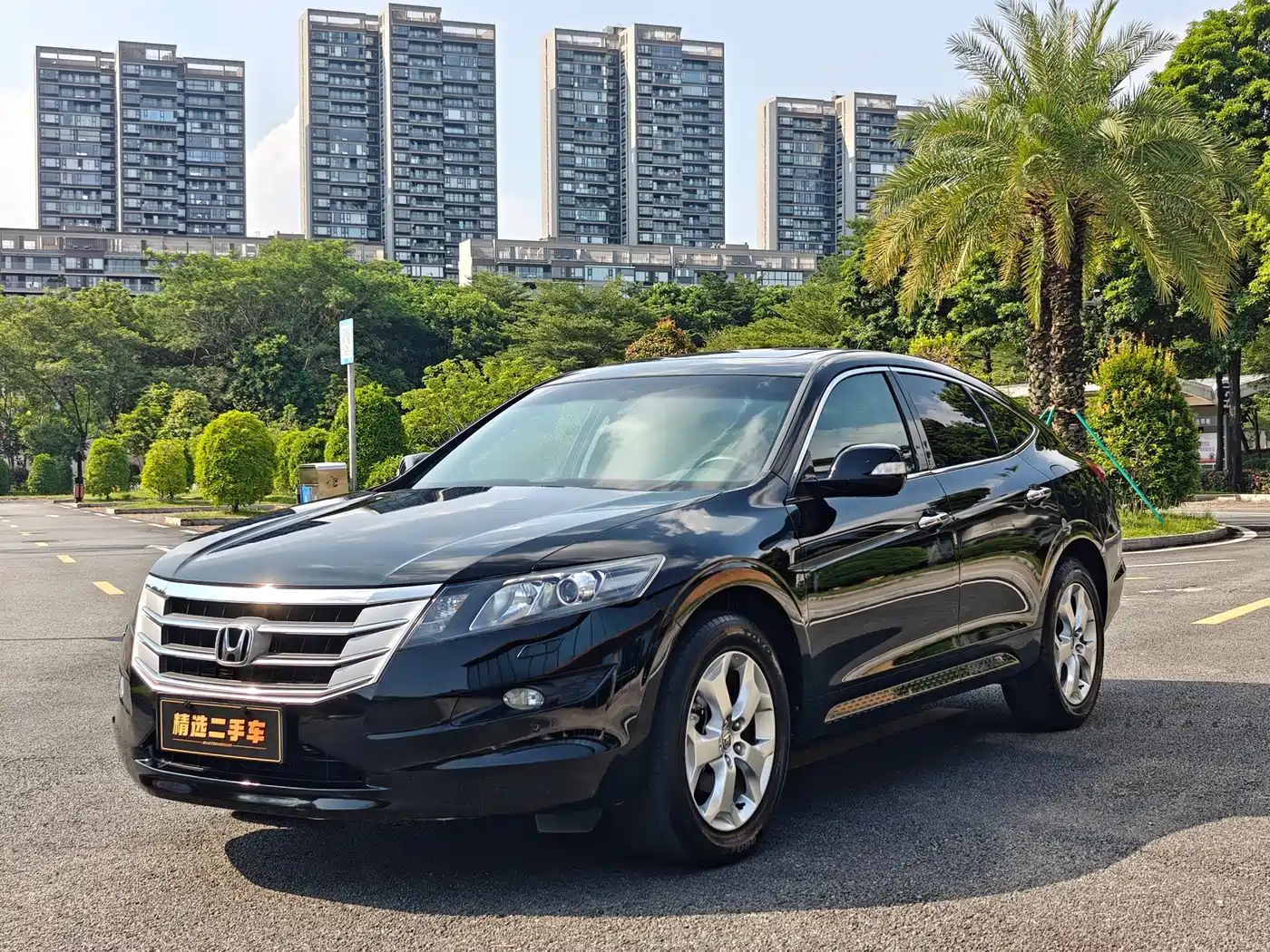
At a glance
- The Crosstour combines coupe-like styling with a five-door liftgate and versatile hatchback cargo packaging.
- The 2.4L front-wheel-drive option is the economy-oriented starting point, while V6 trims serve higher drivetrain and comfort needs.
- Used purchases should be selected through VIN-level condition checks, ownership records and independent inspections.
- Export quotes vary with trim, age, condition, mileage, freight, Incoterm and destination charges; live listings carry current figures.
- MOQ, payment terms and right-hand-drive availability must be confirmed for each seller and selected vehicle.
- Local homologation, parts support and resale expectations can outweigh the apparent acquisition advantage.
Why the Honda Crosstour matters for export markets
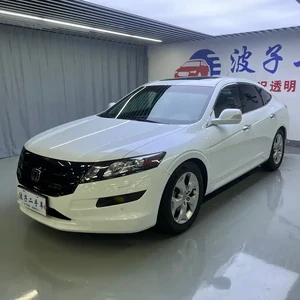
The Honda Crosstour sits in an unusual export niche: a five-door, hatchback-style midsize crossover with a sloping roofline, usable cargo floor and more rear/passenger space than many compact SUVs. It offers buyers the visual distinction of a coupe crossover while retaining the liftgate practicality of a conventional wagon. That combination can work well for dealers seeking an identifiable used vehicle rather than another anonymous compact utility model. It also gives fleet and retail buyers a model that can be positioned around comfort, styling and all-weather road use without exaggerating its off-road capability.
Because the Crosstour is an older, mature model rather than a newer-generation SUV, its export value depends on condition, originality and market fit. North American specification history gives it recognizable trim names, while its unusual body shape makes it easier to explain to retail customers than a conventional wagon. Demand is strongest where buyers value comfort, space and a lower purchase outlay, provided that safety, emissions and parts support are checked before shipment. A vehicle with complete service records and market-appropriate equipment may be easier to retail than a cheaper but poorly documented example.
For an overseas buyer, the model is most relevant as a practical import project, not a blanket fleet recommendation. Dealers should compare it with locally familiar compact SUVs and midsize crossovers on cargo volume, fuel use, parts access, safety equipment and resale support. A Crosstour that fails a local compliance check or lacks an economical parts channel can become an expensive retail proposition even when its acquisition terms appear attractive. The right question is therefore not whether the shape is popular, but whether this exact configuration can be homologated, serviced and resold profitably in the destination market.
- Coupe-style five-door utility.
- Condition-led sourcing.
- Local resale compliance.
Model range, trims and powertrain variants: how the lineup is structured and how to choose
The export-relevant Crosstour lineup is broad enough to include several buyer priorities. The 2.4L versions appear in Luxury, Luxury Navigation and Prestige editions, while the range also includes 3.0L AWD Premium Navigation, 3.0L AWD Prestige, 3.5L Prestige and 3.5L Flagship configurations. Trim names are useful for initial screening, but the VIN-linked listing, build plate and photographs must confirm the actual engine, drivetrain and equipment. For a purchase order, avoid relying on a seller-added title alone: request the engine designation, axle layout, transmission, key count, documented options and clear images of any navigation screen or factory badges.
The 2.4L four-cylinder choice is generally the simplest running-cost equation for fleets that spend much of their time on pavement. In the export range, these versions are associated with front-wheel drive, while navigation equipment can change the trim label and should not be inferred from the engine alone. Buyers should assess air-conditioning performance, actual fuel receipts and load requirements rather than assume the smallest engine is automatically the cheapest option in every duty cycle. For a mixed fleet, fuel use under load, towing needs, terrain and driver comfort can outweigh the purchase-price difference substantially.
The 3.0L and 3.5L V6 versions provide a different balance for buyers prioritizing highway confidence, passenger comfort and all-weather capability. The 3.0L entries explicitly carry all-wheel drive in their trim names, while the 3.5L Prestige and Flagship positions target the upper end of the range. Because fuel consumption, insurance and maintenance can differ materially, compare the real duty cycle and local running costs before selecting a V6. A higher-capacity engine may suit long routes or premium resale positioning, but it should not be treated as an off-road model or a substitute for a modern commercial van.
- 2.4L economy focus.
- 3.0L all-wheel drive.
- 3.5L upper-range comfort.
New vs used Honda Crosstour: how export inventory is structured and how buyers choose
Export inventory for an older nameplate can contain two very different categories: old new-stock vehicles that have never been registered, and used examples arriving from prior ownership. A new-status listing may be attractive for initial presentation and warranty discussions, but age can still create tyre, seal, 12-volt battery and electronics maintenance exposure. A used vehicle may offer a documented service history and known operating profile, so condition evidence matters more than the label alone. Confirm how the seller defines each status and what supporting documents accompany the vehicle in the export file.
Used Honda Crosstour sourcing is strongest when the buyer treats the vehicle as a selected, inspectable asset rather than accepting a generic model-year discount. Request the VIN, registration history where available, odometer readings, service invoices, maintenance records and photographs of the engine bay, cabin, wheels, roof and underside. A pre-purchase inspection should investigate fluid leaks, suspension noise, overheating, warning lamps, accident repair, airbag deployment and evidence of flood or structural damage. For higher trims, also verify that navigation, cameras, power equipment and driver-assistance functions operate as represented in the listing and the current live listing.
New-status stock can suit a dealer that wants a low-mileage display vehicle, while used units can provide better specification per vehicle and a broader range of acquisition options. Neither route eliminates age-related risk. Evaluate tyres by date and tread, fluid condition, service intervals, paint condition, interior wear, battery or alternator performance, and whether all keys and documents are present. The best choice is the unit whose documented condition fits the intended retail or fleet use. It is not automatically the newest, lowest-reading, or most fully equipped vehicle available for export.
- Define used status.
- Inspect age-related wear.
- Verify VIN history.
How export pricing works: the factors behind a live listing price, and how to read one
Honda Crosstour export prices should be read as the starting point for a negotiated transaction, not as a fixed value for every vehicle of the same name. Model year and trim establish the baseline, while engine, drivetrain, mileage, condition, service records, paintwork, accident history and included equipment affect the gap between comparable listings. The same trim can therefore carry very different economics once defects, documentation or unusual wear are disclosed. A wholesale buyer should also separate market adjustments from physical vehicle value. Exchange rates, freight and port charges can change the delivered total.
Read the commercial terms attached to every live quote. Confirm whether the displayed amount is an FOB China vehicle price, a domestic-dealer price, or a broader landed estimate, and identify what is excluded. Ocean freight, marine insurance, export documentation, destination charges, customs duties, taxes, registration, inspection and delivery to the final warehouse can all change the amount needed. Comparing two adverts without aligning the Incoterm and inclusions is not a valid price comparison. A lower vehicle figure may simply carry a higher logistics or compliance allowance, so build a like-for-like worksheet.
Use the live inventory as the source for the current, binding vehicle figures, then reproduce each quote in your own procurement file. Record the listing identifier, VIN or SKU, exact trim, condition, photographs, inclusions, Incoterm, payment schedule, delivery window and validity period. Ask what changes the supplier can approve and what evidence is needed to lock the unit. This process prevents a historic guide figure or an approximate search result from being mistaken for an executable quote. It also creates a clean basis for comparing offers from several suppliers or agents.
- Align Incoterms.
- Price condition separately.
- Use live quotes.
MOQ, ordering and payment: single units vs consolidating a container
Minimum order quantity is a commercial term that should be confirmed for the chosen listing, supplier and transaction structure. Some export offers are available to professional buyers on a unit basis, while container-consolidation arrangements may be negotiated around several vehicles. Neither model should be assumed from a catalogue headline. Ask the seller whether the unit can be reserved individually, whether mixed trims or conditions are allowed, and whether any volume discount changes payment or shipping terms. The written order confirmation should state the quantity, unit identity and deadline for balance payment.
A single-unit purchase offers lower inventory exposure and is often practical for a dealer testing demand before committing to a full shipment. The buyer must still budget the fixed cost of transport, documentation and destination handling, which is spread across fewer vehicles. Consolidation can reduce freight cost per unit and improve container utilization, but it increases capital exposure, storage needs and the difficulty of selling mixed specifications quickly. Model the whole landed cost for each option rather than focusing only on the vehicle invoice. It can also make condition matching harder.
Payment and release should follow a documented sequence. Confirm the accepted method, deposit, balance trigger, inspection period, documentary conditions and refund terms in writing before transferring funds. A reputable process links the balance payment to vehicle identity and satisfactory inspection or documents, rather than relying on a generic model name. Ask whether title and export documents are originals or copies, who arranges customs release, and how payment is protected if the vehicle or shipment does not match the agreement. Avoid paying an unrestricted balance before the inspection window and shipping evidence are complete.
- Confirm quantity terms.
- Model fixed freight.
- Condition payment on evidence.
Shipping, homologation and market compliance caveats: LHD/RHD and import rules by country
The first logistical question is whether the selected Crosstour is left-hand drive or right-hand drive. Most vehicles associated with this model’s North American history are left-hand drive, so right-hand drive availability is not automatic. Buyers for RHD markets should verify the actual steering position and all related equipment before committing. A conversion can add cost and complexity, and improvised changes may affect safety, registration, insurance or parts consistency. Ask for a clear photograph of the steering wheel and dashboard layout, along with the VIN and production details before payment is agreed.
Import compliance is country-specific and cannot be settled from the trim badge or the fact that a vehicle is roadworthy in China. The importer may need to address age limits, VIN and title documentation, emissions standards, safety equipment, roadworthiness inspection, customs valuation, duties, taxes and registration. Used vehicles can be restricted more tightly than newer stock in some markets. Obtain a written assessment from a local customs broker or vehicle-compliance specialist before committing to a unit. The broker should also explain whether any modification or spare-parts inventory affects entry clearance.
Shipping method should follow the quantity, urgency and budget. Consolidated sea freight is usually the economical choice for multiple vehicles, while Ro-Ro, container or air options may suit urgent or low-volume movements, subject to carrier and destination constraints. The Crosstour’s sloping roof and five-door configuration should be checked against carrier dimensions and securing requirements. Marine insurance, inspection, export clearance, port charges and inland delivery should be allocated in the landed-cost sheet before signing. For a single vehicle, an agent may combine cargo with other vehicles, but the handover and damage-liability process must remain traceable.
- Verify steering side.
- Confirm import rules.
- Build landed costs.
Who should buy the Crosstour — and who should pick a different vehicle
The Crosstour is a strong candidate for an overseas buyer who wants more presence and a more distinctive profile than a compact SUV, with a hatchback body that makes luggage and irregular loads easier to handle. It can suit used-car retailers, rental operators and company fleets that travel mainly on paved roads and value passenger comfort, cargo flexibility and straightforward long-distance use. Its shape should be matched to local demand, not treated as proof that it will sell faster than a conventional SUV. Test the market with careful stocking levels.
It is less suitable for buyers whose priority is the latest driver-assistance suite, connected services, battery-based efficiency or the lowest likely running cost. As an older platform, a Crosstour may offer less contemporary cabin technology and passive safety equipment than newer alternatives, depending on year and trim. It is also not a heavy-duty off-road tool, a high-capacity cargo van or a substitute for a seven-seat vehicle. Shops should review owner expectations and safety requirements before placing it in a fleet tender. Document any compromises in the sales or fleet brief.
A buyer should choose the Crosstour when its combination of body style, equipment and acquisition logic beats the alternatives in the destination market. That means comparing real operating costs, dealer parts support, insurance, homologation and expected holding time rather than focusing on the model’s visual appeal. If the RHD requirement, local safety rules or parts economics are difficult, a locally sourced vehicle may reduce risk. If extra seats are essential or off-road use is genuine, choose a model designed for those duties. The import decision should remain commercial, not emotional.
- Paved-road style and utility.
- Limited modern technology.
- Check local support.
Main rivals and how the Crosstour compares
The Honda CR-V is the most natural shopping comparison because it shares the brand, has a more conventional upright SUV layout and generally offers a simpler retail proposition. The Crosstour stands apart with its coupe-like roof and hatchback character, while the CR-V can be easier for customers to understand. Choose the CR-V when space efficiency, broad trim familiarity and straightforward family utility matter more; choose the Crosstour when distinctive design and the liftback format create a clearer retail hook. A side-by-side test should include visibility, cargo loading and rear-seat comfort.
The Toyota RAV4 is another practical used-SUV benchmark, with a reputation shaped by durability, fuel economy and broad international parts recognition. The Crosstour offers a larger, more unconventional visual proposition and a premium-oriented trim ladder, but it may be less familiar to local buyers. RAV4 can be the safer resale choice where mainstream demand dominates; the Crosstour makes more sense when dealers know how to explain its hatchback design and can support its specialist model status. Compare service intervals, insurance classification and the availability of genuine and quality aftermarket parts.
The Nissan Murano is the closest conceptual rival because it pairs a midsize crossover footprint with rounded styling and a large, usable cabin. The Crosstour’s long, low roof and liftback shape feel more car-like, while the Murano more closely follows mainstream crossover expectations. Buyers prioritizing easy family access, newer availability and familiar parts may prefer the Murano; those wanting the Crosstour’s distinctive profile should test its trunk opening, rear headroom and parking visibility before taking it to market. For any rival, compare equivalent condition, mileage, documentation and total landed cost rather than headline trim names alone.
- CR-V: conventional utility.
- RAV4: economy and familiarity.
- Murano: accessible midsize alternative.
Live Honda Crosstour export inventory
View all listings →Real units currently on ChinaCarDirect with per-unit asking prices and MOQ. Availability updates live from the catalogue.
How to buy a Honda Crosstour from China
-
1
Define the target vehicle
Set the destination, steering configuration, engine, drivetrain, trim, passenger count and intended use. This prevents unsuitable vehicles from entering the shortlist.
-
2
Shortlist live inventory
Review the live Honda Crosstour listings and compare individual units by trim, condition, mileage, equipment and seller. Use the listing identifier to keep every inquiry tied to a specific vehicle.
-
3
Verify identity and condition
Request the VIN, production details, service history, odometer evidence and photographs. Complete a pre-purchase inspection covering accident repair, leaks, suspension, cooling and electrical equipment.
-
4
Request a written quote
Ask for the current unit price, quantity terms, payment schedule, Incoterm, freight scope, documentation and quote-validity period. Ensure every commercial inclusion is stated in writing.
-
5
Clear compliance first
Confirm LHD or RHD availability, title documents, age restrictions, emissions, safety requirements, duties and registration requirements with a local importer or compliance specialist.
-
6
Reserve, inspect and release
Use the agreed deposit and inspection process, verify final payment against the selected vehicle, and release the balance only after the required inspection and documents are satisfactory. Then book freight and track the handover.
Crosstour vs rivals
| Honda CR-V | The CR-V offers a more conventional, upright and familiar SUV format that may be easier to retail and park. The Crosstour is the more distinctive choice for buyers who prioritize its sloping roof, hatchback design and coupe-crossover appearance. |
|---|---|
| Toyota RAV4 | The RAV4 is a mainstream used-SUV alternative with strong recognition for economy, durability and parts availability. The Crosstour offers a larger visual identity and more unusual cargo packaging, but may require a clearer local sales proposition. |
| Nissan Murano | The Murano is the closest conceptual midsize crossover rival, with rounded styling and easier family access. The Crosstour stands out through its lower, elongated roofline and liftback format, which should be tested for trunk opening, rear headroom and visibility. |
Frequently asked questions
How is Honda Crosstour export pricing determined?
Each vehicle's price reflects model year, trim, engine, drivetrain, mileage, condition, service history, accident record and included equipment. Freight, insurance, export handling, Incoterm, duties and taxes determine the additional landed cost. Check the live listings for current per-unit figures and request a written quote confirming the vehicle and commercial inclusions.
What powertrain and range options does the Crosstour have?
The Crosstour is a gasoline internal-combustion vehicle rather than an EV. Export-relevant trims include the 2.4L four-cylinder, 3.0L V6 and 3.5L V6, with automatic transmissions and either front- or all-wheel-drive configurations depending on the version. Battery capacity, electric range and charging figures do not apply; compare fuel consumption and running costs instead.
Is a new or used Honda Crosstour better for export?
Old new-status stock may suit a dealer seeking a low-mileage presentation vehicle, while a used example with strong service records may offer better value and known operating history. Both require age-related checks such as tyres, fluids, seals, battery condition and electronics. Select the unit whose documented condition best supports the intended resale or fleet use.
How does MOQ work for a Crosstour order?
MOQ is confirmed for the individual listing, seller and transaction structure rather than assumed from a general vehicle catalogue. Some transactions may permit an individual unit, while consolidated orders can involve several vehicles. Ask about reservation rules, mixed-unit eligibility, volume discounts and the quantity shown on the current live listing.
What determines shipping time and cost?
Shipping time and cost depend on the origin and destination, consolidation, freight mode, carrier schedule, port handling, insurance and customs requirements. Sea freight is generally suited to consolidated vehicle movements, while higher-volume or time-sensitive alternatives may cost more. Compare supplier and destination-agent quotations using the same Incoterm and delivery scope.
Are Honda Crosstour spare parts available for export?
The Crosstour has an established parts base, but availability and lead time depend on the destination and whether common wear items are held locally. Before importing, check the VIN for correct part numbers and compare dealer, quality aftermarket and salvage options. Include essential service parts in the initial shipment if local supply cannot be relied upon.
Is right-hand-drive Honda Crosstour availability guaranteed?
No. Most vehicles associated with the model's North American history are left-hand drive, so a right-hand-drive unit must be verified before payment. Ask for steering-wheel and dashboard photographs, the VIN and production details, then consult the destination importer. A professional conversion may be possible, but cost, safety and homologation consequences must be assessed first.
How do I order a Honda Crosstour from China?
Browse the live inventory, select a specific vehicle and send the seller your required trim, destination, quantity and preferred Incoterm. Request identity documents, condition evidence, a written price and payment schedule, and compliance confirmation before transferring funds. Complete the agreed inspection and document checks before paying the balance or releasing the vehicle for shipment.
Ready to source the Honda Crosstour?
Send your target trim, destination, quantity and required Incoterm to ChinaCarDirect for a current unit-level quote and export checklist.
Request a quote