
Honda Fit Export Buying Guide for Dealers and Fleet Buyers
Plan a Honda Fit export purchase from China with practical guidance on trims, used inventory, pricing, MOQ, shipping, compliance, parts and rival vehicles.
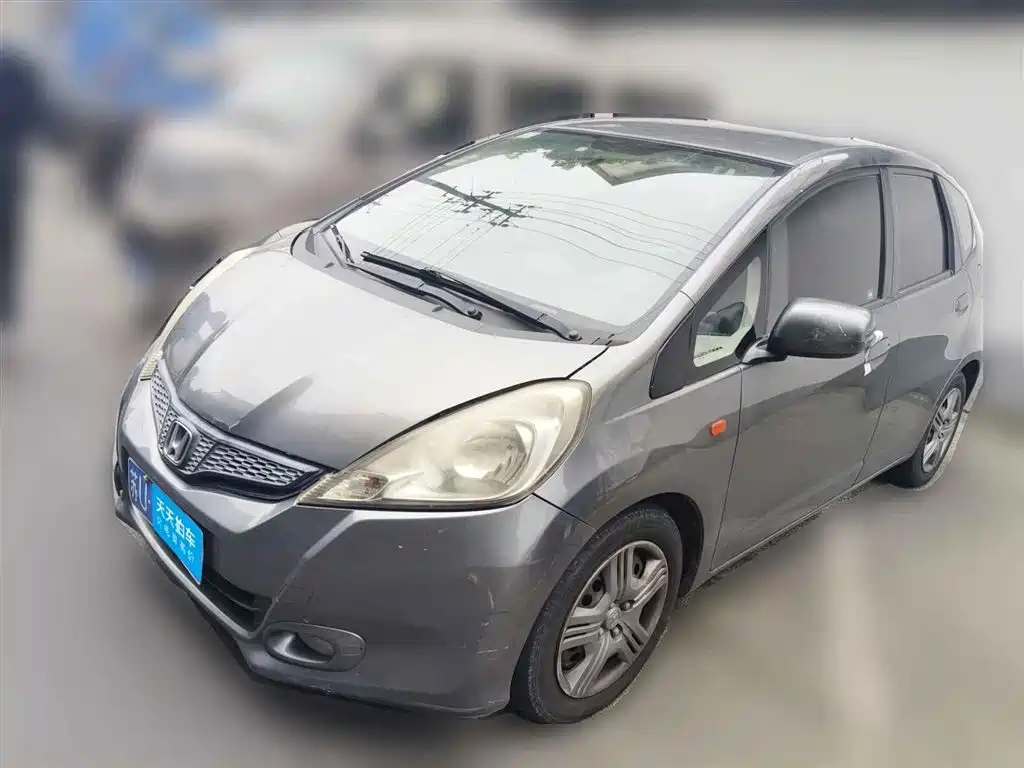
At a glance
- The Fit is a compact, fuel-efficient five-door hatchback suited to urban private and fleet use.
- Export choices center on 1.3-liter and 1.5-liter gasoline engines with CVT or selected manual options.
- Used inventory requires condition, mileage, service-history and document checks before purchase.
- Current unit prices, MOQ and availability must be confirmed in live listings.
- Destination steering, emissions and import rules determine whether a China-origin vehicle is viable.
Why the Honda Fit matters for export markets
The Honda Fit is a compact five-door hatchback built around a simple proposition: efficient packaging, easy urban handling and the flexibility of a small car that can carry more than its footprint suggests. That combination makes it relevant to overseas dealers serving city commuters, company-car programs and fleet operators that need a small operating footprint without giving up passenger capacity. Its appeal is practical rather than prestige-led, which is why the model has a recognizable place in the global compact-hatch segment where maneuverability and running costs matter more than aggressive styling or high performance.
For export buyers, the Fit is especially useful as a volume product rather than a halo model. A dealer can serve several market roles with related versions: an entry vehicle for private buyers, a practical fleet car for urban routes, or a light-duty vehicle for local commercial programs where certification allows. The tall hatchback format also supports flexible seating and cargo use, making it easier to justify one platform across several customer groups. Buyers should still assess local expectations, because compact-hatch demand varies by fuel policy, road conditions, taxation, parking availability and local usage patterns.
Global demand should not be assumed from the badge alone. A China-origin Fit may differ from versions sold under the same or a related name in other markets, with different engines, transmissions, equipment, emissions systems and steering positions. That makes the source market and destination country central to product strategy. The strongest export case is where a buyer can source serviceable vehicles at the right specification and still support them with realistic parts, inspection and customs planning. A well-chosen Fit can be an economical, easy-to-place small car; a mismatched one can create compliance and resale problems before reaching the customer.
- Compact format for urban use.
- Source-market specifications vary.
- Parts and compliance matter.
Model range, trims and powertrain variants: how the lineup is structured and how to choose
The export-relevant Honda Fit range shown here is a gasoline hatchback line-up, not an electric-battery model. Its structure centers on 1.3-liter and 1.5-liter engines paired with either a CVT automatic or, in some entries, a manual transmission. Examples in the named range include 1.3-liter automatic and manual Comfort versions, while many 1.5-liter versions use a CVT. This combination gives buyers a practical choice between displacement, transmission and equipment rather than a single global specification. For fleet procurement, compare which combination meets duty cycles, resale expectations and local servicing capability.
Within the 1.5-liter CVT group, trim labels describe a practical equipment ladder. Trend, Comfort, LX and LXS versions form the core, with Comfort, Comfort Sunroof and LXS Comfort Sunroof names appearing in the available range. Sport, Sport+, Trendy and related versions add appearance or equipment distinctions. These labels should not be translated into assumptions about safety equipment, infotainment or market certification: a Chinese-market trim can carry different content from an overseas model with a similar name. Ask for the original Chinese specification sheet, equipment photographs and VIN-linked documents before selecting a trim for resale.
Choice should be driven by the destination and operating profile. A CVT is usually the simplest choice for mixed urban traffic and broad driver familiarity, while a manual can suit buyers with appropriate licensing, local availability and a focus on mechanical simplicity. The 1.3-liter engine may be attractive where fuel use and purchase outlay matter; the 1.5-liter version may be preferable for frequent load carrying, hill use or buyers seeking a more familiar performance profile. None of these choices eliminates the need to verify emissions equipment, cooling, brakes, tyres and service provisions in the destination country.
- Match powertrain to duty.
- Verify original trim sheets.
- Check destination emissions rules.
New vs used Honda Fit: how export inventory is structured and how buyers choose
Chinese export inventory for the Fit is naturally divided into new vehicles and used examples, but a buyer should look beyond that binary. A new vehicle may be recent, unregistered stock intended for local delivery; it can also be an older production unit presented in new condition. The relevant questions are production date, registration status, invoice consistency, odometer reading and whether the seller can transfer the expected documents. For new units, the absence of use does not by itself establish low age or complete compliance with a foreign market's age, equipment or import approval requirements.
Used Fit vehicles can make sense for a dealer seeking an established model name at a lower acquisition cost, provided the condition supports local resale. Inspect paint and bodywork for repair history, verify the odometer, review service records and test cold starts, braking, suspension and climate systems. An older model may offer simpler parts availability in some markets, yet corrosion, wear or deferred servicing can offset the apparent saving. The best used purchase is not simply the highest age; it is the vehicle whose history, specification and condition fit the buyer’s planned holding period.
For fleet or ride-hailing programs, new-versus-used economics depend on utilization and downtime, not purchase category alone. A used unit with lower acquisition cost can be efficient if utilization is modest and maintenance is predictable; a newer unit may suit high-mileage operation, tighter warranty expectations or customers who value condition and appearance. Buyers should model total cost per usable kilometer, including commissioning, inspection, repairs, insurance and likely resale. They should also confirm that the trim’s equipment and emissions configuration are acceptable for the intended operating jurisdiction before the vehicles are accepted into service.
- Check age, registration and invoices.
- Inspect condition and service history.
- Compare operating cost.
How export pricing works: the factors behind a live listing price, and how to read one
A Honda Fit export price should be read as a vehicle-level quote with conditions attached, not as a fixed market-wide price. The same model can vary substantially by production year, engine, transmission, trim, mileage, condition, ownership history and whether it is new or used. Equipment such as a sunroof or sport package can also affect comparability. Currency movements matter at quotation and settlement, while inland transport, export handling, freight, insurance and destination charges may sit outside the displayed vehicle amount. The first task is to establish exactly what the listing includes.
Read each live listing line by line. Confirm the model year, exact trim wording, engine and transmission, odometer or new status, exterior color, condition notes, VIN, and included documents. Check whether the quoted amount is ex-warehouse, FOB, CIF or another basis, and whether insurance, export clearance, loading, ocean freight, destination charges and taxes are included. A lower vehicle figure can produce a higher landed cost if it excludes documentation, inspection, inland haulage or compliance work. Ask the seller to restate the offer in writing with omissions and exclusions clearly identified.
Wholesale buyers comparing several Fit offers should normalize the quote rather than rank the visible amounts. Create a like-for-like comparison using the same year band, engine, transmission, trim, condition, document set and Incoterm. Then add the known or estimated logistics and compliance costs to reach a landed basis. Treat any discount cautiously until the seller explains its cause; it may reflect age, condition, missing equipment or a different specification. Exact current per-unit price, MOQ and availability must be checked in the live inventory on ChinaCarDirect, because the binding quote can change with the unit and supplier terms.
- Compare equivalent vehicle specifications.
- Confirm quote inclusions.
- Check live unit pricing.
MOQ, ordering and payment: single units vs consolidating a container
MOQ means the minimum quantity a seller is willing to accept in one order. It should be read directly from each unit listing and confirmed in the quotation; it is not a universal Fit rule that can be assumed from the model name. Some offers may support a single-car purchase, while a dealer seeking a container may be able to consolidate several units under negotiated terms. Always distinguish the minimum order quantity from the supplier’s preferred volume, available production allocation and the number of vehicles actually ready to load without delay.
Ordering usually begins with a unit-specific inquiry, followed by a pro forma invoice or sale contract that defines the vehicle, price basis, payment schedule, inspection rights and release documents. A deposit may reserve the unit, while the balance is commonly tied to agreed milestones such as inspection or shipment readiness. The exact sequence is commercial rather than model-specific, so buyers should never rely on generic payment assumptions. Verify the supplier’s legal identity and bank details through an independent channel, and make changes to a unit or allocation only in a revised written document.
A single-unit order gives flexibility but usually leaves the buyer exposed to per-vehicle freight, documentation and handling costs. A consolidated order can improve freight efficiency and give a dealer a more balanced stock mix, but it increases exposure to one inspection failure, delayed readiness or a damaged vehicle. Decide the target mix before negotiating: model years, trims, colors and condition should reflect realistic local demand rather than whatever is easiest to allocate. Have a contingency for substitution, and include in the contract who bears cost if a selected unit fails inspection or cannot be loaded on schedule.
- Confirm listing-specific MOQ.
- Define payment milestones in writing.
- Balance consolidation and inspection risk.
Shipping, homologation and market compliance caveats: LHD/RHD and import rules by country
Shipping a Fit requires agreement on origin handling, transport mode, insurance and destination arrival responsibilities. Vehicle exporters may use container or roll-on/roll-off arrangements depending on quantity, port infrastructure and the route. The commercial terms determine who arranges inland haulage, export customs, loading, ocean freight, marine insurance, discharge and onward delivery. For a buyer comparing offers, state the destination port or city and request the same Incoterm for each quote. Otherwise, an apparently cheaper vehicle price may conceal a longer or less protected logistics chain and different transfer-of-risk points at discharge.
Transit time and final cost cannot be separated from the route. Sailing schedules, port congestion, customs clearance, terminal handling, inland capacity, fuel surcharges, exchange rates and insurance premiums all influence the landed amount. Weather or operational disruption can add delay, so cash flow and customer commitments should allow a buffer. Vehicles are valuable, dense cargo and need secure stowage, careful handling and clear responsibility for damage claims. Photograph the vehicle at handover and loading, retain the bill of lading and inspection records, and define the claims procedure before payment and release.
Do not infer the steering position from the model name or Chinese origin. A China-origin vehicle is commonly left-hand drive, but some destination markets expect right-hand drive, and the actual unit specification must control the decision. If the required configuration is unavailable, discuss sourcing or professional conversion early, including costs and the effect on warranty, insurance and approvals. Import rules also vary by country and may cover emissions, noise, safety, vehicle identification, age limits, customs valuation, taxes and registration. Used units can face additional restrictions. Obtain written importability advice from a local customs broker or compliance specialist before committing funds.
- Confirm port and Incoterm.
- Check steering position.
- Seek local import advice.
Who should buy the Fit — and who should pick a different vehicle
The Fit is a strong candidate for overseas dealers that need a compact, recognizable hatchback with sensible fuel consumption and straightforward operating costs. It is particularly suitable for urban customers who value easy parking, passenger capacity and a useful cargo area, and for mixed fleets combining private buyers with rental or company-car demand. The model can also work for urban delivery operations when payload, route quality and local rules permit. Its simple specification hierarchy and established compact-car format make stock planning easier, provided the dealer avoids treating every trim as identical.
Used Fit purchases suit buyers with a disciplined condition standard, access to service knowledge and a market that values fuel economy over refinement. Newer examples can reduce immediate refurbishment risk and make fleet presentation more consistent, but compare age and specification rather than rely on the new label alone. Before buying for resale, check whether the destination market recognizes the Chinese trim, warranty support exists and parts can be obtained quickly. A vehicle that is easy to sell and simple to service may be more valuable than one with lower acquisition cost but unclear support.
Different vehicle types are better when the operating requirement exceeds the Fit’s strengths. Large families needing more luggage, commercial users carrying heavy payloads, buyers expecting a rough-road suspension or buyers in markets shifting rapidly toward electrified vehicles should compare larger hatchbacks, wagons, crossovers or electrified alternatives. Performance-oriented drivers and those who prioritize high-grade cabin materials may also prefer another segment. The decisive test is whether the Fit’s running economy, packaging and servicing case outweigh its less-generous refinement, limited heavy-duty capability and market-specific compliance constraints under the destination country’s operating conditions in detail.
- Suitable for urban and fleet use.
- Used purchases require strict inspection.
- Choose alternatives for heavy or premium needs.
Main rivals and how the Fit compares
The Toyota Yaris is one of the closest global rivals because it occupies the same small-hatch class and competes directly for urban buyers. In some markets, Yaris buyers can choose hybrid powertrains and established local service networks, although those configurations and prices are not automatically available in a China-origin Fit export. Compare the exact engine, transmission, equipment, safety offering, warranty and landed cost. For a China-origin Fit, the quoted 1.3- and 1.5-liter choices should be assessed against the Yaris versions actually offered in the destination, because the Yaris brand and powertrain mix can be decisive in markets with strong hybrid demand.
The Hyundai i20 is another direct compact-hatch competitor, often placed against the Fit on cabin presentation, equipment and ownership proposition. Exact features vary by generation and country, so the comparison should use the destination-market specification rather than a generic trim name. The i20 may appeal where its specification offers more modern infotainment and equipment; the Fit may make more sense where compact dimensions, a practical interior layout and established fuel-car familiarity are priorities. Dealer support, warranty treatment, parts lead time and residual demand should carry substantial weight in the decision.
The Mazda2 is also a close size-and-use competitor, with a reputation for more driver-focused handling than the Fit’s practical urban emphasis. That is not an automatic advantage: buyers who prioritize easy ingress, flexible rear-seat and cargo use, lower complexity and a calmer ownership proposition may favor the Honda. Engine options, safety equipment, parts support and dealer coverage differ by market, so verify the actual vehicle rather than the badge. Across all three rivals, the strongest decision is the one that satisfies destination regulation, expected demand, serviceability and landed cost together before purchase.
- Compare market-specific powertrains.
- Weigh warranty and parts support.
- Check local demand and compliance.
Live Honda Fit export inventory
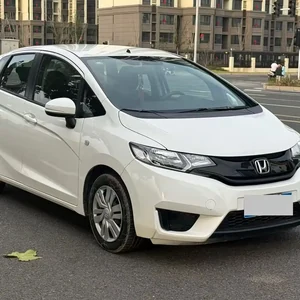
View all listings →Real units currently on ChinaCarDirect with per-unit asking prices and MOQ. Availability updates live from the catalogue.
How to buy a Honda Fit from China
-
1
Define the destination and duty cycle
Set the destination country, steering requirement, expected annual mileage, payload and customer profile. Use those requirements to shortlist the appropriate engine, transmission and trim rather than selecting the lowest advertised vehicle amount.
-
2
Search and shortlist live units
Review the live Honda Fit inventory and compare matching years, trims, engines, transmissions and condition indicators. Exact per-unit pricing, MOQ and availability must be confirmed for the vehicle being considered.
-
3
Verify documents and vehicle condition
Request the VIN, production details, registration and invoice information, equipment list and available inspection records. For used vehicles, verify the odometer, service history, repair evidence, cold start, brakes, suspension and body condition.
-
4
Build a landed-cost comparison
Normalize each offer using the same vehicle specification and Incoterm. Add inland transport, export handling, freight, insurance, customs, taxes and onward delivery so the comparison reflects cost at the intended destination.
-
5
Confirm MOQ and contract terms
Agree whether the order covers a single unit or consolidated volume, and place the applicable MOQ in the quotation. Record payment milestones, inspection rights, release documents, substitution rules and responsibility for failed inspections in the written contract.
-
6
Arrange shipping and import clearance
Confirm the loading location, transport mode, insurance, port, freight schedule and handover point. Obtain country-specific advice on emissions, safety, steering, customs valuation, registration and used-vehicle restrictions before shipment.
-
7
Receive, inspect and commission
Inspect each vehicle against the contract and retain transport, loading and arrival evidence. Complete customs, registration and pre-delivery checks, verify included equipment and establish spare-parts and after-sales support before customer handover.
Fit vs rivals
| Toyota Yaris | The Yaris competes directly in the small-hatch class and may offer hybrid choices and established local support in some destinations. The Fit is a practical alternative where the buyer wants a China-origin 1.3- or 1.5-liter gasoline configuration and stronger recognition for that particular vehicle. |
|---|---|
| Hyundai i20 | The i20 is a close compact-hatch rival that can compete on equipment, infotainment and modern styling. The Fit may better suit buyers prioritizing a practical cabin, flexible cargo use and a model with a well-established urban-car profile. |
| Mazda2 | The Mazda2 provides a more driver-focused alternative within the same size and price tier, depending on the market. The Fit generally emphasizes usability, flexible seating and straightforward ownership, so the better choice depends on the buyer’s priorities and destination availability. |
Frequently asked questions
How is the Honda Fit export price determined?
The price reflects the selected vehicle’s year, engine, transmission, trim, mileage, condition, ownership history and included documentation. Freight, insurance, export handling, customs duties and inland transport may be added depending on the Incoterm. Current per-unit pricing and availability should be checked in the live ChinaCarDirect listings.
What Honda Fit engine and transmission options are available?
The represented Fit range uses gasoline engines with 1.3-liter and 1.5-liter displacements. Depending on the version, the transmission is a CVT automatic or manual; these are internal-combustion vehicles rather than battery-electric models with a published driving range.
Should I buy a new or used Honda Fit?
Newer vehicles may reduce immediate refurbishment risk and simplify fleet presentation, but production age and specification still matter. Used cars can offer a lower acquisition outlay, provided mileage, service history, repairs, condition and document transfer are thoroughly checked.
What is the MOQ for a Honda Fit order?
MOQ is set by the supplier and shown for the individual listing rather than being a universal model rule. Some offers may support a single vehicle, while dealers can negotiate consolidated quantities for a container. Confirm the binding MOQ in the live listing and written quotation.
What affects Honda Fit shipping time and cost?
The route, sailing schedule, port congestion, transport mode, fuel surcharges, insurance, customs clearance and inland capacity all affect the result. The chosen Incoterm determines which party bears freight, handling, insurance and risk at each stage, so comparable quotes should use the same destination and terms.
Are spare parts available for an exported Honda Fit?
Parts availability depends on the destination market, Chinese trim, model year and the local Honda service network. Before purchasing, check that common service items are obtainable and ask the supplier for VIN-linked parts references. This is particularly important for buyers outside markets with an established Fit parts catalog.
Can I buy a right-hand-drive Honda Fit from China?
Do not assume that a China-origin Fit is right-hand drive; confirm the steering position from the unit’s specification and photographs. If the required configuration is unavailable, investigate sourcing an appropriate vehicle or a professionally executed conversion, while obtaining local approval and checking its effect on insurance and warranty.
How do I order a Honda Fit from China?
Start with the live listings, identify a suitable unit and submit an RFQ with the destination, specification and quantity requirements. After document review and inspection terms are agreed, use a written contract and pro forma invoice to confirm the vehicle, price basis, MOQ, payment milestones and shipping responsibilities before releasing funds.
Ready to source the Honda Fit?
Send your destination, trim, condition and quantity requirements to ChinaCarDirect for a current unit-level quote and export feasibility check.
Request a quote