
Honda Greiz Export Buying Guide for Overseas Dealers
Buy a Honda Greiz from China with a practical guide to trims, used-car checks, export pricing, MOQ, shipping, compliance and dealer sourcing.
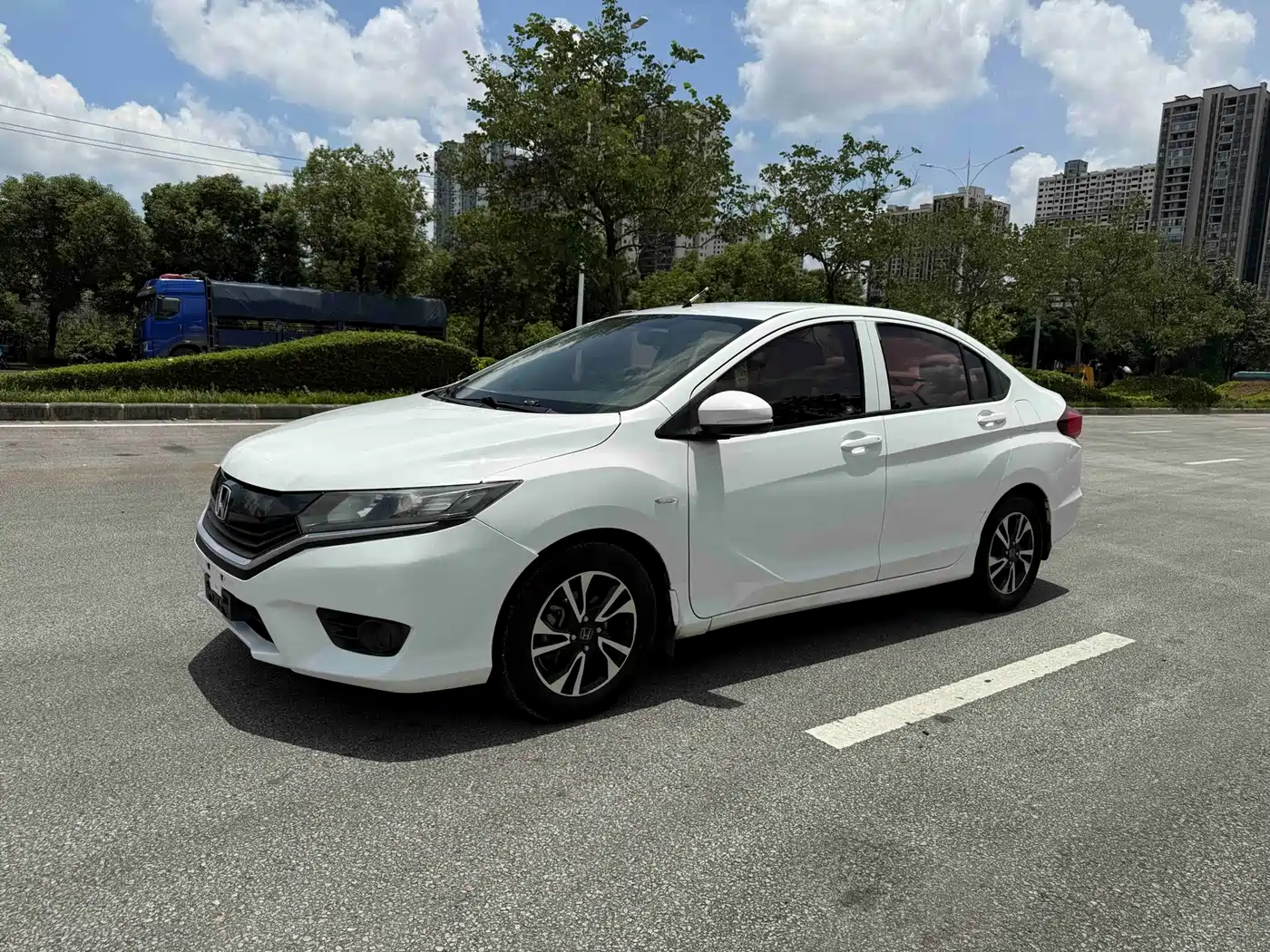
At a glance
- The Greiz is a compact four-door gasoline sedan suited to urban dealers and mixed fleets.
- Its export range spans 1.5L CVT and manual cars, with Classic, Comfort, Fashion and Luxury trim labels.
- Used-unit value depends on verified history, condition and inspection rather than mileage alone.
- Export price is unit-specific; landed cost also depends on freight, Incoterms, taxes and exchange rates.
- Confirm RHD needs, homologation and import rules before choosing a destination.
Why the Honda Greiz matters for export markets
The Honda Greiz occupies the compact four-door sedan segment, a format that appeals to overseas dealers serving urban customers, ride-hailing operators, small fleets and buyers who prefer a car over a crossover. Its 1.5L gasoline powertrain, available with either a CVT or manual transmission in the export range, places it against efficient sedans. That positioning matters because compact sedans are easier to compare on purchase price, running economy, service access and resale than vehicles crossing into unrelated categories. The result is a model assessed through familiar operating costs rather than specialized infrastructure.
Global demand for compact sedans is shaped by practical needs: manageable dimensions for city parking, useful passenger space, acceptable fuel consumption and a powertrain that can be supported by an ordinary service network. The Greiz’s sedan format and Honda positioning align with those priorities, but the model does not have the same uniform global recognition as the Corolla. Its export demand is therefore destination-led and should be checked against locally popular City, Accent and Corolla alternatives rather than assumed from broad segment popularity in the importing country or regional market.
The Greiz is most relevant where buyers value a straightforward, globally familiar proposition rather than the latest body style or hybrid technology. It can suit a dealer rebuilding a compact-sedan category, a fleet manager standardizing on an affordable four-door model, or an importer testing demand with mixed trims. For those decisions, trim presentation, transmission choice, serviceability and parts support may matter more than badge appeal alone. A live, unit-level comparison is therefore more useful than general model reputation: check the exact vehicle, its documents and the destination’s ability to service it.
- Compact sedan suits urban fleets
- Global demand varies by destination
- Compare units against local rivals
Model range, trims and powertrain variants: how the lineup is structured and how to choose
The Greiz export range is organized around a 1.5L gasoline engine. CVT-equipped cars cover more named trim combinations, while manual versions extend choice for buyers who prefer direct control or fleet duties with an established manual gearbox. Named trims include Classic, Comfort, Fashion and Luxury labels, sometimes with wording such as Comfort Version or Comfort Edition. Those names help identify equipment and presentation, but do not replace the VIN, specification sheet and condition report. Transmission choice can influence compatibility with local driving habits, resale expectations and the availability of suitable replacement units.
Classic provides the baseline trim label for a comparison, while Comfort, Fashion and Luxury versions may add equipment, visual differentiation or convenience features. The exact equipment assigned to each label should be verified because export listings may use market-specific naming and may not match brochures for another country. Compare seat material, infotainment, safety equipment, climate control, wheels and exterior details in the photographs and option list rather than inferring value from the trim name. For fleet procurement, standardisation across units matters more than one car’s cosmetic appeal when planning resale.
For powertrain selection, a CVT generally suits buyers seeking straightforward urban and long-distance operation with fewer manual-shift decisions. A manual can be attractive where the destination market has a strong manual-translation culture, where buyers focus on acquisition cost, or where familiar driver training is useful. Neither choice changes the core 1.5L gasoline character of the Greiz, but it affects purchase comparison, tyre and servicing considerations, and the pool of replacement cars a dealer can resell. Confirm the gearbox, engine output and equipment on the exact listing before quoting to a fleet customer or importer.
- CVT suits low-friction daily use
- Manual fits selected fleet needs
- Verify trim equipment per car
New vs used Honda Greiz: how export inventory is structured and how buyers choose
ChinaCarDirect inventory can include Honda Greiz vehicles presented as new or used, and the two categories serve different export strategies. A new car may offer more standardised condition, a clearer warranty path and simpler presentation for fleet customers, subject to the seller’s terms. A used Greiz can provide a more accessible entry into the model and a wider set of trim conditions. Buyers should select by documented vehicle history and commercial objective, not assume one condition is superior in every destination. The correct comparison starts with the buyer’s resale plan.
For a used export car, condition documentation should cover mileage, service history, accident or structural repair evidence, paintwork, interior wear, tyres, battery-related faults for ancillary systems, and the validity of identification numbers. The pictures should be recent and broad enough to reveal panel gaps, dashboard warning lights and signs of neglect. A low purchase figure can be offset by repair, compliance or resale uncertainty, so the inspection result belongs in the commercial calculation before a unit is reserved. This matters especially when several used cars are consolidated for onward sale.
For new inventory, focus on age, warranty validity, delivery documents, consistency and whether the seller can demonstrate ownership or provenance. Used units may suit an importer seeking model-specific stock, a dealer filling a trim, or a fleet buyer with a controlled refurbishment plan; new cars may suit institutional procurement with strict presentation standards. Whatever the category, use inventory filters and request the unit record, because condition labels, photographs and trims change across vehicles. A written condition standard is more valuable than a broad new-or-used label when units will be sold together.
- Used: verify history and condition
- New: confirm provenance and warranty
- Adopt one written condition standard
How export pricing works: the factors behind a live listing price, and how to read one
A live Honda Greiz export price is not a fixed model-level figure. It is generated from the attributes of the individual car, including production year, trim, transmission, mileage, condition, visible equipment, ownership history and the seller’s commercial terms. Currency conversion can move the displayed amount, while freight, insurance, port charges, taxes and destination handling may sit outside it. Buyers should compare like with like and establish whether the figure is a vehicle-only price, an export-deal price or an Incoterm-based quote before adding it to a landed-cost budget for this unit.
To read a listing correctly, first identify the exact trim, gearbox, model year, mileage and condition, then check which photographs correspond to that vehicle. Next, confirm whether the displayed amount includes export documentation, inland transport to the departure point, maritime booking, marine insurance or only the car itself. Clarify the named Incoterm, currency, validity period and payment schedule. If the page does not make these points clear, ask for a written quotation that separates the vehicle price from every charge that will reach the destination, including taxes that the importer must settle locally.
Pricing should be rebuilt as a total acquisition decision rather than accepted as the lowest visible number. Compare vehicle condition and specification first, then add inland haulage, export charges, freight, insurance, destination terminal fees, customs duties, taxes and the expected cost of registration or minor preparation. Exchange rates and sailing schedules can change the final exposure. The most reliable current number is therefore the unit-specific quote tied to a named vehicle, while the live Greiz inventory should be used to compare per-unit availability and request the binding price for the intended destination.
MOQ, ordering and payment: single units vs consolidating a container
MOQ is a commercial rule attached to a particular listing or negotiated quote, not an automatic property of the Honda Greiz model. Some unit-based offers may be available without a multi-vehicle commitment, while a dealer seeking a coordinated batch may ask the seller to reserve several cars of a specified trim. Buyers who need one vehicle should read the displayed MOQ and payment terms, because a low initial commitment does not remove conditions on documentation, payment or cancellation. Any negotiated exception should also be recorded in writing before any deposit.
Consolidating a container can improve control over trim consistency, inspection standards and replacement-unit availability, but it magnifies the cost of choosing the wrong specification. If several Greiz cars are ordered together, define the permitted mix in advance: model year, Classic, Comfort, Fashion or Luxury labels, CVT or manual transmission, colour, condition and mileage band. Confirm whether the seller can source genuinely matching units rather than substitute after the order. For a mixed fleet, written tolerances and a named inspection representative are more valuable than a vague promise of “similar cars.”
Typical ordering mechanics begin with a unit enquiry, followed by document and condition verification, a written commercial quotation, payment, inspection, release for shipment and documentary handover. Payment structure and sequence depend on the seller and transaction, so compare the proportion paid before shipment with the balance against documents such as the bill of lading or equivalent transport evidence. Dealers should also agree on inspection timing, who pays for corrections and what happens if the vehicle differs from its description. Clear milestones reduce disputes without making the order unnecessarily rigid overall.
- Check MOQ for each offer
- Define trim and condition tolerances
- Use milestone-based payment terms
Shipping, homologation and market compliance caveats: LHD/RHD and import rules by country
The Greiz must be treated as a vehicle requiring destination-specific approval, not as a globally interchangeable specification. Before contracting, ask the importer or local compliance adviser to check import age rules, emissions requirements, safety and type-approval rules, customs valuation, duty, taxes and any used-vehicle inspection scheme. Chinese-market documentation and factory equipment may not satisfy local standards automatically. Compliance responsibility can sit with the importer, and unresolved requirements should be treated as commercial risks because registration refusal or modification can destroy the expected resale value in the importing country without warning.
Steering configuration is an early sourcing filter. Left-hand-drive Greiz cars fit many markets, while right-hand-drive demand exists in countries such as the United Kingdom, Australia, Japan and parts of Africa and Asia. ChinaCarDirect should not be assumed to hold a ready RHD example simply because a market prefers one. Ask whether the vehicle is factory RHD, an approved conversion or mechanically converted, and request supporting records. A conversion may affect insurance, legality, warranty, steering components and resale, while also narrowing the availability of model-specific parts after export in that destination market.
Shipping cost and timing depend on the departure and arrival ports, vessel or ro-ro routing, vehicle dimensions, cargo value, insurance, terminal handling, congestion and customs clearance. Obtain the exact dimensions from the selected unit or carrier before confirming a booking; the live listing is the starting point, not the final stowage decision. Keep the VIN, title and import documents aligned with the physical car. If a port, insurer or freight forwarder raises a compliance concern, resolve it before release rather than assuming delivery automatically resolves registration or payment issues abroad.
- Confirm factory RHD or conversion
- Check destination import rules
- Verify dimensions before booking
Who should buy the Greiz — and who should pick a different vehicle
The Greiz is a strong candidate for a dealer that wants a conventional, compact Honda sedan with a straightforward 1.5L gasoline proposition and access to CVT or manual variants. It can work for urban private customers, company-car programmes, airport and hotel fleets, and importers replacing an equivalent older sedan. The decision is strongest when the buyer already understands the model, has a service plan for it and can source comparable units for after-sales support. A clear demand case and a realistic total-cost budget matter more than a fashionable feature list.
Different vehicles are better when the brief prioritises fuel economy, cargo capacity, all-weather road presence, seven-seat flexibility, advanced driver assistance or a strong official warranty network. A hybrid or electrified sedan may suit operators with low running-cost targets; a crossover may suit buyers needing more luggage space and a higher seating position; a pickup may suit commercial users whose payload cannot be sacrificed. Before accepting a Greiz, compare the actual task against these needs. Buying a lower-cost sedan is sensible only if its space, fuel use and support still meet the operating requirement.
Walk away from a Greiz purchase if the seller cannot provide traceable identity and ownership documents, if inspection conflicts with the description, or if the intended importer cannot legally register it. A low acquisition price does not justify unclear title, missing keys, structural-damage evidence, non-matching VIN details or an incomplete mechanical inspection. For fleet use, confirm that the chosen trim and gearbox are common enough to support replacement units and that spare parts can be obtained through the intended channel. These checks protect the buyer’s total return, not merely the vehicle purchase.
- Best for compact sedan fleets
- Consider alternatives for cargo use
- Reject unclear title or inspection
Main rivals and how the Greiz compares
The closest conceptual rival is the Honda City, which competes for the same compact-sedan buyer and may be easier for some overseas customers to recognise. Its relevance depends on the destination’s model history and the availability of comparable used cars. The Greiz can remain attractive where local City examples are scarce, trims or equipment are better matched, or a mixed CVT-and-manual inventory strategy is useful. However, shared Honda positioning does not guarantee common parts availability across generations or markets, so verify the exact vehicle rather than assuming interchangeability for servicing.
The Toyota Corolla is the benchmark rival for buyers who prioritise global name recognition, broad trim familiarity and a strong reputation for ease of ownership. The Greiz may offer a more useful acquisition route or a better-equipped used example in some sourcing situations, but the Corolla will often be easier to compare against local market expectations. Engine versions, safety equipment, tax treatment and parts supply differ by market, so neither badge guarantees a lower running cost. A landed-cost comparison and local service check should decide between them for the buyer.
The Hyundai Accent is another close alternative in the affordable compact-sedan class, particularly where a local dealer network makes servicing and resale easier. The Greiz may be the better import choice when Chinese sourcing offers a more suitable specification, lower acquisition exposure or a replacement-unit advantage, but the Accent may command greater buyer familiarity. Compare the exact engines, transmissions, dimensions, safety systems, parts catalogue and destination-market taxes rather than comparing generic model names. The strongest choice is the car whose verified unit and support arrangement best match the buyer’s market.
Live Honda Greiz export inventory
View all listings →Real units currently on ChinaCarDirect with per-unit asking prices and MOQ. Availability updates live from the catalogue.

How to buy a Honda Greiz from China
-
1
Define the destination and vehicle brief
Write down the destination’s steering, fuel, tax and import constraints, then choose sedan size, transmission, trim and condition. This prevents a locally unsuitable Greiz from entering the quotation stage.
-
2
Filter the live Greiz inventory
Use the live inventory to shortlist individual 1.5L CVT or manual cars by trim, condition and location. Ask the seller to confirm that the photographed unit is the one being offered.
-
3
Request a verification dossier
Ask for the VIN, title or ownership documents, recent photographs, odometer reading, service history, equipment list and known-defect statement. Cross-check identity details across the documents and vehicle.
-
4
Build a written landed-cost quote
Specify the departure port, destination port and intended Incoterm. Ask for vehicle price, inland transport, export charges, freight, insurance, terminal fees and applicable taxes shown separately, together with the quote’s validity period.
-
5
Confirm MOQ and payment milestones
Read the MOQ on each selected listing and negotiate any batch exception in writing. Record the deposit, balance triggers, inspection rights, substitution rules and cancellation terms before remitting funds.
-
6
Approve inspection before release
Use an independent or agreed inspector to check condition, mechanical operation, documents, VIN and export preparation. Specify who pays if the unit departs from its description and whether the sale may be rejected.
-
7
Book shipping and handover
Give the forwarder confirmed dimensions and the correct VIN, title and shipping documents. Keep payment and release tied to verified evidence, then retain the transport and customs file for registration.
Greiz vs rivals
| Honda City | The City is the closest conceptual rival because it occupies the same compact-sedan brief and carries the Honda name. Choose the Greiz when its specific unit, trim or sourcing route is more suitable; choose the City when local recognition, service coverage and replacement-stock simplicity outweigh those advantages. |
|---|---|
| Toyota Corolla | The Corolla is the global benchmark for buyers seeking familiar ownership and broad trim recognition. The Greiz can win on acquisition fit or a better-equipped sourced unit, while the Corolla often has the simpler local comparison and resale proposition. |
| Hyundai Accent | The Accent is a close affordable-sedan alternative, especially where a local Hyundai network simplifies service and resale. The Greiz is more compelling when Chinese sourcing provides a better specification or replacement-unit advantage; neither is automatically cheaper once taxes, freight and running costs are included. |
Frequently asked questions
How is the Honda Greiz export price determined?
A live price reflects the individual vehicle’s production year, trim, transmission, mileage, condition, equipment and the commercial terms of the offer. Freight, insurance, port charges, duties, taxes and exchange-rate movements may affect landed cost, especially when they are outside the displayed figure. Check the current Honda Greiz live listings for the unit price, then request a written quote tied to the selected car and destination Incoterm.
Which engine and transmission does the Honda Greiz use?
The export range includes a 1.5L gasoline engine with either a CVT or manual transmission, depending on trim and unit. It is a conventional gasoline car, so electric range, battery capacity and charging time are not the relevant buying criteria. Confirm the engine output, gearbox and exact equipment in the unit record because market versions can differ.
Is a used Honda Greiz better than a new one for export?
A used Greiz can offer a lower acquisition entry point and a broader choice of trim conditions, but it carries more uncertainty about mileage, wear, repairs and history. A new car may provide more standardised presentation and clearer warranty or provenance terms, subject to the seller. Choose from the same written condition standard and calculate inspection, compliance and resale costs before deciding.
What is the MOQ for Honda Greiz wholesale orders?
The MOQ is set by the individual listing or negotiated quotation, not by the model itself. A unit-based offer may be available for one vehicle, while a container consolidation can carry a larger batch requirement; check the terms displayed for the selected offer. Confirm any exception, required specification mix, deposit and cancellation policy in writing before ordering.
How long does shipping take and what does it cost?
Transit time and cost depend on departure and arrival ports, vessel or ro-ro routing, cargo space, vehicle dimensions, insurance, terminal handling, congestion and customs clearance. Obtain a freight quotation for the exact vehicle and destination, and clarify whether the quote includes only transport or also port and documentation charges. Booking earlier can improve routing choices, but the carrier’s current schedule is the binding reference.
Can spare parts be ordered for an imported Honda Greiz?
Service items may be available through Honda parts channels, but compatibility depends on the vehicle’s generation, market specification and steering configuration. For a used or converted car, verify that electrical, body and steering components match the receiving market before promising parts support. Keep the VIN and trim details when requesting a parts quotation, and include downtime risk in the operating budget.
Is a right-hand-drive Honda Greiz available for export?
Right-hand-drive demand exists in several markets, but availability depends on whether the selected Greiz is factory RHD or a documented conversion. Do not assume that an LHD listing can simply be converted or sold where RHD is required. Check the live inventory, request the conversion or factory records, and confirm local insurance and registration treatment before committing.
How do I buy a Honda Greiz from China?
Start with the live Honda Greiz listings, shortlist vehicles by trim, transmission, condition and destination requirements, and request an RFQ for the chosen unit. The seller should then provide identity and ownership documents, photographs, a condition report, a specification sheet and a written price with Incoterm and payment milestones. Complete inspection, payment, shipping and export documentation only after those details are verified.
Ready to source the Honda Greiz?
Request a live Honda Greiz quotation with unit details, Incoterm, MOQ, payment milestones and destination shipping costs.
Request a quote