
Honda Inspire Export Buying Guide: Specs, Trims & Rivals
Compare Honda Inspire trims, powertrains and export pricing factors, then learn how overseas buyers verify units, shipping and market compliance.
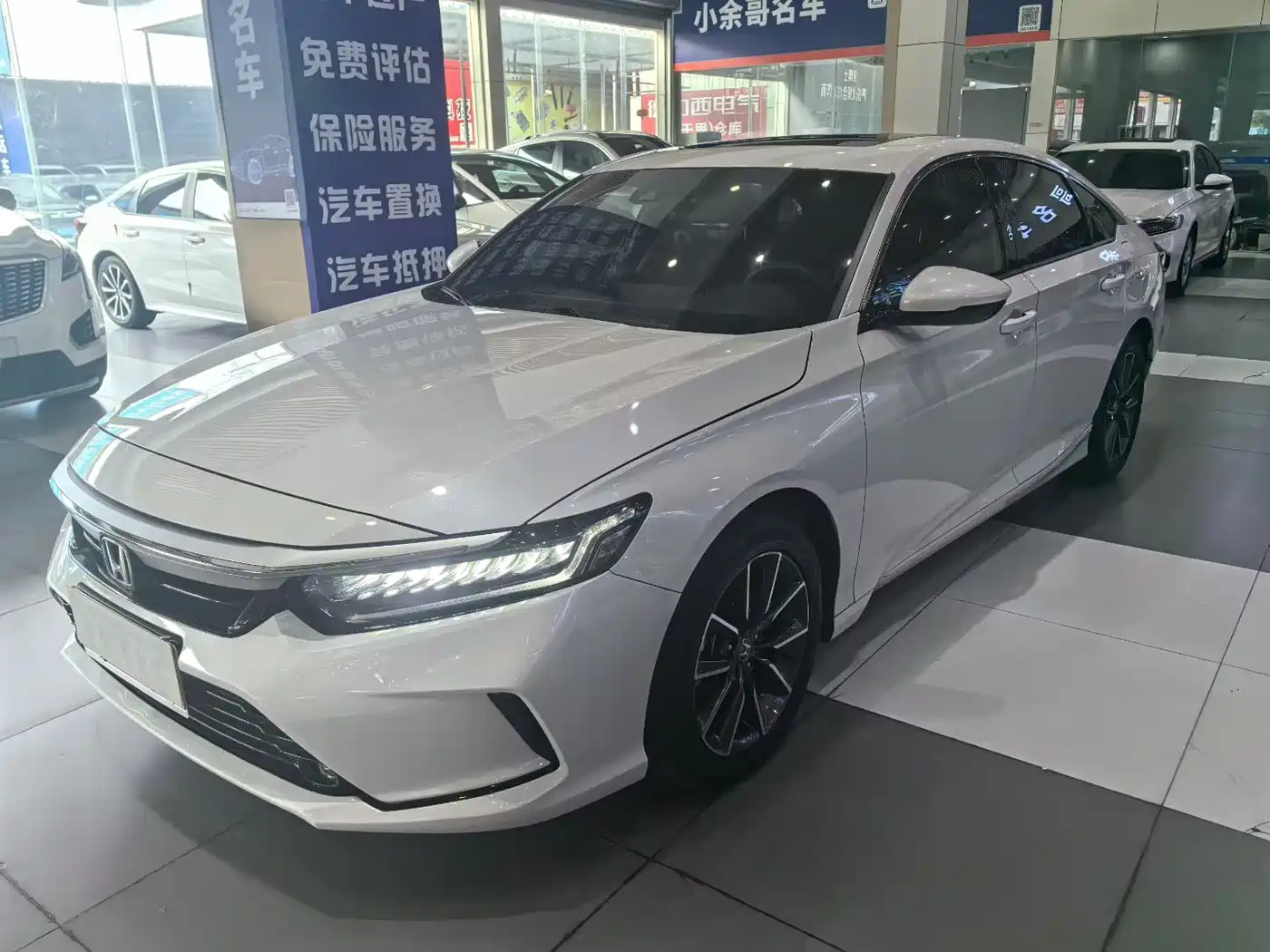
At a glance
- The Inspire is a mid-size Honda sedan offered in 260TURBO petrol, non-plug-in hybrid and e:PHEV plug-in hybrid families.
- Choose powertrain by duty cycle: route flexibility for petrol, simple high-mileage efficiency for hybrid, and charging-dependent electric operation for e:PHEV.
- Trim names and China V/VI emissions labels are source-market identifiers, so equipment and homologation must be checked for the destination.
- New vehicles suit predictable fleet launches, while used units can reduce acquisition cost but require condition, mileage and service-history checks.
- Export pricing and availability change by unit; compare written quotations using the same destination, Incoterm, condition and shipment scope.
Why the Honda Inspire matters for export markets
The Honda Inspire occupies the mid-size sedan segment, combining a four-door body with Honda's engineering reputation and a choice of turbocharged petrol, conventional hybrid and plug-in hybrid powertrains. That breadth matters to buyers because fleet and distributor programmes need more than one operating model. A petrol version may suit users with uncomplicated fuelling needs, while a hybrid can reduce fuel consumption in city traffic. The plug-in hybrid adds another layer only where charging, taxation and local rules make it workable. Buyers should compare operating assumptions, not assume the newest version is best.
Export interest in the Inspire is strongest where buyers want a recognisable Honda with modern features beyond a basic family saloon. The model can appeal to company-car departments, airport fleets, ride-hailing operators, and importers serving markets where mid-size sedans remain practical despite SUV demand. Its appeal is operational as much as emotional: predictable packaging, a broad trim ladder and established service conventions can simplify product planning. However, demand is not automatic; fuel quality, parts coverage, residual values and competing models still determine whether it sells in the destination market over time.
For an export buyer, the key question is not whether the Inspire is a desirable global Honda, but whether a specific Chinese-market configuration can be registered, serviced and supported in the destination country. China VI labels, for example, describe a Chinese emissions category and should not be treated as automatic approval elsewhere. Equipment codes and grade names also differ from trim names used in Europe, North America or Japan. A sound purchase starts with destination-market matching, followed by document verification and a view of logistics, not a headline equipment comparison alone.
- Multiple powertrains suit varied fleet duties.
- Export viability depends on destination-market fit.
- Equipment badges do not replace homologation checks.
Model range, trims and powertrain variants: how the lineup is structured and how to choose
The lineup is understood as three powertrain families with grade levels available. The 260TURBO branch covers petrol sedans in grades including Premium, Deluxe, Elite and Elegant. The Sharp Hybrid and Sport Hybrid branches use a 2.0-litre hybrid proposition, including Pure Elegance, Pure Wisdom, Advance and Rui Jingya. Plug-in hybrid cars sit under the e:PHEV name, including Premium and Smart grades. Names such as China V or China VI in a listing are market/emissions identifiers, not universal trim hierarchy. Exact equipment and actual market designation must be confirmed from the unit's documentation.
Each family serves a different operating brief. The 260TURBO is the most familiar choice for buyers wanting responsive petrol performance, uncomplicated charging independence and broad route flexibility. The non-plug-in hybrid is more appropriate for high-mileage urban fleets that value fuel efficiency and want to avoid plugging in. The e:PHEV can offer electric-only commuting when a battery is sufficiently charged, with the petrol engine available for longer journeys. Exact power output, electric range, battery capacity and charging data should be verified on the live unit because they vary by generation and grade.
Choosing a trim should start with the duty cycle, then work outward to equipment. A distributor serving corporate fleets may prioritise rear-seat room, driver-assistance features and a restrained specification, while a private buyer may value infotainment, materials and convenience equipment. Compare the actual equipment list and tyre specification, not only the grade badge. For the e:PHEV, also model the buyer's access to dependable charging and confirm whether the destination can tax or register it as a plug-in hybrid. These checks are more decisive than assuming a higher grade is automatically better.
- 260TURBO prioritises petrol route flexibility.
- Hybrid versions suit non-plug-in fleet use.
- e:PHEV requires dependable charging access.
- Verify China emissions labels for export.
New vs used Honda Inspire: how export inventory is structured and how buyers choose
ChinaCarDirect's export catalogue should be read as two distinct purchasing channels: near-new or current factory-built vehicles, and used examples. The first channel usually offers the most predictable specification and a clearer connection to current model-era equipment. The second can make the body style accessible to buyers with a tighter capital budget or a lower vehicle-age target. Availability changes continuously, so the relevant question is not how many units exist in a snapshot; it is whether the live inventory currently contains the year, grade, condition and configuration that meet the buyer's brief.
A new Honda Inspire is generally the stronger choice for fleet launch programmes, company-car orders and buyers who need driver assistance, warranty assumptions or an unused condition. It also gives an importer more scope to standardise vehicles before registration. However, 'new' does not remove due diligence: confirm whether the vehicle is truly unused, whether it has completed any pre-delivery movement, what documents accompany it, and whether the advertised equipment matches the invoice and production specification. Delivery mileage, paint condition and battery or hybrid-system state should be documented.
A used Inspire can be rational for a distributor seeking a known, high-demand configuration at a lower acquisition outlay, particularly where the local market values the Honda badge more than the latest model year. The trade-off is uncertainty: age may bring higher mileage, wear, service-history gaps, repainted panels, replaced parts or a different production specification. For a hybrid or e:PHEV, ask for documented service history and a health report rather than treating low mileage as sufficient proof. A pre-purchase inspection should be treated as a condition decision, not merely a formality.
How export pricing works: the factors behind a live listing price, and how to read one
A live export price is the result of several commercial variables rather than a fixed model-level tariff. The vehicle's year, trim, powertrain, production specification, mileage and condition set its starting point. Exchange-rate movements, seller margin, inspection or documentation work, payment terms, insurance and freight all affect the final landed figure. The Incoterm also changes responsibility: an EXW-style quote leaves more transport, export and customs work with the buyer, while a delivered or CIF-style quote may include more of that scope. Always confirm exactly what services each price covers before comparing offers.
Battery version is especially important for e:PHEV units because battery capacity, electric range, charging equipment and warranty history can affect both desirability and value. Petrol and non-plug-in hybrid units have different depreciation and servicing considerations, but trim level, age and condition remain equally important. A buyer should also ask whether replacement or restoration work has been completed, and whether quoted figures assume export documentation, a named destination or a particular shipment method. Comparing headline prices from different sellers without normalising those variables can produce a misleading result for the same vehicle class.
To read a live listing correctly, separate the vehicle price from the landed cost. Check the stated year, grade, engine or hybrid version, mileage, condition, colour, equipment and seller location. Then review the quote terms: whether it is FOB, CIF, DDP or another basis, which port or city is named, what inspection and paperwork are included, and when the quote expires. The listed price and availability should be confirmed through the live Honda Inspire inventory; request a written quotation for the exact vehicle before sending funds or relying on a figure.
- Normalise quotes by destination and Incoterm.
- Separate vehicle and landed costs.
- Confirm current live pricing in writing.
MOQ, ordering and payment: single units vs consolidating a container
Minimum order quantity should be established in the quotation, not assumed from the model name or from the existence of similar listings. ChinaCarDirect can be used to identify individual cars for trial purchase or to assemble a multi-vehicle programme, but the seller's stated terms and the destination's clearance plan control the transaction. Ask whether one unit can be purchased, whether a mixed-grade shipment is accepted, and if additional units can be added to the same booking. The live listing's current MOQ and availability are the binding references for the selected vehicle.
A sound ordering sequence begins with a written vehicle specification, followed by a request for an all-in or itemised quotation and a copy of the seller's payment terms. Agree the deposit, balance milestone, inspection right, cancellation terms, document set and ownership-transfer process in writing. Payment should not be released merely because a listing resembles the required car; use the reference and serial details assigned to the selected unit. For larger shipments, define how discrepancies are resolved before cargo acceptance, because replacing a non-conforming vehicle after loading can be difficult and costly.
A wholesale or multi-vehicle programme can group several Inspire units into one container movement, improving logistics control but concentrating risk. If one grade is over-ordered, working capital rises, and unsold stock must be warehoused or marketed locally. A mixed consignment reduces that exposure, yet complicates preparation because vehicles may differ in colour, equipment and documents. The decision should compare sales velocity, maximum exposure, freight benefits and the cost of returning surplus units. For market entry, a smaller batch may offer better learning than a full container based on optimistic forecasts.
- Confirm current MOQ in writing.
- Agree milestones against a unit reference.
- Balance consolidation against inventory risk.
Shipping, homologation and market compliance caveats: LHD/RHD and import rules by country
Shipping begins with the vehicle's chosen configuration, not just the destination. Petrol and hybrid sedans generally fit standard container or roll-on/roll-off logistics, while an e:PHEV must also be handled as a vehicle carrying a rechargeable traction battery under the carrier and destination's rules. Quote the route, transport mode, port or terminal, customs broker, insurance coverage and expected handling sequence. Cost is affected by freight rates, fuel surcharges, port charges, inland haulage, congestion, season and documentation complexity. Ask for a charge breakdown and identify which party bears each risk under the selected Incoterm.
Most Chinese-market Inspire vehicles are offered with left-hand drive, but a buyer wanting right-hand drive must verify availability rather than assume a conversion is straightforward. RHD conversion changes steering components, instruments, controls and potentially safety and type-approval details; it should be treated as a documented manufacturing or conversion project. Some importing countries permit specific conversions, while others require a particular approval process or restrict them. Confirm whether the source vehicle is already RHD, whether the destination accepts converted vehicles and who is responsible for proving compliance before paying for conversion.
Import requirements are determined by the destination, and a Chinese sale is not evidence that a vehicle is road-ready elsewhere. Check VIN and identity documents, registration or import permits, customs valuation, applicable duties and taxes, emissions rules, safety requirements and insurance. For hybrids and plug-in hybrids, confirm any local incentives, charging-equipment rules, electrical-safety requirements and battery-transport conditions. A China V or China VI designation may help describe the source specification, but it does not replace destination homologation. Engage an experienced importer or compliance adviser before committing to a unit or funds.
- Verify LHD or RHD before contracting.
- China emissions labels are not destination approval.
- Check local import, tax and safety rules.
Who should buy the Inspire — and who should pick a different vehicle
The Inspire is a candidate for an overseas buyer who wants a mid-size sedan with a premium badge, three powertrain choices and a practical equipment ladder. It is suitable for distributors that understand Honda sedans, corporate buyers prioritising cabin refinement and road presence, and hybrid users with access to the ownership advantages. A petrol 260TURBO may suit fleets that value uncomplicated long-distance use, while a conventional hybrid can suit stop-start urban mileage. The e:PHEV becomes most attractive for organisations with controlled charging and a clear policy for electric-only versus petrol operation.
It is less suitable when the buyer needs a commercial van, a true seven-seat vehicle, a body-on-frame work truck or the towing flexibility of those categories. An SUV buyer should compare the Inspire against alternatives if ground clearance, cargo volume and higher seating are priorities. Drivers needing an open bed or commercial payload should not stretch a sedan brief. Buyers dependent on right-hand drive should require a compliant source, and markets with limited Honda parts coverage or no viable charging network may make another powertrain or another manufacturer a lower-risk choice.
Decision-making should be based on total operating fit rather than image. Compare the vehicle's route profile, mileage, charger access, tax treatment, service capability and resale position against the shortlisted alternatives. A distributor may prefer a smaller trial to test demand before scaling, while a fleet with a stable requirement may prioritise a uniform specification and after-sales planning. If the buyer cannot yet name the destination, tax regime or service network, the next step is to narrow those variables first. The best model is the one whose compliance and lifecycle economics work.
Main rivals and how the Inspire compares
The Honda Accord is the most direct family comparison because it shares Honda's engineering perspective, sedan proportions and driver-focused positioning. Depending on the destination, the Accord may be more familiar to service networks and may offer a broader or more familiar set of market-specific variants. The Inspire can be attractive where a particular Chinese configuration or hybrid choice fills a gap, but parts planning and brand recognition may favour the Accord. Compare the exact powertrain, equipment, safety approvals and expected resale market rather than assuming one Honda sedan is automatically more exportable.
The Toyota Camry Hybrid is a credible rival for buyers whose priority is non-plug-in hybrid operation and straightforward fuelling. It is especially relevant to taxi, rideshare and executive fleets that do not want charging dependency. The Honda e:PHEV offers a different proposition because it can support electric-only travel when charged and petrol operation otherwise, but that flexibility only creates value with dependable charging and an appropriate local tax framework. For long-distance, high-utilisation operations without charging, the Camry Hybrid's operating proposition may be simpler, subject to availability and homologation.
The Volkswagen Passat represents the alternative for a buyer who values a conservative European-style sedan, a different in-cabin character and potentially a broad diesel or petrol portfolio in markets where those versions are approved. It may attract fleets with Volkswagen service support, whereas the Inspire may offer newer equipment and a hybrid choice in some markets. The final choice should be driven by local homologation, fuel options, parts support and total ownership requirements. Do not select on badge alone: each rival's strongest version may not be exportable to the same country.
- Accord: direct Honda sedan benchmark.
- Camry Hybrid: charging-independent fleet option.
- Passat: alternative where locally approved.
- Choose by configuration and lifecycle fit.
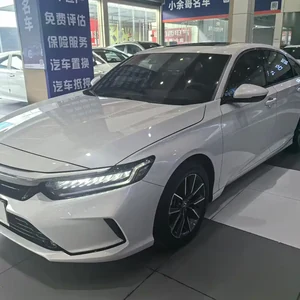
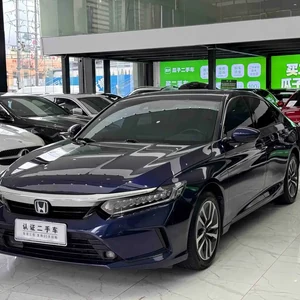
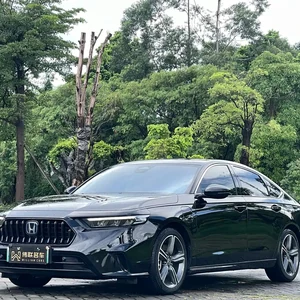
Live Honda Inspire export inventory
View all listings →Real units currently on ChinaCarDirect with per-unit asking prices and MOQ. Availability updates live from the catalogue.
How to buy a Honda Inspire from China
-
1
Define the destination and duty cycle
Record the country, port, LHD/RHD requirement, annual mileage, routes and charging access. This determines which powertrains and approvals can be shortlisted before comparing vehicles.
-
2
Shortlist live inventory
Search the live Honda Inspire listings and filter by year, trim, powertrain, condition and location. Treat each listing as the starting specification rather than a substitute for seller confirmation.
-
3
Verify the exact vehicle
Request the VIN, production date, engine or hybrid version, equipment list, emissions category, mileage, service history and ownership documents. For an e:PHEV, obtain the battery and charging details.
-
4
Request an itemised quotation
Ask for one destination and Incoterm, with vehicle cost, freight, insurance, inspection, documentation, customs and inland charges separated. Also confirm the validity period, MOQ and responsibility for each cost.
-
5
Inspect before commitment
Commission an independent pre-purchase inspection covering the exterior, underbody, tyres, fluids, warning systems and road test where lawful. For electrified variants, seek service-history and system-condition evidence.
-
6
Agree the order and payment
Put the selected unit's reference, deposit, balance trigger, inspection right, cancellation terms and document handover in writing. Explain the discrepancy process and ownership transfer before remitting funds.
-
7
Complete compliance and shipping
Use a destination-experienced importer or broker to confirm permits, customs, tax, safety, emissions, insurance and RHD status. Book the agreed Incoterm, track the shipment and inspect the vehicle again on arrival.
Inspire vs rivals
| Honda Accord | The Accord is the closest Honda alternative and may be more familiar to local service networks, with market-specific variants that differ from the China-spec Inspire. Choose it where parts support and established brand recognition outweigh access to a particular Inspire configuration. |
|---|---|
| Toyota Camry Hybrid | The Camry Hybrid is a strong benchmark for high-mileage fleets that want non-plug-in hybrid operation without charging dependency. The Inspire e:PHEV is more flexible where dependable charging and favourable local treatment make electric travel practical. |
| Volkswagen Passat | The Passat offers a more conservative sedan alternative for buyers with established Volkswagen support and an approved petrol or diesel configuration. The Inspire may suit buyers seeking a different feature set and an additional hybrid or plug-in hybrid option. |
Frequently asked questions
How is the Honda Inspire export price determined?
Export pricing is calculated from the specific unit's year, trim, powertrain, mileage, condition, seller terms and the destination's transport and customs scope. Currency, freight, insurance, port handling and the chosen Incoterm can materially change the landed total. Check the live Honda Inspire listings for the current per-unit figure, then request a written quotation naming the destination and included services.
Which Honda Inspire powertrain should an overseas buyer choose?
The range includes 2.0-litre 260TURBO petrol versions, 2.0-litre non-plug-in hybrids and e:PHEV plug-in hybrids, each with multiple grades. The right choice depends on routes, charging access and local taxation rather than a battery headline alone. Electric range, battery capacity, motor output and charging details vary by generation and trim, so confirm them in the live unit specification.
Is a new or used Honda Inspire better for export?
A new Inspire generally suits fleet launches that need an unused condition, current equipment and a uniform specification. A used Honda Inspire can reduce acquisition cost and may provide a preferred configuration, but buyers should inspect paint, tyres, mileage, repairs, service records and hybrid-system condition. Neither status removes the need to verify documents, title and destination-market compliance.
What is the MOQ for Honda Inspire exports?
MOQ is set by the seller's terms and the way the shipment is organised, so it must be checked in the live listing and confirmed in the quotation. A single-vehicle trial and a consolidated container order have different commercial structures, and mixed grades may or may not be accepted. Ask about unit-specific terms, additional-unit allocation, deposits and cancellation before placing an order.
How long does shipping take and what does it cost?
Shipping time and cost depend on transport mode, route, port congestion, season, vehicle specifications, insurance, customs clearance and inland delivery. A battery-equipped e:PHEV can also add handling and documentation requirements. Compare quotes under the same Incoterm and destination, and include port charges, brokerage, duties and last-mile haulage when calculating landed cost.
Can spare parts be ordered for a China-spec Honda Inspire?
Spare-parts support is easier when the supplier can match the VIN, exact trim, production period and original equipment list. China-spec parts may not correspond directly to a vehicle sold in another country, so confirm catalogue references before promising local fitment. The buyer should also compare part quality, warranty terms and the realistic lead time for each component.
Is right-hand-drive Honda Inspire availability guaranteed?
Most China-market Inspire units are left-hand drive, so right-hand-drive availability should be verified on each live listing rather than assumed. A conversion can involve steering, instruments, controls, safety and type-approval considerations that vary by country. The importer should establish whether the destination accepts the exact configuration and who bears the compliance responsibility.
How do I buy a Honda Inspire from China?
To buy a Honda Inspire from China, first shortlist a unit by year, trim, powertrain, condition and destination, then request a written quote with the Incoterm and payment milestones. Before payment, confirm the VIN, specification, service or condition report, export documents and inspection terms. The final process combines destination compliance, payment, booking, transport, customs and a receiving inspection.
Ready to source the Honda Inspire?
Request a current Honda Inspire export quote with your destination, preferred powertrain, trim and required quantity.
Request a quote