
Honda Jade Export Buying Guide for Dealers and Fleets
Buy Honda Jade vehicles from China with practical guidance on trims, used versus new condition, export pricing, MOQ, shipping and market compliance.
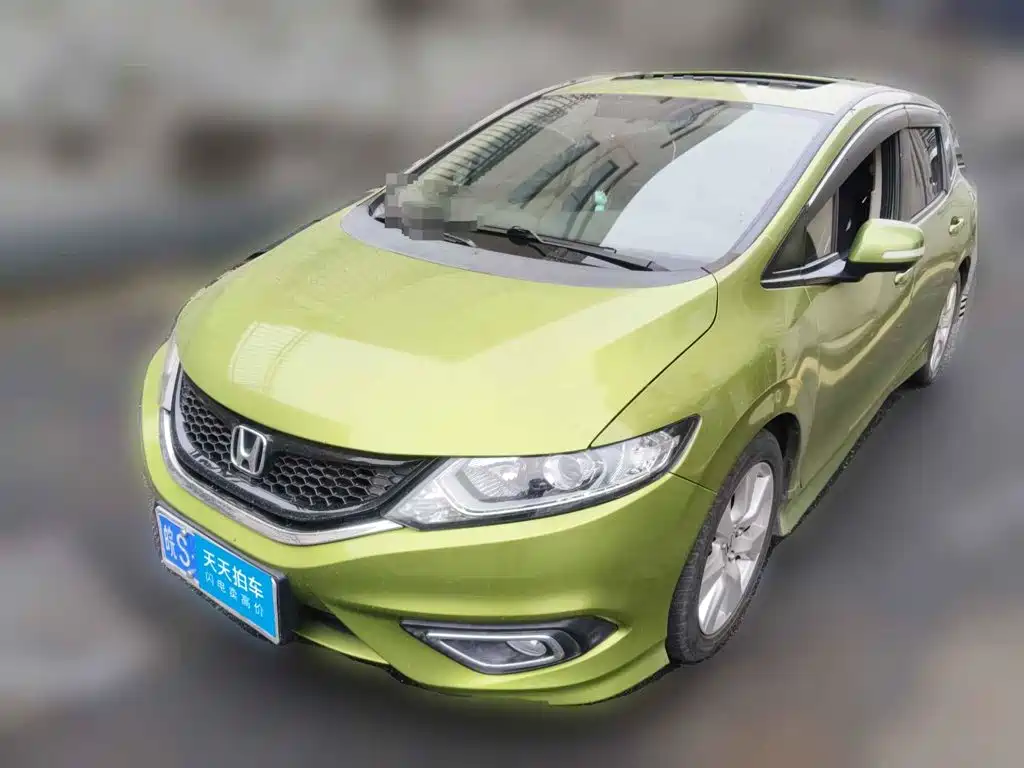
At a glance
- A compact MPV with five- or six-seat layouts serves family, transfer and passenger-fleet use cases.
- The range spans 1.8L automatic, 1.8L CVT and 210TURBO CVT variants across several equipment grades.
- Used vehicles broaden acquisition choice but require identity, history and mechanical checks.
- Live export pricing is configuration-specific and must be separated from freight, tax and destination costs.
- RHD availability, homologation and destination registration must be confirmed before a vehicle is committed.
Why the Honda Jade matters for export markets
The Honda Jade occupies a practical middle ground between a passenger car and a larger people carrier. Its compact MPV format, five- or six-seat configurations and choice of gasoline powertrains suit buyers who need more usable passenger space than a sedan without moving into a full-size van. For overseas dealers evaluating a Honda Jade for export, that combination can broaden a family-car range while giving fleet customers a recognizable alternative to crossovers and commercial vans. That flexibility matters when local regulations, road conditions and customer preferences differ, although actual market demand should be validated through local sales data rather than assumed from the model name.
Export interest in the Jade is best understood by segment, not by assuming one universal market trend. Dealers can position it as a compact people carrier for family transport, shared mobility, hotel or airport transfers, and passenger operations where a higher roof and flexible seating are useful. The five-seat versions suit buyers prioritizing comfort and cabin flexibility, while six-seat examples address passengers who regularly need one additional row without moving to a substantially larger vehicle. The key is to compare local vehicle classifications, fuel rules and customer expectations before committing import volume.
For importers, the Jade’s value proposition is the combination of familiar Honda positioning, flexible seating and several drivetrain alternatives within one model family. A dealer can keep a focused inventory plan by matching a small set of body configurations to defined customer groups. Before treating the model as a volume export staple, verify service-part support, spare-part lead times, fuel compatibility and residual values in the destination market. These operational factors often influence profitability more than the vehicle specification. They should also test whether local buyers understand the Jade’s positioning against crossovers and conventional MPVs.
- Choice of five- or six-seat layouts
- Dealer, shared-mobility and transfer use cases
- Validate parts support before import planning
Model range, trims and powertrain variants: how the lineup is structured and how to choose
The lineup should be read first by seating layout and then by powertrain, because trim names alone can hide the differences that matter to an importer. Structures include 1.8L automatic and CVT versions of the naturally aspirated engine, plus a 210TURBO CVT derivative. Five-seat and six-seat examples appear in a lineup that includes Comfort, Comfort Elite, Classic, Fashion, Luxury and Luxury Prestige grades, but not every engine, seat count and equipment combination is interchangeable. Request the vehicle description for a candidate: engine designation, gearbox, seating, equipment, steering side, model year, and whether the unit is presented as new or used.
For buyers prioritizing straightforward operation and a conventional gear-change feel, the 1.8L automatic is the conservative choice. The 1.8L CVT versions offer an operating character that may appeal where uninterrupted delivery and economy-oriented positioning are priorities. The 210TURBO CVT is the performance-oriented branch, listed in five-seat Fashion and Luxury configurations in the lineup. It should not be treated as a cosmetic edition; buyers should compare the live specification and condition. Fuel consumption, acceleration, payload and equipment should be checked for the exact vehicle rather than inferred from a broad trim label.
A shortlist starts with the customer’s seating requirement, then transmission preference, then equipment. A six-seat buyer should not accept a five-seat listing merely because its price appears favorable, and a business customer may prioritize easier ingress and easy-clean cabin materials over prestige equipment. For each shortlisted variant, compare documentation, service history, warranty status and local parts availability. A specification sheet is essential because export descriptions may use translated trim terminology that is not identical to dealer nomenclature elsewhere. Ask the supplier to reconcile discrepancies before payment or shipping instructions are released.
- 1.8L automatic for a conventional operating character
- 1.8L CVT for smooth, economy-oriented positioning
- 210TURBO CVT for a performance-led branch
New vs used Honda Jade: how export inventory is structured and how buyers choose
Export inventory for the Jade is not a single homogeneous pool. It can contain newer examples presented as new and used vehicles from several production cohorts, with the same body offered under different engines, transmissions, seat counts and equipment grades. That mix makes year and condition labels a starting point rather than a complete specification. A live buyer should therefore compare each record on its own merits and avoid assuming that two vehicles sharing a model-year and trim description are equivalent. Request photographs, identification data and condition evidence for the specific unit.
Used Honda Jade selection should be based on evidence rather than on the lowest visible listing. Ask for mileage and its measurement basis, service records, registration history, photographs of the interior and body, tyre condition, accident or flood indicators, and an inspection of the engine bay and underbody. Automatic and CVT units benefit from a cold-start and road-test check, while any turbocharged example needs a careful history review for sustained use and maintenance gaps. The seller should disclose repairs rather than treating cosmetic refurbishment as proof of mechanical condition overall alone.
Vehicles presented as new can reduce uncertainty around wear, but “new” is not a substitute for due diligence. Verify production or registration dates, odometer status, warranty coverage, prior use and whether the vehicle is a current production item or an unregistered demonstrator. Dealers sourcing for resale should also examine tyre age, paint consistency, option fit and delivery preparation. For used units, a reconditioning record is useful only when supported by invoices and by inspection of the areas that refurbishment can conceal, especially underneath and behind trim. These checks apply equally to premium-trim vehicles.
- Match year, trim, seats and gearbox
- Verify VIN, registration and odometer evidence
- Inspect used units mechanically and structurally
How export pricing works: the factors behind a live listing price, and how to read one
A live Honda Jade export price on ChinaCarDirect is a transaction-specific figure, not a fixed model-level rate. The vehicle’s model year, engine and transmission, seat layout, equipment, new or used status, mileage, condition and cosmetic work influence the seller’s asking position. Market conditions also matter: acquisition cost, currency movements, local supply, shipping method, insurance, export documentation and the chosen Incoterm can change a quotation. Comparing a headline vehicle price without its inclusions is misleading. Always confirm whether freight, port charges, insurance, taxes and destination handling sit inside or outside the displayed amount.
To read a listing, first normalize the vehicle description, then reconstruct landed cost. Put like-for-like units side by side: same year band, condition, powertrain, gearbox, seating and equipment. Add the costs relevant to your shipment, including inland transport, export handling, freight, insurance, customs charges and local taxes under the selected Incoterm. Request a written quotation that identifies each fee and its currency, and establish whether payment milestones change with shipping terms. This avoids comparing a vehicle-only amount with a delivered estimate, two categories that answer different procurement questions for an overseas buyer.
Live inventory records can contain repeated entries for the same SKU, so multiple rows should not be interpreted as separate vehicles. Check the current per-unit price, MOQ and availability in the live ChinaCarDirect listing, then ask the seller to identify the exact chassis or VIN, match it to the photographs and specification, and confirm the quoted amount. Any discount, deposit, payment deadline or freight assumption should be attached to the selected vehicle. A binding quotation in writing is more useful than a generic guide because it captures the actual configuration and delivery basis.
- Compare like-for-like configurations and condition
- Separate vehicle price from landed cost
- Tie every quote to the VIN, SKU and Incoterm
MOQ, ordering and payment: single units vs consolidating a container
The minimum order quantity for a wholesale Honda Jade is not determined by the model name; it is a condition of the seller, vehicle and quotation. Read the MOQ shown on the live listing and have it repeated in the pro forma invoice or order confirmation. Where a one-vehicle purchase is permitted, it can suit a test-bus buyer, a small importer or a dealer ordering to a customer specification. Do not infer a universal one-unit or container rule from catalogue presentation; confirm whether method, destination, shipment plan or vehicle affects the term.
Consolidating several Jades into one container can improve freight efficiency, but it is an operational decision rather than just a larger order. Mixed model years and seat counts may suit a mixed-market reseller, while a single-trim shipment is easier to merchandise and maintain. Each unit still needs identification, inspection and documentation. Container space, axle loads, lashing, ventilation and securing must be confirmed by the freight provider, and the loading plan should reconcile every SKU so no unit is omitted or duplicated. Approve photographs of the loaded vehicles against the final packing list.
A sound ordering sequence protects both sides. Identify the vehicle, agree the specification and inspection standard, obtain the MOQ, Incoterm and complete fee schedule, then pay only under the milestones stated in the contract. A common structure is a deposit followed by balance after satisfactory pre-shipment inspection, with shipment or document milestones handled separately; the exact sequence must be negotiated rather than assumed. Make the seller’s refund or remedy position clear if the vehicle differs materially, is not accepted at inspection, or cannot obtain required export documents before funds are released.
- Confirm MOQ in the written order
- Reconcile every VIN and SKU to the packing list
- Tie final payment to inspection terms
Shipping, homologation and market compliance caveats: LHD/RHD and import rules by country
Shipping method should be selected from verified dimensions and weight, not a generic model label. An enclosed vehicle carrier or container may suit an MPV, while roll-on/roll-off or other arrangements depend on the carrier’s acceptance and loading geometry. Sea freight is generally the economic choice for volume shipments; air or expedited services can reduce transit time but carry higher freight and handling exposure. The final method, route, sailing or flight frequency, port charges and inland delivery plan should be quoted for the destination rather than presented as a guaranteed generic service.
Steering configuration is an early filter. Many China-market vehicles are configured for left-hand drive, while some destination markets require or favor right-hand drive. The Jade should not be assumed to be available in a locally compliant configuration; ask whether an RHD example exists or whether conversion is lawful and practical. Reconfiguration can affect parts, insurance, safety inspections and residual value, so a vehicle with the wrong steering side should not be ordered before local approval. Confirm the VIN, configuration and supporting documents rather than relying on translated listing wording alone.
Import compliance is jurisdiction-specific. Depending on the country, a Jade may need VIN or chassis identification, emissions and safety approval, customs classification, duty and tax payment, age or used-vehicle restrictions, and inspection of modifications such as lighting, seat belts, airbags, radio equipment or window treatment. A local broker should review the vehicle before the contract becomes non-cancellable. Do not assume a vehicle that is roadworthy in China is homologated for commercial use or registration in the destination. Confirm the importer’s obligations, insurance cover and evidence required for customs clearance before loading.
- Verify steering side before purchase
- Obtain destination-specific homologation advice
- Build landed cost around clearance and inland delivery
Who should buy the Jade — and who should pick a different vehicle
The Jade is a candidate for dealers and fleet operators that need a compact passenger vehicle with more loading and seating options than a conventional sedan. Five-seat examples suit executive transport, hotel or airport transfers, shared mobility and family use where the third row is rarely required. Six-seat versions can serve larger families and passenger fleets that need one extra row. Buyers should select the layout from duty-cycle analysis, including how often the additional seats are used and how luggage must be carried. Flexible interior use is one reason to consider an MPV.
It is less suitable for buyers whose priority is battery-electric range, zero-emission urban access or the lowest purchase outlay in their market. Those requirements point to a different powertrain category. It may also fail to fit operators needing commercial payload, heavy-duty towing, a seven-seat layout, advanced driver-assistance features or a modern factory warranty as the decisive benefit. These are not automatic exclusions, because equipment varies by year and trim, but the vehicle must demonstrate the required capability before contract. Request written evidence rather than relying on the Jade badge or seller description.
Local operating conditions can matter more than the brochure. For a country with fuel-quality constraints, confirm compatible fuel and service procedures. For a market with emissions or safety rules, prioritize a compliant, documented vehicle. Where long-distance use and high passenger loads are normal, check the seating, luggage, tyre and warranty arrangements with operational data. A Jade that fits those conditions and has manageable parts support is a better import than a more fashionable model that creates compliance or service problems. This makes due diligence a commercial control, not mere paperwork.
Main rivals and how the Jade compares
The closest alternatives depend partly on the destination, because the Jade competes with several compact MPVs rather than one universal rival. The Toyota Avanza is a benchmark in markets where a compact people carrier is sold to families and fleet operators. The Mitsubishi Freeca occupies a similar export role and often emphasizes a larger passenger layout. The Suzuki Ertiga is another comparator, particularly in markets built around compact seven-seat MPVs. Compare the exact local specification instead of treating model names as equivalent. Availability, parts support and resale can outweigh a small feature difference.
Against the Avanza, the Jade’s five- or six-seat choices, automatic or CVT transmissions and 210TURBO branch provide differentiation, although the Avanza may be more familiar to local buyers and have established service coverage in certain markets. Against the Freeca, the Jade may suit urban passenger work where the extra seats of a larger layout are unnecessary, although dimensions must be compared. Neither conclusion is universal: verify steering, equipment, dimensions and parts support on the specific imported unit. The deciding question is which vehicle fits the buyer’s route, load and resale plan.
Against the Ertiga, the Jade offers a distinct choice for buyers interested in a 210TURBO derivative or a six-seat configuration where available, while the Ertiga’s strong association with practical seven-seat layouts can be an advantage in markets that value that flexibility. Engine character, fuel economy, safety equipment and after-sales support can vary substantially by market and year, so they should be checked rather than inferred from badge reputation. The Jade is most compelling where its actual configuration, landed cost and local support create a measurable advantage for the importing business.
Live Honda Jade export inventory
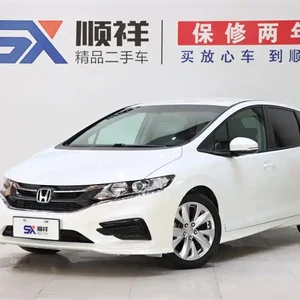
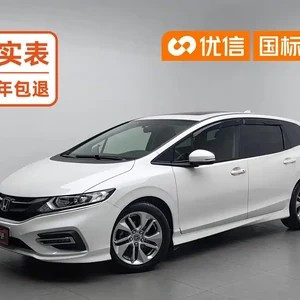
View all listings →Real units currently on ChinaCarDirect with per-unit asking prices and MOQ. Availability updates live from the catalogue.
How to buy a Honda Jade from China
-
1
Define the market and duty cycle
Define the destination market, importing entity, vehicle class and operating route. Record the required seating, luggage, fuel, emissions rules and expected utilization before choosing a configuration.
-
2
Build the configuration shortlist
Use the live inventory to compare five- or six-seat layouts, automatic and CVT transmissions, and the 210TURBO branch. Exclude any listing whose stated engine, gearbox, seat count or steering side does not meet the brief.
-
3
Review live units
Open each live listing for the current per-unit price, MOQ, availability and seller terms. Check the SKU, chassis or VIN, photographs and model-year description; repeated SKU rows should not be counted as separate vehicles without confirmation.
-
4
Request a normalized written quote
Send an RFQ with the destination, Incoterm, quantity and required inspection standard. Ask for vehicle price, inland transport, export handling, freight, insurance, taxes and other charges to be separated clearly.
-
5
Verify identity, history and condition
Match the VIN or chassis number to the photographs and paperwork, then review registration, odometer, service and repair records. For a used vehicle, use an independent inspection covering the engine, transmission, body, tyres and underbody.
-
6
Clear compliance before contracting
Have a destination broker or compliance specialist review emissions, safety, VIN, customs, steering-side and used-vehicle restrictions. Resolve any required modification or registration issue before the order becomes non-cancellable.
-
7
Approve inspection, payment and shipping
Set written payment milestones against inspection, document release and shipment milestones. Approve the final packing list, loading photographs, shipping scope, insurance and destination-arrival plan.
Jade vs rivals
| Toyota Avanza | The Avanza is a close conceptual benchmark for family and fleet transport, with seating configurations that vary by market. The Jade differentiates through five- or six-seat choices and automatic, CVT or 210TURBO alternatives, but the Avanza may have deeper local recognition and easier parts access. |
|---|---|
| Mitsubishi Freeca | The Freeca competes in the same export-oriented compact MPV segment and can appeal where a larger passenger layout is useful. Choose it over the Jade when that additional cabin capacity outweighs the Jade’s local specification, parts support and landed-cost case. |
| Suzuki Ertiga | The Ertiga is a practical alternative in markets centered on compact seven-seat vehicles. The Jade is more relevant when a specific five- or six-seat configuration, the 210TURBO branch or a better local service case can be secured; otherwise, Ertiga familiarity may support easier resale. |
Frequently asked questions
How is the Honda Jade export price determined?
Live export pricing reflects the selected vehicle’s year, trim, engine, gearbox, seat count, mileage, condition, equipment and new-or-used status, plus exchange rates, freight, insurance, export handling and the chosen Incoterm. Check the current per-unit price, MOQ and availability in the live ChinaCarDirect listings, then request a written quote identifying inclusions and exclusions. Duties, taxes and destination charges may belong in the landed-cost calculation rather than the vehicle listing.
Which Honda Jade engine and transmission options are available?
The lineup includes 1.8L automatic, 1.8L CVT and 210TURBO CVT configurations, with five- or six-seat layouts depending on edition. The 210TURBO branch is a separate turbocharged derivative, while the automatic and CVT alternatives have different operating characteristics. Confirm the exact engine, transmission, seating and equipment in the live listing because translated trim names do not guarantee identical equipment across markets.
Is buying a used Honda Jade from China practical?
A used Honda Jade gives importers a different acquisition choice, but it carries condition and after-sales risk. Inspect service history, odometer, bodywork, tyres, engine and transmission, and ask about accident, flood and corrosion evidence. A newer or new-labelled unit may reduce uncertainty, yet production date, warranty, prior use and delivery condition still need verification.
What is the MOQ for a Honda Jade order?
MOQ is a property of the live listing and written quotation, not a universal promise for every Jade transaction. A listing that permits a single-unit order can support test-bus or customer-specific buying, while a consolidated container can serve a reseller. Confirm the quantity, permitted mix of configurations, payment conditions and any loading requirement before paying.
What determines shipping time and cost for a Honda Jade?
Transit time and cost depend on transport mode, route, sailing or flight schedule, vehicle dimensions and weight, port and inland handling, insurance, fuel surcharges and the Incoterm. Sea freight is generally used for larger-volume vehicle shipments, while faster modes can cost more and add handling risk. Quote the complete door-to-door or port-to-port scope so transit assumptions are clear.
How are spare parts handled after export?
Confirm spare-part support before ordering, using the vehicle’s exact year, engine, transmission and trim as the reference. Ask whether parts will come from China or a local Honda network, and request part numbers, lead times and shipping responsibility. Body panels, trim and electronic components may have different supply paths, so a generic parts guarantee is not enough.
Is a right-hand-drive Honda Jade available for export?
Do not assume a Jade exported from China will be right-hand drive. Ask whether a genuine RHD example is available and, if not, consult the destination authority and a qualified conversion specialist before ordering. Conversion rules, insurance, safety inspection and residual value can all be affected, so a locally unsuitable chassis should be rejected even when the vehicle looks attractively priced.
How do I order a Honda Jade through ChinaCarDirect?
To buy a Honda Jade from China, review the live listings, shortlist the seat layout and powertrain, and request an RFQ with the destination, Incoterm, quantity and inspection requirements. The seller should identify the specific VIN or SKU, confirm price and MOQ in writing, and agree payment and document milestones. Complete pre-shipment inspection, compliance review and booking only after those terms are accepted.
Ready to source the Honda Jade?
Request a current Honda Jade quotation through ChinaCarDirect with your destination, seat layout, powertrain, Incoterm and quantity requirements.
Request a quote