
Honda Life Export Buying Guide for Overseas Buyers
Buy a Honda Life from China with guidance on trims, export pricing, shipping, homologation, used units and choosing the right vehicle fit for your market.
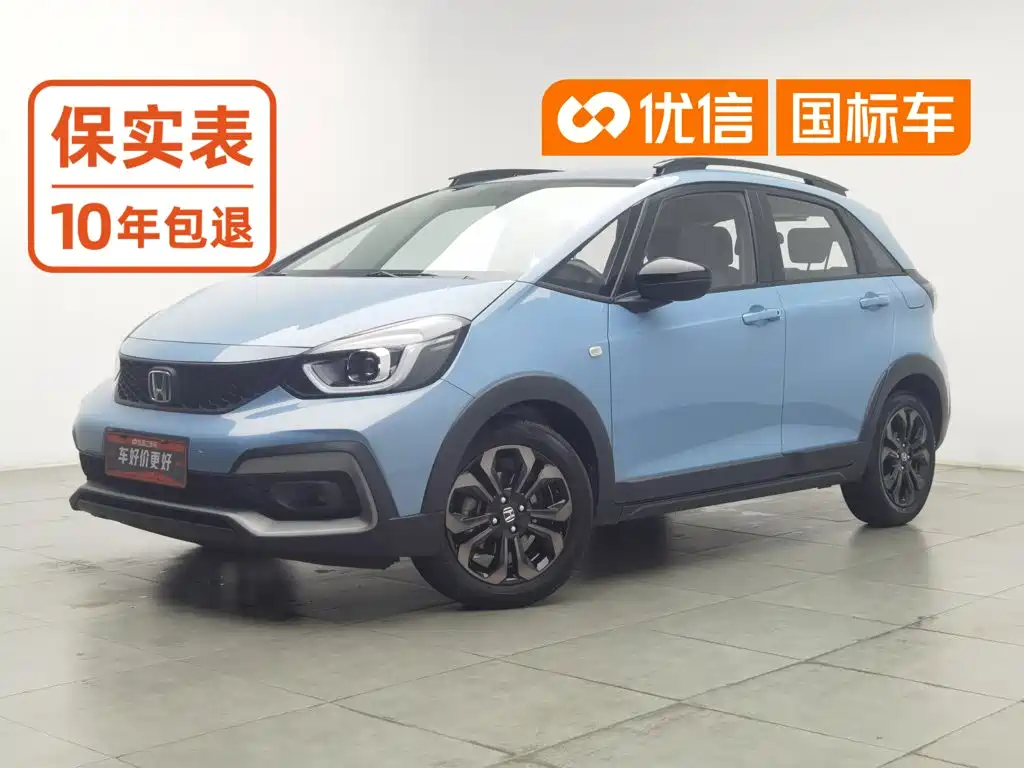
At a glance
- The Honda Life is a compact five-door gasoline hatchback suited to urban passenger and light-duty fleet work.
- The referenced export range pairs a 1.5L engine with a CVT across several SPORT, CRO-S, CRO-SS and SPO-SS editions.
- New and used choices should be decided from VIN-level history, condition, registration status and total ownership risk.
- Export prices move with vehicle specification, condition, exchange rates, freight, insurance and Incoterm, making landed-cost comparison essential.
- LHD/RHD availability and destination-country homologation must be confirmed for each vehicle before contracting.
Why the Honda Life matters for export markets
The Honda Life is a compact, five-door gasoline hatchback designed around the small-car segment also associated with kei-class vehicles in several markets. Its 1.5-liter engine and CVT make it straightforward to compare for urban dealers, importers and small fleet operators who value a manageable footprint, an established Honda name and a straightforward gasoline-and-CVT powertrain. The Life is not a performance car; its export case rests instead on space-efficient packaging, day-to-day usability and suitability for paved, high-stop urban duty. That makes it relevant to businesses that need predictable operating costs and straightforward servicing rather than maximum payload or prestige.
Demand for this type of vehicle comes from a clear use case: moving people and light cargo through congested streets, narrow parking areas and mixed urban traffic. The Life nameplate has appeared in several Asian markets with different equipment and steering configurations, giving buyers useful comparison points, although a vehicle sourced through a China export channel must be checked rather than assumed to match a local retail model. For fleet buyers, the strongest proposition is a repeatable specification: one body, one transmission family and manageable service requirements across several units in a mixed urban operating environment.
Export suitability still has limits. A low-roof hatchback may be less suitable for unpaved routes, severe winter climates, heavy loads, frequent towing or markets where larger vehicles dominate taxi and fleet regulations. Local fuel taxation, insurance categories, parking rules and access to servicing can also change the commercial case. Buyers should therefore begin with operating requirements, not the badge: if the vehicle will spend most of its life in city service, the Life can be persuasive, but only after confirming that the exact imported specification is legal and supportable in the destination country.
- Compact footprint for urban passenger work.
- 1.5L gasoline engine with CVT.
- Confirm LHD/RHD and local compliance.
Model range, trims and powertrain variants: how the lineup is structured and how to choose
The visible range is organized around several named editions rather than a simple equipment ladder. Export listings include 1.5L CVT SPORT Heartbeat, CRO-S Fun, SPO-SS Agile, SPO-SS Dynamic, CRO-SS Fun and SPORT Exciting names. These labels help identify a vehicle, but they should not be treated as globally standardized grade descriptions: the same wording may cover different markets and packages. Compare the VIN, build information, photographs and written equipment list rather than assuming one badge guarantees a predictable specification, especially for safety, visibility and technology options that can affect insurance and fleet policy.
Honda Life specs are more straightforward in the referenced export range: a 1.5-liter gasoline engine paired with a continuously variable transmission. That combination prioritizes smooth, uncomplicated operation and compact packaging rather than EV range, battery capacity or charging capability. Buyers should still request the vehicle’s exact fuel type, output, emissions information, drivetrain, service history and any market-specific equipment from the seller. A listing title is a starting point, not a substitute for the production plate, VIN check and documents that establish the vehicle being sold before payment or shipment is released.
The right way to choose is to turn trim labels into a checklist for the actual use. For a city fleet, prioritize visibility, air conditioning, tire specification, braking, restraint equipment and serviceability; for a private buyer, cargo flexibility, infotainment, comfort and fuel-cost sensitivity may matter more. Ask for an unedited cockpit view, a full equipment sheet, tire manufacture dates and a cold-start or inspection video. If several trims meet the same needs, select the simpler package with the strongest parts and service support in the destination market before final payment.
- Trim labels do not guarantee equipment.
- Confirm VIN-specific powertrain details.
- Compare safety, visibility and load equipment.
New vs used Honda Life: how export inventory is structured and how buyers choose
A live export catalogue may divide vehicles into new and used categories, but the label is only the first layer of information. A new unit should be checked for production date, registration status, prior demonstration use and the seller’s invoices. A used unit should be checked for ownership, odometer reading, service records and the reason it is being exported. The practical distinction is therefore not simply age: it is whether the vehicle’s history is documented well enough for a buyer to assess condition, legal ownership and likely resale or redeployment value.
For a used Life, mileage is useful only when paired with condition evidence. Ask for the odometer reading in a stated unit, service invoices, photographs of the engine bay and underside, tire wear, accident or repaint disclosures, and a VIN-specific history response. Small hatchbacks can be used extensively in cities, so a low number should not create complacency. Also establish whether maintenance was performed through an authorized network or independently, because parts, consumables and workshop procedures can affect downtime and total operating cost for every vehicle in a planned fleet purchase.
A new Life can suit a buyer who wants standardized specification, low prior-use risk and predictable presentation across a first acquisition. It can also suit an importer taking several near-identical units, provided the production period, registration status and warranty are confirmed. However, “new” does not mean recent, and warranty coverage may not transfer or provide useful support in the destination country. Compare the new-unit premium with expected depreciation, financing cost and the value of lower uncertainty rather than treating age alone as the decisive factor during the intended period of fleet ownership.
- New: verify production and registration.
- Used: verify history and condition.
- Compare lifetime ownership costs.
How export pricing works: the factors behind a live listing price, and how to read one
An export price is not a fixed characteristic of the Honda Life. The live figure for an individual vehicle will reflect model year, trim, specification, mileage and condition for used units, as well as ownership-document status and market adjustments. It may also move with the seller’s cost base, currency exchange rates, available shipping capacity, insurance, port charges and the selected Incoterm. Because freight and destination costs can change independently of the vehicle, separate the vehicle’s quoted amount from the total landed cost before comparing suppliers or approving a deposit.
To read a live listing correctly, first match the exact trim, model year, condition and VIN. Then identify what the displayed figure covers: vehicle only, domestic transport and export handling, or a broader arrangement with freight and insurance. Check whether the seller has already registered the vehicle, whether export clearance is included, and which documents accompany it. A lower-looking number can produce a higher landed cost if it excludes essential charges, while a higher quoted amount may offer stronger preparation or a more complete service scope for the destination market.
A sound comparison works at the destination level. For example, an importer may shortlist two used vehicles with the same trim but different mileage, ownership status and condition; to those should be added the same assumed destination, transport method, insurance level and customs assumptions. Applying one consistent framework reveals whether the apparent saving survives logistics and compliance. Exact current amounts for each unit are shown in the live ChinaCarDirect listings, and any binding quotation should be reconfirmed directly because exchange rates, routing and vehicle availability can change before a deal closes.
- Price follows vehicle and logistics factors.
- Confirm what the quote includes.
- Use live listings for current figures.
MOQ, ordering and payment: single units vs consolidating a container
Minimum order quantity is a supplier and listing matter, not a fixed promise for the model. Some vehicle sellers will release one unit, while project, auction or container-based exporters may set a larger lot condition. On ChinaCarDirect, read the MOQ shown against the individual listing and include that requirement in the RFQ rather than assuming either a universal one-unit policy or a bulk commitment. A buyer seeking a single test vehicle, a mixed fleet or a full container should state the intended quantity and specification clearly before asking for a quotation.
The normal ordering sequence starts with a live vehicle or supplier shortlist, followed by a written specification and request for a pro forma invoice. Confirm the VIN, condition, edition, documents, inspection requirements, payment schedule, Incoterm and release timing before funds are sent. Buyers should also verify the seller’s legal identity and ensure that the payment beneficiary corresponds to the contracting party. Use protected payment methods or any available escrow process where offered, and do not rely solely on a low vehicle quote to establish trust before overseas shipment is released.
Consolidating several units can simplify freight planning, but it concentrates risk. A mixed container may combine vehicles of different condition, age or equipment, and one incomplete document set can hold up the whole group. Conversely, buying similar vehicles without inspecting each VIN can hide paintwork, mileage and wear differences. For a consolidated order, request VIN-level photographs, inspection access and a release checklist; record which unit occupies each VIN; and clarify responsibility for damage in transit, customs delays and the treatment of a vehicle that fails inspection before final settlement is made.
- MOQ is listing-specific.
- Verify invoice and payment beneficiary.
- Inspect each VIN before consolidation.
Shipping, homologation and market compliance caveats: LHD/RHD and import rules by country
Export shipping begins with vehicle preparation and document control, not simply booking a vessel. Depending on the route, the vehicle may move by roll-on/roll-off carrier, container or consolidated freight, and the buyer must clarify the origin and destination charges, insurance, port handling, customs brokerage and inland delivery. Freight cost and transit time are influenced by route distance, sailing frequency, season, congestion, fuel surcharges, vehicle dimensions and cargo security. Treat the seller’s estimated shipping window as an estimate, and build a receiving plan around inspection, clearance and local transport at destination.
Each destination country has its own import and road-use framework. The vehicle may need customs valuation and duty, emissions or type approval, a valid VIN and registration, local insurance, road tax, inspection and evidence that the steering, lighting and equipment configuration are acceptable. Rules can also depend on engine size, age, ownership history, importer status and whether the vehicle is treated as used. None of those conclusions should be inferred from a listing badge. Before the deposit, ask an experienced customs broker or the relevant authority to review the VIN and proposed configuration in writing.
Steering configuration is a frequent source of export errors because the Life is associated with both left-hand-drive and right-hand-drive markets. A China-sourced example may not be the RHD version required by the destination, and changing the steering position alone does not make a vehicle homologated. If RHD is mandatory, confirm it in the VIN, photographs, production plate and seller’s statement, then verify local rules. Lighting, instruments, emissions equipment and other market-specific components should also match; otherwise a seemingly cheaper import can become uneconomic once rectification, registration or inspection costs are counted.
- Clarify Incoterm, insurance and delivery.
- Confirm destination approvals.
- Verify RHD before contracting.
Who should buy the Life — and who should pick a different vehicle
The Life is a strong candidate for urban dealers, small commercial fleets and individual buyers who want a compact five-door car with a 1.5-liter gasoline engine and CVT. It is particularly logical where vehicles spend much of their working life on paved roads, parking space is limited and a small turning footprint matters more than outright load capacity. The model can also make sense for a mixed fleet in which a smaller passenger car handles routine passenger duty while larger vehicles cover cargo-intensive work where local fleet rules fully permit.
It is a poorer fit for buyers who routinely carry heavy loads, travel on damaged roads, tow substantial equipment or need large, modular cargo space. The low-roof hatchback format also offers less room for bulky goods than a small van or crossover, even when its five doors make passenger access convenient. A gasoline Life may not suit jurisdictions with strong electrification mandates or access advantages for zero-emission vehicles. Such buyers should evaluate the full use case instead of assuming a smaller purchase price will offset higher operating, licensing or policy disadvantages.
Before committing, build a simple ownership model: acquisition cost, freight, import charges, insurance, fuel and servicing for the planned operating period, then expected resale. Include the cost of parts that may need to be sourced from the seller or a regional Honda dealer, because the local service network can vary by country. For a fleet, standardize the vehicle and retain VIN-level inspection records; for an individual buyer, prioritize safe condition, complete history and a configuration that can be registered. The live inventory should be used to compare real examples, not abstract trim names.
- Best for paved urban passenger duty.
- Unsuitable for heavy or rough use.
- Check local service access and resale.
Main rivals and how the Life compares
The closest conceptual rival is the Honda Fit/Jazz, since it shares the same manufacturer and a similar compact five-door mission. The Toyota Yaris/Vitz competes in the global B-segment and is often familiar to importers through different country nameplates. The Suzuki Swift is another direct small-hatchback alternative, with its own styling and market-specific equipment. These are more useful comparisons than large crossovers: they target comparable urban space and buyer budgets while allowing meaningful differences in safety content, technology, servicing and local tax treatment to influence the decision in the destination country.
The Life’s clearest purchase case is its compact Honda-badged format combined with the referenced 1.5L CVT. A Fit/Jazz may offer familiarity for buyers already familiar with Honda’s compact-car engineering, while Yaris/Vitz and Swift can provide alternative dealer networks, hybrid availability or different equipment depending on the market. Those advantages are not universal, so do not assume a rival’s domestic specification is available through the same export channel. Compare the exact imported vehicle, including safety, cabin usability, parts and expected running costs before committing to a mixed-fleet procurement program or a single test unit.
For a direct test-drive comparison, keep the evaluation points consistent: measure loading ease and passenger room, check the equipment each buyer actually needs, verify the transmission and fuel label, and obtain a VIN-specific condition report. Then compare the landed cost of each vehicle on the same terms. Local availability of a rival often matters as much as the brochure, because established servicing, easier registration and familiar spare parts can outweigh a small equipment advantage. Use the live Honda Life listings to establish the benchmark, and include rivals in the RFQ where the seller can quote them on the same route.
- Fit/Jazz: closest direct alternative.
- Yaris/Vitz: global B-segment rival.
- Swift: close hatchback competitor.
Live Honda Life export inventory
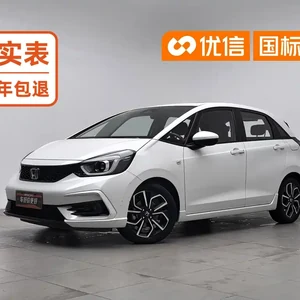
View all listings →Real units currently on ChinaCarDirect with per-unit asking prices and MOQ. Availability updates live from the catalogue.
How to buy a Honda Life from China
-
1
Define the operating requirement
Record the destination, expected routes, passenger or cargo load, preferred trim, steering configuration, budget and required quantity. This prevents a technically compliant but commercially unsuitable vehicle from entering the shortlist.
-
2
Search the live inventory
Use the Honda Life listings to compare model year, trim, condition, mileage, location and listing-specific MOQ. Current per-unit prices and availability should always be taken from the live listing.
-
3
Request a VIN-level information file
Ask the seller for production details, registration status, ownership or export documents, service history, equipment list, photographs and any available VIN-history report. Avoid proceeding when the vehicle cannot be identified clearly.
-
4
Request a comparable destination quote
Specify the destination and intended Incoterm, then request an itemized quote covering vehicle, freight, insurance, export handling and any other included services. Use a customs broker to estimate duties and registration charges separately.
-
5
Verify the seller and payment terms
Confirm the legal seller, contracting party and payment beneficiary, and review the pro forma invoice, inspection conditions and release schedule. Use protected or escrow payment methods where available.
-
6
Complete pre-shipment inspection
Verify the VIN, mileage, condition, documents, keys and accessories against the agreement. Record any discrepancy and require correction or a revised commercial arrangement before authorizing release.
-
7
Book compliant shipping
Confirm LHD/RHD suitability, destination approvals, insurance coverage, freight method and customs responsibilities. Keep the VIN-level inspection file with the final transport and handover records.
Life vs rivals
| Honda Fit/Jazz | The closest packaging and badge-level alternative, offering a similar compact five-door mission for buyers who prefer another Honda. Compare the exact engine, safety equipment, specification, service support and landed cost because imported versions are not necessarily interchangeable. |
|---|---|
| Toyota Yaris/Vitz | A direct global B-segment rival with strong brand recognition and, in some markets, hybrid choices that the referenced Life configuration does not offer. It may suit buyers prioritizing a broader powertrain menu or local dealer familiarity, subject to actual export availability. |
| Suzuki Swift | A close small-hatchback competitor with distinct styling and market-specific safety and equipment. Choose it when local Swift servicing or a preferred specification is stronger, while comparing actual cargo use, safety, fuel label and landed cost. |
Frequently asked questions
How is Honda Life export pricing determined?
Export pricing is calculated per vehicle and can move with model year, trim, condition, mileage, documentation, exchange rates, freight, insurance, port charges and Incoterm. The vehicle amount and landed total should be separated. Open the live Honda Life listings on ChinaCarDirect for the current figure on each unit, then request a written destination-specific quote before paying.
What engine and transmission does the referenced Honda Life use?
The referenced export range uses a 1.5L gasoline engine with a CVT rather than a battery-electric powertrain. Exact output, emissions specification, drivetrain and market equipment should be confirmed from the VIN and seller documents because export examples may originate from different source markets.
Should an overseas buyer choose a new or used Honda Life?
New units offer standardized condition and lower prior-use uncertainty, while used units can provide a more economical acquisition but require deeper inspection and history verification. Compare operating costs, expected depreciation, warranty usefulness and downtime risk. Request production, registration, invoice, odometer, service and VIN-history evidence for every vehicle.
What is the minimum order quantity for a Honda Life?
There is no universal Life MOQ that should be assumed from a catalogue. Each live listing and supplier may state its own MOQ, while project or container suppliers can impose lot conditions; buyers seeking one vehicle, a mixed fleet or a consolidation should state the quantity in an RFQ. The binding quantity appears on the relevant listing or written quotation.
How long does shipping take and what affects the cost?
Transit time and cost vary by origin and destination ports, sailing schedule, season, congestion, cargo security, fuel surcharges, vehicle preparation, customs clearance and inland delivery. A seller’s estimate should be treated as a planning window rather than a guarantee. Request the freight method, Incoterm, insurance scope, charge inclusions and documents required for release.
Are spare parts available for an imported Honda Life?
Spare-parts support depends on the destination’s Honda dealer network and whether the imported specification is recognized locally. Confirm common service parts, wear items and electronic components by VIN with a dealer or established exporter before shipment, and retain the seller’s support for parts that may need to be sourced from China.
Is a right-hand-drive Honda Life available for export?
The Life nameplate has been sold in both LHD- and RHD-oriented markets, but a China-sourced listing may not be the configuration needed. Verify steering position and market-specific equipment in photographs, production data and the VIN, then confirm local registration and type-approval requirements. Do not assume a steering conversion will make an imported car compliant.
How do I order a Honda Life from China?
Start with the live Honda Life inventory, select the closest units and submit an RFQ with the destination, quantity, trim, condition, steering preference and Incoterm. Review the written specification, pro forma invoice, ownership documents, inspection plan, payment schedule and release conditions before paying. Authorize freight only for the vehicle or VINs that match the agreement.
Ready to source the Honda Life?
Send your destination, required quantity, trim and steering configuration to ChinaCarDirect for a current vehicle-level quotation.
Request a quote