
Honda Ur-v Export Guide for Overseas Dealers and Buyers
Buy Honda Ur-v from China with clear guidance on trims, engine choices, export pricing, MOQ, shipping, homologation and practical alternatives.
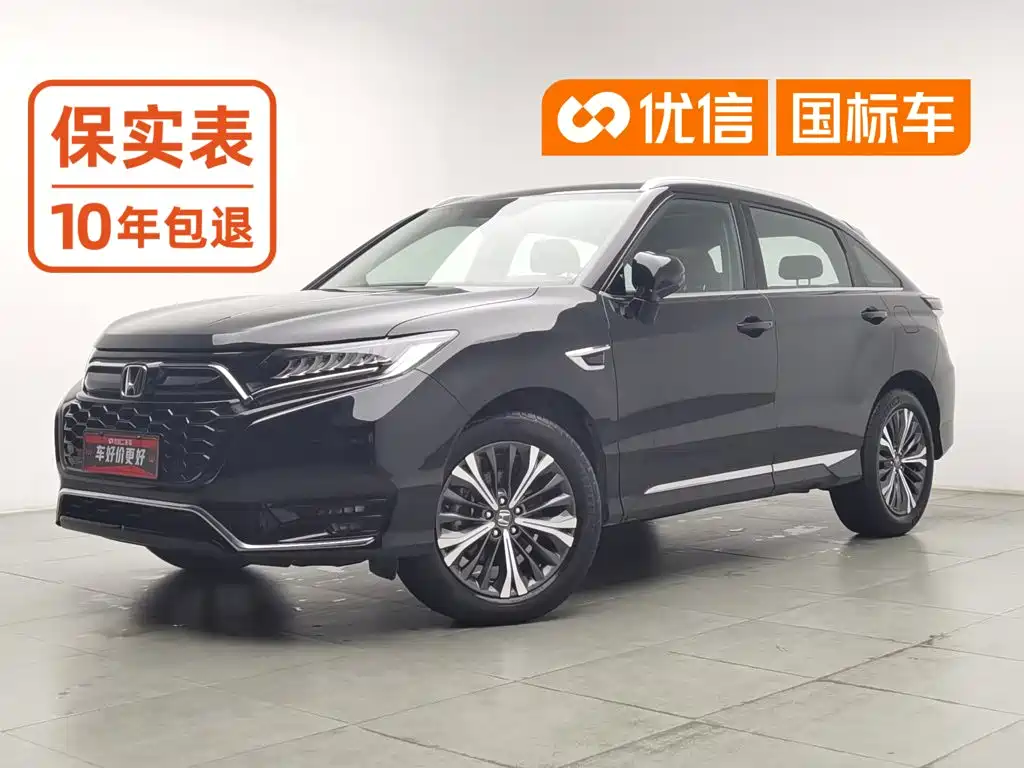
At a glance
- The Ur-v is a five-door turbocharged gasoline crossover aimed at family, dealer and fleet buyers.
- Buyers can compare 1.5-liter 240TURBO and 2.0-liter 370TURBO gasoline engines, normally paired with a CVT.
- Two-wheel-drive and AWD/4WD versions broaden the lineup for paved and more demanding road conditions.
- China V and China VI trim labels describe Chinese emissions generations, not automatic approval in export markets.
- Live listings are the source for current configuration, condition, MOQ and availability.
Why the Honda Ur-v matters for export markets
The Honda Ur-v is a five-door, turbocharged gasoline crossover positioned between compact SUVs and the larger family models that appeal to overseas dealers. Its strongest export proposition is not simply size or equipment, but the combination of two engine families, two- or four-wheel-drive choices and a practical family cabin. Buyers can compare the 240TURBO for lower operating emphasis with the 370TURBO for more performance reserve, while China-market trims range from Classic and Luxury to Premium and Prestige. This lets importers match local road conditions and buyer budgets within one model family.
Demand potential is strongest where dealers need a recognizable, mainstream SUV shape with enough passenger space for families and enough ground clearance and drive choices for varied roads. The Ur-v also suits importers already familiar with Honda because its engine-and-trim hierarchy is easier to explain than a complex range of body styles. However, international demand should not be assumed from Chinese popularity alone: fuel regulations, left- or right-hand-drive requirements, aftersales support and residual values all determine whether the model is commercially viable in a specific country for the intended customer segment.
For an export buyer, the Ur-v is best viewed as a configurable stock proposition rather than a single global specification. A listing can represent a different year, emissions version, drivetrain and equipment grade, so headline model names are not enough to compare units. The sound approach is to define the destination market first, then shortlist a compliant configuration, inspect condition and documents, and calculate landed cost. This discipline matters because the lowest vehicle price can become the most expensive purchase once conversion, freight, duty, taxes or corrective maintenance are included.
- Five-door family crossover format.
- 240TURBO and 370TURBO options.
- China V/VI labels need destination review.
Model range, trims and powertrain variants: how the lineup is structured and how to choose
The China-market Ur-v range is organized around the 240TURBO and 370TURBO gasoline engines. The smaller unit is a 1.5-liter turbocharged engine, while 370TURBO denotes the 2.0-liter turbocharged version; both are normally paired with a continuously variable transmission. Drivetrain labels are equally important: 2WD versions are front-wheel drive, whereas AWD or 4WD versions add all-wheel drive. Trim names such as Premium, Prestige, Luxury, Classic and Elegance indicate equipment hierarchy, but their contents must be verified for the model year because equipment can change even within the same named edition across annual updates.
Choosing between 240TURBO and 370TURBO is mainly a duty-cycle decision. The 240TURBO is relevant for price-sensitive importers, urban fleets and buyers who prioritize operating economy over acceleration or sustained performance reserve. The 370TURBO is the more logical candidate for heavier loads, frequent passenger use, steep routes or markets where buyers expect stronger overtaking capability. That does not make it automatically economical: the correct comparison includes fuel consumption, insurance, maintenance and local resale expectations, using each shortlisted vehicle's exact configuration rather than relying on the engine badge alone to make the decision.
Drivetrain selection should follow the road and operating environment, not simply the top trim shown in a listing. Two-wheel-drive units are generally simpler to acquire and may offer lower purchase and ownership complexity for paved-road buyers. AWD can be preferable where rain, snow, gradients or unpaved access are regular factors, although tire choice, ground clearance and safe driving remain important. Before ordering, ask for the axle ratio, tire specification, underbody condition and any evidence that the AWD system has been serviced correctly, especially on a used vehicle.
- 240TURBO: 1.5-liter turbo.
- 370TURBO: 2.0-liter turbo.
- CVT; 2WD or AWD options.
New vs used Honda Ur-v: how export inventory is structured and how buyers choose
Export inventory can mix new vehicles with used examples, so the first task is to understand what condition category a seller is using rather than assume every unit is factory fresh. New units may carry a newer model year, lower recorded use and a clearer ownership chain, but age, warranty coverage and storage history still matter. Used Ur-v vehicles can broaden trim availability and reduce the initial purchase burden, yet they require closer inspection because age alone does not reveal accident repair, mechanical wear or commercial-use history before dispatch begins.
For a used Honda Ur-v, the inspection should be staged. First, match the VIN to the engine, drivetrain and trim recorded in the listing. Then review cold-start behavior, fluid condition, service records, tire dates, brake wear, suspension noise, cabin wear and evidence of accident repair. AWD examples deserve additional attention to tires, differentials, transfer components and service history. Treat odometer readings as one clue rather than proof: ask for registration documents, inspection records, photographs of the underside and a clear explanation of how the vehicle was used during its previous ownership period.
New and used vehicles should be compared on total operating suitability, not acquisition cost alone. A dealer may prefer a new vehicle for a mixed fleet because its condition is easier to communicate to customers, while a fleet buyer may accept an older unit only if the purchase savings exceed expected maintenance, downtime and fuel costs. Used purchases also warrant a reserve for immediate service and a tighter inspection period. Whichever route is chosen, request current live inventory, reconcile the condition report with the photos, and obtain written terms before committing funds.
- New: newer, less-used vehicles.
- Used: lower entry cost, greater uncertainty.
- Verify VIN, mileage, service and condition.
How export pricing works: the factors behind a live listing price, and how to read one
A live Honda Ur-v export price is the output of several variables, not a fixed market tariff. Model year and age set the baseline, while the 240TURBO or 370TURBO engine, two- or four-wheel drive, edition and equipment package create meaningful differences. For a used vehicle, mileage, condition, service history, paintwork, tires and whether the unit is an ex-fleet or privately owned example also affect value. At transaction level, the seller’s location, currency exchange, payment terms, freight route, insurance and chosen Incoterm can materially move the final figure for the buyer.
Read each quote as a commercial offer rather than a number. Confirm whether it covers the vehicle alone or includes export handling, inland transport, marine insurance, documentation and destination charges. Check the year, engine, drivetrain, edition, condition, mileage and VIN status, then compare those details with the photos and description. Ask whether the price is reserved, how long it remains valid and what event would cause a revision. ChinaCarDirect’s live Honda Ur-v listings are the authoritative place to see the current per-unit price, availability and asking terms for the buyer.
A Honda Ur-v wholesale comparison should use a landed-cost worksheet built from comparable vehicles. Start with the quoted vehicle price, then add the elements that are not included: export charges, freight, insurance, destination handling, taxes, duty, registration and conversion. Convert amounts at the exchange-rate date and state who bears each risk. For fleet planning, add expected fuel, maintenance and downtime rather than stopping at acquisition cost. A low headline figure can lose its advantage once both vehicles are normalized, and a higher quote may offer better total economics if the specification fits the duty cycle better.
- Year, trim, engine and drive layout.
- Mileage and condition affect used values.
- Live listings show current unit terms.
MOQ, ordering and payment: single units vs consolidating a container
Minimum order quantity is a listing parameter, so buyers should not import a catalogue assumption into a transaction. A dealer may be willing to release one unit, while a factory or export consolidator may set a higher lot requirement for an allocation or container plan. On ChinaCarDirect, use the live listing to identify the displayed MOQ for that unit and ask the supplier to confirm it in writing. Any discount, production slot, allocation or shipping plan attached to a larger volume should be stated apart from the vehicle’s base asking price.
A single-unit purchase is useful for testing demand, supporting a dealer’s first import or securing a particular used vehicle with history. Its disadvantages are less favorable unit freight and less leverage over logistics. A container consolidation can improve freight efficiency and may create purchasing leverage, but it raises inventory risk: every vehicle must sell at the planned margin, specifications must match demand, and delayed sales can generate storage or demurrage costs. Less-than-container-load options may bridge the gap, provided the carrier and forwarder confirm that the vehicle dimensions and securing requirements are accepted.
The ordering sequence should protect both sides. Specify the exact engine, drivetrain, edition, model year, condition and VIN status; state the destination, delivery term and documentation required. Confirm whether payment is due by bank transfer or another permitted method, how deposit and balance are structured, when the vehicle is reserved and which party bears charges if inspection or shipping reveals a discrepancy. The release milestone should follow agreed inspection and document checks, not merely an unverified photograph. Use a written pro forma invoice and sales contract, and keep every amendment in the record.
- Confirm MOQ on the chosen listing.
- Payment and release terms belong in writing.
- Containers raise inventory and timing risk.
Shipping, homologation and market compliance caveats: LHD/RHD and import rules by country
Freight cost and transit time depend on origin and destination ports, sailing or roll-on/roll-off service, container or LCL method, cargo dimensions, booking space, season and shipment consolidation. A standard crossover may fit common vehicle-carrier arrangements, but the forwarder should confirm loading acceptance, lashing points, deck height, security and special requirements. Road transport to the export terminal, terminal handling, destination charges and customs inspection can affect the schedule. Buyers should request milestones, not only a port-to-port estimate, and clarify who is responsible at every handover for the vehicle throughout the route.
Steering configuration is an early check for an overseas buyer. Honda Ur-v vehicles from the Chinese domestic market are commonly left-hand drive, so a right-hand-drive dealer must confirm whether the unit is already RHD or would require conversion. A conversion can involve mechanical work, altered controls, safety checks and documentation, with potential effects on warranty, insurance and resale. Never assume that steering can be changed simply to meet the destination rule. Prefer an RHD vehicle designed for that market, or use an approved conversion specialist and obtain local compliance advice.
Import eligibility is determined by the destination country, not by China V or China VI wording on a Chinese-market trim. The importer may need type approval, emissions compliance, a VIN and customs record, safety equipment, proof of ownership or origin, duty, tax and registration before sale. Commercial-import rules can differ from private-import rules, and jurisdictions may assess age, displacement, emissions or local-content requirements. Ask the seller for the chassis number and supporting documents, then have a customs broker confirm admissibility before payment and shipping. Check parts availability and warranty coverage alongside the vehicle.
- Domestic examples are commonly left-hand drive.
- China V/VI is not foreign homologation.
- Confirm route, charges and cargo acceptance.
Who should buy the Ur-v — and who should pick a different vehicle
The Ur-v fits importers and dealers serving families, ride-hailing or company fleets that need a conventional five-door SUV rather than a van or a low-slung passenger car. The 240TURBO 2WD version is a sensible starting point where paved roads, moderate loads and operating cost dominate. The 370TURBO, particularly in AWD form, may make more sense where stronger performance reserve, all-wheel traction and higher-grade cabin equipment are marketable. A dealer with Honda service experience can also explain the CVT and AWD maintenance points more confidently, supporting residual demand after the sale.
Certain buyers should choose a different vehicle. Drivers with very small parking spaces may prefer a shorter crossover, while fleets with emissions mandates or zero-emission targets need an electrified alternative rather than a turbo gasoline SUV. Buyers focused on sporty handling may prefer a model tuned around that priority, and high-mileage operators may favor a vehicle with a stronger destination-market warranty or more accessible service network. Importers should also walk away when homologation cost, spare-parts lead time or residual-value uncertainty makes the Ur-v commercially weaker than a locally supported rival.
A disciplined buyer should score the Ur-v against the destination before ordering. Define the customer segment, road surface, mileage, load and passenger pattern, then estimate fuel, insurance, maintenance and depreciation using local inputs. Confirm that the engine and drivetrain can be serviced locally, that the steering configuration is legal, and that parts can be obtained without an impractical border delay. If those checks pass, the Ur-v’s broad trim ladder and familiar Honda mechanical layout create an import proposition. If they do not, a locally supported alternative is usually the safer commercial decision.
- Best for family, dealer and fleet programs.
- 240TURBO suits cost-focused road use.
- 370TURBO AWD prioritizes reserve and traction.
Main rivals and how the Ur-v compares
The Nissan X-Trail is a close size-and-use comparison because it also targets family and fleet buyers with two- or four-wheel-drive versions and efficient petrol powertrains. Its specification, availability and local support depend on the destination market, while a Chinese-market Ur-v needs attention to emissions wording, trim content and homologation. A buyer seeking a family crossover with established destination-country service should compare the actual X-Trail model year and drivetrain; for a Chinese export program offering 240TURBO and 370TURBO choices, the Ur-v may provide a more targeted configuration range for that market.
The Toyota Highlander represents the alternative for buyers who need a larger family SUV or more three-row flexibility. It can suit a distributor seeking greater cabin and cargo capacity, but its size can complicate urban parking, shipping efficiency and operating costs. The Mazda CX-5 is a more driver-focused alternative, usually attracting buyers who prioritize handling and styling over the Ur-v’s broader engine hierarchy or family-oriented space. Neither comparison is universal: local Honda, Nissan, Toyota and Mazda dealer networks, fuel rules, parts access and residual demand can outweigh a specification-sheet advantage in a particular market.
The Ur-v is strongest when the destination buyer values a mainstream five-door layout, the choice between 240TURBO and 370TURBO, and an available 2WD or AWD configuration, while the importer can manage compliance and after-sales support. It is less compelling when emissions policy, parking constraints or service access outweigh those benefits. A fair final decision should compare like-for-like vehicles on landed cost, specification, condition, documentation and ownership risk—not badge value alone. Review current Honda Ur-v export inventory, select the closest configurations, and ask for a written quote before reserving any vehicle for shipment.
- Nissan X-Trail: closest family-crossover alternative.
- Toyota Highlander: larger-capacity alternative.
- Mazda CX-5: driver-focused alternative.
Live Honda Ur-v export inventory
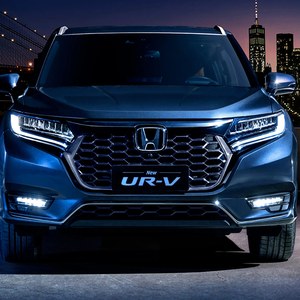
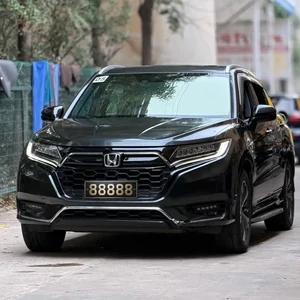
View all listings →Real units currently on ChinaCarDirect with per-unit asking prices and MOQ. Availability updates live from the catalogue.
How to buy a Honda Ur-v from China
-
1
Define the destination and use case
Specify the destination country, customer segment, road conditions, annual mileage, load and passenger pattern. Use these requirements to select the engine, drivetrain, steering configuration and body configuration.
-
2
Shortlist exact live configurations
Review current Honda Ur-v listings and compare model year, 240TURBO or 370TURBO, 2WD or AWD, edition, condition, mileage, photographs and VIN availability.
-
3
Request a landed-cost quotation
Ask for the vehicle price, freight, insurance, export handling, inland transport, taxes, duty, destination charges and any conversion costs. State the preferred Incoterm and destination port.
-
4
Verify condition and documents
Confirm the VIN, service history, accident record, equipment, production details and export documents. Used vehicles should receive a staged physical inspection and a clear condition report.
-
5
Confirm MOQ and contract terms
Ask the supplier to confirm the quantity required for the chosen listing or allocation. Record the deposit, balance, reservation period, cancellation terms, inspection conditions and vehicle-release milestone in writing.
-
6
Complete a pre-shipment inspection
Verify that the inspected vehicle matches the contracted year, engine, drivetrain, edition and condition. Check fluids, tires, underbody condition, exterior damage and identification details, and retain dated photographs.
-
7
Coordinate shipping and import clearance
Use an experienced forwarder and customs broker to confirm LHD/RHD compliance, cargo acceptance, freight routing, insurance and homologation. Arrange destination handling before the vehicle leaves the export terminal.
Ur-v vs rivals
| Nissan X-Trail | The X-Trail is a close family-crossover competitor with two- and four-wheel-drive options, but its local specification and support depend on the destination. The Ur-v may be more targeted for Chinese export programs seeking explicit 240TURBO and 370TURBO choices. |
|---|---|
| Toyota Highlander | The Highlander is a stronger alternative where buyers prioritize a larger footprint and three-row flexibility. The Ur-v may be easier to manage in tighter urban environments and for programs focused on a five-door family crossover. |
| Mazda CX-5 | The CX-5 is a more driver-focused alternative for buyers who prioritize handling and styling. The Ur-v offers a distinct turbocharged engine hierarchy and AWD choice for buyers prioritizing powertrain selection and family-oriented space. |
Frequently asked questions
How is Honda Ur-v export pricing determined?
Price is built from model year, 240TURBO or 370TURBO, 2WD or AWD, trim, mileage, condition, service history, exchange rates, freight, insurance and the agreed Incoterm. Compare the vehicle price with a written landed-cost breakdown. Current per-unit prices and availability are shown on ChinaCarDirect’s live Honda Ur-v listings.
What engine and drivetrain options should I expect?
The China-market Ur-v uses turbocharged gasoline power: the 240TURBO is the 1.5-liter engine and the 370TURBO is the 2.0-liter unit, normally paired with a CVT. Listings may offer 2WD or AWD/4WD. Confirm the exact powertrain, transmission and drivetrain for the model year before calculating fuel, tax or performance assumptions.
How do new and used Honda Ur-v vehicles compare?
New examples generally offer newer model years, less wear and simpler condition reporting, while used vehicles can provide a lower entry cost and access to particular trims. Used purchases demand more scrutiny of VIN, mileage, service records, accident repair, tires, fluids and AWD components where fitted. Select based on landed cost and expected downtime, not age alone.
How does MOQ work when ordering a Honda Ur-v?
MOQ is set by the seller and allocation, so use the quantity displayed on the chosen live listing and obtain written confirmation before ordering. A test order may be possible for one vehicle, while container or production allocations can require more units. Any volume discount, production slot and freight plan should be listed separately from the base vehicle quote.
What determines Honda Ur-v shipping time and cost?
Transit time and cost vary with origin and destination ports, sailing schedule, container or LCL method, cargo handling, season, exchange rates and customs. Ask for a door-to-door or port-to-port breakdown that identifies inland transport, marine insurance, terminal charges, duties and destination fees. Also confirm the milestone that updates the buyer’s insurance responsibility.
Are spare parts available for a Chinese Honda Ur-v?
Spare-parts support depends on the destination’s Honda network and the exact VIN, not simply the Honda badge. Request part numbers for wear items, service items and electronic modules, and verify cross-reference availability with a local dealer. China V or China VI descriptions do not prove overseas parts compatibility or emissions-system acceptance.
Is right-hand-drive Honda Ur-v availability guaranteed?
Chinese-market Ur-v vehicles are commonly left-hand drive, so RHD buyers should not assume local availability. Ask whether the vehicle is factory RHD; otherwise compare an approved conversion with sourcing an RHD-market vehicle. Conversion can affect safety, warranty, insurance, documentation and resale, so local approval is essential.
How do I order a Honda Ur-v from China?
Start with the live listings, shortlist the exact year, engine, drivetrain, edition and condition, then send the destination and required quantity for a written quote. Confirm MOQ, payment milestones, Incoterm, documentation, inspection and vehicle-release conditions. The order should proceed only after the supplier resolves any VIN, condition, homologation or shipping discrepancy.
Ready to source the Honda Ur-v?
Send ChinaCarDirect your destination, required configuration and target quantity for a written Honda Ur-v export quotation.
Request a quote