
Honda Vezel Export Buying Guide for Overseas Dealers
Compare Honda Vezel trims, engines, new and used options, export pricing, MOQ, shipping and compliance before safely sourcing vehicles from China.
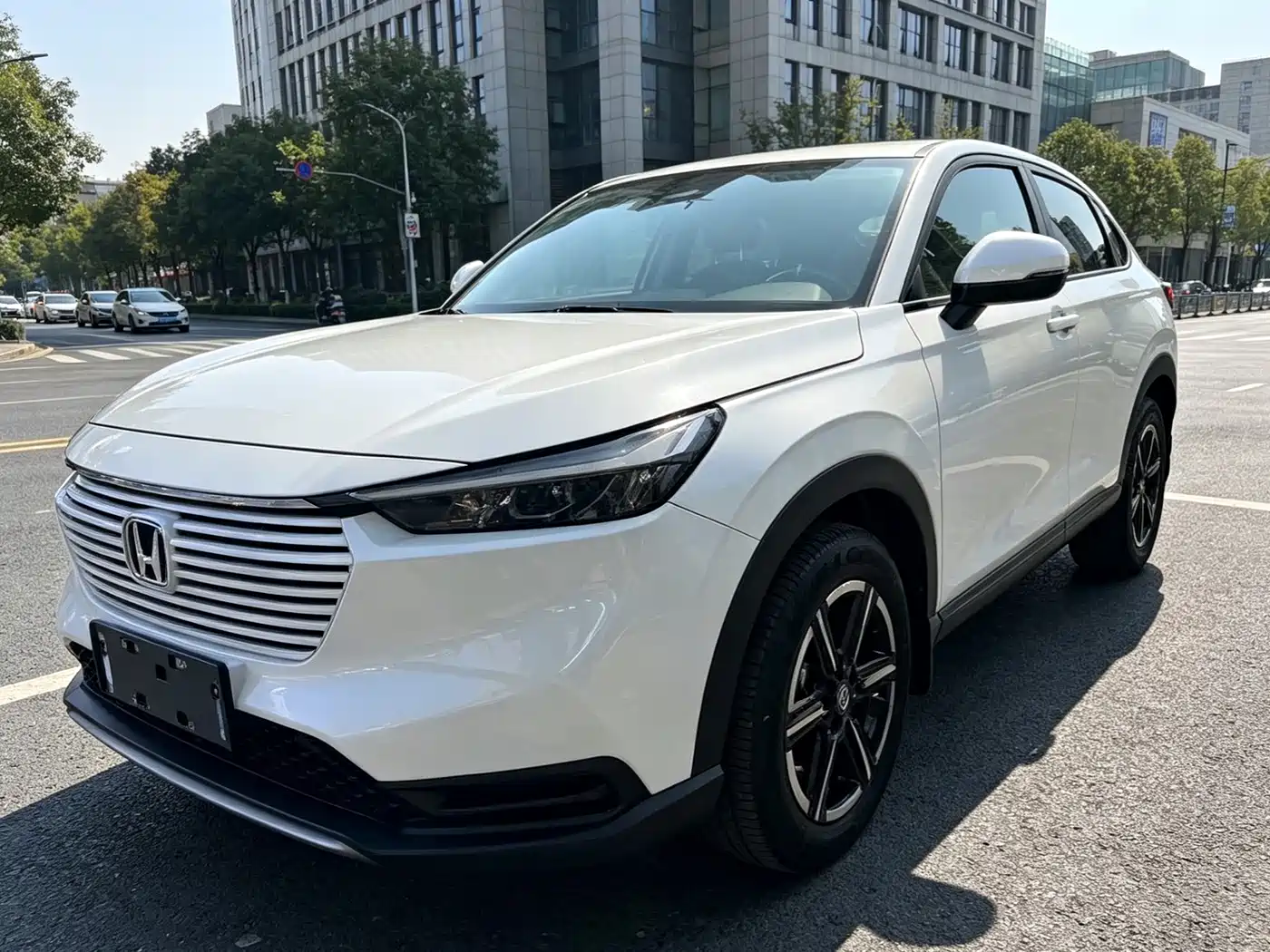
At a glance
- The Vezel is a compact crossover positioned for urban dealers, mixed fleets and importers seeking a recognizable Honda model.
- Chinese-market choices include 1.5L and 1.8L gasoline engines with CVTs, plus selected 220 TURBO-labelled versions.
- Two-wheel-drive and front-wheel-drive configurations coexist, while Comfort, Pioneer, Luxury, Elite and Technology names serve different equipment priorities.
- Used units can suit value-focused buyers, but condition, mileage, history and inspection findings must drive acceptance.
- Use live listings for current unit prices, MOQ and availability, and verify RHD, emissions and homologation for the destination.
Why the Honda Vezel matters for export markets
The Honda Vezel is a compact crossover SUV that combines a car-like footprint with SUV-inspired practicality, making it relevant to importers serving urban dealers, ride-hailing operators and mixed fleets. Its strongest export appeal is not one universal specification, but the breadth of gasoline, CVT and two- or front-wheel-drive combinations. Buyers can compare entry-oriented Comfort trims, technology-led variants and higher-equipped Pioneer, Luxury and Elite grades without confusing cosmetic naming with mechanical equivalence. That makes specification discipline especially important when procurement teams compare Chinese-market vehicles with locally sourced rivals under different rules before shipment.
Demand for the Vezel in export markets is driven by familiar Honda positioning, a practical compact-SUV format and established name recognition among crossover buyers. The Vezel is marketed as the HR-V in many countries, so importers should compare the equivalent name used by their source market rather than assume every global version is identical in engine or equipment. For fleet buyers, the priority is repeatable specification: one engine, transmission, drive layout and equipment level is easier to standardize, maintain and resell than a mixed batch assembled only around appearance for fleet use after import.
The Vezel is most attractive where buyers want more visual space and a higher seating position than a conventional sedan without moving into a large, costly SUV. That said, its export case depends on local operating economics, fuel rules, road conditions and resale expectations rather than export value alone. A buyer should model the complete offer: acquisition price, freight, taxes, compliance work, warranty support and the likely cost of keeping trim-level parts in service. Those checks reveal whether the Vezel’s recognizable badge and versatile format translate into a genuinely economical import program.
- Compact crossover format.
- Gasoline CVT and 2WD/FWD choices.
- Evaluate landed cost, not asking price.
Model range, trims and powertrain variants: how the lineup is structured and how to choose
Chinese-market Vezel listings are structured around a clear mechanical hierarchy. The core choices are 1.5L and 1.8L gasoline engines with a CVT, while selected versions carry the 220 TURBO designation. Drive is not uniform: Comfort, Pioneer, Luxury, Elite and related grades appear with two-wheel drive or front-wheel drive, depending on the exact listing. Trim names should therefore be read as a combination of equipment, drivetrain and engine, not as a simple equipment ladder. For fleet tenders, request the VIN-level specification before comparing quoted units or approving a cross-border import order before contracting.
Comfort is the practical starting point for buyers focused on acquisition efficiency, while Pioneer generally represents a higher equipment and technology position. Luxury and Elite versions add more premium-oriented content, and Technology naming signals a feature emphasis rather than a change to the basic CVT layout. Because exact equipment can vary by model year and source market, compare the equipment list, not only the badge. Ask for photographed seat, dashboard, infotainment and driver-assistance details before deciding whether a higher trim justifies the difference in the intended destination market. This supports local resale positioning after import where required.
Engine choice should be matched to load, terrain, fuel availability and driver expectations. The 1.5L options span Comfort, Pioneer, Luxury and related grades, the 1.8L versions provide an alternative for buyers prioritizing a different engine character, and the turbo-labelled version may suit operators who prefer added performance reserve. However, output figures, towing limits and real-world economy are not interchangeable with the engine label. Confirm the engine code, power rating, drivetrain and curb data in the live listing or supplier documents, then inspect the vehicle if condition warrants it before making a commitment and reviewing documents.
- 1.5L and 1.8L gasoline variants.
- 2WD and FWD are trim-dependent.
- Verify engine code and equipment by VIN.
New vs used Honda Vezel: how export inventory is structured and how buyers choose
New and used Vezels serve different commercial roles. A new vehicle is easier to standardize, document and warranty, while a used example can deliver lower acquisition cost and immediate availability of a mature model year. Used inventory, however, varies more sharply in mileage, service history, paint, interior condition and accident repair quality. The correct choice is not simply newer being better; it is whether the vehicle’s condition, documentation and specification create a predictable asset for the importer or fleet operator once transport, taxes and homologation are included in the landed cost.
For a used Vezel, inspect the VIN, engine number, production date, odometer reading and physical identity against the seller’s records. Review evidence of periodic servicing, wear around the pedals and steering wheel, cabin trim, tire age, battery condition and fluid leaks. Underbody inspection is especially important because the listing photograph may not reveal corrosion, crash repair or suspension wear. For a new vehicle, focus instead on factory specification, delivery documents, warranty start, PDI status and whether the seller is an authorized channel or a trading company with clear title history before contracting.
Buyers should build separate acceptance rules for each channel. For used units, define mileage bands only in relation to age and condition, require documented service where available, and reject inconsistencies between the odometer, wear and service records. For new units, verify that no dealer has altered the advertised configuration and that the vehicle is eligible for destination-market registration. A mixed batch can still work, but standardize it around mechanically compatible vehicles and document each VIN, preserving a clear chain from the supplier to the final purchaser or fleet operator downstream where required.
- New units favor standardization.
- Used units demand condition checks.
- Verify each VIN and document trail.
How export pricing works: the factors behind a live listing price, and how to read one
A live Vezel listing price is the starting reference for vehicle acquisition, not a universal market value and not necessarily the buyer’s landed cost. The asking amount can move with model year, trim, engine, drivetrain, mileage, condition, ownership history, optional equipment and the completeness of available records. Two units carrying the same trim name can still differ because one may be newer, better documented or offered under different seller terms. Compare equivalent vehicles rather than treating the first result as the benchmark for the buyer.
To calculate a true comparison, separate the vehicle price from international logistics and destination charges. Add ocean or Ro-Ro freight, insurance, terminal and documentation fees, inland haulage, customs duty, taxes and any modification or inspection work. The exchange rate at the time of payment can also alter the total even if the Chinese listing price has not changed. Ask for a written quotation under a stated Incoterm, because responsibility for cost, risk transfer and delivery point must be clear before the order is accepted and reflected in the final invoice.
Use the ChinaCarDirect live inventory to obtain the current binding price, MOQ and availability for each candidate. Open the relevant listing, confirm that the displayed price belongs to the exact year, trim, engine and condition, then check what is included in its commercial terms. Send an RFQ with the destination, preferred Incoterm and required quantity so the seller can correct any mismatch and quote the current transaction price. A verified live quote should always take precedence over a general article or an earlier saved inquiry for the same specification and destination market.
- Compare equivalent specifications only.
- Confirm landed cost and Incoterm.
- Use the live quote as binding.
MOQ, ordering and payment: single units vs consolidating a container
Minimum order quantity is a commercial term that must be confirmed for the selected supplier and vehicle, rather than assumed from a live listing. A dealer buying for resale may request one unit, while a project or fleet order can be negotiated as a batch or a consolidation with other compatible vehicles. The relevant question is not merely whether a single vehicle is visible, but whether the seller will accept the proposed quantity, payment structure and delivery terms. Those answers should appear in the quotation or be documented in the order confirmation.
Single-unit purchasing suits a dealer testing demand, replacing a sold vehicle or sourcing one highly specified car. Its commercial advantage is simplicity, while its logistics disadvantage is that freight, port and compliance costs are spread across fewer vehicles. Consolidation can improve freight efficiency and may give a buyer access to better trims, but it requires common destination rules, comparable specifications and disciplined inspection. Mixing model years, engines or steering positions for convenience can create higher unit costs than the apparent saving after allowances are properly itemized in the final landed comparison.
A sound ordering sequence starts with a written pro forma invoice that identifies each vehicle, quantity, specification, unit price, MOQ, deposit, balance trigger, Incoterm and expected readiness. Confirm ownership and exportability before remitting funds, and align the payment milestones with inspection and document checks. The buyer should know which party arranges export customs, terminal handling and delivery, and should record any agreed corrections or accessories in the contract. This prevents an attractive listing from becoming a dispute over condition, timing or responsibility before funds or vehicles move across the supply chain and delivery.
- Confirm MOQ in the quotation.
- Consolidate only compatible vehicles.
- Put payment and inspection terms in writing.
Shipping, homologation and market compliance caveats: LHD/RHD and import rules by country
Vehicle condition and destination-market rules must be checked before committing freight. A Chinese-origin Vezel may be left-hand drive, but the steering position, VIN format, emissions labeling and equipment shown on the listing do not by themselves establish that it can be registered in the target country. Import rules vary by age, engine, emissions category, safety equipment and local type approval. Dealers should have the exact vehicle checked against the destination’s customs and road-registration requirements before treating it as importable, especially before paying non-refundable shipping charges or undertaking a local conversion before contracting.
Right-hand-drive availability cannot be inferred from the model name. Some source-market Vezels were offered with right-hand drive, while vehicles sourced from China are commonly left-hand drive, but a particular Chinese listing must be checked directly. A steering-wheel conversion may create safety, warranty, insurance, customs and registration issues unless the destination expressly accepts it and the work meets local requirements. For fleet buyers, the safer route is to source an approved RHD example, verify its documents and local approval status, and budget for a local registration inspection rather than assuming conversion is routine.
Shipping method should match the vehicle mix and urgency. Full-container shipment offers control over a group of vehicles, less-than-container service can suit a smaller consolidated lot, and Ro-Ro may be available on suitable routes for an efficient drive-on/drive-off process. Roll-on/roll-off, container and groupage each carry different port, handling and insurance conditions. Compare freight quotations on the same Incoterm and request the origin, destination, carrier, service frequency, cutoff dates, insurance scope and any terminal charges before booking. A nominal transit estimate should also be checked against the actual sailing and port schedule.
- Confirm steering position before purchase.
- Check destination approval and emissions.
- Compare freight under the same Incoterm.
Who should buy the Vezel — and who should pick a different vehicle
The Vezel is a strong candidate for urban dealers, rental and ride-hailing fleets, company-car programs and importers wanting a recognizable compact crossover with manageable logistics. It works especially well where operators value a CVT, a practical footprint and straightforward trim selection. It may be less suitable for buyers requiring a factory hybrid, all-wheel drive, a specific emissions certification, heavy towing or a vehicle with a spacious three-row cabin. Those requirements should be settled before sourcing, because the Chinese-market lineup may not satisfy them even when the badge and body style look right.
A fleet buyer should select one mechanical template and resist mixing versions for appearance alone. The 1.5L and 1.8L gasoline families can each make sense when fuel use, performance needs and servicing capabilities align with the destination. Two-wheel-drive versions may simplify procurement where drivetrain complexity has little customer value, while front-wheel-drive units remain suitable for many urban duties. For a mixed fleet, pilot a small representative batch, measure preparation costs and resale results, then expand only after correcting the issues revealed by the first handover cycle and real operating costs over time.
Individual buyers should be more cautious if the intended use involves extensive towing, frequent fully loaded travel or operation on poor roads without ground-clearance confidence. A Vezel can be sensible as a second vehicle or mixed-fleet entry point, but replacement parts, insurance categories and local homologation may be less straightforward than for a mainstream model sold extensively in the destination. Compare total ownership over the planned holding period, including downtime for repairs. A lower acquisition price can be erased by long parts lead times, repeated registration work or weaker residual demand in the chosen segment.
- Strong fit for urban mixed fleets.
- Standardize engine and drivetrain.
- Check towing, parts and residual demand.
Main rivals and how the Vezel compares
The Toyota C-HR is a close global rival because it occupies the same compact crossover territory and competes for young urban buyers and fleet managers. It may be attractive where a local hybrid option is required, whereas the Vezel’s China-sourced range centers on gasoline CVT variants. The deciding factors are local drivetrain availability, parts support, registration rules and the exact equipment on offer. A C-HR should not be selected merely for its badge if the destination lacks a suitable powertrain, established service support or cost-effective compliance for the intended fleet, and budget accordingly.
The Nissan Qashqai is another practical alternative, particularly where buyers already know the model and can obtain local parts or financing. Depending on the destination, hybrid or other electrified versions may offer a different operating proposition from the gasoline CVT Vezel. For an importer, that difference can outweigh styling preference: verify engine configuration, emissions approval and aftersales support at VIN level. Choose the Qashqai when its local powertrain, channel and ownership costs better match the market, not simply because it is newer or more familiar in the destination country and operations.
The Mazda CX-30 is a closer alternative for drivers who prioritize a more car-like driving character and a comparable compact-SUV footprint. It can suit buyers seeking a different badge and brand experience without necessarily changing their vehicle-size requirement. The Vezel’s strongest counter-arguments are its broad China-sourced trim and engine choice, established crossover positioning and the potential simplicity of a CVT-led fleet specification. For Mazda, local availability and a more focused model range may be decisive; for Honda, verify that the exact Vezel configuration is easier to support in the destination after import.
- C-HR: compare local hybrid options.
- Qashqai: compare market-specific powertrains.
- CX-30: alternative for car-like positioning.
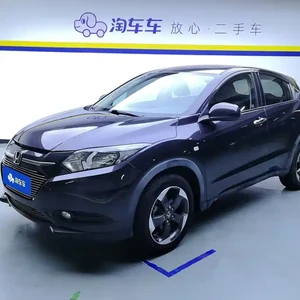
Live Honda Vezel export inventory
View all listings →Real units currently on ChinaCarDirect with per-unit asking prices and MOQ. Availability updates live from the catalogue.
How to buy a Honda Vezel from China
-
1
Set the destination and operating brief
Define the destination country, required steering position, preferred engine and drivetrain, model-year limits, intended use and required equipment before viewing individual vehicles.
-
2
Shortlist equivalent vehicles
Search the live Vezel inventory and compare units by year, trim, engine, drive layout, mileage, condition and equipment rather than relying on the model name alone.
-
3
Verify the specification and records
Request the VIN, engine number, production details, ownership information, service records and photographs. Check every physical and documentary detail against the seller’s description.
-
4
Request an RFQ and landed-cost quote
Send the destination, quantity, Incoterm and required vehicle specification for a written quotation that separates the unit price from freight, insurance, terminal fees and other charges.
-
5
Agree MOQ, payment and delivery terms
Confirm the accepted quantity, deposit, balance trigger, document requirements, inspection rights, Incoterm and allocation responsibility in the pro forma invoice or order confirmation.
-
6
Inspect before shipment
Use an independent pre-shipment inspection to verify condition, identity, odometer reading, engine and chassis numbers, tire condition, fluids and visible or structural defects.
-
7
Arrange shipping, export and clearance
Confirm the carrier, route, insurance, port responsibilities, export documents, customs clearance and destination registration steps before the vehicles depart.
Vezel vs rivals
| Toyota C-HR | A close size-class rival with powertrain choices that vary by market. Choose the C-HR when local hybrid availability and service support fit better; choose the Vezel for its China-sourced CVT trim breadth and straightforward fleet standardization. |
|---|---|
| Nissan Qashqai | A familiar global alternative offering market-specific hybrid and conventional powertrains. The Qashqai may be easier to support where it is already established, while the Vezel should be selected only when its exact engine, drive layout and parts requirements suit the destination. |
| Mazda CX-30 | A compact alternative with a more car-like positioning and a comparable footprint. The Vezel offers broader China-sourced engine and trim choice, while the CX-30 may benefit from stronger local awareness and simpler customer recognition. |
Frequently asked questions
How is Honda Vezel export pricing determined?
The live asking price depends on the vehicle’s year, trim, engine, drivetrain, mileage, condition, history, options and seller terms. Exchange rates, freight, insurance, terminal fees, duties, taxes and the selected Incoterm determine the buyer’s landed cost. ChinaCarDirect’s live Vezel listings show the current unit-level price, MOQ and availability, while a written RFQ provides the binding quote for your destination.
What engine, transmission and drivetrain options are available?
China-market Vezels are centered on 1.5L and 1.8L gasoline engines paired with CVTs, with selected versions carrying the 220 TURBO designation. Two-wheel-drive and front-wheel-drive configurations appear depending on trim. Confirm the engine code, drive layout, emissions label and equipment for the exact VIN before ordering.
Should an overseas buyer choose a new or used Honda Vezel?
New vehicles generally offer more consistent specification, simpler documentation and clearer warranty handling. Used vehicles can offer better acquisition economics but require closer scrutiny of mileage, service history, accident repair, wear and condition. The right choice depends on fleet standardization, destination age rules and the total cost of preparing the vehicle for sale.
How does MOQ work when ordering a Vezel from China?
MOQ is a commercial term that must be confirmed in the quotation for the selected vehicle and seller. A dealer may request a single unit for testing, while a fleet can consolidate compatible vehicles to improve freight efficiency. Mixed specifications, steering positions or condition grades can offset those logistical savings.
What determines shipping time and cost?
Origin and destination, sailing schedules, container, Ro-Ro or groupage availability, vehicle mix, port handling, insurance, customs clearance, inspections and inland delivery all affect the result. Compare quotations under the same Incoterm and request the route-specific schedule and all applicable charges. Destination congestion and compliance reviews can also affect actual timing.
How are Honda Vezel spare parts sourced?
Parts should be matched using the VIN or chassis number, engine code, model year and trim because similar-looking versions may use different components. Availability varies by part type, and imported components may take additional time to arrive. Confirm original part numbers and supplier compatibility before ordering, especially for trim-specific electronic or interior components.
Is right-hand-drive Honda Vezel availability guaranteed?
No. RHD availability must be confirmed for the individual vehicle or the live listing because Chinese-origin stock is commonly left-hand drive. A local steering conversion can affect safety, insurance, customs and registration, so source an approved RHD example where possible and verify the destination rules before contracting.
How do I order a Honda Vezel from China?
Begin with the live inventory, verify the vehicle’s VIN-level specification and request an RFQ stating your destination, quantity and preferred Incoterm. Agree the MOQ, price, payment milestones, inspection rights, documents and delivery responsibilities in writing. Complete payment and pre-shipment inspection before arranging freight, export and destination clearance.
Ready to source the Honda Vezel?
Send your destination, required powertrain, trim, quantity and Incoterm through the RFQ page for a current unit-by-unit Honda Vezel quotation.
Request a quote