
Honda Xr-v Export Buying Guide for Overseas Dealers
Plan buying Honda Xr-v from China: compare trims, engines, used cars, export pricing, MOQ, shipping and compliance for overseas dealers and fleet buyers.
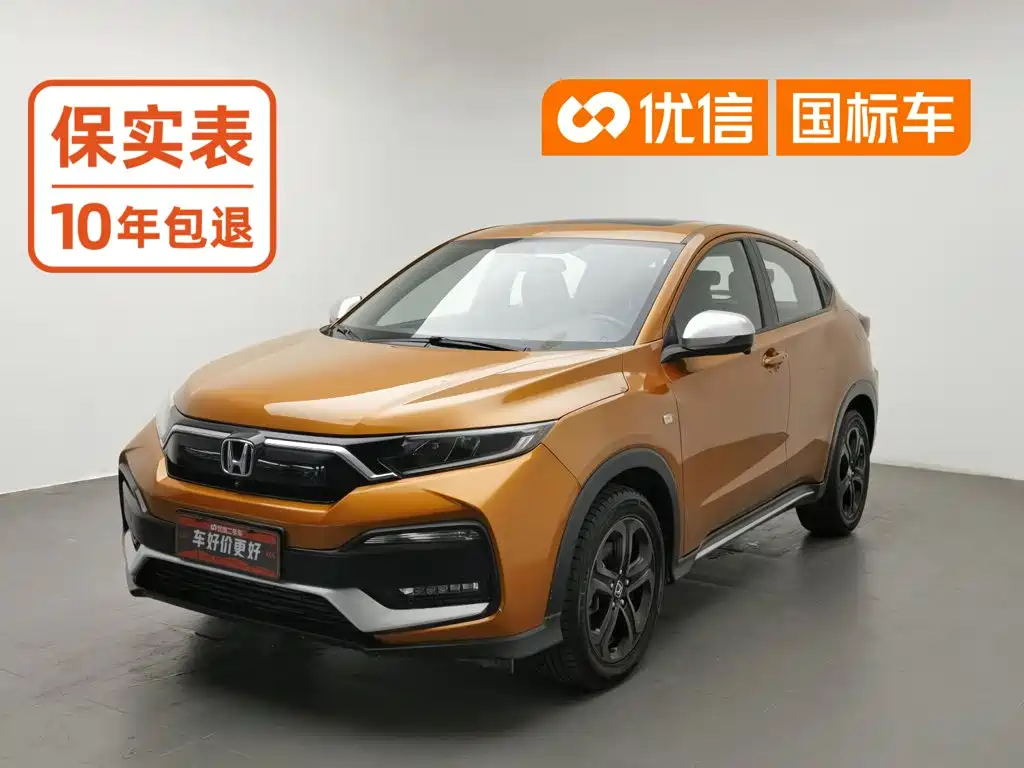
At a glance
- The Xr-v is a compact, gasoline-powered crossover suited to private importers, dealers and regional fleets.
- Its export range spans 1.5L, 1.8L and 220TURBO engine labels paired with CVT trims.
- Used Xr-v inventory provides more age and trim choices, while newer units prioritize lower wear.
- Live export prices respond to model year, trim, condition, emissions version, currency, freight and Incoterm.
- Single-unit orders may suit trial importers, while consolidation can suit dealers with a shared destination plan.
- LHD/RHD, homologation, customs and local parts support must be confirmed before payment.
Why the Honda Xr-v matters for export markets
The Honda Xr-v sits in the compact crossover segment, combining a space-efficient body with Honda positioning and a CVT-driven petrol powertrain. It appeals to overseas dealers and fleet buyers who want a recognizable Japanese-brand vehicle without moving into the larger SUV class. For importers seeking to buy Honda Xr-v from China, the model offers a route into the Chinese automotive market, where equipment naming, emissions versions and configurations can differ from Honda crossovers sold under other regional names. Evaluate the exact vehicle rather than assume every Xr-v carries the same equipment, road certification or spare-parts support as a locally sourced Honda.
The model's export relevance comes from a balanced proposition: manageable exterior size, a raised seating position, petrol efficiency and a Honda badge. Those traits fit dense cities, regional distributors and company fleets that need one platform across several trims. A dealer can serve value-conscious Classic and Comfort versions while carrying Luxury or facelifted Fever Edition examples for customers seeking newer presentation. This mix lets a buyer compare age, equipment and condition rather than treating “new” and “used” as a single purchasing category. The result is a broader allocation decision for each dealer.
Global buyers should also separate the Xr-v's market appeal from the convenience of buying an identical Honda in their own country. A China-spec vehicle may offer competitive access to late-model used units or selected newer trims, but local safety, emissions, warranty and parts arrangements still apply. For dealers serving importers or fleet operators, the strongest case is commercial: one model family, several trim levels and a straightforward comparison of total operating needs. For private buyers, resale prospects and certification in the destination market may matter more than the initial purchase decision.
- Compact crossover positioning.
- Multi-trim dealer range.
- Verify China-spec compliance.
Model range, trims and powertrain variants: how the lineup is structured and how to choose
The China-market Xr-v range visible in export listings is organized around three engine labels: 1.5L, 1.8L and 220TURBO. Within them, buyers encounter LXi Classic, Comfort, EXi Comfort, VTi Luxury and, on selected facelift vehicles, Fever Edition designations. The labels communicate the market ladder, but they are not a substitute for a VIN-specific specification sheet. Ask for engine code, transmission type, production date, emissions version and the complete equipment list before treating two similarly named vehicles as equivalent. Trim naming can change across model years, particularly around a facelift or emissions update.
When checking Honda Xr-v specs, start with the duty cycle and the information actually shown on the vehicle. The 1.5L versions generally represent the mainstream choice in this lineup; the 1.8L options sit in higher-grade EXi and VTi contexts; and the turbocharged 220TURBO label is associated with Comfort and Luxury versions. Because listing names do not provide a verified output or fuel-consumption figure, buyers should request those data rather than infer them from displacement alone. Actual performance also depends on the vehicle's condition, calibration and maintenance history.
Every named Xr-v configuration in the available range uses a CVT, which simplifies the initial powertrain comparison for import operations. The open question is whether the CVT, engine and calibration are supported and road-legal for the destination. China V and China VI labels appear on some trims and indicate Chinese emissions generations; they do not automatically satisfy European, Asian, Middle Eastern or American-market rules. Confirm that the listing's production year, facelift status and emissions documentation match the unit you intend to buy, rather than relying on the trim badge alone.
- 1.5L: mainstream label.
- 1.8L: EXi and VTi.
- 220TURBO: Comfort and Luxury.
- CVT throughout named range.
New vs used Honda Xr-v: how export inventory is structured and how buyers choose
For export buyers, the Xr-v inventory structure is best understood as two decision paths rather than one homogeneous stock pool. Used vehicles provide the broadest practical selection across older model years, earlier Classic and Comfort editions, and higher-grade EXi or VTi cars. Newer examples and facelift Fever Edition vehicles form a more selective route. This structure lets importers optimize by age and equipment, but it also means that condition reporting and documentation quality can vary more than the model designation suggests. A live, VIN-level review is essential before committing funds.
A used Honda Xr-v can deliver the widest choice of model years and trim combinations, but value depends on more than the lowest asking price. Review service records, cold starts, idle quality, CVT behavior, fluid leaks, brake wear, tire age and body repair history. Older vehicles may offer simple replacement parts, while scarcity can affect parts lead times. Mileage should be checked against the condition rather than treated as proof of quality, and a pre-shipment inspection should cover both mechanical operation and the documents needed for registration in the destination country.
A new or newer Xr-v can reduce uncertainty about age and wear, which may suit a dealer building a consistent retail range or a fleet operator standardizing equipment. The trade-off is that newer Chinese-market configurations may still need destination approval, and buyers should confirm manufacturer warranty coverage, production status and delivery timing rather than assuming local protection. If a listing is marketed as new, verify its status and invoices directly. For a mixed fleet, combining newer units with inspected used examples may offer a better balance of predictability and acquisition cost.
- Used: wider model-year choice.
- Newer: less wear uncertainty.
- Inspect condition and documents.
How export pricing works: the factors behind a live listing price, and how to read one
Viewing a Honda Xr-v export price guide should begin with the unit rather than a fixed model-wide number. A live quote is shaped by model year, trim, engine label, facelift status, emissions version, mileage, exterior and interior condition, repair history, and the seller's commercial terms. Currency movements can alter the displayed value for overseas buyers. Freight, marine insurance, export handling, destination charges, duties and taxes may sit outside the vehicle price, depending on the Incoterm and the route. Always identify what the quoted figure includes before comparing offers on a like-for-like basis.
On ChinaCarDirect, open the live Honda Xr-v inventory and read each vehicle as a standalone sale item. The exact current price, stated minimum order quantity and available unit are shown on that listing, so they are more reliable than an article written years before the transaction. Capture the listing identifier, then request a written quotation that confirms whether the amount is FOB or another Incoterm, the payment currency, validity period and any seller-specific conditions. A listing image or trim title alone is not enough to reproduce the offer if the underlying unit changes.
A disciplined landed-cost comparison should place the vehicle price beside ocean freight, insurance, handling, port charges, inland transport, duty, tax and expected compliance work. Where the destination applies duty based on engine displacement, emissions class, age or value, verify the rule with a customs broker rather than estimating from a generic tariff schedule. Payment and currency terms can also change the effective amount. Buyers should model several transport options for one unit and for a consolidated shipment, because a lower vehicle price may be offset by higher fixed logistics and compliance costs.
- Use live unit-level prices.
- Match Incoterm and currency.
- Calculate landed cost.
MOQ, ordering and payment: single units vs consolidating a container
The MOQ shown on a live Xr-v listing is a seller-specific purchasing condition, not a permanent rule for the model. Some offers may accept one vehicle; a larger allocation can be negotiated where the seller is willing to combine units. For an importer testing demand, a single-unit purchase can limit capital exposure and make inspection, homologation and resale easier to manage. For Honda Xr-v wholesale programs, ask whether the same MOQ applies to mixed trims and years, and whether a deposit secures the specific unit rather than merely an unspecified pool of stock.
A sound ordering sequence starts with a written specification and commercial quote, followed by a vehicle-level identity check. Confirm the listing identifier, VIN or chassis number, production date, engine and transmission, odometer reading, condition, emissions version, documents, Incoterm and delivery window. If a deposit is agreed, make sure the contract states the exact unit or approved selection criteria and the consequences of a mismatch. Retain copies of the offer, inspection report, invoice and payment receipts, and authorize the balance only after the agreed inspection and identity checks are fully complete.
Container consolidation can improve logistics control when several Xr-v units share a destination and sales plan. Ask the seller or freight forwarder whether vehicles from different listings can be grouped, whether a mixed-model container is acceptable, and who bears the risk if one unit has a documentation or condition issue. Confirm loading requirements, securing methods, export declaration, insurance and the sequence for settling each unit. Consolidation is not automatically cheaper: added handling, storage, damage exposure and delayed title release can offset freight savings, particularly when vehicles are bought on different payment terms.
- Confirm seller-specific MOQ.
- Specify the exact unit.
- Compare consolidated shipping.
Shipping, homologation and market compliance caveats: LHD/RHD and import rules by country
Transport mode, port pair and sailing schedule set the cost and elapsed time for an imported Xr-v. Suitable vehicles may travel in a roll-on/roll-off vessel or as container cargo, subject to carrier and port acceptance. Compare origin handling, ocean freight, insurance, destination terminal charges, customs clearance, inland delivery and any storage or demurrage exposure. Transit time is only one variable: vessel availability, port congestion, weather, documentation readiness and customs inspection can extend the route. Obtain a freight quotation against confirmed vehicle dimensions and weight rather than relying on a generic SUV estimate.
Steering configuration is a critical, vehicle-specific check. Chinese-market examples may be left-hand drive, but the exact listing must be confirmed rather than inferred from the model name or origin. A buyer needing right-hand drive should request photographic proof, the VIN and confirmation of the steering position before paying; conversion can add cost, delay and residual-value risk. For a right-hand-drive country, also check local rules on modification, inspection and registration. An LHD vehicle remains useful for markets that permit it, but it should not be marketed as RHD without documented conversion and approval.
China V or China VI wording in a trim title describes the vehicle's Chinese emissions designation, not approval in the destination country. Import rules may cover emissions, type approval, roadworthiness, VIN and title documents, customs value, duty, age limits for used cars, and insurance. Local rules may require conformity evidence before registration. Use a broker familiar with passenger cars from China and request an eligibility assessment before committing funds. Keep the invoice, export declaration, inspection records and conversion paperwork, because they may be needed at the border and during registration.
- Verify steering configuration.
- Origin emissions are not approval.
- Check destination road rules.
- Include all logistics charges.
Who should buy the Xr-v — and who should pick a different vehicle
The Xr-v best fits overseas buyers who need a compact crossover, a petrol powertrain and a CVT-centered operating model. Independent dealers can use the trim ladder to serve value-conscious customers through Classic and Comfort cars while stocking EXi, VTi or 220TURBO versions for higher equipment expectations. Fleets may also value the model's manageable size and broad parts logic within a single model family. These benefits are strongest when the buyer can verify condition, secure service history and handle destination-market registration before taking delivery rather than relying on the badge alone.
It is a weaker choice for buyers who require a hybrid, plug-in hybrid or battery-electric drivetrain, because the Xr-v range described here is petrol-powered. It may also suit a buyer poorly if the destination demands equipment in a global Honda crossover that this China-market vehicle does not carry, or if local service coverage for the exact platform is inadequate. High-mileage fleet use should be matched to documented maintenance and condition. Those constraints justify comparing the Xr-v with a locally homologated alternative rather than accepting a conversion project as a hidden cost.
A disciplined buyer should score the Xr-v on five points: conformity, acquisition condition, powertrain suitability, logistics and after-sales support. Conformity comes first because a non-compliant car cannot be registered. Next, compare the unit's equipment and service record against the target resale price. Logistics should be evaluated on landed cost rather than ocean freight alone. After-sales support should include parts identification, technician familiarity and access to diagnostic information. If the Xr-v scores poorly on any non-negotiable item, choose another model; if it scores well, its trim ladder can be a commercial strength.
- Suitable for compact fleets.
- Unsuitable for mandatory electrification.
- Check compliance first.
- Compare local service support.
Main rivals and how the Xr-v compares
The Xr-v competes in the compact crossover set rather than against full-size SUVs. Its closest alternatives vary by market, so compare models on homologated powertrain, usable space, safety equipment, parts support and total operating cost. The Toyota C-HR is a relevant rival for buyers wanting a similar compact footprint and coupe-styled profile, although powertrain choices differ by country. Where local Toyota hybrids are available, they may better serve buyers focused on fuel economy, but the Xr-v should be judged on its exact Chinese-spec engine and condition rather than assumed to match them.
The Nissan Qashqai offers a conventional compact-crossover alternative that buyers in many markets can source locally, potentially simplifying warranty and parts planning. It may be preferable when a standardized global specification matters more than access to one Xr-v trim. The Hyundai Kona is generally smaller and, depending on market, offers conventional, hybrid or electric versions; that gives fleets a different powertrain path but does not automatically make it more practical after import. For either rival, compare dimensions, boot access, safety features and service reach, because trim names can travel poorly across borders.
Against these rivals, the Xr-v's strongest argument is the combination of Honda positioning, recognizable trim levels and access to a mix of vehicle ages and conditions from China. Its strongest limitation is that a China-market purchase adds homologation, shipping and parts-planning work compared with a locally sourced vehicle. The right comparison is the lowest compliant delivered cost, not simply the lowest vehicle price. Build that total for the Xr-v, C-HR, Qashqai and Kona, then favor the model that meets rules, equipment expectations and service needs with the least residual risk.
- Toyota C-HR: similar segment.
- Nissan Qashqai: local-standard alternative.
- Hyundai Kona: smaller, some electrified versions.
- Compare delivered cost.
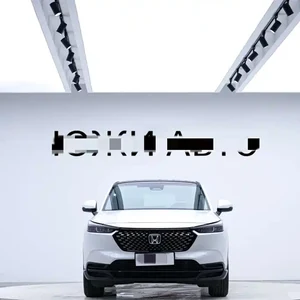
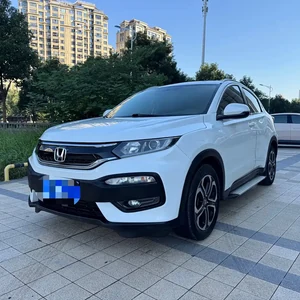
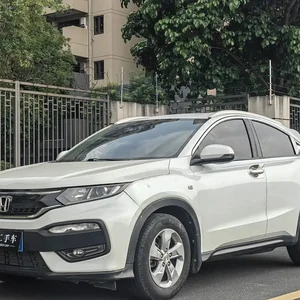
Live Honda Xr-v export inventory
View all listings →Real units currently on ChinaCarDirect with per-unit asking prices and MOQ. Availability updates live from the catalogue.
How to buy a Honda Xr-v from China
-
1
Define the destination requirements
Write down the destination country, LHD or RHD preference, acceptable engine labels, intended use and required documents before selecting a vehicle.
-
2
Review the live inventory
Search the Honda Xr-v listings and shortlist units by year, trim, engine, condition and emissions designation. Each live listing is the source for its current price, MOQ and availability.
-
3
Request a unit-specific quotation
Send the listing identifier with your destination, preferred configuration and required Incoterm. Ask for the VIN or chassis number, production date, odometer, documents, payment currency and delivery estimate.
-
4
Verify and inspect before payment
Cross-check the identity, engine, transmission, steering configuration and documents, then commission an independent condition inspection and review repair history.
-
5
Agree the payment schedule
Record the exact vehicle or selection criteria, deposit, balance-payment trigger, mismatch terms and refund conditions. Keep copies of every quotation, invoice and payment record.
-
6
Plan compliance and freight
Confirm destination-market eligibility with a customs broker, then compare freight options using the vehicle's confirmed dimensions, weight, origin, destination and Incoterm.
-
7
Track shipment and registration
Retain the export declaration, inspection report and shipping records through customs clearance and port release. Complete inland delivery and local registration using the required original documents.
Xr-v vs rivals
| Toyota C-HR | A close size-class rival with a coupe-styled profile and market-dependent powertrains. A locally homologated Toyota hybrid may better suit fuel-economy priorities, while the Xr-v should be judged on its exact China-spec equipment and compliance. |
|---|---|
| Nissan Qashqai | A conventional compact crossover that is often easier to source locally, potentially simplifying warranty and parts planning. It is a strong alternative when standardized global specifications matter more than access to a particular Xr-v trim. |
| Hyundai Kona | A generally smaller compact crossover, with conventional, hybrid or electric versions depending on market. It offers a different powertrain path, but the Xr-v may suit buyers who want Honda positioning and broader Chinese-market trim choice. |
Frequently asked questions
How is Honda Xr-v export pricing determined?
Each listing price is set for that vehicle and may move with model year, trim, engine, emissions version, mileage, condition, repair history, exchange rates and seller terms. Ocean freight, insurance, handling, duty and tax may be excluded depending on the Incoterm. Check the live Honda Xr-v listings for the current per-unit price and request a written quotation before paying.
What engine and range options does the Honda Xr-v have?
The Xr-v range shown here uses petrol engines with 1.5L, 1.8L or 220TURBO labels and a CVT; it is not an electric model, so there is no battery range to quote. Exact output, fuel consumption, drivetrain and emissions details vary by unit and should be confirmed in the live listing and VIN-specific documents. Verify whether the destination permits the specific configuration.
Is a used or new Honda Xr-v better for export?
Used vehicles provide broader model-year and trim selection and may suit buyers seeking known depreciation, but condition and service history matter more than age alone. Newer units can reduce wear uncertainty and make fleet standardization easier, yet they still require destination-market compliance and confirmation of warranty, production and delivery status. Inspect and compare total landed cost on the same basis.
What is the MOQ for an Honda Xr-v order?
MOQ is seller- and listing-specific rather than a fixed model-wide rule. Some sellers may accept a single unit, while bulk or container requests may involve additional terms or consolidation conditions. Read the MOQ shown on each live listing and include it in the written RFQ, together with any deposit and balance-payment conditions.
What factors determine shipping time and cost?
Shipping time and cost vary with transport mode, origin and destination ports, vessel availability, route congestion, season, vehicle dimensions and weight, and customs clearance. One-unit roll-on/roll-off or container shipping and consolidated vehicle shipments have different cost structures. Obtain a freight quotation and understand the Incoterm before treating the vehicle price as the landed cost.
Are spare parts available for the China-market Honda Xr-v?
Parts support depends on the exact China-market Xr-v configuration and local technical coverage; components should not be assumed interchangeable with every global Honda crossover. Identify the vehicle by VIN, production date and trim, then confirm common service items, diagnostic access and parts lead times with a dealer or specialist. If local support is weak, price aftermarket or cross-border parts into the operating plan.
Is a right-hand-drive Honda Xr-v available for export?
The model name alone does not establish RHD availability, and a China-market example may be left-hand drive. Buyers requiring RHD should request proof, the VIN and written confirmation of the steering position before paying, then check local modification and registration rules. Do not describe an LHD vehicle as RHD without documented conversion and approval.
How do I order a Honda Xr-v from China?
Start with the live listings, shortlist vehicles by destination suitability and request an RFQ using the relevant listing identifier. The seller should confirm vehicle identity, documents, inspection requirements, Incoterm, MOQ and payment schedule in writing. Verify the inspection and reserve the exact unit before releasing the balance.
Ready to source the Honda Xr-v?
Request an RFQ with your destination, preferred engine and trim, condition, quantity and LHD/RHD requirement to receive a unit-specific export quotation from ChinaCarDirect.
Request a quote