
Hongqi Hs7 Phev Export Buying Guide for Dealers
Plan a Hongqi Hs7 PHEV export purchase with clear guidance on trims, 2WD/4WD options, new or used vehicles, pricing, MOQ, shipping, and compliance.
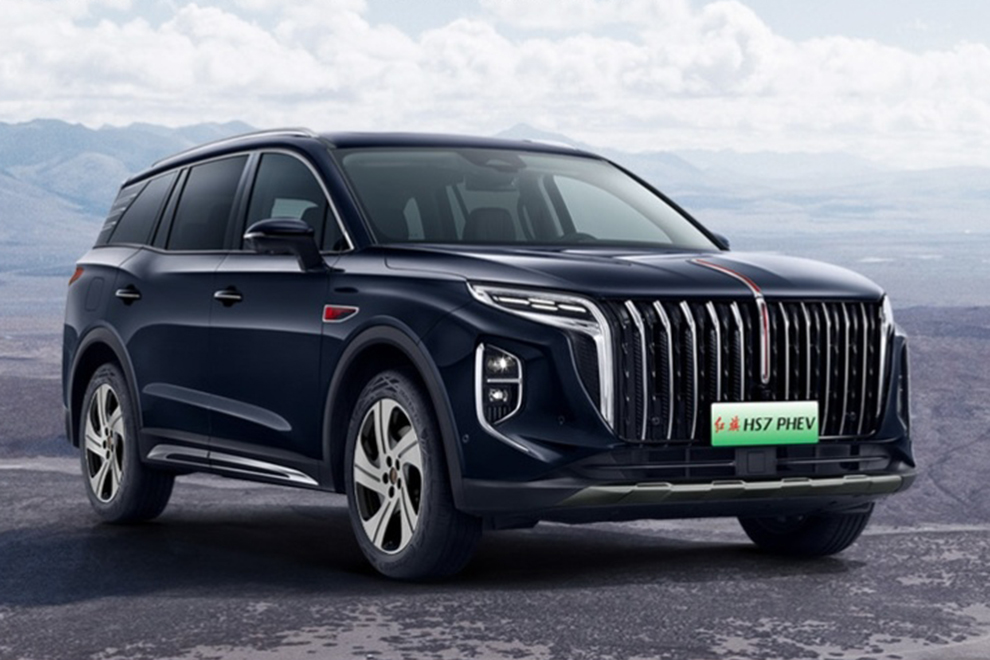
At a glance
- The Hongqi Hs7 Phev for export combines a 2.0T petrol engine with plug-in hybrid capability in a multi-row SUV.
- Hongqi Hs7 Phev specs should be verified by trim because 2WD, 4WD/AWD, six-seat, and seven-seat variants coexist.
- A used Hongqi Hs7 Phev can reduce acquisition cost, but battery health, hybrid faults, mileage, and service history need careful review.
- Export prices should be evaluated as landed cost, with vehicle price separated from freight, insurance, tax, and destination charges.
- Hongqi Hs7 Phev wholesale terms depend on the unit’s MOQ, payment, inspection, title-transfer, and dispatch conditions.
Why the Hongqi Hs7 Phev matters for export markets
Hongqi is FAW Group’s premium marque, and the Hs7 Phev combines a 2.0-liter turbocharged petrol engine with plug-in hybrid capability in a multi-row SUV. That positioning makes it more relevant to export buyers than a conventional compact crossover: it can serve executive, chauffeur, hotel, or mixed corporate fleets while giving customers electric-only capability for shorter journeys. The appeal is not novelty alone, but the combination of seven-seat flexibility, road presence and lower-emission urban operation. Its market test is whether charging, service coverage, and residual-value expectations support a premium Chinese powertrain.
Demand for this kind of export model is strongest in markets that combine long distances, established petrol refuelling and enough charging infrastructure to make plug-in hybrid use worthwhile. A dealer can therefore target customers who want EV-like everyday running without relying entirely on charging during long trips. Fleets also value the choice between six- and seven-seat bodies, two-wheel drive and four-wheel drive, and different equipment tiers. Before treating that as a sales proposition, confirm the market accepts vehicles and that your aftersales partner can support its systems and software.
The Hs7 Phev also needs a disciplined export case. A large vehicle can command attention, but buyers outside China may compare it with established Japanese, Korean, and European SUV brands on resale, parts, software language, warranty, and dealer support. The sensible approach is to match one clearly defined trim and use case rather than promising that the model’s domestic-market strengths will transfer automatically. Hongqi’s visual presence helps at the showroom stage; long-term acceptance depends on transparent specifications, local certification, realistic charging guidance, and a service plan the importer can support.
- Premium multi-row PHEV SUV
- Six- or seven-seat layouts
- Charging and service are decisive
Model range, trims and powertrain variants: how the lineup is structured and how to choose
The lineup is easiest to understand through four axes: 2.0T PHEV powertrain, two-wheel drive or four-wheel drive, six or seven seats, and trim identity. Listings include Flagship versions in 2WD and 4WD/AWD form, a Qichang AWD seven-seater, and commemorative editions. Those names help locate a vehicle, but they are not a substitute for the production specification. Drivetrain wording can vary between AWD and 4WD, so compare the axle configuration and mechanical equipment shown for the specific unit rather than relying on badge wording alone on an abbreviated export listing page.
The Flagship label normally indicates the more heavily equipped branch of the range, while Qichang is a distinct branded derivative and commemorative editions are special-order or limited character variants. Equipment can include comfort, infotainment, safety, and exterior upgrades, but the exact bundle must be verified for each vehicle. For fleet buyers, prioritize the features that affect operations: seat count, luggage capacity behind the third row, charging provision, towing needs, and driver-assistance functions. For private buyers, cabin finish, ride quality, infotainment compatibility, and the remaining warranty may carry more weight overall.
Trim titles do not provide technical values, so buyers should not infer battery capacity, motor output, electric range, transmission construction, or charging rate from a badge alone. Request the vehicle’s battery and hybrid specification, then compare it with homologated figures for the destination market. Chinese range tests may use a different cycle from local certification, making direct conversion misleading. Also confirm whether charging leads, onboard charging capability, and three-phase power provisions suit the intended fleet base. These checks prevent a similar unit from being quoted as the wrong technical variant.
- 2.0T PHEV range
- 2WD and 4WD/AWD options
- Flagship, Qichang, commemorative variants
New vs used Hongqi Hs7 Phev: how export inventory is structured and how buyers choose
Export inventory can contain both new vehicles and used examples, and each category should be evaluated as a procurement channel. A new vehicle offers a known delivery condition, the configuration displayed in the listing, and manufacturer warranty coverage, subject to its terms and transferability in the destination market. A used vehicle may deliver lower acquisition cost and immediate availability while carrying prior operating history, wear, and uncertain battery condition. The right comparison is total cost and residual risk, not simply whether the word new or used appears in the listing.
For a used HS7 PHEV, request the odometer reading, service history, accident and repaint disclosures, battery state-of-health report, hybrid-system fault scan, and evidence of charging use where available. Ask the seller to demonstrate electric-only operation, confirm that the petrol engine and electric drive systems start without faults, and photograph underbody, wheel, cabin, and charging-port condition. A battery replacement or control-module repair can alter the economics substantially. These checks should influence your offer and the description of what the importer buys, before any deposit or balance payment is committed in writing.
For a new vehicle, verify production date, delivery mileage, factory options, software version, warranty terms, and whether the intended steering configuration is built in rather than converted later. Also check the document set and whether accessories shown in photographs are included. A new listing can still require destination work, such as lighting, radio, emissions, or charging adaptations, so do not treat factory status as homologation. For either channel, record the VIN, exact trim, odometer, condition, equipment, and agreed sale terms on the purchase contract so both parties share one record.
- Used: battery and hybrid checks
- New: warranty and handover checks
- VIN-level contract accuracy
How export pricing works: the factors behind a live listing price, and how to read one
An export price is not one universal market value; it is the output of a chain of vehicle and transaction variables. The vehicle price reflects model year, exact trim, drivetrain, seating, new or used status, mileage, condition, options, and the seller’s terms. Currency movements can alter the displayed amount over time. Freight, insurance, port charges, documentation, financing, and destination taxes may sit outside that figure. Therefore, compare like with like and read the inclusions and exclusions attached to each quote rather than treating the headline number as a landed cost.
Start with the live Hongqi Hs7 PHEV listings, where the current per-unit price, stated condition, model description, and available order quantity are shown. Open the exact unit rather than relying on a search result, because similar trims can differ in seat count, drive configuration, mileage, and equipment. Confirm whether the displayed price is the vehicle sale price only or includes any export service, and note the currency and timestamp. Then request a written quotation tied to your destination, naming the Incoterm and listing every charge that is included or excluded.
Build a comparison sheet with columns for vehicle price, inland transport, export handling, freight, insurance, duty, taxes, registration, and commissioning. For used units, add repair estimates and reconditioning; for new units, check destination preparation. A lower vehicle price can produce a higher landed cost if it is not homologated, lacks a charger, or requires corrective work. Conversely, a quote that includes delivery may suit a fleet buyer better than a low vehicle-only price. Treat the signed quotation and purchase invoice, not a marketplace headline or a message, as the basis.
- Compare exact unit specifications
- Separate vehicle and landed costs
- Use the signed quotation
MOQ, ordering and payment: single units vs consolidating a container
A one-unit RFQ and a container consolidation share the same sequence—specification, quote, inspection, payment, documentation, and dispatch—but they carry different commercial risks. For one vehicle, ask whether the seller accepts an individual export order, what security deposit applies, how the unit is reserved, and what happens if inspection or transport reveals an undisclosed defect. For several units, define an inspection standard and acceptance rule for the batch, because one imperfect vehicle should not be treated as grounds to reject an otherwise conforming consignment without buyer agreement in advance.
The order quantity is set by the seller, vehicle, destination, and transaction terms, so verify it on the listing and in the quotation rather than assuming a catalogue rule. Some sellers will release a vehicle, while larger consignments may be tied to a model, run, or container plan. MOQ is not payment timing: agree the deposit, inspection period, trigger, refund conditions, and the point at which title and risk pass. For vehicles, make the refund or rejection remedy explicit if the mileage, battery report, or service history cannot be verified.
Payment structure should mirror the transaction’s risk. A common pattern is a deposit to reserve the vehicle, inspection or documentary clearance, and the balance before release or shipment, but the actual sequence must be agreed in writing. Identify the beneficiary, payment route, conversion charges, cancellation terms, and which party bears bank, inspection, storage, and demurrage costs. Keep the contract, invoice, identification records, and inspection report aligned with the same VIN. Any consolidation plan should also specify model, condition, destination, target sailing window, and who resolves a shortage or damage claim.
- Confirm unit-specific MOQ
- Define payment and title transfer
- Match documents to the VIN
Shipping, homologation and market compliance caveats: LHD/RHD and import rules by country
Chinese-built vehicles should be treated as market-specific products, not automatically globally road-ready. Establish the destination’s type-approval, safety, emissions, environmental, electrical, cybersecurity, and vehicle-registration requirements before paying for a vehicle. PHEVs may face rules based on both petrol emissions and charging or electric-range provisions. Import duty, VAT or sales tax, luxury or environmental surcharges, and local incentive eligibility can change the business case. A homologation consultant or local authority should confirm requirements for the exact configuration, not merely for the HS7 name and the planned power and steering setup being imported.
Steering configuration is a critical early filter. China’s domestic-market Hs7 PHEV is commonly associated with left-hand drive, so a right-hand-drive requirement should be confirmed before ordering rather than assumed from the model name. A factory RHD unit, a documented RHD conversion, or a locally sourced replacement may carry different costs, warranties, and homologation consequences. Check whether the conversion affects lighting, controls, display language, parking sensors, camera views, charging equipment, and spare-parts planning. For fleets, ask for written confirmation of the driver position on the actual VIN before shipment is released.
Shipping and insurance deserve a compliance plan. Confirm that the vehicle can be exported, that title documents are acceptable, and that the carrier accepts the vehicle’s dimensions, weight, fuel, and battery type. The battery declaration, charging equipment, and hazardous-goods documentation should match the shipment. For used vehicles, investigate whether authorities require emissions testing, an age restriction, a roadworthiness certificate, or proof of inspection. Delays at the port can create storage and demurrage charges, so build compliance lead time into the booking rather than treating it as a routine transport task.
- Confirm local type approval
- Verify RHD before ordering
- Match battery and shipping documents
Who should buy the Hs7 Phev — and who should pick a different vehicle
The Hs7 Phev is a strong candidate for an importer serving buyers who want a premium-feeling SUV with plug-in hybrid operation and flexible seating. It is particularly relevant to chauffeur or executive fleets, airport and hotel transport, and family-market retail channels that can support both electric charging and petrol refuelling. Six-seat versions may suit executive use where the third row is less important, while seven-seat versions make more sense for group travel or luggage capacity. The deciding factor is infrastructure and service capability, not simply the size of the order.
It is less suitable for buyers whose requirement is a zero-emission vehicle, low operating cost, minimal maintenance, or resale confidence in a market with no Hongqi support. A PHEV should not be positioned as a battery-electric vehicle, and electric range depends on the test cycle, driving pattern, and charging access. Buyers in regions with weak charging networks may gain little from the electrified side of the drivetrain. Likewise, a fleet operator without a plan for software, parts, technician training, and warranty claims should wait until that infrastructure is in place.
Commercial viability should be tested against the cost of ownership rather than the vehicle’s purchase price alone. Estimate energy, fuel, maintenance, insurance, registration, depreciation, and the cost of keeping spare parts in the destination market. For a business buyer, calculate utilization and charging downtime; for a retailer, consider warranty exposure and the time needed to homologate each market. Hongqi’s badge can open conversations with customers seeking distinctive Chinese design and a premium SUV, but the brand’s unfamiliarity means a service promise is often more persuasive than an unsupported resale-value forecast.
- Suitable for mixed-distance fleets
- Executive and group travel
- Service capability is essential
Main rivals and how the Hs7 Phev compares
The BYD Tang DM-i is one of the most direct comparisons for buyers seeking a large plug-in hybrid family SUV. It competes for the same need to combine multi-row practicality with petrol-assisted range, and BYD’s international recognition can reduce anxiety among fleet operators. The Hongqi Hs7 PHEV differentiates through its 2.0T positioning, premium-oriented presentation, and range of six- and seven-seat derivatives. Because specifications and equipment change by market, the decision should compare the exact local derivatives, not badge prestige or headline range figures or an assumed advantage in either direction.
Jetour Shanhai L PHEV is an alternative for buyers who prioritize a large PHEV SUV, optional seven-seat utility, and value for money. Its local distributor footprint and familiarity can be decisive in markets where Hongqi is a newer name. The Hs7 PHEV may appeal more to customers looking for a flagship-style cabin, established luxury branding, or drive configuration. Neither model should be chosen from a brochure alone: compare aftersales reach, warranty handling, parts stocking, real-world fuel consumption, and the total cost of bringing each exact version into the destination market.
The Changan Qiyuan Q07 offers a PHEV comparison with five- and seven-seat configurations depending on the derivative and market. It may suit buyers who place compact packaging, equipment, and ownership cost ahead of the Hs7 PHEV’s larger premium positioning. The Hongqi is the proposition where six-seat exclusivity, an executive-car feel, and 2.0T character are priorities, while Q07 can be more straightforward where footprint and price discipline dominate. Verify the derivatives sold locally, especially seating, drive system, battery specification, and homologated range, because names and equipment can shift between export programs.
- Tang DM-i: family-SUV rival
- Shanhai L: seven-seat alternative
- Q07: compact PHEV alternative
Live Hongqi Hs7 Phev export inventory
View all listings →Real units currently on ChinaCarDirect with per-unit asking prices and MOQ. Availability updates live from the catalogue.
Hongqi Hongqi HS7 PHEV 2025 2.0T PHEV 4WD 6-Seater Commemorative Edition
Used Hongqi HS7 PHEV 2024 2.0T PHEV Four-Wheel Drive Flagship Edition 6 Seats
Used Hongqi HS7 PHEV 2024 2.0T PHEV Four-Wheel Drive Flagship Edition 7 Seats
Used Hongqi HS7 PHEV 2024 2.0T PHEV Four-Wheel Drive Flagship Edition 6 Seats
How to buy a Hongqi Hs7 Phev from China
-
1
Set the destination and operating profile
Define the destination, required steering configuration, passenger count, daily routes, charging access, and expected annual utilization. This establishes which specifications can be imported and sold commercially.
-
2
Shortlist the exact HS7 configuration
Choose between 2WD and 4WD/AWD, six or seven seats, and the relevant Flagship, Qichang, or commemorative derivative. Treat trim names as a starting point rather than a complete specification.
-
3
Review the live unit listing
Open the Hongqi Hs7 Phev inventory to confirm the current per-unit price, stated condition, available MOQ, and vehicle description. Do not rely on an earlier message or a general market range.
-
4
Request technical and condition documents
Ask for the VIN, production date, drivetrain, battery and electric-range details, charging equipment, service history, and fault-scan information. For used vehicles, also request accident disclosures and battery state-of-health evidence.
-
5
Compare written export quotations
Use the same Incoterm and destination for every quote. Separate the vehicle price from inland transport, export handling, freight, insurance, duty, taxes, registration, and destination preparation.
-
6
Inspect and formalize payment
Agree the inspection standard, deposit, balance trigger, cancellation remedy, title-transfer point, and allocation of storage or demurrage risk. Ensure the contract, invoice, and inspection report identify the same VIN.
-
7
Complete compliance and shipping checks
Confirm type approval, tax treatment, RHD configuration, battery documents, insurance, and carrier acceptance before releasing the vehicle. Book shipping only after the destination and export documents are aligned.
Hs7 Phev vs rivals
| BYD Tang DM-i | A direct large plug-in hybrid family-SUV alternative for multi-row buyers, with BYD offering greater international brand familiarity. The Hs7 PHEV is more relevant to buyers prioritizing its 2.0T character, premium-oriented presentation, and six- or seven-seat Flagship derivatives. |
|---|---|
| Jetour Shanhai L PHEV | A large PHEV alternative that competes on seven-seat utility and value for money, often with a more familiar local ownership structure. The Hs7 PHEV may better suit importers seeking a flagship-style cabin and a particular premium brand proposition. |
| Changan Qiyuan Q07 | A relevant PHEV rival with five- or seven-seat derivatives depending on market, suited to buyers prioritizing packaging and ownership cost. The Hs7 PHEV is the more logical choice when larger executive-car presence, six-seat exclusivity, and 2.0T positioning are priorities. |
Frequently asked questions
How is the export price of a Hongqi Hs7 Phev determined?
Export pricing combines model year, trim, 2WD or 4WD configuration, seating, condition, mileage, options, exchange rate, freight, insurance, and the selected Incoterm. The live ChinaCarDirect listing shows the current per-unit vehicle price, while a written export quotation should identify destination charges separately. Review the exact listing and request a binding quotation before paying a deposit.
What powertrain and range specifications should I verify?
The range uses a 2.0-liter turbocharged petrol engine with a plug-in hybrid system, and it includes both 2WD and 4WD/AWD derivatives. Battery capacity, motor output, electric range, transmission details, and charging rate should be checked on the exact unit rather than inferred from the trim name. Compare the Chinese test-cycle figure with the range approved for the destination market.
Is a used Hongqi Hs7 PHEV better value than a new one?
A used example may offer lower acquisition cost and shorter delivery time, but it also carries mileage, wear, service-history, and battery-health uncertainty. A new vehicle normally offers a known handover condition and manufacturer warranty, subject to its terms. Compare total operating cost and residual risk rather than acquisition price alone.
What is the MOQ for Hongqi Hs7 Phev wholesale orders?
MOQ is set by the seller and can vary by vehicle, condition, destination, and whether the order is a single unit or a consolidated consignment. Check the exact listing and ask for the quantity and terms in a written quote; do not infer a catalogue-wide rule. For a wholesale plan, specify the required mix and replacement tolerance before paying a deposit.
What determines shipping time and cost?
Shipping time and cost depend on transport mode, route, port and container availability, vehicle dimensions, battery handling, insurance, documentation, season, and the selected Incoterm. Compliance or inspection delays can also create storage and demurrage charges. Ask the freight provider for a door-to-door or port-to-port quotation with all handling charges identified.
How are spare parts supported after export?
Confirm that the destination importer can obtain Hongqi parts, common wear items, charging accessories, software support, and diagnostic equipment. Request a VIN-based parts and consumables list before shipment, including realistic sourcing lead times. If the vehicle has been converted to RHD, include any locally sourced parts in the after-sales plan.
Is a right-hand-drive Hs7 Phev available?
Do not assume RHD availability from the model name. Ask whether a factory RHD vehicle or documented conversion can be supplied for the destination, and confirm the driver position against the VIN. Any conversion should be assessed for lighting, controls, charging equipment, safety, homologation, and warranty implications.
How do I buy a Hongqi Hs7 Phev from China?
Start with the live listings, shortlist the exact trim and condition, and send an RFQ with the destination and required specification. Request documents, a written landed-cost quotation, and clear payment and inspection terms before paying a deposit. Release the balance only after inspection and document checks, then complete homologation and book insured shipping.
Ready to source the Hongqi Hs7 Phev?
Request a Hongqi Hs7 Phev export quote with your destination, seating, drivetrain, and vehicle-condition requirements.
Request a quote