
Hyundai Elantra Export Buying Guide for Dealers
Buy a Hyundai Elantra from China with practical guidance on trims, export pricing, MOQ, shipping, compliance, used units and direct rivals for dealers.
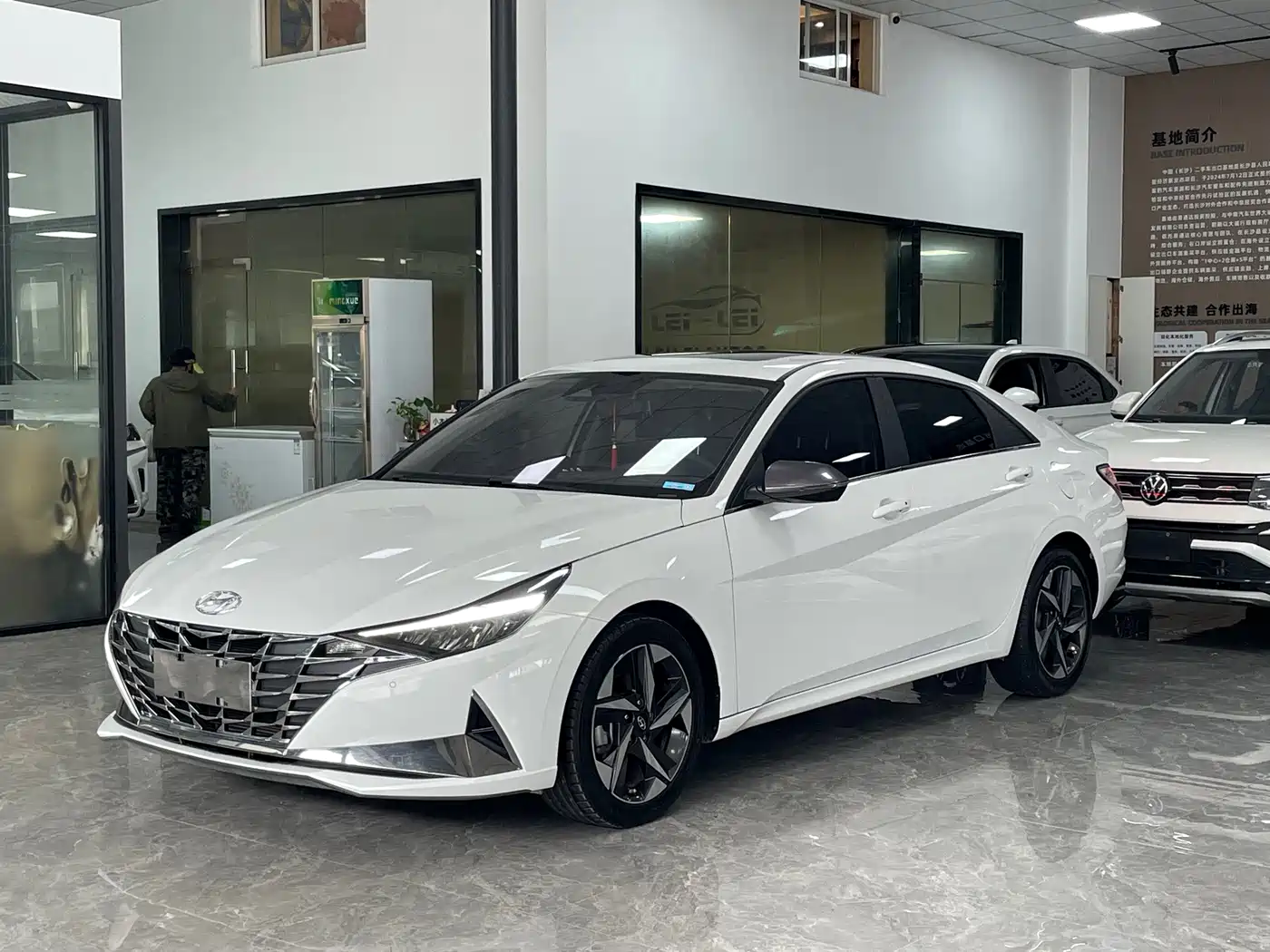
At a glance
- The Elantra is a globally recognized compact sedan suited to retail and fleet distribution.
- Core Chinese-market choices include a 1.5-litre CVT, 1.6-litre automatic or manual, and 1.4-litre turbo dual-clutch configurations.
- Used export listings can include EV and PHEV versions, making battery and charging checks essential.
- New vehicles favor specification consistency, while used vehicles can reduce acquisition cost but increase inspection and maintenance risk.
- Current price, MOQ and availability must be confirmed on the live listing and in a written landed quotation.
Why the Hyundai Elantra matters for export markets
The Hyundai Elantra is a compact sedan with broad international recognition, making it a practical candidate for importers, dealers and fleet operators serving markets where a right-sized passenger car is needed. Its appeal is not based on luxury positioning; it combines a familiar Hyundai nameplate, straightforward packaging and multiple powertrain paths available through Chinese export channels. That flexibility lets a dealer standardize a fleet while preserving a lower-tier entry model. Before importing, however, distinguish the Chinese-market Elantra from versions sold elsewhere, because equipment, emissions standards and trim labels may differ.
The model's export relevance comes from a simple equation: a conventional four-door sedan, manageable operating costs and established consumer recognition. Dealers can position it against compact sedans in the mainstream fleet segment, while private buyers often choose it for daily transport rather than image-led ownership. A large Chinese domestic market also supports broader trim and parts availability than a niche model, although availability in the buyer's destination still depends on local dealer networks. That makes the Elantra especially relevant to importers seeking volume potential, but it does not remove the need to validate spare-parts access and residual values locally.
A serious buyer should treat demand as a market hypothesis, not a guaranteed sales rate. Model-year popularity, fuel prices, taxation, fleet procurement rules and the availability of competing new cars can all affect how quickly an Elantra sells. The right test is whether the vehicle's specification, landed cost and service package suit the intended channel. A ride-hailing operator, retail dealer and government fleet may value the same sedan differently. Before committing to a shipment, compare the Elantra with locally familiar alternatives and model the likely holding period, not merely the purchase price.
- Compact sedan for mainstream fleet and retail.
- Chinese specifications differ across export markets.
- Validate local demand and running costs.
Model range, trims and powertrain variants: how the lineup is structured and how to choose
Chinese-market Elantra trims combine a large number of badges with a smaller set of useful mechanical groupings. The core listings center on a 1.5-litre engine with CVT, a 1.6-litre engine with automatic or manual transmission, and a 1.4-litre turbocharged engine paired with dual-clutch transmission. Names such as Elite, LUX, Prestige and Smart appear in the range, but these Chinese labels are not a reliable guide to equipment in another country. Ask for a VIN-specific option sheet, then compare safety, infotainment, upholstery, climate control and service requirements against the target market.
For fleet uniformity, transmission choice can matter more than cosmetic trim. The 1.5-litre CVT combination is the simplest way to standardize a mixed-use fleet when its performance is adequate for local duties. The 1.6-litre automatic is a familiar middle ground for buyers prioritizing ease of use, while the manual may suit markets where manual vehicles remain relevant and where long-term simplicity is valued. The turbocharged dual-clutch version offers a more performance-oriented choice, but buyers should expect a more complex drivetrain and should verify fuel availability, servicing capability and spare-parts coverage.
Used export listings also include an Elantra EV and a PHEV, so the buying file should not assume every Elantra is a conventional petrol car. For an EV, request battery capacity, usable range, state-of-health evidence, charging connector, battery warranty and history of DC fast charging. For a PHEV, also confirm electric range, charging capability and whether the combustion engine can operate as expected in the destination. These figures vary by version and test cycle, so use the unit specification and live listing rather than a generic model-year figure or remembered specification.
- Match powertrain to duty and servicing.
- Treat trim names as non-standard labels.
- Verify battery and charging details per unit.
New vs used Hyundai Elantra: how export inventory is structured and how buyers choose
ChinaCarDirect's export channel includes both new vehicles and used Elantras, giving importers two different ways to build supply. New cars are generally the cleaner route for fleet homogeneity, warranty administration and predictable presentation, especially when a buyer wants current infotainment, driver-assistance features and a defined specification. They also expose the importer to model-year obsolescence while a shipment or homologation process is underway. Confirm whether the vehicle is genuinely new, how it was stored, whether it has been registered, and which factory warranty accompanies it and where service can be performed.
Used Elantras can make more sense where the destination already recognizes the model and the buyer can assess wear or recalibrate the economics around it. Lower acquisition cost may create room for refurbishment or margin, but the relevant comparison is total cost after inspection, repairs, registration and transport. Review the VIN, model year, engine and transmission, service records, accident indicators, tyres, fluids and emissions equipment. For an EV or PHEV, battery condition and remaining warranty coverage deserve the same weight as cosmetic refurbishment. Inspection should also account for parts lead times and the risk of a hidden fault emerging after export.
The right choice follows a structured comparison rather than a new-versus-used slogan. Build a like-for-like file for each candidate, including purchase price, expected preparation, shipping, duties, financing and likely resale or redeployment cost. A new vehicle suits buyers who need low operating uncertainty; a used unit suits buyers with established knowledge of the model and a disciplined inspection budget. For mixed fleets, consider using used vehicles only where their condition differences can be controlled, while assigning newer vehicles to roles where downtime and driver confidence matter most in the destination market.
- New vehicles simplify fleet standardization.
- Used vehicles need condition and battery scrutiny.
- Compare total landed and operating cost.
How export pricing works: the factors behind a live listing price, and how to read one
An export listing price is the starting vehicle price, not automatically the landed cost. The main drivers are model year, trim, engine and transmission, mileage or age, condition, ownership history and, for electrified cars, battery specification and state of health. Market factors also matter: the seller and buyer currencies, exchange-rate movement, payment terms and the quantity being purchased. Freight, insurance, handling, documentation, destination charges and the selected Incoterm can add or redistribute cost. Ask for a written breakdown rather than assuming the visible figure includes international logistics and destination charges.
Within the Elantra range, a turbocharged dual-clutch car should not be valued as a generic automatic, nor should a manual and CVT be treated as equivalent products. Option content, paint, interior condition and service history can also create differences within the same badge. For a used unit, compare similar age, mileage and condition rather than mixing the cheapest vehicle in the market with a premium reference. For a new vehicle, confirm whether the quoted specification is domestic-market equipment and whether any optional equipment is physically fitted. These checks prevent a visually similar listing from becoming a costly mismatch.
Read each live entry for the stated asking price, minimum order quantity, condition, year, mileage, powertrain, transmission and seller location. Then request a pro forma invoice or written quotation that identifies the Incoterm, payment route, validity period and what is excluded. Add destination-side taxes, duty, port charges, inland haulage, registration and compliance work to estimate landed cost. Exact current prices, MOQs and availability are shown per unit in the live ChinaCarDirect inventory; treat those figures, not an article or historical average, as the basis for a binding offer or a verbal estimate.
- Separate vehicle price from landed charges.
- Compare equivalent vehicle specifications.
- Request itemized Incoterm and payment terms.
MOQ, ordering and payment: single units vs consolidating a container
Minimum order quantity is a commercial term that should be read from each live vehicle or supplier offer rather than assumed from the model name. Some sellers may release a single unit, while a factory-fresh or multi-vehicle order can carry different conditions. Before payment, obtain written confirmation of the quantity required, whether that MOQ applies to one model configuration, and whether mixed units can share the same transport arrangement. The number shown against a current listing is the relevant reference for that offer, but the signed quotation or invoice should be treated as binding.
A single-unit purchase can be appropriate for a dealer testing demand, an importer consolidating with another vehicle, or a business acquiring one replacement vehicle. Its weakness is that fixed freight, documentation and destination charges are spread over fewer units, so the per-vehicle logistics cost is usually higher. It also gives the buyer less negotiating leverage and a thinner margin for repairs. If buying one vehicle, request a door-to-door or port-to-port cost estimate, clarify insurance responsibility and avoid assuming that a low vehicle price offsets the cost of moving it alone. Confirm who handles customs clearance if the vehicle is sold FCA rather than delivered.
Consolidating several Elantras can improve freight efficiency and create a more commercial import program, but it raises inventory and compliance exposure. Agree the model mix before deposit, including acceptable substitutions, because finding replacement units in the destination can be difficult when a shipment is delayed. Use a staged payment structure tied to inspection and documents, and verify the seller's business details, vehicle-title status and refund terms. For a container shipment, allow time for loading, export clearance, transit, customs inspection and final delivery; build contingency into cash flow and marketing plans.
- Confirm unit-level MOQ in writing.
- Single units carry heavier logistics cost.
- Consolidation reduces freight but raises inventory risk.
Shipping, homologation and market compliance caveats: LHD/RHD and import rules by country
Most Chinese-market Elantras are configured for left-hand-drive use, so steering position is one of the first checks for any buyer. Right-hand-drive markets may require a steering-wheel conversion or sourcing a locally approved right-hand-drive example, and conversion can affect cost, warranty, safety approvals and resale. Do not assume a conversion performed in China will satisfy local inspection. Ask for the steering position, drive side, odometer units and installed equipment in photographs, and have the destination authority or an experienced importer confirm whether the conversion is permissible before payment and before dispatch.
Import and road legality are destination-specific. The vehicle may need a valid identification and customs process, emissions and noise compliance, safety equipment, a local inspection, and registration in the buyer's name or entity. Electric models can face extra requirements concerning battery safety documentation, charging connection and local subsidy eligibility. Rules also change, so confirm the current process with a customs broker or vehicle-homologation specialist. A Chinese-market vehicle that is roadworthy in China is not automatically approved for commercial registration elsewhere, even if its VIN and paperwork appear complete. Neither an export invoice nor a bill of lading proves local road approval.
Freight method affects cost, speed and risk. A complete Elantra can move in a vehicle carrier or suitable container, but the economic choice depends on origin, destination, urgency and consolidation. Compare the carrier's all-in quotation with container rates and include insurance, port handling, documentation, customs brokerage, inland haulage and any inspection or storage charges. Before loading, complete a pre-shipment inspection, photograph the VIN and condition, confirm export clearance and preserve packing and loading evidence. Delayed customs or missing documents can create demurrage, so responsibility for every step should be explicit.
- Verify LHD/RHD before ordering.
- Check local approval and registration rules.
- Price handling, insurance and demurrage separately.
Who should buy the Elantra — and who should pick a different vehicle
The Elantra is a strong fit for importers and fleet buyers that need a mainstream compact sedan, especially where Hyundai has an established dealer network and the operating profile is routine passenger transport. Its useful combination of usable cabin space, familiar nameplate and multiple mechanical choices supports both company-car and rental use. It is particularly attractive to a dealer seeking both current and earlier-generation stock for different price points. The business case improves when parts supply, technician familiarity and residual demand are already present in the destination market. That local ecosystem can reduce launch and downtime risk.
Used Elantras can suit budget-conscious buyers, small operators and replacement fleets that accept normal wear in exchange for a lower acquisition cost. A business buying from China can also use the model to fill a gap while local factories, taxes or homologation make a new domestic sedan less practical. These buyers should have access to independent inspection, spare parts and repair capability. A single used unit may also be the most practical trial of Chinese export supply before committing to a larger fleet order, provided the vehicle's history is transparent.
A different vehicle is wiser when the mission requires premium refinement, all-terrain capability, seven-seat flexibility, heavy towing or a dedicated commercial body. Buyers in markets with high petrol prices or strict urban restrictions should compare the Elantra with a locally available hybrid, plug-in hybrid or battery-electric alternative rather than assume petrol savings will offset import friction. Large fleets should also consider aftersales support and parts lead times before volume ordering. The right vehicle is the one whose compliance, running economics and resale prospects fit the destination, not simply the one with the broadest export listing.
- Strong fit for mainstream fleet buyers.
- Used units suit budget-focused operators.
- Choose alternatives for premium or load needs.
Main rivals and how the Elantra compares
The Toyota Corolla is the most direct global rival because both models target efficient, mainstream compact-sedan buyers with broad market recognition. The Corolla often carries a stronger established residual-value narrative in many destinations, and hybrid availability can be important where fuel costs or emissions rules shape demand. The Elantra may offer a broader visible selection of Chinese-market configurations and a lower entry point for suitable used units, but the actual buyer choice should follow local servicing, parts and resale evidence rather than the badge alone. For fleet tenders, compare total cost and uptime.
The Honda Civic competes with buyers who place more emphasis on driver engagement, cabin character and a slightly more aspirational position. It can be persuasive in private retail and company-car segments where image and driving dynamics carry more weight than simple fleet standardization. The Elantra's main counterargument is its conventional compact-sedan role, broad mechanical selection and potential suitability for high-volume distribution. However, a buyer should verify whether the particular Chinese specification, equipment and compliance package works in the destination before choosing it over the Civic. Availability should be checked live for both models.
The Nissan Sylphy is a particularly relevant rival in markets where comfort, cabin volume and value-oriented fleet positioning matter. It may appeal to taxi, ride-hailing and company-car operators that prioritize passenger room over sportier styling. The Elantra offers a different balance, with Hyundai brand recognition and a broad selection of Chinese engine and transmission combinations. For volume buyers, compare expected downtime, fuel consumption under local duty cycles, tire availability and dealer coverage. The strongest choice is the model whose aftersales network protects uptime and supports resale over the ownership cycle.
- Corolla: familiarity, residuals and hybrids.
- Civic: style and driver character.
- Sylphy: comfort-led fleet positioning.
Live Hyundai Elantra export inventory
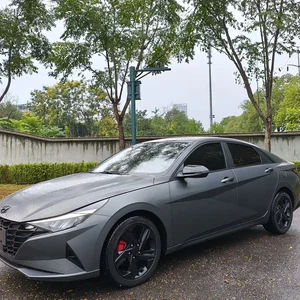
View all listings →Real units currently on ChinaCarDirect with per-unit asking prices and MOQ. Availability updates live from the catalogue.
How to buy a Hyundai Elantra from China
-
1
Define the destination and operating requirement
Record the destination country, required steering side, fuel or charging preference, annual mileage, payload needs and local homologation constraints before selecting a vehicle.
-
2
Search and shortlist the live inventory
Filter by condition, model year, engine, transmission and body type, then review each unit's current price, MOQ and availability directly on the live listing.
-
3
Request the VIN-specific specification
Ask for photographs, factory option sheet, service history, emissions equipment, battery documentation where applicable, and confirmation of the vehicle's actual condition.
-
4
Build a written landed quotation
Request a pro forma invoice identifying the vehicle price, Incoterm, freight method, insurance, payment terms, validity period and all excluded destination charges.
-
5
Confirm compliance before payment
Use a local customs broker or homologation specialist to check registration, emissions, safety, LHD/RHD, EV charging and import-document requirements.
-
6
Reserve, pay and inspect
Verify the seller's identity and vehicle-title status, agree staged payment and substitution terms, and commission an inspection before final payment or loading.
-
7
Ship, clear and receive
Confirm loading evidence, insurance, export clearance, shipping documents, customs responsibility and delivery arrangements, including provisions for inspection delays.
Elantra vs rivals
| Toyota Corolla | The Corolla is a close global compact-sedan rival with strong recognition and a well-established resale and hybrid proposition in many markets. The Elantra may provide a broader visible selection of Chinese-market configurations, but buyers should compare local parts support, fleet costs and residual demand. |
|---|---|
| Honda Civic | The Civic tends to attract buyers who prioritize cabin character, driver engagement and a more aspirational image. The Elantra is the more conventional fleet-focused choice, although its exact Chinese specification and compliance package must suit the destination. |
| Nissan Sylphy | The Sylphy competes directly in comfort-led taxi, ride-hailing and company-car segments where cabin space and operating economics matter. The Elantra offers a different balance through Hyundai brand recognition and multiple Chinese engine and transmission combinations, so aftersales coverage should decide close fleet tenders. |
Frequently asked questions
How is Hyundai Elantra export pricing determined?
The live vehicle price reflects factors such as model year, trim, engine and transmission, condition, mileage and, for electrified versions, battery specification and state of health. Freight, insurance, taxes, duty, handling and the selected Incoterm affect the landed total but may not all be included in the displayed price. Check the current per-unit price on the live ChinaCarDirect listings and request an itemized written quotation before paying.
Which Hyundai Elantra engine and transmission options are available?
The core Chinese-market range includes a 1.5-litre engine with CVT, a 1.6-litre engine with automatic or manual transmission, and a 1.4-litre turbocharged engine with dual-clutch transmission. Used export inventory also includes EV and PHEV examples, so the exact listing and VIN specification should determine the powertrain, range, battery and charging details.
Is a used Hyundai Elantra a better value than a new one?
A used Elantra can offer a lower acquisition cost, but the buyer must account for wear, deferred maintenance, accident history and battery condition where applicable. A new vehicle is usually easier to standardize across a fleet and comes with clearer warranty administration. Compare total inspection, repair, logistics and operating costs rather than purchase price alone.
How does MOQ work for an Elantra order?
MOQ is an offer-specific commercial term, so read the requirement shown on each live listing and reconfirm it in writing. A dealer may request one vehicle to test demand, while a larger order may involve mixed configurations and container consolidation. The signed quotation or invoice should state the binding quantity, permitted substitutions and payment conditions.
What affects shipping time and cost for an Elantra?
Origin and destination, carrier or container method, consolidation, fuel and freight surcharges, port congestion, documentation and customs inspection all affect the shipment. Insurance, port handling, inland haulage and possible storage or demurrage can also change the final cost. Request a door-to-door breakdown and allow contingency rather than relying on a vehicle price alone.
Are Hyundai Elantra spare parts available for export buyers?
China supports a broad Elantra parts base, but availability in the importing country depends on local dealers, independent workshops, electronic-parts sourcing and delivery lead times. Confirm common wear items, body panels, lamps, infotainment units and service procedures before ordering. For rare trim-specific components, provide the VIN and source parts in advance of the fleet shipment.
Can I order a right-hand-drive Hyundai Elantra?
Chinese-market Elantras are generally left-hand-drive, so a right-hand-drive buyer may need a locally approved example or a conversion that is accepted by the destination authority. Exact availability changes as inventory changes, so check the live listings and obtain written confirmation before payment. Do not assume a Chinese conversion will pass local inspection or preserve the original warranty.
How do I order a Hyundai Elantra from China?
Choose suitable vehicles from the live inventory, then send ChinaCarDirect the destination, required specification, condition preference and intended quantity. Request a VIN-specific description, landed quotation, pro forma invoice and payment schedule before reserving the units. Complete compliance review, inspection and document checks before authorizing loading or final payment.
Ready to source the Hyundai Elantra?
Send ChinaCarDirect your destination, preferred powertrain, condition and quantity for a current unit-level Hyundai Elantra quotation.
Request a quote