
Hyundai Genesis Coupe Export Buying Guide for Dealers
Compare Hyundai Genesis Coupe trims, used sourcing, export pricing, MOQ, shipping and compliance, then check live inventory and avoid costly surprises.
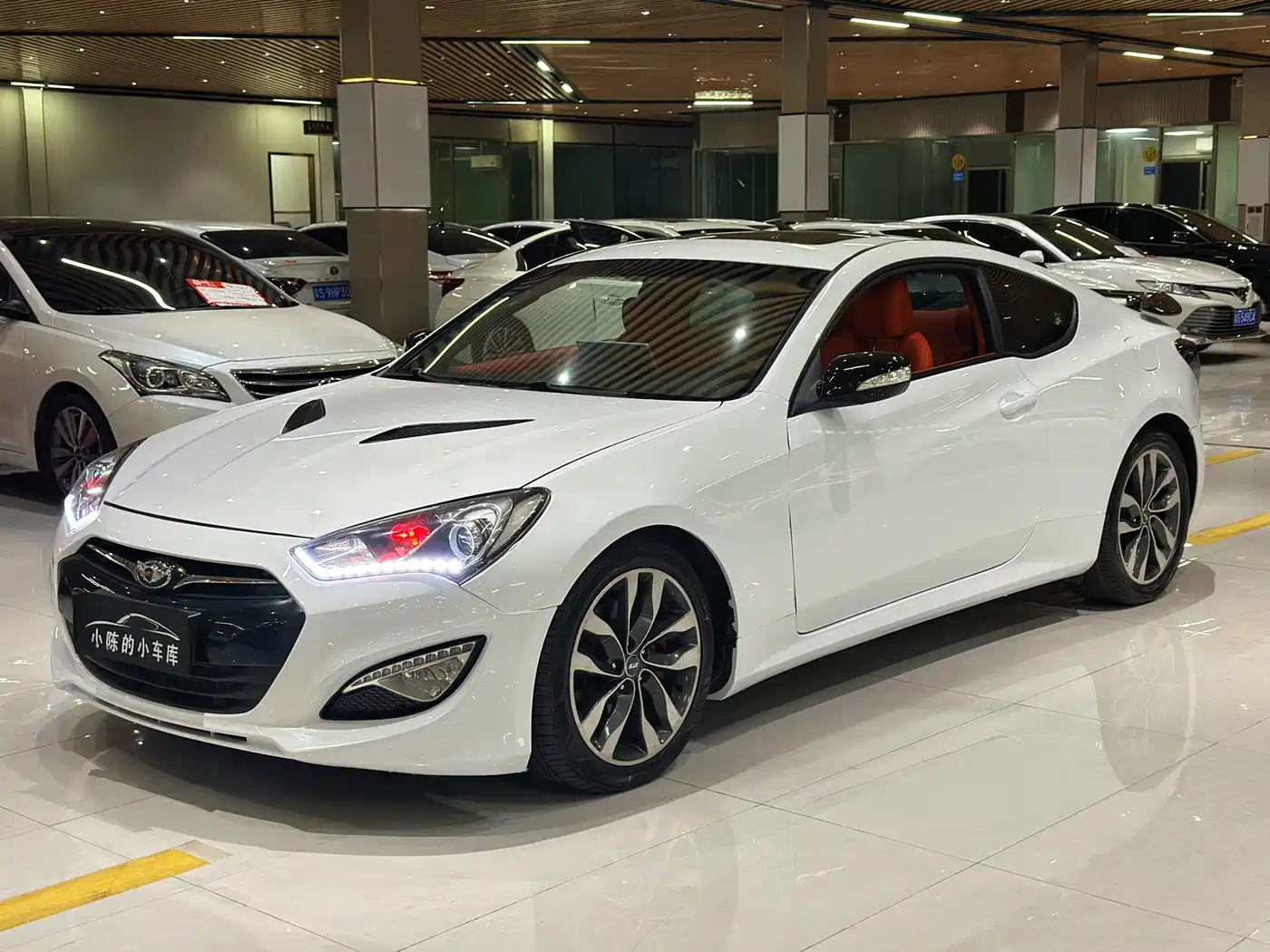
At a glance
- A 2.0-litre turbo-petrol, rear-wheel-drive coupe with occasional rear-seat capacity.
- Automatic and manual versions suit different retail and enthusiast buyers.
- Compare trim equipment, condition, service history and originality on every unit.
- New-labelled stock can be aged, making production and registration dates essential.
- Build the landed cost from vehicle price, freight, insurance, duties, taxes and compliance.
- Check live inventory for current pricing, availability and unit-specific MOQ.
Why the Hyundai Genesis Coupe matters for export markets
The Hyundai Genesis Coupe occupies an unusual place in the export market: it combines a rear-wheel-drive layout, a turbocharged 2.0-litre petrol engine and a two-door, 2+2 body that can be more accessible than many premium sports cars. Its appeal is not exotic luxury, but straightforward performance engineering and the practicality of a usable rear-seat area. For overseas dealers, that creates a clear customer: an enthusiast or first-time sports-coupe buyer who values the format more than brand prestige. Its badge is approachable, but its service network may be less familiar abroad than mainstream passenger-car brands.
Global demand tends to be strongest in markets with an established used-performance-car trade, where buyers understand rear-wheel-drive coupés and regularly compare domestic Japanese sports cars with imported alternatives. The Genesis Coupe is particularly relevant for a value-led dealer trying to cover the gap between ordinary saloon cars and higher-cost performance models. Its manual transmission also matters in enthusiast-facing countries, while automatic versions suit broader retail and fleet demonstration use. Neither format guarantees easier compliance, however; age, steering side, and homologation can be bigger obstacles than the model itself for overseas buyers.
For an export buyer, the commercial case rests on sourcing discipline rather than badge value alone. Each unit should be assessed for condition, service history, gearbox type, steering configuration, documentation and local repair support before a quote is accepted. A clean, correctly documented car can fill enthusiast retail, while a poorly evidenced example can become expensive after transport. Treat the Genesis Coupe as a specialist stock item and compare it against the total cost of preparing it for sale. It also helps importers avoid attractive stock that cannot legally enter the target market.
- 2+2 turbo coupe layout.
- Automatic or manual.
- Condition and documentation checks.
- Local service support.
Model range, trims and powertrain variants: how the lineup is structured and how to choose
The export lineup should be read through listing names rather than assumed to mirror trim grades in every sales market. Relevant designations include 2.0T Automatic Elegant Edition, 2.0T Automatic Luxury Edition, 2.0T Automatic Luxury Edition - Stylish Elegance and 2.0T Manual Cool Edition. These labels help find comparable vehicles, but equipment, upholstery, safety and cosmetic details can vary by production year and source. Compare the specification and photographs instead of treating an edition name as a description. Fleet buyers should verify the equipment list because similarly named examples may not match.
Across these versions, the core mechanical concept is a 2.0-litre turbocharged inline-four petrol engine driving the rear wheels. The small displacement suits international fuel and tax environments better than a large-capacity performance engine, while turbocharging supplies the kind of mid-range torque that makes the coupe usable in everyday driving. Buyers should verify the gearbox, final-drive specification and modifications because a listing title alone cannot establish originality or condition. For a dealer, originality matters because aftermarket parts, replaced components or unfinished repairs can turn an apparently attractive vehicle into a margin problem.
Transmission choice is the clearest practical split in the range. Automatic cars offer easier operation for broader audiences and demonstration fleets, whereas the manual edition gives more direct control and tends to appeal to committed enthusiasts. The correct gearbox cannot be chosen from appearance alone: inspect the selector or clutch, confirm the stated transmission in records and ask whether the car has been repaired or converted. For the same reason, compare equipment item by item between Elegant, Luxury and manually focused Cool listings rather than assuming one grade is mechanically superior.
- Verify each gearbox.
- Compare trim equipment.
- Check modifications.
- Edition labels vary.
New vs used Hyundai Genesis Coupe: how export inventory is structured and how buyers choose
New and used vehicles serve different commercial strategies, and first establish what “new” means in the seller’s market. A vehicle marked new may be long-held stock, an unused parallel import or a unit that has not been driven; it is not automatically a recent factory-production car. Ask for the production date, first-registration date, prior plate or import status, and evidence of delivery mileage. This determines depreciation expectations and whether the unit can be registered normally in the destination country. Treating the label as shorthand risks a mismatch between expectation and reality.
Used inventory offers an inspection opportunity because history, wear and repair issues should be documented. Review odometer consistency, service invoices, accident evidence, underbody condition, tyre age, fluid history and the condition of the turbocharger, clutch or automatic gearbox. A manual car demands particular attention to clutch wear and smooth operation; an automatic needs evidence that shifts are clean and that the fluid has been maintained. Originality should be checked against factory equipment and any aftermarket parts identified before the vehicle is priced or contracted. Condition transparency matters more than the used label.
The right route depends on the buyer’s business model. Dealers may accept an aged or demonstrator vehicle if it is clean, documented and correctly priced for its condition, while a fleet buyer may prefer the simplest automatic specification with predictable servicing. Used examples can make sense where the planned retail price already reflects refurbishment. New-labelled units should be judged on age and completeness rather than badge. In either case, use an independent pre-shipment inspection and reconcile the report with the sale contract. This prevents a known defect from becoming an unresolved dispute.
- New may mean aged.
- Used needs inspection.
- Match gearbox to buyer.
- Contract follows inspection.
How export pricing works: the factors behind a live listing price, and how to read one
Export pricing is not a fixed wholesale tariff; it is built from the vehicle’s value and the cost of moving it to the delivery point. The first layer includes model year, edition, transmission, mileage, condition, originality, history and whether the unit is new-labelled or used. The second layer includes exchange-rate movement, payment terms, inspection, documentation, inland transport, freight, insurance and the Incoterm. A listing may show an amount rather than a landed cost, so scope must be explicit. Ask sellers to state in writing what is included and any exclusions.
To read a live offer, separate the sale price from logistics and duties. Check whether the amount includes handling, inspection, inland haulage, freight, insurance, customs clearance and taxes. Verify the currency, validity period, vehicle identifiers and whether shipping or terminal charges are quoted or excluded. Treat the exact amount and any MOQ on the listing as the reference, then ask for a pro-forma showing the Incoterm, named place, charge responsibility and exchange-rate assumptions. This helps compare offers on the same basis, rather than discovering that a material cost was excluded.
Several variables can make two vehicles with similar names cost differently. An older car, a higher-mileage example, a manual transmission, damage or missing equipment should be evaluated separately rather than through a model-wide average. Conversely, a late-production, well-documented car may command more because fewer equivalent units are available. Buyers should never infer market value from a dated catalogue summary; review each live listing, request a quote and model the landed cost before approving payment. Local duties, taxes, port charges and refurbishment belong in the comparison, even when a seller describes them as separate.
MOQ, ordering and payment: single units vs consolidating a container
Minimum order quantity should be verified rather than assumed from the model. Listings may accept a single vehicle, while a seller or carrier may require a minimum load. For a test-stock purchase, ask whether one unit can be booked under the agreed Incoterm and how loading or documentation charges are calculated. A one-unit order offers lower capital exposure but less freight efficiency; the seller should show how the vehicle will be secured and released. Put the answer, shipping scope and any handling surcharge in writing before agreeing to the quote.
Consolidating several compatible vehicles can improve freight planning and reduce inland handling, especially when cars share a destination, specification and loading standard. Ask the supplier or logistics partner whether mixed-model consolidation is accepted, who owns the cargo, how vehicles are separated and how one unit’s condition is documented if another is damaged. Do not assume that a container rate means each car is insured identically or that all units can be sold on one commercial invoice. Each vehicle still needs a clear title, condition record and sale allocation. Document each VIN.
A disciplined ordering sequence begins with a written specification, inspection standard and cancellation remedy, followed by a deposit or commitment. The balance should normally be tied to satisfactory inspection and release of transport documents, with the payment route, currency and beneficiary verified directly. Refund terms, title-transfer timing, export declaration responsibility and document originals should be stated before funds are sent. A concise RFQ gives the seller enough information to quote accurately and reduces the chance that the final price changes because a core assumption was omitted. Verify the beneficiary independently.
- Confirm single-unit terms.
- Define Incoterm.
- Link balance to documents.
- Verify beneficiary.
Shipping, homologation and market compliance caveats: LHD/RHD and import rules by country
Steering configuration is a first screening criterion because domestic road use, parking, visibility and parts availability may all depend on it. Left-hand-drive and right-hand-drive cars are not made equivalent merely by moving the steering wheel: conversion can affect geometry, wiring, airbags, controls and type approval. Do not convert a vehicle after shipment unless the work is professionally completed and accepted for local registration. State the required side in the RFQ, then confirm it from the VIN, physical inspection and export documents. Local workshop familiarity and parts support can also guide early filtering.
Import rules are country-specific and can outweigh the purchase decision. Emissions standards, roadworthiness and noise rules, VIN and age restrictions, crash-safety requirements, customs valuation, duties, taxes, quota systems and the treatment of previously registered or right-hand-drive vehicles need confirmation. A vehicle exported from China does not automatically satisfy a European, African, Latin American or Asia-Pacific registration regime. Buyers should obtain an eligibility opinion from a customs broker or importing specialist before committing and confirm whether modifications are required. Keep the broker’s advice with records because it can be needed during clearance.
Once compliant, the shipping method should match the vehicle and route. Complete cars commonly travel by roll-on/roll-off vessel, while enclosed container transport can suit smaller vehicles where capacity, lashing and ventilation are appropriate. Freight cost varies with origin and destination ports, distance, sailing frequency, carrier space, fuel surcharges, insurance, terminal fees and the season. Build a schedule with loading, sailing, discharge and customs-clearance buffers; do not treat a port-to-port transit estimate as the promised delivery date. Inspection at loading, photographs and lashing remain important even when a vehicle is containerized.
Who should buy the Genesis Coupe — and who should pick a different vehicle
The Genesis Coupe suits dealers and buyers who want a rear-wheel-drive coupe without moving to a full-size sports car. The turbo-petrol configuration is useful for buyers who want acceleration without operating a large-displacement engine, and the rear seats add flexibility that many two-seat rivals cannot offer. It is especially suitable for enthusiast retail, weekend use and fleet demonstration needs, provided the buyer understands age and parts support. A buyer who values long-term availability above driving character may be better served elsewhere. Local workshop capacity and parts lead times should be checked.
It is a weaker fit for buyers who prioritise low running costs, abundant servicing, advanced driver assistance or long-distance comfort. As an older design, its fuel use, cabin refinement, tyre availability and electronic assistance may not match newer alternatives in the buyer’s market. Owners should budget for tyres, fluids, brakes and maintenance, and investigate parts lead times before selling it as a low-hassle vehicle. A strict electric or hybrid mandate also makes this petrol coupe an impractical choice. Buyers should verify fuel quality and service guidance for the model before finalising the purchase.
A disciplined shortlist should compare the coupe against the use case rather than an aspirational badge. Test whether rear-seat access matters, the buyer can operate the manual gearbox, local workshops understand the model and whether parts lead times suit the holding period. Compare preparation cost with rival vehicles of similar age and specification. If a competing car delivers the required performance, better service access and lower ownership risk at a comparable landed cost, it may be the sensible export purchase despite the Genesis name. Compare total ownership cost, not the badge.
- Enthusiast-led retail fit.
- Limited rear-seat utility.
- Age raises ownership risk.
- Poor low-cost choice.
Main rivals and how the Genesis Coupe compares
The closest rivals depend on the market, but three used or import-oriented comparisons are useful. The Toyota Supra A80 offers a six-cylinder heritage and brand recognition; the Nissan 350Z provides a well-established V6 sports-car alternative with a different ownership proposition; the Mazda RX-8 stands apart through its rotary character and compact packaging. None is a specification clone of the Genesis Coupe, so compare the exact engine, condition, gearbox, steering side and running costs rather than badge or headline output. Availability should determine which candidates enter the first shortlist before landed-cost comparison.
Against the Toyota Supra, the Genesis Coupe’s attractions are its smaller turbo engine, compact dimensions and suitability for buyers focused on rear-wheel-drive fun rather than model pedigree. The Supra may have support, though its age, engine and condition can change the outcome. Against the Nissan 350Z, the Genesis offers a smaller-footprint alternative, while the 350Z may be easier for buyers to find with the desired configuration. Availability, not appeal, should determine which vehicle enters the shortlist. Service history and import familiarity can be more valuable than a small specification advantage.
Compared with the Mazda RX-8, the Genesis Coupe uses a conventional turbocharged four-cylinder rather than a rotary engine, which can simplify parts planning for some workshops but does not remove age-related servicing concerns. The RX-8 may attract buyers seeking its character, steering feel and compact layout, while the Genesis may be more familiar to buyers wanting turbo response. The Genesis Coupe is most competitive when its condition, paperwork, gearbox choice and landed cost are strong. In a weak-specification example, a rival with better service access can be the safer inventory choice.
- Supra: six-cylinder pedigree.
- 350Z: V6 alternative.
- RX-8: rotary character.
- Condition and support decide.
Live Hyundai Genesis Coupe export inventory
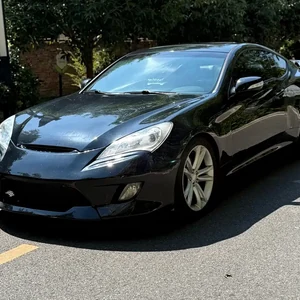
View all listings →Real units currently on ChinaCarDirect with per-unit asking prices and MOQ. Availability updates live from the catalogue.
How to buy a Hyundai Genesis Coupe from China
-
1
Set the destination brief
State the destination country, delivery port or city, required steering side, intended use, preferred transmission and expected quantity. This prevents unsuitable vehicles entering the quote process.
-
2
Shortlist matching live vehicles
Review the live Genesis Coupe inventory and compare units with the same year, edition, transmission, condition and location. Treat each listing as a separate sale candidate rather than assuming identical specifications.
-
3
Verify identity, history and documents
Request the VIN, production and registration dates, mileage evidence, ownership history, service records, title documents and export paperwork. Reconcile every identifier with the physical vehicle.
-
4
Commission a pre-shipment inspection
Use an independent inspection to assess the engine, fluids, underbody, tyres, brakes, steering, gearbox, accident history and modifications. Attach the findings to the purchase contract.
-
5
Request the written quote
Ask for the unit price, currency, validity, Incoterm, quantity terms, payment schedule, inspection scope, documentation, insurance and exclusions. Confirm the current figures for the specific vehicle before paying a deposit.
-
6
Confirm compliance and freight
Ask a local customs specialist about age, emissions, safety, VIN and steering-side rules. Then confirm the shipping method, named places, route, lashing, insurance, loading arrangements and realistic delivery schedule.
-
7
Release payment and track delivery
Verify the beneficiary and signed contract, then tie the balance to satisfactory inspection and release of required documents. Retain the inspection, title, invoice, payment and transport records through customs clearance and delivery.
Genesis Coupe vs rivals
| Toyota Supra A80 | The A80 Supra offers six-cylinder engines, a stronger enthusiast pedigree and potentially broader specialist support. The Genesis Coupe’s smaller turbo four can be the more rational value-led import, but a clean, well-supported example must justify choosing it over a well-maintained Supra. |
|---|---|
| Nissan 350Z (Z33) | The 350Z provides a V6, two-seat focus, while the Genesis Coupe offers occasional rear-seat utility. Choose the 350Z for engine character and enthusiast support; choose the Genesis for compact turbo usability and a more practical body. |
| Mazda RX-8 | The RX-8’s rotary engine gives it a distinctive character that the Genesis’s conventional turbo four does not replicate. The Genesis may be easier for some buyers to service, while the RX-8 suits enthusiasts who specifically value rotary response and compact packaging. |
Frequently asked questions
How is the Hyundai Genesis Coupe export price determined?
Export pricing can reflect model year, trim, transmission, mileage, condition, originality, exchange rates, payment terms and freight-related costs. The live vehicle amount may exclude port, insurance, customs, duty and destination charges, so request a pro-forma with a named Incoterm and exclusions. Exact current price, availability and any unit-specific MOQ are shown on the live ChinaCarDirect inventory and should be confirmed in the RFQ before commitment.
What engine and powertrain does the Hyundai Genesis Coupe use?
The Genesis Coupe uses a 2.0-litre turbocharged inline-four petrol engine with rear-wheel drive. Export listings can include automatic or manual transmissions, depending on year and trim. Confirm the exact gearbox, steering side, modifications and condition on the specific vehicle being purchased.
Should an overseas buyer choose a new-labelled or used Genesis Coupe?
A new-labelled unit may be undriven but could still be aged inventory, so compare production date, registration history and delivery evidence. A used unit can offer more visible history and potentially lower entry cost, but age makes tyres, brakes, fluids, clutch or automatic-gearbox condition and parts availability important. Inspect and document both categories, and write the condition report into the sale contract.
How does MOQ work when ordering a Genesis Coupe?
MOQ is set by the specific listing, seller and freight arrangement rather than by the model alone. Ask whether a single unit can be booked, what loading or documentation charges apply and whether several compatible vehicles can be consolidated. Record the agreed quantity, unit allocation and commercial terms before paying a deposit.
What determines shipping time and cost for a Genesis Coupe?
Shipping time and cost depend on origin and destination ports, sailing frequency, carrier space, fuel surcharges, insurance, terminal charges, season and customs clearance. A port-to-port sailing estimate does not include loading, discharge or import processing. Ask for a door-to-door or port-to-port scope with named places and a realistic delivery window.
How should I assess Genesis Coupe spare-part availability?
Spare-part availability varies by destination, vehicle age and workshop support. Before purchase, request the supplier’s part-number references for common service items, check local dealer or specialist support and obtain realistic lead-time and landed-cost estimates. A promised shipment of generic parts is less secure than a verified OE-number match.
Is a right-hand-drive Genesis Coupe available for export?
RHD availability depends on the individual vehicle and live inventory; confirm the steering side before ordering rather than assuming it from the model name. A steering conversion can affect geometry, wiring, airbags, controls and type approval, so avoid an after-shipment conversion unless local authorities and a qualified specialist approve it. State the required side in the RFQ.
How do I order a Hyundai Genesis Coupe from China?
Start with the live Genesis Coupe listings, compare matching units and send an RFQ with the destination, port, steering side, transmission, quantity, condition and payment requirements. Ask for a unit-specific quotation and documentary checklist, verify the beneficiary and contract, then tie the balance to inspection and transport-document release. Retain inspection, title, invoice and shipping records through customs clearance.
Ready to source the Hyundai Genesis Coupe?
Review the live inventory, then send your destination, steering-side requirement, preferred transmission and quantity to ChinaCarDirect for a unit-specific export quote.
Request a quote