
Hyundai Ix25 Export Guide for Overseas Buyers
Buy a Hyundai Ix25 from China with confidence. Compare trims, engines, used versus new options, export pricing, MOQ, shipping and market compliance.
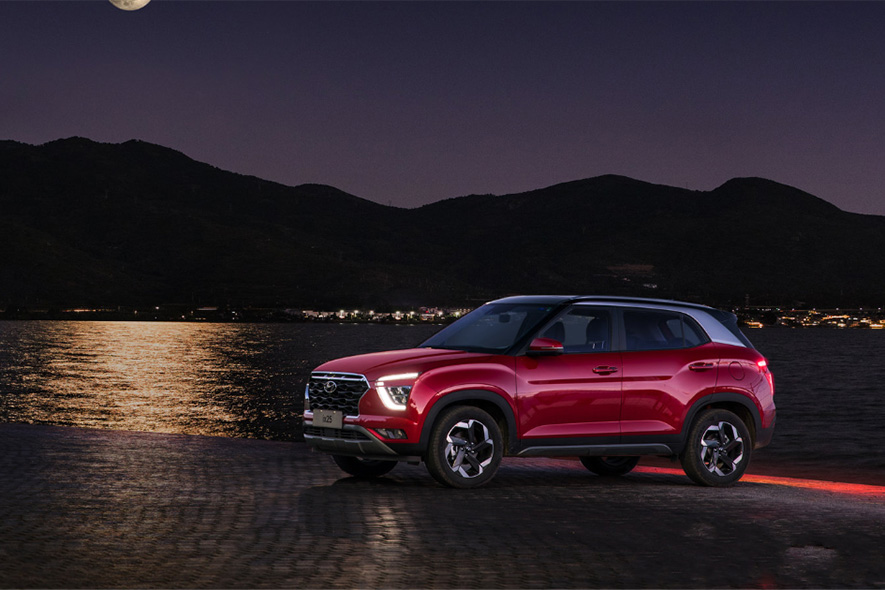
At a glance
- The Ix25 is a five-door compact SUV suited to urban, family and fleet use.
- Export examples offer multiple gasoline engines, manual, CVT and automatic transmissions, and two-wheel-drive or four-wheel-drive layouts.
- New and used vehicles require different evidence: factory status for new cars, and mileage, history and condition for used cars.
- Pricing and MOQ should be evaluated per unit and under one Incoterm, not from a broad model-wide figure.
- Country-specific approval, steering side, freight terms and parts support can determine whether an otherwise suitable vehicle is commercially viable.
Why the Hyundai Ix25 matters for export markets
The Hyundai Ix25 is a compact, five-door crossover built for buyers who want SUV-style packaging without moving into the larger, more expensive classes. Its appeal to overseas dealers is practical: a manageable footprint, a gasoline-powered model family and trim combinations that can cover city drivers, ride-hailing fleets and smaller family-car demands. For importers, the key advantage is breadth rather than a single specification. Engine, transmission and drive layout can be compared, then matched with the road, load and resale profile of the destination market. Selection should therefore be treated as market fit.
Ix25 demand in export markets comes from its position between small hatchbacks and larger family SUVs. It offers a raised seating position, useful cargo access and a more contemporary appearance than an economy sedan, while remaining easier to own and operate than many bigger crossovers. That middle ground is attractive in emerging markets and urban fleets where fuel efficiency, replacement-parts cost and road practicality matter. It also gives importers room to build several price tiers from the same model family without changing vehicle category. This also simplifies dealer stock planning.
The important caveat is that recognition does not remove local compliance work. The Ix25 has been sold under different names and market positions in various regions, so an importer should not assume that a Chinese specification, trim badge or equipment list is directly equivalent to a domestic model. Buyers should compare emissions equipment, safety equipment, steering position, documentation and service support. Those checks are especially important for fleet procurement, where a low purchase price cannot compensate for unsuitable certification or difficult parts identification. These risks can erase an attractive saving.
- Compact five-door SUV positioning
- Gasoline powertrain choices
- Market-specific homologation
Model range, trims and powertrain variants: how the lineup is structured and how to choose
Chinese-market Ix25 trims use designations such as Smart, GLS, DLX and edition labels, and those names should be decoded rather than treated as equivalent to trim names in another country. A listing’s engine, gearbox, drive system and equipment description are more useful for initial screening. The available export mix includes 1.6-litre automatic versions, 1.5-litre CVT versions, manual versions, a 1.4-litre turbo option and a 2.0-litre automatic four-wheel-drive example. Availability changes, so compare the actual unit being purchased, not a remembered trim hierarchy. That discipline prevents a costly specification mismatch at the port.
Engine choice should follow duty cycle and market expectations. The 1.4-litre turbo and 1.5-litre options suit buyers who want lower displacement and routine urban use, while the 1.6-litre provides a broadly familiar balance for mixed driving. The 2.0-litre automatic four-wheel-drive version is the more specialised choice for buyers prioritising additional drive capability. Manual models can suit markets where the buyer values mechanical simplicity and driver familiarity, whereas CVT and automatic units reduce driver workload in stop-and-go traffic. Confirm whether the gearbox is original, serviced and exportable before final payment is released.
For fleet buyers, the transmission decision should be based on driver profiles, not only the lowest quoted specification. An automatic may reduce fatigue and simplify training in dense traffic; a manual can be appropriate where drivers are already familiar with it and the operating environment is favourable. For private buyers, the best choice is the configuration that is mechanically supportable locally and likely to hold demand at resale. Request the vehicle identification number, production details, service history, tyre condition, option list and photographs. Confirm dimensions and loading information in the live listing.
- Decode Chinese trim labels
- Match gearbox to duty
- Verify VIN and dimensions
New vs used Hyundai Ix25: how export inventory is structured and how buyers choose
ChinaCarDirect’s export catalogue can contain both new and used Ix25 vehicles, but those categories describe condition and age rather than one uniform product. A new listing should state factory status, production timing and delivery condition. A used listing must be judged through model year, mileage, ownership history, visible condition and mechanical evidence. The practical structure of the market is therefore unit by unit: one vehicle may be an entry-level used example, while another may be a newer, higher-specified vehicle. Buyers should compare like with like rather than relying on a broad new-versus-used label.
A used Hyundai Ix25 can make more sense for a dealer seeking an accessible, proven platform with a known service history. The strongest candidates have documented mileage, consistent service records, matching keys and documents, no warning lights, and evidence of recent inspection. Wear on the steering wheel, pedals, seat and driver’s door can help indicate actual use. A new vehicle reduces age-related uncertainty and may simplify fleet uniformity, but it does not remove delivery, registration or inspection risk. Used purchases should also allow for near-term tyres, brakes, suspension wear or consumable replacement.
A sound buying process separates the decision into condition, commercial terms and logistics. First, shortlist vehicles matching the required engine, transmission, drive layout and equipment. Second, request a walk-around inspection, underbody images, diagnostic information, service invoices and ownership documents. Third, ask the seller to state defects rather than relying only on photographs, and verify whether any repair or parts work is needed. Finally, model total ownership cost for each candidate, including freight, taxes, registration, insurance, warranty cover and likely maintenance. Choose the unit with the fewest unresolved issues, not the newest-looking listing.
- Compare condition, not labels
- Demand service evidence
- Include repair risk
How export pricing works: the factors behind a live listing price, and how to read one
A Hyundai Ix25 export price is a vehicle-level quotation, not a fixed market value. The main drivers are model year, trim and equipment, engine and gearbox, drive system, mileage and condition for used units, and whether the vehicle is new. Commercial variables also matter: seller location, local currency, payment terms, export documentation, inland handling, freight method and the selected Incoterm. Exchange-rate movement can alter a quote expressed in another currency. Because these inputs differ by unit, comparing two listings without normalising specification and delivery terms can produce a misleading conclusion.
Read each live listing from identity outward. Confirm the model year, engine, transmission, drivetrain, condition, mileage, equipment and seller location. Then check what the displayed figure does and does not include: export clearance, inland transport, port charges, loading, insurance, taxes and destination charges may fall outside it. A vehicle-level quote can also change if an inspection reveals wear, a missing accessory or an unverified document. Use the live listing for the current per-unit price and availability, but obtain a written quotation recording condition, price validity, delivery basis and payment terms.
The best comparison method is a like-for-like landed-cost sheet. Put several matching units in one table and record the vehicle price, currency, Incoterm, freight estimate, insurance, taxes, port or agent fees, documentation charges and expected inland delivery. Ask the supplier whether the quote is per vehicle and whether payment milestones change the total exposure. Clarify how long the quote remains valid and what event triggers repricing. For fleets, compare cost per vehicle under one delivery basis; for dealers, focus equally on condition because one defect can outweigh a modest saving.
- Normalise vehicle and terms
- Build a landed-cost sheet
- Use written quote validity
MOQ, ordering and payment: single units vs consolidating a container
For Hyundai Ix25 wholesale purchasing, minimum order quantity is a seller and transaction term, not a permanent property of the Ix25. A single-unit request may be suitable for a test-market purchase, a workshop demonstrator or the start of a small fleet order, provided the selected listing permits it. A larger programme may require more units or a mixed allocation. The applicable MOQ appears on the live vehicle record and should be confirmed in the quotation before deposit. Do not infer a blanket container requirement or assume every seller accepts the same quantity.
Ordering mechanics usually begin with a unit selection and written commercial confirmation. The buyer should identify the exact listing or request equivalent stock, then review the specification, condition, photographs, documents, price basis and delivery terms. After any inspection, the parties can agree a deposit, production or dispatch milestone, and final balance against release conditions. Payment method, currency, beneficiary details and refund or cancellation terms must be recorded. For used vehicles, title and ownership documents are especially important: their names, dates and consistency should be checked before the vehicle leaves the supplier’s control.
Consolidating vehicles can improve freight planning and administrative efficiency, but it should not be judged only by the capacity of a container. Similar dimensions, shipping weight, fuel type and destination rules can affect loading plans, and reserving space for a mixed batch increases coordination risk. Compare a mixed batch with separate purchases allocable to different customers or trims. Spreading exposure across several units may be useful, while concentrating a large order in one shipment can create cash-flow and inventory risk. Agree inspection, damage responsibility, insurance, demurrage expectations and substitution rights before committing.
- Confirm listing MOQ
- Link payment to proof
- Assess mixed-load risk
Shipping, homologation and market compliance caveats: LHD/RHD and import rules by country
Steering configuration is one of the first checks for an overseas buyer. China-built vehicles are commonly supplied in left-hand-drive form, so right-hand-drive availability should not be assumed for an Ix25 listing or promised by a general model description. A buyer needing RHD must obtain written confirmation of the actual vehicle, then check local registration rules, steering position, lighting, mirrors and related equipment. Converting steering and related components adds parts, labour, inspection and residual-value risk; it should never be treated as a routine last-minute adjustment without local regulatory advice or cost review.
Shipping method affects both cost and control. RoRo is used for self-propelled vehicles, while containerised or flat-rack arrangements can suit certain loading and purchasing strategies. The quotation may need to cover origin handling, terminal charges, freight, insurance, destination port fees and inland transport. Transit time depends on sailing or trucking schedules, port congestion, documentation, inspections and weather, while cost depends on route, equipment type, season, cargo value and market demand. Ask who acts as importer of record, where the vehicle is discharged and what happens if a unit misses its sailing.
Import eligibility must be checked before committing. Requirements can include VIN and identity documents, customs valuation, duties and taxes, emissions standards, safety features, roadworthiness, insurance and local type approval. Used-vehicle rules may also depend on age, emissions category, ownership documents or proof that the vehicle was not previously registered for prohibited use. Rules differ by country and may change, so the importer or local customs adviser should confirm requirements for the exact configuration. A vehicle that is mechanically suitable but not homologated for the destination can be unsellable or uneconomic to register.
- Confirm steering side
- Define freight responsibilities
- Check local import rules
Who should buy the Ix25 — and who should pick a different vehicle
The Ix25 is strongest for overseas dealers and fleet buyers seeking a compact, gasoline-powered SUV with manageable operating costs and several configuration choices. It makes sense for urban sales programmes, airport and hotel staff fleets, regional distributors and customers who need five-door practicality without a large vehicle footprint. A buyer can prioritise an automatic for ease of operation or a manual where driver familiarity supports it. The model is especially relevant where spare-parts channels can support Hyundai vehicles and the importer’s target customers value the combination of size, utility and fuel efficiency.
A different vehicle is usually more suitable when the operating requirement falls outside the Ix25’s strengths. Choose an electric or hybrid model where charging access and emissions incentives justify it, or a larger crossover for seven seats, more cargo and heavier-duty use. Buyers needing extensive off-road capability should choose a model designed and approved for it, not assume a four-wheel-drive Ix25 is a specialist. Those requiring a premium cabin, specific brand image or different equipment level may find better matches. In each case, compare compliance and lifecycle cost, not catalogue size alone.
Before approving, test the business case against resale demand and service support. Ask whether local technicians service Hyundai crossovers, whether parts can be sourced by VIN or part number, and whether the sales price supports taxes, warranty, insurance and marketing. For fleet use, budget for servicing, tyres and consumables rather than assuming the cheapest vehicle is cheapest to operate. Dealer buyers should consider stock turn and model-year age, because a vehicle that sits may lose more value than an equipment premium. Choose the vehicle that fits the buyer and destination market.
- Strong compact-fleet fit
- Choose EV for EV policy
- Check serviceability first
Main rivals and how the Ix25 compares
Where sold as the Hyundai Creta, it is the same basic product, not a separate competitor. The Kia Stonic is a closely related small crossover that competes for similar urban-crossover buyers while retaining a distinct brand and model identity. The Nissan Magnite is another relevant compact crossover in markets where it is sold, appealing to buyers seeking a mainstream Japanese-brand alternative. The Ford EcoSport is a longer-established global small-SUV option, though its age and availability can affect parts planning and fleet acceptance. Compare fit, compliance, ownership and support, not badges alone.
Against those rivals, the Ix25’s strongest argument is the breadth visible in its export configurations: multiple engine displacements, manual, CVT and automatic transmissions, two-wheel-drive configurations and a four-wheel-drive example. That variety can help an importer match one platform to several market segments. The Stonic may be attractive where its local positioning and specification are better understood; Magnite may suit buyers wanting a different manufacturer badge; EcoSport may have value where an established used-parts ecosystem exists. Neither brand recognition nor drivetrain breadth guarantees easier homologation or lower operating cost in a particular country.
The buying decision should follow a disciplined matrix. Compare each candidate on local registration eligibility, real-world cargo and passenger needs, fuel or energy costs, expected parts support, driver comfort, warranty arrangements and resale demand. Include the full delivered cost and the effort required to source the right variant. The Ix25 deserves preference when its available engine, gearbox and drive configuration match the fleet and dealers can maintain it confidently. If the market offers a better-supported rival, choose it; verify RHD, seven-seat capacity, emissions compliance or charging needs before ordering any compact crossover.
- Compare local homologation
- Weigh support and resale
- Match configuration to need
Live Hyundai Ix25 export inventory
View all listings →Real units currently on ChinaCarDirect with per-unit asking prices and MOQ. Availability updates live from the catalogue.
How to buy a Hyundai Ix25 from China
-
1
Define the market and vehicle brief
Record the destination country, steering requirement, preferred engine, gearbox, drivetrain, seating needs and intended use. This prevents a locally unsuitable unit from entering the shortlist.
-
2
Shortlist the live inventory
Use the live Ix25 listings to compare matching units and check their current specification, condition, price, MOQ and availability. Treat each listing as a vehicle-level record rather than a model-wide offer.
-
3
Request documents and a quotation
Ask for the VIN, ownership or factory documents, service history, photographs, equipment list and an itemised written quotation. Confirm the Incoterm, freight scope, quote validity and payment milestones.
-
4
Inspect the selected vehicle
Review exterior and interior condition, mileage, warning indicators, tyres, underbody condition and transport damage. Any defect or missing document should be resolved before the final payment milestone.
-
5
Confirm MOQ and payment terms
Confirm whether the selected listing accepts a single unit or a larger fleet order. Record the deposit, dispatch and balance stages, payment currency, beneficiary details, and cancellation or substitution terms.
-
6
Arrange freight and clearance
Agree the shipping method, loading point, discharge port, inland destination and importer-of-record responsibility. Verify destination-specific homologation, customs, insurance, taxes and road-registration requirements before dispatch.
Ix25 vs rivals
| Kia Stonic | The Stonic competes in a similar small-crossover class and can appeal where its local trim mix, parts network and homologation are better established. The Ix25 may offer broader engine, transmission and drive-layout breadth in this export context, so the destination should determine the choice. |
|---|---|
| Nissan Magnite | The Magnite is a relevant compact-SUV alternative where sold, particularly for buyers seeking another mainstream manufacturer in the same general class. Compare engine choice, safety equipment, parts support and local approval because regional specifications can alter each model’s practical value. |
| Ford EcoSport | The EcoSport is a longer-established small-SUV option and may suit buyers with familiarity with its platform or local used-car support. The Ix25 offers a different product family and broad export configuration range, but age, equipment and homologation should still be checked unit by unit. |
Frequently asked questions
How is the Hyundai Ix25 export price determined?
A live price reflects the individual vehicle’s year, trim, engine, transmission, drivetrain, condition, mileage and the seller’s commercial terms. Freight, insurance, taxes, port charges, documentation and inland delivery may sit outside the displayed vehicle price, so compare landed costs under the same Incoterm. Review the current unit listing and request a written quotation for the exact vehicle before paying a deposit.
What powertrain and range options does the Hyundai Ix25 have?
The export examples represented here are gasoline internal-combustion vehicles, not battery-electric models. Configurations include 1.4-litre turbo, 1.5-litre, 1.6-litre and 2.0-litre engines, with manual, CVT or automatic transmissions depending on trim. Battery capacity and electric range therefore do not apply; confirm the exact engine and gearbox in the live listing.
Should I buy a new or used Hyundai Ix25?
A new vehicle suits buyers prioritising delivery condition, uniformity and less age-related uncertainty. A used Hyundai Ix25 can offer lower acquisition exposure and familiar serviceability, but only when mileage, service history, ownership documents and wear have been verified. Compare total operating and shipping costs rather than using condition alone.
What is the minimum order quantity for Hyundai Ix25 wholesale orders?
MOQ is set per listing and transaction, not by the model itself. A single-unit pilot may be possible where the seller permits it, while a fleet or consolidation request may have different terms. Check the MOQ on the live vehicle record and confirm it in the written quotation before placing a deposit.
How long does shipping take and what determines the cost?
Transit time and cost vary with origin handling, sailing or trucking schedules, route, freight method, port congestion, season, insurance and destination charges. A dealer should ask for the planned loading point, discharge port, inland destination, importer-of-record responsibility and what happens if a vehicle misses the booked departure. The freight quote should be evaluated separately from the vehicle price.
Can I order spare parts for an imported Hyundai Ix25?
Parts can generally be ordered, but the importer should identify the vehicle by VIN and exact trim before ordering. Chinese-market equipment and trim naming can differ from other countries, so part interchangeability should be checked with the seller or a Hyundai parts specialist. Include lead time, shipping cost and the risk of an incorrect original-part-number match in the total ownership plan.
Is right-hand-drive Hyundai Ix25 available?
Do not assume it is. China-built Ix25 examples are commonly left-hand drive, and a right-hand-drive unit must be confirmed for the specific vehicle rather than inferred from the model name. If no suitable RHD vehicle is available, assess the cost and legal implications of conversion with local authorities before including one in an import plan.
How do I buy a Hyundai Ix25 from China?
Start with the live Ix25 inventory, shortlist the required engine, gearbox, drive layout and condition, and send one request listing the destination and delivery terms. Obtain the vehicle documents, inspection evidence, itemised written quotation and payment milestones before paying. After inspection and agreement, arrange compliant transport, customs clearance, insurance and local registration.
Ready to source the Hyundai Ix25?
Send your destination, trim and quantity requirements through the RFQ form for a current unit-level Ix25 quotation.
Request a quote