
Hyundai Ix35 Export Buying Guide for Overseas Buyers
Plan a Hyundai Ix35 export purchase by comparing trims, powertrains, used-vehicle options, live pricing, MOQ, shipping, and destination-market compliance.
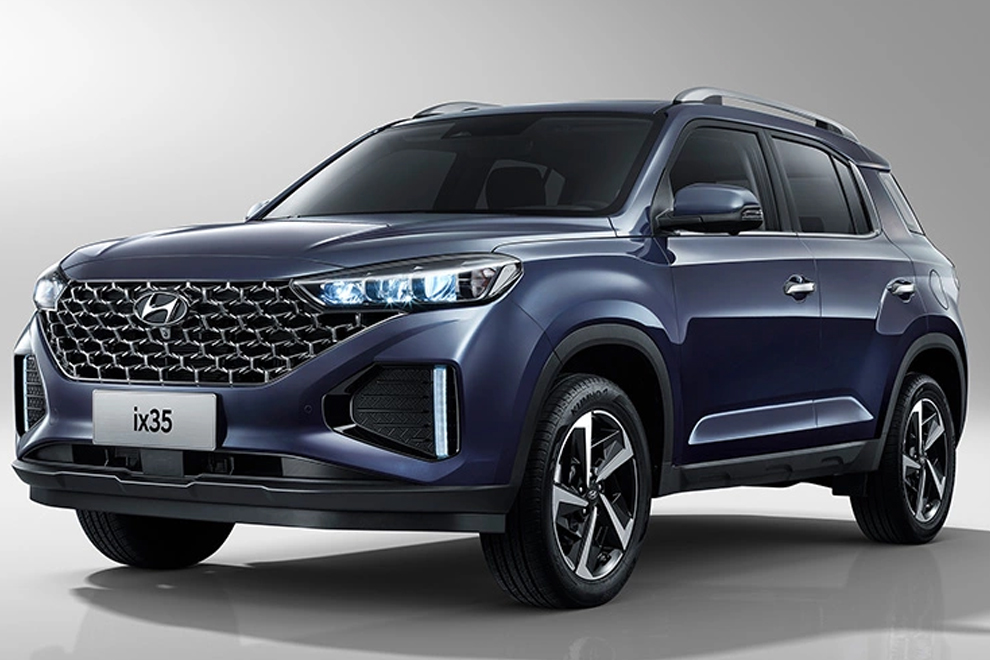
At a glance
- For overseas buyers seeking to buy a Hyundai Ix35 from China, the range is centered on 2.0L two-wheel-drive gasoline SUVs.
- Automatic and DCT applications coexist, while selected 240TGDi versions require exact powertrain verification.
- New vehicles suit standardized fleet preparation; used vehicles broaden age and budget choice but need stronger inspection.
- Export quotes are unit-specific and must be read alongside trim, condition, freight, exchange-rate and Incoterm factors.
- RHD availability, homologation, customs treatment and spare-parts support are destination-market questions, not assumed features.
Why the Hyundai Ix35 matters for export markets
The Ix35 occupies the compact-SUV segment, a category that remains commercially relevant in many export markets because it combines SUV styling, useful passenger space and dimensions that are easier to manage than larger models. Buyers such as independent dealers, regional importers and fleet operators often need a vehicle that can serve family-style use while remaining economical to stock and transport. The Hyundai name also helps with brand recognition, although recognition alone does not replace local preparation, compliance work or after-sales planning. Its strongest case is therefore operational: a mainstream SUV proposition that can be evaluated on total delivered economics rather than badge appeal.
For export purposes, the Chinese-market Ix35 is best understood as a source of specific domestic-spec vehicles rather than a single globally identical product. Listings may carry Beijing Hyundai in the model description and combine different model years, trims, transmission types and Chinese emissions classifications. That variety gives buyers more selection, but it also means the headline model name is only the starting point. The importer must confirm the exact vehicle identity and whether its specification is appropriate for the intended customers. Trim names may describe equipment bundles, while the same translated label can carry different content in another market.
Ix35 demand is strongest where buyers want a familiar Hyundai product in a relatively manageable footprint. It can suit dealers serving urban and regional customers who value a raised seating position, five-door usability and a gasoline powertrain, as well as fleets that prefer a familiar badge and straightforward parts categories. However, an overseas buyer should not assume that a Chinese Ix35 is mechanically or legally identical to an Ix35 or Tucson sold in another market; local safety, emissions, software and equipment standards must be checked separately before importing or marketing it.
- Best suited to buyers prioritizing a compact SUV footprint, five-door utility and Hyundai brand recognition.
- Match the exact Chinese trim and equipment rather than relying on translated grade names.
- Compare local after-sales support before treating an imported unit as commercially equivalent to a domestic rival.
- Chinese emissions labels identify source-market classification; destination approval must be confirmed separately.
Model range, trims and powertrain variants: how the lineup is structured and how to choose
The Chinese Ix35 range represented here is built around 2.0-litre gasoline vehicles with two-wheel drive. Trim descriptions include GLS Leading, Zhiyong·Changxiang, Smart, Comfort and Elite variants, often paired with an automatic transmission. These labels help define equipment and positioning, but translated English wording should not be treated as a universal grade hierarchy. A GLS Leading vehicle in one model year may not match a similarly named vehicle in another, so compare standard equipment, option content and document details on the specific unit rather than ordering from the trim name alone.
Transmission choice is a second selection point. Conventional 2.0-litre automatic applications appear across many trims, while some vehicles use the 240TGDi engine designation with a DCT. Some used listings also show a manual gearbox. These configurations should not be treated as equivalent: a DCT has its own operating characteristics, service considerations and market familiarity, while a manual can limit convenience for some fleet customers. Ask for the actual transmission type and engine designation from the vehicle documents, and test-drive if driver expectation is central to the purchase in advance.
A practical choice starts with the destination market and customer, then narrows to body configuration, engine, gearbox, emissions class and equipment. For a rental or company fleet, uptime, servicing simplicity, tyre availability and residual demand may matter more than cosmetic trim naming. For a dealer serving retail customers, the exact equipment list and whether the source specification aligns with local expectations become more important. The range shown here contains combustion-powered vehicles rather than battery-electric variants, so range and charging figures are not decision fields for these listings; fuel consumption and tank capacity should be confirmed for the individual vehicle.
- The represented range centers on 2.0L gasoline engines with two-wheel drive.
- Transmission choices include automatic, DCT and manual examples; verify the specific vehicle.
- Trim labels include GLS Leading, Zhiyong·Changxiang, Smart, Comfort and Elite variants.
- Put the exact engine designation, emissions class, equipment list and factory documents in the purchase specification.
New vs used Hyundai Ix35: how export inventory is structured and how buyers choose
New and used Hyundai Ix35 inventory serves different procurement objectives. A new vehicle normally offers a more standardized specification, clearer cosmetic condition and a more straightforward comparison between units, which is useful for fleet buyers and dealers assembling similar vehicles. A used vehicle can provide access to a different model year, equipment mix or acquisition profile without requiring the buyer to accept the newest domestic configuration. Neither label alone confirms export readiness; age, title, condition and destination eligibility still require independent verification against the selected vehicle's physical and documentary records.
Used-vehicle selection should focus on how condition affects commercial value. Mileage is useful, but it does not reveal the vehicle's full history by itself. Service records, previous accident or flood repair, paintwork, tyre age, fluid condition, engine and transmission behavior, and the condition of safety and comfort equipment can matter more. A lower acquisition point can be offset by near-term maintenance, uncertain provenance or higher inspection and repair risk. Conversely, an extended service history can improve confidence even when the odometer is not the lowest available for that model year.
The safest process is to treat every used unit as a separate purchase rather than accepting a generic model description. Match the VIN to the listing, inspect the body and underbody, verify cold start and gear changes, and run an independent vehicle inspection where practical. Confirm that the seller can provide the ownership or title document, registration and tax status, emissions paperwork, and a proper export sale. For a new vehicle, inspect production and delivery status, confirm no dealer registration or undisclosed damage, and check that the promised equipment appears on the invoice and factory specification.
- New vehicles offer standardized specifications; used vehicles require condition-specific verification.
- Compare service history, repair evidence, paint, tyres, fluids, documents and VIN, not mileage alone.
- Request an independent inspection and confirm export-title and tax status before payment.
- Use a small pilot purchase when standardizing a new fleet or validating used-unit quality.
How export pricing works: the factors behind a live listing price, and how to read one
Buyers looking to buy a Hyundai Ix35 from China should treat a live export price as the starting value of a specific vehicle under stated commercial conditions, not as a universal model price. The model year, trim, engine and transmission, mileage and condition for a used unit, and the supplier's preparation work can all affect the amount. For an export purchase, currency movement, inland transport, port charges, marine insurance, inspection, documentation and the selected Incoterm may sit outside or inside the quoted figure. The key is to identify exactly what each supplier has included before comparing offers.
When reading a live listing, begin with the full vehicle title and specification, then check the condition fields, photographs, seller identity and offer terms. Confirm whether the displayed amount refers to the vehicle alone, whether it is a direct-supplier quotation, and whether the vehicle is located at the stated origin point. For a used car, ask for odometer evidence and a condition report rather than relying on the year shown in the title. For a new car, verify production status, factory specification and any claim that the vehicle is export-ready. Each live listing on ChinaCarDirect should be treated as the current source for its binding price and availability.
Create a like-for-like landed-cost worksheet for every serious candidate. Start with the live vehicle quotation, add only the export services that are genuinely required, and keep the same Incoterm across comparisons. Then add destination charges that remain the importer's responsibility, such as customs duties, taxes, port handling, delivery and local registration. Ask the seller how long the quotation remains valid and whether the exchange rate or allocation can be refreshed. A cheaper vehicle price can be a false economy if it excludes documents, preparation, insurance or compliance work; a higher quote may be more transparent when inclusions are clearly stated.
- Compare model year, trim, powertrain, condition and preparation at vehicle level.
- Check whether the quote includes inland haulage, documentation, inspection, insurance and port charges.
- Keep the Incoterm and included services identical across supplier quotations.
- Confirm quote validity, exchange-rate basis and destination charges; use live listings for current numbers.
MOQ, ordering and payment: single units vs consolidating a container
Minimum order quantity should be confirmed at the individual vehicle or supplier level. The live listing's MOQ field is the relevant instruction for that offer, and it may differ from the quantity a supplier is willing to combine into a container or multi-vehicle dispatch. Do not assume that a catalogue of vehicles implies a container-sized commitment, and do not assume a one-unit request will be accepted without confirmation. For a first purchase, ask whether the unit can be released separately, what documentation follows it, and whether the commercial terms change when it is combined with other orders.
For Hyundai Ix35 wholesale purchasing, a disciplined order normally proceeds through a defined sequence: submit the destination and required specification, receive a written quotation, review the vehicle identity and commercial inclusions, accept a formal sales contract, and follow the agreed payment schedule. Payment methods, deposit structure and balance trigger should be confirmed in writing rather than inferred from the listing. Buyers should also confirm the refund or cancellation position if inspection, transport or title checks fail. The importer should know which party signs the sale, which entity holds export title and which documents are needed before a vehicle can leave China.
Container consolidation can improve purchasing efficiency, but it increases coordination risk. Vehicles ordered as a group may differ in model year, trim, condition, document quality and destination suitability, so a single shipment does not guarantee a uniform fleet. Confirm how units will be inspected, photographed, valued, labelled and separated; who pays for damage during inland handling and loading; and how rejected or unavailable units are treated. Consolidating compatible vehicles under one confirmed contractual and documentary standard is usually more useful than simply filling space. The buyer should also consider the port and destination handling arrangement rather than focusing only on freight cost.
- Confirm the MOQ shown on each live listing before requesting payment instructions.
- Ask whether one unit can be released separately and how multi-unit consolidation changes the terms.
- Use a written contract covering vehicle identity, condition, documents, payment milestones, title and cancellation.
- Group only compatible vehicles and define inspection, valuation, labelling and damage responsibility.
Shipping, homologation and market compliance caveats: LHD/RHD and import rules by country
Vehicle shipping can be arranged through specialist roll-on/roll-off carriage or, where vehicle dimensions and handling permit, container transport. The practical choice depends on the carrier's available service, origin and destination terminals, vehicle condition, consolidation opportunities and delivery schedule. Cost is not determined by distance alone: port handling, terminal charges, insurance, documentation, inland haulage, customs brokerage and destination delivery can materially change the landed total. Transit time should be requested for the actual route and service rather than assumed from a general shipping range, especially when a dealer has customer commitments.
Steering configuration is a critical check because a left-hand-drive Chinese-market vehicle cannot be assumed to be right-hand-drive for the destination. Availability of a factory right-hand-drive Ix35 should be confirmed before deposit, and a steering-wheel conversion should never be treated as an automatic substitute because lighting, safety, registration and type-approval consequences vary by country. Imported vehicles may also face country-specific rules on age, emissions, safety equipment, VIN identification, customs valuation and who may act as importer of record. These rules can exclude a particular Chinese emissions version even when the vehicle is mechanically sound.
Treat compliance as a file, not a checkbox. Before contracting, obtain the VIN, factory specification, emission or conformity documents, customs and ownership records, and evidence of any approved modifications. Ask a destination customs specialist or qualified homologation adviser whether the model year and specification can be registered, and clarify any testing, inspection or certificate requirements. China IV, China V and China VI labels describe the source-market emissions classification; they do not by themselves establish approval under another country's rules. The importer should also confirm spare-parts identification, warranty boundaries and software or electronic compatibility before marketing the vehicle.
- Ask the carrier for a route-specific service, transit estimate and all-in charge breakdown.
- Confirm factory RHD availability; do not assume LHD-to-RHD conversion is locally acceptable.
- Check destination rules for age, emissions, safety, type approval, VIN, customs and importer-of-record status.
- Treat China IV, V and VI as source-market classifications, not automatic foreign-market approval.
Who should buy the Ix35 — and who should pick a different vehicle
The Ix35 is a sensible candidate for overseas dealers and fleet buyers that need a mainstream, gasoline-powered compact SUV with manageable logistics. It can work particularly well where Hyundai is already familiar, customers want five-door practicality and the operator values an established model family rather than a niche nameplate. Two-wheel-drive applications, automatic or DCT choices, and several equipment trims provide flexibility for distributors and fleet mixers. The strongest buyers are those who can compare the exact vehicle specification with local rivals and build a realistic after-sales plan before committing to volume.
Different vehicles make more sense when the use case places the Ix35 outside its strengths. Buyers needing all-wheel drive, high-performance towing, a larger seven-seat cabin, premium materials or an electrified powertrain may be better served by another segment. Zero-emission fleet rules can also make a gasoline SUV commercially irrelevant regardless of its purchase economics. A dealer with strong ties to another marque may also prefer a model with simpler local parts support or a clearer warranty proposition. In those cases, the apparent saving on an Ix35 should be tested against utilization, downtime and resale consequences.
The decision should be based on total cost of ownership over the vehicle's planned service life, not on the vehicle line alone. Include expected fuel use, likely maintenance, tyre and insurance costs, parts lead times, local workshop capability and residual value. For a large fleet, standardize only after a pilot unit has been inspected, road-tested and checked against duty-cycle needs; for a dealer, one or more carefully chosen units can reveal customer reaction, delivery timing and after-sales friction. This is also where the difference between a well-supported used purchase and a higher-standard new vehicle becomes clearer. The right choice is the one whose total operating case remains strong after every quoted cost is included.
- Good fit for compact-SUV dealers, mixed fleets and markets with Hyundai familiarity.
- Review fuel, maintenance, downtime, parts lead time and residual value over the service horizon.
- Choose another vehicle if AWD, heavy towing, seven seats, premium refinement or zero-emission compliance is central.
- Pilot before bulk ordering to validate specification, delivery and workshop support.
Main rivals and how the Ix35 compares
The Kia Sportage is the most direct cross-brand comparison because it occupies a similar compact-SUV position and benefits from a related Hyundai-Kia product architecture. An Ix35 buyer should compare the destination-market Sportage's current engine and transmission options, equipment, warranty, parts catalogue and residual outlook against the exact Chinese vehicle being offered. The Chinese Ix35 may appeal where its specified equipment and acquisition profile are competitive, but a Sportage already supported by the local dealer network can reduce service risk. The comparison should be made on delivered cost and support, not trim labels alone.
The Nissan Qashqai is another relevant compact-SUV alternative for buyers who value a different design, powertrain mix or local franchise. It is particularly useful as a benchmark when the market offers several gasoline engines and transmissions with different fuel and service characteristics. Against the Ix35, request equivalent documents and compare cabin equipment, safety provisions, luggage capacity, service intervals, parts availability and expected resale. The winner should suit the buyer's customers and support network; a familiar local model can be commercially stronger even if the imported alternative appears better on acquisition value.
The Toyota RAV4 serves as a mainstream benchmark, although it generally sits at a higher market tier than a value-focused compact SUV. Buyers comparing the two should account for purchase cost, engine and drivetrain choice, cabin and cargo practicality, fuel use, local service coverage and expected resale rather than assuming one wins on every point. An RAV4 may offer a stronger brand and ownership proposition in some markets; an Ix35 may deliver a more attractive acquisition case where its exact specification and operating costs work. The final recommendation follows a destination-specific landed-cost and after-sales analysis, not a global model ranking.
- Sportage: closest corporate and class benchmark; compare local support and exact powertrains.
- Qashqai: direct compact-SUV alternative; compare equipment, consumption and resale.
- RAV4: often a higher-tier benchmark; assess the acquisition premium against ownership support.
- Use destination-specific landed cost and compliance rather than a universal trim hierarchy.
Live Hyundai Ix35 export inventory
View all listings →Real units currently on ChinaCarDirect with per-unit asking prices and MOQ. Availability updates live from the catalogue.
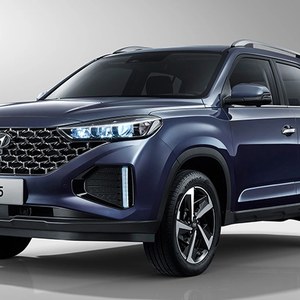
Hyundai Beijing Hyundai ix35 2021 240TGDi DCT 2WD GLS Leading Edition
Hyundai Beijing Hyundai ix35 2021 240TGDi DCT 2WD GLS Leading Edition
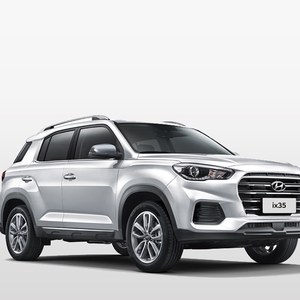
Hyundai Beijing Hyundai ix35 2020 2.0L Automatic 2WD Zhiyong·Changxiang Edition
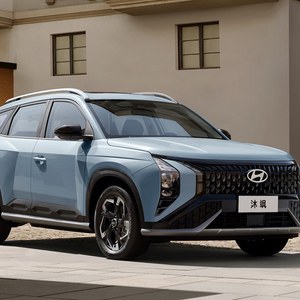
Hyundai Beijing Hyundai ix35 2018 2.0L Automatic 2WD Zhiyong·Enjoyment Edition
How to buy a Hyundai Ix35 from China
-
1
Define the destination and required specification
State the destination country, intended port, steering configuration, model-year preference, powertrain, transmission, passenger needs and expected service life. Include local registration, emissions and load requirements before selecting a trim.
-
2
Shortlist live Ix35 inventory
Review the live Hyundai Ix35 listings and compare exact vehicle titles, condition, photographs, emissions classifications, equipment and seller information. Treat each unit as a separate candidate rather than relying on the model badge alone.
-
3
Request a written quotation and MOQ
Ask each supplier to state the vehicle-level price, confirmed MOQ, Incoterm, included export services, quotation validity, payment schedule and required title documents. Compare offers using the same commercial basis.
-
4
Verify identity and market compliance
Obtain the VIN, factory specification, ownership records, conformity documents and evidence of RHD production where required. Have a destination compliance specialist confirm registration and import requirements.
-
5
Inspect and select the vehicle
For a used vehicle, complete a physical inspection, independent report, VIN verification and road test. For a new vehicle, confirm production status, promised equipment, damage history and the agreed delivery specification.
-
6
Execute the contract and payment process
Record the exact vehicle identity, condition, documents, Incoterm, payment milestones, inspection rights, title transfer and cancellation terms in a written contract. Follow only verified payment instructions issued for that contract.
-
7
Book shipping and complete import clearance
Select the carrier and route using written transit and charge details, then coordinate origin handling, marine insurance, document submission and destination pre-clearance. Complete customs, registration and local delivery checks before releasing the vehicle to customers.
Ix35 vs rivals
| Kia Sportage | A close class and corporate-family benchmark. The Chinese Ix35 may offer a more attractive acquisition profile for some export buyers, while a locally supported Sportage can provide simpler parts and warranty access. |
|---|---|
| Nissan Qashqai | A direct compact-SUV alternative with a different powertrain and dealer proposition. Choose according to exact equipment, local service support and landed operating cost rather than badge alone. |
| Toyota RAV4 | Often a higher-tier mainstream alternative with stronger recognition in many markets. The Ix35 can suit buyers prioritizing acquisition value, but the RAV4 may be preferable where resale and local support justify the premium. |
Frequently asked questions
How is Hyundai Ix35 export pricing determined?
The live price for a particular unit reflects model year, trim, engine, transmission, mileage, condition and preparation. Exchange-rate movement, freight, port charges, insurance, documentation and the selected Incoterm can also change the landed total. Check the current unit quotation in the live Ix35 listings and ask what each offer includes.
What engine and powertrain options are available?
The represented range centers on 2.0L gasoline two-wheel-drive vehicles, with automatic and DCT applications; 240TGDi DCT versions and some used manual listings also appear. These are combustion models, so battery capacity and electric range are not relevant to the listed versions. Confirm the exact engine and gearbox from the VIN and live listing.
Is a used Hyundai Ix35 better than a new one?
A new vehicle generally offers more standardized equipment, clearer cosmetic condition and easier unit-to-unit comparison. A used vehicle can provide a different model year, trim or acquisition profile, but condition, repair history, title and service records require stronger verification. The better choice depends on fleet standardization, inspection risk and planned ownership costs.
What is the MOQ for buying Hyundai Ix35 vehicles from China?
MOQ is confirmed on the individual supplier or vehicle offer, so use the MOQ field shown in the live listing rather than assuming a catalogue-wide quantity. Ask whether one unit can be released separately and whether consolidation changes payment, documentation or shipment terms. Exact current MOQ and availability must be confirmed before payment.
How long does shipping take and what does it cost?
Transit time and freight cost depend on the actual origin and destination terminals, carrier service, route, vehicle condition, consolidation and handling requirements. Port charges, insurance, inland transport, customs brokerage and destination delivery can also affect the landed total. Request a route-specific quotation rather than relying on a generic shipping range.
Are spare parts available for an imported Hyundai Ix35?
Parts should be identified from the VIN, engine, transmission, trim and factory equipment because Chinese and export-market versions may not be identical. Common mechanical items may have alternative references, while safety, electronic and software-related parts should match approved specifications. Request a parts list before committing to a fleet.
Is a right-hand-drive Hyundai Ix35 available from China?
RHD availability depends on the specific vehicle, trim and supplier, so it must be confirmed before deposit. A Chinese-market left-hand-drive listing should not be assumed to be right-hand-drive, and a local steering conversion should not be treated as an automatic solution. Import, lighting, safety and registration consequences vary by destination country.
How do I order a Hyundai Ix35 for export?
Shortlist a live listing, request a written unit quotation and confirm the MOQ, specification, Incoterm, documents and payment schedule. Verify the VIN, title, condition and destination-market compliance before paying the balance. After the contract and inspection are complete, arrange insured transport, customs clearance and local registration.
Ready to source the Hyundai Ix35?
Request a current Hyundai Ix35 quotation with vehicle-level specification, confirmed MOQ, Incoterm, documentation scope and shipment options for your destination.
Request a quote