
Hyundai Mistra Export Guide for Overseas Buyers
Hyundai Mistra export guide for overseas dealers: compare trims, engines, used-car options, pricing factors, MOQ, shipping, compliance and key rivals.
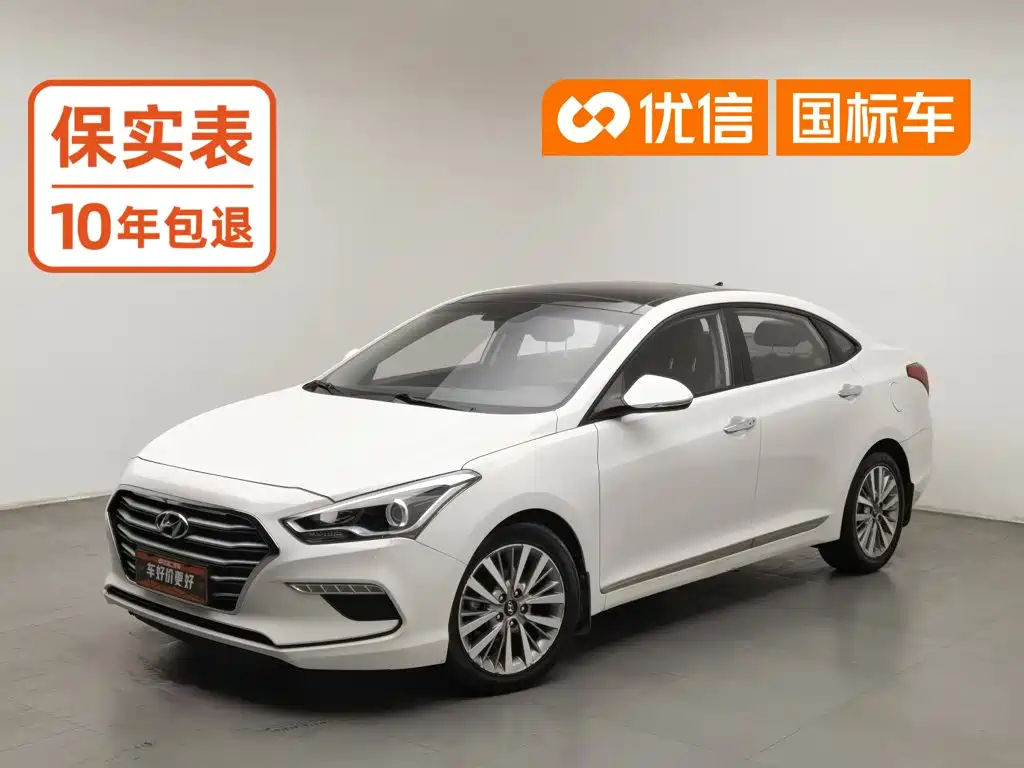
At a glance
- The China-market Hyundai Mistra is a compact petrol sedan with 1.8-litre and 1.6-litre turbo powertrain options.
- Automatic, CVT, DCT and manual applications appear across different trims and model years.
- Used cars can reduce acquisition cost but need stricter inspection; newer cars can reduce condition risk but still require homologation checks.
- Live export pricing depends on the selected vehicle’s year, trim, condition, gearbox, freight and Incoterm.
- Confirm the destination’s steering-side, safety, emissions, customs and parts requirements before paying.
Why the Hyundai Mistra matters for export markets
The Hyundai Mistra is a compact sedan from Hyundai’s China-market range, built for buyers who want a conventional four-door car with a recognizable marque rather than a niche commercial product. The export-relevant versions seen here center on 1.8-litre and 1.6-litre turbo petrol engines, with several transmission choices. That combination suits overseas dealers serving taxi, ride-hailing, company-car or general retail demand where easy operation, passenger capacity and established service expectations matter more than the latest body style. Its appeal is strongest in markets where Hyundai is already familiar and compact sedans have a broad customer base.
Mistra demand should not be inferred from the name alone. Chinese-market cars can carry different generation features, trim names, software, emissions labels and equipment from sedans sold under the same model name in Europe, Korea or North America. Overseas buyers should therefore compare the exact vehicle in the live inventory, not assume that a Smart GLS, DLX, Prestige, GLX or LUX designation guarantees a particular equipment list. Dealer and fleet demand is usually strongest when the specification is familiar locally and spare parts can be obtained without long delays or uncertain homologation work.
For importers, the Mistra’s main value proposition is practical: a family-car format, a choice of naturally aspirated or turbocharged powertrains, and configurations aimed at different comfort and equipment levels. Those qualities can make it a credible fleet alternative to established global compact sedans. Before ordering, check destination-market safety and emissions requirements, steering-handle availability, tax treatment and service support. A competitive vehicle can still be uneconomic if the exact Chinese specification is difficult to register or maintain. The winning import is the one that remains practical after every compliance and ownership cost is included.
- Compare the exact China-market generation.
- Confirm local parts and technician support.
- Check steering side before contracting.
- Calculate compliance before final pricing.
Model range, trims and powertrain variants: how the lineup is structured and how to choose
The China-market Mistra range is organized by powertrain, gearbox and trim hierarchy. The listing family includes a 1.8-litre naturally aspirated engine in automatic, CVT and manual forms, plus 1.6-litre turbocharged versions using automatic or DCT transmissions, including a 270TGDi DCT designation. Names such as Smart GLS, Deluxe DLX, Prestige DLX, GLX Elite and LUX Premium indicate different equipment levels, but their meanings should not be translated into another country’s trim grades without checking the equipment and documents attached to each vehicle. China V and China VI labels also appear in some names and need separate treatment.
For powertrain selection, the 1.8-litre model is the straightforward choice for fleets prioritizing conventional petrol operation, predictable servicing and a less specialized drivetrain. The 1.6-litre turbo can suit buyers wanting more responsive performance, but it introduces characteristics and maintenance considerations that should be evaluated for the vehicle’s age and condition. A CVT emphasizes smooth urban use, a traditional automatic is familiar to many operators, and a DCT offers a different shift experience; none should be selected from label alone without a test and road-condition check at the actual export age.
Trim selection should begin with operating needs, then narrow to legal and commercial fit. A fleet manager may prioritize durable upholstery, straightforward climate controls and repairability, while a retail buyer may value infotainment, cameras, leather and driver-assistance equipment. Some Chinese trims carry China V or China VI emissions identifiers; those labels describe the vehicle’s origin-market classification, not automatic approval in the destination country. Review the VIN, registration documents, exact options, axle loads and equipment list before confirming that a trim is suitable for import and resale in your planned market.
- 1.8L: conventional fleet-first powertrain.
- 1.6T turbo: performance-oriented option.
- Match gearbox to operating conditions.
- Verify China V/VI against destination rules.
New vs used Hyundai Mistra: how export inventory is structured and how buyers choose
For buyers looking to buy a Hyundai Mistra from China, export inventory includes both used cars and newer vehicles, so the first decision is not simply new versus old. Used examples can represent an efficient way to obtain a familiar compact sedan at a lower acquisition point, but age brings more variation in mileage, service history, corrosion, wear and previous repairs. Newer or described-as-new cars can reduce initial condition risk, yet their equipment, software and origin-market specification still need to fit the importing market. The condition label alone is not a substitute for inspection before final payment or dispatch.
For a used Hyundai Mistra, ask for the vehicle identification number, registration or title documents, exact model year, trim, engine and gearbox, odometer reading, and a clear disclosure of accidents, flood exposure, structural damage and repairs. Inspect panel fit, paint, tyres, suspension, steering, brakes, cooling system, cabin wear and underbody corrosion. An independent pre-shipment inspection is especially valuable because photographs and catalogue descriptions cannot reveal every mechanical weakness. Keep the inspection report and any corrective work in the purchase file for delivery, customs and later warranty claims or buyer records.
Newer cars generally make sense when predictable initial condition, lower disclosed mileage, current warranty coverage or a cleaner handover process outweigh the higher acquisition commitment. They may be especially attractive to fleet buyers standardizing one configuration, provided the selected Mistra can be registered and serviced locally. Before treating a vehicle as new, verify production status, invoice details, delivery mileage, warranty terms and whether the warranty is enforceable through the exporting supplier or only the original domestic dealer. Used-car value should likewise be calculated after inspection, expected maintenance and repatriation risk.
How export pricing works: the factors behind a live listing price, and how to read one
A Hyundai Mistra export price is not a fixed model-level rate. It moves with production year, trim and equipment, 1.8-litre versus turbocharged powertrain, gearbox, mileage, condition, new or used status, and the quality of the documents available. Currency movements and the logistics package also matter: freight, marine insurance, origin handling, destination charges, inspection, and the chosen Incoterm can either be included or left for the buyer. Therefore, compare the vehicle subtotal and the landed-cost estimate separately rather than assuming the headline listing figure includes every import expense before contracting freight.
Read each live listing as a vehicle-specific commercial record, not as a catalogue benchmark. Confirm the year, exact trim, engine, transmission, mileage, condition, VIN or SKU, seller location, availability, and which services or export charges are included. Check whether the quoted currency and Incoterm are clearly stated, and whether images support the described specification. Ask the supplier to identify any repair, repaint, tyre, battery or documentation issue in writing. Current binding prices, availability and MOQ are shown per unit in ChinaCarDirect’s live Mistra inventory rather than in an old guide.
The strongest comparison is a like-for-like landed cost. Put both quotes in the same currency, normalize the Incoterm, add the same inspection, freight, insurance, tax and duty assumptions, and then estimate local registration, insurance, fuel, servicing and depreciation. Payment terms and documentary conditions matter too: a lower vehicle subtotal can be outweighed by a larger advance payment, weaker inspection rights or higher exposure to exchange-rate changes. Negotiate from the total package and the condition of the selected car, not simply from the largest published number in the market for that vehicle.
- Normalize currency, Incoterm and freight.
- Separate vehicle subtotal from landed cost.
- Read MOQ and availability on each unit.
MOQ, ordering and payment: single units vs consolidating a container
Minimum order quantity is a commercial term that varies by seller, listing and transaction, so it should never be assumed from the model name. A dealer may accept a single-unit enquiry or may require several vehicles of the same configuration, while a Hyundai Mistra wholesale order can carry its own unit threshold. Treat the MOQ shown on each live listing as the starting point, then ask the supplier in writing whether mixed years, trims or colors can be consolidated and whether an initial test order is possible. Any agreed quantity should be repeated in the pro forma invoice and purchase contract.
Single-unit buying is useful for testing demand, developing spare-parts stock or replacing a few fleet vehicles, but it can expose the buyer to container-consolidation costs and a less favorable freight rate. Consolidating compatible Mistras into a full-container program can improve freight efficiency, reduce per-vehicle handling and create a more uniform fleet package. The trade-off is slower inventory turnover, more capital tied up and greater exposure if one vehicle proves difficult to sell. Calculate the cost of each vehicle, the inland haulage, export packing and the payment schedule rather than dividing freight by headline vehicle count alone.
Ordering should follow a controlled sequence: select the vehicle, complete document and identity checks, agree quantity and terms, pay according to the contract, inspect before shipment, and release the balance only against the agreed evidence. The pro forma invoice should state the exact VINs or SKUs, price, deposit, balance trigger, refund conditions, Incoterm and expected shipment window. Avoid transfers based only on a chat message or generic invoice. For a larger wholesale shipment, define the inspection standard, permissible substitutions, charge-backs for nonconforming vehicles and the dispute route before funds are committed.
Shipping, homologation and market compliance caveats: LHD/RHD and import rules by country
Most China-produced Mistras are configured for left-hand-drive markets, while some export destinations require right-hand drive. RHD availability is market-specific and should not be inferred from a dealer’s ability to order; a steering conversion can affect safety certification, wiring, insurance, parts supply and resale. Before placing an order, confirm the actual driving side, then verify local type approval, emissions, noise, lighting, crash and occupant-protection requirements. China V or China VI labels on a trim are useful origin-market clues, but they do not replace destination-country homologation or customs clearance for each vehicle and use.
Compliance is vehicle- and destination-specific. The importer may need to reconcile the VIN, engine label, emissions documentation, registration papers, customs value and description of the exact trim; taxes and duties can also change with age, engine size, ownership history and local policy. A low headline purchase cost can be outweighed by modification work, certification, port charges or parts that must be ordered from China. Obtain a broker or specialist’s view before committing, especially where used-car imports face stricter inspection. The same Mistra may be straightforward in one country and unsuitable in another because the rules, not the car, are different.
Shipping choice affects cost, lead time and risk. A vehicle may move by container, roll-on/roll-off service or a smaller consolidated load, depending on the origin, destination and forwarder’s capacity. Ro-ro can simplify handling for compatible vehicles; containerization offers protection from weather and road exposure but requires correct lashing and moisture control. Transit time varies with port connections, sailings, congestion, customs exams and inland delivery, while cost varies with route, fuel, insurance, handling and seasonality. Agree the transport method, destination, documentation set and cargo-value allocation before shipment, and inspect again after arrival.
- Confirm LHD or RHD before ordering.
- Validate local safety and emissions rules.
- Match transport method to route and cargo.
- Inspect the car again after arrival.
Who should buy the Mistra — and who should pick a different vehicle
The Mistra fits dealers and fleet operators needing a conventional compact petrol sedan, especially where Hyundai service familiarity is present. Its four-door layout, automatic options and choice of naturally aspirated or turbo engines can serve private and commercial demand, provided local operating rules and residual-value expectations are checked. It is less compelling where charging infrastructure and zero-emission policy make petrol operation a poor long-term fit. The decisive question is whether the selected Chinese configuration has enough parts, technician familiarity and resale demand to offset acquisition and compliance costs in that market.
Used Mistras suit buyers who include inspection and maintenance in the purchase decision. Age may make acquisition more economical, but uneven examples can carry hidden costs in tyres, suspension, brakes, air conditioning, corrosion or electronics. The model can suit a dealer with repair capability, a nearby parts route and a clear refurbishment budget, or an owner replacing a specific model. It is a weaker choice for an operator unable to inspect vehicles, maintain workshop capacity or absorb a failed unit. Compare expected downtime and parts holding, not only acquisition cost and labor.
Choose another vehicle if you need seven seats, serious off-road capability, a plug-in hybrid or battery-electric drivetrain, a large premium-saloon feel, or a model already certified in right-hand-drive form. The Mistra range discussed here is petrol-powered, so it does not answer a zero-emission brief or provide electric range and charging capability. An SUV may be more practical where roads, load height or family use make a low sedan unsuitable. For those requirements, compare purpose-built alternatives rather than assuming a familiar badge can substitute. For an ICE compact sedan, the Mistra remains a credible shortlist.
- Best fit: conventional compact petrol fleets.
- Used Mistra: buy with inspection capacity.
- Choose elsewhere for electric or seven-seat needs.
Main rivals and how the Mistra compares
The Toyota Corolla is a close alternative for buyers prioritizing market familiarity, fuel-efficient petrol operation and broad service recognition. Its powertrains and equipment differ by production market, so compare the exact homologated local derivative rather than the badge. The Mistra offers China-specific trims that may provide a different equipment-to-cost balance. It can be a stronger fit for sourcing from China and standardizing a fleet around an available Chinese model, while the Corolla may be easier where buyers already know its local parts and resale profile from experience in that market.
The Geely Emgrand is a close China-market value rival because it occupies the same mainstream compact-sedan territory, often with petrol engines and equipment-led trims designed for broad fleet and private-buyer use. Exact engines and gearboxes vary by generation, so compare the selected configuration rather than the model badge. The Mistra can appeal to buyers seeking Hyundai branding and an established international service image, while the Emgrand may offer a different local-brand cost and dealer proposition. Confirm parts, warranty and resale support in the destination before choosing between the two brands.
The Nissan Sylphy is a relevant rival because it is a mainstream compact sedan with a similar value-oriented role in China and many export markets. Both can suit budget-conscious fleet procurement, and the decision may come down to engine, transmission, rear-seat usability, boot capacity, equipment, parts network and inspection findings. The Sylphy may have stronger recognition in some overseas markets, while the Mistra provides China-specific trim choices for direct domestic sourcing. Whichever is chosen, verify the destination-approved configuration and total landed cost. A Mistra is most competitive when its trim, condition and compliance route clearly fit local demand.
- Corolla: familiarity and efficiency-led buying.
- Emgrand: close China-market value comparison.
- Sylphy: mainstream fleet-sedan alternative.
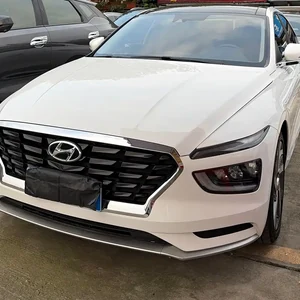
Live Hyundai Mistra export inventory
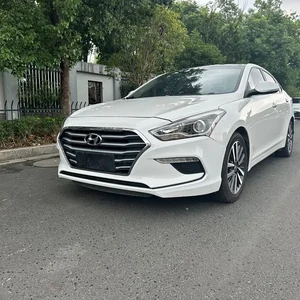
View all listings →Real units currently on ChinaCarDirect with per-unit asking prices and MOQ. Availability updates live from the catalogue.
How to buy a Hyundai Mistra from China
-
1
Set the destination requirements
Define the destination, steering side, powertrain, budget, passenger capacity and regulatory route before selecting a specific Mistra. This prevents a nominally suitable vehicle from becoming costly to register or operate.
-
2
Shortlist the live inventory
Compare the available Hyundai Mistra listings by year, trim, engine, transmission, condition and location. Use each listing’s current price, availability and MOQ rather than relying on historical market figures.
-
3
Request documents and a complete quotation
Ask for the VIN or SKU, registration or title documents, mileage, service history, condition disclosures and photos. Request a written breakdown showing which freight, insurance, inspection, tax and destination charges are included or excluded.
-
4
Approve an independent inspection
For a used vehicle, arrange a pre-shipment inspection covering paint, structure, underbody, engine, transmission, brakes, suspension and tyres. Agree who pays for corrective work and what evidence is required before the balance payment.
-
5
Lock quantity and payment terms
Confirm the listing-specific MOQ, mixed-configuration rules, deposit, balance trigger, refund policy, Incoterm and shipment window. Require the exact vehicles and terms to appear in the pro forma invoice and contract.
-
6
Complete compliance and shipping planning
Confirm VIN consistency, emissions and safety requirements with a destination specialist or broker. Select the transport method, route, insurance coverage, cargo-value allocation and document set with the forwarder.
-
7
Release, track and receive
Release funds only against the agreed inspection and documentary evidence, then track the shipment through customs and inland delivery. Inspect the Mistra again after arrival and record any transit damage before accepting delivery.
Mistra vs rivals
| Toyota Corolla | A close global compact-sedan benchmark for buyers who prioritize service familiarity, fuel-efficient petrol use and established resale recognition. The Mistra is more relevant when direct China sourcing and a China-specific equipment package outweigh the Corolla’s stronger recognition in some overseas markets. |
|---|---|
| Geely Emgrand | A close China-market value rival occupying the same mainstream compact-sedan segment. The Emgrand may offer a different local-brand cost proposition, while the Mistra can suit buyers who place more value on Hyundai branding and international parts familiarity. |
| Nissan Sylphy | A direct alternative for value-conscious fleet procurement and private buyers, with a similar compact-sedan role in China and export markets. The deciding factors are the selected engine and gearbox, equipment, condition, local parts network, inspection result and total landed cost. |
Frequently asked questions
How is Hyundai Mistra export pricing determined?
Export pricing is set per vehicle after accounting for year, trim, engine, transmission, mileage, condition, currency movement, freight, insurance, origin charges and the agreed Incoterm. A listing subtotal may not equal landed cost, so ask which duties, taxes, inspection and inland-delivery charges are excluded. Check the live ChinaCarDirect Mistra listings for the current binding price and unit-level terms.
What engine and range options does the Hyundai Mistra have?
The market covered in this guide uses petrol engines: naturally aspirated 1.8-litre and turbocharged 1.6-litre versions, including a 270TGDi designation. Gearboxes include automatic, CVT, DCT and, on some applications, manual. These are not EV variants, so electric range, battery capacity and charging figures do not apply; confirm exact outputs and equipment in the live listing.
Should I buy a new or used Hyundai Mistra?
Used Mistras suit buyers who can inspect and maintain them, while newer vehicles can reduce initial condition uncertainty. The trade-off is purchase exposure versus ongoing repair, parts and downtime risk. Compare the unit’s condition, warranty and local resale prospects rather than using the new or used label alone.
What is the MOQ for a Hyundai Mistra order?
MOQ is seller- and listing-specific rather than a model-wide rule. A supplier may accept one vehicle or require a grouped order, and mixed configurations may or may not be allowed. Read the MOQ on each live listing and confirm it in the pro forma invoice and purchase contract.
How long does shipping take and what affects cost?
Transit time and cost depend on origin and destination ports, sailing or vehicle-carrier schedules, congestion, customs exams, insurance, handling, fuel and inland delivery. Container, roll-on/roll-off and consolidated options have different cost and protection profiles. Ask the forwarder for a route-specific quotation and realistic schedule before paying.
Can I source spare parts for an exported Hyundai Mistra?
Spare-parts support is usually easier when the exact engine, transmission and trim have a viable local supply route, but Chinese-market names may not map neatly to export-market versions. Confirm part numbers, interchangeability, lead time and dealer support before relying on the Mistra for a fleet. For uncommon trims, include critical service items in initial stock planning.
Is a right-hand-drive Hyundai Mistra available for export?
Right-hand-drive availability depends on the source vehicle and destination; most China-market Mistras are left-hand drive, and steering conversion is not automatically compliant. Ask for a genuine RHD example and verify its documents, wiring, safety approval and parts support. If no compliant RHD unit exists, choose a model homologated for that market.
How do I order a Hyundai Mistra from China?
Start by shortlisting the live inventory, then send the seller the exact destination, preferred trim, gearbox, condition and quantity. Request the vehicle documents, inspection rights, landed-cost breakdown, Incoterm, payment milestones and delivery schedule in writing. Once those terms are clear, use ChinaCarDirect’s RFQ process to request the binding quotation before transferring funds.
Ready to source the Hyundai Mistra?
Request a current Hyundai Mistra quotation for your destination, preferred configuration, quantity and Incoterm.
Request a quote