
Hyundai Reina Export Guide for Overseas Buyers
Hyundai Reina export guide for overseas dealers: compare 1.4L and 1.6L trims, live pricing, MOQ, shipping, homologation, rivals and buying risks.
At a glance
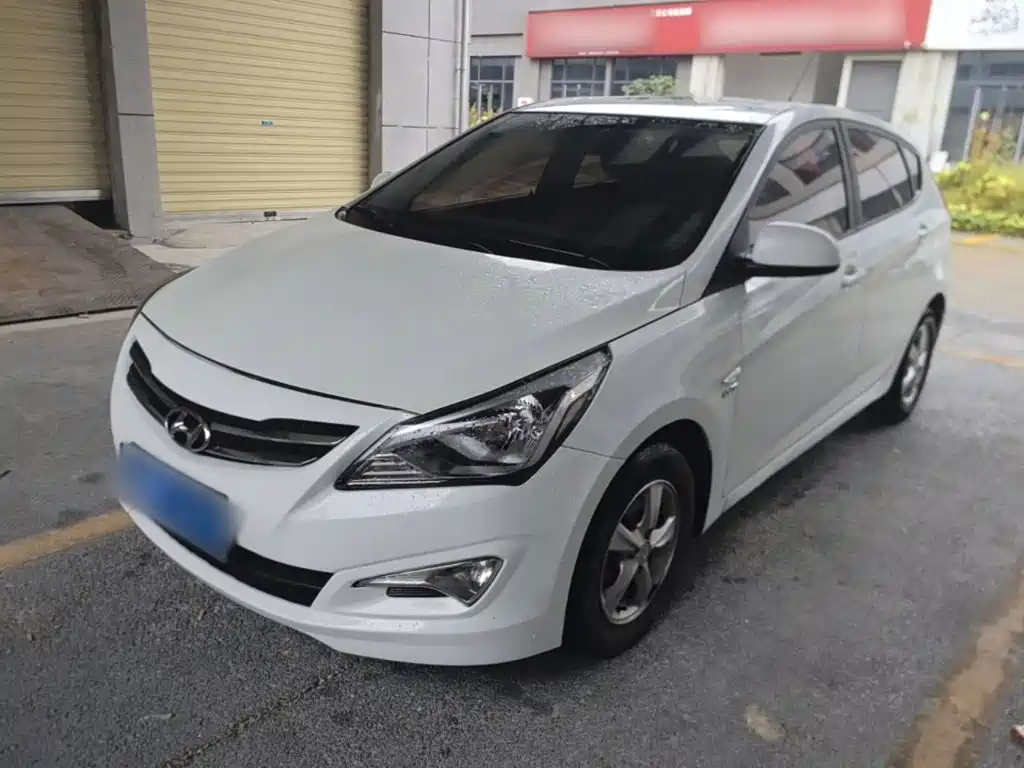
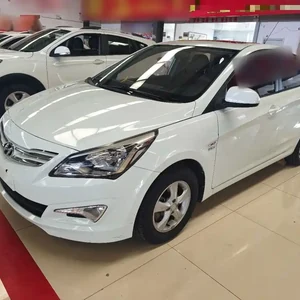
- The Reina is a petrol-powered subcompact hatchback built around economical urban use.
- The lineup spans 1.4L and 1.6L petrol engines, with manual and automatic options depending on trim.
- The 1.4L GLX choices suit buyers prioritizing purchase simplicity, while the 1.6L automatic TOP targets buyers wanting more refinement.
- Live listings are the source for current per-unit prices, MOQ and availability, not a fixed model-wide rate.
- Chinese-origin examples are commonly left-hand drive, so steering-side and destination-market compliance checks should happen early.
- The commercial case depends on landed cost, parts support and resale prospects as much as the vehicle price.
Why the Hyundai Reina matters for export markets
The Hyundai Reina sits in the subcompact hatchback segment, where buyers prioritize easy urban maneuverability, low operating cost and straightforward loading over SUV presence or long-distance refinement. For overseas dealers, that positioning makes it potentially useful for city-entry retail programs, small rental fleets and supplementary stock categories. Its practical appeal is strongest where dense traffic, narrow streets and tight parking spaces make a larger vehicle inconvenient. The model's long-established Chinese-market identity also gives buyers a defined model to compare, although its commercial success in a destination still depends on local rules and aftersales support. Importers should assess it as a market-specific product, not a globally interchangeable model.
Global demand for the Reina is not simply a matter of copying Chinese retail demand. Export success depends on whether a small hatchback fills a clear gap between the cheapest imported cars and better-equipped B-segment models. For a distributor, that means comparing the Reina with locally popular city cars on fuel use, cabin space, safety equipment, spare-parts access, resale expectations and dealer service costs. A vehicle can be inexpensive to acquire yet costly to support if it lacks familiarity among technicians and owners. Local acceptance must be tested before scale.
The strongest export case is therefore a disciplined fit assessment rather than a volume assumption. Dealers in markets with compact-car demand can test demand with carefully selected units, while fleet buyers can focus on duty cycles and total cost. Importers should verify that the destination recognizes the model and that the vehicle can be homologated before committing to a meaningful order. This approach turns the Reina from a catalogue item into a commercially supportable product. It also gives suppliers a precise brief for trim, transmission, condition and documentation, reducing the risk that attractive headline specifications do not match the destination market.
- Designed around urban efficiency and access
- Local support determines the export case
- Confirm homologation before scaling orders
Model range, trims and powertrain variants: how the lineup is structured and how to choose
The export-relevant Reina lineup is organized around two petrol engine sizes and three practical trim/transmission combinations. The 1.4L appears with a manual or automatic gearbox, while the 1.6L is paired with an automatic in the TOP grade. This structure gives buyers a simple decision tree: prioritize lower mechanical complexity and purchase cost, or select the larger engine and higher equipment level for a more refined specification. Exact equipment should be confirmed from the individual vehicle. Trim names alone do not describe every feature. Confirm features on each unit by VIN.
For the 1.4L, choosing between manual GLX and automatic GLX is primarily an operating and driver-use decision. A manual can suit drivers comfortable with a gear lever and may offer a simpler specification, while an automatic reduces stop-start workload and may suit fleets with varied driver experience. Neither choice proves cheaper in every market because fuel consumption, insurance, maintenance and resale conventions differ. Compare the complete landed cost and likely utilization rather than choosing from gearbox type alone. Local driving habits and traffic conditions should also shape the final decision.
The 1.6L automatic TOP is the more upmarket expression of the range. It can make sense where buyers want additional engine capacity, smoother urban driving and a higher-grade presentation, particularly if the price difference is modest relative to expected ownership costs. It may be less attractive when fleet budgets are tight and vehicles will cover modest urban mileage. Ask the seller for a trim-by-trim equipment sheet, confirm availability of parts and compare insurance and registration categories before choosing. Local resale evidence should complete that assessment before committing capital to inventory.
- 1.4L GLX: manual or automatic
- 1.6L TOP: automatic and higher-grade
- Choose by utilization and ownership cost
New vs used Hyundai Reina: how export inventory is structured and how buyers choose
The export inventory structure represented for the Reina consists of new vehicles, while used Reina sourcing is a separate channel rather than an equivalent alternative within the same live category. This distinction matters because a new-car transaction is primarily a specification, condition and delivery exercise, whereas a used vehicle adds wear history, ownership evidence, repairs and residual-value uncertainty. Buyers should establish which category they need before comparing quotations, because the basis of the offer will differ. Each vehicle still needs individual verification before funds are committed to the vehicle.
For a new Hyundai Reina, the commercial advantages are a defined factory configuration, lower wear-related uncertainty and easier presentation for first-time owners or fleet customers. These benefits do not eliminate pre-delivery checks. Buyers should still inspect panel finish, tyres, underbody condition, production consistency and the matching of VIN details to the trim name. They should also confirm whether the advertised specification includes equipment relevant to the destination, because a domestic-market configuration may not match overseas expectations. Written delivery standards should resolve any ambiguity before the balance payment is released.
A used Reina can make sense for a buyer seeking a lower purchase outlay, a particular color, a scarce transmission choice or an established model-year package. However, unit history becomes essential: service records, odometer consistency, accident evidence, engine and transmission condition, and the availability of original parts should all affect the decision. Treat a used vehicle as an individual asset rather than a standardized container line, and budget for immediate maintenance where inspection findings are uncertain. A pre-purchase inspection is more important than the seller's summary or generic listing language.
- New inventory is specification-led
- Used sourcing requires asset-level inspection
- Normalize condition before comparing offers
How export pricing works: the factors behind a live listing price, and how to read one
A live export price is the result of several commercial variables rather than a fixed model-wide rate. Production year, trim, engine, gearbox, mileage, condition, ownership history, exchange-rate movement and supplier negotiation can all affect the vehicle quotation. Market demand also influences the seller's position, particularly when a requested configuration is scarce. Because the Reina range includes materially different 1.4L and 1.6L automatic variants, comparing only by model name can produce a misleading impression. Individual listings provide the more useful reference for the exact unit under consideration today and current terms.
The quote should also be read for scope. Some sellers present the vehicle price with export handling, documentation, inland transport, port charges, insurance or freight treated separately. The Incoterm defines where responsibility passes, while the destination's duty, tax, registration and compliance costs sit outside many vehicle prices. Ask whether the displayed amount is FOB, CIF or another basis, and request an itemized written quotation so that the buyer can compare like with like. Name every excluded charge explicitly in the negotiated sales contract so omissions are visible before shipment.
Buyers should use live Hyundai Reina listings as the source for current per-unit numbers and minimum order quantities, not an old saved quotation or a headline model price. For each candidate, compare the VIN or SKU, exact trim, gearbox, production year, condition, photographs and stated shipping basis. If two listings look different, ask the supplier to explain the variance rather than assuming the lower figure is a better deal. Exchange rates and freight can change the final landed budget even when the vehicle quote remains unchanged. Preserve the written quotation.
- Compare trim, gearbox, year and condition
- Clarify Incoterm and excluded charges
- Use live listings for current terms
MOQ, ordering and payment: single units vs consolidating a container
MOQ is a commercial term describing the smallest quantity a seller will accept for a stated configuration and price, not a universal property of the Hyundai Reina. The relevant quantity must be checked on each live listing because the seller may treat a standard unit differently from a special order, mixed container or multiple-model shipment. A request for one vehicle does not guarantee the same terms as a bulk order. Always obtain the MOQ in writing for the exact SKU before arranging payment. Confirm whether quantity discounts alter the terms.
Buying one unit gives a buyer a low-commitment way to test market demand, validate compliance and observe the sales process. Consolidating several vehicles can improve freight utilization and give an importer more negotiating leverage, but it also concentrates capital in one model and market. Before building a container, compare realistic sell-through and holding costs, not just the apparent saving per vehicle. A mixed shipment may reduce model risk, subject to the supplier's loading and documentation rules. Keep the pilot's learning separate from the bulk assumptions used in the business plan.
The normal sequence is specification confirmation, quotation, MOQ and payment terms, production or vehicle inspection, balance settlement, export documents, booking, freight and delivery. Deposit requirements, inspection thresholds and balance triggers should be defined in the contract rather than assumed from a marketplace listing. For a single unit, the buyer should identify the named vehicle early and prevent the supplier from substituting an equivalent trim without approval. For a wholesale group order, use a written allocation list and a clear procedure for substitutions, damage claims and discrepancies. Retain signed records in both cases.
- Confirm MOQ against the exact SKU
- Single-unit purchases reduce market risk
- Container orders need written allocation rules
Shipping, homologation and market compliance caveats: LHD/RHD and import rules by country
Shipping cost and transit time for a Reina depend on the vehicle's dimensions and weight, selected container or RoRo option, origin and destination ports, carrier space, season, fuel surcharges, insurance, customs handling and inland delivery. Because compact hatchbacks can fit different transport configurations, obtain a booking based on the actual vehicle measurements rather than an assumed packing plan. The unit's condition also matters for securement and protection. Freight quotations should state the route, charge basis, free-time limits and what documentation is required. Compare the total door-to-door scope with inland delivery.
Chinese-market examples are commonly supplied with left-hand drive, so buyers in right-hand-drive markets must raise the issue before ordering. A genuine right-hand-drive example is preferable where available; a steering-wheel conversion can alter usability, electronics, safety provisions and homologation status, and should not be assumed acceptable. Ask the seller to state the steering configuration and provide photographs of the dashboard and controls. The destination authority's rules, rather than the vehicle's origin, determine whether the car can be registered and operated legally. Obtain a written answer for each unit and retain it.
Import compliance is destination-specific and may involve VIN checks, customs valuation, emissions, noise, safety, cybersecurity, age restrictions, recalls, insurance, local taxes and type-approval rules. A Chinese-market trim name or an existing export certificate does not prove automatic approval in the destination country. Engage a customs broker or local compliance specialist before the final purchase, provide the VIN and equipment list early, and retain translated documents. Payment milestones should allow compliance issues to be resolved before non-refundable balances or freight commitments. Record every approval relied upon for the exact imported vehicle.
- Quote freight from actual vehicle dimensions
- Confirm steering side before ordering
- Verify destination rules before final payment
Who should buy the Reina — and who should pick a different vehicle
The Reina is a sensible candidate for overseas buyers whose core requirement is an economical subcompact hatchback for city use. It fits urban dealers seeking an accessible second model, local rental operations focused on short daily mileage and fleet managers replacing high-wear city cars. It can also broaden a dealer range without moving into larger vehicles. The business case is strongest where roads are paved, trips are modest, parking is constrained and the operator values a small footprint and straightforward loading over outright performance. Test it against the actual duty cycle.
It is less suitable for buyers who regularly carry large payloads, travel on poor roads, require seven seats or need a high-riding vehicle with greater ground clearance. Those requirements would point toward a compact MPV, crossover or pickup rather than the Reina. An EV-focused fleet should not choose it simply because it is inexpensive to import, since this lineup is petrol-powered and charging strategy is irrelevant to its operating economics. Buyers needing extensive long-distance comfort may also prefer a larger segment model. Fuel flexibility should not be confused with fuel availability.
The final decision should compare total cost of ownership and supportability, not just the purchase quote. Include expected fuel use, insurance class, tyres, servicing intervals, parts lead times, technician familiarity and likely resale. Test-drive if possible and inspect the actual vehicle before shipment. For fleet use, set a minimum service and condition standard across units. For dealer use, check whether local consumers understand the model's size and positioning. Where those checks are favorable, the Reina can be a focused urban product rather than a generic low-cost import. Record the assumptions behind approval.
- Strong fit for urban and short-mileage use
- Weak fit for heavy loads or rough terrain
- Evaluate support and resale before scaling
Main rivals and how the Reina compares
The closest functional comparisons begin with the Honda Fit/Jazz, a similarly practical small hatchback with a strong reputation for usable interior space and flexible cargo arrangements. Depending on the destination, it may enjoy better brand recognition and broader aftersales familiarity, which can reduce parts and resale risk. The Reina's relative appeal may lie in a different sourcing proposition, but an importer should compare the exact specification rather than assume the domestic-market model has an automatic cost advantage. Local support deserves equal weight in the destination market throughout the ownership cycle.
The Toyota Yaris is another relevant rival because it is a globally established compact car with a broad service footprint in many markets. That can make it easier for dealers to support and resell even when its acquisition route differs from China. The Hyundai may offer a more compact urban package or a different vehicle-history proposition, but Yaris familiarity can be decisive for conservative buyers. Compare parts catalogs, warranty handling, body dimensions and local fuel-economy expectations. Include dealer training and workshop familiarity when choosing an import programme for each market.
The Kia Picanto occupies a similar city-car position and gives buyers another small-hatchback option, often with a straightforward ownership proposition in markets where Kia is established. The Reina may be more relevant to importers seeking a specific Chinese-market configuration, while Picanto availability could be simpler in some destinations. None of these rivals should be dismissed without a landed-cost comparison. The correct choice is the model whose dimensions, powertrain, service network, compliance path and resale prospects match the importing market, not simply the one with the lowest initial quote for that country.
- Honda Fit/Jazz: flexible small-hatchback alternative
- Toyota Yaris: service and resale familiarity
- Kia Picanto: direct urban-car alternative
Live Hyundai Reina export inventory
View all listings →Real units currently on ChinaCarDirect with per-unit asking prices and MOQ. Availability updates live from the catalogue.
How to buy a Hyundai Reina from China
-
1
Set the destination and use case
Name the destination country, expected road conditions, annual mileage and steering-side requirement. This filters unsuitable vehicles before the importer evaluates acquisition cost or freight.
-
2
Shortlist the exact configuration
Use the live inventory to compare trim, engine, gearbox, photographs, condition and unit identity. Treat each VIN or SKU as a separate candidate rather than relying on the model name alone.
-
3
Request identity and documents
Ask for the VIN, production year, equipment sheet, ownership details and available service or inspection records. The documents should match the trim and the condition described in the listing.
-
4
Build a compliant landed-cost sheet
Price the vehicle, freight, insurance, port charges, duty, taxes, registration and inland delivery separately. Have a customs broker or local specialist confirm the compliance route for the destination.
-
5
Confirm MOQ and sales terms
Obtain the MOQ, Incoterm, deposit, balance trigger, inspection threshold and refund or cancellation terms in writing. For a wholesale order, document allocations and substitution procedures.
-
6
Inspect before shipment
Approve the physical vehicle against its VIN, checking panels, tyres, underbody, fluids, mileage and option equipment. Prevent any trim or specification substitution without written approval.
-
7
Book freight, ship and clear
Confirm the packing method, route, insurance and export documents before the carrier booking. Track the vehicle through loading, customs clearance, delivery and local registration.
Reina vs rivals
| Honda Fit/Jazz | The Fit/Jazz is a strong alternative when interior versatility, usable cargo space and broad international recognition matter. The Reina may suit importers seeking a particular Chinese-market configuration, provided its landed economics and local support are competitive. |
|---|---|
| Toyota Yaris | The Yaris can offer greater dealer familiarity, easier workshop support and stronger resale confidence in markets with an established Toyota network. Choose the Reina when its compact specification and sourcing route provide a clearer commercial advantage for the intended buyer. |
| Kia Picanto | The Picanto is a direct small-city-car competitor and may be easier for some overseas dealers to source, support and resell locally. The Reina is more relevant when its 1.4L and 1.6L configurations meet a specific fleet, driving or dealer-range requirement. |
Frequently asked questions
How is Hyundai Reina export pricing determined?
Export pricing is unit-specific. Production year, trim, engine, gearbox, mileage or condition, ownership history, exchange rates, supplier terms, freight and the selected Incoterm can all change the amount. The live Hyundai Reina listings show the current per-unit quote and MOQ, so buyers should confirm the scope and request a written quotation before relying on the number.
Which engine and transmission options are available?
The relevant export trims are 1.4L Manual GLX, 1.4L Automatic GLX and 1.6L Automatic TOP. They use petrol engines, and the export range does not include a battery-electric Reina variant. Confirm the engine, transmission and equipment on the exact listing before ordering.
Should I buy a new or used Hyundai Reina?
New Reina vehicles provide a defined factory condition and are the category represented in the available export stock. Used sourcing is a separate route and requires unit-specific checks of service history, odometer consistency, accident evidence, wear and mechanical condition. Choose based on acquisition outlay versus condition certainty, not on a model-wide assumption.
How does MOQ work when ordering from China?
MOQ is set by the seller for the exact vehicle or configuration and may differ for standard stock, special orders and mixed shipments. It appears per listing in the live inventory and should be confirmed in the quotation and sales contract. One-unit purchases can test the market, while container buyers should secure written allocation, substitution and damage-claim terms.
What determines Reina shipping time and cost?
Shipping time and cost reflect actual dimensions and weight, transport mode, origin and destination ports, carrier capacity, season, fuel surcharges, insurance, customs handling and inland delivery. The route and Incoterm should be itemized, and the vehicle's packing plan should use measured specifications. Transit estimates are meaningful only once the carrier and booking are confirmed.
How are spare parts and after-sales support handled?
Parts support depends on the exact engine, transmission and trim, the supplier's parts ability and the destination's Hyundai service network. Ask for commonly replaced parts, electronic-component support and expected sourcing routes before ordering; a low purchase quote cannot offset poor parts availability. Do not assume every overseas Hyundai workshop will stock Reina-specific components.
Can I buy a right-hand-drive Hyundai Reina for export?
China-origin Reina examples are commonly left-hand drive, so right-hand-drive availability must be confirmed before ordering. A genuine RHD vehicle is preferable to a converted example where local rules permit it, and any conversion can affect usability and compliance. Require the seller to state the steering configuration and have the final setup checked by the destination authority or a qualified specialist.
How do I order a Hyundai Reina and request a quote?
Start with the live Hyundai Reina inventory, select the required trim, gearbox, condition and quantity, then send an RFQ with the destination, port, steering-side requirement and compliance questions. Ask for a written quotation covering vehicle scope, MOQ, payment milestones, inspection, documents, Incoterm and freight. Reserve only after the landed cost and registration route are clear.
Ready to source the Hyundai Reina?
Send ChinaCarDirect your destination, required trim, quantity and steering-side requirement for a current written export quotation.
Request a quote