
Hyundai Sonata Export Buying Guide for Overseas Buyers
Compare Hyundai Sonata trims, engines, export pricing, shipping and compliance, then choose the right new or used sedan for your overseas market.
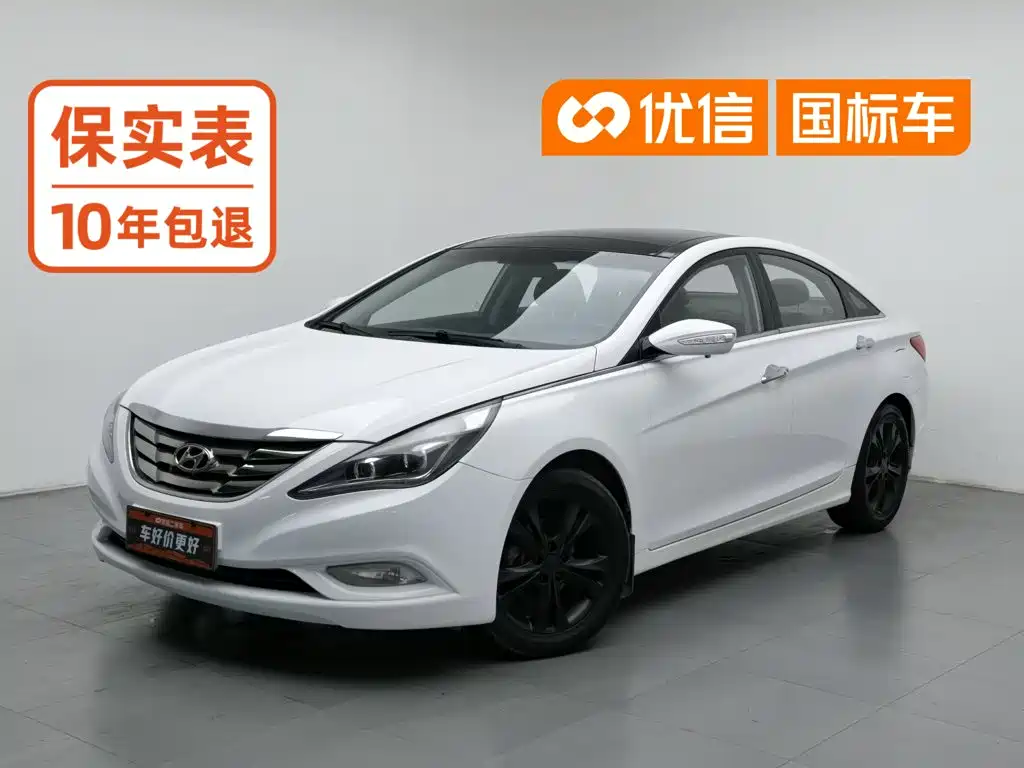
At a glance
- The Sonata is a practical mid-size petrol sedan suited to dealer, company-car and fleet programs where road presence and carrying capacity matter more than SUV ground clearance.
- Chinese-market trims span several petrol engine options, with conventional-automatic and DCT applications depending on year and specification.
- New units suit buyers prioritizing documented condition and current equipment; used units can offer broader year and trim choice subject to inspection.
- Export pricing is unit-specific and changes with year, trim, condition, exchange rates, freight and the agreed Incoterm.
- Confirm destination-market emissions, steering, roadworthiness, age and type-approval rules before committing; Chinese IV or V labels do not guarantee import eligibility.
- Single-unit sourcing is practical for test buys, while multi-vehicle orders require seller confirmation, consolidated documentation and coordinated container planning.
Why the Hyundai Sonata matters for export markets
The Hyundai Sonata sits in the established mid-size saloon segment, combining a conventional three-box layout with enough cabin and luggage space for executive, company-car and distributor use. For export buyers, its attraction is not novelty but familiarity: the model has a long-running global identity, and a large number of related vehicles have supported dealer familiarity, fleet planning and parts demand across many markets. That makes the Sonata easier to position to local customers than an obscure niche model, provided the imported specification is suitable for them and competitive in its class.
It is particularly relevant to buyers seeking a car one class above a compact sedan without moving into an SUV. The Chinese-market cars in this export category include multiple generations and equipment tiers, so the model can serve several missions: private importers can focus on ownership value, company buyers can specify an automatic petrol saloon, and resellers can match local tastes for a familiar badge and established body shape. Its appeal is strongest where paved-road use is the norm and buyers still value a low bonnet, predictable dimensions and comfortable enclosed body.
Global demand should not be confused with universal suitability. Market taste, fuel taxation, parts coverage, emissions law and newer local Sonata variants can materially change demand. A dealer in one country may accept a well-equipped Chinese specification, while another may prefer the latest factory version sold locally. Export decisions should start with destination demand rather than the size of the export pool: identify the customer, operating environment and competing models, then source the trim and condition supportable with parts, registration and credible resale expectations before funds are committed to any importing program.
- Global mid-size sedan familiarity.
- Multiple generations and trim levels.
- Local rules shape export viability.
Model range, trims and powertrain variants: how the lineup is structured and how to choose
The export lineup is organized around Chinese trim names and engine choices that do not always match overseas Hyundai nomenclature. Visible engine designations across the relevant model years include 1.5T, 1.6T, 2.0L, 2.0T, 2.4L, 270TGDi and 380TGDi. Some trim titles also carry China IV or China V, which are source-market emissions identifiers rather than a guarantee of destination-market approval. Because engine output, gearbox, equipment and emissions treatment can vary within the same broad model, treat every listing as a separate specification until its documents and physical vehicle have been checked.
Transmission choice matters to overseas buyers because the same engine can appear with a conventional multi-speed automatic or, in selected trims, a DCT. A conventional automatic is generally the easier choice for drivers accustomed to broad operating markets and frequent stop-start traffic; a DCT may deliver quicker shifts and can suit buyers who value response, but its behavior, maintenance assumptions and local support should be verified. For fleet use, prioritize a transmission that drivers already know, predictable fuel consumption and straightforward parts availability over the newest or most performance-oriented badge.
Choose in layers rather than treating the highest trim as automatically best. First match engine and transmission to the duty cycle, then identify whether the buyer values equipment, comfort, styling or performance. Names such as Luxury, Leading, Prestige, GLS, GLX, Fashion, Smart and Pro are Chinese-market descriptors; they do not map one-for-one to global Luxury, Signature or N Line grades. Request photographs of the dashboard, seats, wheels, lighting, infotainment and safety systems, then confirm whether advertised features are factory-fitted and operational rather than aftermarket additions or market-specific substitutions for the destination market.
- Engine choice depends on year.
- Automatic and DCT applications.
- Chinese grades lack direct equivalents.
New vs used Hyundai Sonata: how export inventory is structured and how buyers choose
The Chinese Sonata export channel combines new Chinese-specification cars with used examples from several generations. This matters because a dealer is not choosing between one factory configuration and a homogeneous used pool: the same model can appear with different engines, transmissions, equipment grades, documentation histories and degrees of wear. Newer cars generally concentrate current styling and equipment, while older cars make earlier designs, lower specification levels and established body shapes available. Organize the search by model year, engine, transmission and trim, not simply by whether a car is new or used.
A new vehicle is generally the lower-risk choice when the buyer needs a documented history, known delivery condition and predictable comparison between units. It is especially relevant to company fleets, newly established importers and launch programs that need cars to look and operate alike. The trade-off is that higher specification and newer design do not automatically translate into lower whole-life cost; fuel use, insurance, spare-parts pricing, finance and eventual resale must be assessed. Also, a new export car still requires destination registration and compliance rather than being exempt from local rules.
Used Sonata units can provide a more accessible entry point, access to older trims and wider specification choice, but the purchase becomes a condition assessment. Obtain the vehicle identification number, registration and ownership records, service history, odometer reading and photographs of the engine bay, underside, wheels, body panels and cabin. Inspect for accident repairs, fluid leaks, suspension wear, trim condition and working infotainment or safety equipment. A lower acquisition cost is valuable only if repair risk, parts support and resale uncertainty remain manageable after freight, taxes and compliance work are included.
- New units reduce condition risk.
- Used units broaden choice.
- Inspect VIN, history and repairs.
How export pricing works: the factors behind a live listing price, and how to read one
An export price is not a universal Sonata valuation; it results from unit-specific variables. Model year and generation establish the context, while trim, engine, transmission, mileage, condition, ownership history and visible equipment affect value. For a used car, paintwork, tyres, interior wear, mechanical condition and document credibility can separate two cars with similar names. Currency movements, sourcing costs and the seller’s terms also matter. A Hyundai Sonata export price guide should explain these variables, while the current amount for each vehicle comes from its live record and written quotation from the seller.
Read a live listing as a commercial screen, not the final landed cost. ChinaCarDirect’s live inventory record carries the current per-unit price, MOQ and availability. Check that the title matches the requested year, engine, transmission and edition; review photos for condition; ask whether the amount includes tax, export documentation, terminal handling and insurance; and confirm whether the price is tied to an Incoterm or only to the vehicle at origin. The SKU and unit reference matter because apparent duplicates can be separate vehicles or records. Ask the seller to confirm quote validity and price-change conditions before funds are transferred.
Build a landed-cost worksheet for the importer, even when the initial goal is to compare wholesale vehicles. Start with the live unit price, then add or isolate exchange-rate exposure, inland transport, export clearance, ocean or vehicle-carrier freight, marine insurance, destination port charges, customs duties, taxes and local registration. Dealer margin, warranty reserve and demurrage risk also belong in the model. Comparing final delivered cost per vehicle reveals whether a cheaper listed car is more expensive after repairs, compliance work or higher freight terms. Use current figures from the listing and forwarder, not an old market average.
- Condition drives unit value.
- Quotes need clear inclusions.
- Landed cost exceeds listing amount.
MOQ, ordering and payment: single units vs consolidating a container
MOQ is a commercial term attached to a seller and inventory record, so it should be checked rather than inferred from the model. For test purchases, a single-unit enquiry can be practical because many vehicle sellers quote case by case. Confirm the stated MOQ, whether the unit can be sold alone, the payment schedule and any restriction on combining it with other stock. One-unit availability is not the same as guaranteed immediate availability, and a model-level catalogue page cannot substitute for confirmation of the particular car before payment or shipping documents are produced.
Container consolidation changes the economics, but only if several compatible purchases are genuinely secured. Separate sellers may use different ports, release dates, document standards or inspection requirements, making a shared container impractical. Buyers normally need units of similar dimensions, acceptable condition and confirmed readiness within one loading window; a vehicle consolidator or freight forwarder can then advise whether grouping is feasible and who will assume responsibility at each handover. For wholesale programs, settle the purchase contract for every vehicle before treating the container as one shipment, because a delayed unit can create storage, demurrage and allocation problems for the others.
A safer sequence is to define the specification, verify the unit, obtain a written pro forma invoice, confirm the Incoterm, then pay under the agreed schedule with the balance tied to pre-shipment evidence. The agreement should state who arranges export clearance, which documents are included, how the vehicle is inspected, when title passes, and what happens if it does not match the description. Keep the listing identifier, SKU, photographs, contract and payment record together. A written RFQ request creates an auditable trail for both sides before any funds are transferred.
- Confirm each seller's MOQ.
- Consolidation needs timing compatibility.
- Tie payment to inspection.
Shipping, homologation and market compliance caveats: LHD/RHD and import rules by country
Steering configuration is the first physical check. Most Chinese-market vehicles are built for left-hand drive, while some destination markets principally use right-hand drive. Do not assume a listed Sonata can be registered as RHD simply because the model is sold there; verify the steering position and whether a genuine RHD example exists in live inventory. Mechanical conversion can affect safety, wiring, airbags, dashboards and approval, so it is not a routine conversion. If RHD is mandatory, source the correct configuration or use a market with the required version for import.
Import rules are country-specific and can include emissions standards, type approval, VIN checks, customs valuation, taxes, age limits for used vehicles, roadworthiness tests, insurance and local registration. European destinations may apply strict emissions and type-approval processes; Gulf and African markets may set age, condition or document rules; Latin American markets may combine VIN, tax, emissions and local conformity procedures. A China IV or China V trim label describes the source specification but does not prove destination acceptance. Obtain a written importability assessment from a local customs broker before paying non-refundable funds.
Shipping documents and condition control are equally important. Agree whether the seller or buyer handles export declaration, customs clearance, temporary permits, vehicle certificates, inspection, insurance and port delivery. Inspect and photograph the Sonata immediately before loading, recording the VIN, mileage, body condition, wheel positions and loose equipment. Clarify the route, container or vehicle-carrier method, loading date, destination charges and delivery terms. Customs or destination inspection can uncover discrepancies between the VIN, engine, documents and physical car. Allow a buffer because sailing schedules, port congestion, inspections and missing papers can change effective delivery.
- Most China examples are LHD.
- RHD needs direct confirmation.
- Rules vary by country.
Who should buy the Sonata — and who should pick a different vehicle
The Sonata is a strong candidate for an overseas dealer or importer that needs a conventional mid-size petrol sedan for company cars, executive transport, ride-hailing or mixed private fleets. It offers a recognizable badge, a practical enclosed body and a broad set of Chinese-market equipment choices. A buyer focused on value can consider an older automatic car with simple equipment, while a buyer wanting a newer image may prefer a recent turbocharged trim. The decision works best when the buyer can support the model locally through knowledgeable technicians, reasonably priced parts and a clear maintenance program for long-term ownership.
It is less suitable for buyers who need SUV ground clearance, commercial payload, heavy-duty towing, rugged off-road travel or the low running costs and regulatory profile of an electric vehicle. A sedan may be inconvenient where roads, parking spaces or fuel affordability are constraints. Used-car buyers with limited inspection capability should pause unless an independent inspection and clear return terms are available. Buyers requiring a hybrid system, a safety package or a domestic model with warranty support should compare alternatives rather than assume every overseas-market Sonata has the same equipment.
For a fleet decision, build the business case around utilization, fuel consumption, downtime and residual value rather than badge appeal. A sedan that fits the company image, fuel network and service intervals can be economical, especially when procurement teams value predictable maintenance. Test a small mixed group before scaling, comparing actual driver feedback with another mainstream saloon. For dealers, model diversity may help: the Sonata can complement an SUV-heavy range, but only if spare-parts sourcing, residual-value confidence and local homologation are resolved before inventory is committed rather than treated as an untested volume assumption.
- Strong for fleets and dealers.
- Weak for rough roads or EVs.
- Pilot before scaling.
Main rivals and how the Sonata compares
The Toyota Camry is one of the closest alternatives. It competes for the same family-sedan buyer, and its global reputation for fuel efficiency and broad market familiarity can make it easier to resell where the latest local hybrid is established. The Sonata may present a different equipment profile and a more attractive Chinese-spec sourcing route, but its exact engine, condition and local support must be compared directly. A Camry is preferable when hybrid availability, established residual values or a stronger local service network outweigh those sourcing advantages for the buyer.
The Honda Accord is another direct competitor, with a similar balance of cabin space, road manners and executive-sedan positioning. It can appeal to buyers who place greater emphasis on driver engagement, while the Sonata’s Chinese-market specifications may offer a broader visible-equipment proposition at import. Neither name removes the need to check destination-market parts, safety and homologation. Choose the Accord when its local powertrain, pricing and dealer support better fit the customer; choose the Sonata when the sourced unit and its equipment create the stronger ownership proposition after landed cost is compared.
The Volkswagen Passat is a credible rival for buyers who prioritize a conservative design, spacious cabin and, in some markets, a choice of body styles or diesel options. It can suit traditional business customers, although the exact Passat variant sold locally may differ from the Chinese comparison set and service support can vary by country. The Sonata’s relative strengths are its familiar Hyundai identity, wide Chinese trim availability and a straightforward mid-size saloon format. The final choice should reflect delivered cost, homologation, fuel use, parts, warranty and residual demand rather than trim badges alone.
- Camry: global familiarity.
- Accord: driver focus.
- Passat: business comfort.
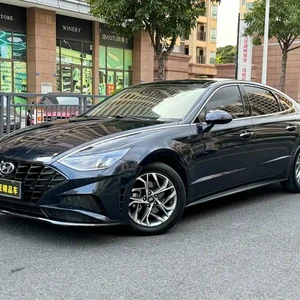
Live Hyundai Sonata export inventory
View all listings →Real units currently on ChinaCarDirect with per-unit asking prices and MOQ. Availability updates live from the catalogue.
How to buy a Hyundai Sonata from China
-
1
Define the destination specification
Write down the required engine, transmission, steering side, seating, emissions treatment and intended operating environment. Separate mandatory import rules from preferred trim equipment.
-
2
Search the live inventory
Use the Hyundai Sonata listings to search by year, engine, transmission, condition and body type. Record each listing reference and compare the title against the photos.
-
3
Verify the selected unit
Request the VIN, mileage, ownership documents, equipment list and clear photographs of the exterior, cabin, engine bay and underside. Confirm that the physical vehicle matches its description.
-
4
Arrange an independent inspection
Use a qualified inspector for used vehicles and a pre-shipment inspection for the selected unit. Check accident repairs, fluid leaks, tyre condition, suspension wear and operational safety equipment.
-
5
Obtain a written quotation
Ask for a unit-specific quote confirming the price, MOQ, availability, included documents, payment schedule and Incoterm. Ensure the quote references the exact listing or vehicle.
-
6
Complete the purchase contract
Agree inspection standards, title transfer, refund conditions and document responsibilities in writing. Tie the final payment to the agreed pre-shipment evidence rather than only to the order confirmation.
-
7
Coordinate shipping and clearance
Work with a freight forwarder or vehicle consolidator on loading, insurance, export documents and destination charges. Confirm destination importability before the vehicle departs.
Sonata vs rivals
| Toyota Camry | The Camry is a close family-sedan rival with stronger global recognition and well-established local hybrid options in many markets. The Sonata may offer a more attractive Chinese-spec sourcing route and a different equipment profile, but the better choice depends on hybrid availability, parts support and local residual demand. |
|---|---|
| Honda Accord | The Accord competes directly through its cabin space, executive-sedan positioning and driver-focused appeal. The Sonata is attractive where a sourced Chinese specification provides stronger equipment value, after delivered cost, safety approval and local service coverage are compared. |
| Volkswagen Passat | The Passat is a conservative business-sedan alternative with a spacious cabin and market-dependent body or diesel choices. The Sonata is the stronger fit for buyers seeking a familiar Hyundai saloon and broad Chinese trim availability, provided local homologation and parts support are secure. |
Frequently asked questions
How is Hyundai Sonata export pricing determined?
The live quote is influenced by model year, trim, engine and transmission, mileage, condition, ownership history, exchange rates, freight and the agreed Incoterm. ChinaCarDirect’s live inventory shows the current per-unit price, MOQ and availability, which should be treated as the starting commercial reference. Ask for a written quote and confirm whether destination taxes, port charges and insurance are included.
Which Hyundai Sonata engine and powertrain options are available?
The referenced export cars are petrol-powered rather than electric vehicles. Engine designations across the relevant years include 1.5T, 1.6T, 2.0L, 2.0T, 2.4L, 270TGDi and 380TGDi, with conventional automatic or DCT applications depending on the unit. Confirm the engine code, output, gearbox, emissions designation and equipment because the trim names cover several generations.
Should an overseas buyer choose a new or used Hyundai Sonata?
A new car generally reduces uncertainty about condition, provenance and differences between fleet units. A used Sonata may provide a more accessible acquisition route or access to older trims, but it requires document checks, an independent inspection and an allowance for repair and resale risk. Compare total delivered ownership cost rather than vehicle acquisition cost alone.
What is the MOQ for a Hyundai Sonata order?
MOQ is determined by the seller and the individual inventory record, not solely by the model name. Single-unit enquiries are often practical for test purchases, but the buyer should confirm the stated MOQ, unit availability and whether separate cars can be combined before paying. The current terms should be visible in the live listing and confirmed in the written RFQ response.
How long does shipping take and what affects the cost?
There is no fixed transit time because the route, vessel schedule, port congestion, inspections, paperwork and inland delivery can all change the effective duration. Freight cost is influenced by the transport method, vehicle dimensions, booking availability, insurance, fuel surcharges, origin handling and destination charges. Obtain a forwarder quotation using the selected vehicle’s exact dimensions and agreed Incoterm.
Can spare parts be ordered for an imported Sonata?
Parts should generally be ordered using the VIN and exact trim or engine designation, especially where Chinese and overseas model names differ. Common service items may be easier to source than electronic modules, body parts or trim-specific components, so confirm availability before importing the vehicle. A local Hyundai dealer or knowledgeable specialist can also establish whether aftermarket alternatives are supportable.
Is a right-hand-drive Hyundai Sonata available from China?
Most China-market examples are left-hand drive, while genuine RHD availability is limited and must be checked in the live inventory. A steering conversion is not equivalent to a factory RHD car and can affect safety, wiring, airbags and homologation. If RHD is mandatory, purchase the correct configuration or source through a market that supplies it.
How do I order a Hyundai Sonata from China?
First define the destination requirements, then select a specific live listing and verify its documents, condition and exact specification. Request a written quotation, agree the Incoterm and payment schedule, complete the purchase contract and arrange pre-shipment inspection. A freight forwarder can then coordinate export clearance, loading, insurance and destination delivery.
Ready to source the Hyundai Sonata?
Request a unit-specific Hyundai Sonata quotation through ChinaCarDirect and confirm the current price, MOQ, condition and shipping terms before ordering.
Request a quote