
Hyundai Veloster Export Guide for Overseas Dealers and Buyers
Buy a Hyundai Veloster from China with confidence: compare trims, engine options, pricing factors, MOQ, shipping, compliance and rivals for importers.
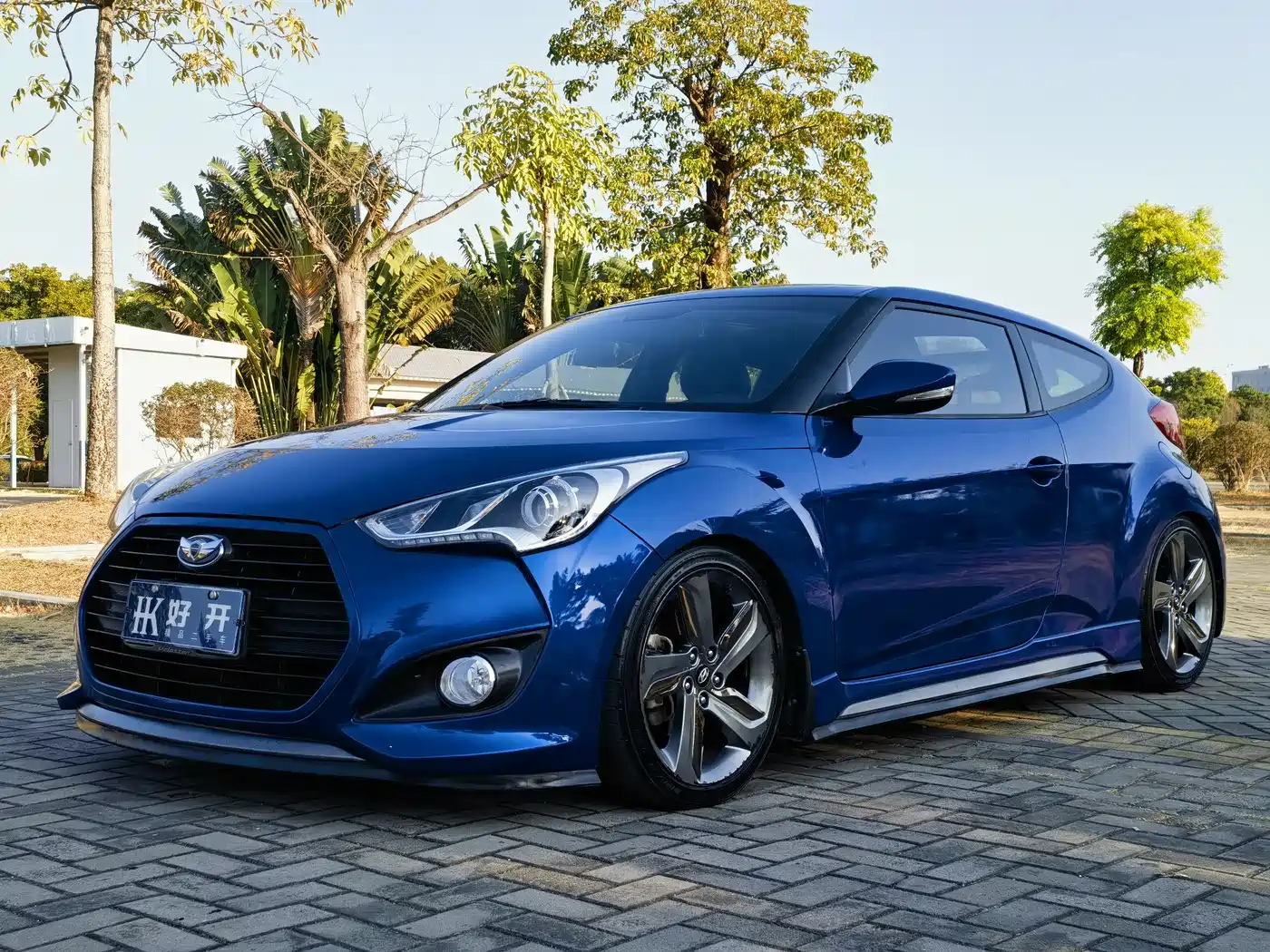
At a glance
- The Veloster is a five-door compact hatchback with coupe-inspired styling and a usable rear hatch.
- The export range represented includes 1.6-litre naturally aspirated or turbocharged gasoline engines with automatic transmissions.
- New cars offer the most predictable condition, while used cars can suit buyers seeking a distinctive model with documented history.
- Vehicle price, freight, duty and currency movements must be assessed separately when calculating landed cost.
- MOQ, steering configuration, homologation and local parts support are as important as trim choice.
- Check each live Veloster listing for its current price, MOQ and vehicle-specific details.
Why the Hyundai Veloster matters for export markets
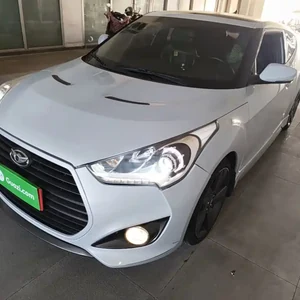
The Hyundai Veloster is a compact hatchback built around a distinctive coupe-style body: four passenger doors, a rear hatch and a sloping roofline that makes it look more like a two-door sports car. It is not a mass-market family hatchback, but that visual identity gives it a clear role in export markets where design-conscious private buyers, niche dealers and promotional fleets value individuality alongside the practicality of a five-door layout. Its appeal is strongest where the source market already has a developed used-car trade and buyers can compare condition, service history and imported-equipment differences before purchase.
Compared with conventional five-door hatchbacks, the Veloster's rear-door arrangement changes access and packaging rather than basic cargo capacity. The front doors open normally, the concealed rear-hinged passenger door simplifies entry for rear-seat occupants, and the hatch supports everyday carrying. Export buyers should nevertheless test luggage capacity with rear seats occupied, because the sloping profile and sporty seating can reduce practical room compared with an upright family hatchback. For fleet use, that trade-off matters more than the visual appeal: a driver may accept a design-led car that rear passengers find less accommodating than a conventional five-door.
For overseas buyers sourcing a Hyundai Veloster from China, the strongest advantages are accessible used-car sourcing and a specification mix centered on compact automatic gasoline models. It can suit buyers seeking a recognisable, less ordinary compact car without moving to a larger performance hatch. The main diligence issue is market fit: steering configuration, emissions approval, parts support, registration rules and residual demand can vary sharply, so a model that is attractive in one country may be difficult to place in another. Do not treat appearance as a substitute for destination-market approval, or as proof that parts and servicing will be straightforward.
- Distinctive coupe-style five-door hatchback format.
- Compact automatic gasoline range for export buyers.
- Destination-market approval remains the central risk.
Model range, trims and powertrain variants: how the lineup is structured and how to choose
The Veloster range represented in export listings is structured around two 1.6-litre gasoline choices: a naturally aspirated engine and a turbocharged version commonly designated 1.6T. Both are paired with an automatic transmission. This matters because there is no battery, charging specification or electric range to compare; selection should instead focus on engine character, gearbox behavior, fuel requirements, condition and the equipment included with each car. A live listing, supported by the VIN-linked vehicle file, should remain the final source for the exact powertrain, factory options and any aftermarket changes made before export.
Trim names such as Luxury, Flagship and Prestige identify market-specific equipment packages, but they do not create a universal global hierarchy. On a first-generation Veloster, the same broad badge can be associated with different option sets across production years and source markets. Buyers should therefore compare individual items—upholstery, infotainment, climate control, lighting, wheels, safety equipment and service history—rather than assuming a Prestige car is automatically equipped like a Prestige sold elsewhere. The VIN-linked build record and physical inspection are the best evidence where available for the exact vehicle being considered.
For an overseas buyer, the naturally aspirated 1.6L is the simpler conventional choice, while the 1.6T generally suits buyers who prefer stronger performance and higher equipment levels. Output figures are not supplied with every listing, so do not quote them from memory; verify the engine designation, output and any modifications against the vehicle file. Front-wheel drive and an automatic gearbox simplify the core layout, but wheel size, tyre cost, insurance class and fuel use can still alter ownership economics. For fleet procurement, standardising on one powertrain often makes servicing and driver familiarisation easier.
- Compare 1.6L and 1.6T applications.
- Trim labels differ by year and market.
- Verify equipment against the VIN-linked file.
New vs used Hyundai Veloster: how export inventory is structured and how buyers choose
Export inventory may contain both unused vehicles and previously registered cars, and the right comparison depends on total delivered cost rather than the label alone. A new example may offer lower initial wear, current warranty coverage and more predictable condition. It can also carry a higher acquisition cost, while availability may be narrower for a particular colour, trim or production specification. Always verify what “new” means in the seller's records: confirm production date, delivery status, mileage and any registration in writing before paying a deposit and obtain dated supporting photographs.
A used Veloster can be the more practical export purchase when the goal is a distinctive compact car at a lower depreciation exposure. The relevant unit is not simply the lowest asking price: compare mileage, service records, tyres, brake condition, accident repair, paint, interior wear and the condition of the panoramic roof or other model-specific equipment. An older, well-maintained car with transparent documents may be easier to justify than a superficially cleaner vehicle with incomplete history. Ask for dated photographs and an independent inspection, and verify that the repair record explains any unusual panel gaps or paint variation.
New-versus-used decisions should also account for warranty portability, registration status and the importer's treatment of age or emissions. A dealer may prefer a lightly used example that can be re-marketed immediately, while a private buyer may prioritise remaining factory protection or a specific model year. Neither status guarantees suitability. The decisive evidence is the VIN, title or ownership documents, inspection results and confirmation that the exact vehicle can lawfully enter and be registered in the destination country. That verification belongs before shipping, not after arrival, and before final payment is released.
- Compare condition, mileage and repair history.
- Confirm warranty and registration status.
- Inspect before paying a balance.
How export pricing works: the factors behind a live listing price, and how to read one
A Hyundai Veloster export price is not one fixed number. The vehicle price moves with production year, exact trim, engine choice, mileage, condition, options, ownership evidence and the seller's commercial terms. Currency exchange affects the quoted amount, while freight, insurance, handling, documentation and import charges determine the landed cost. For an export price guide, separate these layers rather than comparing one seller's delivered total with another seller's vehicle-only figure. Check the listing to identify what its stated price includes or leaves ambiguous, rather than relying on a general market estimate.
For used cars, condition is the largest practical variable beyond year and trim. A low-mileage example with complete service records, original wheels and no disclosed structural damage can command more than an older car needing tyres, suspension work or cosmetic correction. Conversely, cosmetic blemishes should not automatically dominate the decision if the engine, transmission, structure and paperwork are sound. Compare equivalent cars and ask each seller to disclose faults, repairs and replacement parts. A vehicle-history report supports the inspection but does not replace one or seller declarations in the file.
The most reliable comparison is a like-for-like landed quotation using the same destination, Incoterm and inspection standard. Confirm whether the quoted price covers the vehicle only, export preparation, inland transport, port handling or ocean freight, and whether customs duty, taxes and registration are excluded. Ask for validity dates and the currency, then record what changes if the exchange rate, sailing schedule or inspection result moves. Current binding figures should always be checked on each live ChinaCarDirect listing. An RFQ is useful when several cars must be normalised into one comparison.
- Separate vehicle, freight and landed costs.
- Compare equivalent vehicles and equipment.
- Check quote validity, currency and Incoterm.
MOQ, ordering and payment: single units vs consolidating a container
MOQ is a commercial condition, so read it on the specific listing rather than assume it from the model or from a generic wholesale policy. Some sellers may accept one vehicle, while others set a batch requirement or restrict mixed orders. One-unit purchasing gives an importer or dealer the easiest way to test demand, assess parts support and learn the destination's compliance process before committing to a larger programme. It may, however, leave the buyer paying less favourable unit freight than a consolidated shipment. Ask the supplier to state the MOQ in writing for the quoted configuration.
Container consolidation can improve freight planning when several Velosters share a destination and comparable specifications. Buyers can ask the supplier, freight forwarder or platform RFQ team to combine compatible units, but they remain responsible for the condition, documents and handover of every vehicle. Check who is the exporter of record, who owns the cargo at each stage, how insurance is allocated and whether one payment covers all units. Mixed-year or mixed-condition loads should be clearly separated in the inventory list. Do not assume consolidation automatically reduces the all-in cost at destination.
The normal ordering sequence is enquiry, specification confirmation, inspection, written quotation, pro forma invoice, deposit, vehicle handover, balance payment against agreed documents and dispatch. Payment terms should define the deposit percentage, balance trigger, acceptable payment method, beneficiary identity, cancellation conditions and refund treatment if inspection or shipping documents fail. Buyers should check sanctions, fraud controls and payment protection, and should release funds only against verifiable vehicle and shipping records. A clear dispute process is more important than a small headline discount for cross-border deals and should be set out in writing.
- Read MOQ on every live listing.
- Request a pro forma invoice.
- Define payment and refund triggers.
Shipping, homologation and market compliance caveats: LHD/RHD and import rules by country
Vehicle shipping usually means specialist roll-on/roll-off carriage or container transport, although the best route depends on origin, destination, urgency and consolidation. The booking quote is affected by vehicle dimensions, secured loading space, port charges, inland haulage, insurance, fuel surcharges, congestion and available sailings. Export preparation may also involve cleaning, fluid checks, securing loose items or disconnecting electrical components where the manufacturer or carrier requires it. Confirm whether these services are included rather than assuming the booking covers everything. Container stuffing plans should follow the actual vehicle dimensions and loading sequence for the carrier.
Steering side is a critical selection point. The Veloster is easier to source in left-hand-drive form, while right-hand-drive demand is more selective; some examples may be converted, but conversion quality and local approval cannot be assumed. Buyers must confirm the actual steering configuration from photographs and the VIN before ordering. If the intended market expects RHD, also check whether imported used vehicles are permitted and whether aftermarket conversion affects registration, insurance or resale. Never order on the basis of an ambiguous listing photograph, seller location, export-market assumption or generic model imagery.
Import rules are country-specific and can include age limits, emissions standards, safety requirements, VIN verification, customs valuation, duty, taxes, inspection and type approval. A clean title in the source country does not guarantee admission elsewhere. Buyers should obtain a destination-specific compliance check before committing, especially for used cars, and match the VIN on the purchase documents to the unit loaded. Where a pre-clearance process is available, use it to reduce the risk of arrival without approval. Budget also for port storage or demurrage if paperwork is delayed or is rejected.
- Confirm steering side from the VIN.
- Check destination-specific import rules.
- Match documents to the loaded vehicle.
Who should buy the Veloster — and who should pick a different vehicle
The Veloster is a strong fit for a design-conscious private buyer, a dealer seeking a differentiated used-car listing or a small promotional fleet that values its unconventional appearance. Its front-wheel-drive layout, automatic transmission and compact footprint make it straightforward to drive and easier to place in mainstream urban settings than a niche sports car. It also gives a buyer the practicality of a hatch while standing apart visually from ordinary family hatchbacks. For fleets, however, total cost and resale support matter more than styling alone and must be tested locally.
It is less suitable for buyers whose priorities are maximum rear-seat room, a large boot, seven-seat flexibility, electric running costs, emissions-zero operation or off-road ability. Families needing frequent bulky-load transport may prefer a conventional estate or compact MPV. Performance-oriented buyers may find the first-generation Veloster less compelling than a dedicated hot hatch, while markets with restricted used-car imports or limited RHD supply may not justify the cross-border effort. A test drive should include rear-seat access, not only the driver's seat, and should check luggage-loading properly with passengers and bags aboard.
The best decision is based on a total-cost worksheet: acquisition, compliance modification, freight, duty, insurance, fuel, servicing, tyre and parts costs, expected residual value and the time needed to sell or place the vehicle. If the destination has a narrow choice of similar cars, the Veloster's unusual styling may support faster interest; if buyers see it as an ordinary used hatch, that benefit may disappear. Test local demand with one carefully selected vehicle before scaling. The distinctive design is an asset only when the target market recognises it as a differentiator.
- Best for design-led private and niche buyers.
- Less suitable for heavy cargo or electric needs.
- Test local demand before scaling.
Main rivals and how the Veloster compares
The closest internal-family alternative is the Hyundai i30, a conventional five-door hatchback that offers a more upright cabin, easier rear access and typically broader familiarity with parts and servicing. The Kia cee'd is another direct compact-hatch comparison, with a similar practical format and a broad trim history in many markets. Buyers prioritising family usability may prefer either model, while the Veloster wins when distinctive coupe-inspired styling is central to the vehicle's appeal. Availability and local residual values still need to be checked for the destination market and target customer base.
The Volkswagen Golf is the benchmark rival for perceived refinement, packaging and resale in many markets, although the comparison depends heavily on age, specification and condition. It may suit buyers who want a more conservative premium image or stronger familiarity with the model. The Veloster offers a more expressive design and, in some used markets, a different value proposition. Conversely, the Golf's established demand can reduce placement risk where the Veloster has only a niche following. Do not assume similar age and mileage produce similar running costs across the two cars.
Compare rivals on exactly the same basis: body practicality, engine and transmission, equipment, safety and emissions compliance, parts access, wheel and tyre costs, fuel use, insurance, warranty history and likely resale. The Veloster is most persuasive to a buyer who values visual identity and front-wheel-drive simplicity; the i30 and cee'd serve more conventional hatch needs, while the Golf is the stronger benchmark for conservative quality and established market recognition. Local availability should decide among them. A shortlist based only on badges misses the practical differences and ownership risks for buyers.
- i30 and cee'd prioritise conventional hatch practicality.
- Golf leads on refinement and market familiarity.
- Veloster stands apart through design identity.
Live Hyundai Veloster export inventory
View all listings →Real units currently on ChinaCarDirect with per-unit asking prices and MOQ. Availability updates live from the catalogue.
How to buy a Hyundai Veloster from China
-
1
Set the destination requirements
Define the destination country, required steering side, fuel and emissions rules, preferred model year, engine, trim and acceptable condition. Include local registration and resale constraints before shortlisting vehicles.
-
2
Search the live Veloster inventory
Review the live Hyundai Veloster listings and compare current per-unit prices, MOQ, engine designation, trim, condition and seller location. Treat each listing as vehicle-specific rather than a fixed market quotation.
-
3
Request the complete vehicle file
Ask for the VIN, production date, mileage, ownership or title documents, equipment list, service history, photographs and inspection report. Clarify whether the vehicle is new, unused, lightly used or previously registered.
-
4
Build a like-for-like landed quote
Request the same Incoterm for equivalent vehicles and identify whether the quote includes export preparation, freight, insurance, handling, duty and taxes. Check currency, quote validity and any payment milestones.
-
5
Run a destination compliance check
Confirm import eligibility, age restrictions, emissions, safety, VIN verification, homologation and local registration requirements. For RHD requirements, verify the original steering configuration or the legality and quality of any conversion.
-
6
Approve documents and payment terms
Review the pro forma invoice, beneficiary identity, deposit and balance triggers, inspection conditions, cancellation terms and refund process. Release funds only against verifiable vehicle and shipping records.
-
7
Track handover and shipping
Verify that the inspected VIN matches the payment and export documents, then monitor loading, export documentation, freight booking, customs clearance and arrival. Reconcile the condition record at handover and again after transport.
Veloster vs rivals
| Hyundai i30 | The i30 is the more conventional family-hatch option, with easier rear access and likely broader service familiarity. Choose it over the Veloster when practicality, common parts and a conventional resale profile outweigh the Veloster's coupe-inspired image. |
|---|---|
| Kia cee'd | The cee'd is a direct compact-hatch alternative with a similar practical format and established trim history in many markets. It is often the safer choice for buyers prioritising straightforward family-hatch packaging over the Veloster's distinctive design. |
| Volkswagen Golf | The Golf is the benchmark for refinement, conservative presentation and established resale demand, although results vary by age and condition. The Veloster is more visually expressive and may offer a different used-market proposition, but its placement risk can be higher where demand is niche. |
Frequently asked questions
How is Hyundai Veloster export pricing determined?
Veloster export pricing is vehicle-specific rather than a fixed catalogue rate. Year, trim, engine, mileage, condition, options, currency, freight, insurance, duties and the selected Incoterm all affect the delivered total. Open the live Veloster search to see the current per-unit price, and request a written landed quotation for your destination.
What engine and range options should I expect?
The listed configurations use a 1.6L naturally aspirated or 1.6T turbocharged gasoline engine with an automatic transmission. Because this is an internal-combustion model, battery capacity, charging and electric range are not applicable. Verify the exact engine and any modifications in each live listing.
Is a used Veloster better than a new one?
New vehicles generally reduce uncertainty about wear and may carry applicable factory protection, but they can cost more and offer less configuration flexibility. Used vehicles can provide better depreciation exposure, but require stricter inspection of condition, history, registration and remaining warranty. The right choice depends on the vehicle file, destination rules and total cost rather than the label alone.
What is the MOQ for a Hyundai Veloster order?
MOQ is set by the seller and shown for each listing; it should not be assumed from the model. A single-unit purchase may be available, while a wholesale batch may require several vehicles or compatible consolidation. Check the live listing or RFQ response for the binding minimum, and confirm who arranges consolidation and payment.
How long does shipping take and what affects the cost?
There is no single shipping time or cost because the route, carrier, sailing schedule, vehicle dimensions, consolidation, port handling and inland haulage all matter. A freight forwarder should quote the actual vehicle, origin, destination and Incoterm. Allow contingency for customs, inspection, congestion and documentation delays, which can create storage or demurrage charges.
Are spare parts available for the Hyundai Veloster?
Parts availability depends on the model year, trim, VIN and destination. Mechanical parts for common 1.6L and 1.6T configurations are generally easier to find than Veloster-specific body panels, lighting or interior trim. Confirm part numbers and local support before purchase, and use the VIN when ordering.
Is a right-hand-drive Veloster available for export?
Right-hand-drive Velosters are less readily available than left-hand-drive examples, and supply should never be assumed. Ask for a clear steering-wheel photograph, the VIN and confirmation of the original configuration; if a conversion is involved, verify local registration, safety and insurance acceptance. Where RHD is mandatory, a local sourcing route may be more dependable.
How do I order a Hyundai Veloster from China?
Start with the live Veloster listings, then send the seller or RFQ team your destination, preferred year, trim, engine, steering side and inspection requirements. Request a pro forma invoice, payment milestones, vehicle documents and shipping scope before paying a deposit. Verify the VIN and condition against the inspection record, then track the handover and shipping documents through arrival.
Ready to source the Hyundai Veloster?
Send your destination, preferred year, trim, engine and steering-side requirements for a live Hyundai Veloster export quote.
Request a quote