
Hyundai Verna Export Buying Guide for Overseas Dealers
Buy Hyundai Verna from China with guidance on trims, used versus new units, live export pricing, MOQ, shipping, compliance, and rival models.
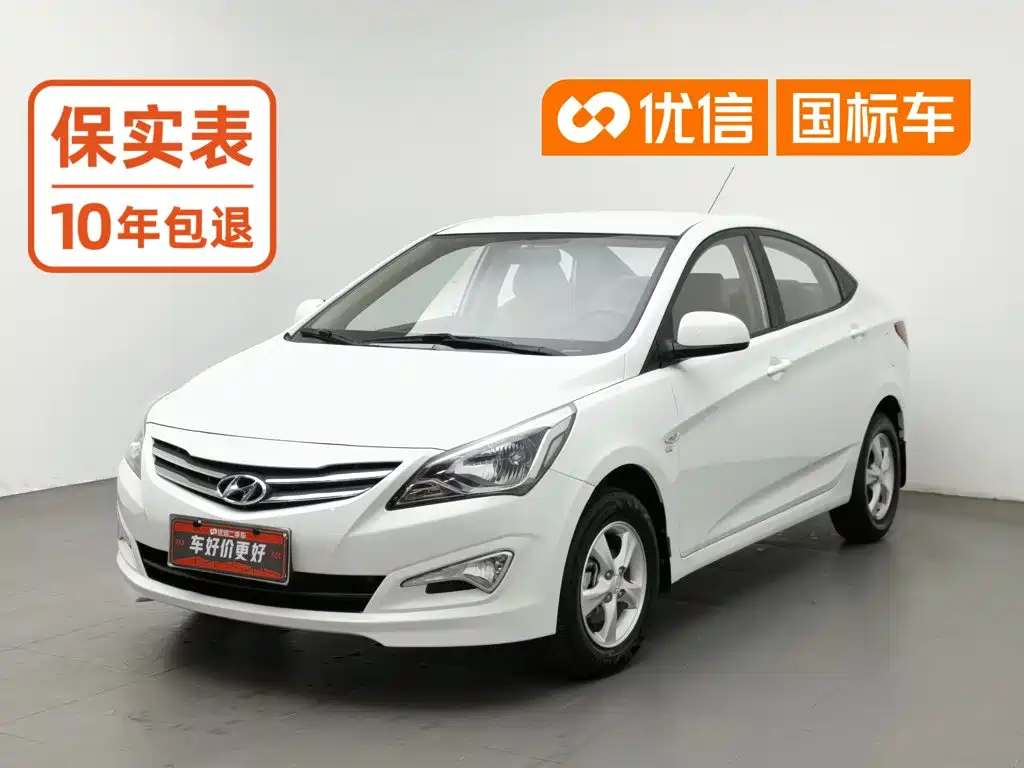
At a glance
- The China-export Verna range centers on 1.4-litre petrol sedans with manual and automatic choices.
- Smart, GLX, Cool, Sport and Elite grades show a China-market equipment ladder that must be checked unit by unit.
- New cars offer known mileage and standardized specifications, while used cars can reduce entry cost but add condition risk.
- A live vehicle quote must be separated from freight, duty, tax, port and inspection costs to establish the true landed cost.
- MOQ, payment milestones and shipment consolidation are set per offer and should be confirmed in writing.
- LHD or RHD configuration, emissions, safety and import-rule checks should be completed before the purchase commitment.
Why the Hyundai Verna matters for export markets
The Hyundai Verna occupies a practical position in the compact-sedan export segment: a four-door saloon from a widely recognized manufacturer that can suit private importers, regional dealers and fleet buyers seeking straightforward transport and manageable operating costs. China-origin examples are especially relevant where the destination already accepts Chinese-manufactured vehicles and local buyers understand Hyundai’s model positioning. The Verna’s appeal is not exotic performance; it is the combination of familiar packaging, accessible serviceability and a broad choice of 1.4-litre manual and automatic configurations for varied road and buyer preferences in overseas markets.
Demand for this kind of vehicle is strongest where compact sedans remain useful for taxi-style work, company fleets, ride-hailing and family transport. Its four-door body and conventional sedan layout make loading, rear-seat access and everyday parking easier than with many crossovers, while a manual gearbox may reduce purchase complexity for buyers accustomed to it. Buyers should still assess demand locally rather than assume global popularity: fuel policy, road conditions, safety expectations and the availability of rival sedans can determine whether the Verna is a strong or marginal fit for dealers.
For an export buyer, the model’s value also lies in accessible specification choices. Listed cars span Smart, GLX, Cool, Sport, Elite and related grades, while automatic and manual versions serve different priorities. These labels are China-market identifiers and should not be assumed to correspond one-for-one with equipment badges in another country. A disciplined purchase starts by translating the intended use into requirements—transmission, fuel economy, air conditioning, safety equipment and serviceability—then matching those requirements to the actual unit rather than relying on the trim name alone or generic category names.
- Compact four-door sedan
- Manual or automatic 1.4L
- Verify China trim equipment
Model range, trims and powertrain variants: how the lineup is structured and how to choose
The export-facing Verna line-up is built around a 1.4-litre petrol engine, with the visible choice centered on manual and automatic transmissions. Manual versions generally suit buyers who value mechanical simplicity and familiar fleet operations, while automatics reduce driver workload in dense traffic and may make the car more attractive to private buyers or commercial operators with many drivers. Because engine output, curb weight and market equipment can differ by generation, do not infer performance from displacement alone; request the vehicle specification and confirm how the car is rated in its home market.
Trim structure helps buyers identify equipment tiers, but it should be treated as a starting map rather than a complete specification. Names such as Smart GLS, GLX, Cool Edition, Sport Edition and Elite TOP indicate different market packages across the available cars. Some listings also carry China V or China VI emissions references. Those designations describe the Chinese configuration and may be useful for documentation; they do not, by themselves, prove that a car complies with emissions, safety or type-approval rules in the importing country without a destination-market conformity assessment.
A sound selection process starts with the gearbox and then moves to operational needs. If vehicles will circulate in stop-start urban traffic, an automatic may reduce fatigue and simplify mixed-driver use. If drivers are trained on manuals, a manual may lower acquisition cost and simplify familiarity, but the savings should be assessed against the actual quote. For either version, check air conditioning, audio, electric windows, tyre condition, service history and whether the odometer and engine/transmission details are consistent. Photograph-based marketplace entries should be verified against documents before any shipment is authorized.
- 1.4L petrol core
- Manual or automatic
- China labels need approval checks
New vs used Hyundai Verna: how export inventory is structured and how buyers choose
New and used Hyundai Verna exports form two distinct buying channels. A new car may offer a later production generation, tighter factory warranty terms, known mileage and more predictable cosmetic condition, subject to the actual seller and market terms. A used car can deliver a lower acquisition outlay and access to mature, well-understood specification packages. Neither category is automatically cheaper after freight, duty, taxes, compliance work and repairs, so compare total landed cost for your destination and operating plan rather than treating condition labels as the whole decision, especially at volume.
Used inventory is especially varied because the Verna has appeared in older and newer generations with different trim vocabularies. A buyer may therefore compare an older-generation Smart GLS or Comfort GS car with a newer-generation Cool Edition, Sport Edition or Elite TOP unit. The labels help establish lineage but do not reveal accident repair, corrosion, interior wear or mechanical condition by themselves. Ask for registration documents, ownership history where available, service records, odometer photographs, engine and gearbox photos, and a current condition report before agreeing on final terms in writing.
For fleet or dealer buyers, the new-versus-used decision should be tied to operating economics and resale expectations. A new unit may be easier to standardize across a batch, while a used car can be rational for a pilot purchase or a market where an older generation still meets local registration and emissions rules. Conversely, a used unit that requires tires, brakes, suspension work or transmission attention can erase its apparent saving. Model each candidate with purchase price, expected repairs, registration, financing, fuel and eventual resale assumptions before making the order.
- New: known mileage
- Used: lower entry outlay
- Compare landed operating cost
How export pricing works: the factors behind a live listing price, and how to read one
A Hyundai Verna export price guide should not present a fixed model-level figure. The live quote can move with production year, generation, trim, transmission, mileage, condition, new or used status, and the completeness of the listing information. Seller location and available stock also matter. A live marketplace price is therefore a starting reference for the vehicle described, not a promise of the final amount in the buyer’s warehouse. Export buyers should read each unit description rather than compare headline prices across cars that differ materially in specification, condition or included services.
Exchange rates, freight charges, insurance, port handling, documentation and the chosen Incoterm all affect the landed total. Local import duty, value-added tax or equivalent charges, homologation and dealer preparation are usually outside the vehicle listing and depend on the destination. Ask whether the displayed amount is an FOB-style vehicle price, a port-to-port arrangement, or another basis. Then build a separate worksheet for inland transport, customs, taxes, port charges and pre-delivery inspection so that an apparently attractive vehicle price is not mistaken for the total acquisition cost in your destination market.
When comparing live listings, build a like-for-like matrix. Record year and generation, exact trim, gearbox, mileage, condition, seller, location, listed price, Incoterm, and what is included such as documents or inspection. Then calculate the landed cost and review whether the price remains valid after currency movement. The current per-unit price, availability, applicable MOQ and terms should always be taken from the live ChinaCarDirect Verna inventory. Do not rely on an old catalogue, a range in an article, or a verbal estimate to make a binding purchasing decision without written confirmation first.
- Match year, trim and gearbox
- Separate listed and landed cost
- Confirm terms in writing
MOQ, ordering and payment: single units vs consolidating a container
Minimum order quantity depends on the seller, the unit and the agreed transaction structure, so it should be confirmed rather than inferred from a model name. Some export offers can accommodate a single vehicle, which is useful for a dealer test, fleet pilot or private importer. Other offers may be better suited to multi-unit orders. For a one-unit purchase, clarify whether the seller requires the vehicle to remain in a shared shipment, how inspection is arranged, and which party bears the incremental cost of moving a single car rather than a consolidated load.
For Hyundai Verna wholesale buyers, a container plan can improve freight efficiency, but it changes the risk profile. Consolidating compatible Verna units allows transport costs to be spread across more vehicles, yet it requires common specifications, careful labeling, export documentation and coordination between sellers. Mixed generations, trim levels, gearbox types, mileage bands or condition grades can create unsold stock and complicate retail pricing. Before consolidation, set acceptance rules for each unit, confirm who bears damage or rejection risk, and ensure every vehicle has separate identity, title and condition records before the loading date is fixed.
Payment and release mechanics should be documented before funds are sent. A workable purchase order should identify the exact unit or agreed batch, the vehicle price, Incoterm, named port or collection point, currency, inspection method, payment milestones, ownership-transfer point and cancellation terms. Use a verified transaction channel and any independently confirmed payment protections, and verify the beneficiary details independently. For a used vehicle, tie the final balance to satisfactory inspection and document checks rather than relying only on photographs. For a new car, confirm the expected production date, specification lock and warranty start.
- Confirm MOQ per offer
- Set batch acceptance rules
- Put milestones in writing
Shipping, homologation and market compliance caveats: LHD/RHD and import rules by country
Compliance begins with the source-market configuration, not the badge on the listing. A China VI reference may support documentation in China but does not automatically satisfy European, Middle Eastern, African, Asian, North American or Latin American approval rules. The importing dealer must check VIN, emissions, safety, lighting, brakes, tyres, noise, fuel labeling and any local age or emissions restrictions. Some jurisdictions also restrict right-hand-drive imports or require a compliant conversion and inspection. Obtain a written local regulatory opinion covering registration and resale in the intended country before treating the vehicle as importable for commercial sale.
Steering configuration is a sourcing filter, not a simple order option. Left-hand-drive cars reflect China’s home-market orientation, while right-hand-drive availability is less predictable and must be confirmed for the precise unit. Converting steering from one side to the other can involve substantial parts, labor, wiring, safety and conformity work, and may still leave the vehicle non-compliant if other requirements are not met. Do not assume that a conversion certificate issued for one jurisdiction transfers to another. Buyers should establish whether RHD is legally permitted and practically supportable before paying a premium or commissioning conversion.
Shipping planning should cover both the vehicle and the regulatory handoff. Confirm the port, sailing or trucking route, booking party, insurance coverage, container or roll-on/roll-off method, loading supervision, export documents and estimated transit sequence. Freight time and cost depend on origin and destination ports, available sailings, container availability, seasonality, cargo handling, insurance and the chosen Incoterm. On arrival, customs clearance, duty, taxes, port charges, inspection and local registration can precede delivery. Treat any range of dates shown during quotation as an estimate, not a guaranteed schedule, and assign responsibility for delays.
- Verify destination approval
- Confirm LHD or RHD
- Budget clearance and taxes
Who should buy the Verna — and who should pick a different vehicle
The Verna is a strong candidate for importers and dealers serving the conventional compact-sedan segment, especially where buyers value a four-door body, 1.4-litre petrol operation and a choice between manual and automatic transmissions. It can suit taxi operators, rental fleets, company-car programs and family-oriented retail buyers when the local market still favors affordable saloons. The strongest case is in markets with proven demand for Hyundai vehicles, sensible spare-parts access and import rules that accommodate the specific car’s configuration. A disciplined importer will also match the car to fleet policy, local repair capability and expected resale rather than choosing it solely for a low purchase figure.
It may be the wrong choice for buyers whose priorities the Verna cannot satisfy. A crossover or utility vehicle is usually better where higher ground clearance, more cargo volume, flexible load carrying or rough-road durability matters. Fleets subject to strict emissions mandates, zero-emission rules or EV charging strategies should evaluate electrified alternatives instead. Buyers requiring a particular safety rating, towing limit, heavy-duty payload, performance output, advanced driver-assistance suite or long-distance comfort should treat those as non-negotiable and verify the exact vehicle rather than accepting a generic trim name as proof.
Decision-makers should also assess after-sales practicality and residual-value risk. Confirm that the proposed generation has spare parts, service procedures and technician familiarity in the destination, and check whether the planned age of the vehicle is compatible with local rules. A low acquisition price can be undermined by difficult parts sourcing, limited salvage value or frequent downtime. Conversely, if the Verna has a strong local reputation and the selected units are well maintained, its established compact-sedan role can support easier resale. That case depends on local evidence, not global reputation alone.
- Strong for compact-sedan fleets
- Weak for heavy or rough-road use
- Check parts and safety support
Main rivals and how the Verna compares
The closest alternatives depend partly on the destination, but the Toyota Corolla, Honda City and Nissan Almera are natural comparison points because each competes for compact-sedan buyers, fleet operators and private importers seeking efficient four-door transport. Engine, transmission, safety equipment, emissions and warranty offerings vary by market and production year, so compare exact destination-spec vehicles rather than global model names. The Verna’s most persuasive advantages for a China export buyer are its direct 1.4-litre manual and automatic availability and the ability to compare several equipment packages within the same model family.
Against the Corolla, the Verna offers a more direct China purchasing route, with 1.4-litre manual and automatic configurations visible in the export inventory for fleet comparison. The Corolla, however, may benefit from stronger brand recognition, established residual demand or hybrid choices in markets where those advantages matter. Against the Honda City, the Verna should be judged on verified equipment, fuel use, safety content and local service support rather than badge perception. A Honda may appeal where dealer familiarity and resale confidence carry more weight among local buyers at the point of sale.
The Nissan Almera is another relevant budget-sedan comparison, particularly where Nissan has an established service network. The Verna can be the stronger choice when the available China unit offers the preferred generation, equipment and transmission at a competitive landed cost; the Almera can be preferable if its local parts supply and resale economics are demonstrably better. A sound comparison sheet should use identical measures: landed price, specification, condition, warranty, expected fuel use, parts access and likely holding period. This prevents a low vehicle price from obscuring a weaker total proposition.
- Corolla: familiarity and hybrids
- City: equipment benchmark
- Almera: value benchmark
Live Hyundai Verna export inventory
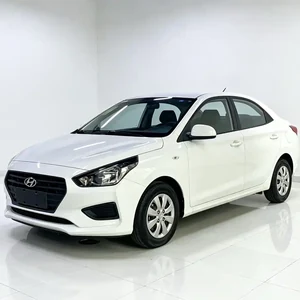
View all listings →Real units currently on ChinaCarDirect with per-unit asking prices and MOQ. Availability updates live from the catalogue.
How to buy a Hyundai Verna from China
-
1
Define the destination and use case
Set the destination’s steering, emissions and safety requirements, then decide whether the car will serve private buyers, ride-hailing, taxi work or a company fleet. Prioritize transmission, fuel use, equipment and parts support over trim badges.
-
2
Shortlist comparable live units
Review the live Verna inventory and compare equivalent examples by year, generation, trim, gearbox, mileage and condition. Avoid comparing unrelated cars solely by their headline listing figures.
-
3
Audit identity, condition and documents
Request registration documents, service history, odometer evidence, photographs and an inspection report for the exact vehicle. Confirm that the seller’s identity and unit description are consistent with the documents.
-
4
Clear compliance and landed cost
Obtain local advice on homologation, VIN, emissions, safety equipment, steering configuration, customs, duty and taxes. Calculate the full landed cost, including freight, insurance, port charges, inspection and dealer preparation.
-
5
Request a written quotation
Ask for the applicable per-unit price, MOQ, currency, Incoterm, named port, payment milestones, inspection method, document list and quote-validity period. Make sure each term applies to the selected vehicle or agreed batch.
-
6
Reserve, inspect and arrange shipment
Use a verified transaction channel, confirm beneficiary details independently and complete document and condition checks before releasing final payment. Agree loading supervision, insurance, export documentation and the responsibilities of every party through to customs clearance.
Verna vs rivals
| Toyota Corolla | The Corolla is the closest global benchmark for buyers prioritizing brand familiarity, resale confidence and, where offered, hybrid flexibility. The Verna offers direct Chinese sourcing with 1.4-litre manual and automatic options, but the Corolla may win where local service depth and hybrid choice justify a higher total cost. |
|---|---|
| Honda City | The City is a direct compact-sedan rival with comparable four-door practicality. The Verna provides a range of China-market packages and both gearbox types, while a City may better suit buyers who prioritize established local dealer familiarity and resale confidence. |
| Nissan Almera | The Almera is a relevant value-sedan benchmark, especially in markets with a strong Nissan service network. Choose between them using confirmed unit condition, landed cost, parts access and expected holding period rather than badge reputation alone. |
Frequently asked questions
How is the Hyundai Verna export price determined?
A live price reflects the vehicle’s year, generation, trim, transmission, mileage, condition and new or used status. Freight, insurance, exchange rates, port charges, Incoterms and destination taxes affect the landed total. Current binding price and availability for each vehicle appear in the live ChinaCarDirect Verna listings.
What engine, transmission and range should export buyers expect for the Hyundai Verna?
The available export cars are 1.4-litre petrol sedans with manual or automatic transmissions; this is not an EV configuration, so battery capacity and electric range do not apply. Exact output, fuel consumption and dimensions can vary by generation and should be verified in the selected listing.
Is a used Hyundai Verna better than a new one?
A used Hyundai Verna can reduce acquisition outlay and provide mature specification packages, but condition risk is greater. A new car generally gives known mileage and more predictable cosmetic condition, yet its acquisition and freight cost may be higher. Compare landed cost, expected repairs and residual value for the selected unit.
What is the MOQ for a Hyundai Verna order?
MOQ is agreed per seller and offer, not fixed by the Verna model name. A single-unit request may be accepted, while consolidation can change freight efficiency and risk. Confirm the applicable MOQ on the live listing or in a written quotation before reserving vehicles.
What determines shipping time and cost?
Shipping time and cost vary with origin and destination ports, sailing schedules, container availability, cargo handling, insurance and Incoterm. Obtain a current route-specific freight quote and clarify which party pays terminal, customs and inspection charges. Treat quoted transit times as planning estimates rather than guarantees.
Are spare parts available for the China-market Hyundai Verna?
Confirm that spare parts and service information are available for the exact generation, engine and trim before buying. A China-market Verna may use parts or procedures that differ from another country’s model, so compatibility should be checked through Hyundai or a qualified independent parts supplier. This is especially important for less common editions and older used cars.
Is right-hand-drive Hyundai Verna availability reliable?
China-origin Verna cars are generally left-hand drive, while right-hand-drive supply is less predictable. Availability must be confirmed for the exact listing, and any conversion should be assessed for legality, safety and homologation in the destination. Do not assume a generic RHD conversion automatically makes the vehicle compliant.
How do I order a Hyundai Verna from China?
Start with the live Verna inventory, compare equivalent units and send an RFQ for the selected vehicle or batch. The written quote should state the unit price, MOQ, Incoterm, port, payment milestones, inspection requirement and validity period. Complete document checks, inspection, payment and shipping in that order, using the contact channel for current binding terms.
Ready to source the Hyundai Verna?
Request a written Hyundai Verna quotation for your chosen unit or consolidated fleet order.
Request a quote