
Hyundai Tucson Export Guide for Overseas Buyers
Buy a Hyundai Tucson from China with a practical guide to trims, petrol powertrains, new and used options, export pricing, MOQ, shipping and market compliance.
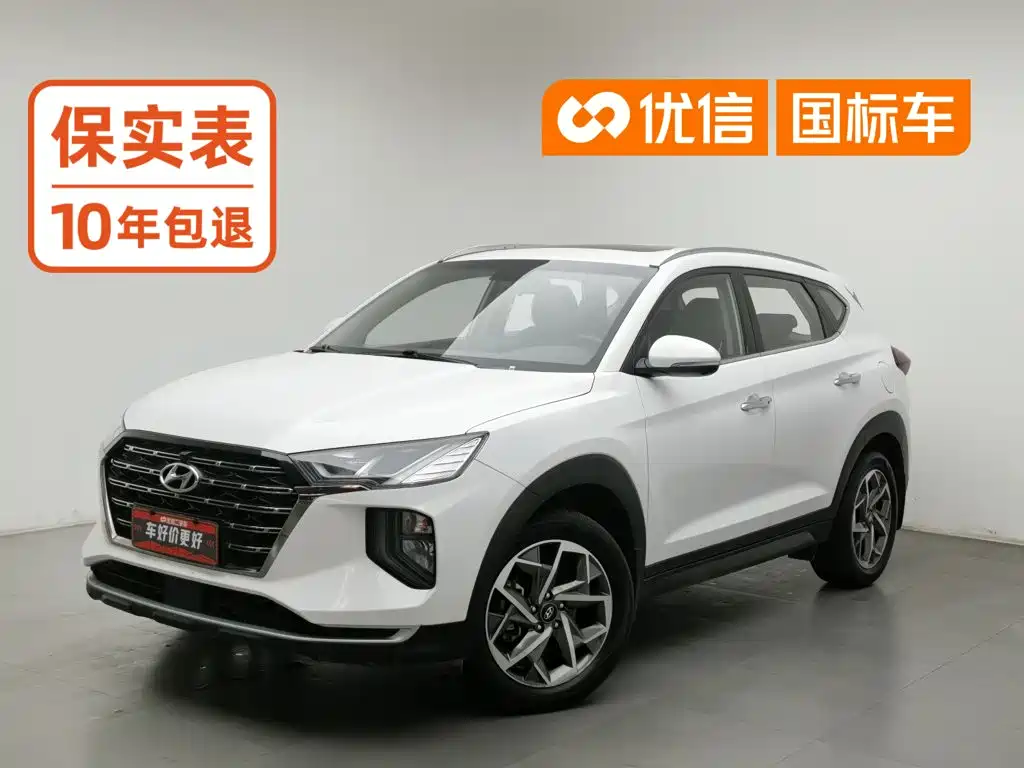
At a glance
- The Tucson is a five-seat compact SUV suited to retail, distributor, and fleet programmes.
- Chinese-source options span 1.5T, 1.6T, and 2.0L petrol powertrains with manual, automatic, or DCT choices.
- Two-wheel-drive and selected four-wheel-drive versions address different market and customer needs.
- New and used vehicles require separate checks for condition, history, warranty, and documentation.
- Export pricing and availability are unit-specific; verify live listings and destination compliance before ordering.
Why the Hyundai Tucson matters for export markets
The Hyundai Tucson occupies the compact SUV segment, combining family-car practicality with a relatively assertive crossover shape and a nameplate that overseas buyers can recognize. Its export relevance comes from the breadth of Chinese-source versions, including 1.6T dual-clutch cars, 280TGDi derivatives, 2.0L automatic or manual models, and Tucson L 1.5T variants with two- or four-wheel drive. Importers can therefore match a vehicle to local roads, fleet policy, and customer expectations rather than buying one generic export specification. The result is a broader initial buying brief, but every order still depends on exact trim, condition, documents, and destination-market approval.
For dealers, the Tucson can fill the gap between a conventional saloon and a larger, more expensive SUV. Its five-seat layout is suitable for family customers, company-driver programs, and rental fleets that need one recognizable model across several trims. A petrol-only export brief simplifies fleet planning compared with a mixed powertrain catalogue, although tax, fuel, and emissions policies can still favor a different choice locally. The buying case therefore rests on product-market fit, not merely on the lowest asking figure. That prevents a low purchase cost from creating an ownership mismatch.
Global buyers should distinguish the Tucson badge from the exact vehicle being imported. A Chinese-market trim may use equipment labels, emissions documentation, infotainment, steering arrangement, or parts packaging that differs from a locally marketed Tucson of the same model year. Dealer positioning is strongest when the importer can explain these differences and support the vehicle with local technical knowledge. Before committing, compare the live specification against the destination catalogue, not photographs alone, because a familiar silhouette does not guarantee an equivalent specification. Request VIN-level evidence and a written handover checklist for the destination market.
- Retail and fleet compact SUV.
- Multiple petrol powertrains.
- Verify local-market trim details.
Model range, trims and powertrain variants: how the lineup is structured and how to choose
The source range is organized around two naming groups: the regular Tucson and the distinct Tucson L versions. Within them, listings use local labels such as Smart, Fashion, GLS, Smart Connectivity, DLX, LUX, Elite, Prestige, N Line Premium, and anniversary editions. Those labels are useful for identifying a vehicle but are not a reliable global equipment hierarchy. A buyer should decode each name using the VIN-linked specification, photograph set, and equipment list instead of assuming that an Elite in one market is the equivalent of an Elite elsewhere in the market.
Engine choice starts with the three families visible in the source material: 1.5T, 1.6T, and 2.0L, plus the 280TGDi designation used on certain China VI versions. The 1.6T dual-clutch cars are suited to buyers prioritizing a turbocharged engine and automated gear changes, while the 2.0L automatic and manual versions offer a different balance for fleets that prefer a naturally aspirated engine or manual option. The 1.5T Tucson L range provides another route, but its 2WD and 4WD versions should be compared by equipment, tax treatment, and local running costs—not engine label alone during evaluation.
Transmission and drivetrain decisions should be made around the intended buyer rather than reduced to a trim badge. Dual-clutch models suit drivers who want automated shifts and may spend time in urban traffic, while conventional automatic versions offer a simpler ownership proposition for broad rental use. Manual 2.0L cars can suit markets where that configuration is familiar and valued. Two-wheel-drive versions may suit fleets focused on efficiency and acquisition simplicity; a listed four-wheel-drive Tucson L gives buyers another option where traction, load carrying, or bad-weather confidence justifies the added complexity.
- 1.5T, 1.6T and 2.0L engines.
- DCT, automatic and manual.
- Confirm 2WD or 4WD and body family.
New vs used Hyundai Tucson: how export inventory is structured and how buyers choose
Export inventory for the Tucson is naturally split between newer vehicles presented as new and older cars presented as used, but the category label is only the first filter. A new listing may still have delivery mileage, dealer preparation, or a production date close to shipment, while a used vehicle can vary from lightly driven fleet stock to visibly worn examples. The most important comparison is therefore not new versus used in the abstract; it is the condition, history, remaining factory support, and documentation attached to each particular unit. Inspect the actual car.
New vehicles give importers the clearest basis for standardizing a sales programme because paint, cabin condition, equipment, and model year should align more closely across units. That does not remove the need for a pre-delivery inspection: check panel condition, tyres, underbody, date of manufacture, warning lights, software, and every promised option against the order. For fleet buyers, a consistent specification can simplify training, resale, and parts planning. Confirm what warranty travels with the vehicle and whether service support remains valid after export. Ask for written warranty terms and authorized service locations.
A used Tucson can be the rational choice when the buyer prioritizes a lower acquisition outlay, an established model, or immediate delivery rather than factory-new condition. The trade-off is uncertainty, which should be converted into evidence. Request the VIN, registration documents, service records, actual odometer reading, accident and damage disclosures, photographs of every panel, and confirmation of the remaining manufacturer warranty where applicable. An independent inspection and a payment milestone tied to that inspection reduce risk, especially for fleet purchases where hidden repair costs can erase the apparent saving.
How export pricing works: the factors behind a live listing price, and how to read one
Export pricing is not one number attached to the Tucson name. The live figure begins with the vehicle's year, exact trim, engine, transmission, drivetrain, mileage, condition, equipment, and terms. It can then be affected by currency movements, port or inland logistics, insurance, inspection, documentation, and the agreed Incoterm. A powerful 4WD or higher-grade trim may command more than a basic 2WD car, but only a like-for-like comparison reveals whether the difference reflects product value, condition, or seller structure. Ask the seller to itemize every charge included in the displayed quotation.
Incoterms decide where the seller's responsibility ends and the buyer's begins, so they can change the apparent cost without changing the car. Under an ex-works structure, the buyer may need to arrange collection, export handling, loading, freight, insurance, and destination charges separately. A delivered or port-based quotation may bundle more of that chain. Compare offers at the same Incoterm and destination, then build a landed-cost view that adds freight, insurance, customs brokerage, port fees, inland transport, tax, duty, registration, and local inspection where applicable. Ask for tax and duty estimates separately.
On a live listing, read the vehicle title, trim wording, year, condition, mileage, images, and seller location before focusing on the displayed amount. Confirm whether the number is a vehicle-only export quote, an asking price, or a landed quotation, and check which documents and services are included. Treat images as identification aids rather than proof: request a VIN, a current exterior/interior set, a cold start, underbody and tyre photographs, and an odometer image. Current per-unit prices and availability must be confirmed in the live Tucson listings at the time of order because both can change.
- Compare like-for-like specifications.
- Confirm Incoterm and included charges.
- Check live unit prices and availability.
MOQ, ordering and payment: single units vs consolidating a container
The minimum order quantity is a transaction condition, not a property of the Tucson. It may be set by the seller, stock status, configuration, or container plan, so the buyer should read the MOQ field on the listing and obtain written confirmation before reserving funds. A single-unit purchase can be a sensible dealer trial, but it should not be assumed from the model category or negotiated only through an informal message. State the required quantity, destination, and trim mix clearly, then secure the supplier's written acceptance of that order configuration.
Consolidating several Tucsons into one container can reduce the freight and handling cost per vehicle, but it changes the buyer's risk. The importer takes on more capital, longer exposure to market movement, and the difficulty of selling several units quickly. Mixed trims can broaden the stock for local dealers, yet differences in colour, specification, and compliance status complicate photography, pricing, and registration. A safer container plan mixes only vehicles with buyer demand, records each VIN against its allocated slot, and retains budget for pre-shipment inspection, securing, customs, and destination delivery.
A sound order process separates vehicle selection from the moment money becomes non-recoverable. Issue a written purchase order identifying the VIN or selection criteria, trim, colour, condition, options, price basis, Incoterm, MOQ, inspection standard, and delivery milestones. Connect the deposit to contract confirmation and the balance to satisfactory inspection and accepted shipping documents. Use a documented payment channel, verify the beneficiary matches the seller, and clarify cancellation, demurrage, storage, and re-export terms. Do not rely on a chat message alone for enforceable commercial terms that protect both parties before shipment.
- Confirm MOQ for the order.
- Agree single-unit handling in writing.
- Consolidation raises capital and resale risk.
Shipping, homologation and market compliance caveats: LHD/RHD and import rules by country
Steering configuration is the first practical export check because it affects driver familiarity, local homologation, and potentially the parts needed for registration. Chinese-market Tucsons should not be assumed to be right-hand drive; they may be left-hand drive, and the exact configuration must be checked from the VIN-linked listing rather than inferred from the country of origin. If the destination requires right-hand drive, compare an original-market vehicle with a professionally converted alternative, because conversion can add cost, affect warranty coverage, and still require destination-market approval before the vehicle is shipped or registered.
Emissions labels and equipment descriptions from the Chinese market are not transferable approvals. Some source versions carry China V or China VI designations, which should prompt a destination-specific review rather than an assumption of equivalence. The importer must check local emissions, safety, cybersecurity, software-update, type-approval, lighting, noise, and VIN requirements for the destination market, plus any used-vehicle age restrictions. Local authorities may require a conformity certificate, emissions test, inspection, or modification approval. These checks belong before the vehicle is shipped, because curing a non-compliance after arrival can cost more than the original purchase decision.
Transport method, timing, and cost depend on the number of vehicles, sailing schedule, origin and destination ports, route, insurance, and the dimensions and weight of the Tucson. Individual units may move by roll-on/roll-off carrier, while dealers consolidating stock may consider a vehicle carrier or container subject to securement and slot availability. Obtain a freight quotation with charges, ocean or inland legs, documentation, insurance, and destination handling stated separately. Build a handover plan around production age, inspection, booking, port congestion, customs clearance, and inland delivery rather than promising a delivery date.
Who should buy the Tucson — and who should pick a different vehicle
The Tucson is a sensible fit for an overseas buyer who wants a recognised five-seat SUV, a broad choice of petrol powertrains, and enough trim variation to serve retail customers or a mixed fleet. Dealers can use the regular Tucson and Tucson L name groups to build a simple range, while the mix of 2WD, 4WD, DCT, automatic, and manual versions gives them options for different price points and customer needs. It is especially relevant to importers with established Hyundai aftersales capability, since parts advice, technician familiarity, and residual demand are as important as the vehicle itself.
It works particularly well when the operating brief prioritizes a single, familiar body style over experimental powertrain complexity. A regional dealer can stock a two-wheel-drive model for general fleet use and add a four-wheel-drive version for buyers who need greater all-weather capability, provided local demand justifies both. Company-driver programs may also benefit from the Tucson's mainstream badge and manageable size. The buyer should still test the selected trim's comfort, visibility, parking suitability, and boot usability against the vehicles already common on local roads rather than assuming international popularity guarantees local acceptance.
It is not the best choice for every segment. Buyers bound by low-emission rules may need an electrified model that the petrol range cannot satisfy, while high-mileage operators may prefer lower running costs. Families requiring seven seats, commercial users needing a van, and off-road buyers expecting serious towing should look elsewhere unless the exact version proves suitable. Dealers should avoid importing unsupported trims merely because the sticker looks attractive; without parts, diagnostics, and credible resale demand, product fit may not become a viable investment and compliance support in the destination market.
- Strong retail and fleet fit.
- Check local aftersales support.
- Match seating and load requirements.
Main rivals and how the Tucson compares
The Toyota RAV4 is the closest benchmark for many buyers because it occupies the same mainstream crossover class and competes for the same family, fleet, and dealer budgets. Its local-market lineup and powertrain mix can differ from a Chinese-source Tucson in the destination country, so the comparison should focus on delivered suitability rather than brochure hierarchy. RAV4 may appeal where Toyota dealer coverage and residual recognition are stronger; the Tucson may offer a broader visible trim ladder in the source catalogue. Compare fuel use, warranty, parts access, and target-market compliance before selecting either one.
The Honda CR-V is another direct rival, with a similar family-oriented crossover format and strong recognition among buyers who prioritize cabin space, established service routines, and a conservative purchase decision. It can be particularly attractive in markets where Honda distribution and parts availability are proven, while the Tucson's 2WD, 4WD, DCT, automatic, and manual choices may offer more flexibility for importer-led programmes. Neither model is automatically cheaper once homologation, freight, tax, and dealer preparation are included. The decisive question is which version can be supported locally and resold without excessive discounting.
The Kia Sportage is the closest like-for-like alternative because it shares Hyundai-Kia's design and engineering approach, and buyers often compare the two on equipment, warranty, and price positioning. A destination-market Sportage may offer simpler regulatory alignment, while a Chinese-source Tucson may provide a different specification and sourcing opportunity. Do not assume shared parts or compatibility; catalogue numbers, software, and regional equipment can differ. For an importer, the contest is less about badge image and more about landed cost, aftersales support, stock turnover, and keeping a consistent trim family in stock.
- Mainstream crossover benchmark.
- Established-brand family rival.
- Closest platform-family comparison.
Live Hyundai Tucson export inventory
View all listings →Real units currently on ChinaCarDirect with per-unit asking prices and MOQ. Availability updates live from the catalogue.
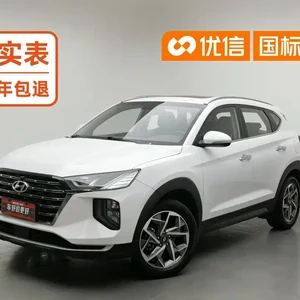
Hyundai Hyundai Tucson 2020 280TGDi 2WD GLS Smart Connect Edition China VI
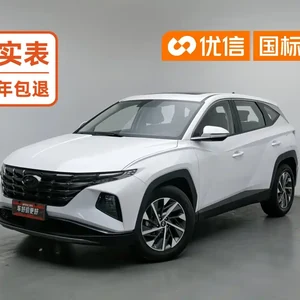
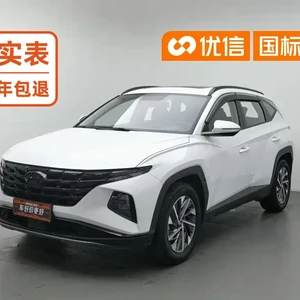
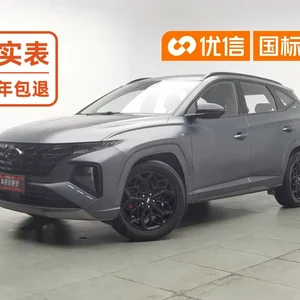
Hyundai Hyundai Tucson 2023 Tucson L 1.5T DCT 4WD LUX N Line Premium Edition
How to buy a Hyundai Tucson from China
-
1
Set the destination and use case
Name the destination country, steering requirement, annual mileage, load needs, and target customer. This prevents a visually attractive trim that cannot be registered or supported locally from entering the shortlist.
-
2
Build a comparable shortlist
Compare the same year band, engine, transmission, drivetrain, mileage, condition, and equipment across live Tucson listings. Treat trim badges as source-market labels until the VIN-linked specification confirms them.
-
3
Request identity and compliance documents
Ask the seller for the VIN, photographs, registration or production documents, emissions label, equipment list, and warranty record. Verify destination-country age, emissions, safety, type-approval, VIN, and used-vehicle import rules before paying.
-
4
Request a landed quotation
Ask for the vehicle price basis, Incoterm, MOQ, payment schedule, freight, insurance, inspection, documentation, customs, taxes or duties, and destination charges stated separately. Use the live listing amount only as the unit-specific starting point.
-
5
Confirm MOQ and order terms
Have the supplier confirm the quantity, trim mix, allocation, and whether single-unit handling is accepted in writing. For container consolidation, match each VIN to a confirmed customer or realistic sales plan.
-
6
Inspect before releasing the balance
Use an agreed inspection checklist covering identity, mileage, panels, tyres, underbody, fluids, cold start, warning lamps, options, and roadworthiness. Tie final payment to satisfactory inspection and verified shipping documents.
-
7
Book transport and complete handover
Confirm roll-on/roll-off, vehicle-carrier, or container routing with securement and insurance, then track export clearance, customs, registration, and delivery. Reconcile the physical vehicle, VIN, documents, and spare-parts plan at handover.
Tucson vs rivals
| Toyota RAV4 | The RAV4 competes directly for family, fleet, and mainstream dealer demand, but its destination-market powertrain and equipment options may differ from the Chinese-source Tucson. Choose the RAV4 where local Toyota support and residual recognition are stronger; choose the Tucson where its source-market trim breadth and 2WD/4WD mix fit the importer's programme. |
|---|---|
| Honda CR-V | The CR-V is a direct family-crossover rival with a similarly established badge. It may suit buyers prioritizing proven Honda support and a conservative local-market product, while the Tucson offers more visible transmission and drivetrain variety for a multi-trim import plan. |
| Kia Sportage | The Sportage is the closest like-for-like rival because of its Hyundai-Kia platform family and comparable crossover positioning. It can be easier to source within a destination market, whereas a Chinese-origin Tucson may offer a different specification; shared parts and software compatibility should never be assumed. |
Frequently asked questions
How is Hyundai Tucson export pricing determined?
A Hyundai Tucson export price is determined by year, trim, engine, transmission, drivetrain, mileage, condition, equipment, currency, logistics, insurance, documentation, and Incoterm. Check each live Tucson listing for the current unit amount, then request an itemized landed quotation because port charges, tax, duty, and inland transport may sit outside the displayed figure.
Which Hyundai Tucson engine and transmission options are available?
The source range shown includes 1.5T, 1.6T, and 2.0L gasoline versions, with the 280TGDi label on some China VI trims. DCT, conventional automatic, and manual transmissions appear, and both 2WD and selected 4WD configurations are represented. Exact output, equipment, and vehicle figures should be confirmed on the VIN-linked live listing.
Should I buy a new or used Hyundai Tucson?
A new Tucson is usually easier to standardize across a dealer or fleet programme and may have more straightforward warranty and condition records. A used Tucson can reduce the initial acquisition outlay but requires stronger inspection of mileage, service history, damage, wear, and remaining warranty. Compare the individual vehicle rather than relying on the new or used label alone.
What is the MOQ for buying a Hyundai Tucson from China?
MOQ depends on the selected seller, trim, stock position, and shipment plan, so it must be checked on the specific listing and confirmed in writing. A single-unit request should be agreed as a separate commercial arrangement. Buyers consolidating several vehicles should confirm each VIN, trim, and intended customer before committing the container.
What affects Hyundai Tucson shipping time and cost?
Shipping time and cost depend on the number of vehicles, sailing or inland schedules, origin and destination ports, route, insurance, documentation, and vehicle dimensions and weight. Securement, port congestion, customs clearance, local inspection, and inland delivery can further affect the handover date. Request an itemized freight quote under a defined Incoterm.
Can spare parts be ordered with a Hyundai Tucson?
Spare parts can be ordered separately, but Chinese-market Tucson trims may use different catalogue numbers from vehicles sold elsewhere. Before buying, ask the seller or relevant Hyundai parts channel to confirm the VIN or engine and transmission code and quote the exact parts, lead time, and freight. An early-maintenance parts plan is advisable for newly exported vehicles.
Is right-hand-drive Hyundai Tucson availability guaranteed from China?
Right-hand-drive availability cannot be assumed for a China-origin listing. Check the live listing's steering configuration and request the VIN and dashboard photographs; if the destination requires RHD, obtain written import approval for the exact configuration. A conversion may be possible, but it can affect homologation, warranty, and parts, so compare it with an original RHD import.
How do I order a Hyundai Tucson from China?
Start with the live Tucson listings, select a vehicle or comparable specification, and send an RFQ with the destination, quantity, trim, and condition requirements. Obtain identity documents, a written purchase order, MOQ confirmation, payment milestones, inspection terms, and an itemized shipping quotation before shipment. The balance should follow satisfactory inspection and verified export documentation.
Ready to source the Hyundai Tucson?
Send your destination, quantity, and preferred Tucson specification to ChinaCarDirect for a current unit-level quotation and export checklist.
Request a quote