
iCAR V23 Export Buying Guide for Overseas Dealers
Plan an iCAR V23 export purchase with practical guidance on trims, certified range, live pricing, MOQ, shipping, compliance and rival options.
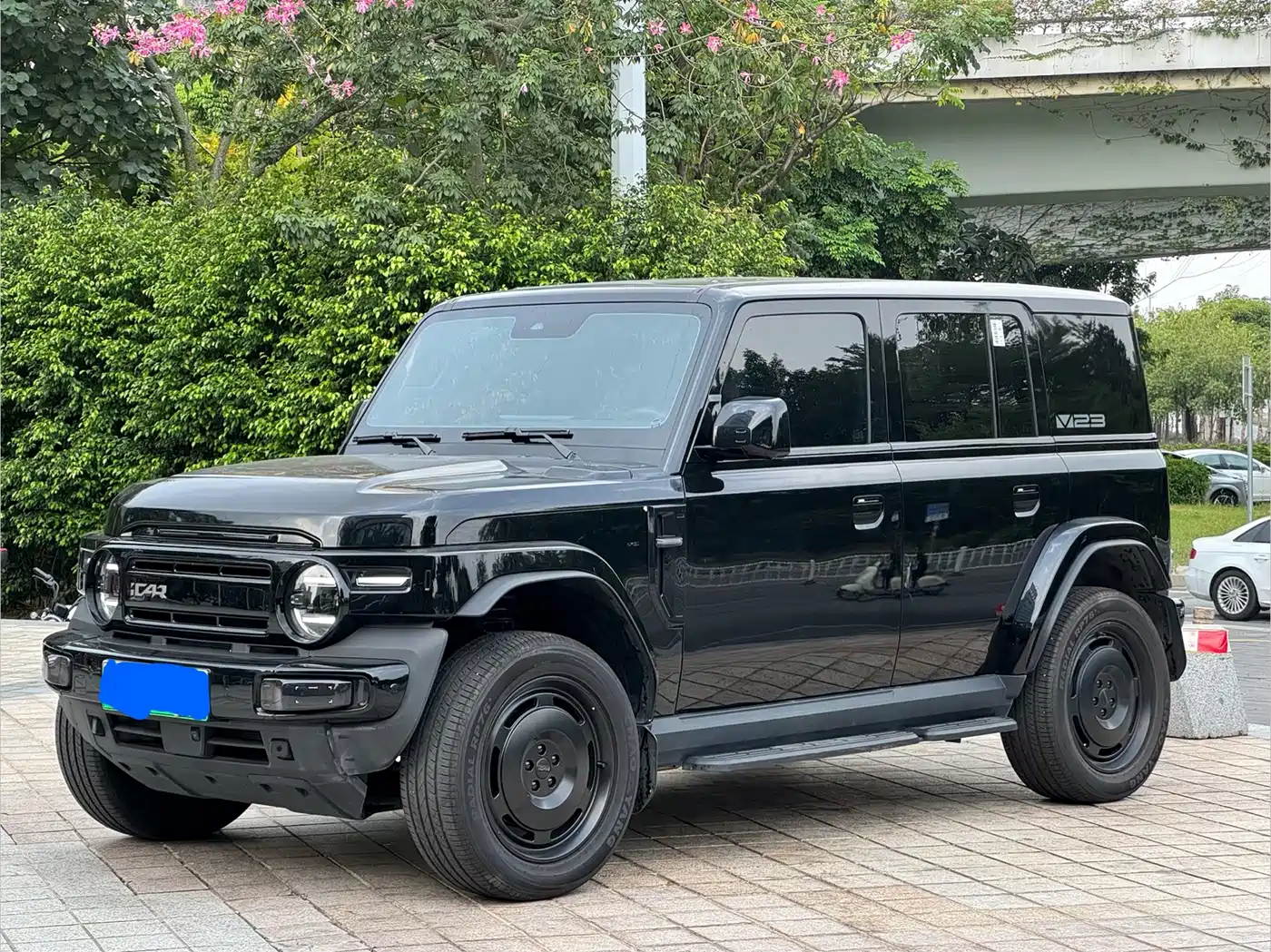
At a glance
- The iCAR V23 is a compact battery-electric SUV with two-wheel-drive and all-wheel-drive-oriented editions.
- The 401, 501 and 550 model identifiers require destination-specific range and equipment confirmation.
- New units simplify fleet consistency; used units demand battery-health, mileage and provenance checks.
- Live export prices move with trim, condition, battery version, freight, Incoterm and destination charges.
- Written RFQs should lock the specification, MOQ, payment milestones, inspection and homologation responsibilities.
Why the iCAR V23 matters for export markets
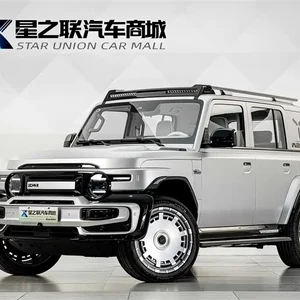
The iCAR V23 enters export consideration as a compact, battery-electric SUV for dealers and fleet buyers who want a visually distinctive alternative to the mainstream electric crossover. Its case rests on the combination of urban-friendly dimensions, a two- or all-wheel-drive-oriented variant structure and equipment-focused editions, not on one universal specification. For an overseas buyer, that makes the V23 most relevant when the target customer values design and electrified operation while the destination market can support its charging, homologation and after-sales needs. It is less compelling when local infrastructure is weak or fleet duty cycles are especially demanding.
Demand for this kind of Chinese-origin EV in export markets is driven by several practical pressures: importers need differentiated products, urban customers increasingly expect electrified SUVs, and fleets want to control operating costs where charging access is dependable. The V23’s unconventional styling can help it stand out in crowded showrooms, while a two-wheel-drive option may suit paved routes and an all-wheel-drive version may reassure buyers who expect poor surfaces. None of those points removes the need to test the business case against the weather, road quality and recharge habits of the actual market.
For an importer, the model’s export value lies in creating a focused product story rather than selling on the lowest visible price. A V23 program works best when the dealer can explain which edition suits budget customers, which driver-assistance package suits higher-spec buyers, and how the all-wheel-drive option relates to local usage. It also requires an aftersales plan: parts access, technical support, technician training and warranty handling should be assessed before vehicles are marketed. Use live V23 inventory to confirm the exact vehicle, then use an RFQ to document the commercial offer.
- Check charging support.
- Match trims to demand.
- Document the RFQ.
Model range, trims and powertrain variants: how the lineup is structured and how to choose
The export-facing V23 nomenclature separates the model into two-wheel-drive and all-wheel-drive families. Names in the range include the 401 2WD Advanced Edition, 550 2WD Smart Driving Edition, FWD Premium Model, 501 AWD Premium Edition, 501 4WD Intelligent Driving Edition, AWD S Version and Model Cyber Edition. These labels are effective first filters, but not a substitute for the vehicle file: confirm motor arrangement, power, battery specification, certified range, charging, dimensions and fitted equipment for the exact listing before comparing quotations. Trim wording alone cannot establish destination-market certification or final equipment.
The 401, 501 and 550 designations help organize the range, but buyers should not treat them as a substitute for a certified range figure. Range standards differ by market, and the same hardware may be described differently after local approval. Request the applicable test-cycle result, usable battery capacity and real-world consumption assumptions for each candidate. For a dealer, the right comparison is not simply the largest headline range; it is the balance between route length, charging access, climate, load and the price of the selected variant on a landed basis.
Two-wheel-drive editions are generally the simpler starting point for urban use, lower-mileage fleets and buyers with reliable charging at base or depot. AWD or 4WD editions become more relevant where wet roads, steep access tracks or frequent poor-surface travel justify added hardware, but they may also change cost, tire needs and consumption. Advanced, Premium, S, Smart Driving, Intelligent Driving and Cyber names signal different positioning rather than a guaranteed equipment list in every country. Ask for a photographed option matrix, software status and delivery specification so the chosen trim matches the invoice.
- Check market range.
- Compare drive duties.
- Verify invoice equipment.
New vs used iCAR V23: how export inventory is structured and how buyers choose
For export planning, new and used V23 vehicles should be treated as two different procurement routes. A new unit offers a clearer chain from factory specification to delivery, making trim, paint, mileage and equipment easier to compare and often simplifying warranty coordination. It is usually the better choice for fleet consistency or a launch programme where every vehicle must look identical. The exact new-unit specification still has to be confirmed on the live listing, because showroom descriptions can omit destination-market equipment or software details or optional regional packages before contracting.
Used export inventory may be assembled from dealer, fleet or private-trade channels rather than a standardized factory programme. A used iCAR V23 can suit a buyer testing demand with a lower initial commitment or sourcing a particular specification. The discount, if any, should be evaluated only after considering mileage, service history, accident repair, paint condition, tire wear, battery health and the validity of remaining warranty. High-voltage battery condition is especially important, yet it cannot be judged from exterior photos alone. Request a battery-state report, scan results, key history and a physical inspection by an independent inspector before the final payment.
The decision should follow the vehicle’s job in the importer’s programme. A new V23 suits a retailer standardising a launch specification, an official fleet customer or a buyer requiring documented factory condition. A used example may better suit a controlled pilot, a replacement vehicle or a customer comfortable with visible wear. In both cases, compare the VIN, production year, declared condition, odometer reading, title or ownership documents and exact option list against the invoice. Where the live listing is ambiguous, pause procurement and obtain written clarification rather than assuming from model imagery.
- Standardize fleet trims.
- Inspect used batteries.
- Verify ownership.
How export pricing works: the factors behind a live listing price, and how to read one
An iCAR V23 export price is a live commercial calculation, not a fixed model-level number. The selected edition matters, as do the battery or range version, production year, condition, mileage and any market-specific equipment. On top of the vehicle’s commercial value sit exchange-rate movements, factory allocation, inland transport, freight, marine insurance, port charges, documentation and the chosen Incoterm. Taxes and duties may be included by one seller and excluded by another, so two visible amounts are only comparable when their scope is identical. Ask for a written quote with every charge stated.
To read a live listing correctly, first identify whether the amount is ex-works, FOB, CIF or another basis. Then check whether it includes inland haulage, export terminal fees, ocean freight, insurance, commissioning, local taxes and dealer margin. Confirm if the vehicle is new or used, whether the quoted equipment is standard, and whether any discount is tied to quantity or payment timing. Also ask whether the VIN, paint, steering side, drive configuration and delivery timing are fixed. These details determine whether the quote can be compared with another seller without hidden assumptions.
A sensible landed-budget model separates the vehicle payment from logistics, compliance and local launch costs. Add or exclude freight and insurance according to the Incoterm, then budget for destination charges, taxes, duties, registration, number-plate work, shipping insurance beyond the marine leg, and local marketing or delivery preparation. Running costs should also be estimated from realistic charging access and route profiles rather than a laboratory range claim. Exact per-unit prices and availability must be taken from ChinaCarDirect’s live V23 listings; treat an RFQ as binding only after the seller confirms specification, scope and validity in writing.
- Compare one Incoterm.
- Itemize landed charges.
- Check live prices.
MOQ, ordering and payment: single units vs consolidating a container
Minimum order quantity is a supplier and listing term, not a universal property of the iCAR V23. Some export offers can be purchased unit by unit, while other sellers, distributors or container plans impose an MOQ for production, handling or release. A dealer testing the model may therefore use a single-vehicle pilot, then consolidate several orders with compatible specifications into a container. Conversely, a large fleet buyer may receive better terms by accepting a standardized trim. Check the MOQ shown for each live listing and state the intended quantity in the RFQ before agreeing terms.
The ordering sequence should be controlled through documents, not informal messages. Define the trim, paint, steering side, destination, Incoterm, quantity, payment method and inspection standard in the RFQ. After the seller issues a pro forma invoice, verify the legal entity, vehicle description, price components, production or dispatch window and cancellation terms. A typical flow then uses a deposit, pre-shipment inspection, balance payment against agreed evidence, release of export documents and shipment. The exact milestones vary by seller and market, so they must be written into the purchase contract rather than assumed from the listing.
Payment risk is highest when the vehicle description, ownership chain and release conditions are incomplete. Check that the invoice identifies the seller and buyer, the vehicle or allocation method, deposit and balance amounts, permitted payment routes, bank charges, refund triggers and the party responsible for each freight or customs step. For used units, add the inspection condition and documentation needed to establish clean title. For groups, ask whether mixed trims can share a shipment and how damages, shortages or delayed units are handled. A written dispute process beats an informal promise that a container can be filled quickly.
- Read listing MOQs.
- Tie payment to inspection.
- Define disputes.
Shipping, homologation and market compliance caveats: LHD/RHD and import rules by country
EV shipping needs a carrier and route that can handle high-voltage vehicles safely and within the permitted loading rules. Confirm whether the vehicle moves by container, roll-on/roll-off carrier or another service, and ask the freight provider about battery isolation, securing points, moisture protection and vehicle-condition recording at loading. Electric range can be affected by prolonged transit, so the pre-shipment state of charge and any manufacturer transport-mode instructions should follow the seller and carrier procedure. Route availability, sailing frequency, port congestion and destination handling can all change cost and timing without changing the vehicle itself.
Steering configuration is a market-specific purchase decision, not a cosmetic preference. A left-hand-drive listing is straightforward only where that configuration is accepted; a right-hand-drive V23 may be more appropriate in markets that require it, but availability can vary by batch and seller. Do not assume conversion is a quick local fix: alteration can affect cost, warranty, parts and inspection. Ask for the VIN, steering position and homologation evidence in the offer, then have the importer confirm whether the vehicle can be registered as supplied or must undergo an approved modification.
Import compliance must be planned before the vehicle is paid for and shipped. Depending on the destination, authorities may regulate VIN and type approval, emissions, safety, battery and charging provisions, software or cybersecurity, data protection, local-language materials, insurance, registration and taxes. Requirements can also differ for private, dealer and fleet use. The importer of record remains responsible for the declarations even when the seller prepares export documents. Request the homologation file and ask a local specialist to map it to current entry rules; a China-market approval does not automatically establish destination-market approval.
- Check carrier capacity.
- Confirm steering side.
- Map homologation rules.
Who should buy the V23 — and who should pick a different vehicle
The V23 fits an importer that has already validated demand for a compact electric SUV and can support an unfamiliar model responsibly. It is particularly relevant to design-conscious private customers, urban company fleets with controlled routes, and dealers seeking a visually distinctive alternative to a conventional family EV. The two-wheel-drive editions may serve fleet economics well, while the AWD-oriented trims can add appeal where terrain or road conditions justify them. The strongest case is a dealer with local charging knowledge, transparent specifications and an aftersales arrangement that matches the brand’s export support model.
The V23 is a weaker choice for buyers whose route planning cannot tolerate charging uncertainty, who routinely carry heavy loads or tow, or who live where extreme temperature reduces usable EV performance. It may also be unsuitable for a dealer unwilling to source diagnostic capability, software support and common wear parts. A larger EV with a body format may serve families better, while a simpler lower-cost model may make more sense for a fleet pilot. The deciding issue is whether charging, routes, duty cycles and service coverage match the business.
Before committing to a wholesale programme, run a small market test with consistent vehicle preparation, realistic pricing and a service feedback loop. Track which trim buyers ask about, how charging questions affect conversion, which parts are commonly needed and whether the chosen edition suits local route profiles. Keep quotes tied to the same specification and Incoterm so the test is commercially meaningful. If the market favors more conventional styling, a longer-tested range or broader service recognition, select a rival rather than trying to reposition the V23 with unsupported claims. Local evidence should outrank brochure hierarchy.
- Target controlled fleets.
- Reconsider heavy duty.
- Pilot before scale-up.
Main rivals and how the V23 compares
The BYD Atto 3 is a useful benchmark because it also targets buyers shopping for a compact battery-electric SUV. Its broader international recognition and established dealer comparison points can reduce perceived resale risk in markets where the V23 is still a new name. The V23 counters with a more expressive design and a lineup that includes two-wheel-drive and all-wheel-drive-oriented editions. Neither vehicle should win on a headline range number alone: compare certified range for the destination, charging, dimensions, warranty support, software and the exact landed quote for each exact vehicle.
The Chery Omoda 5 EV is a close alternative for buyers who prioritize a familiar export brand, a conventional compact-SUV format or an established route into several international markets. It may be easier to benchmark where Omoda service and parts support are already familiar. The iCAR V23 offers a more distinctive visual proposition and a broader spread of named 2WD/FWD and AWD/4WD editions within its own range. The deciding evidence should be the destination-market specification, warranty route, charger compatibility and delivered cost, not badge perception alone in the target market.
The Geely EX5 is another relevant compact electric-SUV alternative, particularly for buyers who want a more conventional global-brand presentation and want to compare software, charging and family usability directly. Against it, the V23’s strongest differentiators are its bold styling and choice of two-wheel-drive, front-wheel-drive-labelled and all-wheel-drive-labelled variants. That design appeal does not automatically overcome differences in range certification, service reach or resale acceptance. A side-by-side test drive, live specification check and delivered-cost calculation should decide which model fits the dealer’s customers and operating plan for that particular market and channel.
- Atto 3: global recognition.
- Omoda 5 EV: familiar support.
- EX5: family utility.
Live iCAR V23 export inventory
View all listings →Real units currently on ChinaCarDirect with per-unit asking prices and MOQ. Availability updates live from the catalogue.
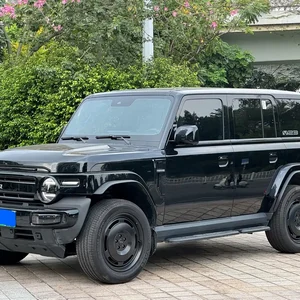
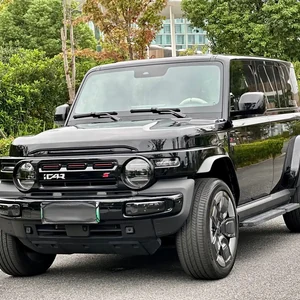
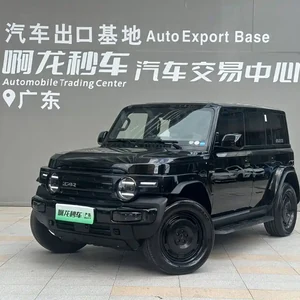
How to buy a iCAR V23 from China
-
1
Define the destination use case
Record the destination country, port, customer type, route profile, climate, charging access and required steering side. Separate urban retail demand from fleet duty cycles before selecting a trim.
-
2
Shortlist the exact variant
Compare 2WD, FWD and AWD/4WD editions against terrain, payload and charging needs. Obtain a full option matrix for every shortlisted trim rather than relying on the edition name alone.
-
3
Review the live listing
Open the matching V23 inventory and verify the reference, condition, current per-unit price, MOQ, availability, specification and seller terms. Check the live listing for certified range, battery, motor, charging and dimensions.
-
4
Request a written RFQ
Send the destination, quantity, preferred trim, paint, steering side, Incoterm, payment plan and document requirements. Ask the seller to confirm allocation, timing and every quoted component in the pro forma invoice.
-
5
Build the landed cost
Itemize freight, insurance, port charges, taxes, duties, registration and local delivery preparation. Use the same Incoterm and destination when comparing competing V23 quotations.
-
6
Clear compliance and inspection
Have a local specialist check homologation and import obligations before shipment. Approve a pre-shipment inspection standard, including battery condition and mileage checks for used vehicles.
-
7
Contract, pay and ship
Tie deposit and balance payments to agreed documents and inspection evidence. Record ownership, export documents, warranty support and shipping responsibilities before releasing the final payment.
V23 vs rivals
| BYD Atto 3 | The Atto 3 is a compact battery-electric SUV benchmark that often carries broader international recognition, which can matter to resale-conscious buyers. The V23 offers more expressive styling and a different 2WD/AWD trim mix; compare destination-certified range, charging, warranty support and landed cost rather than assuming either model is superior. |
|---|---|
| Chery Omoda 5 EV | The Omoda 5 EV is a close compact electric-SUV alternative for buyers who value a familiar export brand and conventional family-SUV layout. The V23 differentiates through bolder design and its named 2WD/FWD and AWD/4WD choices, so the final decision should follow local service access, equipment, charging and delivered cost. |
| Geely EX5 | The EX5 competes for buyers prioritizing conventional SUV presentation, software and family usability. The V23’s strongest appeal is its distinctive design and broader drivetrain choice, but that advantage must be tested against range certification, charging, parts support and resale acceptance in the destination market. |
Frequently asked questions
How is iCAR V23 export pricing determined?
iCAR V23 export pricing is set for each vehicle and shipment, with trim, battery or range version, condition, production year, exchange rates, freight, insurance, port charges, taxes and Incoterm affecting the total. Read the live V23 listings for the current per-unit amount, then request a written quote stating exactly what is included.
What powertrain and range options does the iCAR V23 have?
The V23 is a battery-electric SUV with two-wheel-drive/front-wheel-drive-labelled and AWD/4WD-labelled editions in the lineup. The 401, 501 and 550 designations organize versions, but the exact motor output, battery capacity, certified range and test cycle must be confirmed on the live listing for the destination market.
Should an overseas buyer choose a new or used iCAR V23?
New vehicles are generally easier to standardize by trim, paint, mileage and equipment, making them practical for fleet launches and retail programmes. A used iCAR V23 can suit a controlled pilot or a buyer seeking a particular configuration, but require an independent inspection, battery-health evidence, mileage and service-history checks, and clear ownership documents.
What is the MOQ for buying an iCAR V23 from China?
MOQ is set by the seller, allocation method and live listing rather than by the model alone. A buyer may request a single-vehicle pilot or consolidate compatible orders, but should confirm whether mixed trims, allocation, production timing and release conditions are permitted in writing.
How long does shipping an iCAR V23 take and what does it cost?
Shipping time and cost depend on the origin and destination ports, carrier capacity, sailing or trucking schedule, container or RoRo method, insurance, port handling, documentation and the selected Incoterm. Transit estimates should be confirmed for the booked route, and destination charges, taxes and duties should be budgeted separately unless expressly included.
How are spare parts supplied for an exported iCAR V23?
Spare-parts support depends on the seller’s parts operation, the destination warehouse and the exact vehicle specification. Before ordering, confirm common wear-part availability, diagnostic access, software support, warranty procedures, part identifiers and expected lead times; local alternatives may be necessary while supply chains are being established.
Is a right-hand-drive iCAR V23 available for export?
Right-hand-drive availability depends on the batch, seller and destination, so it should be checked on each live listing rather than assumed from the model name. The buyer should also confirm whether local registration accepts the supplied configuration or requires an approved modification, with costs, warranty and inspection effects understood beforehand.
How do I order an iCAR V23 from China?
Start from the live iCAR V23 listings, choose an exact trim, then send an RFQ stating destination, quantity, steering side, Incoterm, payment plan and required documents. Ask the seller to confirm the per-vehicle specification, current price, allocation, inspection, production or dispatch window and shipment terms in a written pro forma invoice before paying.
Ready to source the iCAR V23?
Request a current iCAR V23 quote with your destination, quantity, preferred trim and Incoterm, then obtain the matching export specification and document checklist.
Request a quote