
IM Motors Ls6 Export Buying Guide for Overseas Dealers
Compare IM Motors Ls6 trims, range options, export pricing, ordering, shipping and compliance, then check live listings for current unit-level quotes.
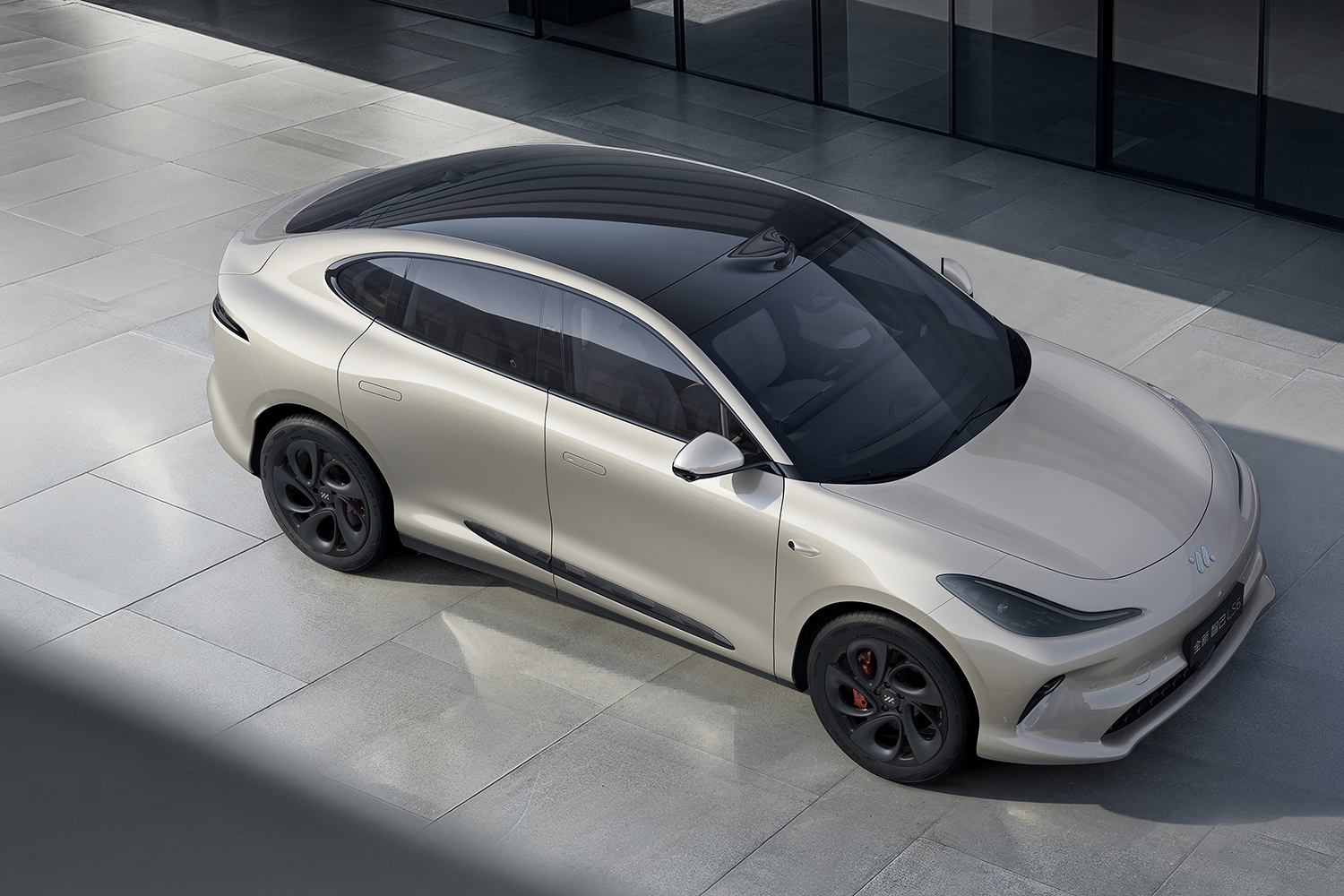
At a glance
- The Ls6 positions IM Motors as a technology-focused battery-electric crossover between mainstream EVs and premium imported models.
- The export-facing trim mix spans Pure Electric Max/Max+, Long Range, Gecko Smart Comfort/Drive and Ultra Performance derivatives.
- Battery capacity, range, motor output, drive layout, charging and dimensions should be verified on the specific live listing.
- New units simplify current-specification planning, while used purchases require VIN, service-history and battery-health due diligence.
- A complete export decision must include freight, insurance, duties, taxes, homologation, charging setup and parts support.
Why the IM Motors Ls6 matters for export markets
The IM Motors Ls6 is a battery-electric crossover SUV for buyers who want a premium-oriented Chinese EV without moving into a full-size luxury vehicle. Its export proposition combines an electric drivetrain, technology-focused cabin positioning and several equipment or performance tiers with the practicality of a five-door crossover. For overseas dealers, it creates a middle ground between mass-market EVs and higher-priced imported premium models, particularly where charging networks are developing and buyers want a distinctive product. Its value still depends on verified range, equipment, local support and compliance in the destination market.
Demand is strongest among dealer groups, importers and fleet buyers seeking a China-origin EV with a more distinctive specification than conventional fleet models. Export names include Pure Electric Max and Max+ versions, Gecko Smart Comfort and Drive editions, Long Range derivatives and an Ultra Performance Gecko Smart Comfort edition. Those labels create clear routes into the range, but they do not replace a trim-by-trim review because equipment, motor output, range calibration and charging details can differ by production version and destination. Ask for the exact specification sheet, not only the marketing trim name.
The Ls6 must also be positioned carefully in export markets. IM Motors has a different global service footprint and brand recognition from established mass-market or luxury EV names, so buyers should assess parts access, diagnostic capability, software support and residual-value confidence. The platform attracts buyers who value China’s evolving EV engineering and digital cockpit ecosystem, but those advantages become commercial only where charging, homologation and after-sales service are ready. Live inventory is therefore a sourcing tool, not by itself proof that a unit is already road-legal for import in the destination country.
- Technology-focused EV crossover.
- Varied trim positioning.
- Local support is critical.
Model range, trims and powertrain variants: how the lineup is structured and how to choose
The export-facing structure is easiest to understand through trim names rather than a fixed equipment matrix. Pure Electric Max and Max+ form the core ladder, while Gecko Smart is split into Comfort and Drive orientations. Long Range is a separate buying priority, and Ultra Performance identifies a performance-oriented derivative of the Gecko Smart Comfort line. The names help create a shortlist, but the complete grade must be checked against the production-year specification sheet, because equipment, market configuration or options can change between production batches without the marketing label changing substantially.
For an overseas buyer, the first decision is use case rather than the highest-sounding badge. Long Range versions suit buyers prioritising usable distance; Comfort-oriented cars favour cabin and everyday usability; Drive versions require review of driver-assistance and convenience content; and Ultra Performance targets buyers focused on performance. Max and Max+ need a direct feature comparison, especially for driver assistance, infotainment, audio, seats and luggage capacity. The trim name alone does not establish which items are fitted, so request the actual equipment list and test the functions that matter to daily operations and availability.
All Ls6 versions discussed here are pure-electric, so the relevant comparison is battery capacity, usable range, motor configuration, drive layout and charging rather than engine displacement or a conventional transmission. Exact figures cannot be inferred safely from the trim name and must be verified in the live listing and seller documents before contracting. If a Chinese-market range claim uses CLTC, do not treat it as the destination cycle: request the homologated range, test-cycle label and charging curve, because approval and real-world conditions materially affect what a buyer can claim and expect.
- Long Range prioritises distance.
- Verify equipment by trim.
- Performance-oriented Ultra trim.
New vs used IM Motors Ls6: how export inventory is structured and how buyers choose
A new Ls6 generally offers the clearest specification and warranty position: the buyer can compare an identifiable production version without inheriting prior fleet wear. It is usually the simpler route for a dealer launch, corporate pilot or fleet tender because software, options and accessories can be aligned from the outset. The trade-off is immediate depreciation, cash tied up before the car enters service and a larger share of the project budget committed early. New inventory changes as factories introduce updated model years, so every live quote should be tied to the actual unit.
Used Ls6 vehicles can make sense where a buyer values a known depreciated asset, a specific configuration or lower entry cost more than model-year freshness. However, “used” covers a wide range of conditions: a low-mileage demonstrator is not equivalent to a high-utilisation fleet car. Importers should request the VIN, registration history, production date, odometer evidence, accident and flood inspection, battery state-of-health report, software version and remaining factory warranty. Chinese service records may need independent verification rather than simple translation before the vehicle is shipped or placed into fleet service overseas.
The practical choice is not simply new or used; it is whether the buying program can absorb depreciation, compliance work and service risk. A used unit may suit a closed fleet with controlled charging and an established parts plan, while a new car generally fits an importer building a retail range or a customer prioritising current specification. Compare the total operating assumptions—purchase outlay, energy use, maintenance, insurance, residual exposure and downtime—not just acquisition cost. Availability of used examples changes independently, so check live listings rather than assuming a channel is open.
- New simplifies specification.
- Used needs battery evidence.
- Include depreciation and downtime.
How export pricing works: the factors behind a live listing price, and how to read one
An IM Motors Ls6 export price is not one fixed national price. It moves with trim and equipment, model year, production date, battery and motor version, mileage and condition for used cars, option demand and the seller’s commercial terms. It can also move when exchange rates, freight rates, marine insurance, port charges or destination duties change. A platform quote may cover the vehicle sale alone or a wider export service, so identify the Incoterm and whether transport, insurance, customs work, taxes and registration are excluded from the stated vehicle price.
Read a live Ls6 listing as a unit record, not a price-only advertisement. Confirm the model year, trim, edition, drive side, motor and battery configuration, range test cycle, charging specification, colour, VIN or SKU, condition, warranty and included accessories. Use ChinaCarDirect’s live inventory for each unit’s binding current price, MOQ and availability, then verify production window, payment terms and quote validity in writing. A similar headline can still represent a materially different vehicle, so request the seller’s specification sheet and itemised quote before comparing units for the same destination market and intended operating role.
For a landed-cost comparison, create a worksheet with fixed vehicle attributes at the top and variable logistics costs underneath. Add inland transport, export handling, freight, insurance, destination charges, import duty, VAT or sales tax, registration and inspection, plus contingency for exchange-rate movement and port delays. This structure reveals whether two offers are genuinely comparable or merely use different boundaries. It also prevents a low vehicle line from appearing attractive when omitted compliance or delivery costs are high. Use the live listing for the current unit price and request an itemised final quotation.
- Match quote to VIN.
- Define Incoterm boundary.
- Build landed-cost worksheet.
MOQ, ordering and payment: single units vs consolidating a container
Minimum order quantity is a commercial field, not a universal property of the Ls6. Each seller and listing should be checked for its stated MOQ, and importers should confirm whether it applies per trim, colour, production batch or to the consolidated order. A unit-level enquiry can test demand, but may not produce the most competitive freight allocation. Conversely, committing to a large batch without confirmed homologation, charging strategy or aftersales support can turn an apparently attractive purchase into an expensive inventory risk before vehicles reach the destination market’s local warehouse.
Ordering should be structured around a written contract identifying the exact vehicle, price basis, deposit, balance trigger, production deadline, inspection standard, warranty treatment and export documents. Specify how inspection results, shipping-document discrepancies or late delivery will be resolved. Payment methods, currency, responsibility for banking charges and any production payment deadlines need confirmation rather than assumption. For a first transaction, linking the balance to satisfactory inspection and verified export documents is generally more defensible than paying in full before independent inspection and release. No payment milestone should remain verbally undefined in the contract.
Container consolidation can improve freight efficiency, but it is not automatically cheaper. The vehicle mix determines payload, securing requirements, battery handling and loading compatibility; a mixed batch may also combine production years, drive sides or approvals requiring separate compliance work. Buyers should ask the freight forwarder to calculate cost per saleable unit, not merely total freight, and to identify where each pre-delivery inspection occurs. If demand is uncertain, staged release against verified orders is usually safer than filling a container with market choices that have not yet been validated locally.
- Confirm listing-specific MOQ.
- Contract payment triggers.
- Calculate freight per vehicle.
Shipping, homologation and market compliance caveats: LHD/RHD and import rules by country
The battery is central to shipping planning, although an EV still arrives as a complete road vehicle requiring secure transport and correct handling documents. Ask the supplier for the battery safety test information, safety data or material safety data, transport declaration and vehicle packing records applicable to the shipment, then confirm them with the forwarder and carrier. Lithium-battery rules vary by transport mode and route, and non-compliance may cause delay, re-packing or refusal. Sea freight can be economical for complete vehicles, but specialist quotation remains essential for the actual route and vessel.
Chinese road approval does not automatically satisfy the destination market. Depending on the country, importers may need local type approval, emissions and noise testing, cybersecurity or software review, VIN and lighting compliance, local connector or voltage adaptation, and a roadworthiness certificate. The Ls6 may be offered with left-hand- or right-hand-drive configuration, but the exact drive side must be confirmed for each unit; mechanically converting steering does not resolve every homologation requirement. Build a destination checklist with the customs broker, inspector and insurer before paying, rather than discovering a documentary gap after sailing.
Import economics depend on tariff classification and rules of origin, which can change and cannot be inferred from the model name. Electric incentives, tax treatment and dealer registration rules may differ by buyer type and region, so government guidance must be checked locally. Spare-parts planning should begin before shipment: request parts channels, diagnostic access, software support and lead times for lamps, body panels, tires and electronic modules. The commercial decision is not complete when the car lands; it is complete when the importer can support it safely, legally and economically.
- Verify transport documents.
- Confirm destination drive side.
- Plan compliance and parts.
Who should buy the Ls6 — and who should pick a different vehicle
The Ls6 suits an importer, wholesale buyer or fleet buyer that values a technology-rich electric crossover and varied trim directions. It is relevant where destination charging is reliable, the importer can support the brand, and customers want more visual and equipment appeal than a basic fleet EV. Dealers can use the Pure Electric, Long Range, Gecko Smart and Ultra Performance labels to segment a quotation catalogue, but should translate them into equipment sheets. For company fleets, match the version to route length, charging cadence and driver-assistance policy rather than ordering the most powerful derivative.
It is a weaker choice for a buyer prioritising the lowest purchase outlay, minimal administrative burden or immediate access to a mature global service network. It may also be unsuitable where charging is unreliable, import incentives depend on criteria the unapproved listing does not meet, or a buyer cannot support Chinese-language software, replacement parts and electronics repair. Used-EV shoppers with little tolerance for battery uncertainty should avoid a remote purchase unless an independent inspection is available. No export listing should substitute for a local test drive and residual-value due diligence.
A disciplined buyer should compare the Ls6 against total ownership: route energy, charging installation, duty and tax, insurance, maintenance, tire supply, software updates, parts access, technician training and expected resale. A stronger trim may be unnecessary for a predictable urban fleet, while a Comfort-oriented version may better suit executive or customer-facing use. Before a bulk order, run a pilot through the intended channel, document handover issues and compare findings with supported alternatives. It can expose local service gaps early. That evidence is more valuable than a broad specification comparison alone.
- Strong for supported EV fleets.
- Weak for minimal-service markets.
- Pilot before bulk orders.
Main rivals and how the Ls6 compares
The Tesla Model Y is the most obvious global benchmark because it occupies a similar mainstream-premium electric crossover position and has broad buyer recognition in many export markets. The Model Y generally benefits from more familiar charging, software and resale expectations, although network strength and homologation vary by country. The Ls6 can appeal to dealers seeking more trim differentiation, a China-specific technology proposition or a different design choice, but buyers should not assume that competitive onboard equipment automatically equals comparable warranty service, charging confidence or residual-value liquidity in their destination.
The XPeng G6 is a closer China-market alternative because it targets technology-focused EV crossover buyers and shares familiar EV customer expectations. The decision should be made on verified battery and range, drivetrain, charging, dimensions, driver assistance, localized software, warranty and service—not because both are Chinese brands. Where Ls6 availability or equipment is stronger, it may be the better sourcing choice; where G6 has a clearer local network or homologated package, that can outweigh a richer Chinese-market specification. A side-by-side quote should use the same destination and test-cycle rules.
The Hyundai Ioniq 5 provides a useful global-market alternative with a distinctive design, established manufacturer identity and an EV portfolio designed for international use, subject to local approval. It may reassure buyers who put more weight on a familiar brand and established regional support network, while the Ls6 may offer a different specification ladder and a stronger China-origin value proposition. Neither vehicle should be selected without checking destination-specific charging, warranty, software and service arrangements. For any of these rivals, compare the fully landed, road-legal package rather than brochure range, launch trim or headline performance.
- Model Y global benchmark.
- XPeng G6 China rival.
- Ioniq 5 global alternative.
Live IM Motors Ls6 export inventory
View all listings →Real units currently on ChinaCarDirect with per-unit asking prices and MOQ. Availability updates live from the catalogue.
How to buy a IM Motors Ls6 from China
-
1
Define the destination and use case
Record the destination country, required drive side, route length, charging plan, customer profile and any tax or incentive conditions that affect the specification.
-
2
Shortlist live Ls6 inventory
Review the live IM Motors Ls6 listings and separate Pure Electric, Long Range, Gecko Smart and Ultra Performance options by their verified equipment sheets.
-
3
Verify the individual vehicle
Confirm model year, trim, VIN or SKU, battery and motor version, range cycle, charging, condition, warranty, accessories and destination compatibility.
-
4
Request an itemised landed quote
Ask for the vehicle price, freight method, Incoterm, insurance, origin handling, destination charges, duties, taxes, registration and excluded costs.
-
5
Review contract and payment milestones
Put the exact vehicle identity, deposit, balance trigger, production deadline, inspection standard, warranty treatment and export-document responsibilities in writing.
-
6
Complete compliance and freight booking
Use a local customs broker and vehicle inspector to confirm type approval, drive side, battery documents, lighting, software, VIN and destination requirements before shipment.
-
7
Inspect before final acceptance
Arrange an independent pre-delivery inspection covering exterior condition, interior, mileage, warning systems, charging function and visible underbody or battery-area issues.
Ls6 vs rivals
| Tesla Model Y | Tesla Model Y is the clearest global benchmark for a mainstream-premium electric crossover, with broad buyer recognition and generally more familiar charging, software and resale expectations. The Ls6 may offer a different design and trim ladder, but buyers should verify local service, homologation and residual-value support before choosing it for familiarity alone. |
|---|---|
| XPeng G6 | XPeng G6 is a close China-origin rival in the technology-focused electric crossover class. Compare verified range, charging, drivetrain, dimensions, driver assistance, localized software, warranty and aftersales on the same destination basis rather than assuming trim labels are equivalent. |
| Hyundai Ioniq 5 | Hyundai Ioniq 5 offers a distinctive global EV alternative that may carry greater brand reassurance for some overseas buyers. Its local package can compete on design, efficiency, charging and support, while the Ls6 may offer a different specification ladder; compare road-legal landed costs and service access. |
Frequently asked questions
How is the IM Motors Ls6 export price determined?
The price is built from the exact vehicle’s year, trim, battery and motor version, condition, options and commercial terms. Freight, insurance, exchange rates, duties, taxes and local compliance can change the landed cost. Check the live IM Motors Ls6 listings for the current unit price, then request an itemised export quotation.
What powertrain and range should I expect?
The Ls6 is a pure-electric crossover, with export trims including Max, Max+, Long Range, Gecko Smart Comfort and Drive, plus an Ultra Performance Gecko Smart Comfort version. Exact battery capacity, motor output, drivetrain, charging and certified range vary by version, so use the live listing and seller specification sheet. Do not assume a Chinese CLTC figure equals the destination test cycle.
Should I choose a new or used IM Motors Ls6?
New vehicles generally provide the cleanest specification and warranty alignment. Used vehicles can reduce acquisition and depreciation exposure, but buyers should verify the VIN, service history, odometer, battery state of health, condition and warranty. The best choice depends on the fleet, charging plan and tolerance for refurbishment risk.
How does the Ls6 MOQ work?
MOQ is set by the individual listing and seller rather than by the model name. Confirm whether it applies to a trim, production batch or consolidated order, and whether unit-level quotations are permitted. For a larger order, request written terms for the deposit, balance, production deadline and inspection.
What determines Ls6 shipping time and cost?
Shipping time and cost depend on origin handling, freight mode and route, port congestion, insurance, cargo requirements and destination clearance. Complete vehicles are commonly moved by sea, while specialist battery handling and secure loading can affect timing and price. Obtain a forwarder quote tied to the VIN, destination port and Incoterm.
Can spare parts be ordered for the IM Motors Ls6?
Parts support should be agreed before shipment, including ordering channels, diagnostic access, software support and realistic lead times for body, tire and electronic items. An importer that cannot support electronics or battery-related components should price that service exposure before buying. The live listing identifies the vehicle, but parts arrangements must be confirmed separately.
Is a right-hand-drive IM Motors Ls6 available for export?
RHD availability must be confirmed on the specific Ls6 listing and in the seller’s specification sheet. Do not assume a right-hand-drive conversion is either available or sufficient for local homologation. Steering position, lighting, VIN, charger and other destination requirements should be checked by the importer.
How do I buy an IM Motors Ls6 from China?
Start with the live listings, select the closest trim and verify the unit specification. Submit an RFQ with the destination, quantity, drive side and compliance needs, then request an itemised landed quote and written payment terms. Proceed through the contract, independent inspection, shipping documentation and destination clearance before final acceptance.
Ready to source the IM Motors Ls6?
Send an RFQ with your destination, preferred trim, drive side, quantity and homologation requirements for a current IM Motors Ls6 quotation.
Request a quote