
Isuzu Mu-x Export Buying Guide for Overseas Buyers
Buy an Isuzu Mu-x from China with clear guidance on trims, diesel and petrol options, export pricing, MOQ, shipping, compliance and live inventory.
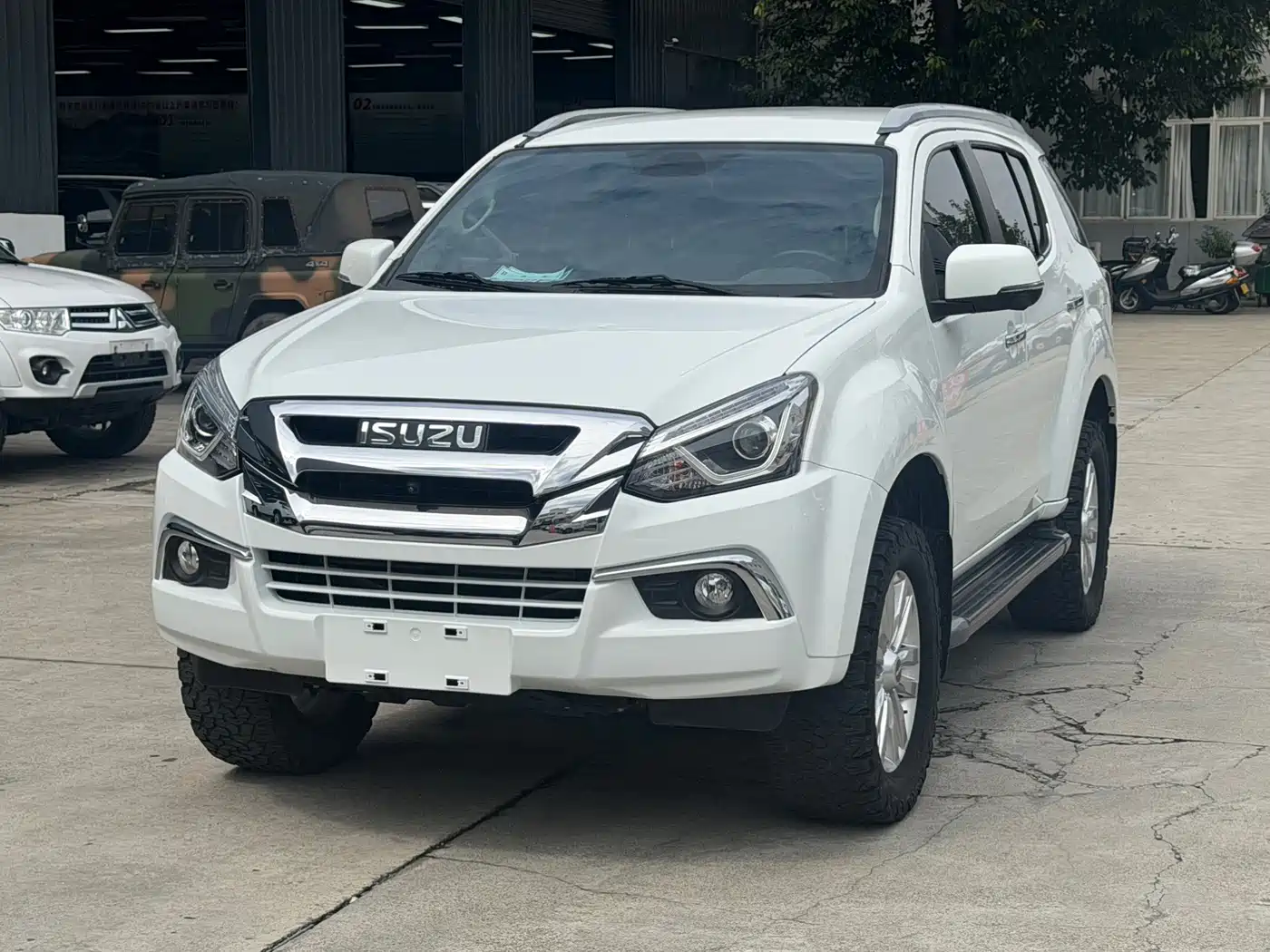
At a glance
- The export-relevant range spans 2.5-litre petrol, 1.9-litre diesel and 3.0-litre diesel configurations.
- Buyers can match two- or four-wheel drive, manual or automatic transmission, and five- or seven-seat layouts.
- China V and China VI labels describe origin-market emissions generations, not automatic approval in the destination country.
- Used vehicles can suit value-led importers, but inspection, service history and prior-use checks are essential.
- Live Mu-x listings are the binding source for unit price, availability, MOQ and shipment terms.
Why the Isuzu Mu-x matters for export markets
The Isuzu Mu-x is a midsize SUV that combines a seven-seat-capable family layout with the engine and drivetrain choices sought by importers in markets where larger, combustion-powered utility vehicles remain useful. It is not a compact crossover: the model is generally aimed at buyers who need more passenger space, luggage capacity and everyday SUV practicality than a small vehicle can offer, while avoiding the size and operating burden of a full-size off-road derivative. That positioning gives it a clear role in fleet, NGO, utility and multi-purpose dealer programmes with realistic local aftersales support.
For an overseas buyer, the Mu-x's appeal is its configuration flexibility rather than a single global specification. The export line seen in China includes petrol and diesel engines, two- and four-wheel-drive layouts, manual and automatic gearboxes, and five- or seven-seat bodies. That range lets an importer match local fuel preference, road type, driver familiarity and tax class to a specific vehicle instead of ordering one generic configuration. It also creates more paperwork: a 2WD city-use fleet has different operating needs from a 4WD seven-seat fleet or a mixed fleet bought on different terms.
Market fit should therefore be tested against the buyer's actual duty cycle. A distributor in a region with established pickup and SUV aftersales support may find the Isuzu badge and available parts familiar, but brand recognition alone does not guarantee easy servicing. Check local Isuzu workshop coverage, parts lead times, technician familiarity and the availability of the exact mechanical variant. A model that is easy to sell but difficult to maintain can be more expensive than a better-supported alternative over the vehicle's intended service life and total operating cost.
- Best suited to five- and seven-seat fleets.
- Compare petrol, 1.9T and 3.0T diesels.
- Confirm local Isuzu service coverage early.
Model range, trims and powertrain variants: how the lineup is structured and how to choose
The lineup is best read as a matrix of engine, transmission, drive and seating rather than a simple luxury ladder. Listings cover a 2.5-litre petrol family in two-wheel-drive manual and automatic forms, plus 2.5-litre automatic four-wheel-drive examples. The 1.9-litre diesel is presented with automatic transmission and four-wheel drive in five- and seven-seat bodies, often carrying a China VI label. A 3.0-litre diesel automatic four-wheel-drive or all-wheel-drive version appears in both five- and seven-seat form, with some examples marked China V. Ask for the production year and exact emissions document rather than inferring one variant from another.
Those combinations serve different missions. The 2.5-litre versions can suit buyers prioritising a simpler driveline or automatic convenience, while the diesel options are relevant where fuel efficiency, load-carrying ability or long-distance use matters. Do not infer that every diesel has the same character: the 1.9T and 3.0T units differ in capacity, equipment, emissions labelling and likely tax treatment. For a fleet, compare engine choice against duty cycle, driver training and the service plan rather than selecting on displacement alone and local fuel availability before committing the fleet specification in writing.
Trim names such as Touring, Comfort, Comfort Plus, Luxury, Enjoyment, Premium and Prestige help identify the listing, but they are not a reliable global equipment standard. Equipment can change with model year and market, and the same grade may not map directly to an overseas catalogue. Ask the seller for a photograph-backed equipment list, chassis or VIN confirmation, current emissions label, tyre specification, service history and any known repair. For dimensions and exact seating details, check the live listing because the exported configuration may differ from a published overseas Mu-X.
- Engine choice: 2.5T petrol, 1.9T or 3.0T diesel.
- Transmission: manual or automatic, depending on trim.
- Drive and seating: 2WD/4WD, five or seven seats.
- Trim names do not guarantee identical equipment.
New vs used Isuzu Mu-x: how export inventory is structured and how buyers choose
ChinaCarDirect's Mu-x inventory can include both new and used vehicles, so the first decision is not simply age but the risk profile of the purchase. New examples offer a more straightforward ownership history and may be easier to standardise across a fleet. Used examples can broaden the available mechanical and seating options and may suit importers with a tighter acquisition budget, but every vehicle should be treated as a separate condition, history and documentation case rather than a generic used stock category. Do not assume the newest-looking listing is the best value.
For a used Mu-x, mileage is only the first screen. Inspect tyres, brake condition, suspension, fluid leaks, corrosion, cabin wear, accident evidence and the condition of infotainment and electrical equipment. Obtain the service records, VIN, registration documents, emission/environmental information, title or ownership status, and confirmation of whether the odometer and auction history are consistent. A diesel should also be checked for evidence of its use, while any modified vehicle should be assessed against the parts, safety and homologation requirements of the destination and the importer's documentary checklist in full before contracting.
New does not automatically mean recently manufactured or homologated for your country. Ask for the production date, remaining manufacturer warranty, delivery history, prior registration status and exact emissions designation. Compare those answers with your import rules, because an origin-market certificate may not satisfy local registration. A new vehicle with scarce parts and unresolved paperwork can be a poorer choice than an inspected used example, while a documented used vehicle with serviceable components may fit a budget buyer better. Make the decision from lifecycle cost, not inventory labels and resale prospects in your market.
- Used vehicles require individual inspection and documents.
- New vehicles still need compliance and production-date checks.
- Compare lifecycle cost and local resale prospects.
How export pricing works: the factors behind a live listing price, and how to read one
An Isuzu Mu-x export price is not a fixed model-level rate. The live listing price moves with model year, exact trim, engine and emissions version, gearbox, drive system, seating, mileage, condition, ownership history and the quantity or terms of the transaction. Vehicle-specific matters such as paint condition, options, inspection findings or repairs can also change the supplier's position. Exchange-rate movement and the cost of securing a particular specification also affect what a buyer is quoted, especially when several similar units are available or when a buyer needs a rare combination.
Read each listing line by line rather than comparing headline prices. Confirm whether the displayed figure covers the vehicle only or includes domestic transport, export documentation, insurance and sea freight; these items may sit under separate terms. A landed-cost worksheet should add the vehicle price, inland handling, port charges, freight, marine or transit insurance, customs duty, taxes, inspection, registration, any steering conversion and local delivery. This prevents a lower listed amount from creating a more expensive project. Promptly confirm all of these items in the pro forma invoice before payment.
Incoterms determine where responsibility transfers, so compare quotes only when the commercial boundary is the same. An FOB quote may leave the buyer to arrange main carriage, while a delivered or CIF-style quotation can include more of the journey, but exact inclusions still need reading. Ask whether freight is per vehicle or shipment, whether insurance is included, which port is used, and what happens if the vessel changes. Current price, availability, MOQ and terms are shown on each live ChinaCarDirect listing; request those details for the exact unit before placing funds.
- Compare identical years, trims, condition and drivetrains.
- Build a complete landed-cost worksheet.
- Confirm Incoterm, port, freight basis and payment milestones.
MOQ, ordering and payment: single units vs consolidating a container
MOQ is the minimum quantity a seller or shipment requires, not a fixed feature of the Mu-x and not automatically the number of vehicles that fit in a container. Some live vehicle offers may be open to single-unit purchases, while fleet arrangements may use a different quantity or consolidated shipment. Buyers should therefore read the MOQ attached to the selected listing and ask the supplier in writing whether the quoted unit can be ordered alone, whether a deposit is required, and whether additional units must share the same specification or payment terms.
One-unit purchasing can be useful for a dealer testing demand, a replacement vehicle for an NGO, or a mixed fleet. Consolidation can reduce some fixed freight and handling costs, but it adds allocation, labelling and timing risk when buyers need different documents, inspections or release dates. Ask how titled units are consolidated, who owns the goods in transit, how damages or delays are handled, and whether each vehicle remains traceable to its own listing. Compare the saving after handling and financing costs, not freight alone. Confirm liability before dispatch.
A sound ordering sequence starts with a written specification and pro forma invoice, followed by inspection terms, a deposit, documentary payment or balance conditions, and shipment release. For a used vehicle, tie the balance to satisfactory inspection and verified documents rather than cargo loading. For a new unit, tie it to the agreed production date, warranty, condition and delivery documents. Use protected payment methods and independently verify the beneficiary, vehicle identity and serial numbers. Record the commercial terms in the quotation and contract. Never rely on an informal message when a written clause is possible.
- Read the MOQ shown on each selected listing.
- Single-unit buying supports market testing.
- Link balances to inspection and verified documents.
Shipping, homologation and market compliance caveats: LHD/RHD and import rules by country
Steering configuration is an early sourcing check. Vehicles prepared for the Chinese market are commonly left-hand drive, so a buyer needing right-hand drive should not assume that an ordinary China-listed Mu-x is suitable. Confirm the configuration on the exact vehicle. If right-hand drive is mandatory, ask whether a compliant right-hand-drive source or a specialist conversion is available and whether that work is completed before shipment. A conversion can affect warranty, corrosion protection, electrical work, insurance and approval, so it should be documented rather than treated as a simple visual change.
Import and road-use requirements vary by country and can include VIN and customs documentation, tariff classification, duty and tax, emissions conformity, safety or equipment standards, inspections, registration and insurance. China V and China VI labels describe the vehicle's origin-market emissions generation; they do not automatically demonstrate approval in another jurisdiction. Used vehicles may also face model-year or age restrictions. Before funds are committed, have an importer or local compliance adviser check the exact vehicle against the destination's rules, including any modification required for a seven-seat commercial registration and use classification.
Shipping method follows the vehicle and port. Full-container load can suit a consolidated fleet, roll-on/roll-off may suit individual vehicles, and less-than-container options require securement arrangements for a high-roof SUV. Obtain carrier requirements for dimensions, weight, lashing, inspection and insurance before choosing a mode. Transit time and cost vary with origin and destination ports, sailing frequency, space, congestion, seasonality and currency. Build a buffer into launch schedules and define who bears storage, demurrage, customs-delay and inspection costs if plans change. The loading position must also be documented and accepted by the carrier.
- Confirm left- or right-hand drive before payment.
- Validate local emissions, tax and age rules.
- Weigh freight against security, delay and handling risk.
Who should buy the Mu-x — and who should pick a different vehicle
The Mu-x is a strong candidate for importers serving fleets that need a midsize SUV with a genuine seven-seat option, flexible drive choices and a broad mix of petrol and diesel versions. It also suits dealer groups that want to offer more than one mechanical and seating specification without moving to a full-size luxury SUV. For NGOs, utilities and commercial operators, the attraction is configurable capacity: a five-seat vehicle can carry equipment and passengers, while a seven-seat version supports larger teams. The deciding evidence is local serviceability and compliance, not seating alone.
The model can also make sense for a dealer replacing a mixed fleet, provided buyers understand its operating profile. Manual versions may suit drivers familiar with them, automatics may reduce workload in stop-start use, and four-wheel-drive versions can be relevant where surface conditions demand it. Two-wheel-drive examples may be adequate for sealed-road duties and can simplify the specification. Before ordering, test the business case against fuel availability, expected annual distance, maintenance intervals, parts stocking, insurance, resale demand and the labour required to run each configuration under local operating rules over time.
Other buyers should choose a different vehicle. A buyer focused on urban efficiency, compact dimensions or quiet electric operation will usually find a smaller hybrid or battery-electric SUV easier to justify, although local charging and fuel conditions must be considered. Luxury buyers may prefer a higher-grade model with more cabin refinement and stronger brand prestige. Off-road specialists may need hardware, recovery equipment and local parts support beyond what the Mu-x name implies. For any of these cases, compare the complete use case instead of assuming the Mu-x's export availability makes it the default choice.
- Strong for mixed fleets needing seven-seat options.
- Require reliable local parts and workshop support.
- Choose elsewhere for EV, luxury or specialist off-road use.
Main rivals and how the Mu-x compares
Comparison should start with the duties that make the Mu-x relevant: passenger capacity, fuel choice, drivetrain, operating environment, service access and landed ownership cost. Its Chinese-market lineup gives buyers a useful spread of 2.5-litre petrol, 1.9-litre diesel and 3.0-litre diesel choices, with manual and automatic transmissions where applicable and five- or seven-seat bodies. The closest rivals are not identical on every point, but they compete for the same midsize SUV buyer, particularly where a diesel, four-wheel drive or larger family cabin is required. Tax class should be checked separately for each rival.
The Toyota Fortuner is a formidable alternative for buyers who prioritise a widely recognised name, dealer familiarity and resale prospects in many markets. The Mu-x may offer a different engine and equipment mix, sometimes including a manual choice that broadens fleet flexibility. The Mitsubishi Pajero Sport also competes directly, with a reputation for four-wheel-drive utility use and a diesel option in relevant markets. Compare the exact local specification, not the global model name, because equipment, tax bands and service arrangements can change by country. A lower acquisition line is not automatically lower ownership cost.
Nissan Terra is another relevant comparison for buyers prioritising a large family SUV with a seven-seat focus and diesel availability. It may suit those who place more emphasis on cabin volume and family use, while the Mu-x can offer a broader selection of drive and gearbox configurations in the Chinese export context. None of these vehicles wins automatically. Compare fuel consumption, insurance, parts availability, technician access, inspection rules, resale prospects and the cost of adapting each exact unit. A local total-cost worksheet is more reliable than badge value or a single export listing.
- Fortuner: widely recognised with strong resale prospects.
- Pajero Sport: direct diesel and four-wheel-drive alternative.
- Terra: close seven-seat family and fleet comparison.
Live Isuzu Mu-x export inventory
View all listings →Real units currently on ChinaCarDirect with per-unit asking prices and MOQ. Availability updates live from the catalogue.
Isuzu mu-X Ranger 2020 Model 1.9T Diesel Automatic 4WD Premium Edition 5-Seater China VI
Isuzu mu-X Ranger 2017 3.0T AWD Automatic Premium 7-Seater China V
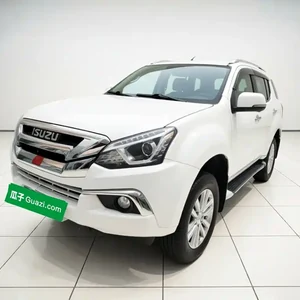
Isuzu mu-X Ranger 2020 Model 1.9T Diesel Automatic 4WD Premium Edition 7-Seater China VI
How to buy a Isuzu Mu-x from China
-
1
Define the destination-market configuration
Specify the country, steering side, seat count, fuel, transmission and two- or four-wheel-drive requirement before comparing vehicles. This prevents mismatched listings and unnecessary compliance work.
-
2
Shortlist live Mu-x inventory
Use the live Isuzu Mu-x listings to compare the exact year, trim, engine, gearbox, drivetrain and condition. Treat each displayed unit price, availability and MOQ as the current source.
-
3
Verify identity, documents and condition
Request the VIN or chassis number, production date, registration documents, emissions label, service history and detailed photographs. For a used unit, commission an independent inspection and reconcile the odometer and ownership history.
-
4
Request a like-for-like landed quotation
Ask for vehicle cost, domestic logistics, export documentation, freight, insurance, duty and tax status, port, Incoterm and payment milestones. Include any required steering conversion or local compliance work.
-
5
Confirm MOQ and shipment structure
Check the MOQ on the selected listing and ask whether the unit can be purchased separately. For consolidated shipments, clarify vehicle allocation, ownership, inspection, payment and delay responsibilities.
-
6
Secure payment and shipment release
Verify the beneficiary and vehicle serial numbers, use protected payment methods and tie the balance to inspection and verified documents. Record the final contract, condition record and vehicle allocation in writing.
-
7
Prepare shipping and destination compliance
Have the importer check customs, taxes, homologation, age restrictions, insurance and registration before releasing funds. Book the carrier after securing documents, loading requirements, insurance and shipment tracking.
Mu-x vs rivals
| Toyota Fortuner | The Fortuner may be the safer commercial bet where Toyota service familiarity and resale prospects are strong. The Mu-x can suit buyers seeking a different engine mix, manual availability and a choice of two- or four-wheel-drive five- or seven-seat configurations. |
|---|---|
| Mitsubishi Pajero Sport | The Pajero Sport is a direct diesel and four-wheel-drive alternative with a more overtly utility-focused image. Choose it where local Mitsubishi parts support or specialist off-road positioning outweighs the Mu-x's broader configuration choice. |
| Nissan Terra | Terra is a close seven-seat and diesel family-SUV comparison, often attractive where cabin volume is the priority. The Mu-x offers greater Chinese-export flexibility when two-wheel drive, manual transmission and multiple petrol or diesel variants matter. |
Frequently asked questions
How is the Isuzu Mu-x export price determined?
The live price is vehicle-specific and can move with model year, trim, engine, transmission, drivetrain, seating, condition, mileage, ownership history, exchange rates and commercial terms. Do not assume freight, documentation, duty or insurance are included; add them to the vehicle cost for a landed comparison. Use the live ChinaCarDirect listings for the current unit price and request a written quotation for the selected vehicle.
Which Isuzu Mu-x engines and drivetrains are available?
The export-relevant range includes 2.5-litre petrol, 1.9-litre diesel and 3.0-litre diesel configurations, with manual or automatic transmission, two- or four-wheel drive, and five- or seven-seat availability depending on the trim. Because this is an internal-combustion model, there is no battery capacity or electric driving range to quote. Confirm the engine, gearbox, drive system and emissions label on the selected unit.
Should an overseas buyer choose a new or used Mu-x?
A new vehicle generally reduces uncertainty around wear and ownership history, while a used vehicle can offer more configuration choice and suit value-led importers. A used purchase still requires individual inspection, service records, VIN, title, odometer and modification checks; a new purchase still requires production-date, warranty and destination-compliance checks. Compare lifecycle cost and local resale prospects rather than age alone.
What does MOQ mean when buying a Mu-x from China?
MOQ is the minimum quantity attached to a seller's offer or shipment, not a universal Mu-x rule. Read the MOQ on the selected listing and ask whether it accepts a single unit; for consolidated shipments, confirm allocation and payment terms. Never assume that a catalogue quantity or container-loading requirement applies automatically.
How long does Mu-x shipping take and what does it cost?
Shipping time and cost depend on the origin and destination ports, vessel mode and frequency, available space, congestion, handling, insurance and currency. Full-container load can suit consolidated fleets, while roll-on/roll-off or less-than-container arrangements may suit different buying patterns but create different security and handling requirements. Obtain a carrier-specific quote and define who bears delay, storage and demurrage costs.
How are spare parts supplied for an exported Mu-x?
Parts support depends on the destination's Isuzu dealer network and whether the exact engine, trim, steering side and emissions version are supported locally. Before ordering, request a parts list for service and high-wear items, supplier lead times and import channels for unavailable components. Also ask whether China-origin parts will remain serviceable and identifiable after local registration.
Is right-hand-drive availability an issue for the Mu-x?
China-market Mu-x examples are commonly left-hand drive, but the exact steering configuration must be checked for every listing. Right-hand-drive buyers should ask for a compliant right-hand-drive source or approved specialist conversion and confirm the effect on warranty, insurance, homologation and parts. Lead time and commercial terms may differ from a standard left-hand-drive vehicle.
How do I order an Isuzu Mu-x for export?
Start with the live Mu-x listings, shortlist by destination-compliant configuration, request details, photographs and documents, and ask for a written landed quotation with MOQ and Incoterm. After inspection and contract acceptance, use protected payment, tie the balance to verified condition and documents, and complete export shipping and destination registration. An RFQ is the most efficient route for fleet specifications or consolidated shipments.
Ready to source the Isuzu Mu-x?
Request a current Isuzu Mu-x export quote from ChinaCarDirect and compare each live unit before committing funds.
Request a quote