
JAC Motors Refine S3: Export Buying Guide for Dealers
Compare JAC Motors Refine S3 trims, export pricing, ordering, shipping and compliance, then choose the right compact SUV for overseas dealers and fleets.
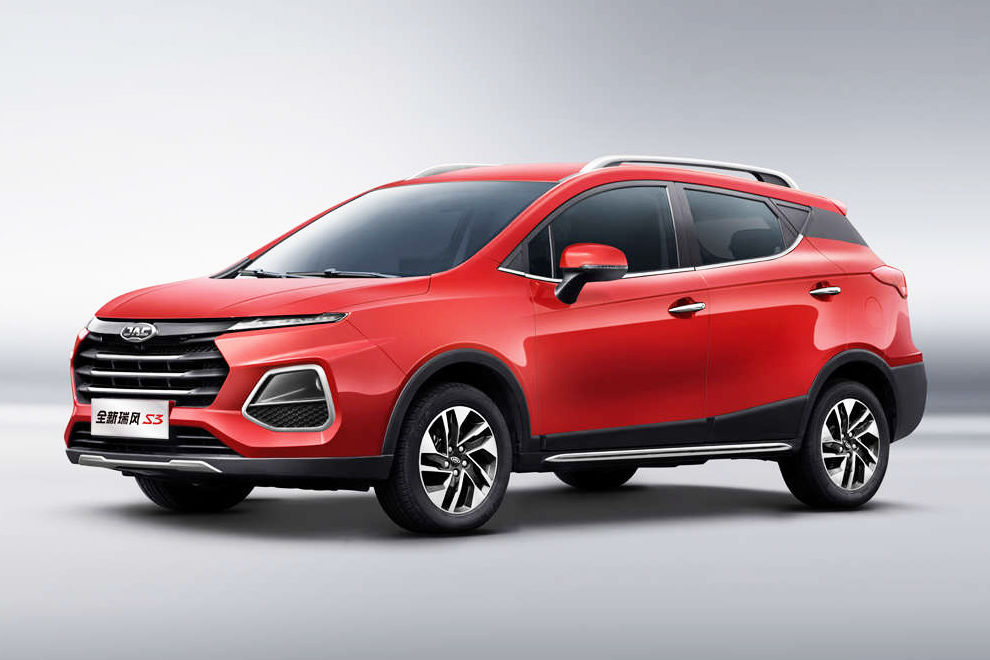
At a glance
- The Refine S3 is positioned as a compact gasoline crossover for importers, dealers and fleet operators seeking a practical Chinese-origin vehicle.
- The lineup logic centers on 1.5L and 1.6L gasoline engines, manual or CVT transmissions, and several Luxury and Smart trim designations.
- A new classification does not necessarily mean a current model year, zero mileage or transferable factory warranty.
- Export pricing should be evaluated by exact configuration, condition, Incoterm, freight and destination compliance rather than by model name alone.
- A single-vehicle pilot may suit a cautious buyer, while consolidated orders require careful planning for trim standardization, homologation and spare parts.
Why the JAC Motors Refine S3 matters for export markets
The JAC Motors Refine S3 occupies the affordable compact-crossover segment, giving overseas buyers a Chinese-origin SUV alternative to models sold through established dealer networks. Its relevance is practical rather than prestige-led: the lineup includes 1.5-litre and 1.6-litre gasoline engines with manual or CVT selections, allowing importers to match transmission preferences to local driving habits and fleet policies. That combination makes the Refine S3 relevant in markets seeking a versatile passenger vehicle without moving directly to electric drivetrains. Dealers gain an accessible SUV option, while fleets retain familiar combustion power for routes.
Export demand for this type of vehicle depends on a workable balance of acquisition cost, operating practicality and local support. The Refine S3 is most compelling where paved-road transport dominates and buyers want an SUV-shaped, fuel-powered option for private customers, company fleets or vehicle-for-work use. Manual versions may suit drivers accustomed to them, while CVT versions may reduce stop-and-go workload for urban operators. Neither choice, however, should be made before confirming the exact unit, equipment list and destination-market compatibility. Local parts and service support can be as important as the initial quotation.
Global demand for the Refine S3 should therefore be assessed market by market rather than assumed from the model name alone. Tax treatment, registration rules, fuel availability, insurance assumptions, road conditions and consumer preferences can all change the commercial case. Importers should review current live inventory, ask for the VIN and build information, confirm steering-hand configuration, and verify that replacement parts and technical support are obtainable locally. A model with the right powertrain can still be a poor investment if compliance or servicing is unresolved before shipment occurs in practice.
- Compact SUV with manual and CVT choices.
- Suits markets with workable service support.
- Verify compliance, RHD and parts support.
Model range, trims and powertrain variants: how the lineup is structured and how to choose
The Refine S3 range is organized around two petrol engine sizes and two transmission types. Across the documented trim logic, buyers will encounter designations including Luxury, Luxury Smart and Luxury Smart Premium, with additional labels such as Custom Edition, Smart Connect and Smart Drive Edition on particular combinations. The 1.5-litre and 1.6-litre engines can be paired with a manual or CVT, depending on trim. These names establish the commercial hierarchy, but they do not by themselves verify equipment, so each listing must be checked against its photographs and written specification.
Engine choice should be driven by operating priorities rather than badge appeal. A fleet that values familiar manual controls may prioritize a manual-equipped vehicle, while a CVT can suit intensive urban use and customers who prefer simpler speed management. Engine displacement alone should not be treated as proof of output, economy or reliability, because ratings, calibration, curb weight and test cycles affect those claims. Ask for the manufacturer specification, service history and real-world consumption data relevant to the exact configuration before including fuel cost in the business case in detail.
Trim selection is a comparison of contents, not just naming. Luxury Smart Premium should be evaluated against the actual equipment list rather than assumed to include every feature found on newer competitors. Likewise, Smart Connect and Smart Drive Edition need their functions, compatibility and homologation status checked in the destination country; the labels cannot establish regulatory approval. Compare seating and load usability, infotainment, safety equipment, climate controls, wheels, service requirements and warranty coverage. For fleet buyers, standardization often matters more than the highest equipment grade available in the local market.
- Verify engine and transmission.
- Check Smart labels against equipment.
- Standardize fleet specifications.
New vs used JAC Motors Refine S3: how export inventory is structured and how buyers choose
Export inventory can include vehicles described as new and vehicles described as used, and those labels should be interpreted separately from model year. A new classification does not necessarily mean current-calendar-year production, zero mileage or a complete factory warranty. Ask the seller for the production date, VIN, odometer reading, prior-sales status and a dated condition report. Used examples may offer a different acquisition profile, but only a clear vehicle record distinguishes a sound low-use car from a discounted unit carrying undisclosed history or repair needs. Make the commitment only after that record is reviewed.
For used units, inspect the vehicle as a used-car purchase, even when the seller classifies it for export. Request service records, title and import documents, photographs of the underbody and cargo area, tyre dates, brake condition, fluid levels, glass and lamp condition, plus an independent inspection. Manual cars require particular attention to clutch wear and gear engagement; CVT units need documented service history and confirmation that the fluid-change record is complete. Any repair, tow, flood or major-accident history should be disclosed in writing before any balance payment is released from escrow.
New inventory is generally preferable when a buyer needs consistent specification, known delivery condition and a simpler handover process, particularly for fleet roll-outs where drivers should receive identical vehicles. Used stock can make sense when the buyer values initial acquisition cost more highly and has the capability to inspect, maintain and refurbish the vehicle. Neither category is automatically the better export choice. The right question is whether the particular unit’s condition, documents, configuration and expected resale position align with your total-cost model; confirm the current classification on the live listing.
- Verify VIN, build date and mileage.
- Inspect used units independently.
- Confirm warranty transfer.
How export pricing works: the factors behind a live listing price, and how to read one
A live Refine S3 price is the output of several variables rather than a fixed model-level rate. Model year, trim, 1.5-litre or 1.6-litre engine, manual or CVT, mileage, condition, production date and market demand can all change the vehicle’s asking position. Export cost also responds to the seller’s location, currency movements, freight routes, handling and the selected Incoterm. When comparing units, normalize the configuration first; a cheaper headline figure for an older, higher-mileage or differently equipped vehicle is not automatically better value for your target market and operating plan overall.
The displayed vehicle price should not be confused with landed cost. Import duties, value-added or sales tax, customs handling, port charges, inland transport, insurance, inspection, registration and documentation may sit outside the seller’s quote. Some offers use an ex-works basis, while others may be framed on FOB, CIF or another Incoterm; each transfers a different amount of cost and risk. Ask for a written quotation that separates vehicle price, inland China charges, international freight, insurance and destination charges, and identify taxes that can only be calculated after import is completed.
Read each live listing as a vehicle-specific record, not a universal market price. Check the title, model year, engine, transmission, trim wording, SKU, seller location, stated condition, photos, MOQ and quoted commercial terms. Then ask what is not visible: service history, VIN, production date, warranty, inspection report, accessories, repair record and export-document package. A clear quotation should identify the unit by SKU or VIN and state validity, payment milestones and exclusions. Current price, availability and MOQ are shown on ChinaCarDirect’s live Refine S3 inventory; request confirmation before budgeting or committing funds.
- Compare equivalent configurations.
- Separate vehicle and landed cost.
- Tie quotes to a SKU or VIN.
MOQ, ordering and payment: single units vs consolidating a container
Minimum order quantity is a transaction term that must be read on each listing and confirmed with the seller. Some export sellers accept a single vehicle for a dealer trial or fleet pilot, while others set a larger lot or require mixed units to form an order. A displayed MOQ does not guarantee identical payment, documentation or shipping terms for every seller. Before selecting inventory, check the MOQ field and ask the supplier to state the minimum quantity, whether units may be combined and how the deposit applies to the intended order.
The normal ordering sequence is straightforward: identify a suitable live unit, open its details, request a formal quotation, identify the vehicles by SKU or VIN, and confirm the order documents. The supplier should then state the unit price, MOQ, deposit, balance trigger, production or stock status, preparation time, Incoterm and estimated departure window. Tie payment milestones to order confirmation and pre-shipment inspection, not vague assurances. Keep the approved specification, photographs, invoice and payment record together so the importer has an audit trail if the vehicle differs from what was ordered.
Consolidating several vehicles into one container or shipment can simplify freight administration, but it raises configuration and commercial risks. Units of different model years, trims, transmissions or steering-hand arrangements may complicate resale, spare-parts planning or local registration. Confirm whether the seller can combine units under one booking, who controls the consolidation, and which vehicle-level documents accompany the consolidated cargo. For wholesale and fleet buyers, a mixed order can test demand while limiting exposure; for dealers, a standardized batch may be easier to market and service. Approve the final cargo list before payment.
- Check each listing’s MOQ.
- Use milestone-based deposits.
- Approve the final cargo list.
Shipping, homologation and market compliance caveats: LHD/RHD and import rules by country
Freight method should be chosen after the vehicle’s dimensions, weight and handling requirements are confirmed. Container shipping suits buyers able to consolidate stock and secure loading space; roll-on/roll-off shipping can suit individual vehicles, subject to carrier acceptance and safe securing. A complete quote should cover origin charges, loading, ocean or other international freight, insurance, destination terminal fees and inland delivery. Costs move with route, season, fuel surcharges, port congestion and container availability, so an early planning estimate should be replaced by a carrier-backed quotation tied to the agreed Incoterm basis.
Steering configuration is a make-or-make export check. A left-hand-drive vehicle cannot simply be assumed acceptable in a right-hand-drive market, and right-hand-drive availability should be verified rather than inferred from the trim name. Request the VIN, an image of the steering wheel and instrument cluster, build plate and confirmation of the configuration. Before loading, the importer should confirm eligibility, insurance, emissions standards, applicable safety equipment, language labels and required testing. This leaves time to correct non-compliance before significant storage or return-freight costs accrue, rather than discovering the issue only after arrival.
Market compliance is the importer’s responsibility, and approval in China does not guarantee registration elsewhere. Build a destination checklist covering customs classification, duty and tax calculation, VIN and document consistency, emissions, safety, roadworthiness, insurance, warranty validity and local conformity requirements. Have an independent pre-shipment inspector check the VIN against the invoice, exterior condition, interior, tyres, fluids, warning lamps and included equipment; for a used vehicle, make inspection a condition of final payment. Also confirm local access to parts, manuals and technical information. An unsupported vehicle can still create costly downtime.
- Verify VIN, steering side and build plate.
- Clear compliance before loading.
- Condition payment on inspection.
Who should buy the Refine S3 — and who should pick a different vehicle
The Refine S3 is a logical candidate for overseas dealers and fleet buyers who want a compact, gasoline-powered crossover and can support it with local parts and service. Manual versions may suit markets with broad manual-transmission familiarity, while CVT-equipped units can be easier for urban drivers to operate. A dealer should test demand with a small, carefully chosen batch and verify that model-year, trim and equipment mix will appeal to local customers. For a fleet, assess boot capacity, fuel availability, maintenance intervals and parts support against the routes and duty cycle.
Buyers should choose a different vehicle when their case depends on an electric powertrain, a hybrid system, all-wheel drive, serious off-road capability, heavy towing or unconfirmed technology. The model’s trim labels should not be read as proof of advanced driver assistance or current crash-safety certification. It is also a poor fit for a buyer who cannot establish local homologation, parts supply or workshop capability, because those unresolved issues can erase the apparent advantage of its acquisition cost. Export price should therefore be considered alongside compliance time, service downtime and residual-value uncertainty.
A sound decision starts with a use-case scorecard: retail segment, road and traffic conditions, fuel choice, transmission preference, equipment needs, utilization, maintenance capability and resale route. Use the live listing only after matching the unit to that scorecard, then compare the Refine S3 with Chinese and established-brand alternatives in the destination market. Negotiate on a specification and landed-cost basis, not the vehicle name alone. If the answer depends on RHD availability, a particular trim, warranty transfer or parts supply, make that a written condition of the purchase before funds are released.
- Match powertrain to duty.
- Confirm parts and service support.
- Put key assumptions in writing.
Main rivals and how the Refine S3 compares
The closest alternatives depend on how the Refine S3 is positioned in the destination market, but Chinese compact crossovers are the most direct comparison set. Chery’s compact SUV offerings, Haval crossovers and the Renault Duster all compete for budget-conscious private buyers and small fleets seeking a practical raised-body vehicle. Compare them on the same basis: engine and transmission, safety and comfort equipment, local approval, parts availability, warranty, fuel use and dealer support. The Refine S3’s specific advantage is its clear mix of 1.5-litre and 1.6-litre engines with manual or CVT choices, subject to the selected unit.
Against Chery compact crossovers, the Refine S3 should win only if its trim, condition and support provide better local value; brand familiarity alone is not a reliable guide. Haval alternatives may appeal to buyers seeking a different design or powertrain mix, so compare the engine, transmission and equipment rather than assume a hierarchy. The Renault Duster can attract buyers where an established name and local service ecosystem reduce adoption risk, but verify availability, homologation and parts coverage locally. Each alternative must meet the same import and operating requirements as the Refine S3.
There is no universal winner in this segment. The Refine S3 may suit a buyer who values its manual and CVT configurations, wants a Chinese-manufactured compact SUV and can secure parts and compliance support. A rival may be preferable where the buyer requires another body format, newer platform, safety specification or stronger residual value. Because equipment varies by market and model year, compare the VIN-level listing with each rival’s destination specification. Test acquisition and operating economics, including freight, taxes, fuel, maintenance and the ability to remarket the vehicle.
- Compare destination specifications.
- Check homologation and support.
- Model landed cost.
Live JAC Motors Refine S3 export inventory
View all listings →Real units currently on ChinaCarDirect with per-unit asking prices and MOQ. Availability updates live from the catalogue.
How to buy a JAC Motors Refine S3 from China
-
1
Define the destination-market use case
Specify the country, steering-hand requirement, fuel, road conditions, customer segment and expected annual utilization. This determines which Refine S3 configurations and rivals deserve further review.
-
2
Filter the live Refine S3 inventory
Review the live listings for model year, engine, transmission, trim wording, condition and seller location. Shortlist only units whose title and photographs appear consistent with the intended use.
-
3
Verify the vehicle-specific specification
Request the VIN, production date, mileage, equipment list, service history, warranty terms and export-document package. Confirm the steering side and destination-market compatibility in writing.
-
4
Request a written commercial quotation
Ask for a unit-level quote stating the price basis, MOQ, payment milestones, preparation time, Incoterm, freight estimate and exclusions. Tie the quotation to the selected SKU or VIN.
-
5
Confirm the order and payment milestones
Approve the specification, document list and delivery plan before paying. Release funds in stages tied to order confirmation, production or stock verification and pre-shipment inspection.
-
6
Inspect before final payment
Use an independent inspector to verify the VIN, exterior and interior condition, tyres, fluids, warning lamps and included equipment. For used vehicles, make the inspection report a condition of final settlement.
-
7
Ship, import and register
Use the agreed Incoterm to coordinate loading, insurance, freight, customs clearance and inland delivery. Complete destination registration, tax and conformity checks before releasing the vehicle for service or sale.
Refine S3 vs rivals
| Chery Tiggo 4 | The Tiggo 4 is a direct Chinese-brand compact-SUV comparison, so buyers should compare equipment, powertrain, local homologation and dealer support. Choose it when its destination specification and service network better fit the market; choose the Refine S3 when the available engine, transmission and local vehicle condition create the better business case. |
|---|---|
| Haval Jolion | The Jolion competes in the same broad compact-SUV class and offers a different design and equipment mix for buyers to assess. It becomes the stronger choice when its local approval, parts network and warranty terms are demonstrably better than the support available for the selected Refine S3. |
| Renault Duster | The Duster is an established-name alternative for buyers who prioritize local brand recognition and service familiarity. It may suit markets with stronger Duster support, while the Refine S3 can suit buyers seeking its specific Chinese configuration and a more suitable commercial offer. |
Frequently asked questions
How is JAC Motors Refine S3 export pricing determined?
Export pricing is vehicle-specific and normally reflects model year, trim, engine, transmission, mileage, condition, seller location, currency, freight and the Incoterm. Exact current prices are shown on the live Refine S3 listings; request a written quote tied to the chosen SKU or VIN so the vehicle, price and commercial scope remain auditable.
What engine and transmission options does the Refine S3 have?
The documented range uses 1.5L and 1.6L gasoline engines paired with a manual or CVT, depending on the trim. Output, fuel consumption and emissions should not be inferred from displacement alone; request the manufacturer data and emissions information for the exact unit.
Should I buy a new or used JAC Motors Refine S3?
A new classification does not necessarily mean current-model-year production, zero mileage or a transferable factory warranty, so inspect the specific vehicle. Used units can suit buyers focused on initial acquisition cost, while new inventory is generally more consistent for fleet standardization; compare condition, records and total ownership costs.
How does MOQ work when ordering a Refine S3?
MOQ is set by the listing and seller, so check the live unit’s MOQ field rather than relying on a model-wide assumption. Ask whether one vehicle can be ordered, whether mixed units can be combined and how the deposit applies; the seller’s written confirmation is the binding term.
What affects Refine S3 shipping time and cost?
Shipping time and cost depend on vehicle preparation, origin, transport mode, route, season, congestion, documentation, insurance, destination charges and inland delivery. A carrier-backed quotation under the agreed Incoterm is more useful than a general estimate because freight conditions change.
Can spare parts be supplied for the JAC Motors Refine S3?
Parts support depends on the individual configuration and the seller’s export program. Before ordering, request a parts list, recommended consumables, manuals, technical information and warranty procedure, then confirm that a local workshop or distributor can support the vehicle.
Is right-hand-drive availability confirmed for the Refine S3?
RHD availability must be confirmed for each unit rather than inferred from the trim name. Ask for the VIN, build plate, steering-wheel photographs and written configuration statement, and verify local registration requirements before placing the order.
How do I order a JAC Motors Refine S3 from China?
Start with the live Refine S3 inventory, select a suitable unit and submit an RFQ with the required configuration. Confirm the SKU or VIN, price basis, MOQ, payment milestones, Incoterm, documents, inspection and shipping plan before releasing funds.
Ready to source the JAC Motors Refine S3?
Send ChinaCarDirect an RFQ for a written Refine S3 quotation covering the exact unit, MOQ, Incoterm, freight estimate and export documents.
Request a quote