
Jaguar F-pace Export Guide for Overseas Buyers
Buy a Jaguar F-pace from China with clear guidance on trims, engines, export pricing, MOQ, shipping, compliance and rival options for overseas dealers.
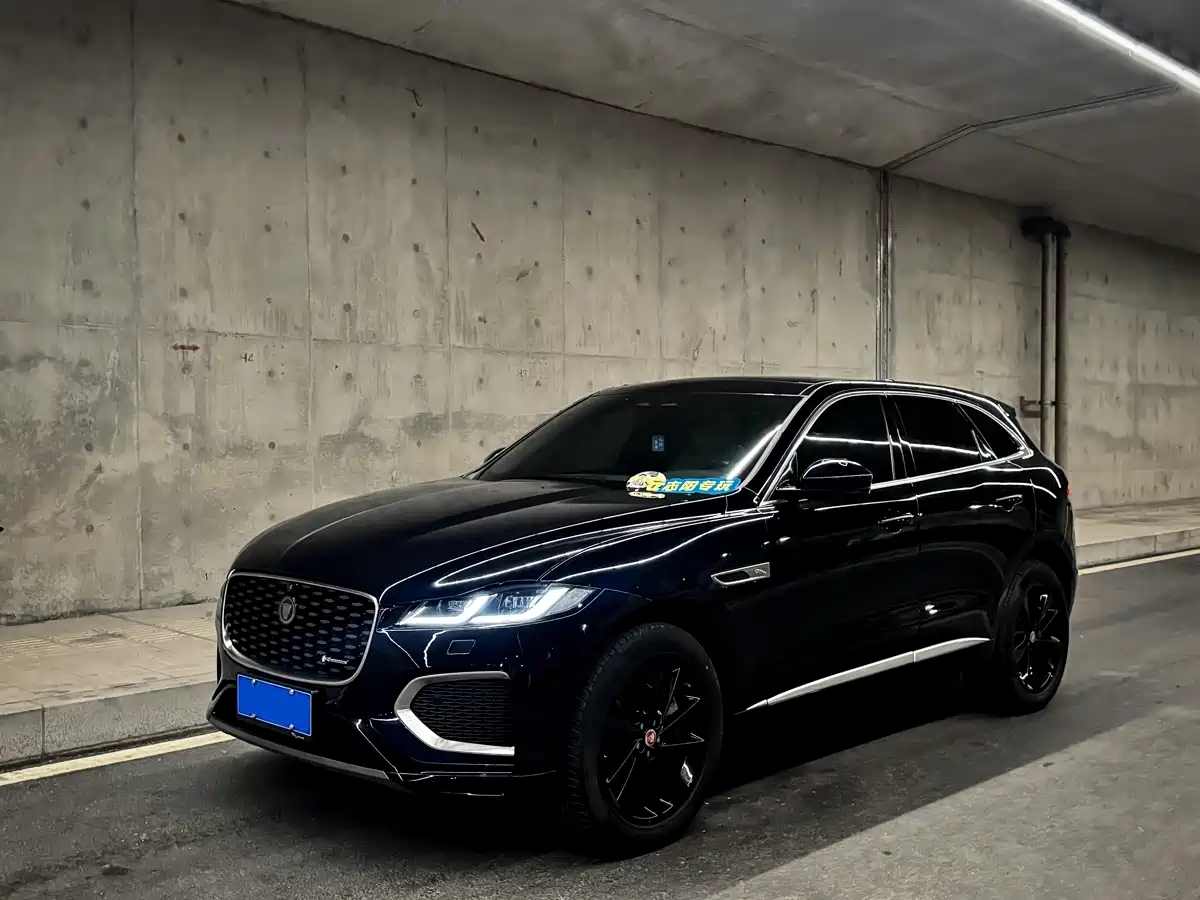
At a glance
- The F-pace combines Jaguar styling with the five-door practicality expected of a premium compact SUV.
- The model line includes 2.0T four-cylinder and 3.0 SC six-cylinder gasoline powertrains, but output and equipment labels must be checked per vehicle.
- Urban, R-Dynamic, HSE and R-Sport grades serve different comfort, technology and style priorities.
- New vehicles reduce age-related uncertainty; used vehicles demand stronger inspection, documentation and maintenance checks.
- Export pricing must be normalized by year, trim, condition, exchange rate, freight, Incoterm and destination charges.
- Current unit price, availability and any MOQ must be confirmed on the live listing and written quote.
Why the Jaguar F-pace matters for export markets
The Jaguar F-pace occupies the premium compact SUV segment, pairing a low, coupe-influenced profile with five-door practicality. Overseas buyers may value its distinctive design more than the ubiquity of German-badged alternatives. Its rear-seat and luggage area make it a credible family and executive vehicle, while its performance positioning suits drivers who do not want a conventional crossover. For importers, it offers a premium badge without the operating bulk of a full-size luxury SUV. Its import relevance also depends on manageable dimensions, clear identification and a service plan that matches the destination market over time.
The F-pace can attract buyers who want premium SUV credentials with a more sporting character than a comfort-led family vehicle. Its broad international name recognition helps specialist sellers explain the proposition, even though Jaguar is a niche marque in many export markets. For fleet managers, however, fuel use, servicing arrangements and residual-value confidence should be assessed before it becomes a default company car. Availability of suitable equipment and credible parts support are more important than badge appeal alone. This is especially relevant to parallel imports sold outside the official distribution network in that market.
Export demand should therefore be matched to the destination rather than inferred from global sales reputation alone. Urban markets may reward easy maneuverability, premium presentation and lower operating costs, while regions with established Jaguar service networks can support a broader retail programme. Buyers should also consider how used imports will be inspected, valued and resold once local competition begins. A unit that is attractive at import can lose value if registration, repairs or parts become difficult. A conservative reserve for adaptation and rectification protects the importer's commercial margin after arrival or resale.
- Premium styling; five-door practicality.
- Local service support matters.
- Residual values drive fleet suitability.
Model range, trims and powertrain variants: how the lineup is structured and how to choose
The export-facing F-pace range is organized around several equipment grades and power labels. Names seen in the market include Urban Premium and Urban Deluxe, R-Dynamic S and SE, HSE, R-Sport, BLACK, 300-Sport and a High Performance edition. These labels indicate progression in comfort, technology, materials or sporty appearance, but they are not a universal global hierarchy. Model year, facelift status and source market can change what each badge includes. Therefore, a buyer should never treat a trim badge as a substitute for the build sheet, option list and original sales literature for that year.
The powertrain choice is clearer than the equipment naming. The range includes a 2.0-liter turbocharged four-cylinder and a 3.0-liter supercharged six-cylinder, both gasoline-powered. P250 and 250PS labels sit within the output family associated with the four-cylinder, while 340PS is commonly linked to the supercharged six; 300 or 300-Sport labeling should be checked unit by unit. Verify the engine code and output rather than assuming every similarly named car has identical mechanical specification. Ask for the VIN, engine designation, gearbox, drivetrain, emissions label and any market-specific calibration, and require the answer in writing before placing a deposit.
For most buyers, the rational starting point is use case rather than badge prestige. A 2.0T model generally serves urban running and mixed fleet duty with less emphasis on outright performance, while a 3.0 SC suits drivers who value acceleration and sustained high-speed refinement. Equipment decisions should follow: compare seat functions, climate control, infotainment, driver aids, tow rating, wheels and luggage capacity in the exact vehicle. Optional bulk can add weight, cost and eventual repair complexity without improving the core use case. Agree the required equipment before comparing vehicle-level export quotes for the vehicle.
- 2.0T and 3.0 SC gasoline.
- Trims vary by market.
- Verify VIN, engine and options.
New vs used Jaguar F-pace: how export inventory is structured and how buyers choose
Chinese export supply can include new parallel-import vehicles, nearly new demonstrator cars and used examples from different model years. This mixed structure gives buyers several ways to enter the F-pace market, but it also means the description alone does not establish provenance. A listing should be read as an individual vehicle with its own VIN, production date, mileage, service record and condition. Similar trim names can conceal major differences in ownership, equipment and market specification. Ask the seller to reconcile the title, import papers, build plate and physical VIN before dispatch and payment.
A new or effectively new F-pace suits buyers who prioritize current model-year design, low recorded distance and the possibility of transferable manufacturer coverage. Warranty transfer, service history and delivery timing remain destination-specific, so the buyer should obtain written terms rather than assume them. Newer examples may also offer a more coherent factory specification and modern driver-assistance suite, but they normally carry the higher vehicle acquisition commitment before freight and taxes. The lower operational risk can suit a dealer building a standardized launch stock or a fleet maintaining a uniform image over its life.
A used F-pace can deliver the same basic vehicle architecture at a lower acquisition cost and may make commercial sense where the budget cannot support a new premium SUV. The trade-off is uncertainty around wear, accident repair, missing equipment, service gaps and future reliability. Inspect paint and panel gaps, verify cold starts and every electrical function, review maintenance records, and obtain an independent inspection. Depreciation should not be treated as free value if repair and compliance work is deferred. Budget adaptation and rectification before the vehicle reaches customers or is resold, including compliance work and lost sales time.
- New units reduce age risk.
- Used cars need inspection.
- Compare total ownership.
How export pricing works: the factors behind a live listing price, and how to read one
Export pricing is a quotation built from several variables rather than a fixed value attached to the F-pace name. The vehicle year, generation, trim, engine, output label and factory options establish its base position. Mileage, condition, service history, ownership, title status and whether the car is new or used can move the result further. A live listing is the correct place to see the seller's current unit-level price and availability, not an old catalogue range. Ask whether the displayed figure is negotiable, what it includes, and how long it remains valid in writing.
The landed cost may differ materially from the vehicle price because exchange rates, freight, marine insurance, export handling, destination charges and import duties are negotiated or calculated separately. Incoterms determine where risk and cost transfer, so an apparent bargain under one term may carry more buyer exposure under another. Compare F-pace quotes on the same basis: same vehicle condition, destination, Incoterm, documentation, warranty treatment and delivery scope. Request an itemized pro forma that separates vehicle cost, inland transport, origin charges, freight, insurance, destination expenses and taxes where applicable. Confirm every component before shipment.
To compare several live offers, normalize them in a worksheet rather than ranking the smallest displayed number. Record model year, exact trim, engine, mileage, condition, steering position, options, seller, currency, quote validity, payment milestones and delivery term. Then model the likely adaptation, compliance, registration and rectification costs for the destination. For Jaguar F-pace wholesale purchases, also compare expected resale margin and financing cost, because two vehicles with similar purchase prices can carry different commercial risk. Request a written quote through the live listing or RFQ process and reconcile every commercial term before paying. Treat only the current written quote as binding.
- Vehicle price is not landed cost.
- Normalize quote terms.
- Use live unit pricing.
MOQ, ordering and payment: single units vs consolidating a container
Minimum order quantity is a commercial term attached to the seller's offer, not a permanent characteristic of every F-pace transaction. Some listings may be available to individual buyers, while a seller or shipment may impose a larger lot. Read the MOQ field on the live record and include it in the written quotation, then confirm whether it applies per model, trim, steering position or shipment. Do not assume a marketplace interface or negotiating message has already converted that requirement into a firm order. Confirm the requirement in writing to avoid surprises at payment or dispatch.
A single-unit purchase can suit a private importer, a specialist retailer testing demand, or a fleet needing one replacement vehicle. For a full container, consolidation may improve freight planning and buying efficiency, but units should be matched by destination, specification, steering position and expected arrival date. Mixing incompatible trims can complicate allocation, insurance, homologation and resale. A container is economical only if the carrying cost, financing and slower inventory turnover are included in the comparison. Spare capacity should be reserved only for parts or vehicles with the same compliance and commercial requirements. Calculate the full cost before committing to a container.
The ordering sequence should separate vehicle selection from financial commitment. First choose and verify the individual vehicle, then request a pro forma invoice showing the MOQ, unit price, currency, payment milestones, title warranty and cancellation terms. Confirm which party handles export declaration, terminal charges, freight booking and release documents. The balance should not become due until those obligations and inspection rights are documented, because vehicle condition can deteriorate while a shipment is being arranged. Keep every change to specification, price or delivery scope in a written amendment approved by both sides before dispatch.
- Confirm MOQ in writing.
- Match container units carefully.
- Document payment milestones.
Shipping, homologation and market compliance caveats: LHD/RHD and import rules by country
Shipping an F-pace begins with confirming that the vehicle is export-ready, not merely booked on a vessel. Obtain the VIN, engine and displacement details, customs documents, export declaration, title or ownership evidence, and any certificates the buyer or carrier requires. The freight method, port pair, sailing schedule, container or roll-on/roll-off allocation, insurance and terminal handling should be stated in writing. Those details determine transit handling and the evidence chain needed for release. Shippers also need to check whether the vehicle has existing damage, loose accessories or modifications that require declaration and insurance.
Shipping time and cost are variables rather than promises attached to the model. Route distance, carrier capacity, port congestion, sailing frequency, customs inspection, terminal appointments and documentation errors can extend the timeline. Freight charges also respond to the chosen service, season, fuel surcharges, equipment requirements and origin or destination charges. A buyer should ask for the latest milestones: gate-in, vessel departure, arrival, discharge, customs clearance and release, while distinguishing quoted freight from the all-in landed budget. Buffer the sales plan for customs and handling delays instead of assuming a sailing date equals delivery.
Homologation is the decisive compliance step after arrival. Requirements vary by country and can cover emissions, safety, VIN identification, lighting, software, radio systems, taxation and vehicle age restrictions, especially for used imports. LHD and RHD versions also differ in safety equipment, steering position and market software. Buyers must confirm that a Chinese-market F-pace is admissible in the destination before paying, and allow for certified lamps, radio approval, language, modification or rectification where local authorities permit it. Use a local customs broker or compliance specialist for a written assessment before committing funds or documentation. Do not assume rectification is legally available in every jurisdiction.
- Verify steering position.
- Check homologation rules.
- Budget customs delays.
Who should buy the F-pace — and who should pick a different vehicle
The F-pace is most suitable for a buyer who values Jaguar design and a sporting compact-SUV driving position but still needs five-door practicality. It can work well for executives, premium ride-hailing, hotel or company fleets where the driver cares about presentation and the operator can control maintenance standards. For a large family, it may suit those who prioritize style and luggage capacity over the latest connectivity or the broadest rear-seat space. A dealer should also model residual values, insurance and servicing before building a niche around repeated F-pace purchases in the target market.
A buyer who prioritizes fuel efficiency, electrified powertrains, extensive dealer support or a highly standardized fleet process may be better served elsewhere. A luxury full-size SUV may be preferable when cabin space, towing or passenger capacity dominates. An off-road-oriented model may suit harsher roads, while a compact crossover may reduce acquisition and running costs. The decision should be based on duty cycles and local support, not on the F-pace's visual appeal alone. Buyers focused on long-distance economy should compare real-world fuel consumption and range under local test standards for their fleet.
A used F-pace can be the sensible choice for an operator with a controlled refresh budget, provided the inspection is rigorous and known repair costs are included. The sweet spot is a well-maintained example with documented history, matching steering configuration and a complete factory option list. Conversely, avoid a purchase when the seller cannot substantiate ownership, the vehicle has unresolved structural damage, or local parts and diagnostic support are inadequate. In those circumstances, the apparent discount is not an export saving. Total operating cost matters more than the entry ticket when calculating export value.
- Strong for style-led fleets.
- Conditional for used purchases.
- Weak for efficiency-first fleets.
Main rivals and how the F-pace compares
The BMW X3 is the closest volume-oriented rival for many buyers: a premium compact SUV with a similar need to balance road presence, utility and everyday usability. Its wider international dealer footprint can reduce servicing uncertainty, while available powertrain and equipment combinations may be easier to compare across markets. The F-pace differentiates through Jaguar's more expressive design and performance-led character, but buyers should test whether that identity justifies less predictable parts or residual-value considerations in their destination. For a fleet, serviceability can outweigh a sharper-looking badge in a remote region. Confirm support before ordering.
The Mercedes-Benz GLC competes directly for buyers who want a refined premium SUV with an established resale and brand-recognition proposition. It generally emphasizes a polished compact-SUV package, established after-sales channels and a broad specification hierarchy, depending on market. The Jaguar offers a more coupe-like silhouette and a more overt performance character, while the GLC may be the lower-risk choice where Mercedes support is extensive. Compare rear access, boot usability, fuel requirements and software features in actual vehicles. Avoid selecting on badge alone when the destination lacks transparent servicing arrangements. Compare local support before purchase.
The Volvo XC60 is a credible alternative for buyers who place safety, restraint and a more progressive cabin environment above traditional Jaguar styling. Depending on the destination, its powertrain range may include electrified options that better suit efficiency policies, while its brand image is often less polarizing among fleet buyers. The F-pace counters with stronger visual individuality and a performance-oriented character. The final choice depends on verified equipment, fuel costs, safety and software support, and expected resale positioning. A test drive in local road conditions can reveal which size and seating layout works.
- BMW X3: broader service reach.
- Mercedes-Benz GLC: conventional benchmark.
- Volvo XC60: safety and efficiency focus.
Live Jaguar F-pace export inventory
View all listings →Real units currently on ChinaCarDirect with per-unit asking prices and MOQ. Availability updates live from the catalogue.

How to buy a Jaguar F-pace from China
-
1
Define the destination market
State the destination country, intended port, steering configuration, registration route and sales channel before choosing a trim. Obtain an initial compliance view from a local customs broker or vehicle-homologation specialist.
-
2
Choose the engine and equipment
Decide whether the 2.0T or 3.0 SC powertrain fits the operating duty, then prioritize only the equipment required by the buyer or fleet. Do not infer the full specification from the trim badge alone.
-
3
Review live F-pace listings
Use the current inventory to compare individual vehicles, prices, availability and stated MOQ terms. Focus on the VIN, model year, exact trim, engine, mileage, condition and market origin.
-
4
Verify the individual vehicle
Request the physical VIN, build plate, ownership documents, service records, option list and clear photographs. Commission an independent inspection when buying a used vehicle or ordering without seeing it.
-
5
Request an itemized export quote
Ask for a written quote that separates the vehicle cost, inland transport, freight, insurance, origin charges and destination expenses. Confirm the currency, Incoterm, quote validity and treatment of taxes or duties.
-
6
Confirm order and payment terms
Put the selected vehicle, MOQ, payment milestones, title warranty, inspection rights and cancellation terms in the pro forma invoice. Amend the document in writing whenever any material detail changes.
-
7
Prepare shipping and clearance
Agree the freight method, port pair, insurance, document responsibilities and shipment milestones before dispatch. Track customs clearance and local registration separately from vessel arrival, and inspect the vehicle again after release.
F-pace vs rivals
| BMW X3 | The X3 is the more volume-oriented and service-supported alternative, often making it easier for fleets to standardize. The F-pace offers more distinctive Jaguar styling and a performance-led character, but buyers should confirm local parts and residual-value support before choosing it. |
|---|---|
| Mercedes-Benz GLC | The GLC is a conventional premium-SUV benchmark with an established after-sales proposition where Mercedes has strong local coverage. The Jaguar differentiates through its coupe-like profile and sporting emphasis, while the GLC may be safer where dealership support is extensive. |
| Volvo XC60 | The XC60 is a strong alternative for buyers prioritizing restraint, a progressive cabin and potentially electrified powertrains. The F-pace provides more visual individuality and overt performance, so the better choice depends on verified equipment, efficiency and local resale positioning. |
Frequently asked questions
How is Jaguar F-pace export pricing determined?
Price is built around the individual vehicle's year, generation, trim, engine, options, mileage, condition, ownership and title status. Exchange rates, freight, insurance, Incoterm and destination charges determine the landed cost. Current unit-level price and availability should be read from the live F-pace listings, then confirmed in a written quote.
What powertrain and range options should export buyers check?
The F-pace line discussed here includes a 2.0-liter turbocharged four-cylinder and a 3.0-liter supercharged six-cylinder, with labels such as P250/250PS, 300-Sport and 340PS. These gasoline vehicles have no electric battery range to quote; usable road range depends on fuel capacity, efficiency, condition and driving. Verify the exact engine and output on the live unit because labels can differ by market.
Is a new or used Jaguar F-pace better for export?
A new vehicle generally reduces age-related condition uncertainty and may offer transferable coverage, but it requires a higher acquisition commitment. A used vehicle can reduce entry cost while increasing inspection, maintenance and compliance risk. Compare total ownership and expected resale value rather than using purchase price alone.
How does MOQ work for a Jaguar F-pace wholesale order?
MOQ is set by the seller or shipment, not by the model name; some offers may be available as single units while others may require a lot. Read the live listing, ask for MOQ in the RFQ and include it in the written quote before paying. For a container, consolidate only compatible units because steering position, specification and destination can affect saleability.
How long does shipping take and what affects the cost?
Transit time depends on route, sailing frequency, port congestion, terminal handling, customs inspections and document readiness. Freight cost also changes with service level, season, fuel surcharges, equipment needs and origin or destination charges. Request written milestones for gate-in, departure, arrival, discharge, clearance and release rather than relying on a fixed delivery promise.
Are spare parts available for an imported Jaguar F-pace?
The F-pace is an international model, but Chinese-market cars can differ in electronics, software, emissions equipment and trim-specific parts. Confirm part numbers and local Jaguar support before purchase, and ask whether standard service items, warranty parts or specialist components can be supplied. A vehicle whose diagnostic and repair dependencies cannot be supported is a poor import choice.
Can buyers source a right-hand-drive Jaguar F-pace from China?
RHD availability depends on the specific vehicle the seller has imported or can source; it cannot be inferred from the model name. Confirm steering position, VIN, build plate, market equipment and destination homologation before ordering. Treat RHD availability as unconfirmed until the seller documents it.
How do I order a Jaguar F-pace from China?
Review the live F-pace listings, select a vehicle by VIN and specification, and verify its condition and ownership documents. Request an itemized RFQ covering the current price, MOQ, payment milestones, Incoterm and shipping scope, then place the order only under written terms. Finally, confirm export documents, freight arrangements, arrival inspection and local clearance responsibilities.
Ready to source the Jaguar F-pace?
Request a current Jaguar F-pace export quote with your destination, preferred trim, steering configuration and required quantity.
Request a quote