
Jaguar F-type Export Buying Guide for Dealers
Plan a Jaguar F-type export purchase from China with trim guidance, pricing logic, shipping checks and compliance advice for overseas dealers and importers.
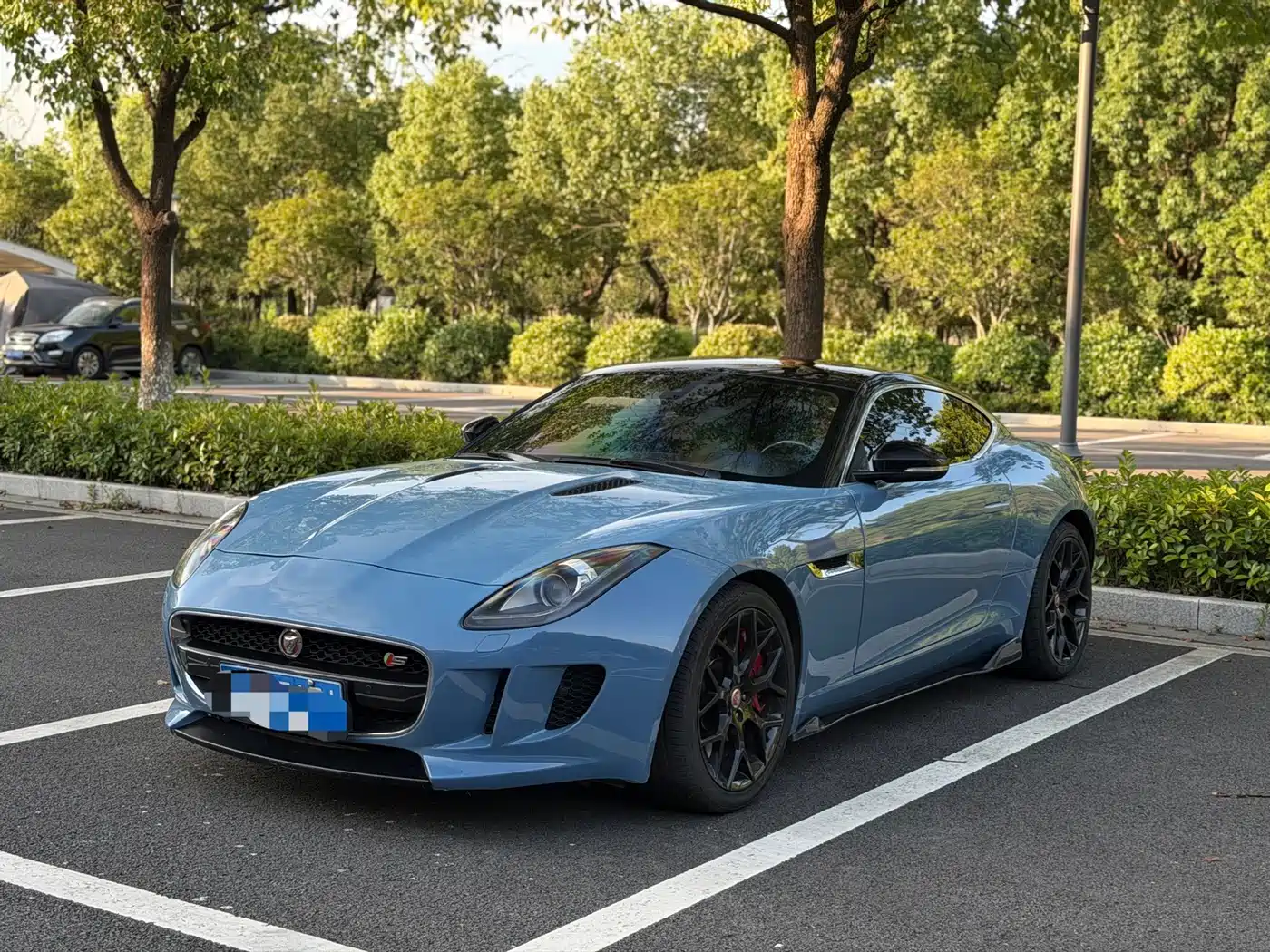
At a glance
- Jaguar F-type is a two-seat petrol sports car with coupe, convertible and hardtop configurations.
- Export choices include 2.0T, 3.0 SC and 5.0 SC engines, with trim and drivetrain verification essential.
- Live pricing depends on specification, condition, provenance, exchange rates and the selected delivery terms.
- Single-unit ordering can suit specialist buyers, but MOQ and container-consolidation economics must be confirmed.
- Steering side, homologation, landed cost and local parts support should be checked before payment.
Why the Jaguar F-type matters for export markets
The Jaguar F-type occupies a distinctive place in the premium sports-car market: a two-door, low-slung performance car offered as a coupe, convertible or hardtop. It combines Jaguar’s long-running design heritage with a more overtly driver-focused character than the company’s saloons and estates. For export buyers, it is not a volume model; it is a halo product that gives a dealer access to affluent lifestyle buyers, collectors and performance-oriented customers who value style as well as driving appeal. Its global recognition also helps a dealer position it clearly.
Demand is naturally narrower than for an SUV or sedan, so channel fit matters more than shipment volume. The F-type appeals to buyers who want a recognisable badge, dramatic proportions and a choice between an enclosed roof and open-air motoring. Its strongest commercial role is with a specialist importer or premium dealer that can market selected used cars, competitive new vehicles and limited editions without expecting rapid turnover. Because ownership costs can be high, buyers should assess the local service network and residual-value profile before committing to multiple units at the outset. Dealer education matters.
Chinese export sourcing can widen access to body styles, engine variants and special-edition labels that may be difficult to find in a buyer’s home market. Listings may carry 75th Anniversary Collector’s editions or a China Limited Edition designation, but such labels should be treated as claims to verify, not proof of rarity. Compare the VIN, build record, equipment list and original registration history before assigning collector value. ChinaCarDirect’s live F-type listings are the right starting point for current unit-level prices, minimum order quantity, condition and availability, while the RFQ process can clarify the details that a photograph cannot.
- Coupe, convertible and hardtop bodies.
- Turbo and supercharged engine choices.
- Verify special-edition provenance by VIN.
Model range, trims and powertrain variants: how the lineup is structured and how to choose
The range is easiest to decode by separating body style from trim. Coupe, Convertible and Hardtop describe the roof and body configuration; P300, R-Dynamic, SE and S are trim or equipment designations. The F-type family includes a 2.0T R-Dynamic SE, 3.0 SC cars, 5.0 SC S derivatives, P300 editions and 75th Anniversary Collector’s hardtop and convertible versions. A collector label may affect appeal, but buyers should first establish that the car’s actual specification matches its description and inspect the build sheet before agreeing on an export premium or collector premium.
Engine nomenclature provides the clearest performance hierarchy. The 2.0T denotes a turbocharged petrol engine, while 3.0 SC and 5.0 SC denote supercharged petrol engines of increasing capacity. Output, drivetrain and equipment can materially alter price, insurance, performance and parts needs, even within the same body style abroad. The F-type range is predominantly rear-wheel drive, although an all-wheel-drive 5.0 SC R AWD Coupe also appears in the available model family. Automatic transmission is the normal configuration across major variants, but the individual gearbox type, drive layout and market equipment should still be confirmed from the VIN-linked listing rather than inferred from the trim badge alone.
For an overseas buyer, choose in sequence: body, engine, transmission, drive system and options. A 2.0T car may suit a buyer prioritising lower mechanical complexity; a 3.0 SC offers a different balance within the range; and a 5.0 SC S model carries the clearest flagship positioning. Convertibles and collector editions add emotional appeal, while a coupe or hardtop may be easier to use year-round. Before payment, request the VIN, engine designation, gearbox, steering side, service history and a photograph-backed equipment list for the exact unit to confirm every material assumption.
- Separate body style from trim.
- T means turbo; SC means supercharged.
- Confirm every unit by VIN.
New vs used Jaguar F-type: how export inventory is structured and how buyers choose
Export inventory for a low-volume sports car is usually organised as individual vehicles rather than uniform dealer batches. A live listing can represent a factory-new but older production car, an unregistered parallel-import example, a demonstrator, or a used vehicle with a documented history in China. Those categories carry different risks, so the condition label and model year should not be treated as sufficient proof. Ask for the production date, registration history, VIN, odometer reading and any dealer or fleet history before comparison. Photographs should show bodywork, cabin, instruments and the odometer.
A new or unregistered example reduces uncertainty about wear but still needs a careful inspection. Check for delivery mileage, warning messages, tyre and brake condition, paint defects, panel alignment and the operation of roofs, windows and convertible mechanisms where fitted. Ask whether any factory warranty remains, whether it can transfer to the importing dealer and whether the vehicle has been registered or used as a demonstrator. A recent model can still be a less attractive buy if it carries cosmetic damage or incomplete documentation. Check it as carefully as a used example.
A used F-type can offer access to older, discontinued or characterful specifications that are no longer represented by new stock. The apparent saving must be weighed against age-related maintenance, corrosion checks, suspension and brake condition, electronic reliability, accident repair and service-record gaps. For performance cars, an independent inspection and a history review are especially valuable because appearance can conceal expensive work. Buyers should compare total ownership cost rather than purchase outlay alone, including shipping, tax, insurance, servicing, tyres and eventual resale in the destination market before committing to an export unit.
- New still needs inspection.
- Used cars need history checks.
- Compare total ownership cost.
How export pricing works: the factors behind a live listing price, and how to read one
An F-type export quote starts with the vehicle itself. Year, body style, engine and trim, mileage, condition, originality, option content and documented history usually explain the largest differences between comparable listings. A rare-edition badge can add value only when the VIN and build records support it. Exchange-rate movements, supplier margin, freight method, marine insurance and the selected Incoterm then affect the final commercial position. Prices should therefore be compared on the same currency, condition standard and delivery basis before approval rather than taken from an outdated guide or cached quote.
Read a live listing line by line rather than focusing on its headline vehicle price. Confirm whether the displayed amount covers the car alone, export handling, inland transport to the Chinese port, loading, documentation and freight. Destination duties, taxes, customs clearance, port charges, storage and last-mile delivery may sit outside that figure. The Incoterm defines where responsibility transfers, yet it does not remove the buyer’s need to budget those costs. Request an itemised written quotation so the comparison remains valid when two listings use different payment and shipping assumptions before payment.
Current price and availability are unit-specific and can change as inventory, exchange rates or supplier terms move. ChinaCarDirect therefore displays the binding figures on each live F-type listing rather than in a general price table. Review the live inventory, save the exact SKU or vehicle reference, and ask for a reconfirmed quote before sending funds. If budget is the deciding factor, shortlist equivalent cars by the same year, body style, engine, condition and destination terms; this prevents a lower headline figure from being compared with a differently equipped or less complete vehicle.
- Normalize every comparison.
- Read inclusions and exclusions.
- Use current live unit quotes.
MOQ, ordering and payment: single units vs consolidating a container
Do not infer a universal F-type minimum order quantity from either the model name or the size of the export catalogue. MOQ is set by the seller and can depend on the unit, trim, payment method, shipping plan and destination. The practical first question is whether the supplier will release a single vehicle to an overseas dealer or private buyer. If yes, a one-car test order can validate the inspection, documentation, freight and after-sales process before a larger purchase. If no, ask what mixed shipment or deposit arrangement is acceptable.
Consolidating several F-types into one container can reduce freight and handling cost per vehicle, but it is not automatically economical. Coupe, convertible, hardtop, engine and model-year differences create separate buyer groups, while specialist sports cars turn more slowly than mainstream vehicles. Working capital, insurance, demurrage exposure and the risk of one damaged or unsold car affecting the whole consignment all matter. Build the shipment around confirmed demand, realistic local margins and compatible homologation requirements rather than filling unused container capacity with attractive-looking inventory. A smaller first shipment often tests demand.
Payment mechanics should be written into the sales contract. Specify the exact vehicle, VIN or SKU, price, currency, deposit, balance trigger, Incoterm, shipping deadline, document list, inspection standard and refund or cancellation terms. Never treat a generic photograph or model description as the contract. Before releasing a balance, verify that the title and export documents match the VIN, that any agreed inspection has passed and that the beneficiary account is the contracting seller’s verified account. Use the RFQ channel to resolve these points in writing, especially when consolidating several units.
- Confirm MOQ per listing.
- Single units limit exposure.
- Containers improve freight efficiency.
Shipping, homologation and market compliance caveats: LHD/RHD and import rules by country
Steering configuration is the first export check. A Chinese-market vehicle may be left-hand drive, while some imported or converted cars can be right-hand drive, so no assumption should be made from the model name or seller location. Right-hand-drive demand exists in several markets, but availability should be confirmed on the live listing rather than promised generically. Ask for clear images of the steering wheel, instrument cluster and VIN plate, and verify whether the car was factory built for that configuration. A conversion can affect parts availability, insurance, valuation and local type approval.
Next, obtain destination-specific advice before paying. Import eligibility, emissions, safety, noise, lighting, VIN checks, customs classification and vehicle-age rules vary by country and can be stricter for used cars. A specialist homologation adviser or clearing broker should confirm what documentation, modifications or inspections are required for the exact configuration. Do not assume that another Jaguar sold locally is automatically comparable, especially if its engine, emissions equipment, body design or steering side differs. Put any required work and its estimated cost into the landed budget before ordering and obtain written confirmation.
Low sports cars also need careful transport planning. Depending on exact dimensions and the carrier’s limits, the exporter may use an enclosed vehicle carrier, flat rack or standard container, with secure lashing and protection from moisture and road debris. Pre-loading inspection should record bodywork, glass, tyres, fuel level, loose equipment and convertible or roof operation. Transit time and cost depend on route, transshipment, port congestion, customs clearance, documentation quality and insurance terms. For a cross-border purchase, the landed quote should include not only freight but also loading, destination charges, delivery and the period during which the vehicle remains exposed to storage risk.
- Verify steering side early.
- Complete destination homologation.
- Inspect before loading.
Who should buy the F-type — and who should pick a different vehicle
The F-type fits an overseas buyer who values a distinctive premium sports car and can support it properly. It is especially suitable for a specialist dealer with a focused enthusiast customer base, or for a private buyer seeking a memorable coupe, convertible or hardtop with Jaguar identity rather than maximum practicality. It can also serve an upscale showroom as a halo vehicle, provided the business can absorb slower turnover and specialist servicing costs. The strongest case is a long-term relationship with the model rather than a short-term, high-volume resale plan.
It is a poor choice for a buyer whose priorities are abundant luggage, frequent family transport, minimal running costs, broad service access or a high-practicality electric range. If the vehicle must be used daily in stop-start traffic, a compact sports coupe, luxury saloon or crossover will usually be easier to justify. If zero-emission operation is mandatory, an EV is the relevant category because the F-type is a petrol combustion model. Buyers who prize low maintenance, abundant tuning knowledge or simple fuel logistics should also consider more mainstream alternatives. Those needs should outweigh styling preference.
Before buying, test the business case using local insurance, fuel, tyre, service and depreciation assumptions, then add the vehicle’s import and transport costs. Confirm that Jaguar-trained or capable repair support is accessible and that electronic, body and trim parts can be sourced for the exact market. For a dealer, model the time required to sell each body and engine configuration and avoid assuming special-edition status will guarantee a quick margin. The F-type makes sense when brand appeal, customer experience and realistic margins outweigh convenience and rapid stock movement in practice.
- Best for specialist enthusiasts.
- Unsuitable for utility fleets.
- Service access drives suitability.
Main rivals and how the F-type compares
The Porsche 718 Cayman and Spyder are the closest conceptual rivals: both are two-seat premium sports cars with coupe and open-top options. The 718 is generally chosen for compact dimensions and a particularly driver-focused chassis, while the F-type offers more conspicuous styling, a broader visible engine hierarchy and a stronger grand-touring flavour. Both can be rational purchases for the right enthusiast, but parts, performance expectations and local support may differ. The better choice depends on the buyer’s preferred dynamics, body, engine and condition rather than badge appeal or marketing alone.
The Audi TT occupies a smaller, design-led premium niche. It can appeal to buyers who prefer a more compact road car and a different visual character from Jaguar’s long, muscular proportions. The F-type generally offers more variety through its three roof formats, turbocharged and supercharged engine families and collector-oriented editions. Conversely, the TT may be easier to accommodate where a smaller footprint and lower-complexity entry into the premium segment matter. A comparison should include the exact destination-market versions because equipment and service arrangements vary materially over time and local support.
The Chevrolet Corvette Stingray is a credible performance alternative for buyers focused on raw performance, a traditional two-seat layout and a globally recognised nameplate. It offers a different ownership proposition and often attracts a more specification-led comparison, whereas the F-type balances performance with distinctive luxury-car presentation and a wider range of body and engine identities visible in export listings. Neither is automatically cheaper after tax, freight, insurance and parts, so buyers should compare landed ownership rather than use a general category assumption. Local regulation and parts availability can also shift the practical result.
- 718: compact and driver-focused.
- TT: smaller and design-led.
- Corvette: performance-led alternative.
Live Jaguar F-type export inventory
View all listings →Real units currently on ChinaCarDirect with per-unit asking prices and MOQ. Availability updates live from the catalogue.
Jaguar Jaguar F-TYPE 2024 P300 75th Anniversary Collector's Convertible Edition
Jaguar Jaguar F-TYPE 2024 P300 75th Anniversary Collector's Convertible Edition
How to buy a Jaguar F-type from China
-
1
Define the destination and buyer
Specify the destination country, required steering side, body style, engine family, condition and intended customer. This prevents a technically attractive but commercially unsuitable car from entering the sourcing process.
-
2
Compare live F-type inventory
Review current F-type listings and compare equivalent vehicles by year, body, engine, condition and equipment. Use each live listing for the current per-unit price, MOQ and availability.
-
3
Verify the exact vehicle
Request the VIN, build date, registration history, odometer reading, engine designation, gearbox, drivetrain, steering side and complete option list. Treat trim badges and photographs as supporting evidence rather than substitutes for identity checks.
-
4
Request a landed quotation
Ask for an itemised quote covering the vehicle, export handling, inland transport, freight, insurance, documentation, customs, port charges and delivery. Confirm the currency and Incoterm so different offers can be compared correctly.
-
5
Clear homologation before deposit
Have a destination-country broker or homologation adviser check import, age, emissions, safety and type-approval requirements. Confirm any steering-side or equipment requirements in writing before funds are committed.
-
6
Contract the order and payment
Record the exact vehicle, price, deposit, balance trigger, documents, inspection standard, shipping deadline and cancellation terms in writing. Pay only to the contracting seller’s verified account.
-
7
Inspect and release for shipment
Complete the agreed inspection before the balance or shipment release, then verify export documents and cargo insurance. Record body condition and secure loading before the vehicle leaves the origin facility.
F-type vs rivals
| Porsche 718 Cayman and Spyder | The 718 is the more compact and driver-focused choice, while the F-type offers stronger styling variety, more visible powertrain choices and a grand-touring character. The better fit depends on the buyer’s preferred body, dynamics, condition and local support. |
|---|---|
| Audi TT | The TT is a smaller, design-led premium sports car, whereas the F-type provides a broader mix of roof styles, engine families and collector-oriented editions. Choose the TT for compactness and the F-type for Jaguar character and greater model variety. |
| Chevrolet Corvette Stingray | The Corvette is a performance-led alternative with a different ownership and specification proposition. The F-type is more focused on distinctive luxury presentation and body, engine and edition choice; compare both after tax, freight, insurance and parts. |
Frequently asked questions
How is Jaguar F-type export pricing determined?
The live price reflects the vehicle’s year, body, engine, trim, condition, mileage, options and provenance, plus exchange-rate, freight, insurance and delivery terms. Compare listings on the same currency and Incoterm because taxes, customs and last-mile charges may be separate. Current per-unit price, MOQ and availability are shown on each live ChinaCarDirect listing and should be reconfirmed before payment.
What engine and range options should I expect?
The F-type is a petrol combustion model, so electric range and battery capacity do not apply. Export listings identify 2.0T turbocharged, 3.0 SC supercharged and 5.0 SC supercharged variants, with P300, R-Dynamic and other trim labels. Confirm the exact engine, transmission, drivetrain and emissions specification against the VIN.
Is a used Jaguar F-type better value than a new one?
A new or unregistered car generally reduces wear-related uncertainty, but its production date, prior registration, warranty status and cosmetic condition still require checking. A used F-type may provide access to older or discontinued specifications, but buyers should examine mileage, service records, accident repair and age-related maintenance. Compare total landed ownership cost rather than purchase outlay alone.
What is the MOQ for a Jaguar F-type export order?
MOQ is set by the seller and may depend on the vehicle, trim, payment method and shipping plan; there is no universal model-wide rule. Ask whether the specific listing can be purchased as a single unit. If several cars are required, request a mixed-consignment quote that includes realistic freight economics.
How long does shipping take and what does it cost?
Transit time and cost depend on the transport method, route, transshipment, port conditions, customs clearance, documentation quality and insurance. Because a low sports car may require an enclosed carrier, flat rack or suitable container, request a vehicle-specific freight plan. The landed quote should also address destination charges, storage and delivery.
Can spare parts be sourced for an exported F-type?
Parts can be sourced, but availability depends on the body style, engine, model year, market specification and steering-side configuration. Electronic modules, body panels, trim and roof or convertible mechanisms may take longer to obtain than general service items. Confirm a local repair option and parts lead time before buying, especially for a rare edition or an electronically complex car.
Can I buy a right-hand-drive F-type from China?
Availability varies by the exact vehicle, so do not assume a Chinese-market F-type is right-hand drive. Check the steering-wheel images, VIN and factory configuration on the live listing. If a conversion is required, confirm its legality, homologation effect, warranty position, insurance treatment and effect on value before ordering.
How do I order a Jaguar F-type from China?
Start with the live F-type inventory, shortlist by body, engine, condition and destination, then verify the individual VIN. Request an itemised quote and written answers on MOQ, payment, Incoterm, documents, inspection, shipping and cancellation terms. Complete destination compliance checks before paying, and use a contract that identifies the exact vehicle.
Ready to source the Jaguar F-type?
Send ChinaCarDirect your preferred body style, year, trim, steering side and destination for a current per-unit quote and export plan.
Request a quote