
Jaguar Xj Export Buying Guide for Dealers and Importers
Buy a Jaguar Xj from China with confidence: compare trims and engines, understand export pricing, MOQ, shipping, homologation and market fit.

At a glance
- The Jaguar Xj is a full-size luxury sedan suited to chauffeur, executive and premium fleet use.
- Engine, drivetrain, wheelbase and equipment vary, so every candidate needs an exact trim-level review.
- New and used Jaguar Xj purchases require different checks for condition, warranty, mileage and service history.
- A Jaguar Xj export price guide should separate vehicle value from freight, insurance, duties, compliance and inland delivery.
- Buyers planning to buy Jaguar Xj from China should confirm the live unit’s order quantity, documents and destination-market approval.
Why the Jaguar Xj matters for export markets
The Jaguar Xj sits in the full-size luxury sedan segment, combining long-distance comfort, a spacious rear cabin and distinctive British styling. For overseas dealers, it is an interesting Jaguar Xj for export proposition when the destination values a large executive car but a smaller premium sedan would be too compact. Its appeal is strongest among chauffeur, executive-hire and high-end fleet buyers who need passenger space and a calmer road presence. It is not a mass-market model, so demand depends heavily on local prestige, fuel costs and service coverage and dealer support.
Global demand for the Xj is selective rather than universal. The model’s large proportions and rear-seat focus can make it well suited to markets with established demand for chauffeur-driven saloons, while private buyers may prefer a more fuel-efficient premium saloon. Buyers in markets with a strong Jaguar dealer network also gain reassurance from recognised servicing procedures, although parts and electronic-component support should be checked locally. Dealer demand should therefore be validated against the destination’s premium-sedan parc and online resale prospects, not inferred from Jaguar’s global brand awareness alone. This matters before committing stock in volume.
Positioning also helps explain where an imported Xj can compete. Its traditional strengths—quiet cabin presentation, generous legroom and a relaxed high-speed character—contrast with the more technology-led image of some German rivals. At the same time, an export buyer should consider total operating cost, fuel consumption, electronics compatibility and residual value rather than styling alone. The best candidates for the Jaguar Xj are therefore markets where a differentiated luxury product can support its servicing and ownership requirements over the vehicle’s planned resale life. A disciplined dealer will model each bid against local rivals before importing.
Model range, trims and powertrain variants: how the lineup is structured and how to choose
The Jaguar Xj lineup is broad enough to cover executive saloons with different priorities. Depending on generation and market, listings can pair a 2.0-litre turbocharged four-cylinder, a supercharged 3.0-litre V6, a 4.2-litre V8 or a supercharged 5.0-litre V8 with an eight-speed automatic transmission. Drivetrain choices include two-wheel drive and four-wheel drive. This variety makes Jaguar Xj specs dependent on the exact vehicle rather than model-wide: buyers should compare engine, drive configuration, wheelbase and equipment together instead of assuming every XJ shares the same performance, equipment or fuel use across all global model years.
Trim names offer a useful first filter. Business, Elegance or Elegant editions generally target fleet and executive customers; Panorama or Panoramic entries indicate another equipment tier; Flagship, Royal, Cambridge Limited and London Limited designations point toward higher-specification or special-order cars. The names do not form a perfectly consistent global hierarchy because some labels are market-specific. Ask for the complete option list, seat specification, roof arrangement, infotainment functions and regional service history, since visual or naming similarities do not guarantee identical equipment. Compare two apparently equivalent XJ vehicles side by side and check their market fit.
Wheelbase choice is equally important for an export buyer. An extended version can improve rear legroom and suit chauffeur or executive use, but it also changes the vehicle’s footprint, turning feel and transport envelope. Short-wheelbase cars may be easier to place in smaller fleet operations. For mixed markets, the practical method is to build a shortlist by use case: a 2.0-litre or 3.0-litre car for lower fuel and acquisition considerations, a V8 for effortless performance, and four-wheel drive where traction or all-weather confidence outweighs cost. Local operating conditions should determine which compromise is rational.
- Confirm engine, drive layout and wheelbase together.
- Treat trim names as market-specific.
- Request the full equipment sheet before comparing.
New vs used Jaguar Xj: how export inventory is structured and how buyers choose
Export inventory should be read as a set of condition categories rather than a single market. A vehicle marked new may be recent stock, but it can also be an older parallel-import vehicle that has remained unused; model age alone does not establish condition. A used Jaguar Xj may offer broader year coverage and a lower acquisition commitment, but it brings questions about ownership, service records, accidents and wear. For either category, the listing’s VIN, production date, odometer reading, condition report and seller status should be checked before it enters a purchasing budget.
For fleet resale, an unused car can simplify cosmetic inspection and give buyers a consistent presentation, yet an older vehicle may have depreciated while still presenting a new-condition proposition. Warranty treatment must be verified rather than inferred from the badge. For a used car, independent inspection becomes more important because cabin wear, tyre age, suspension condition and electronic faults may not be visible in photographs. A lower purchase commitment does not remove repair risk, particularly on a complex luxury saloon with age-related maintenance items that can affect first-year operating economics at the workshop.
The best structure is a two-track buying strategy. Maintain a new-condition shortlist for customers who prioritise presentation, warranty clarity and predictable cosmetic condition, while allowing a used Jaguar Xj route for budget-sensitive dealers or corporate buyers who accept ageing and require documented service history. Compare total cost over the intended holding period, including freight, insurance, compliance, likely maintenance and expected resale. Avoid mixing condition labels in one price comparison until every vehicle has been normalised by year, trim, mileage and documented status so that the final quotation reflects comparable vehicles rather than unlike units.
- Verify condition, VIN, production date and odometer.
- Confirm warranty coverage by market and seller.
- Inspect used examples for wear and service history.
How export pricing works: the factors behind a live listing price, and how to read one
A Jaguar Xj export price guide should start with the vehicle itself, because the same model can carry different values depending on age, trim and specification. The engine choice, drive layout, long-wheelbase body, equipment level, mileage and condition all influence a seller’s asking position. Production and market context also matter: a low-mileage, well-presented example with complete documents is easier to place than an older or modified car. A buyer should therefore treat the displayed amount as a unit-specific asking position, not a universal wholesale rate for the XJ badge. The condition must be part of that judgement.
Commercial variables then reshape the final landed cost. Exchange rates can alter the seller’s currency equivalent; freight changes with port pair, carrier, container or roll-on/roll-off method, route complexity and fuel surcharges; insurance depends on vehicle value, cover and transit risk. Documentation, inspection, securement, port handling, inland transport and destination charges may sit outside the listing. Incoterms determine where responsibility transfers. Always ask whether a quotation is ex-works, FOB, CIF or another basis, because identical listings can produce materially different totals depending on the buyer’s assumptions. State the intended destination port in writing before comparing offers.
To read a live listing properly, work line by line. Confirm the exact vehicle identity, condition, year, trim, engine, mileage, options and whether the displayed price includes only the vehicle or an export service. Then request a written pro forma showing the Incoterm, payment schedule, validity period and any charges that are excluded. Add duties, taxes, registration, compliance work and inland haulage separately where they are the buyer’s responsibility. Exact price, availability and applicable order quantity are shown on each current unit in the live listings for final comparison and purchase.
- Compare equivalent year, trim, engine and condition.
- Confirm what the listing price includes.
- Require a written pro forma and Incoterm.
MOQ, ordering and payment: single units vs consolidating a container
Order quantities should reflect commercial intent rather than a catalogue assumption. ChinaCarDirect live listings may support single-unit purchases, but the applicable order quantity and any unit-specific restrictions must be confirmed on the chosen vehicle. A dealer testing demand can begin with a single car or a small mixed set covering different trims, then scale only after local inquiries convert. For a larger Jaguar Xj wholesale order, consolidation can improve transport efficiency, but it also concentrates capital, inventory and resale risk in one shipment and can slow correction if assumptions are wrong.
A single-unit order offers operational simplicity and a smaller test of the market. It may, however, leave the vehicle paying full transport and documentation costs without benefiting from consolidation, and it gives the dealer no flexibility if that one car is the wrong specification. A container group spreads those fixed costs across more units and supports a fuller retail range, yet every unit must match forecast demand, budget and compliance. Consolidate around a deliberate mix rather than filling capacity with interchangeable-looking cars that compete against one another locally after arrival.
Before payment, align the commercial documents with the shipment plan. The pro forma should identify the vehicle or vehicles, price basis, order quantity, deposit and balance process, Incoterm, inspection requirement, export documents, production or release timing, cancellation terms and the process for any discrepancy. Payment methods, documentary requirements and refund mechanics can differ by seller and destination, so do not rely on informal messages alone. Once terms are accepted, preserve the signed contract, invoice, VIN records and inspection evidence as the audit trail for customs clearance, delivery and onward sale.
- Confirm the applicable order quantity.
- Use a deliberate mix for consolidated shipments.
- Record payment, document and cancellation terms.
Shipping, homologation and market compliance caveats: LHD/RHD and import rules by country
Logistics planning begins with the vehicle configuration. A long-wheelbase Xj has a different footprint from a short-wheelbase car, and shipping choices may depend on securing, axle loads, route restrictions and available equipment. Full car carriers can handle complete vehicles, while enclosed containers offer greater protection from weather and handling damage but depend on suitable dimensions and stowage. Roll-on/roll-off vessels may offer economical capacity for larger fleets. The correct method is selected by the forwarder against the actual vehicle dimensions and destination port, not by headline freight rate alone for the route and cargo selected.
Shipping time and cost should be treated as variables, not promises. Port congestion, vessel availability, transshipment, customs inspection, cargo handling and inland delivery can extend the schedule. The quote must identify the origin, destination, carrier service, loading method, validity, insurance and every separately charged service. Secure the vehicle for sea transport, photograph its condition before loading, document the VIN and retain evidence of export release. On arrival, arrange customs clearance and inspection promptly so storage and demurrage do not erode the commercial case or delay the first retail sale and onward.
Import compliance is destination-specific and should be settled before dispatch. Left-hand-drive examples are commonly encountered in China-origin exports, but the steering configuration must be checked rather than assumed. Right-hand-drive availability may be limited, and an imported left-hand-drive car cannot simply be treated as locally equivalent. Local authorities may regulate emissions, lighting, brakes, noise, VIN identification, safety equipment, insurance and luxury-vehicle taxation. Verify whether used-age restrictions, emissions-zone access, temporary import rules or fleet licensing apply. If conversion is proposed, obtain an engineering and approval assessment before paying or committing the shipment.
- Verify LHD or RHD for every unit.
- Check approval, age rules and local taxes.
- Confirm freight, insurance and port charges.
Who should buy the Xj — and who should pick a different vehicle
The Jaguar Xj is strongest for a buyer with a clear use for a large luxury saloon: chauffeur services, executive reception, premium corporate transport or a dealership serving customers who value rear-seat space and a distinctive alternative to the German flagship set. It also suits importers comfortable with marque-specific sourcing, electronics support and parts planning. Because the Xj combines several engines, wheelbases and equipment tiers, a dealer should establish a clear customer profile before selecting stock. A specific trim and wheelbase convert better than a general XJ label for lead generation alone.
It is less suitable for buyers whose priority is the lowest possible fuel cost, minimal maintenance, abundant local parts or uncomplicated type approval. Large petrol engines can be expensive to run, while sophisticated suspension, infotainment and comfort systems may complicate maintenance as the car ages. A short-wheelbase, lower-specification Xj may suit a smaller market better than an extended executive model, but even then the buyer should secure workshop capability. The decision should include expected downtime and residual value, not merely the vehicle’s purchase appeal at the port before the vehicle is dispatched.
Buyers should also consider whether a lower-volume specialist sale is more realistic than a broad stocking programme. One carefully chosen car can test pricing and service demand, while a larger order risks months of carrying cost. Before buying Jaguar Xj from China for resale, speak with insurers, freight forwarders, workshop technicians and potential fleet customers. Their answers should determine the specification. If the destination cannot support the model economically or technically, a more modern, efficient or better-supported rival may produce a healthier return despite a stronger badge appeal. Compare that outcome, not badge image alone.
Main rivals and how the Xj compares
The closest segment rivals are the BMW 7 Series, Mercedes-Benz S-Class and Audi A8. Each offers a comparable full-size luxury-sedan brief, but the buying logic differs. The BMW 7 Series is a strong alternative for buyers prioritising a broad global model family, extensive electronics and a well-established parts network. The Mercedes-Benz S-Class competes on prestige, comfort and strong international recognition. The Audi A8 appeals where understated design, available all-wheel drive and a modern premium-cabin benchmark matter. These are serious alternatives, not merely lower-cost substitutes in fleets and premium retail markets globally.
Against those rivals, the Xj’s strongest case is its combination of Jaguar design, a comfortable cabin and the potential to offer a different ownership proposition. Long-wheelbase versions can focus strongly on rear passenger comfort, while engine and drive choices let the buyer tune the car more directly than in a single-format range. The trade-offs are brand-specific parts complexity, potentially higher running costs for larger engines, and the need to confirm local Jaguar support. A buyer should compare the exact rival derivative, not assume an XJ is automatically cheaper or better equipped than a German equivalent.
The decisive comparison is total suitability for the destination. German rivals may offer more efficient powertrain choices, newer technology and easier regional servicing, depending on model year and market. The Xj may be preferable where a distinctive executive saloon has clearer customer demand and Jaguar’s dealer network is adequate. Run a like-for-like landed-cost and ownership review covering engine, wheelbase, equipment, expected fuel use, insurance, parts lead time and resale prospects. The best rival is the one that meets local compliance and customer demand more profitably, not necessarily the one with the strongest badge.
- BMW 7 Series: broad technology and service reach.
- Mercedes-Benz S-Class: stronger prestige-led recognition.
- Audi A8: modern cabin and available all-wheel drive.
Live Jaguar Xj export inventory
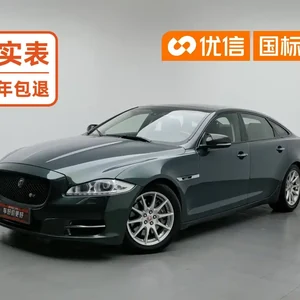
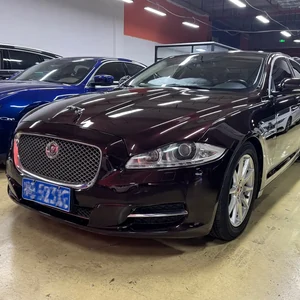
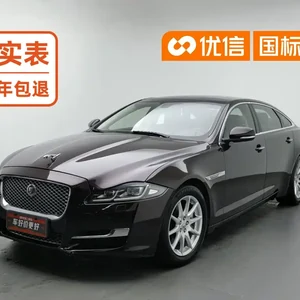
View all listings →Real units currently on ChinaCarDirect with per-unit asking prices and MOQ. Availability updates live from the catalogue.

How to buy a Jaguar Xj from China
-
1
Define the market-fit brief
State the destination country, import route, intended use, preferred engine, wheelbase and budget before browsing. This creates a comparable shortlist rather than a general search.
-
2
Build an equivalent shortlist
Review each live unit for year, trim, condition, mileage, drive layout and steering position. Ask the seller to confirm the VIN and equipment list against the listing.
-
3
Verify unit-level evidence
Request export documents, service history, warranty status and any available inspection report. For a used car, arrange an independent inspection covering wear, accident evidence, tyres, suspension and electronics.
-
4
Request a landed-cost quotation
Ask for a written quote naming the Incoterm, freight method, insurance, validity, payment schedule and all excluded charges. Add duties, taxes, registration, compliance work and inland transport to calculate the total commercial cost.
-
5
Clear destination compliance
Confirm the destination’s import, type-approval, emissions, age, lighting, safety and taxation requirements with an experienced local broker or authority. Resolve the steering configuration before approving dispatch.
-
6
Execute the order
Review the pro forma and ensure it records the selected vehicles, price basis, order quantity, document scope, inspection terms and cancellation process. Preserve the contract, invoice, VIN records and payment evidence.
-
7
Inspect, export and deliver
Approve the pre-shipment inspection, document the vehicle’s condition and secure it for transport. Complete export release, customs clearance and inland delivery under the agreed Incoterm.
Xj vs rivals
| BMW 7 Series | The BMW 7 Series may suit buyers who want a broad current model range, advanced electronics and extensive regional service support. The Jaguar Xj offers more visual distinction and varied engine and drive choices, but local parts planning and fuel-cost exposure require careful comparison. |
|---|---|
| Mercedes-Benz S-Class | The Mercedes-Benz S-Class is a strong fit for prestige-led chauffeur and executive fleets because of its international recognition and established luxury-car support network. The Xj provides a more distinctive Jaguar alternative for buyers seeking a different character and a carefully chosen rear-seat-focused specification. |
| Audi A8 | The Audi A8 appeals to buyers prioritising understated design, a modern cabin and available all-wheel drive. The Jaguar Xj stands out for traditional luxury-car styling and powertrain choice, but buyers should verify local servicing and the ownership cost of larger engines. |
Frequently asked questions
How is the Jaguar Xj export price determined?
The listing price is set around the specific vehicle’s year, trim, engine, drivetrain, wheelbase, equipment, condition and mileage, then affected by currency and commercial terms. Freight, insurance, port charges, duties, taxes, registration and compliance may be separate, depending on the Incoterm. Use the live Jaguar Xj listings for the current unit price and request a written landed-cost quotation.
What Jaguar Xj engine and powertrain options are available?
Jaguar Xj specifications across the source range include a 2.0-litre turbocharged four-cylinder, supercharged 3.0-litre V6, 4.2-litre V8 and supercharged 5.0-litre V8, paired with an eight-speed automatic. Two-wheel-drive and four-wheel-drive versions appear, but engine and equipment availability depend on market and generation. Confirm the exact specification, dimensions and steering position on the selected unit.
Should an overseas dealer choose a new or used Jaguar Xj?
New-condition stock may simplify presentation, but model age, warranty status and production date still require checking. A used Jaguar Xj can widen sourcing options, yet condition, service history, accident repair and electronic faults need closer inspection. Compare total ownership and resale risk over the planned holding period.
What is the MOQ for a Jaguar Xj order?
The applicable order quantity is shown for each live unit and should be confirmed before payment; it is not safe to assume a catalogue-wide rule. A single-unit purchase can be useful for testing demand, while a consolidated container may improve transport efficiency but increases inventory exposure. Ask the seller to state the order quantity, mixed-unit rules and payment milestones in the pro forma.
What affects shipping time and cost from China?
Freight cost and transit time vary with vehicle dimensions, origin and destination ports, carrier availability, route, handling method, insurance and congestion. A long-wheelbase car may require more suitable stowage or securing than a short-wheelbase model. The quotation should identify charges and assumptions, while the forwarder should provide a realistic schedule.
How easy is it to source Jaguar Xj spare parts?
Parts can be sourced using the VIN and exact trim, but availability depends on the vehicle’s generation, market specification and local Jaguar support. Chinese-market XJ parts and electronic components may take longer to obtain than mainstream items. Confirm a parts plan, workshop capability and expected lead times before importing.
Can I buy a right-hand-drive Jaguar Xj from China?
Right-hand-drive availability varies and is not guaranteed for a China-origin Xj; left-hand-drive examples are commonly encountered. Check the steering configuration on every live unit and confirm whether the destination will accept it for registration and use. Steering conversion is not a shortcut around safety, electrical or type-approval requirements.
How do I order a Jaguar Xj from China?
Start with the live Jaguar Xj inventory, shortlist equivalent vehicles, and send the chosen VIN or listing reference with destination, Incoterm and required quantity through the RFQ process. Review the pro forma, documentation scope, inspection terms and payment schedule before confirming. After the agreed inspection and export preparation, the vehicle is cleared, shipped and delivered under the agreed terms.
Ready to source the Jaguar Xj?
Send your destination, preferred Jaguar Xj specification and required quantity to ChinaCarDirect for a current unit-level quote and export plan.
Request a quote