
Jeep Compass Export Buying Guide for Overseas Dealers
Plan a Jeep Compass export purchase with practical guidance on trims, live pricing, MOQ, shipping, LHD/RHD, compliance and rival options for dealers.
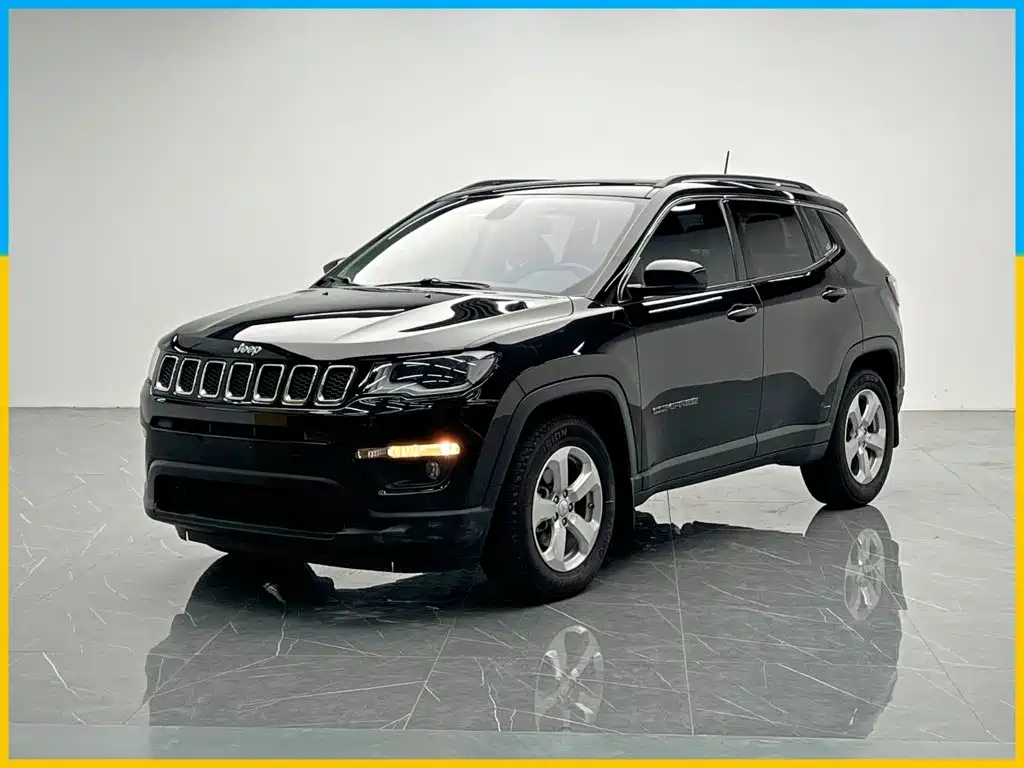
At a glance
- The China-market lineup includes 200T, 220T, 2.0L and 2.4L gasoline variants.
- Two-wheel-drive, four-wheel-drive and AWD options appear across selected editions.
- Trim labels are market-specific and require itemized equipment verification.
- Current unit price and availability must be confirmed in the live Compass listings.
- MOQ, payment milestones, shipping terms and homologation duties belong in the written order.
Why the Jeep Compass matters for export markets
The Jeep Compass is a compact SUV that combines Jeep's recognizable off-road styling with a package more practical for daily use than a full-size 4x4. For overseas dealers, its appeal lies in the combination of a familiar body style, selectable two-wheel-drive and four-wheel-drive variants, and a China-market trim ladder that includes 200T, 220T, 2.0L and 2.4L offerings. It targets buyers who want SUV presence without moving into larger, costlier formats. That positioning works well for family transport, company fleets and mixed-road buyers who value ground clearance, luggage capacity and an established name, while still needing economical packaging for import programmes.
Demand for the model in export markets is driven less by a single specification than by the breadth of the range. Compass vehicles sourced through the Chinese market can serve as a lower-size alternative to rugged off-road models, a family SUV for emerging markets, or a badge-conscious fleet vehicle where Jeep already has recognition. Dealers should nevertheless avoid treating every Compass as identical: domestic Chinese editions may differ from versions sold in North America, Europe or the Middle East in equipment, software, emissions equipment and service information. Verify the exact vehicle, not merely the model name.
Positioning for export begins with matching the Compass to local demand. A dealer in a region with rough roads, seasonal rain or light off-road use may favour a 4WD or AWD derivative, while an urban fleet may prioritize two-wheel-drive economy, cabin equipment and easier tyre servicing. Importers should also consider whether local buyers expect the Chinese-market dimensions and feature set. If those expectations differ from the source specification, a different Jeep model or a locally homologated rival may convert more effectively. A successful import programme depends on product-market fit, not badge recognition alone.
- 2WD and 4WD options.
- China-specific trim equipment.
- Local-demand product matching.
Model range, trims and powertrain variants: how the lineup is structured and how to choose
The lineup is easiest to understand as three powertrain families. The 200T and 220T entries are turbocharged petrol models offered with several automatic trims, while the 2.0L versions are associated mainly with two-wheel-drive applications. The 2.4L range is shown in Comfort, Luxury, Sport and special-edition forms with four-wheel drive or all-wheel drive. Trim labels include Family, Elite, Leading, Joy, Premium, Comfort and others, but their equipment should not be assumed to match similarly named trims elsewhere. Compare the original equipment list, factory options and local-market specification before calculating what the badge adds.
For a buyer, the trim decision should start with use rather than hierarchy. Family-oriented versions may prioritise cabin space, infotainment and everyday convenience; Elite or Leading versions may add equipment but need an itemized verification; Sport-oriented versions may suit drivers who prioritize chassis response or AWD availability. A manual 200T Sport example demonstrates that gearbox choice can change with model year and edition, so transmission type should be selected explicitly rather than inferred from the model badge. Request photographs of seat controls, dashboard functions and luggage area when these details affect the purchase.
Drivetrain choice is a practical cost and capability decision. Two-wheel-drive models generally suit buyers focused on road use and operating economy, whereas 4WD or AWD variants provide added traction when road surfaces, load or weather justify it. The 200TS Automatic High-Performance AWD and 200T Automatic Family AWD show that all-wheel drive is not confined to one equipment tier. Compare the driven wheels, axle arrangement, tyre size and local spare-wheel arrangement, because those details affect use, replacement cost and homologation. Confirm these items against the exact listing before placing a deposit.
- 200T and 220T turbos.
- 2WD, 4WD and AWD.
- Market-specific trim labels.
- Manual or automatic selection.
New vs used Jeep Compass: how export inventory is structured and how buyers choose
ChinaCarDirect's export catalogue should be read as a set of individual vehicle records rather than a fixed national stock profile. Each live record can combine a model year, edition, engine, transmission, drivetrain, exterior colour, interior specification and seller-defined condition. New inventory is presented under a new condition label, while any used vehicle must be judged from its own history. The correct question is not whether the Compass market has one dominant configuration, but which exact unit meets the importer's brief. Age alone should never be treated as proof of condition.
For a used Compass, the commercial risk is greater than the badge suggests. Older examples may have different engines, electronics and parts arrangements from newer vehicles, and imported units can carry repair histories that are difficult to verify remotely. Ask for service invoices, photos of the underside, engine bay and cabin, a current inspection report, VIN confirmation and evidence of ownership. Check for warning lights, fluid condition, suspension wear, accident indications and whether the mileage reading can be reconciled with inspection documents. A pre-shipment inspection remains essential for every unit.
New examples can provide a clearer warranty and condition proposition, which can simplify fleet onboarding and customer reassurance, but they do not remove logistics or specification risk. Used units can be attractive where a buyer deliberately wants a particular older configuration, lower entry cost or an established trim. The right choice depends on the sales plan: a rental company prioritising uptime may prefer newer supported stock, while a dealer seeking a specific 4WD Luxury or lower-priced manual may search a broader used market. In both cases, verify condition and suitability before committing.
- Listing-specific configuration records.
- New vehicles simplify condition checks.
- Used vehicles need VIN and history checks.
How export pricing works: the factors behind a live listing price, and how to read one
Export pricing is the result of several variables rather than a universal Compass rate. Model year and edition affect depreciation and equipment; the 200T, 220T, 2.0L or 2.4L engine, transmission and drive layout affect demand and cost; mileage and condition matter for used units; and paint, options or sourcing can change the seller's position. Currency movements also alter the converted amount. Buyers should therefore compare like with like instead of treating an attractive headline number as the final cost of importing the vehicle. Request a written quote for the exact unit.
Freight and trade terms can move the landed total as much as the vehicle's asking price. Ocean, rail, air and roll-on/roll-off transport each have different cost and timing profiles; destination charges, insurance, documentation, port handling, taxes and dealer margins belong in the comparison. An Incoterm defines which party carries cost and risk to a named point, but it does not eliminate local import charges. Ask for a breakdown that separates vehicle cost, inland transport, international freight, export handling, destination charges and taxes before approving the purchase. Keep that estimate attached to the contract.
To read a live listing properly, open the record and record the year, trim, engine, gearbox, drive system, mileage or condition label, exterior colour, options, seller location, photographs and vehicle identifiers. Then check whether the displayed price is a vehicle-only figure or includes any stated transport service. Confirm the currency and conversion basis, ask what is excluded, and compare the unit with similar configurations on the same terms. The live ChinaCarDirect Compass inventory is the authoritative place for the current price and availability of a specific unit. Do not infer terms from a search card.
- Like-for-like price comparisons.
- Live unit-price checks.
- Written landed-cost quotes.
MOQ, ordering and payment: single units vs consolidating a container
Minimum order quantity is negotiated with the seller or determined by the listing's commercial terms; it should not be assumed from the model name. A dealer testing demand can ask whether one vehicle is available for immediate release, while a larger programme may require a mixed container that combines several trims, colours or model years. Because the Compass market includes different engine and drive configurations, consolidation can improve freight efficiency without forcing every vehicle into one specification. Any minimum, allocation rule or inspection condition should be stated in the quotation.
Container planning starts with the order, not the vessel. Decide how many units are firm, how many may be substituted and who selects replacements if a vehicle fails inspection. Confirm whether vehicles may be mixed, whether loading plans or wheel securing are included, and whether the exporter handles export customs. A RoRo vessel can be efficient for finished vehicles, while a conventional container may suit a consolidated Jeep Compass wholesale order. The correct method depends on volume, destination handling, cargo availability and the seller's readiness—not on a generic Compass MOQ assumption.
Payment structure should follow the commercial milestones. A written order normally identifies the vehicle or allocation rule, unit price, deposit, balance trigger, inspection standard, documentary package and refund conditions. The buyer should verify the seller's legal identity and authority to sell, then use the payment channel and currency stated in the contract. For a unit purchase, the balance is commonly linked to inspection and release; for a consolidated order, it may follow loading or document milestones. No payment method should substitute for clear title, VIN and export-document obligations in writing.
- Seller-specific MOQ terms.
- Mixed-container consolidation.
- Milestone-linked payment.
Shipping, homologation and market compliance caveats: LHD/RHD and import rules by country
Shipping method should be selected against volume, urgency and destination infrastructure. Finished Compass vehicles can move by roll-on/roll-off vessel, container or, for smaller or urgent orders, air or rail where available and economical. Ocean freight usually offers greater capacity; roll-on/roll-off suits vehicle cargo; air freight reduces transit time but has strict size and weight limits. Quote the route, vessel or service, port pair, estimated sailing schedule, insurance, handling and delivery terms separately, because transit time is only one part of the vehicle's arrival date. Add customs clearance to the realistic timeline.
Steering configuration is a critical early check. Treat a China-market Compass as potentially left-hand drive until the exact unit is confirmed; a right-hand-drive market will not accept an LHD vehicle simply because the mechanical platform could be converted. Conversion can involve procurement, wiring, safety, certification and handling issues, and may erase the commercial case. Before deposit, state the required steering side and ask for steering-wheel position, instrument and infotainment language, lighting equipment and other market-specific details in the listing and inspection report. Make this check before paying any non-refundable balance.
Import compliance is destination-specific, not conferred by the vehicle's origin or by a listing badge. Depending on the country, buyers may need a VIN check, customs valuation, duties, taxes, emissions approval, safety conformity, roadworthiness documents, environmental or noise compliance and local type approval. A Chinese specification should not be assumed to pass European, Gulf, African or Asian rules without documentary support. Engage a destination-country customs broker or homologation specialist early, and confirm that spare parts, software, manuals and diagnostic tools will be supported after entry. This review protects registration and resale value.
- Confirmed steering configuration.
- Destination-specific homologation.
- Local parts support.
Who should buy the Compass — and who should pick a different vehicle
The Compass is well suited to overseas dealers serving mixed-use customers: private buyers who want a recognisable SUV badge, family households needing a five-door practical vehicle, and fleets that prefer an established nameplate over a niche model. Its range of 200T/220T turbo, 2.0L and 2.4L, two-wheel-drive and four-wheel-drive configurations also allows a distributor to segment the product by road use and budget. The strongest case is where local conditions reward higher clearance and traction but the market does not justify the size and operating cost of a full-size off-road SUV. Resale prospects matter.
Dealers should pay particular attention to aftersales economics. The availability of common service parts, diagnostic access and a realistic parts lead time can matter more than a small equipment difference at sale. A broad selection may create holding costs if each powertrain and trim needs different stock, so the launch assortment should reflect actual local demand rather than the widest catalogue. For fleet sales, prioritize uptime, service intervals, tyre availability and parts planning. For retail buyers, prioritize the correct drive system, cabin equipment, safety features and a trim buyers can understand.
Different vehicles should be chosen when the operating case points elsewhere. Buyers focused on maximum off-road capability may prefer a Jeep with a stronger low-speed, towing and durability proposition. Urban EV buyers with reliable charging and favourable running-cost economics should assess a battery-electric crossover instead. Fleets needing the lowest acquisition cost, minimal fuel use or a load-focused body may be better served by another compact SUV or a commercial derivative. The Compass is a balanced export choice, but it is not the automatic answer for every use case or market.
- Family and fleet suitability.
- Mixed-road capability.
- Alternative-model triggers.
Main rivals and how the Compass compares
Against its closest alternatives, the Compass's main advantage is the combination of Jeep positioning, a compact footprint and a broad Chinese-market choice of engines, transmissions and drive systems. It competes on brand image, equipment and value rather than on a single technical breakthrough. The closest rival depends on the market: a Changan product offers the most direct Chinese-market price and positioning comparison, while Nissan and Hyundai models provide familiar global alternatives. Buyers should compare the exact vehicle, because trim names and equipment do not transfer neatly between brands or countries.
The Changan CS35 Plus is the most direct domestic-market benchmark because it competes in the mainstream Chinese compact-SUV segment with multiple drivetrain and equipment choices. It may appeal to buyers who prioritize local brand familiarity and a broad visible-equipment list, while the Compass offers Jeep badge recognition in markets where that name already carries equity. Neither should be selected from photographs alone: compare drivetrain hardware, safety equipment, cabin usability, warranty and the cost of maintaining each specification over the intended sales life. That total-cost view prevents a misleading purchase decision.
The Nissan Qashqai and Hyundai Tucson are credible global alternatives for buyers who place more weight on mainstream packaging, established dealer familiarity or a different feature set. Qashqai often appeals to private buyers seeking a modern compact crossover, while Tucson gives fleets a familiar global product name; actual equipment and powertrains vary by market and year. Against both, the Compass differentiates through Jeep styling and a broad local trim ladder, but can lose on resale confidence if the importer lacks brand recognition or aftersales support. Local service evidence should decide the final choice.
- CS35 Plus: Chinese-market rival.
- Qashqai: compact-SUV alternative.
- Tucson: fleet-market alternative.
Live Jeep Compass export inventory
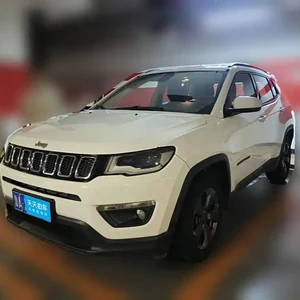
View all listings →Real units currently on ChinaCarDirect with per-unit asking prices and MOQ. Availability updates live from the catalogue.
How to buy a Jeep Compass from China
-
1
Define the destination brief
Record the destination country, required steering side, preferred engine, transmission, drivetrain, budget basis and expected annual volume before searching. This prevents incompatible Chinese-market vehicles from entering the shortlist.
-
2
Build a specification-matched shortlist
Use the live Compass listings and open every candidate record rather than relying on a search card. Compare year, trim, engine, gearbox, drive system, options, condition and seller location.
-
3
Request unit-level evidence
Ask the seller for the VIN, clear exterior and interior photographs, equipment list, ownership evidence and any service or inspection records. For used vehicles, reconcile the VIN and condition evidence before paying.
-
4
Request a comparable written quote
Ask for vehicle cost, payment milestones, Incoterm, export handling, freight, insurance and destination charges as separate lines. Apply the same terms when comparing different trims or drive configurations.
-
5
Confirm MOQ and allocation
Ask whether the seller accepts a single unit and how mixed-container orders are allocated. Record unit substitutions, inspection conditions, title transfer, refund rules and documentary requirements in the purchase agreement.
-
6
Arrange inspection and compliance
Use a pre-shipment inspection to verify condition, VIN, odometer or mileage basis, equipment and export readiness. Have a destination broker confirm customs, tax, emissions, safety, roadworthiness and type-approval requirements.
-
7
Book transport and release
Select RoRo, container, rail or air freight according to volume and urgency, then confirm loading, insurance, port handling and delivery responsibilities. Release the final payment only against the agreed inspection and documentary milestones.
Compass vs rivals
| Changan CS35 Plus | The closest Chinese-market positional rival, with a similar compact-SUV focus and several market trims. Choose it for buyers prioritizing local-brand familiarity; the Compass has the advantage where Jeep badge recognition matters. |
|---|---|
| Nissan Qashqai | A mainstream global compact-crossover alternative with broad market familiarity. It may suit buyers wanting a different feature set, while the Compass offers distinctive Jeep styling and a wider China-market trim ladder. |
| Hyundai Tucson | A practical rival for private buyers and fleets seeking a familiar global nameplate. The Compass may appeal more to customers attracted to Jeep's off-road heritage, but aftersales reach and resale evidence should decide. |
Frequently asked questions
How is the export price of a Jeep Compass determined?
Export price is built from the exact vehicle's year, trim, engine, transmission, drivetrain, condition, options and seller terms, then affected by currency and logistics. Freight, insurance, port charges, duties, taxes and the chosen Incoterm can change the landed total. ChinaCarDirect shows the current per-unit price on each live listing; request a written quote for the selected vehicle and destination.
Are the available Compass models petrol, electric or hybrid?
The China-market variants represented here are gasoline/petrol vehicles: 200T/200TS and 220T turbo engines, plus 2.0L and 2.4L engines. They are not battery-electric models, so battery capacity, charging time and electric range do not apply to these entries. Transmission and drive options include manual or automatic and 2WD, 4WD or AWD, depending on year and edition.
Should an overseas buyer choose a new or used Jeep Compass?
A new vehicle usually provides clearer condition and warranty terms, while a used Compass may suit a deliberate search for a particular older configuration. Used purchases carry more history, mileage and wear uncertainty and should receive detailed documentation and inspection. Base the decision on the sales plan, aftersales support and the condition of the specific vehicle rather than age alone.
How does MOQ work when buying a Compass?
MOQ is seller- and listing-specific and must be confirmed in the written quotation. A buyer can ask about a single-unit release, while a larger order may consolidate several trims into one shipment. Do not assume a blanket MOQ from the model name or from another vehicle in the same catalogue.
How long does shipping a Compass from China take and what does it cost?
Transit time depends on the transport mode, route, vessel or service schedule, port congestion, customs clearance and final delivery. Cost depends on shipment volume, container or RoRo handling, route, fuel, insurance, documentation and the selected Incoterm. Request a route-specific freight quote and add customs and delivery time to the realistic arrival schedule.
Can overseas buyers obtain Jeep Compass spare parts?
Parts availability varies by production year, engine, specification and destination, so confirm the relevant parts references before committing. Ask the seller for service-part information, steering-side compatibility details, electronic-component availability and diagnostic requirements. Local dealer or specialist support should also be established for vehicles intended for long-term fleet use.
Are right-hand-drive Jeep Compass vehicles available for export?
RHD availability depends on the individual vehicle, seller and destination, so it must be checked in the live listing rather than assumed from the Compass name. Confirm the steering-wheel position before paying and state the requirement in the order. Converting an LHD vehicle may create additional safety, certification, parts and cost issues that make it commercially unsuitable.
How do I order a Jeep Compass through ChinaCarDirect?
To buy a Jeep Compass from China, start with the live listings, select an exact vehicle and send an RFQ with the destination, steering side, preferred configuration and quantity. Compare the written unit quote, MOQ, payment milestones, inspection conditions, documents and freight terms with other listings. Proceed only after the selected vehicle and landed responsibilities are clearly recorded in the purchase agreement.
Ready to source the Jeep Compass?
Send your destination, steering-side, trim, quantity and compliance requirements through the RFQ form for a unit-specific written quotation.
Request a quote