
Jeep Compass (Import) Export Buying Guide for Dealers
Compare Jeep Compass (import) trims, engines, export pricing methods, shipping and compliance before buying a compact SUV from China for an overseas market.
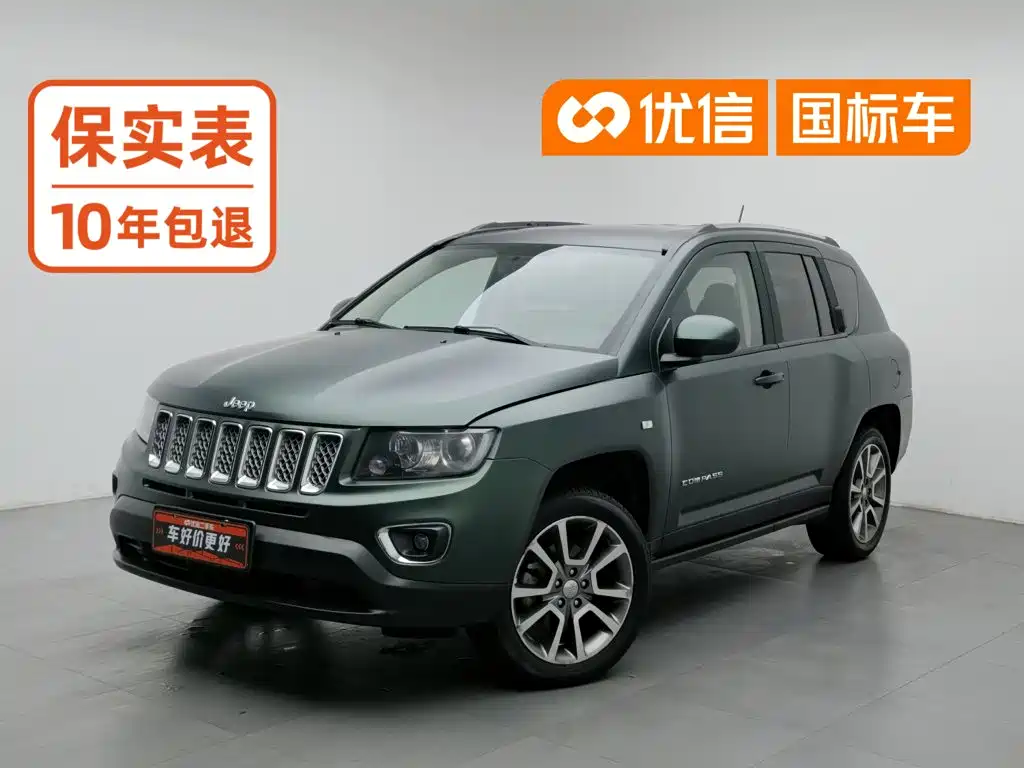
At a glance
- The China-market Compass offers a compact Jeep format with 2.0L and 2.4L petrol variants.
- Two-wheel-drive and four-wheel-drive configurations serve different road and customer profiles.
- Trim names and equipment vary by model year, so every individual listing needs verification.
- Pricing and MOQ are quote-specific; live inventory shows the current per-unit numbers.
- Registration, steering configuration and local parts support must be settled before dispatch.
Why the Jeep Compass (import) matters for export markets
For export buyers, the Jeep Compass (import) is a China-market compact SUV that gives access to a recognizable Jeep model with a smaller footprint than many larger Jeep products. Its relevance is practical rather than image-led: the format suits importers seeking a manageable vehicle for general fleet use, and the listing range includes 2.0L two-wheel-drive versions as well as 2.4L four-wheel-drive versions. Buyers should treat the “import” label as a sourcing description, not proof of one universal specification. Before ordering, they must reconcile the exact model year, trim, drivetrain, steering side and local approval status with the intended market.
Compact SUVs remain relevant in export markets because buyers often need a higher seating position, usable luggage space and all-weather usability without moving into a full-size off-road vehicle. The Compass (import) fits that middle ground, particularly for distributors serving mixed road conditions where a two-wheel-drive version may be adequate but a four-wheel-drive version provides a more defensible choice. Demand should be evaluated by destination and customer segment, not by a generic global-sales assumption. A dealer with a strong Jeep service reputation may find the badge easier to support, but local customer preferences remain the decisive factor.
For an overseas buyer, the Compass (import) makes most sense when the sourcing brief emphasizes choice between two-wheel-drive and four-wheel-drive trims, gasoline powertrains, recognizable branding and a compact utility format. It is less suitable when every unit must share a single homologated specification or when customers prioritize the latest hybrid technology, advanced driver assistance or extensive dealer-level standardization. The correct question is therefore not simply whether the model is popular, but whether a particular listing matches the market’s legal, aftersales and commercial requirements. That review should happen before freight or purchase funds are committed.
- Compact Jeep export positioning
- 2WD and 4WD configurations
- Destination homologation first
Model range, trims and powertrain variants: how the lineup is structured and how to choose
For Jeep Compass (import) specs, the model range is organized around two petrol engines, a choice of two-wheel-drive or four-wheel-drive configurations, and a broad trim hierarchy. Visible names include Progressive, Sport, Urban, Luxury, Elite, Comfort, Collector’s and Navigation editions, with facelift labels on some vehicles. Because trim naming changes across model years, buyers should not assume that two similarly named cars have identical equipment, restraint systems, infotainment or mechanical content. The model year and exact listing description are the first keys to variant identification. A live vehicle record and photographs should then confirm those points.
The 2.0L options are the logical starting point for buyers focused on operating cost, urban use and the availability of front-drive-oriented configurations. The 2.4L versions, commonly paired with four-wheel-drive listings, suit buyers who place more weight on traction reserve, towing capability or the ability to serve rougher access roads. Those are use-case distinctions rather than guarantees: engine output, transmission calibration, curb weight and equipment can alter the real result, so an importer should avoid making claims that are not supported by the individual vehicle’s documentation. Review the listing and documents carefully.
Drivetrain labels need careful interpretation. Some listings use 2WD or FWD, while others use 4WD or AWD, and these terms should not be treated as interchangeable marketing shorthand. Buyers should confirm the axle configuration, any low-range or off-road hardware, tire specification and ground clearance relevant to their operating environment. Trim level then becomes a second decision: Sport may prioritize appearance, Comfort may favor daily usability, and Luxury, Elite or Navigation may add equipment, but the exact equipment list must be checked rather than inferred from the badge. Name alone is insufficient.
- Broad trim hierarchy
- Variable axle terminology
- Model-year equipment checks
New vs used Jeep Compass (import): how export inventory is structured and how buyers choose
Export inventory can be structured in several ways, so buyers should establish whether they are sourcing a factory-new vehicle, a low-mileage used unit or a parallel import assembled or distributed outside the model’s original market. ChinaCarDirect listings may represent vehicles held for international resale, but the condition shown on each unit remains the controlling fact. Do not infer a vehicle’s history from the broad “new” or “used” label alone; ask for supporting documents and reconcile them with the physical condition. This prevents a mismatch between the sales description and the asset.
A new vehicle is usually the cleaner choice for fleet uniformity because its age, wear history and service record are easier to establish. It can also simplify specification planning when a buyer wants the same engine, drivetrain and equipment across multiple units. The trade-off is that a new import is still exposed to shipping, customs and registration costs, and availability must be confirmed for each configuration. For a dealer, matching several customer orders may be more commercially valuable than securing the lowest headline amount on one isolated unit for resale.
A used Compass can make sense where the buyer accepts an earlier service life in exchange for lower acquisition cost, but the assessment must be more forensic. Ask for the odometer reading, engine and transmission condition, accident and repaint history, tire age, maintenance records and a physical inspection. Missing history is a risk, not a discount by itself. For export, also check rust, underbody condition, fluid leaks, road-test behavior and whether repairs or parts are locally supportable. A used vehicle may suit a budget buyer better than a fleet requiring standardized warranties and uptime.
- Fleet standardization with new units
- Forensic checks for used units
- Physical inspection before purchase
How export pricing works: the factors behind a live listing price, and how to read one
An export listing price is not a universal market value; it is the seller’s asking point for one vehicle under a defined set of commercial terms. The calculation can reflect model year, trim, engine and drivetrain, mileage, condition, ownership history, exchange-rate movement, supplier margin and the seller’s desired stock turn. Some sellers separate the vehicle amount from logistics, while others quote on a delivered or landed basis. Buyers must establish what is included before comparing two offers. A lower visible figure can still produce a higher total acquisition cost after freight, tax and charges.
The biggest pricing variables are usually visible in the listing itself, but they should be interpreted in context. A facelift, 4WD system or higher equipment grade can change the amount justified by one seller but not another, especially where condition varies. Mileage matters more in the used segment, while age, specification and availability shape the new segment. Currency conversion, payment timing, transport method and Incoterm also alter the final commitment. Buyers should avoid using a single cached quote or a general online valuation as their sourcing baseline at ordering.
Read every live listing as a structured offer. Confirm the year, exact trim, engine, drivetrain, mileage, condition, equipment, seller location, included documents and whether the displayed amount is ex-works or otherwise delivered. Then request a written quote that separately identifies the vehicle, inland transport, export handling, freight or shipping, insurance, payment charges and any destination-related costs. Current binding prices, availability and terms are shown per unit in the live ChinaCarDirect inventory, so refresh the listing before budgeting or presenting it to a customer. Do not rely on an old inquiry.
MOQ, ordering and payment: single units vs consolidating a container
Minimum order quantity is a commercial term that can vary by seller, vehicle, destination and transaction structure. Some export suppliers accept a single-unit retail order, while vehicle wholesalers may set a lot requirement for containerized purchases. A dealer testing demand may prefer one unit to validate pricing, photographs and customer fit; a fleet buyer may gain better unit economics by consolidating several vehicles. The relevant question is not whether a generic MOQ exists for the model, but what the selected seller requires for that exact quote and shipment. For Jeep Compass (import) wholesale programs, the same logic applies in writing.
Single-unit buying is useful for a dealer’s first import, a mechanic’s demonstrator or a fleet pilot, but it exposes the buyer to container consolidation, freight and fixed-charge inefficiencies. Consolidating compatible units can spread transport and handling costs, reduce per-vehicle landed cost and reduce the number of separate documents to reconcile. It also concentrates risk: one damaged vehicle, inconsistent specification or delayed inspection can affect a larger group. Buyers should model both paths, including the cost of holding inventory and the cash tied up before vehicles are sold locally.
The ordering sequence should be controlled and documented. Select the live unit or agree a production specification, review the pro forma invoice, confirm the vehicle identifier and condition, then secure the order with the seller’s approved payment method. Payment terms should reflect milestones and the seller’s identity; buyers should avoid sending funds without a verifiable contract, invoice and shipping instructions. A reputable intermediary can act as the contracting and inspection layer, but the importer remains responsible for checking ownership documents, export eligibility and the destination’s import rules before final dispatch.
- Quote-specific MOQ confirmation
- Container consolidation economics
- Milestone-based documented payment
Shipping, homologation and market compliance caveats: LHD/RHD and import rules by country
Shipping begins with choosing the transport model and defining the Incoterm. A buyer must compare containerized, roll-on/roll-off and, where practical, other specialist or break-bulk options, while checking whether the vehicle is driven, loaded or otherwise handled at origin. Freight cost and transit time vary with origin and destination ports, route, carrier space, season, cargo dimensions, weight, documentation, insurance and the distance vehicles must travel inland. A quote should separate ocean freight, origin handling, terminal charges, destination charges and last-mile delivery rather than hide them in one figure.
Steering configuration is one of the earliest checks because China-market examples may be left-hand drive, while the destination market may require right-hand drive. A vehicle should not be assumed convertible simply because the model is sold elsewhere. Buyers must verify the steering position, pedal and instrument arrangement, lighting, mirrors, wipers, and any equipment intended for another market. Local law may permit or restrict particular modifications, but unauthorized changes can complicate registration, safety approval and insurance. The less invasive and better-documented specification is usually the safer basis for in-market homologation.
Local compliance is vehicle-, importer- and destination-specific. Depending on the country, the buyer may need a certificate of conformity, customs clearance, emissions or noise compliance, safety and equipment checks, roadworthiness inspection, registration, insurance and proof of ownership. Engine emissions rules are especially important for older petrol vehicles entering markets with strict restrictions. Parts supply and servicing capability also affect practical usability, so check whether the importer can support maintenance, diagnostics and accident repairs. Final clearance belongs with an experienced customs broker or destination compliance specialist before committing the final funds.
- Verify steering side
- Separated logistics costing
- Destination compliance review
Who should buy the Compass (import) — who should pick a different vehicle
The Compass (import) is a strong candidate for dealers serving buyers who want a compact SUV, a Jeep-badged product and a choice between front-drive-oriented and four-wheel-drive configurations. It can also fit fleet briefs where petrol fueling infrastructure is dependable and moderate size eases urban parking and logistics. For a rental or company fleet, standardization around one engine, drivetrain and trim is more important than badge appeal. A dealer should test the model against local service capacity and likely resale demand before committing to several units without pre-selling every unit.
It is a weaker fit for buyers who require a factory warranty in their home market, the newest passive-safety suite, electrified powertrains, extensive connected services or a vehicle already homologated for their country. Older imported configurations may also be difficult to service if the importer cannot source trim-specific components or diagnose platform electronics. Fleet operators with strict residual-value assumptions may prefer a more widely supported rival. These limitations do not automatically disqualify the Compass, but they change the due-diligence burden and should be reflected in the commercial case and budget.
The decision can be reduced to four tests. First, can the vehicle be legally and safely registered in the destination? Second, does the engine and drivetrain match the roads, climate and customer use? Third, can the importer maintain it with realistic parts and labor costs? Fourth, does the fully landed unit support the dealer’s target margin at the expected selling price? If all four answers are positive, the Compass (import) can offer a distinctive compact-SUV proposition. If one fails, the risk should either be priced transparently or addressed by choosing another model.
- Best for compact-SUV 4WD briefs
- Weak fit for newest electrified demand
- Service support and resale testing
Main rivals and how the Compass (import) compares
The Nissan Qashqai is a close benchmark for buyers prioritizing a mainstream compact crossover, predictable parts and service, and efficient road use. Depending on generation, it may offer a newer technology and safety proposition than the older China-market Compass configurations. The Compass’s counterargument is its Jeep identity and the availability of four-wheel-drive variants in the sourcing range. For a dealer, the Qashqai is often the lower-friction resale choice where its local model history is strong; the Compass needs evidence of parts support and demand in the destination market.
The Hyundai Tucson is a stronger alternative when a buyer wants a newer compact-SUV platform, a broad selection of modern equipment and a model with relatively broad international recognition. It may offer electrification on some generations, while the Compass (import) range examined here is petrol-only. Conversely, the Compass can appeal where four-wheel drive is more important than platform freshness and where its acquisition economics create room for preparation and margin. A side-by-side test should compare the exact imported vehicle, not the newest Tucson, because equipment and homologation differ by market.
The Ford EcoSport occupies the compact, value-oriented SUV space and can be relevant to price-sensitive buyers who place greater priority on packaging and cost than on a distinctive off-road-brand image. It may be a more familiar servicing proposition in some markets, although this must be verified locally. The Jeep Compass competes through a more distinctive brand identity, a broader visible trim ladder and four-wheel-drive choices, while its older configurations may carry more compliance and refurbishment work. The final comparison should rank total landed cost, homologation effort, expected resale and parts support—not badge alone.
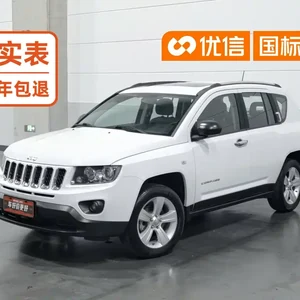
Live Jeep Compass (import) export inventory
View all listings →Real units currently on ChinaCarDirect with per-unit asking prices and MOQ. Availability updates live from the catalogue.
How to buy a Jeep Compass (import) from China
-
1
Define the destination and specification
Set the destination, steering-side requirement, road conditions, customer profile and preferred engine, drivetrain and trim. This shortlist prevents unsuitable vehicles from entering the commercial evaluation.
-
2
Compare live Jeep Compass (import) listings
Use the live inventory to check the current per-unit price, stated MOQ, vehicle identity and availability. Shortlist only units that match the required engine, drivetrain, trim, condition and equipment.
-
3
Verify the unit and documents
Request the vehicle identifier, ownership and export documents, maintenance history, condition photographs and inspection evidence where available. Reconcile every document with the specific vehicle being purchased.
-
4
Request a written landed quotation
Ask for the vehicle amount, inland transport, export handling, freight, insurance, payment charges, destination charges and last-mile delivery to be identified separately. Confirm the Incoterm and the point at which responsibility passes.
-
5
Clear compliance before final payment
Check local import, emissions, safety, registration and insurance requirements with a destination compliance specialist or customs broker. Confirm steering configuration, ownership eligibility and any necessary conformity documents.
-
6
Secure the order with milestone terms
Review the pro forma invoice, stated MOQ, payment schedule and final vehicle identifier in a written agreement. Use milestone-based payment tied to verified documents, inspection and agreed shipping conditions.
-
7
Inspect, ship and complete customs clearance
Arrange any pre-shipment inspection, insurance and cargo documentation, then follow the vehicle through loading, transit, arrival and destination clearance. Reconcile the delivered unit with its identity and condition record before release.
Compass (import) vs rivals
| Nissan Qashqai | The Qashqai is a close benchmark for mainstream compact-crossover buyers who value established local service support and newer model technology. The Compass (import) differentiates through Jeep branding and four-wheel-drive availability, but it should win only if its selected configuration supports the buyer’s roads, parts needs and homologation plan. |
|---|---|
| Hyundai Tucson | The Tucson may be a better fit where buyers prioritize a newer platform, modern safety and available electrified versions. The petrol-only Compass (import) range offers a more distinctive four-wheel-drive option in some configurations, so compare the exact imported vehicle and total ownership case rather than the newest rival. |
| Ford EcoSport | The EcoSport is a relevant value-oriented compact-SUV alternative for buyers focused on packaging and operating economics. The Compass counters with a more distinctive brand identity, a visible trim ladder and four-wheel-drive choices, while its older configurations may require more compliance and refurbishment work. |
Frequently asked questions
How is Jeep Compass (import) export pricing determined?
The export price is built around the individual vehicle and the seller’s commercial terms, including year, trim, engine, drivetrain, condition, mileage, currency movement and logistics. Some quotes separate the vehicle from freight, insurance, handling and destination charges, while others present a delivered basis. ChinaCarDirect’s live inventory shows the current binding amount for each available unit, so use that listing rather than an old cached figure.
What engine, transmission and range options are available?
The visible range includes 2.0L petrol configurations listed as 2WD or FWD, plus 2.4L petrol configurations listed as 4WD or AWD. These are internal-combustion vehicles, so there is no battery-electric range rating; confirm the automatic transmission, axle layout and final trim on the individual listing. Do not assume output or equipment from the trim name alone.
Is a new or used Jeep Compass (import) better?
A new vehicle gives a cleaner basis for fleet standardization, documented age and simpler condition comparison, although shipping and registration costs still apply. A used Jeep Compass (import) can suit a value-focused buyer, but missing records, wear, prior repairs and rust should be treated as risks requiring inspection. Choose based on lifecycle cost, warranty expectations and resale evidence rather than a blanket new-or-used rule.
Can I buy one Compass (import), and how does MOQ work?
MOQ is a seller and transaction term, not a universal property of the model. Some suppliers will quote a single vehicle, while wholesale or containerized programs may require a group; the selected seller’s live listing and written quotation control. Buyers should also ask how mixed trims or destinations are treated before placing a multi-unit order.
What determines shipping time and cost?
Shipping time and cost are driven by transport mode, origin and destination ports, route, carrier space, season, cargo handling, insurance, documentation and inland mileage. The Incoterm determines where responsibility and cost transfer, so compare like-for-like delivered or ex-works scopes. A current quote should itemize origin handling, freight, terminal fees, destination charges and last-mile delivery.
How are spare parts handled for an imported Compass?
Spare-parts planning starts with the exact trim, engine and model year because parts catalogs and electronic diagnostics can differ by configuration. Before ordering, ask the importer to identify local Jeep service access, genuine and pattern-part channels, and likely lead times for wear items and collision parts. If no dependable parts route exists, the vehicle’s residual value and downtime risk should be reconsidered.
Is right-hand-drive availability guaranteed?
Do not assume right-hand-drive availability: China-market Compass examples may be left-hand drive, and a destination requiring RHD needs an explicitly compliant vehicle. Ask the seller to confirm steering side and relevant equipment, then verify whether a lawful conversion is possible if no matching unit exists. Conversion can affect homologation, insurance, warranty and resale, so it should never be assumed.
How do I order a Jeep Compass (import) from China?
Begin with the live Jeep Compass (import) listings, then send the selected vehicle details and destination through the RFQ process. Review ownership and export documents, condition evidence, a written pro forma invoice, the stated MOQ and the final landed-cost scope before paying. Release the final payment only against agreed milestones, with inspection and shipping instructions tied to the identified vehicle.
Ready to source the Jeep Compass (import)?
Send your destination, target year, trim, drivetrain and required quantity to ChinaCarDirect for a current unit-level RFQ quote.
Request a quote