
Jeep Renegade Export Buying Guide for Dealers and Fleets
Compare Jeep Renegade trims, engines and used options, then learn export pricing, MOQ, shipping, homologation and ordering for overseas buyers.
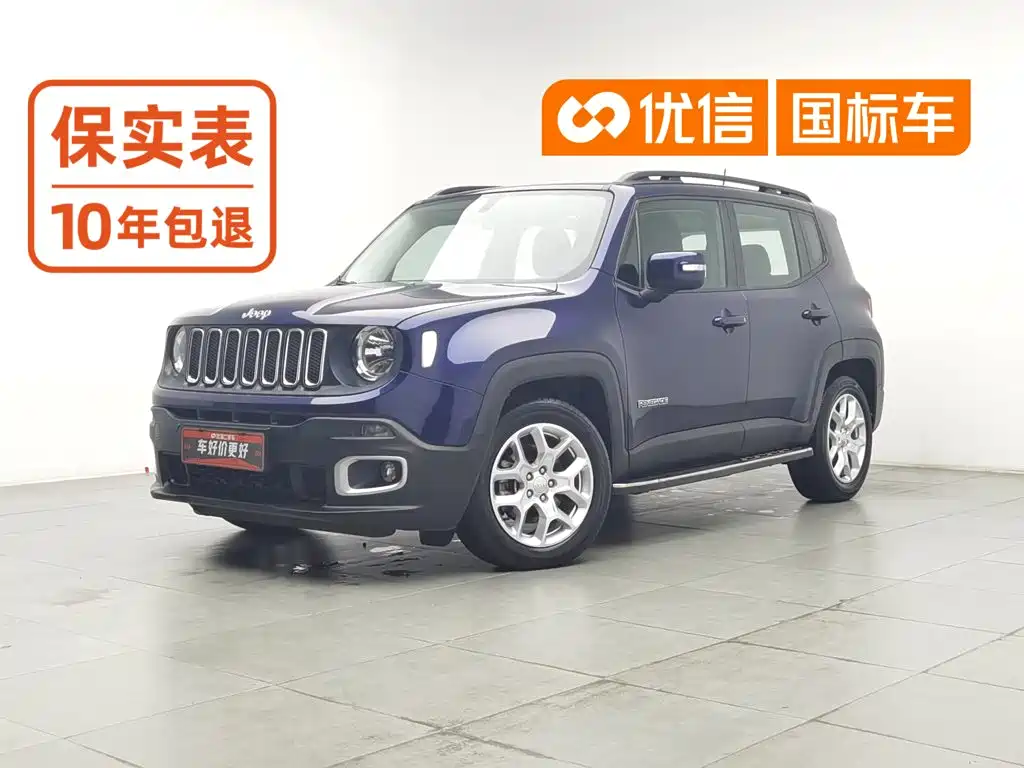
At a glance
- The Renegade is a compact SUV suited to urban buyers, mixed-use fleets and customers who want SUV styling with manageable dimensions.
- China-origin export versions include 1.4T, 180T, 220T and 2.0L automatic derivatives, with front- or all-wheel-drive configurations depending on trim.
- Trim names describe equipment themes rather than a universal hierarchy, so buyers should compare VINs, build sheets and physical vehicles.
- A used Jeep Renegade can reduce capital exposure, but condition, service evidence and title integrity matter more than the asking-price discount.
- A defensible export decision must combine vehicle selection with destination homologation, freight planning, parts support and local resale analysis.
- Exact per-unit pricing, MOQ and availability are confirmed through the live ChinaCarDirect inventory and a written quotation.
Why the Jeep Renegade matters for export markets
The Jeep Renegade occupies a useful middle ground between a conventional hatchback and a full-size SUV. Its compact footprint, raised seating position and available all-wheel-drive variants suit buyers who want more presence and occasional rough-road ability without moving into a large, expensive four-wheel-drive model. For overseas dealers, that combination is commercially relevant: it can serve city customers, mixed-use fleets and light-adventure buyers while remaining easier to ship and sell than a mid-size SUV. The badge also gives importers a recognizable marque in tighter urban markets where forecourts and roads are constrained.
Global demand is not uniform, and the Renegade is most compelling where buyers prioritize a Jeep identity, SUV styling, practical packaging and manageable operating costs. It is less suited to markets that favor the lowest purchase price above all else, or to buyers requiring the towing capacity, seven-seat layout and carrying capacity of a larger utility vehicle. Dealers should position it around versatility rather than claim it is the cheapest crossover or a full-time off-roader. Its appeal also depends on a sensible parts and servicing plan in the destination country, not merely on appearance when new.
For an export buyer, the Renegade's value proposition depends on matching the correct derivative to local use. An importer should test whether customers prioritize economy, turbocharged performance, all-wheel-drive confidence or cabin technology, then compare those needs with local alternatives. Fleet operators also need to consider expected resale, spare-part lead times and whether the model is supported by an established Jeep service network. Those checks turn a broad global reputation into a viable local sales proposition. A vehicle that is easy to merchandise but hard to maintain after warranty support ends is a poor export choice.
- Compact format with available all-wheel drive.
- Useful for mixed-use fleets and urban buyers.
- Service access remains essential.
Model range, trims and powertrain variants: how the lineup is structured and how to choose
The export-facing Renegade range is organized around named editions and engine labels rather than one universal global trim ladder. Common names in the Chinese-market catalogue include High Energy, Power, Kinetic, Connected Large Screen, Premium, Elite and Smart, with anniversary or special versions appearing alongside them. These names can signal equipment themes, but they do not create a universal ordering from entry to flagship. Buyers should compare the specific build, not infer a hierarchy from the badge alone. Confirm standard and optional equipment against photographs, the build record and the VIN before a binding order is placed.
Engine selection is the more objective starting point. The export range includes 1.4T turbo, 180T, 220T and 2.0L naming, with automatic transmissions attached to the listed versions. In the Chinese-market lineup, 180T is generally associated with the 1.5-litre naturally aspirated engine, 220T with the 2.0-litre turbo engine, and separate 1.4T badges identify the smaller turbo derivative. Exact calibration, output and market homologation can differ, so the seller's build sheet and the live listing should be treated as authoritative. Do not rely on a family-level performance description that does not match the unit.
Drivetrain changes the use case more than cosmetic trim names do. Most named editions are front-wheel-drive, while the range also includes explicitly all-wheel-drive derivatives such as the 180TS All-Round and 2.0L AWD editions. A front-wheel-drive Renegade is normally the simpler urban and fleet choice, with lower mechanical complexity and potentially easier servicing; an AWD unit is more relevant for regional climates, wet roads or customers who expect occasional gravel and snow-covered surfaces. The live listing should confirm axle configuration rather than infer it from the trim badge or a generic model photograph.
- Confirm engine and axle layout.
- Compare build sheets, not badges.
- Match drive layout to use.
New vs used Jeep Renegade: how export inventory is structured and how buyers choose
Export inventory for the Renegade can include dealer-new vehicles and used examples carrying many of the same edition names. That structure matters because a trim title does not tell a buyer whether the vehicle is unregistered, recently registered, low mileage, high mileage or imported. New vehicles generally offer a more standardized specification history and simpler cosmetic presentation, while used vehicles may offer broader year and condition choices. Buyers should therefore separate the commercial question of vehicle condition from the technical question of trim and equipment. This prevents misleading stock comparisons.
For new units, ask for VIN, production or model year, factory build sheet, odometer reading, start date, title or ownership status and evidence of pre-delivery inspection. Also confirm whether any factory warranty is valid in the destination country, since coverage may depend on where the vehicle was sold and on the importer's registration. A new label alone does not guarantee a particular equipment level, current campaign or market certification. Matching the physical vehicle to its documentation prevents a dealer from promising features that the arriving unit does not actually have.
A used Renegade requires condition-led due diligence rather than a discount-led decision. Inspect bodywork, tyres, brake components, suspension, cabin wear, fluid leaks, dashboard warnings and service history, and verify the VIN against the title and export records. Confirm key count, spare wheel or repair kit, tools, air-conditioning operation and the condition of the battery and charging system. Mileage is useful only when supported by records; a lower reading does not compensate for poor maintenance history. For fleet use, prioritize serviceability and predictable repair costs over cosmetic upgrades that add little daily value.
- Condition outweighs trim prestige.
- Verify VIN, title and service records.
- Inspect wear, brakes and leaks.
How export pricing works: the factors behind a live listing price, and how to read one
A live Renegade price is the result of several variables rather than one fixed export tariff. Model year, edition, engine output, drivetrain, options, mileage, condition and whether the unit is new or used all influence the seller's asking price. Market demand and the number of comparable vehicles can also move a quote, while the seller's financing, warehousing and inspection work create a cost base. Exchange-rate changes between the quotation and the payment date add another layer, so the currency and validity period must be stated. The displayed figure should not be mistaken for a guaranteed landed cost.
Vehicle price and landed cost are different numbers. Import duties, value-added or sales taxes, port and terminal charges, marine insurance, inland haulage, customs brokerage, pre-shipment inspection, document fees and dealer preparation may sit outside the listing price. Freight can be quoted under different Incoterms, which changes which party organizes carriage, bears risk and pays charges along the route. Request a written quotation that identifies the delivery point, included services, excluded taxes and the documents required for clearance. A lower asking price can still produce a higher total cost after destination charges are added.
When reviewing a live listing, first confirm the exact vehicle identity: year, edition, engine label, transmission, axle layout, mileage, condition and location. Then check whether the photos show the actual unit or representative stock, and whether the seller confirms the VIN, key count and equipment list. Current per-unit price and availability are shown in the live ChinaCarDirect Renegade inventory, so use that record as the binding source rather than an old catalogue summary. Request a written quote for the same SKU before transferring funds, especially if the listing and negotiation differ.
- Listing price is not landed cost.
- Year, trim and condition drive value.
- Use the live SKU and written quote.
MOQ, ordering and payment: single units vs consolidating a container
Minimum order quantity is a listing term, not a universal feature of the Renegade. ChinaCarDirect records the applicable MOQ against each live vehicle, and some sellers may open a unit to individual professional buyers while others prefer batches or mixed-model consolidation. A buyer should therefore read the MOQ on the chosen listing and ask for written confirmation before assuming that one vehicle can be purchased or that a discount applies at a particular quantity. For a wholesale importer testing the model, a single-unit purchase may be operationally easier but offers less freight efficiency.
Single-unit buying is sensible for market testing, a demonstration vehicle, a replacement for a customer or a buyer who wants to inspect the exact vehicle before scaling. It also spreads payment and inventory risk, although the fixed portions of inspection, documentation and freight may then be spread across fewer vehicles. Container consolidation can lower those costs per vehicle and improve purchasing control, but it requires a larger cash commitment, more accurate forecasting and careful matching of specification, condition and delivery timing. Empty-container repositioning and demurrage can erase part of the expected saving.
The ordering sequence should be controlled in writing. Confirm specifications and MOQ, request a pro forma invoice, verify the vehicle identity, agree payment milestones and the currency, then review the inspection, export declaration, title, VIN, bill of lading or transport document and release conditions. Deposits and balances should be tied to identifiable vehicles and agreed documents rather than vague descriptions such as a similar model or equivalent trim. The buyer should also clarify cancellation, refund, storage and claims procedures before paying, because those terms differ between sellers and shipment arrangements.
- MOQ appears on each live listing.
- Single units suit market testing.
- Consolidation improves freight efficiency.
Shipping, homologation and market compliance caveats: LHD/RHD and import rules by country
Steering configuration is an early compatibility check. Vehicles produced for China are commonly left-hand-drive, so an overseas buyer importing into a right-hand-drive market must confirm whether an RHD example is available before making plans based on a particular listing. An RHD conversion can involve changes beyond the steering wheel, including controls, lighting, instruments and safety equipment, so it should be performed by a competent specialist and followed by the destination country's inspection process. For RHD markets, locally sourced RHD stock may sometimes be operationally simpler than converting an LHD export vehicle.
Import eligibility is determined in the destination country, not by the vehicle's Chinese-market badge. The importer must check VIN and type approval, emissions and road-noise rules, safety requirements, customs classification, age or emissions restrictions, duties and taxes, and the required registration or conformity documents. Because approvals and tax treatment can change, buyers should obtain a written view from a local customs broker or vehicle-homologation specialist before committing to a non-registered unit. The same Chinese-market Renegade may need different treatment in different jurisdictions, even when its mechanical specification is identical on paper.
Transport method should follow quantity, urgency and budget. Ro-Ro shipping can suit a single vehicle or small consignments, while containerization generally suits larger lots and can offer greater protection during handling. The exporter should complete or document a pre-shipment inspection, secure the vehicle against movement, confirm that loose equipment and vehicle-security requirements are met, and reconcile the VIN across the commercial invoice and transport documents. Freight cost and transit time vary with origin and destination ports, vessel frequency, space, congestion, customs clearance and inland delivery; they should never be promised without a current carrier quotation.
- Confirm steering configuration before commitment.
- Obtain local homologation advice.
- Quote freight against current schedules.
Who should buy the Renegade — and who should pick a different vehicle
The Renegade fits importers and fleet operators seeking a compact SUV rather than a small hatchback, especially where customers value a recognizable Jeep badge, elevated visibility and occasional all-wheel-drive availability. It is well suited to mixed urban-and-regional use, including sales teams, rental programs and company fleets that need five-seat utility without a large footprint. The four-wheel-drive versions can be positioned for buyers facing wet roads, winter conditions or light unpaved routes, provided expectations remain aligned with a compact crossover rather than a heavy-duty off-road platform. Local servicing capacity should be checked before fleet rollout.
It is a weaker fit for buyers needing maximum cargo volume, more than five seats, heavy towing, high ground clearance for serious trail work or the lowest possible operating cost. Very short urban journeys can favour a smaller, more efficient crossover, while large families may prefer a larger seven-seat SUV. Buyers committed to hybrid or battery-electric operation should choose a rival offered with the required powertrain locally rather than accepting a gasoline Renegade on brand image alone. Commercial operators should also test load, weather and route requirements against real utilization rather than general SUV assumptions.
The buying decision should combine vehicle economics with market readiness. Compare the preferred Renegade derivative against locally registered rivals on purchase price, expected fuel use, servicing access, parts lead times, insurance, residual value and resale restrictions. For fleet use, standardize one or two specifications to simplify training, maintenance and remarketing instead of mixing many trims. Before placing a larger order, test one representative vehicle if the MOQ and economics allow, confirm that spare parts and technical support are available, and document the compliance route for every vehicle in the planned batch.
- Best for compact five-seat utility.
- Not a heavy-duty equipment substitute.
- Standardize derivatives for fleets.
Main rivals and how the Renegade compares
The closest export-market alternatives depend on body size, powertrain and price positioning, but the Renegade is regularly evaluated against the Hyundai Kona, Kia Stonic and Ford EcoSport. Each offers a similar small-SUV or compact-crossover proposition, yet each emphasizes a different mix of efficiency, styling, equipment and drivetrain choice. The comparison should be made with the destination-market versions rather than global range sheets, because engine labels, safety systems, software and availability change by country. A Renegade buyer should not switch models on badge alone. The lowest purchase price is not always the lowest ownership cost.
Against the Hyundai Kona and Kia Stonic, the Renegade generally offers more SUV-oriented styling and, in some specifications, all-wheel-drive availability. The Hyundai and Kia are often stronger choices for buyers who prioritize fuel efficiency, a lower running-cost proposition, mainstream dealer support or electrified powertrains where those versions are locally available. The Renegade counters with Jeep brand recognition, a distinctive design and a drivetrain option suited to light all-weather use. Which factor carries more weight will determine the better resale proposition for each market. That is a local market judgment, not a universal result.
The Ford EcoSport is a particularly relevant rival in markets where compact dimensions, diesel availability and established local service networks influence the decision. The Renegade may appeal more to buyers who prioritize its badge, higher-riding presentation and available AWD system, while the EcoSport can be more pragmatic for economical fleet operation. Before importing, compare landed cost, homologation, parts support and expected resale rather than trying to identify a universal winner. The most competitive Renegade is the one that fits local demand after all ownership and compliance costs are fully included.
- Kona and Stonic emphasize efficiency.
- EcoSport offers pragmatic fleet value.
- Compare local versions and ownership costs.
Live Jeep Renegade export inventory
View all listings →Real units currently on ChinaCarDirect with per-unit asking prices and MOQ. Availability updates live from the catalogue.
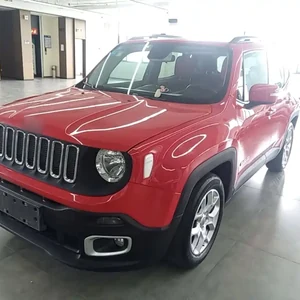
Jeep Jeep Renegade 2018 Connected Large Screen Edition 180T Automatic High Energy
How to buy a Jeep Renegade from China
-
1
Define the destination and use case
Confirm the importing country, required steering position, fuel needs, route conditions and local homologation route. Separate urban fleet use from light all-weather or unpaved requirements before selecting a derivative.
-
2
Shortlist live Renegade inventory
Compare model year, edition, engine, transmission, drivetrain, mileage, condition and location in the live listings. Record the specific SKU rather than relying on a generic trim description.
-
3
Verify the individual vehicle
Request the VIN, factory build sheet, title or ownership status, odometer evidence, photographs and service records where applicable. Reconcile every document with the vehicle offered for sale.
-
4
Request a landed-cost quotation
State the destination, quantity, delivery point and preferred Incoterm. Ask for vehicle price, freight, insurance, inspection, documentation and destination charges to be separated clearly.
-
5
Confirm MOQ and payment terms
Treat the MOQ shown on the selected live listing as the starting point and obtain written seller confirmation. Record deposit, balance, cancellation, refund and release conditions before paying.
-
6
Complete compliance and transport checks
Use a local customs broker or homologation specialist to confirm VIN approval, taxes, emissions rules and registration requirements. Book pre-shipment inspection and obtain a current freight quotation for the selected route.
-
7
Inspect before final release
At arrival, reconcile the VIN, physical condition and equipment against the inspection and transport documents. Resolve damage, document or configuration discrepancies before releasing the vehicle for registration or sale.
Renegade vs rivals
| Hyundai Kona | A close size-and-price alternative that often emphasizes efficiency, mainstream familiarity and electrified options where locally available. The Renegade offers more SUV-oriented styling and available all-wheel drive, making it more relevant for buyers prioritizing Jeep identity and light all-weather capability. |
|---|---|
| Kia Stonic | The Stonic is a strong urban-oriented alternative with distinctive crossover design and hybrid availability in some markets. The Renegade is generally the better fit for buyers who prioritize a more upright SUV presentation, an available AWD option and a stronger emphasis on light off-road usability. |
| Ford EcoSport | The EcoSport is a direct practical rival in many markets because of its compact dimensions and established fleet use. The Renegade emphasizes Jeep brand recognition and available AWD, while the EcoSport may appeal more where diesel choice, simple packaging and broad local servicing are decisive. |
Frequently asked questions
How is the Jeep Renegade export price determined?
The export price is built from the individual vehicle's model year, trim, engine, drivetrain, options, mileage or condition and new-or-used status, then affected by exchange rates and seller costs. Freight and destination charges may be quoted separately under an Incoterm. Check the live Jeep Renegade inventory for the current per-unit price and request a written quote against the selected SKU.
Which Jeep Renegade engine and transmission options should I expect?
Chinese-market export naming includes 1.4T turbo, 180T, 220T and 2.0L automatic derivatives, with front- or all-wheel-drive configurations depending on edition. The 180T is generally the 1.5-litre naturally aspirated option and the 220T the 2.0-litre turbo option, but output and homologation can vary by market. Confirm the engine, transmission and axle layout on the exact live listing.
Is a used Jeep Renegade better value than a new one?
New examples normally offer more standardized condition and documentation, while used examples can reduce capital exposure but require closer inspection. A used vehicle should be judged by VIN, title, mileage evidence, service history, body condition, tyres, brakes and warning lights rather than by discount alone. Ask whether any remaining factory warranty applies in the destination country.
What is the MOQ when buying a Jeep Renegade wholesale from China?
MOQ is seller- and listing-specific, and the applicable figure is shown on each live ChinaCarDirect vehicle. A buyer may be able to purchase one unit if the listing permits it, while other sellers may require a batch or mixed-model consolidation. Confirm the current MOQ and any quantity pricing in the RFQ before paying a deposit.
What affects shipping time and cost for a Renegade?
Freight and timing depend on transport mode, origin and destination ports, vessel schedule, space, congestion, customs, insurance and inland delivery. Ro-Ro may suit a single vehicle, while containers generally suit larger consolidated lots. Obtain a current carrier or forwarder quotation for the chosen route rather than relying on a generic transit estimate.
How are spare parts handled for an exported Renegade?
Parts can usually be ordered by VIN and build code, but Chinese-market trims may use equipment or part numbers not shared with every global Renegade version. Local dealer support, catalogue availability and shipping lead time can therefore materially affect ownership cost. Secure a parts list and aftersales contact for the destination before scaling the order.
Is a RHD Jeep Renegade available for export?
China-origin examples are commonly LHD, so a right-hand-drive buyer should not assume RHD availability from a general listing. Ask the seller to confirm the steering configuration and matching market documentation; otherwise assess a professional conversion or locally sourced RHD stock. Homologation and conversion approval remain the importer's responsibility.
How do I buy a Jeep Renegade from China?
Start with the live Renegade listings, identify a specific vehicle and request a written quotation covering MOQ, Incoterm, freight scope and required documents. The seller should then issue a pro forma invoice and agreed inspection, payment, export and transport terms. Reconcile the VIN and condition at pre-shipment inspection and again on arrival before release.
Ready to source the Jeep Renegade?
Send ChinaCarDirect your destination, preferred derivative, quantity and Incoterm for a current unit-level quote and export checklist.
Request a quote