
Jeep Wrangler Export Guide for Overseas Buyers
Compare Jeep Wrangler trims and powertrains, understand export pricing, MOQ, shipping and homologation before ordering from China.
At a glance
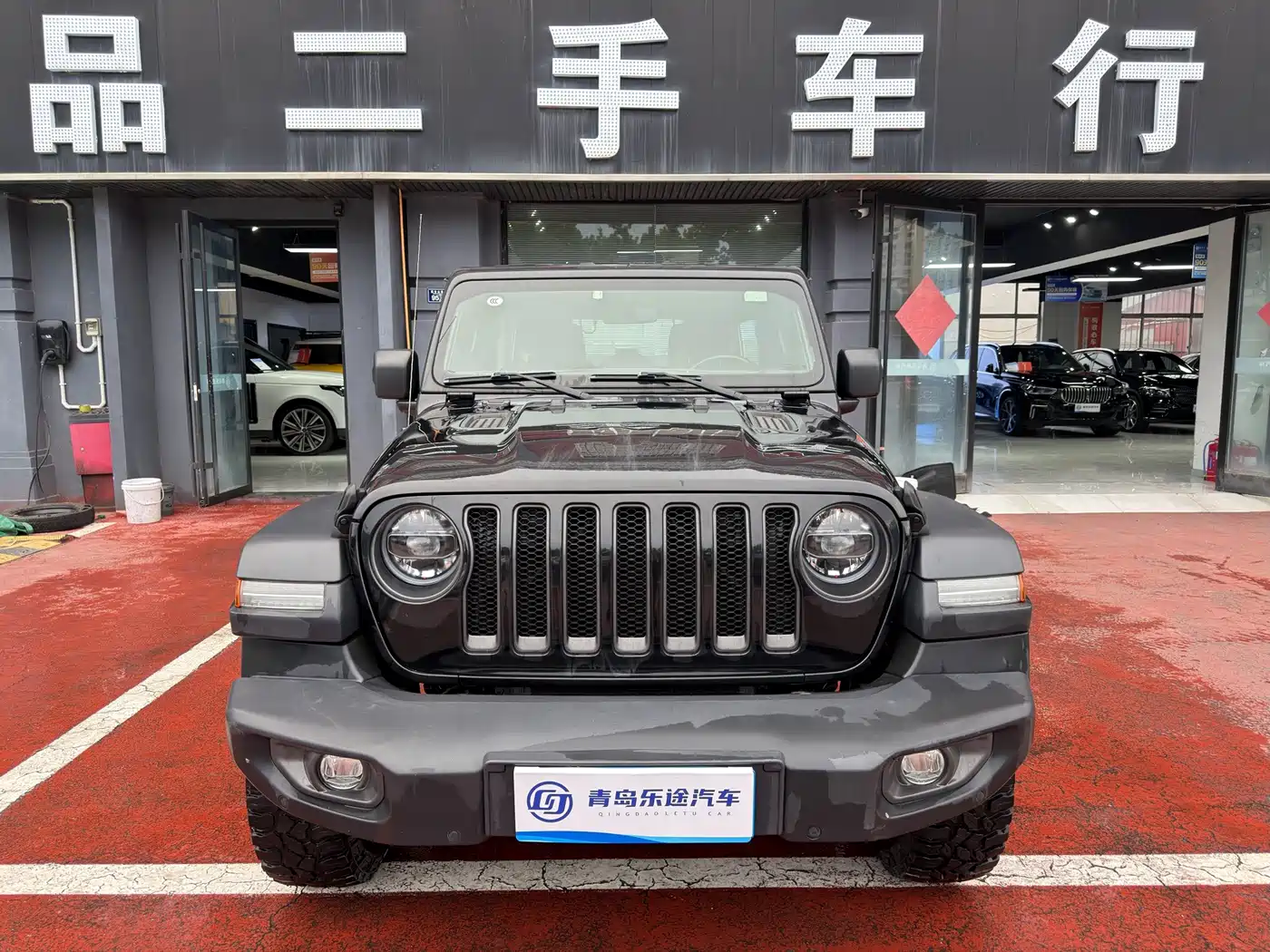
- The Wrangler combines body-on-frame construction, selectable four-wheel drive and removable-body capability with two-door and four-door configurations.
- Sahara generally serves comfort-oriented buyers, while Rubicon is aimed at drivers who prioritize off-road hardware and terrain capability.
- The export range includes gasoline and diesel engines, plus 2.0T 4xe plug-in hybrid versions whose battery and range specifications vary by market.
- New China-specification vehicles offer the broadest configuration choice, while used Wranglers require more careful inspection and compatibility checks.
- Export pricing moves with model year, trim, powertrain, condition, exchange rates, freight, insurance, taxes and the agreed Incoterm.
- Confirm steering configuration, homologation, import rules, parts support and destination-market compliance before paying a balance.
Why the Jeep Wrangler matters for export markets
The Jeep Wrangler occupies a distinctive position between a capable off-road vehicle and a road-oriented SUV. Its body-on-frame architecture, four-wheel-drive system, available low-range gearing and removable doors and roof give it a level of modularity few competitors can match. For overseas dealers, that combination creates several markets: specialist 4x4 retailers, adventure-tour operators, rental businesses, emergency-support fleets and private buyers seeking a vehicle with genuine off-road credentials rather than merely an SUV appearance.
Wrangler demand also benefits from the model’s long-running global identity and visually distinctive design. Its two-door format is especially relevant to enthusiast buyers, while the four-door version addresses importers and fleets that need more passenger space, luggage capacity and everyday usability. Four-wheel-drive variants can also support commercial uses in regions where access roads are unpaved or severe weather is common, provided the buyer selects the appropriate axle, differential and tyre configuration.
Export buyers should nevertheless distinguish international appeal from local suitability. China-market Wranglers may carry China V or China VI emissions designations, and their equipment can differ from North American, European, Middle Eastern or Australian versions. These differences can affect registration, spare-parts ordering and customer expectations. The model’s global recognition makes it comparatively easy to position, but the destination country’s regulations—not the popularity of the badge—must determine whether a particular unit can be imported and registered profitably.
- Body-on-frame construction and removable-body features distinguish the Wrangler from conventional compact SUVs.
- Two-door models favor enthusiast and fleet applications; four-door models add passenger and luggage flexibility.
- China-specific emissions and equipment designations require destination-market verification.
- Dealer demand should be built around suitable trims rather than a broad assumption of identical Wrangler specifications.
Model range, trims and powertrain variants: how the lineup is structured and how to choose
The Wrangler range is structured around two-door and four-door bodies, with Sahara, Rubicon and Highland naming used across different model years and markets. Sahara is generally the more comfort-oriented choice, combining off-road capability with equipment intended for everyday use. Rubicon is positioned for more demanding off-road work through its specialist hardware and drivetrain configuration. Highland is a lifestyle-oriented trim that should not be treated as an equipment substitute for Rubicon; buyers need to compare the actual axle, locking differential, gearing and tyre details listed for each unit.
Powertrain choice should reflect duty cycles and fuel availability. The export catalogue includes 2.0T, 3.0L, 3.6L and 3.8L gasoline versions, together with 2.8TD diesel versions. Two-door and four-door bodies are available with different combinations, so a familiar model name does not guarantee a mechanical match. Buyers should confirm engine displacement, fuel type, transmission, drive system, manufacturing period and market specification rather than relying on the trim badge or a partial listing title.
Four-door 2.0T 4xe versions add an electric motor to the turbocharged engine and represent a plug-in hybrid alternative to the combustion-only Wranglers. This architecture can suit buyers seeking electric-assisted driving and reduced local exhaust exposure, but battery capacity, usable range, charging standard and onboard equipment are market-specific and must be checked on the live listing. The right choice is therefore the version whose range, towing, load-carrying and off-road requirements align with the destination rather than the newest or most powerful label.
- Sahara emphasizes comfort and broader road use; Rubicon is focused on specialist off-road capability.
- Highland is a lifestyle trim and should not be assumed to include Rubicon’s mechanical hardware.
- Available engines include 2.0T, 3.0L, 3.6L and 3.8L gasoline units plus 2.8TD diesel variants.
- For 4xe models, verify battery, charging and range details in the live listing because specifications differ by market.
New vs used Jeep Wrangler: how export inventory is structured and how buyers choose
New Wrangler export units are typically Chinese-market specification vehicles sold by dealers or trading companies. They commonly provide the broadest selection of four-door bodies, trims and powertrains, including Sahara, Rubicon and 4xe variants. For a dealer establishing a new-vehicle department, this is the easiest category from which to build a coherent sales range and compare equipment directly. The buyer should still check production age, since a vehicle described as new may have been held in stock and can differ from the latest model available in the destination market.
Used Wranglers create a different market based on vehicle history, remaining service life and the availability of parts. Some export-used units may have completed official use or come from other sales channels, so documentation and condition must be examined carefully. A used example can make commercial sense when its mechanical condition is transparent, its specification matches local demand and the purchase leaves enough margin after reconditioning, freight, taxes and warranty provision. Mileage alone is not enough: chassis condition, off-road damage, modifications and service evidence are equally important.
The most reliable comparison is a total-cost assessment. For a new vehicle, consider delivery preparation, local registration, warranty administration and expected holding cost. For a used vehicle, add a realistic reconditioning allowance, inspection and repair contingency. Compare each option with the customer profile you intend to serve. A new 4xe may suit a premium retail programme, while a used Rubicon could fit a specialist workshop; a less complex used Sahara may be easier to maintain for fleet customers. Neither category is automatically cheaper after import.
- New inventory provides the broadest choice of body styles, trims and current powertrain configurations.
- Used units require inspection of modifications, chassis condition, service records and remaining commercial life.
- Budget for reconditioning, taxes, registration and warranty risk rather than comparing vehicle prices alone.
- Match the vehicle category to the customer segment: lifestyle, fleet, off-road specialist or premium retail.
How export pricing works: the factors behind a live listing price, and how to read one
A Jeep Wrangler export price is not a fixed market rate. The core vehicle price normally responds to model year, body style, trim, engine or hybrid version, equipment level and condition. A four-door Rubicon, a two-door Sahara and a 4xe model occupy different value bands even when their listing formats look similar. For used vehicles, mileage, service history, originality, paint condition and mechanical inspection can move the price further. Currency movements between the seller’s quotation currency and the buyer’s settlement currency add another layer.
Freight and transaction structure also matter. Charges can include inland transport, export handling, RoRo or container freight, insurance, destination port charges, customs clearance, taxes and inland delivery. The Incoterm determines where responsibility transfers and which costs are included, so two quotations using different terms may not be comparable. Buyers should also establish whether a displayed vehicle price includes any seller-side charges and whether destination taxes are excluded; a complete landed-cost worksheet is more useful than relying on the listing figure alone.
The live inventory is the source for current per-unit pricing and availability. Read the model title, year, trim, body, powertrain, condition, SKU and any option fields together, then compare several relevant units rather than averaging unrelated vehicles. Before making a binding decision, request a written quotation tied to the specific SKU and state whether it is FOB, CIF, FCA, DAP or another term. If the quote must cover customs, taxes and final delivery, ask for each component separately so that a changed exchange rate or fuel surcharge can be explained.
- Vehicle year, trim, body style, powertrain, equipment and condition drive the base price.
- Exchange rates, freight, insurance, port charges, customs, taxes and Incoterms affect the landed cost.
- Compare quotations only after confirming that they use the same trade term and cost inclusions.
- Use the live Wrangler listings for current unit-level prices and request a SKU-specific written quotation.
MOQ, ordering and payment: single units vs consolidating a container
The minimum order quantity is a commercial term rather than a fixed property of the Wrangler. It may be set by the seller, vehicle source, configuration and destination arrangements, so a buyer should read the MOQ shown on each live listing and have it repeated in the quotation. Some sellers may consider a single vehicle for a trial order, while others require several units, a mixed allocation or a full-container commitment. The correct question is therefore not whether the Wrangler has a universal MOQ, but what minimum the seller will accept for the exact SKU and terms.
Ordering one vehicle is useful for testing a new supplier relationship or confirming that the equipment suits local customers. Consolidating several units can improve freight efficiency, but it increases exposure to slow-moving trims and ties up more capital in inventory, insurance, registration and storage. A mixed container may contain different body styles or powertrains to spread market risk, provided every vehicle is separately identified in the packing list, export declaration and shipping documents. Container utilization should never be allowed to override a sound sales plan.
Payment structure should follow inspection and documentary milestones. A buyer can request a pro forma invoice that identifies the vehicle or SKUs, trade term, validity period, deposit, balance condition, bank charges and cancellation terms. For a first transaction, paying the balance only after the seller has supplied the specified inspection evidence and original documents is prudent. Larger orders benefit from a written inspection protocol, serial-number checks and clear remedies if the delivered vehicle does not match the agreed description. The commercial terms should therefore be finalized before funds are transferred.
- Confirm the MOQ for the specific listing rather than assuming a universal Wrangler order quantity.
- Single-unit orders can lower inventory risk; multi-vehicle shipments can improve freight efficiency.
- A mixed container can reduce trim concentration but requires precise identification and documentation for every unit.
- Tie deposits and balances to written inspection, document and delivery conditions in the invoice.
Shipping, homologation and market compliance caveats: LHD/RHD and import rules by country
Steering configuration is a critical selection criterion. Many China-market Wranglers are left-hand-drive, while some destinations require or strongly favor right-hand-drive vehicles. The steering side, driver-assistance systems, instrument cluster and market wiring should be confirmed before ordering; converting a vehicle later can be costly and may affect insurance or registration. Buyers should also identify whether their customers need a specific steering configuration and ensure that supplier documentation matches the physical vehicle shown in the listing.
Homologation extends beyond steering side. Local rules may cover lighting, emissions, noise, safety equipment, type approval, VIN checks, cybersecurity, taxation and age or displacement restrictions. China V and China VI labels describe the origin-market emissions context and do not constitute approval for another country. Used-vehicle imports may face tighter age, condition or inspection rules, while some countries restrict individual imports or require a licensed importer. Obtain a written local customs or vehicle-compliance assessment for the exact configuration before relying on the vehicle for resale.
Shipping method should be selected after confirming the vehicle’s actual dimensions and handling requirements. RoRo, flat-rack and container options have different cost, security and loading characteristics, and a Wrangler should not be assumed to fit a particular container without measurement. The exporter should document VIN, title or ownership documents, customs papers, insurance, battery-related information where applicable, export restrictions and condition at loading. On arrival, the importer remains responsible for customs clearance, taxes, port charges, conformity checks, registration and delivery inspection under the selected trade term.
- Confirm left- or right-hand drive, market wiring and driver-assistance compatibility before paying.
- A China emissions designation does not establish approval in the destination country.
- Used imports may face additional age, condition, inspection or licensing restrictions.
- Verify actual dimensions, securing method, cargo documentation and post-arrival registration requirements.
Who should buy the Wrangler — and who should pick a different vehicle
The Wrangler is a strong fit for buyers whose priorities include genuine four-wheel-drive capability, durability, modular body construction and a recognisable off-road identity. Four-door models suit dealers serving families, adventure operators and customers who need regular passenger or luggage space. Two-door models can be more appropriate for enthusiasts, demonstration fleets and operators focused on outdoor equipment rather than maximum interior practicality. Rubicon-focused demand is strongest where customers value specialist off-road hardware, while Sahara customers may place greater emphasis on comfort and everyday refinement.
It is less suitable for buyers whose main requirements are low operating cost, quiet electric urban driving, compact parking ease or the cargo volume of a conventional midsize SUV. A buyer in a market with demanding fleet-emission targets should examine whether the combustion and plug-in hybrid versions fit local policy before making a large commitment. Similarly, customers expecting a luxury-smooth ride or a sealed, quiet family cabin may prefer a road-focused rival. The four-door Wrangler improves usability but does not transform it into a large people carrier.
Commercial buyers should also test the business case. Wrangler styling can support premium positioning, yet specialized versions may have narrower customer pools than mainstream SUVs. Rental operators should calculate utilization, fuel consumption, tyre and terrain-related wear, and the cost of maintaining several specification groups. Importers can reduce risk by starting with a small mixed allocation, confirming local demand and then expanding toward the body and trim that generate repeatable enquiries. The best choice is the one whose operating economics and compliance pathway match the business, not simply the most capable badge in the segment.
- Best suited to off-road enthusiasts, adventure operators, specialist dealers and selected fleet programmes.
- Four-door models improve family and luggage use; two-door models prioritize enthusiast appeal.
- Poor matches include buyers focused primarily on electric commuting, minimal operating cost or maximum interior space.
- Validate local demand and operating economics before committing to a large mixed allocation.
Main rivals and how the Wrangler compares
The Ford Bronco is the closest conceptual rival because it combines two- and four-door bodies, removable sections and a four-wheel-drive identity aimed at off-road-capable SUVs. Buyers should compare specific equipment rather than assume equivalent trims: differential locks, gearing, axle construction, recovery points and available accessories can differ. The Bronco may appeal to buyers focused on a particular generation or market ecosystem, while the Wrangler benefits from a long-established global identity and broad two-door and four-door availability. Local parts support and homologation should carry equal weight in the decision.
Toyota’s Land Cruiser family, including Prado and Land Cruiser models sold as the 250 in some markets, competes for buyers who need off-road credibility but prioritize road refinement, interior space, fuel efficiency and family practicality. It can be a stronger choice for mainstream fleet and premium family work where the Wrangler’s removable, rugged construction is not essential. The Wrangler distinguishes itself through open-air usability, configurability and a stronger enthusiast identity. The correct comparison is trim-for-trim, including drivetrain, safety equipment, interior finish and the destination-market service network.
The Land Rover Defender 110 occupies a more premium position and combines strong off-road capability with a more refined road environment and family-oriented packaging. It may better suit buyers who want both ruggedness and a sophisticated passenger compartment, while the Wrangler often offers a more direct, enthusiast-focused proposition and broader body-style choice. Costs, insurance, fuel use and servicing can differ significantly, so no rival should be selected from badge positioning alone. Test the proposed vehicle, verify the exact specification and compare total ownership costs under local fuel, insurance and taxation conditions.
- Ford Bronco: closest lifestyle and removable-body alternative; compare off-road hardware and local support.
- Toyota Land Cruiser Prado/250: stronger emphasis on refinement, efficiency, space and family use.
- Land Rover Defender 110: premium alternative balancing off-road ability with a more sophisticated cabin.
- Choose from exact specifications, destination availability and total ownership costs rather than badge reputation.
Live Jeep Wrangler export inventory
View all listings →Real units currently on ChinaCarDirect with per-unit asking prices and MOQ. Availability updates live from the catalogue.
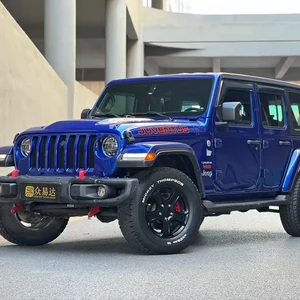
How to buy a Jeep Wrangler from China
-
1
Define the destination and target configuration
Record the country, steering-side requirement, fuel rules, customer segment, body style and intended use before selecting a trim.
-
2
Search the live Wrangler inventory
Compare current two-door and four-door units by year, trim, engine, 4xe configuration, condition and clearly stated equipment.
-
3
Verify the individual vehicle
Request the VIN, production details, specification sheet, photographs and condition report for the exact SKU or SKU group.
-
4
Request a comparable landed quotation
Ask for the base vehicle price, MOQ, Incoterm, freight, insurance, documentation and destination charges as separate components.
-
5
Confirm payment and document terms
Use a written pro forma invoice that states deposit, balance conditions, bank charges, inspection requirements and remedies for specification discrepancies.
-
6
Complete pre-shipment inspection
Use an agreed checklist covering VIN, odometer, exterior, interior, engine bay, underbody, tyres, options, warning lamps and export preparation.
-
7
Arrange freight, clearance and registration
Confirm the loading method, insurance, shipping documents, customs route, port handling, conformity requirements and destination delivery plan.
Wrangler vs rivals
| Ford Bronco | The Bronco is the closest removable-body, four-wheel-drive lifestyle rival and offers strong enthusiast appeal. The Wrangler remains distinctive for its two- and four-door format, long-running export identity and model-specific off-road hardware, which should be compared trim by trim. |
|---|---|
| Toyota Land Cruiser Prado / Land Cruiser 250 | The Land Cruiser range is generally more focused on family usability, refinement and efficient travel while retaining off-road credibility. It may suit fleet and premium family buyers better, whereas the Wrangler is more directly aligned with open-air, enthusiast and modular-body demand. |
| Land Rover Defender 110 | The Defender 110 combines off-road capability with a more polished, family-oriented cabin and generally presents a premium ownership proposition. The Wrangler offers broader body-style choice and a more direct enthusiast focus, so the final decision should reflect equipment, local support and total operating cost. |
Frequently asked questions
How is the Jeep Wrangler export price determined?
The price reflects model year, trim, body style, powertrain, equipment, mileage and condition for used units. Exchange rates, freight, insurance, customs, taxes, documentation and the selected Incoterm also affect the landed total. Check the live Wrangler listings for current per-unit prices, then request a written quotation tied to the selected SKU.
Which engine and powertrain options are available?
The export range includes 2.0T, 3.0L, 3.6L and 3.8L gasoline variants, plus 2.8TD diesel versions. Four-door 2.0T 4xe models combine a turbocharged gasoline engine with an electric motor. Availability varies by year, body style and market, so confirm the exact listing rather than assuming every trim offers every engine.
What battery and range details should be confirmed for a 4xe?
Battery capacity, usable electric range, charging connection and equipment can differ by market and model year, so they should be verified on the live vehicle listing. The 4xe also retains a gasoline engine for longer journeys, but a buyer should calculate operating requirements using the destination’s actual charging access and typical route.
Should an overseas buyer choose a new or used Wrangler?
New units generally provide broader trim and powertrain choice and are easier to position as current-model stock. Used units can suit buyers seeking a specific configuration, but they require closer inspection of condition, mileage, modifications, service records and parts compatibility. Compare total landed and operating costs, including any reconditioning or warranty provision.
How does MOQ work when ordering a Wrangler from China?
MOQ is set commercially for the seller, vehicle source and agreed transaction, so it should be read from each listing and confirmed in the quotation. A single-unit trial may be possible, while larger shipments may receive different freight treatment. Buyers should confirm the minimum, mixed-container rules, deposit and cancellation terms in writing.
What determines shipping time and cost?
Shipping time and cost depend on the origin and destination ports, vessel or RoRo schedule, vehicle dimensions, loading method, insurance, fuel surcharges, port charges and customs clearance. The exporter should quote the trade term and identify excluded destination costs. Allow time for inspection, documentation, vessel availability, congestion and any conformity or registration checks.
Can spare parts be ordered for an exported Wrangler?
Parts can generally be ordered, but the buyer should match them using the VIN, model year, engine, trim and market specification rather than relying only on the model name. Chinese-market vehicles may differ from other global versions in electronics, body panels and engine components. Confirm serviceability with the supplier or a destination specialist before promising parts support to customers.
Are right-hand-drive Wranglers available, and how should an order be placed?
Right-hand-drive availability depends on the specific vehicle source, and many China-market examples are left-hand-drive, so it must be confirmed before ordering. Start with the live listings, identify the required configuration, request an SKU-specific quotation and complete local compliance checks. Finalize MOQ, Incoterm, payment milestones, inspection standards and export documents before transferring funds.
Ready to source the Jeep Wrangler?
Request a current Jeep Wrangler quotation for your destination, preferred trim, MOQ and delivery terms.
Request a quote