
JETOUR Traveler Export Guide for Overseas Dealers and Buyers
Plan a JETOUR Traveler export purchase with practical guidance on trims, 2WD and 4WD variants, pricing, MOQ, shipping, compliance and rivals.
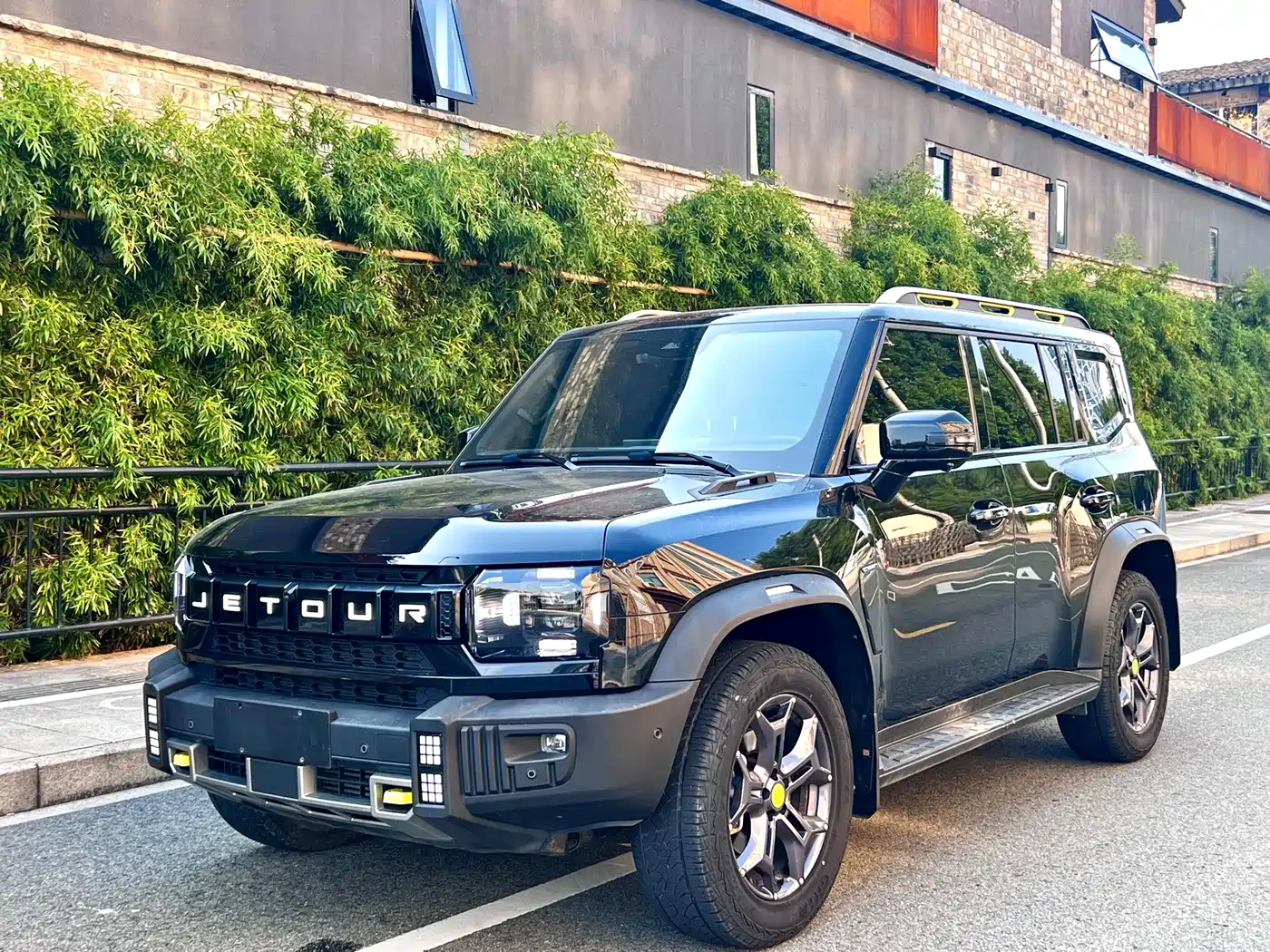
At a glance
- The Traveler is a five-door, rugged-styled SUV offering 1.5T and 2.0T turbo engines, with selected TD and XWD versions.
- Trim names include Cross PRO, Cross PRO+, Conquest, Conqueror and Discovery, but market translations must be checked against the VIN build sheet.
- New and used units are both represented in the live catalogue, with condition, service history and option completeness more important than model year alone.
- Export pricing changes with trim, powertrain, drivetrain, condition, year, currency, freight, Incoterms and destination charges.
- The correct buying decision depends on RHD availability, local homologation, parts support, warranty administration and landed-cost comparison.
Why the JETOUR Traveler matters for export markets
The JETOUR Traveler occupies a middle ground between a conventional family SUV and a dedicated off-roader. Its five-door shape is intended for buyers who value a driving position, robust appearance and four-wheel-drive availability without moving into full-size territory. For dealers, that combination makes it relevant to lifestyle-SUV and fleet-adventure segments where a Chinese alternative can broaden the showroom beyond conventional sedans and crossovers. It is especially useful when a buyer wants visual toughness and seasonal traction but does not need the towing capacity, bulk or operating cost of a body-on-frame flagship.
Export demand is shaped less by one global trend than by the vehicle’s ability to cover several use cases. The Traveler can appeal to rural dealers, tourism operators, utility fleets and family-oriented consumers who need extra ground clearance or all-wheel drive for unsealed roads, snow, rain or poor surfaces. It is also easier to position than a highly specialized off-roader because the same general design remains usable for daily driving and mainstream SUV display lots. Local taxes, fuel rules and road conditions still decide whether that versatility creates meaningful demand.
For an overseas buyer, the decision is not simply whether the styling is attractive. JETOUR is a Chinese marque, so buyers should examine local workshop familiarity, diagnostic access, parts stocking, warranty administration and expected residual values before committing to a large order. The Traveler’s many trim labels can make direct comparison difficult, especially when listing titles use inconsistent spacing or translate AWD and 4WD differently. A disciplined brief covering drive system, fuel, equipment, condition and after-sales support turns the model’s variety into useful choice rather than ambiguity in the destination market.
- Lifestyle-SUV and rural-fleet positioning.
- Traction needs determine powertrain choice.
- Parts support affects ownership.
Model range, trims and powertrain variants: how the lineup is structured and how to choose
The Traveler’s range is broad, but it is easier to read as a set of equipment themes rather than a single hierarchy. Listing names include Discovery, Cross PRO, Cross PRO+, Conquest or Conqueror, Silver Dragon Wing and entertainment editions. Some versions pair a 1.5T engine with two-wheel drive, while the 2.0T versions are commonly shown with AWD or 4WD. Because translated marketplace titles can vary, buyers should treat the complete unit name as provisional until the build sheet, VIN and option list are supplied for the exact vehicle being considered.
Drivetrain should be the first practical filter. Two-wheel-drive versions are generally the simplest option for buyers whose main roads are paved and whose priority is purchase and operating efficiency. AWD and 4WD versions make more sense where loose surfaces, snow, steep access roads or regular towing make traction important. Listings marked XWD describe a four-wheel-drive configuration, but that label alone does not prove the existence of a low-range transfer case, locking differentials or a particular towing limit. Those capabilities must be verified for the exact trim and market specification.
Engine choice is the second filter. The 1.5T versions prioritize lower weight and everyday use, while the 2.0T versions suit buyers who want more performance reserve when the vehicle is fully loaded or driven on steep terrain. TD-marked 1.5TD and 2.0TD versions point to diesel applications, but buyers should confirm fuel type, emissions equipment, gearbox and drive system in the unit documents. Transmission pairings also differ across the range, so a listing title should not be used as a substitute for the manufacturer specification sheet for the exact vehicle being considered.
- Trim labels vary by market.
- XWD does not imply low-range.
- Verify powertrain pairing by VIN.
New vs used JETOUR Traveler: how export inventory is structured and how buyers choose
ChinaCarDirect’s Traveler category includes both new and used vehicles, but the two routes serve different procurement strategies. A new unit is easier to describe when the buyer wants a current production specification, factory warranty and known delivery status; it may carry a higher acquisition cost because depreciation has not yet occurred. A used unit can reduce initial cost and provide a settled alternative for resale or fleet testing. However, a model-year label reveals little about condition, so the inspection should matter more than the year alone for that particular unit.
For a used Traveler, request a VIN-specific condition report, service history, maintenance records and clear photographs of the body, cabin and underbody. Check mileage against the vehicle age, but do not treat low mileage as proof of good condition. Look for accident repairs, repainted panels, suspension wear, tire age, fluid leaks, cold-start behavior and any evidence of flood or off-road abuse. Modifications such as roof racks, auxiliary lighting or oversized tires can be useful, yet they may alter weight, insurance or local type-approval compliance and should be disclosed rather than ignored.
For a new Traveler, confirm that the named trim is the trim that will be produced and delivered, not merely a rough market translation. Obtain the production specification, factory warranty terms, delivery milestones and included accessories. Before shipment, complete a pre-delivery inspection covering paint, glass, panel gaps, wheel alignment, tire condition, fluid levels, warning systems and option operation. For either route, verify title or ownership documents, VIN consistency, export eligibility and recall or service history; these checks protect registration and resale value more than minor showroom detailing does for the importer.
- New: factory specification and warranty.
- Used: condition and service history.
- Both: verify title and VIN.
How export pricing works: the factors behind a live listing price, and how to read one
A live Traveler price is the output of several variables, not a fixed model-level rate. Model year, trim, engine output, fuel, gearbox, drive system, factory options, mileage, exterior condition and whether the vehicle is new or used all affect the seller’s asking position. Currency movements can alter the displayed amount over time, while destination charges sit outside it unless the quote explicitly includes them. Because the same trim name may cover different equipment in different markets, the VIN and build sheet are more useful price references than the headline model name.
When reading a listing, first establish what the displayed price includes. It may represent an ex-works vehicle, or it may be bundled into an FOB, CIF or delivered arrangement; the Incoterm and named place should be stated in writing. Check whether the listing refers to one unit or a seller’s grouped stock, and whether the photographs, VIN, mileage and condition notes belong to that unit. Also identify what is excluded: export documentation, marine insurance, inland haulage, inspection, customs clearance, destination tax and dealer margin can all change the final commercial comparison.
Buyers should compare Traveler units using a common landed-cost worksheet rather than ranking headline prices. Start with the live asking price, then add the Incoterm, freight or insurance where missing, port and terminal charges, inland transport, compliance work, financing and pre-delivery costs. Subtract only verifiable credits or discounts, and record whether the seller, importer or agent is responsible for each line. This method reveals which listing is cheaper after logistics and document requirements are included. Current binding prices and available units should always be taken from the live inventory or a written quotation.
- Compare like-for-like units.
- Calculate full landed cost.
- Use live listings and quotes.
MOQ, ordering and payment: single units vs consolidating a container
Minimum order quantity is a term that must be read on the unit-specific terms, not inferred from the size of the model range. A one-unit purchase is attractive for testing a new model line, but the listing must explicitly permit a single vehicle and identify any freight or payment conditions attached to that quantity. Conversely, a container-sized requirement may involve several units with different trims, colors or condition grades. Buyers should confirm the MOQ at the SKU level, together with whether mixed configurations are accepted in the same shipment.
For a JETOUR Traveler wholesale program, consolidating a container can improve freight efficiency, but it changes the buying problem. All units should share the intended destination market, steering configuration, fuel, registration documents and homologation route; mixing left- and right-hand-drive vehicles is especially risky. Condition also matters: a container that combines ex-fleet, private-use and uninspected units can create unequal residual value and complicate claims. Ask the supplier for a packing list, photograph each vehicle before loading, agree on the inspection standard, and specify whether straps, wheel chocks, moisture protection and rust-prevention treatment are included in the written sales terms.
The ordering sequence starts with a precise RFQ, followed by a quotation showing the unit, Incoterm, MOQ, payment milestones, inspection standard and delivery window. A deposit may reserve a used vehicle or a production slot for a new vehicle; the balance and title-transfer documents should be tied to milestones rather than vague promises. Before release, verify the VIN or build identity against the invoice, confirm insurance and inspection arrangements, and nominate the party responsible for export customs. An RFQ should end with a landed-cost summary, not only a vehicle price.
- MOQ applies per SKU.
- Confirm mixed-container rules.
- Tie payments to milestones.
Shipping, homologation and market compliance caveats: LHD/RHD and import rules by country
Steering configuration is a sourcing issue. Left-hand-drive vehicles are encountered in export channels, but right-hand-drive availability is not guaranteed for every Traveler trim or source market. A unit that is left-hand drive may need conversion, but conversion costs, wiring, safety-system compatibility, warranty and local type approval can make it an inferior solution than buying the correct configuration. Before paying a deposit, verify the steering-wheel side, accelerator and brake arrangement, instrument display, HVAC controls, wheel restraint, lighting and owner-manual language, and require the seller to state these details on the invoice.
Import and market compliance cannot be standardized globally. Depending on the destination, a Traveler may need evidence relating to emissions, noise, type approval, safety equipment, VIN, customs value, duties, taxes and local registration. The importer should identify applicable rules and confirm whether the engine, drive system and equipment level can be registered; legal import does not mean every trim is approved. Keep homologation documents, invoices and certificates available for customs and the local authority. Check local emissions, tax and inspection rules before shipment rather than treating them as post-arrival formalities.
Shipping method, route and cost depend on dimensions, weight, loading configuration, origin port, destination port and final inland destination. A full container gives greater control and handling efficiency, while shared or group cargo can suit a smaller order but requires stronger consolidation, securing and insurance. Compare ocean freight with a roll-on/roll-off option, and include terminal handling, documentation, inspection, storage, demurrage, inland haulage and insurance rather than freight alone. Use an export coordinator to inspect seals, record loading condition, check moisture or corrosion and document transit damage before the vehicle leaves port.
- Confirm factory RHD or LHD.
- Check destination type approval.
- Insure and document cargo.
Who should buy the Traveler — and who should pick a different vehicle
The Traveler is a strong candidate for dealers serving rural, outdoor, tourism or mixed-surface customers who want a rugged-looking SUV with selectable two- and four-wheel-drive options. It can also suit fleet-adventure programs where appearance, passenger space and all-weather traction matter more than the lowest urban running cost. The broad trim naming gives importers room to build a simple ladder from two-wheel-drive value models to more powerful four-wheel-drive versions. It is less suitable where buyers prioritize minimal fuel use, a mature resale network or very low maintenance complexity in the destination country.
Buyers should not choose it when their core requirement is an electric vehicle, premium-brand prestige, a proven heavy-duty towing platform or a low-cost urban runabout. The Traveler portfolio represented in export listings is combustion-oriented, so an EV buyer should evaluate charging and range separately rather than infer suitability from SUV body style. Fleets should also test cold starts, brake behavior, software support, parts delivery and workshop training in the actual operating environment. A rugged image cannot compensate for an unsuitable service network, an unverified tow rating or a homologation mismatch.
A buying decision starts with a customer and total-cost model, not a trim name. Define the road surface, climate, load, towing need and service radius, then match those requirements to engine, drive system and equipment. Add parts, insurance, fuel, certification and residual-value assumptions. For a new program, a pilot shipment can reveal demand, handover quality and workshop feedback before stocking; for a used purchase, make the unit-specific condition report central. The Traveler is most convincing when its design solves a real operating need and the importer can support it properly.
- Best for rugged, mixed-surface buyers.
- Poor for EV-only or heavy-towing needs.
- Pilot support before scaling.
Main rivals and how the Traveler compares
The Haval Dargo is one of the closest alternatives because it also uses upright, rugged SUV styling and offers four-wheel-drive versions for export buyers. The comparison comes down to local brand support, equipment, powertrain availability and the consistency of after-sales parts rather than styling alone. Dargo may be easier for some importers to support where Haval already has a stronger local network, while the Traveler offers its own Cross, Conquest and Discovery choices. Both require careful checking of the exact engine, gearbox, emissions system and homologation in the destination country.
GWM’s Tank 300 is an off-road-focused alternative, with a strong visual and equipment proposition for buyers who prioritize rugged capability over the Traveler’s road-oriented positioning. It is a larger, heavier and more specialized purchase, so fleet buyers must consider loading, parking, fuel use and parts economics rather than assuming a specification match. The Traveler can be the easier choice when a dealer wants a rugged image with smaller dimensions, two-wheel-drive choices and a mix of turbo powertrains. The decision should follow verified towing, off-road and homologation data for the unit.
The Chery Tiggo 7 provides a conventional compact-SUV alternative for importers whose customers prioritize a familiar family layout, road manners and a passenger-car channel. It does not aim to project the same off-road identity, so a buyer who values rugged styling may find the Traveler more distinctive. Conversely, buyers seeking urban packaging or a model already aligned with their parts operation may prefer the Tiggo. In each case, compare the VIN-specific version, warranty, software, fuel, emissions hardware, safety equipment and local service support rather than relying on badge or brochure impressions.
- Dargo: closest styling alternative.
- Tank 300: larger off-road option.
- Tiggo 7: conventional compact SUV.
Live JETOUR Traveler export inventory
View all listings →Real units currently on ChinaCarDirect with per-unit asking prices and MOQ. Availability updates live from the catalogue.

Jetour Jetour Traveler 2024 2.0T 4WD Cross PRO+ Entertainment Edition
How to buy a JETOUR Traveler from China
-
1
Define the destination specification
State the destination country, steering side, road conditions, climate, load, towing needs and required drive system before selecting a trim.
-
2
Search the live Traveler inventory
Compare the closest 2WD, AWD/4WD and XWD configurations, then review each unit’s year, condition, mileage, images and equipment.
-
3
Request the verification file
Ask for the VIN-specific build sheet, option list, ownership documents, service history, warranty terms and import-elibility information.
-
4
Build a landed-cost comparison
Normalize quotations under the same Incoterm, then include freight, insurance, terminals, inland transport, compliance, inspection and financing.
-
5
Confirm MOQ and payment milestones
Check the permitted quantity for the SKU, whether configurations can be mixed, and how deposits and balances relate to inspection and document release.
-
6
Inspect before release
Complete a pre-delivery or used-vehicle inspection, verify the VIN against the invoice, document condition and resolve discrepancies before payment.
-
7
Book freight and complete compliance
Secure insurance and cargo documentation, arrange loading and export clearance, then coordinate customs, delivery and destination registration.
Traveler vs rivals
| Haval Dargo | The Dargo is a close styling and value-position alternative with four-wheel-drive versions. The better choice often depends on local Haval service coverage, exact equipment and the availability of the required Traveler configuration. |
|---|---|
| GWM Tank 300 | The Tank 300 offers a more specialized off-road proposition but is generally larger and heavier. The Traveler may be easier for dealers prioritizing a road-oriented SUV, two-wheel-drive choice and lower parking or operating burden. |
| Chery Tiggo 7 | The Tiggo 7 is a more conventional compact SUV for family and urban buyers. Choose it where familiar parts alignment and road-oriented packaging matter more than the Traveler’s rugged identity. |
Frequently asked questions
How is the JETOUR Traveler export price determined?
A live price reflects the specific unit’s year, trim, engine, gearbox, drive system, options, mileage and condition, as well as currency and the seller’s commercial terms. Freight, insurance, port charges, inland delivery, taxes, duties and compliance work may sit outside that figure unless expressly included. Compare only units quoted under the same Incoterm, then use the live Traveler listings for the current per-unit price and request a written RFQ for binding terms.
Which Traveler powertrains and drive systems are available?
Export units in this range include 1.5T and 2.0T turbo engines, TD-marked 1.5TD and 2.0TD versions, and two-wheel-drive, AWD/4WD and XWD configurations. Exact engine, transmission and drive-system pairings differ by trim and source market, so the live listing and build sheet are controlling. These are combustion versions; an EV buyer should not assume a battery range or charging specification from this lineup.
Is a used JETOUR Traveler better than a new one for export?
A new unit is easier to specify and may carry factory warranty and delivery protections, while a used unit can offer a lower initial acquisition cost and an established resale history. Used purchases require greater scrutiny of mileage, accident repair, wear, service records, modifications and title documents. Select the route that matches the buyer’s risk tolerance and cash cycle, not merely the model year.
What is the MOQ for a JETOUR Traveler order?
MOQ is set in the commercial terms for the specific SKU, seller and configuration; it is not a fixed model-wide rule. A listing may offer a single-unit route, while a consolidated container can mix or separate trims only if the supplier accepts that structure. Confirm the permitted quantity, whether configurations can be combined and the consequences for freight and payment before placing a deposit.
How long does shipping take and what drives the cost?
Transit time and cost depend on origin and destination ports, vessel or roll-on/roll-off routing, cargo size, available space, documentation, terminals, inland haulage and insurance. Shared cargo can suit a smaller order but may require additional handling, while a full container offers greater consolidation. Ask the freight provider for a route-specific schedule and all-inclusive quotation rather than relying on a generic estimate.
Are spare parts and warranty support available?
Parts availability depends on the destination’s JETOUR or importer network and the vehicle’s production specification, so buyers should verify common service items, diagnostic tools and electronic-system support before stocking. Obtain the warranty’s territorial terms, claim process and covered components in writing, including whether an overseas service is involved. For used units, confirm remaining manufacturer coverage separately from any seller promise.
Is a right-hand-drive JETOUR Traveler available?
Right-hand-drive production may be possible for some configurations, but availability cannot be assumed for every trim or source market. Verify the steering side and factory specification before deposit, and do not assume a steering-wheel conversion will be homologated or warranty-neutral. RHD units should also have the correct instruments, controls, manuals, safety labels and lighting configuration for the destination country.
How do I buy a JETOUR Traveler from China?
Start with the live inventory, select the closest configuration and submit an RFQ stating destination, steering side, condition, MOQ, preferred Incoterm and inspection requirements. Review a unit-specific quotation and documents, complete the agreed payment milestones, and release the vehicle only after identity and condition checks. Coordinate export packing, freight, customs clearance and destination registration with an experienced coordinator.
Ready to source the JETOUR Traveler?
Send a JETOUR Traveler RFQ with your destination, trim, drivetrain, condition and Incoterm requirements for a written landed-cost quotation.
Request a quote