
JETOUR X70 Plus Export Buying Guide for Dealers
Buy a JETOUR X70 Plus from China with clear guidance on trims, five- or seven-seat layouts, export pricing, MOQ, compliance, shipping and key rivals.
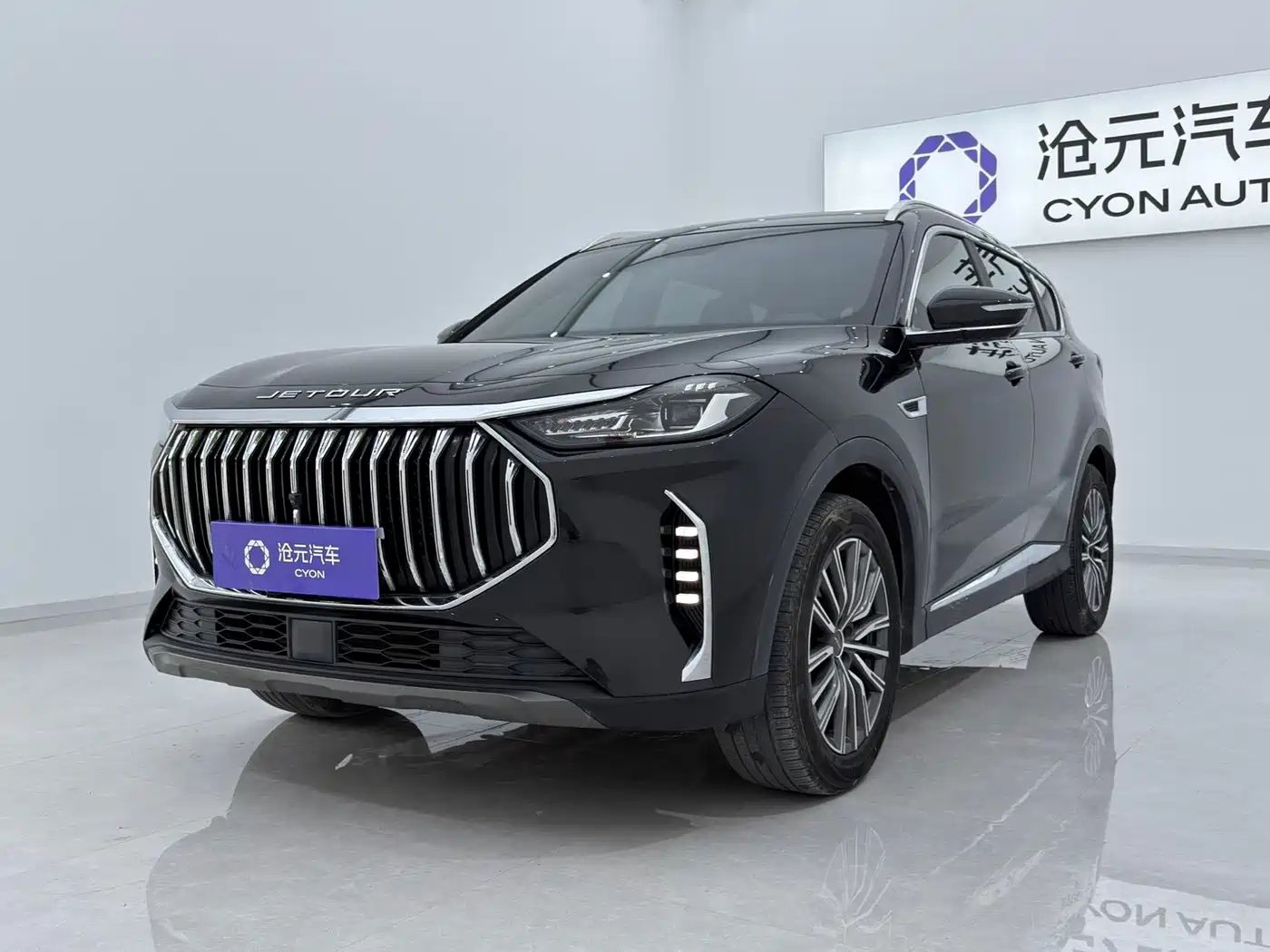
At a glance
- Five- and seven-seat versions give the X70 Plus clear passenger and fleet flexibility.
- The line includes 1.5T and 1.6T gasoline engines with DCT transmissions, plus a named 1.5T Mountain CVT configuration.
- Trim names include Champion, Warrior PLUS, Mountain, Brave PLUS, Ziqiang PRO and other tiers, making exact build sheets essential.
- Export pricing should be compared using matching year, trim, powertrain, seating, condition, freight terms and Incoterm.
- Pilot purchases and consolidated shipments require different MOQ, payment, inspection and freight planning.
- RHD availability, homologation, spare-parts support and destination charges must be confirmed before an order.
Why the JETOUR X70 Plus matters for export markets
The JETOUR X70 Plus sits in a useful part of the export SUV market: a multi-row gasoline vehicle offered with five- or seven-seat layouts and DCT automatic choices. That combination gives importers a flexible platform for family-use demand, staff transport, airport and hotel shuttles, and dealer resale. Rather than competing only on price, the model’s relevance comes from pairing passenger-car comfort with the seating versatility many emerging-market buyers value when a larger premium SUV would add unnecessary purchase and operating cost. It is especially relevant to importers building a mixed retail range rather than a single fleet specification.
Its appeal is strongest where buyers want a practical three-row SUV but do not need the expense, size, or fuel demand of a premium off-road model. The 1.5T and 1.6T powertrain families provide distinct purchase propositions, allowing an importer to balance performance-oriented positioning against cost sensitivity. Seating choice is equally important: a five-seat unit may be easier to place with private customers, while a seven-seat unit opens access to larger households and commercial shuttle buyers. The export decision should therefore begin with customer use cases, not with the badge or the newest-looking listing.
Global demand should not be inferred from one home-market sales pattern. Export success depends on how the X70 Plus is specified, presented, and supported in each destination, including spare-parts planning, local financing, and compliance with safety and emissions rules. Right-hand-drive buyers may need a specific RHD configuration, while LHD destinations can use the more familiar configuration when approved. In both cases, the right question is not whether the model is popular, but whether each unit can be sold and serviced profitably. That makes local execution as important as the initial sourcing choice.
- Five- or seven-seat layouts
- 1.5T and 1.6T choices
- Destination-specific homologation
Model range, trims and powertrain variants: how the lineup is structured and how to choose
JETOUR uses several named trims rather than one simple equipment ladder, so buyers should read the full trim description instead of assuming that a higher-sounding badge guarantees a standard equipment list. Named versions include Champion editions, Warrior PLUS, Mountain, Brave PLUS, Ziqiang PRO, Pro, Star, Stronger, Base and Elite. Some names occur with five seats and others with seven, so the first selection filter should be seat count, followed by engine and transmission. That sequence keeps unrelated variables from being mixed during initial screening and documentary review.
The powertrain structure is more straightforward. The line includes 1.5T and 1.6T turbocharged gasoline engines paired with a DCT automatic transmission, while a 1.5T Mountain configuration is identified with CVT. DCT may suit buyers wanting a consistent gear-change strategy, and CVT versions may appeal to operators focused on simple cost control. Because the source listing does not replace a build sheet, buyers should confirm the final engine, gearbox, axle, cooling and equipment details on the exact vehicle. Do not assume that visually similar trims are mechanically identical in every market.
For fleet or dealer selection, build a requirement matrix: seats, engine, transmission, fuel type, climate equipment, safety features, cargo needs and destination homologation. Then compare each candidate on total cost rather than on trim badge. A seven-seat Warrior PLUS and a five-seat version of another trim may serve different customers even when their sticker descriptions sound similar. If a proposed unit changes after reservation, require the revised configuration and price to be confirmed in writing before the balance is paid. That control is particularly valuable for multi-unit shipments assembled across several listings.
- Filter by seat count
- Verify powertrain
- Check exact build sheet
New vs used JETOUR X70 Plus: how export inventory is structured and how buyers choose
New and used JETOUR X70 Plus units can serve different export roles, and the live catalogue should be treated as a mixed inventory rather than a single homogeneous stock pool. New vehicles suit importers seeking predictable configuration, model presentation, warranty arrangements and simpler consumer messaging. Used vehicles broaden age and condition choices, potentially helping buyers enter a price segment or match a specific fleet brief. Each approach must still be checked against the exact listing’s declared condition, title, mileage and history. The vehicle’s production year alone does not establish those points.
A new-car buyer should ask what ‘new’ means in that listing: an unopened current-production unit, a parallel-import vehicle, or a demonstrator presented under another label. Also ask where warranty service is performed and whether the warranty follows the vehicle to the destination. For used units, request VIN verification, title or ownership documents, service records, photographs of the interior and underside, and an inspection. A lower purchase price can be offset by repair uncertainty, weaker resale presentation, or an approaching replacement cycle. Treat an incomplete history as a commercial risk, not simply a bargaining opportunity.
The best choice depends on the importer’s cash cycle. A dealer launching a new model line may prioritize factory presentation and a transferable warranty, while a fleet operator can accept an older vehicle if it meets duty-cycle needs and total-cost targets. Condition should be assessed against the exact trim because wear on a premium-content vehicle may differ from a base derivative. Use live listings for condition categories and unit-specific availability; do not infer quality from year or photograph alone. A pre-shipment inspection is the cleanest way to close that gap.
- Confirm condition
- Verify VIN and title
- Match wear to trim
How export pricing works: the factors behind a live listing price, and how to read one
A JETOUR X70 Plus export price is not a fixed wholesale rate and should never be treated like one. The live quote reflects the specific unit’s production year, named trim, engine and transmission, seat configuration, mileage and condition, plus the seller’s commercial terms. For a new vehicle, the relevant starting point is the domestic vehicle and option package. For a used vehicle, condition and history can move the value materially. Exchange-rate movements also affect what an overseas buyer ultimately pays. That makes a dated catalogue range less useful than a current unit quotation.
Logistics can add a substantial layer, especially for a single-unit retail purchase. The quotation may or may not include inland transport, export clearance, ocean or Ro-Ro freight, insurance, documentation, terminal charges, or delivery at destination. Incoterms define where responsibility passes, so EXW, FOB and CIF-type structures should not be treated as interchangeable. Ask for a written breakdown that separates vehicle cost, prepaid transport, destination charges, and taxes or duties that remain the importer’s responsibility. This also prevents a low headline quote from masking an expensive delivered purchase in the destination market.
To read a live listing correctly, first verify that the year, trim, seats, engine and transmission match the intended product. Then confirm whether the displayed amount is an asking price, a negotiable price, or a deposit, and whether freight is included. Compare like with like; a cheaper seven-seat used unit is not directly comparable with a newer five-seat unit. Current binding price, MOQ and availability are shown per unit in the live inventory, so request a written pro forma quotation before committing funds. The quote should also state the payment currency and validity period.
- Compare like-for-like builds
- Separate freight costs
- Confirm currency and validity
MOQ, ordering and payment: single units vs consolidating a container
MOQ means the minimum quantity a seller will accept in one order, and it should be verified on the live listing rather than inferred from the model name. Some unit-level offers may be available to individual buyers, while a seller may impose a larger minimum for a favored configuration, mixed order, or container program. ChinaCarDirect’s live inventory is therefore the correct place to check the current MOQ for each unit. The displayed field is the starting commercial term, but the final purchase contract remains controlling. Always reconfirm it with the seller before payment.
Ordering one vehicle suits a dealer testing demand, an importer preparing a pilot batch, or a fleet buyer with a tight requirement. It offers control over trim, seat count, condition and inspection, and can simplify compliance work when the destination treats each imported vehicle distinctly. The trade-off is that freight and fixed charges are spread across fewer units, so delivered economics may be less favorable than for a consolidated shipment. Treat the landed-cost worksheet, not the vehicle price alone, as the purchase decision. For a first order, that distinction should be explicit.
Container consolidation can improve freight efficiency but adds coordination risk. The importer must allocate trims and seat layouts to individual buyers, confirm every VIN and document set, arrange inspections, and prevent one delayed unit from holding an entire group. It also needs a clear plan for damaged vehicles, replacement units, customs discrepancies and payment exposure. Before confirming a consolidated shipment, ask the supplier for the unit schedule, draft invoice, packing list, serial-number list and release procedure. Exact freight capacity should be checked by the forwarder against the final vehicle dimensions. Never consolidate before those controls are agreed in writing.
- Check listing MOQ
- Allocate each VIN
- Agree release controls
Shipping, homologation and market compliance caveats: LHD/RHD and import rules by country
Import compliance begins before payment, not after the vehicle reaches the port. A Chinese-market JETOUR X70 Plus may need to meet the destination country’s type-approval, safety, emissions, noise, VIN, customs and tax rules. Requirements differ by market and can change, so the importer or local agent should confirm the rule set for the exact configuration. Dealer wording, advertising, software, equipment and spare-parts support may also need adaptation. A vehicle sold successfully in China is not automatically homologated for another country. Use a broker familiar with Chinese vehicles and the destination’s inspection regime.
Steering configuration is a critical sourcing question. Left-hand-drive vehicles are the familiar export baseline from China, but some markets require right-hand drive, and availability of a factory RHD version may differ from availability of an LHD vehicle. Do not assume a steering conversion is permitted or technically equivalent. Ask the seller for the steering position shown on the VIN and vehicle documents, then obtain written confirmation that the chosen configuration is acceptable for registration. If the destination lacks a suitable RHD supply, an LHD conversion may be possible, but legality and safety should be checked locally first.
Shipping method, port and Incoterm determine cost and execution. A vehicle ordered EXW may require the buyer to appoint collection and export handling, while a delivered or CIF arrangement can shift more responsibility to the seller; exact coverage still needs to be stated in the quotation. Dealers should compare container and vehicle-carrier options using confirmed dimensions and destination. Transit time depends on sailing frequency, port congestion, customs clearance, inland delivery and document readiness. Insurance should cover the risk period, and the buyer should plan how inspection, repairs, registrations and spare parts will be handled after arrival.
- Confirm steering position
- Check local homologation
- Assign clearance duties
Who should buy the X70 Plus — and who should pick a different vehicle
The X70 Plus is a strong candidate for an importer or dealer serving customers who need a gasoline SUV with five- or seven-seat flexibility and a broad trim pool. It also fits fleet operators that value passenger capacity, automatic transmissions and the option to compare engine choices without changing model family. A dealer can stock several trims and use seating layout to segment family buyers from shuttle or group-travel customers. The vehicle is particularly relevant where large premium SUVs are impractical but three-row utility is commercially valuable. Its mixed configurations also help a distributor test multiple price bands.
It may be less suitable for buyers whose requirement is electric operation, low energy cost, or access to a mature charging network. An EV or strong hybrid should then be assessed on charging access, range methodology, battery warranty and incentives rather than on the X70 Plus’s seating appeal. Buyers requiring a body-on-frame off-road platform, heavy-duty towing, or commercial capacity should specify those functions; a passenger SUV is not automatically the right tool. Luxury buyers may prefer a premium marque with greater prestige or higher-grade cabin materials. Those priorities should drive the shortlist before trim names do.
A short test-drive and cargo check can prevent an expensive mismatch. For seven-seat versions, inspect third-row access, usable luggage space with the rear rows occupied, and whether the seats fold in the configuration customers expect. For five-seat versions, consider whether buyers will value the additional cargo room more than occasional third-row access. Inspect ride, visibility, climate-control operation, infotainment compatibility and service accessibility. Then compare the complete landed cost, including likely taxes, insurance, parts and fuel, against a comparable rival rather than evaluating the X70 Plus only on purchase price alone.
- Best for mixed seating
- Weak fit for EV fleets
- Test seats and cargo
Main rivals and how the X70 Plus compares
The Chery Tiggo 8 Pro is one of the closest rivals because it competes in the multi-row gasoline SUV segment with five- and seven-seat choices and turbocharged powertrains. Its brand, dealer network and market presentation can differ by destination, so no buyer should assume that similar dimensions or capacity guarantees an identical result. The practical comparison is trim equipment, parts support, homologation and landed cost. Choose the Tiggo 8 Pro if its local representation and offer are stronger; otherwise, compare both against the fleet requirement. Neither should win merely because its badge is more familiar.
The Changan CS75 Plus is a useful alternative for buyers focused on a road-oriented midsize SUV rather than maximum third-row capacity. It can compete on price, design, technology and dealer familiarity in some markets, but the final equipment and regional specifications must be checked for the exact export version. The X70 Plus has the advantage of a clearly represented seven-seat branch in its naming and lineup. If an importer’s customers regularly need seven seats, that breadth can be more useful than a lower entry price on a different architecture there.
The Haval H9 occupies the upper side of the comparison, with a more traditional SUV image and a model family often considered by buyers seeking larger space or off-road-oriented styling. It may be the better fit where rugged positioning is a core selling point, whereas the X70 Plus can be easier to position as a value-oriented passenger SUV with 1.5T and 1.6T options. That is not a performance verdict: compare the destination-specific engine, equipment, tax class, parts availability and total cost. The strongest choice is the model that meets the brief and can be supported locally.
- Closest direct SUV rival
- Road-focused alternative
- Rugged, larger alternative
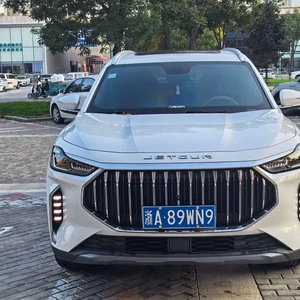
Live JETOUR X70 Plus export inventory
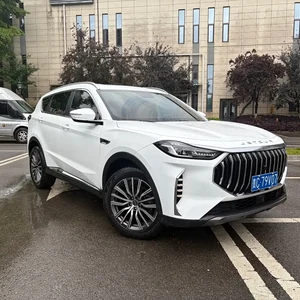
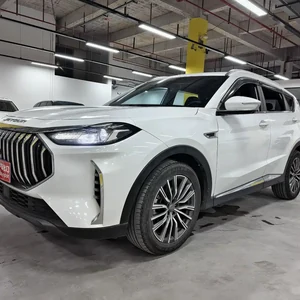
View all listings →Real units currently on ChinaCarDirect with per-unit asking prices and MOQ. Availability updates live from the catalogue.
How to buy a JETOUR X70 Plus from China
-
1
Define the destination and use case
Specify the destination country, steering requirement, passenger capacity, duty cycle and budget before choosing a trim. This identifies which compliance and configuration questions must be answered first.
-
2
Build a like-for-like shortlist
Compare matching seat layouts, engines, transmissions, production years and condition categories. Review each live listing’s description and images rather than relying on trim badge order.
-
3
Request an itemized quotation
Ask for the current unit price, MOQ, payment currency, validity period, freight scope and named Incoterm. Request a pro forma invoice that separates vehicle cost from transport and destination charges.
-
4
Verify identity and condition
For used units, confirm the VIN, ownership documents, mileage, service history and visible condition. For new units, establish exactly what new status means and how warranty service will be handled.
-
5
Clear compliance before payment
Have a local import specialist check type approval, emissions, safety, customs, tax and RHD requirements for the exact vehicle. Obtain confirmation that the intended configuration can be registered.
-
6
Place the order under written terms
Record the selected vehicle, agreed price, MOQ, payment schedule, inspection standard, shipping term and release conditions in the contract. Reconfirm the configuration immediately before the balance payment.
-
7
Inspect, release and ship
Complete the agreed pre-shipment inspection, then verify the invoice, packing list, serial numbers and export documents. Book freight only after release responsibility and insurance coverage are clearly assigned.
X70 Plus vs rivals
| Chery Tiggo 8 Pro | The closest conceptual rival for multi-row Chinese gasoline SUVs, offering similar five- and seven-seat and turbocharged powertrain choices. It may be stronger where its local dealer and parts network are better established, so compare destination-specific support rather than badge recognition alone. |
|---|---|
| Changan CS75 Plus | A road-oriented midsize SUV alternative that can compete on price, design, technology and dealer familiarity. The X70 Plus may have the advantage for buyers who specifically require its represented seven-seat configurations. |
| Haval H9 | A larger, more traditional SUV alternative with stronger rugged-image positioning. It may suit buyers focused on space or off-road styling, while the X70 Plus is often easier to position as a value-oriented passenger vehicle with 1.5T and 1.6T choices. |
Frequently asked questions
How is JETOUR X70 Plus export pricing determined?
The price is unit-specific and reflects production year, trim, powertrain, seat count, mileage or condition, exchange rate, freight scope and the selected Incoterm. Compare only vehicles with matching configurations and ask for an itemized written quotation. Current binding price, MOQ and availability for each unit are shown in the live inventory.
What engine, transmission and range does the X70 Plus have?
The JETOUR X70 Plus is a gasoline internal-combustion SUV, not an EV. Its line includes 1.5T and 1.6T turbocharged engines with DCT transmissions, plus a 1.5T Mountain configuration identified with CVT. Battery capacity, electric range and charging specifications do not apply; confirm output, fuel consumption and tank capacity from the exact listing.
Should I buy a new or used JETOUR X70 Plus?
New vehicles generally offer more predictable presentation, configuration and warranty arrangements, while used vehicles can suit budget-sensitive or fleet-specific buyers. For a used unit, verify the VIN, title, mileage, service history and physical condition rather than judging it by model year alone. The right choice depends on the importer’s resale model, warranty needs and total-cost tolerance.
What is the MOQ for a JETOUR X70 Plus order?
MOQ is seller- and listing-specific, so check the current field on each live unit rather than assuming a model-wide minimum. Unit-level purchases may suit pilot importers, while consolidated orders can require more units or particular configurations. Confirm the final MOQ, payment schedule and cancellation terms in the purchase contract.
How long does shipping take and what affects the cost?
Transit time depends on collection, sailing frequency, port congestion, customs clearance, inland delivery and document readiness. Cost is affected by the Incoterm, freight method, insurance, terminal charges, destination handling, taxes and the vehicle’s final dimensions. Use the freight forwarder’s route-specific quotation rather than assuming a fixed landed cost.
Can spare parts be ordered with the vehicle?
Arrange an initial spare-parts plan before shipment because parts availability and diagnostic support vary by destination. Ask the supplier for recommended consumables, maintenance items, part identifiers and ordering procedures. Confirm lead times, return procedures and the technical requirements for servicing each imported vehicle.
Is a right-hand-drive JETOUR X70 Plus available?
RHD availability must be checked on the exact live listing because steering configuration can vary by unit and market. Do not assume that an LHD vehicle can be converted without local regulatory approval or a full safety assessment. Provide the destination country when requesting a quotation and obtain written confirmation of the steering position shown in the vehicle documents.
How do I order a JETOUR X70 Plus from China?
Select a live unit or send the seller your destination, quantity, seat layout, engine, transmission and condition requirement. Ask for the unit-specific price, MOQ, pro forma invoice, payment terms, inspection procedure and Incoterm. Complete compliance checks, pay under the written agreement, inspect the vehicle and release it only after the required documents are verified.
Ready to source the JETOUR X70 Plus?
Send your destination, quantity, seat layout and powertrain preference to ChinaCarDirect for a unit-specific JETOUR X70 Plus export quotation.
Request a quote