
Jinbei Hiace Export Buying Guide for Wholesale Buyers
Buy a Jinbei Hiace from China with guidance on trims, 1.3L, 1.5L and 2.0L engines, export pricing, MOQ, shipping, compliance, rivals and ordering.
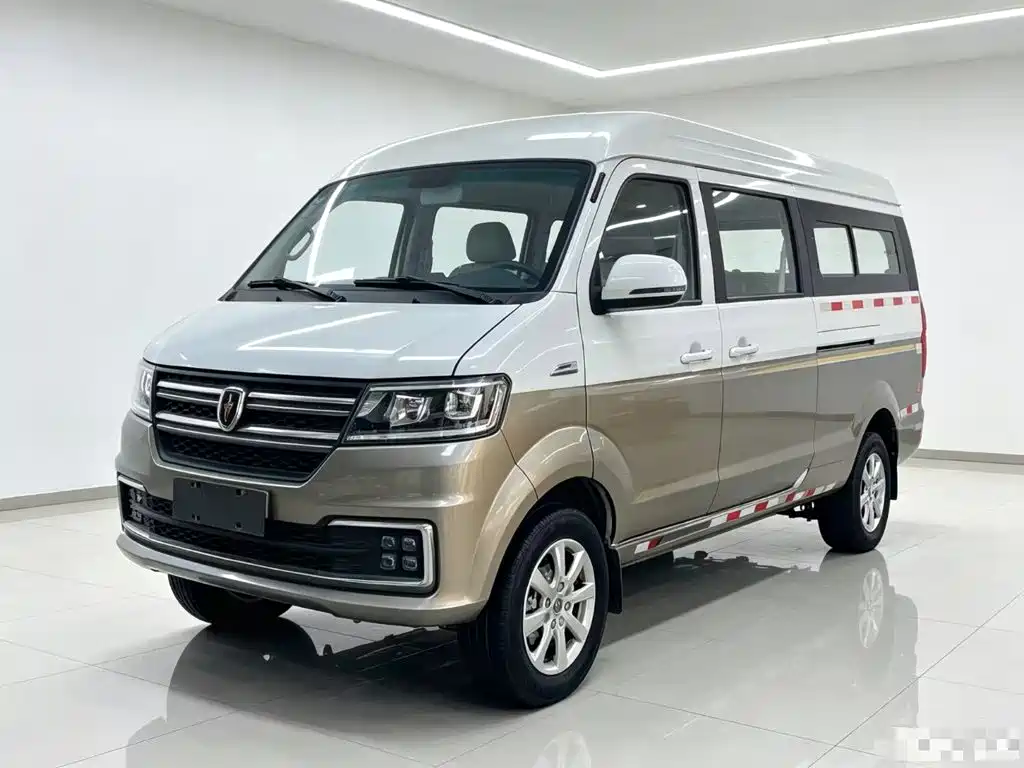
At a glance
- The Hiace family spans cargo vans and passenger vans with two-, five-, six- and seven-seat layouts.
- Engine options include 1.3L, 1.5L and 2.0L gasoline units, with selected 1.5L CNG versions.
- Manual and automatic derivatives exist, but gearbox availability depends on the exact body and model year.
- Export quotes must separate vehicle price from freight, duty, compliance, insurance and inland delivery.
- China VI labels describe Chinese emissions versions; destination-country approval remains a separate step.
Why the Jinbei Hiace matters for export markets
The Jinbei Hiace occupies a practical middle ground between a small passenger van and a larger commercial van. Its value for export buyers comes from configurations that can serve cargo, staff transport, hotel shuttles, mobile services or converted passenger use. The family is offered with different displacements, seat counts, body formats, comfort levels and China VI versions, giving distributors room to match local demand without moving up to a larger commercial platform. That flexibility is particularly relevant in markets where commercial vehicles must combine payload access, passenger capacity and manageable operating costs.
Global demand for this segment is driven less by prestige than by utilisation. Dealers can place a lower-cost van with a commercial body, while fleet operators can specify seating and air-conditioning around duty cycles. The Hiace’s long-running export presence and broad Chinese manufacturing base can also make it easier to source related parts and configurations, although parts interchangeability should be verified by model code rather than assumed from the Hiace name. For importers, that means the winning specification is often the one that earns the lowest compliant total cost per productive day, not simply the most equipment on the paper.
Export suitability also depends on how the van will be registered and operated. A vehicle may be mechanically attractive but commercially weak if its steering position, emissions evidence, cargo restraint arrangements or service support do not match local rules. Overseas buyers should therefore treat the Hiace as a configurable platform, then confirm the exact derivative against their intended use before committing to a multi-unit purchase. This approach protects margin by catching unresolved issues—wheel position, document gaps, body approval or unsupported modifications—while written quotations are still negotiable before shipment.
- Cargo and passenger formats.
- Destination approval is separate.
- Operating fit matters more than price alone.
Model range, trims and powertrain variants: how the lineup is structured and how to choose
The Hiace range should first be read as a set of body and seating choices. Cargo derivatives prioritise load-space access and can appear with two-seat layouts, while passenger versions are listed with five-, six- or seven-seat arrangements. Names such as Standard, Comfort, Wealth, Luxury, Business and Engineering Lion appear across the catalogue and should be decoded by equipment, not treated as a single global trim hierarchy. Buyers should request a seat-by-seat layout, load-floor dimensions, side-door arrangement and equipment list because similar names may cover very different utility vehicles for their market.
Engine selection is the second filter. The family includes 1.3L, 1.5L and 2.0L gasoline derivatives, with 1.5L CNG passenger versions also appearing in the export catalogue. A 1.3L standard van may suit basic commercial use, while the 1.5L and 2.0L options give buyers alternatives when load, traffic conditions, equipment or refinement matter. These are configuration choices, not guarantees of performance. Because engine output figures are not shown consistently across the listings, buyers should use the manufacturer’s homologation data and a road test to judge suitability against local route and load demands.
Transmission choices visible in the range include manual and automatic derivatives, but availability is not uniform across body styles or model years. A manual may fit cost-sensitive fleet purchasing policies where driver familiarity is appropriate, whereas an automatic can reduce driver workload in stop-and-go traffic. Confirm the gearbox on the exact vehicle rather than accepting a trim name, and check reverse-light, climate and safety equipment if the van will be sold as a passenger vehicle. A converted or imported passenger derivative may also need local inspection before it can carry paying customers.
- Confirm body and seat layout.
- Match engine, fuel and gearbox to use.
- Compare model codes, not trim names alone.
New vs used Jinbei Hiace: how export inventory is structured and how buyers choose
Live export supply includes both new vehicles and used examples, but the decision should be driven by depreciation, condition and intended service life. A new van can reduce initial repair uncertainty and simplify fleet presentation, while a used Hiace can deliver a lower acquisition outlay where the buyer has the capability to inspect, maintain and refurbish it. Neither category is automatically cheaper after freight, tax, compliance and downtime are included. The most useful comparison is therefore between two fully costed vehicles serving the same duty cycle over a planned period.
For a used Hiace, inspect the chassis and body structure, panel condition, roof and load-floor integrity, doors, glazing, seals, suspension, brakes, tyres and electrical systems. Verify that steering is on the expected side for the destination and ask for evidence of the engine’s fuel type, emissions version, gearbox and seating configuration. A clean sales listing is only a summary; supporting photographs, inspection documents and a walk-around should form the evidence file. If a van was modified for ridesharing, delivery, refrigerated work or another special use, confirm whether the conversion is documented and legal.
New inventory is more appropriate when uptime, warranty handling, consistent specifications or a young fleet image are priorities. Used inventory is more appropriate when the buyer can verify condition, accept model-specific depreciation and plan maintenance from day one. For either route, define the required service life, replacement reserve and inspection standard before selecting inventory; otherwise a seemingly attractive vehicle can create unplanned workshop and downtime costs. A written handover checklist should cover fluids, tyres, tools, keys, service records, warning lamps and any disclosed damage before the vehicle is released onsite.
- Used means condition verification.
- New vehicles favour uptime and consistency.
- Include maintenance and downtime.
How export pricing works: the factors behind a live listing price, and how to read one
An export price is not simply the ChinaCarDirect listing figure. It combines the vehicle’s condition and specification with commercial terms such as payment method, order quantity, delivery timing and Incoterm. Year, trim, engine or fuel version, mileage, transmission, body conversion, colour, documentation quality and exchange-rate movements can all affect a quote. The live number should therefore be treated as a unit-specific commercial offer, not a permanent market price. A buyer comparing quotes should hold destination, currency and trade terms constant, then compare the visible vehicle details on the same page.
To read a live listing, start with the title and identifiers, then check model year, exact trim, body type, seating, engine displacement, fuel, gearbox, steering position and emissions description. Confirm whether the displayed amount is the vehicle price, a deposit, or a quote conditional on destination and payment terms. Ask the supplier to identify every charge included or excluded, especially documentation, inland transport, export handling, insurance, freight and destination charges. This prevents a lower headline figure from masking a higher landed cost after tax, port, delivery and compliance work begins.
Buyers should also separate exchange-rate effects from the seller’s markup and freight. A quote can change when the contract currency, payment date or shipping schedule changes, while ocean freight depends on routing, season, container requirements and cargo dimensions. Request the quote in the currency of your company, state the destination and Incoterm, and ask how long the price is valid. Current binding figures should always be confirmed in ChinaCarDirect’s live inventory. Do not use a cached inquiry, an old message or a remembered figure as a substitute for a refreshed unit quotation.
- Compare units under the same Incoterm.
- Separate vehicle, freight and destination charges.
- Refresh the quote before payment.
MOQ, ordering and payment: single units vs consolidating a container
Ordering can be structured around a single vehicle or a multi-unit consignment, subject to the seller’s terms and the selected listing. Buying one at a time offers control over specification and inspection, but repeated handling and separate logistics can reduce efficiency. Consolidating several vans improves loading density and may simplify freight purchasing, yet it concentrates capital, delays feedback from early inspection, and makes one defective unit harder to replace quickly. The applicable minimum order quantity, stock and unit mix should therefore be confirmed at the quotation stage, not inferred from a generic purchasing page.
A practical ordering sequence starts with a written specification, then moves to unit selection, document review, inspection, payment and release. For a multi-van purchase, use a sample inspection or one lead unit to validate paint, interior, loading access and mechanical checks before the rest are accepted. Agree a discrepancy process in advance, including who pays for rectification or cancellation. This is especially important when units differ in year, trim, fuel, gearbox or seating. A frozen configuration sheet, signed photos and serial-number records help prevent substitutions between production batches without approval.
Payment terms should state the currency, method, deposit, balance trigger, refund conditions and seller documentation obligations. Prefer payment stages tied to verified events—such as inspection, documents and shipping instructions—rather than relying only on an informal promise. Confirm whether the seller is the exporter of record, which party controls booking, and what happens if the vehicle fails pre-shipment inspection. International transfers and currency conversion can add cost, so include them in the total budget. A written refund path is especially valuable when cross-border payment or inspection timing cannot be corrected quickly.
- Single-unit buying improves selection control.
- Consolidation rewards matching specifications.
- Link payment milestones to inspection.
Shipping, homologation and market compliance caveats: LHD/RHD and import rules by country
Import planning starts with the destination country, because there is no universal Jinbei Hiace approval. The seller’s China VI designation identifies the vehicle’s Chinese emissions version; it does not by itself satisfy local type approval, emissions, safety, noise, tax or registration rules. Buyers should give the seller the destination, intended use and required steering position early, then engage a local customs broker or vehicle-compliance specialist to determine what inspection and paperwork are needed. The homologation route may also depend on whether the van is classified as cargo or passenger transport.
Left-hand-drive and right-hand-drive availability must be checked unit by unit. The catalogue includes vehicle descriptions, but a model name or image does not prove steering position, and local registration may require a specific side or an approved conversion. Do not assume a right-hand-drive market can be served from a left-hand-drive listing, or that a conversion is acceptable without inspection. Where local rules permit RHD conversion, use a qualified specialist and budget for parts, labour, recertification and possible resale uncertainty. Ask for photographs of the dashboard and steering column before paying.
Shipping planning should cover both vehicle and cargo dimensions, lashing, protection against movement, moisture and handling damage, and the paperwork needed at origin and destination. Container capacity, route, sailing frequency, port charges, insurance and inland delivery all affect landed cost and timing. For a passenger van, secure seats and test doors and locks; for a cargo van, protect the load floor and available tie-down points. Inspection should occur before the vehicles are sealed into the container. Photographic condition records should be time-stamped and matched to chassis numbers for every unit shipped.
- China VI is not local homologation.
- Confirm steering side on each unit.
- Inspect before container sealing.
Who should buy the Hiace — and who should pick a different vehicle
The Hiace is a strong candidate for distributors and fleet buyers who need a flexible, relatively straightforward light commercial van rather than a premium passenger product. It can suit cargo fleets, airport and hotel transfers, construction-site transport, community shuttles and mobile services. The strongest business case appears where one platform can be ordered in several seating and equipment configurations, local parts support can be established, and utilisation will justify the operating setup. Buyers should plan depreciation, driver training, insurance class, fuel availability and workshop capacity alongside the vehicle purchase decision.
It is a weaker choice for buyers who need a premium ride, advanced driver-assistance suite, very high towing capability or a fully integrated global after-sales network. It may also fail where local rules make imported Chinese specifications difficult to approve or where used units cannot be supported by readily available parts. Passenger operators should assess crash-safety evidence, seat anchorage, accessibility and emissions compliance, not simply the number of seats printed in the listing. If a fleet prioritises residual value above acquisition cost, compare alternative brands with stronger local recognition and liquidity.
The vehicle may also be unsuitable when payload, cargo volume, route conditions or passenger comfort exceed what the selected derivative can support. Larger families using it as a private car should consider ride quality, parts access and resale; commercial operators should calculate utilisation and downtime. A test drive and a realistic load trial are more informative than generic model reviews. Decide against the Hiace when those checks reveal that a more specialised van would cost less over the planned ownership period. That is a better outcome than forcing a mismatch.
- Best for cargo, shuttle and mixed fleets.
- Weaker for premium comfort or specialist towing.
- Test payload, access, parts and compliance.
Main rivals and how the Hiace compares
The Toyota Hiace is the closest conceptual rival because it occupies the same light commercial and passenger-van role and offers familiar name recognition in many markets. Toyota typically has the advantage in brand reassurance, residual value and established service familiarity where its network is strong. The Jinbei Hiace can be attractive to distributors seeking Chinese sourcing, broader configuration choice or a lower acquisition strategy, but service and resale planning remain essential. Compare actual local variants rather than assuming a China VI specification matches the equipment and homologation of a Toyota sold nearby.
The Hyundai H-1, also sold under Starex or H200 names in different markets, is another credible van alternative for passenger and cargo work. Its strengths can include established international recognition and a different balance of packaging, while local availability and parts support may vary by country. A Jinbei buyer should compare loading length, seating flexibility, fuel options and workshop familiarity instead of treating the brands as interchangeable. A favourable Jinbei purchase cost can be offset by higher sourcing or servicing effort. Insurance and resale assumptions should also be checked locally.
The Maxus V80 is a useful third comparison because it is also a Chinese-produced light commercial van sold into export markets. Buyers can use it to assess whether a different Chinese platform offers the cargo body, diesel option, seating arrangement or parts proposition that better fits their country. The Hiace’s main case is its broad mix of 1.3L, 1.5L and 2.0L gasoline derivatives, passenger and cargo formats, plus selected CNG versions. Whichever option is considered, local homologation and lifecycle cost should decide the shortlist rather than vehicle badge or price alone.
- Toyota Hiace: stronger brand familiarity.
- Hyundai H-1/Starex: comparable global alternative.
- Maxus V80: another Chinese benchmark.
Live Jinbei Hiace export inventory
View all listings →Real units currently on ChinaCarDirect with per-unit asking prices and MOQ. Availability updates live from the catalogue.
Jinbei New Hiace S 2023 1.5L Fortune Bus 5/6/7-seater Non-AC Version SWC15M
Jinbei New Hiace S 2023 1.5L Fortune Bus 5/6/7-seater Non-AC Version SWC15M
Jinbei New Hiace X30L 2024 Fortune Edition Passenger Van 5/6/7-seater with Front AC
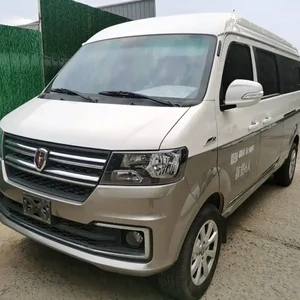
Jinbei New Hiace X30L 2024 Fortune Edition Passenger Van 5/6/7-seater
How to buy a Jinbei Hiace from China
-
1
Define the operating requirement
Specify cargo or passenger use, required seats, payload, route conditions, climate needs and local driving habits before selecting a Hiace derivative.
-
2
Choose the mechanical configuration
Compare engine displacement, fuel, gearbox, emissions version, air-conditioning and body layout. Verify the exact combination on the vehicle being considered.
-
3
Shortlist live units
Review current Jinbei Hiace listings by year, trim, body, seating and equipment. Ask the seller to confirm any missing specification rather than inferring it from the title.
-
4
Review condition and documents
Request chassis identification, registration or export documents, photographs, service history and an independent inspection. For used vehicles, document structural, mechanical and interior condition.
-
5
Build the landed-cost quotation
State the destination and preferred Incoterm, then separate vehicle cost, inland transport, export handling, freight, insurance, duty, taxes and destination charges.
-
6
Confirm local compliance
Use a local broker or compliance specialist to check approval, emissions, safety, passenger classification, insurance and steering-side requirements before payment.
-
7
Order, inspect and ship
Tie payment milestones to document review and pre-shipment inspection, identify the agreed unit or batch, and complete condition records before container sealing.
Hiace vs rivals
| Toyota Hiace | Toyota Hiace is the closest global benchmark and may offer stronger brand reassurance, residual value and service familiarity in established markets. Jinbei Hiace can suit buyers prioritising Chinese sourcing, configuration flexibility or a different acquisition strategy, subject to local service planning. |
|---|---|
| Hyundai H-1 / Starex / H200 | Hyundai’s van family is a credible alternative for passenger and cargo operations, with established international recognition in many markets. Compare loading access, seating flexibility, fuel options and local parts support because availability and lifecycle economics differ by country. |
| Maxus V80 | Maxus V80 is a particularly relevant Chinese export alternative for buyers comparing cargo bodies, diesel options and other light commercial configurations. The Hiace may offer a broader visible mix of small-displacement gasoline engines and passenger or cargo formats, but homologation should drive the final choice. |
Frequently asked questions
How is Jinbei Hiace export pricing determined?
The quote is built from unit-specific variables such as model year, trim, engine, fuel, gearbox, body and seating, mileage and condition, plus exchange rates, freight, payment terms and the selected Incoterm. Compare several live Jinbei Hiace listings, then ask the seller for a written quotation stating what is included. The current binding per-unit price is the figure shown for that vehicle in ChinaCarDirect’s live inventory and should be reconfirmed before payment.
What engine and fuel options does the Jinbei Hiace have?
The export range shown here is combustion-powered: 1.3L, 1.5L and 2.0L gasoline derivatives, plus selected 1.5L CNG passenger versions. Manual and automatic transmissions appear, but the exact combination depends on body style and model year. Electric battery capacity and range do not apply to these combustion-powered variants; confirm the engine, fuel and gearbox on the unit you buy.
Should an overseas buyer choose a new or used Jinbei Hiace?
New vehicles suit buyers prioritising uptime, consistent fleet specification and reduced initial repair uncertainty. Used vehicles can suit buyers able to inspect condition, accept depreciation and budget for maintenance. The better choice is whichever vehicle remains compliant and economical over its planned service life after freight, tax, downtime and repair costs are included.
What is the MOQ for buying a Jinbei Hiace?
MOQ is set by the seller and unit context, so read the quantity terms on the live listing and confirm them in the quote. Single-unit buying offers selection control, while consolidation can improve freight efficiency but ties more capital into one shipment. Ask whether the seller can hold several compatible units and release them together or in stages.
What determines shipping time and cost for an exported Hiace?
Transit time depends on port congestion, sailing schedules, customs clearance, inland transport and the chosen Incoterm; no fixed delivery promise is universal. Cost is affected by route, season, container or loose-load requirements, vehicle dimensions, insurance and destination charges. Obtain a freight quotation for the actual unit mix and destination before paying.
Are spare parts available for the Jinbei Hiace?
Order using the exact chassis or model code, engine, fuel and emissions version rather than the Hiace badge alone. Common service items may be easier to source than body, climate-control, electronic or CNG-specific parts. Ask the seller for a recommended parts list, part numbers and suggested quantities before shipping.
Is a right-hand-drive Jinbei Hiace available for RHD markets?
Right-hand-drive availability must be confirmed on the actual listing; it should not be inferred from photographs or the model name. If only left-hand-drive vehicles are available, check whether local law permits conversion and whether a converted vehicle can be registered and insured. Use a qualified conversion and inspection provider rather than assuming an overseas RHD market is automatically served.
How do I order a Jinbei Hiace from China?
Start with the live Jinbei Hiace inventory, compare body, seating, engine, fuel, gearbox and condition, then send the seller your destination and preferred Incoterm. Before payment, review the specification, available documents, inspection evidence, MOQ, payment milestones, refund terms and shipping plan. The final order should identify the exact unit or agreed batch and the conditions for release.
Ready to source the Jinbei Hiace?
Send your destination, seating and cargo requirements to receive a unit-specific Jinbei Hiace quote and compliance checklist.
Request a quote