
Jinbei Hiace X30 for Export: Guide for Dealers and Fleets
Plan a Jinbei Hiace X30 export purchase with guidance on trims, 1.3L and 1.5L powertrains, used vehicles, pricing, shipping, compliance and live stock.

At a glance
- The Hiace X30 bridges compact cargo-van and passenger-minibus duties, allowing importers to match body and seating to the local use case.
- The range includes 1.3L and 1.5L gasoline derivatives plus CNG versions, so engine and fuel must be verified on each unit.
- Cargo and passenger derivatives differ in seating, cooling equipment, and trim content, making the Chinese description an essential comparison point.
- China VI labeling identifies a Chinese emissions version but does not establish destination-country road approval.
- Used X30 purchases require stronger scrutiny of the VIN, odometer, service history, condition, and accident evidence.
- Export pricing depends on specification and condition plus freight, exchange-rate, tax, and Incoterm factors; check live listings for current figures.
Why the Jinbei Hiace X30 matters for export markets
The Jinbei Hiace X30 occupies the commercial-vehicle segment, bridging a cargo van and a practical passenger minibus. That dual positioning makes it relevant to dealers serving urban delivery, trades, shuttle, and light fleet work, where loading access and interior flexibility matter more than premium refinement. Cargo-oriented derivatives prioritize load space and two- or five-seat layouts, while passenger versions address group travel and managed transport needs. The format also gives importers a way to tailor one model family to different licensing, tax and operating profiles without moving to a larger van.
Demand for this class is strongest where buyers need a vehicle that can move people or goods while remaining manageable in narrow streets and busy depots. The X30's range of body uses supports resale channels: delivery fleets can specify cargo layouts, contractors can focus on utility versions, and passenger operators can choose seating and air-conditioning combinations. This flexibility is often more valuable than trying to find a trim that fits every market. Buyers should match the configuration to local demand rather than assume that a passenger van can be converted economically into a commercial carrier.
For an export buyer, the model's relevance depends on disciplined variant selection. Engine size, fuel system, seating, air-conditioning, emissions standard, and body length all affect suitability and cost, yet the names alone can be misleading. A useful first filter is the operating job: last-mile freight, staff transport, or mixed passenger-and-light-duty use. Only after that should the buyer compare condition, documentation, local service coverage, and the ability to maintain the chosen configuration over time. That sequence reduces the risk of buying an attractive listing whose legal or practical fit is weak in the destination market.
Model range, trims and powertrain variants: how the lineup is structured and how to choose
The X30 range combines 1.3-litre and 1.5-litre gasoline derivatives, with CNG versions also present. Cargo and passenger bodies are interleaved rather than separated into a commercial and people-car hierarchy. Buyers will also encounter designations such as Standard, Comfort, Wealth, Business or Champion, together with model codes for particular configurations. These labels are useful for matching equipment, but they should not be treated as an international equipment standard. Ask the seller to translate the Chinese trim description into seat count, cooling equipment, fuel type, emissions version, and transmission for the exact unit.
Seat configuration is one of the clearest ways to distinguish the range. Two- and five-seat cargo derivatives are aimed at load carrying, while passenger derivatives are listed in five-, six-, or seven-seat formats. Air-conditioning is another decisive variable: some passenger listings specify front-mounted air-conditioning, whereas non-air-conditioned versions also appear. These differences determine cabin utility, operating comfort, and local appeal far more reliably than a premium-sounding edition name. Treat an X30L name, where present, as another model identifier to verify rather than assuming a uniform wheelbase, payload, or equipment level across every listing.
A sound selection process starts with the engine and fuel choice, then narrows by body use, seating, cooling, and emissions version. The range includes 1.3-litre and 1.5-litre derivatives plus CNG versions, so a buyer should not assume one fuel or displacement fits every route. Because engine output, tax class, fuel availability and road suitability can differ by market, do not select displacement solely from the badge. Request reliable Jinbei Hiace X30 specs: the vehicle identification number, engine details, transmission, fuel type, and the Chinese specification sheet. Compare that verified data against the buyer's route, loading, passenger and compliance requirements.
- Verify 1.3L, 1.5L, or CNG fuel configuration per unit.
- Match two- or five-seat cargo layouts to passenger requirements.
- Check China VI status and cooling equipment in the Chinese listing.
New vs used Jinbei Hiace X30: how export inventory is structured and how buyers choose
Export inventory can contain both new and previously registered Hiace X30 units, and the condition label is only the first distinction. New vehicles reduce uncertainty about prior fleet use, but their specification can differ from the imported used examples selected for practical fleet purchasing. Used units may be more readily matched to a proven market configuration, yet each one carries a separate history. The right comparison is therefore not simply new versus old, but expected life, operating environment, service support and the documentation available for the specific vehicle being traded.
For a used X30, the inspection should connect visible condition with mechanical evidence. Review body panels, doors, floor, roof, glass, tyres, and cargo-area wear; confirm that seat belts, restraints, lights, wipers, and climate equipment work; and ask for service records, odometer readings, VIN, registration documents, and accident history. Engine condition, fluid leaks, suspension condition, gearbox operation, and evidence of CNG system service deserve particular attention where applicable. A clean photograph cannot replace an inspection or a documented vehicle file. Ask whether wear corresponds to commercial use or to evidence of repair.
New examples can suit buyers who need known condition, current availability of a preferred configuration, or a cleaner and more clearly documented compliance file. They may also carry a specification aimed at the Chinese domestic market rather than the destination's exact expectations. Used vehicles can offer better suitability for a known duty cycle and a lower acquisition position, provided remaining life is realistic. For mixed fleets, a sensible allocation separates newer vehicles for visible, customer-facing or higher-utilization roles, and carefully inspected used units for less demanding duties with clear records.
- Used purchase requires VIN, history, service, and physical inspection evidence.
- New does not mean destination-homologated; verify approval separately.
- Match vehicle life to route intensity and customer expectations.
How export pricing works: the factors behind a live listing price, and how to read one
There is no defensible fixed export price for a Hiace X30 because vehicles in the same model family can differ materially in acquisition value. Model year, exact X30 or X30L designation, engine displacement, fuel system, seating, air-conditioning, and emissions specification all establish the baseline. Condition, mileage, service history, ownership history, cosmetic quality, and whether the vehicle is new or used then affect the seller's asking position. A buyer comparing badges without normalizing those variables is likely to mistake a different specification for a genuine discount or premium in the market.
The destination cost is then built on top of vehicle acquisition. Exchange-rate movement, payment terms, inspection and documentation charges, inland transport, port handling, freight, insurance, and the chosen Incoterm can all change the landed figure. Destination taxes, duties, registration, compliance work, and dealer margins sit outside the seller's listing price. The Incoterm matters because it defines where responsibility and risk pass; a low vehicle quote can be misleading if freight, export clearance, insurance, or arrival charges are not stated. Ask for each charge separately so the comparison remains transparent and comparable.
A live ChinaCarDirect listing should be read line by line, not treated as a final delivered quotation. Confirm the year, exact trim name, engine and fuel, seats, gearbox, air-conditioning, emissions statement, condition, mileage, VIN, and available documents. Then check whether the displayed amount covers the vehicle only or includes particular services, and whether the quote is still valid. Review the seller's terms and the live inventory before committing. Current per-unit prices and availability should always be taken from the live listings, because they can change without notice or timely renegotiation.
- Normalize year, trim, engine, fuel, seats, and condition before comparing.
- Separate vehicle price from freight, tax, insurance, and port charges.
- Treat the live listing as the source for current per-unit numbers.
MOQ, ordering and payment: single units vs consolidating a container
A Jinbei Hiace X30 wholesale order begins with minimum order quantity, a commercial term that must be checked for each listing rather than assumed for the model. ChinaCarDirect may support individual purchases, while sellers may set unit conditions, payment requirements, or availability commitments. If a buyer needs several examples, request unit-by-unit quotes and ask whether mixed trims or model years can be combined under one order or shipment. The binding quantity, allocation, and production or dispatch deadline should appear in the final pro forma invoice formally accepted by both parties.
Consolidating a container can improve freight efficiency, but it adds selection, coordination, and repackaging risk. Different seating layouts and engine variants may attract different end buyers, so a mixed load should be planned against realistic sales channels. Agree on inspection standards, photographs, labeling, document sets, and the replacement process if an issue is discovered before loading. For a single-unit importer, direct vehicle shipping may be simpler; for a dealer ordering a group, consolidation can make inspection and handover more controlled if responsibilities are documented before the vehicle leaves the supplier.
Payment structure should mirror the transaction's risk. A commonly discussed sequence is a deposit to reserve the unit, inspection against an agreed specification, payment of the balance against verified documents, and release for export, but exact terms must be negotiated. Use the seller's legal entity, a pro forma invoice, and a written vehicle description. Confirm who owns the vehicle, whether the payment currency is protected, what triggers refund, and which party bears costs if inspection, documentation, shipping, or customs differs from expectations. Crucially, verify the destination import rules before committing funds.
- Confirm current MOQ, allocation, and dispatch deadline in writing.
- Mixed loads need one inspection and document standard.
- Link final payment to verified vehicle and document milestones.
Shipping, homologation and market compliance caveats: LHD/RHD and import rules by country
Steering position is a first-order sourcing question. Jinbei vehicles are encountered in left-hand-drive form, but RHD availability cannot be inferred from the model name or from the fact that a country imports Chinese vans. Ask the seller for the configuration, supported markets, and any conversion record. A conversion can change wiring, controls, safety inspection status, and parts needs, so it should never be treated as equivalent to factory RHD without proper verification. The importer should establish the required configuration before paying for the wrong vehicle or arranging a conversion locally.
Import and road use are country-specific. China VI labeling helps identify the Chinese emissions version, but it does not establish approval in the destination country. The importer may need local type approval, emissions or noise documentation, a VIN check, customs classification, duty and tax calculation, age restrictions for used vehicles, and inspection before registration. Rules can distinguish a passenger vehicle from a goods carrier, while local rules may restrict seat count or commercial use. Obtain a written assessment from an importer or compliance specialist before contracting and shipping the vehicle.
Shipping evidence should match the physical vehicle and its declared use. Used vans may need documented condition photographs, an inspection report, customs paperwork, and secure loading arrangements; CNG derivatives also warrant confirmation of fuel-system compliance and handling requirements. Confirm that the export certificate, bill-of-sale process, VIN, and other required documents correspond to the exact unit. Use an experienced vehicle-export forwarder for the destination port, and do not release the unit until inspection and payment milestones are complete. Any mismatch should delay shipment until the responsible party provides a written resolution.
- Specify LHD or RHD before ordering; do not assume availability.
- China VI status does not equal destination-country homologation.
- Verify VIN, customs class, taxes, and used-import age rules.
Who should buy the Hiace X30 — and who should pick a different vehicle
The Hiace X30 is a strong candidate for overseas buyers who need a versatile, lower-format commercial vehicle and can support the chosen Chinese model locally. It suits importers, fleet operators, dealers, and trade buyers seeking cargo capacity, flexible seating, or a familiar van architecture without moving immediately to a full-size bus. The strongest business case appears where routes are practical for a compact van, downtime from parts delays is understood, and the vehicle's configuration can be matched to predictable duty cycles. Procurement should remain driven by verified operating requirements, not badge prestige.
A different vehicle is usually more sensible when the mission exceeds the X30's practical envelope. Buyers needing substantially more payload or cargo volume, long-distance highway comfort, advanced driver-assistance systems, towing capability, severe-terrain performance, or a fully electrified fleet should compare larger vans, purpose-built pickups, buses, or EV platforms. The X30 also carries some variants without air-conditioning; those may be unsuitable for hot climates or premium passenger service. A left-hand-drive-only supply into a right-hand-drive market can also make another factory variant more practical. Confirm fuel infrastructure before considering the CNG version.
The decision should be based on total operating fit rather than acquisition price alone. Build a checklist covering route distance, kerb access, loading frequency, passenger comfort, local fuel choice, emissions rules, safety expectations, parts access, technician availability, and likely resale demand. For used units, add remaining service life and repair evidence. Then compare verified quotations with the same Incoterm and destination charges. A vehicle that is easier to support and license may deliver better lifecycle economics than a superficially cheaper example. Ask local dealers and workshop staff which variants they understand best.
- Best fit: compact delivery, trade, shuttle, and mixed fleet use.
- Choose elsewhere for greater payload, highway comfort, or advanced safety.
- Verify local parts, technician, fuel, and resale support first.
Main rivals and how the Hiace X30 compares
Among Chinese commercial vans, the closest alternatives include the JAC Refine M3, Haima Fami, and Changan Kaicene K05. Each competes in the use case of transporting goods or a small group in a manageable van, but naming similarity should not be mistaken for equivalence. Engine choices, seating layouts, cooling equipment, emissions versions, body dimensions, and service arrangements differ by market and production specification. Compare the vehicle rather than relying on a brand-level reputation. For an importer, the decisive questions are cargo practicality, passenger comfort, homologation, parts support, and total delivered cost.
The JAC Refine M3 is a direct Chinese-market alternative for compact van and light commercial work; it may appeal where JAC's local representation or a preferred configuration is stronger, but the X30 should win only if its verified seating, fuel, cooling, and documentation package better matches the buyer. The Haima Fami occupies a similar compact-van territory, so the comparison should focus on load-carrier or passenger derivatives rather than headline versions. The Changan Kaicene K05 offers a route into the light commercial segment and may have different equipment or service strengths in particular markets.
There is no universal winner. Select the Hiace X30 when its verified configuration, condition, availability, and local support create the clearest business fit. Select a rival when its homologation, powertrain, body utility, dealer network, or spare-parts route is demonstrably better for the destination. The most reliable comparison is a specification sheet, an independent inspection, a like-for-like landed quote, and a parts plan. Use live Hiace X30 inventory as one side of that decision, not as the conclusion before rivals have been checked. Price should be evaluated after all landed costs are visible.
Live Jinbei Hiace X30 export inventory
View all listings →Real units currently on ChinaCarDirect with per-unit asking prices and MOQ. Availability updates live from the catalogue.

Jinbei New Hiace X30L 2022 1.5L Super Enjoy Bus without AC China VI SWC15M
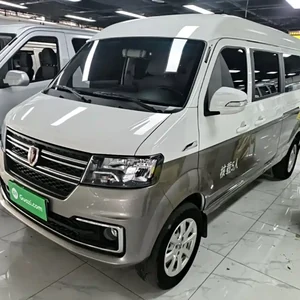
Jinbei New Hiace X30L 2024 Fortune Edition Passenger Van 5/6/7-seater with Front AC
Jinbei New Hiace X30L 2024 Fortune Edition Passenger Van 5/6/7-seater with Front AC
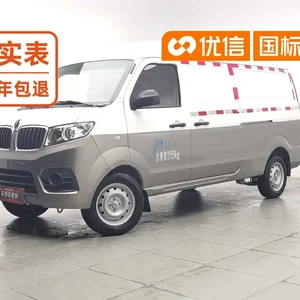
Jinbei New Hiace X30L 2023 1.5L Super Comfort Van 2/5-seater Non-AC Version SWC15M
How to buy a Jinbei Hiace X30 from China
-
1
Define the operating and destination requirements
State whether the vehicle is for cargo or passengers, the destination, required seating, fuel, cooling, and steering side. This prevents a technically attractive listing from becoming a poor operational or legal fit.
-
2
Build a shortlist from live listings
Compare year, trim, engine, fuel, seats, condition, and current per-unit price across the live inventory. Confirm the applicable MOQ and availability on the individual listing rather than relying on an old catalogue.
-
3
Verify the specification of each candidate
Match the VIN and Chinese trim sheet to the engine, fuel, transmission, seating, cooling, emissions version, dimensions, and available documents. Record every discrepancy before discussing payment.
-
4
Commission an inspection and request a landed quote
Use a vehicle-specific inspection report and request a written quote stating the Incoterm and all identified charges. Separate acquisition, documentation, freight, insurance, tax, and destination costs for comparison.
-
5
Confirm MOQ, allocation, and payment terms
Put the binding quantity, unit allocation, dispatch deadline, deposit, balance trigger, refund conditions, and currency in the pro forma invoice. Do not rely on informal statements about container consolidation.
-
6
Complete destination compliance checks
Confirm steering configuration, type approval, customs classification, duties, taxes, registration rules, and any used-vehicle age restrictions with a local importer or compliance specialist before shipment.
-
7
Arrange shipping and final release
Engage an experienced vehicle-export forwarder, verify the physical condition and document set, and specify secure loading arrangements. Release the vehicle only after the agreed inspection, documentation, and payment milestones are complete.
Hiace X30 vs rivals
| JAC Refine M3 | A direct Chinese compact commercial-van alternative for similar cargo and light passenger duties. Compare the exact seating, cooling, engine and fuel, emissions, dimensions, and local parts support; the X30 is preferable only if its verified unit better matches the destination. |
|---|---|
| Haima Fami | A similar compact-van and minibus alternative with passenger and cargo use cases. The Haima Fami may be stronger where its local homologation and service network fit better, while the X30 may offer a better-configured listing for a particular duty cycle. |
| Changan Kaicene K05 | A close light-commercial alternative from another Chinese manufacturer. Compare factory RHD availability where relevant, load-area practicality, equipment, spare parts, and delivered cost rather than assuming a brand-level advantage. |
Frequently asked questions
How is the Jinbei Hiace X30 export price determined?
The live price reflects the exact unit's year, trim, engine and fuel, seating, equipment, condition, mileage, and ownership history. Exchange rates, inspection, documentation, inland transport, freight, insurance, and the selected Incoterm can change the landed cost; taxes and registration may follow in the destination market. Compare the live listing rather than an old article, and check current per-unit prices on ChinaCarDirect's live Hiace X30 inventory.
What engine and powertrain options are available?
The Hiace X30 is an internal-combustion van rather than a battery-electric model. The range includes 1.3-litre and 1.5-litre gasoline derivatives and CNG versions, while some listings specify a manual transmission. Confirm the engine, fuel, gearbox, emissions version, and any CNG equipment against the VIN and Chinese specification sheet before ordering.
Is a used Jinbei Hiace X30 better than a new one?
A used vehicle can be a sensible choice when its remaining life, service history, and exact configuration suit a known duty cycle. A new vehicle reduces uncertainty about prior use but does not guarantee destination approval or local parts support. For either condition, require a VIN, physical inspection, and verified documents.
How does MOQ work when ordering a Hiace X30?
Minimum order quantity is set by the live seller and listing rather than by the model name. ChinaCarDirect can be used to request individual units or discuss a multi-unit order, but the binding quantity, allocation, and dispatch timing must be confirmed on the pro forma invoice. Do not infer a blanket MOQ from a catalogue or an old quotation.
What determines shipping time and cost?
Shipping time and cost depend on origin and destination ports, sailing or air schedules, vehicle preparation, customs clearance, documentation, insurance, and the chosen Incoterm. Consolidating several vehicles can alter freight efficiency, but it may add coordination and inspection complexity. Ask the forwarder for a current route-specific estimate and a clear breakdown of charges.
Are spare parts available for the Hiace X30?
Parts availability depends on the exact engine, fuel system, model designation, and the importer's local stock. Common wear items may be easier to source than trim-specific parts, while CNG components require specialist support. Before ordering, confirm that destination workshops can service the chosen configuration and establish a practical sourcing plan for insurance and downtime.
Is right-hand-drive Hiace X30 availability guaranteed?
RHD availability varies by unit, market, and production configuration; it cannot be inferred from the X30 name. Ask the seller to confirm the factory steering position and supported destination markets before paying. A conversion may affect controls, wiring, inspection, and parts, so factory RHD is generally preferable where it is required.
How do I order a Jinbei Hiace X30 from China?
Start with the live Hiace X30 listings, choose the body and trim that fit the duty cycle, and request a vehicle-specific quotation with the Incoterm and destination stated. Verify the specification, inspection evidence, documents, MOQ, payment milestones, and shipping plan before release. ChinaCarDirect's Jinbei brand hub and contact page can help organize the shortlist and RFQ.
Ready to source the Jinbei Hiace X30?
Send your destination, duty cycle, and preferred configuration to request a current Jinbei Hiace X30 export quotation.
Request a quote