
Jinbei New Hiace S Export Buying Guide
Guide for overseas buyers comparing Jinbei New Hiace S trims, new and used options, pricing logic, MOQ, shipping, compliance and direct rivals.
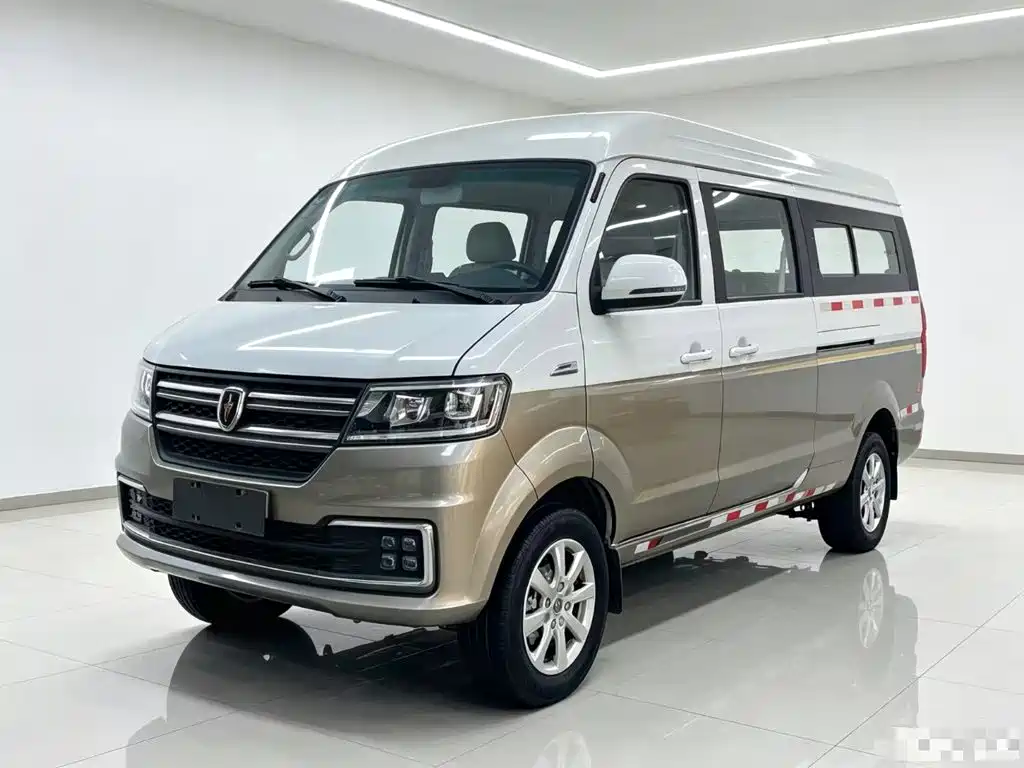
At a glance
- The New Hiace S combines cargo-van and passenger-carrier formats for importers serving several light-transport missions.
- Documented 1.5L and 1.6L petrol variants support different duty cycles, subject to unit-level payload confirmation.
- Seat and HVAC choices are major selection points, especially for hot climates and passenger service.
- Used vehicles can reduce entry cost, while new vehicles offer clearer configuration and condition.
- A viable import depends on destination-country homologation, service access and a complete landed-cost calculation.
Why the Jinbei New Hiace S matters for export markets
The Jinbei New Hiace S occupies the practical, value-oriented light commercial van and small passenger-carrier segment. Its appeal to overseas dealers is not tied to a single premium feature; it comes from combining a compact commercial body, multiple seating and air-conditioning configurations, and a choice of 1.5L and 1.6L engines. That combination allows an importer to serve urban delivery, trades, hotel shuttle or light-bus demand from a common model family rather than commission several unrelated vehicles. It is especially relevant in markets where buyers need functional transport capacity at a sensible entry point.
For export buyers, the key question is where the model fits between a small delivery van and a larger minibus. Cargo-oriented versions can suit parts distribution and service fleets, while passenger-van and five-, six- or seven-seat configurations can support group transport. The range should not be treated as one interchangeable SKU: roof and floor use, seat count, air conditioning, engine code, emissions designation and documentation can change suitability for registration, taxation and passenger operation in the destination country. Compare all those attributes before negotiating a vehicle-specific export quote or committing payment.
Demand for this class is driven by practical economics rather than lifestyle branding. Distributors serving small businesses often need a vehicle that can be specified for a task without moving into a heavier truck platform, while operators replacing ageing vans focus on availability, maintenance simplicity and acquisition efficiency. The New Hiace S is relevant to that demand, provided the importer confirms dimensions, payload, service arrangements and compliance before treating an attractive listing as an import-ready asset. A model that fits the market is more valuable than a nominally cheaper unit that cannot be registered or configured for its intended work.
- Best fit: urban commercial and shuttle work.
- Compare seats and HVAC.
- Verify import compliance.
Model range, trims and powertrain variants: how the lineup is structured and how to choose
The lineup is structured around three practical axes: engine displacement, body and seating configuration, and equipment level. Documented New Hiace S records include 1.5L SWC15M applications plus 1.6L DLCG16 and 1.5L DLCG14 business applications. Within those families, the range includes cargo vans, passenger vans, buses and minibus versions carrying two or five seats, or five, six or seven seats. Because transmission, drivetrain and detailed dimensions are not consistently stated, request the complete specification for the exact unit rather than infer it from the model name or a family-level sales brochure. Include the intended market and use when requesting the documents.
Engine choice should follow load, route, operating pattern and local fuel availability, not simply displacement. A 1.5L unit may suit lighter urban duties, while the 1.6L option deserves consideration where a higher load rating is needed; however, the live listing and homologation documents—not model-family assumptions—must confirm the relevant gross-vehicle and payload figures. For a passenger carrier, also evaluate luggage space, seat anchorage and local rules for commercial passenger transport before selecting the powertrain. The model family alone does not establish towing capacity, gradeability or an economical duty cycle for operation.
Air-conditioning is another decisive trim attribute. Non-air-conditioned versions can be relevant to short-distance commercial work in mild climates, while air-conditioned and central-air-conditioned passenger versions are generally more appropriate for hot conditions, longer journeys or customer-facing use. Before ordering, align the exact trim name, engine code, seating plan and HVAC arrangement with the destination market's registration category. This avoids paying for unsuitable equipment or discovering after arrival that the configuration is not the one contracted. It also makes handover, insurance classification and passenger comfort easier to explain clearly to the end operator.
- Documented engines: 1.5L and 1.6L.
- Codes: SWC15M, DLCG14 and DLCG16.
- Match seats and HVAC locally.
New vs used Jinbei New Hiace S: how export inventory is structured and how buyers choose
For buyers looking to buy a Jinbei New Hiace S from China, live export inventory can mix new and used vehicles, which should be evaluated as different procurement routes rather than equivalent grades of the same asset. A new vehicle is easier to specify: the buyer can select the body style, seat count, engine family, air-conditioning arrangement and preferred equipment before production or dispatch. It also avoids uncertainty over wear, prior use and repair history. For fleets requiring consistency, that predictability can outweigh the higher acquisition requirement associated with a new unit. Confirm the seller's exact condition category and any factory warranty in the quotation.
A used vehicle can make more sense when the buyer needs an established specification, accepts visible wear, and values lower entry cost or access to a particular configuration. Used vans may have accumulated mileage, paint damage, interior wear or previous commercial duty, while age can bring deferred-maintenance risk. Buyers should request service records, inspect tyres, brakes, suspension, cooling and air-conditioning, verify the odometer and VIN documents, and compare remaining economic life with the planned fleet cycle. A pre-purchase inspection is important when the vehicle will be adapted for commercial use.
The export decision is not simply new versus used. Compare delivered cost and suitability over the same planning horizon: purchase price, inspection and repairs, registration, insurance, fuel, maintenance and expected resale. For a short deployment or secondary route, a carefully inspected used unit may be rational. For a long fleet contract with branded passenger service, a new and correctly configured vehicle usually offers more control over condition, warranty arrangements and passenger comfort. Review live inventory for condition, year and specification, while commercial terms remain binding only in a written quotation.
- New: defined condition and specification.
- Used: lower entry, higher inspection need.
- Compare life-cycle cost.
How export pricing works: the factors behind a live listing price, and how to read one
Jinbei New Hiace S export pricing is not a fixed model-level figure. It changes with production year, engine and trim, seating and air-conditioning specification, mileage and condition for used vehicles, seller terms, currency movements and the destination. A van, passenger van and air-conditioned minibus are not commercially equivalent even when they share a model name. The first step in comparing quotations is therefore to standardize the configuration, then compare like with like. A live vehicle price may also exclude freight, insurance, duty, port charges, taxes, registration or inland delivery costs in the landed total.
For a buyer comparing ChinaCarDirect listings with offers from another exporter, distinguish the vehicle price from the landed cost. Freight depends on transport mode, route, port or terminal, season, vehicle dimensions and destination; insurance, customs brokerage, documentation, duties, VAT or sales tax, port handling and delivery can add amounts. Exchange-rate changes can also alter an otherwise identical quote. Ask for a written price basis, Incoterm, currency, validity period and an itemized list of what is included and excluded. Without that detail, a lower advertised number can produce a higher delivered cost.
Read each live listing as the starting point for a vehicle-specific quote, not a guaranteed universal export tariff. Confirm model year, exact trim, engine code, seating, air conditioning, steering side, condition and mileage. Request a pro forma naming the unit and commercial terms. ChinaCarDirect's current New Hiace S listings are the appropriate place to check binding per-unit figures and availability at the time of enquiry; refresh the quote if currency, freight schedules or the selected vehicle change. Wholesale buyers should retain dated listing and quotation copies for each proposed transaction.
- Drivers: year, trim, condition, currency.
- Add freight, duty and tax.
- Check live price; request a quote.
MOQ, ordering and payment: single units vs consolidating a container
A minimum order quantity depends on the seller, configuration and shipment plan, so buyers should not assume either a container-sized commitment or a universal one-vehicle rule. For a single van or minibus, request an individual-unit quotation and ask whether the seller can reserve that exact vehicle. For fleet or distributor purchases, ask about mixed-model consolidation, production allocation, lead time, documentation and the commercial terms for repeat orders. The MOQ stated in a listing or quotation is the applicable commitment, not a model-wide promise, and should be confirmed in writing before payment.
Container consolidation changes the buying logic. Several buyers or vehicle types can be grouped under one logistics arrangement, but every unit must be separately identified, inspected, insured and documented. Consolidating compatible configurations can reduce freight cost per vehicle and simplify spare-parts planning when a fleet shares major components. It can complicate loading plans, customs descriptions and delivery schedules if vehicles are intended for different markets. Decide whether consolidation is for freight economics only or includes a multi-buyer sales programme, and record ownership, payment and delivery terms clearly for each unit.
Ordering should move from specification to a written commercial package. Confirm vehicle identity, condition, options, price, currency, Incoterm, MOQ, payment milestones, production or dispatch date, inspection rights, and refund or remedy terms for mismatch or transport damage. Payment structure commonly follows a deposit and balance before release, but the actual sequence must be agreed rather than assumed. Keep correspondence tied to the SKU and invoice, and ensure the final bill of lading, export declaration and vehicle documents match the contracted units. Record the inspection and claim process before funds are released.
- Ask if one unit can be reserved.
- Clarify ownership when consolidating.
- Request fleet pricing, MOQ, payment and remedies.
Shipping, homologation and market compliance caveats: LHD/RHD and import rules by country
Shipping begins with choosing the vehicle's destination and intended use. Light commercial vans and passenger carriers may move by Ro-Ro or container logistics, depending on available equipment and route. The shipping method, port pair, vessel schedule, cargo dimensions, securing requirements, insurance and terminal charges all influence transit time and cost. A buyer should ask for a door-to-door or port-to-port quotation, identify who arranges customs clearance, and state separately the vehicle, freight, insurance, duty and inland-delivery components. The Incoterm should allocate responsibility rather than leave it implied in the sale contract, timeline and shipping documents.
Steering configuration is a sourcing issue, not a last-minute conversion. Left-hand-drive and right-hand-drive availability must be confirmed for the exact vehicle or production request. A vehicle already configured for the destination may simplify registration, but local inspection can still require changes to mirrors, lighting, safety equipment or other details. Do not assume a China VI or National VI designation in the listing guarantees acceptance abroad: emissions, type approval, VIN, engine documentation, roadworthiness and used-vehicle import rules vary by country. The importer should obtain a destination-specific compliance opinion before the final payment.
Passenger use creates an extra compliance layer. A cargo van may qualify under freight rules, while a passenger van or minibus may be subject to public-passenger transport, seat anchorage, emergency-exit, accessibility, inspection and insurance requirements. Importers should confirm whether used vehicles may enter, whether the age and emissions year are acceptable, and what certificates each market requires. A pre-shipment document review by a customs broker or local conformity specialist is prudent before paying the balance. Local operating permits can remain a separate obligation after registration and before commercial passenger deployment begins.
- Confirm steering side before ordering.
- China VI is not overseas approval.
- Passenger use can require extra permits.
Who should buy the New Hiace S — and who should pick a different vehicle
The New Hiace S is a candidate for importers and fleet operators needing a flexible, entry-level light van or light bus and able to manage local registration and after-sales support. It fits urban delivery, trades, mobile services, hotel or staff transport, airport transfers, shuttle work and small passenger operations where the correct seating and air-conditioning configuration is available. The strongest business case comes when a common model family covers several tasks without moving into a heavier commercial vehicle. It is particularly useful to buyers building a mixed van-and-passenger fleet from a common platform.
It is less suitable for buyers needing certified high-capacity cargo carrying, rough-terrain capability, premium crash safety, advanced driver assistance or guaranteed local emissions certification. Those requirements favor other platforms or specialized conversions. Avoid the model if you cannot confirm payload, cargo volume, axle ratings, parts supply or residual-value expectations locally. A missing published specification sheet is not itself a deficiency, but it is a reason to request unit-level documents before purchase. Lower acquisition cost cannot compensate for a vehicle that cannot operate legally or economically, or deliver an acceptable fleet return.
Different missions can justify a different vehicle. A pure cargo buyer with high load or volume requirements may prefer a larger panel van, while a fleet needing long-distance comfort, diesel availability, advanced safety or established residual values may prefer a rival with deeper local support. A minibus operator may need more seats than the New Hiace S passenger configurations offer. Deciding early prevents an attractive export quotation from becoming an unsuitable domestic purchase. Use a written use case—payload, passengers, route, climate, service radius and replacement cycle—to set comparison criteria before ordering.
- Best fit: flexible light commercial work.
- Verify payload and local support.
- Choose rivals for heavier or premium duty.
Main rivals and how the New Hiace S compares
The Toyota Hiace is the closest benchmark because it occupies the same van and minibus class. Buyers with an established Toyota service network, strong resale prospects or a need for a familiar global product may prefer it, while the Jinbei New Hiace S can appeal where acquisition efficiency and broader equipment choices matter. Model-year, equipment, country of specification and local support can change the result, so compare homologated versions rather than brochure assumptions. Neither name guarantees a lower operating cost; fuel, tax, insurance and maintenance evidence should decide the fleet case.
The Hyundai H-1/Starex is a credible rival, particularly where a local diesel option or established parts and service base matters. The New Hiace S offers a broad range of van and passenger configurations for buyers building a mixed fleet, but verify engine, tax, insurance and maintenance economics locally. The H-1 may have stronger familiarity in some markets; the Jinbei may suit buyers prioritizing Chinese vehicle sourcing and configuration flexibility. Parts lead time and workshop capability can outweigh the initial vehicle comparison for a large fleet rather than the purchase price alone.
The Ford Transit represents a larger working-van alternative for buyers who prioritize cargo volume, drivetrain choice or a broad commercial-brand ecosystem over a smaller footprint. It may also carry a higher purchase and operating burden where the vehicle is larger and costlier to insure or fuel. The New Hiace S is more relevant for compact commercial and light-passenger assignments, but compare certified dimensions, payload, route costs and local technician availability. Local homologation can change which variant is competitive. Compare the homologated Transit variant that is actually available in the destination rather than relying on a broad model label.
- Hiace: benchmark with local-brand familiarity.
- H-1/Starex: consider diesel availability.
- Transit: larger when cargo volume dominates.
Live Jinbei New Hiace S export inventory
View all listings →Real units currently on ChinaCarDirect with per-unit asking prices and MOQ. Availability updates live from the catalogue.
Jinbei New Hiace S 2023 1.5L Fortune Bus 5/6/7-seater Non-AC Version SWC15M
Jinbei New Hiace S 2023 1.5L Fortune Van 2/5-seater Non-AC Version SWC15M
Jinbei New Hiace S 2023 1.5L Fortune Bus 5/6/7-seater Non-AC Version SWC15M
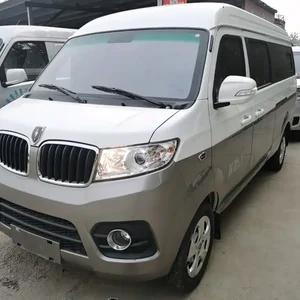
Jinbei New Hiace X30L 2022 1.5L Super Enjoy Bus without AC China VI SWC15M
How to buy a Jinbei New Hiace S from China
-
1
Define the operating requirement
Write down cargo volume or passenger count, route, climate, fuel preference, service radius and replacement cycle. This prevents a van or minibus trim that appears attractive from failing on payload, comfort or local operating needs.
-
2
Filter the live vehicle inventory
Review ChinaCarDirect's current New Hiace S listings for the relevant body, seats, engine, HVAC, steering side and condition. Save each listing reference because the exact unit and its commercial terms can change.
-
3
Request unit-level documents
Ask for VIN, engine and transmission details, dimensions, gross-vehicle and payload ratings, emissions documents, equipment list, service history and available inspection media. Treat any missing rating as unresolved rather than filling it from another trim.
-
4
Build a landed-cost quotation
Request an itemized quote stating vehicle price, currency, Incoterm, MOQ, payment milestones, freight method, insurance, documentation, port charges, duty and tax assumptions. This prevents a low vehicle figure from being mistaken for a low delivered cost.
-
5
Verify market compliance early
Have the destination's rules checked for used imports, China VI or National VI documentation, roadworthiness, passenger operation, insurance and registration. Confirm LHD or RHD availability and obtain local advice before committing funds.
-
6
Inspect and secure the selected vehicle
For a used unit, complete a pre-purchase or third-party inspection and reconcile the VIN, odometer, condition and options with the contract. Agree inspection rights, payment sequence, document pack and remedies for mismatch or transit damage in writing.
-
7
Arrange shipping, clearance and registration
Book the agreed transport method, insure the vehicles, nominate the customs broker and track the bill of lading. Reconcile export documents with the contracted units, then complete destination clearance and registration before deployment.
New Hiace S vs rivals
| Toyota Hiace | The Toyota Hiace is the closest benchmark in the same van and minibus class. Its established local service and resale familiarity can favor buyers in mature Toyota markets, while the Jinbei may appeal for configuration flexibility and acquisition efficiency. |
|---|---|
| Hyundai H-1 / Starex | The H-1/Starex competes strongly in passenger and light commercial work. It deserves priority where local diesel availability and established parts familiarity matter, while the Jinbei offers broader visible seating and HVAC options for mixed fleets. |
| Ford Transit | The Ford Transit is a larger working-van alternative for buyers prioritizing cargo volume and commercial-brand support. The New Hiace S may be easier to source in compact van or light passenger form, but certified payload, dimensions and local operating costs should decide. |
Frequently asked questions
How is the Jinbei New Hiace S export price determined?
The live price reflects a specific unit's year, trim, engine, seating, HVAC, condition and seller terms, and can move with currency and freight conditions. Compare the vehicle price separately from landed costs such as transport, insurance, duty, tax, port handling and delivery. Check the current New Hiace S listings for the per-unit figure, then request a written quotation with Incoterm and validity period.
What engine and powertrain options does the Jinbei New Hiace S have?
The documented petrol range includes 1.5L SWC15M applications and 1.6L DLCG16 and 1.5L DLCG14 business variants. Transmission, drivetrain, output figures and load ratings are not uniform across the range, so confirm them from the exact listing and homologation documents. Do not infer towing, payload or operating cost from displacement alone.
Is a used Jinbei New Hiace S suitable for export?
A used unit can suit a buyer seeking an established configuration at a lower entry cost or access to a specific body style. Inspect wear, mileage, service history, VIN, tyres, brakes, suspension, cooling and HVAC, and assess remaining life against the fleet cycle. A new unit generally offers more control over condition, specification and warranty.
What is the MOQ for a Jinbei New Hiace S order?
MOQ is set by the seller, trim and shipment plan rather than by the model name. Ask for an individual-unit quotation for one vehicle, or specify a fleet quantity and request consolidation terms for a larger shipment. The applicable MOQ, deposit, balance and cancellation terms must appear in the written quotation; no blanket quantity should be assumed.
How long does shipping take, and what determines the cost?
Transit time and cost depend on origin and destination ports, transport mode, sailing schedule, season, vehicle size, securing, insurance, terminal handling and customs arrangements. Ask whether the quotation is port-to-port or door-to-door and which party handles clearance. Freight also depends on whether vehicles are shipped alone or consolidated.
Can I order spare parts for the New Hiace S?
Parts compatibility depends on the exact engine code, trim and model year, so ask for a parts list before finalizing a mixed fleet. Confirm availability of routine service items, tyres, belts, filters, brakes, electrical and air-conditioning components, plus body panels and model-specific parts. A common configuration can simplify stock, but local dealer or distributor support must be verified independently.
Is a right-hand-drive New Hiace S available?
RHD availability depends on the exact vehicle, production run and destination sourcing route; it should be confirmed before payment rather than assumed from the model name. Ask the supplier for steering configuration, VIN and supporting documents, and verify that the imported configuration can be registered without uneconomic changes. A pre-shipment conformity review is prudent.
How do I buy a Jinbei New Hiace S from China?
Shortlist the live inventory, choose the exact body, seating, engine and HVAC configuration, and request a vehicle-specific quotation. After document review and, for used units, inspection, agree the price, Incoterm, MOQ, payment milestones, dispatch timing and remedies in writing. Use the ChinaCarDirect RFQ process to submit the required details, then arrange freight, customs and destination registration.
Ready to source the Jinbei New Hiace S?
Send ChinaCarDirect your required body, seating, engine, HVAC, steering and destination details to request a current vehicle-specific export quotation.
Request a quote