
Jinbei New Hiace X30l Export Buying Guide
Compare Jinbei New Hiace X30l trims, engines, used-vehicle options, export pricing, MOQ terms, shipping and compliance before placing a China order.
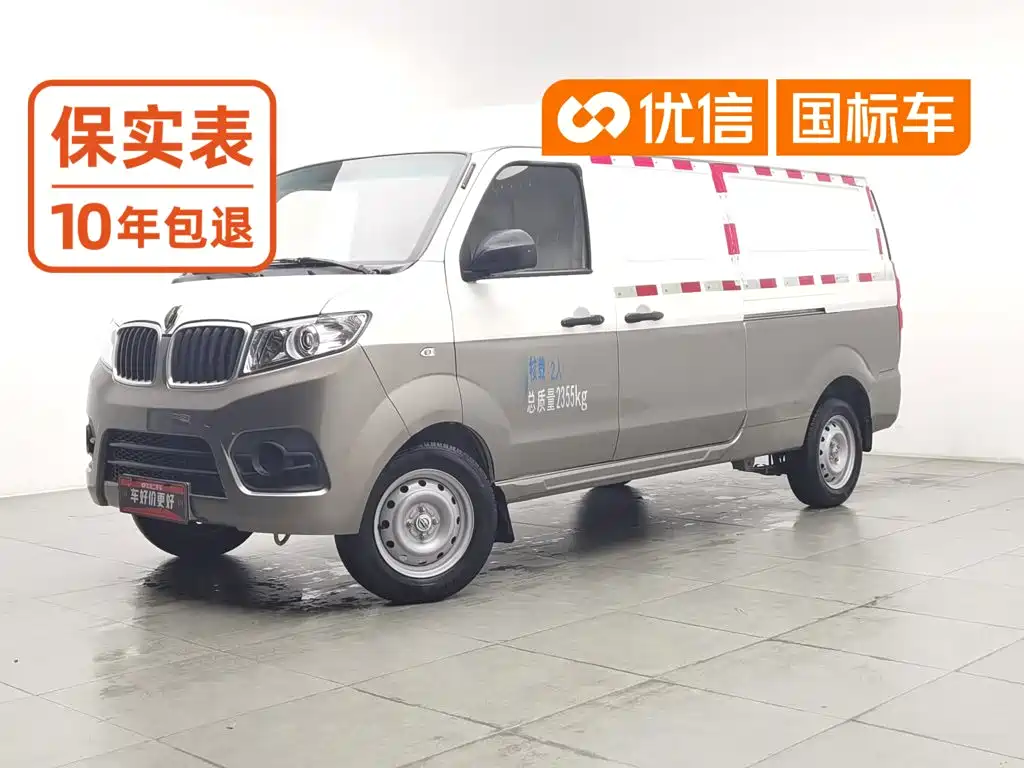
At a glance
- The X30l spans cargo-van and passenger-minibus use cases, with two-seat and five-, six-, or seven-seat layouts represented across the range.
- Buyers can compare 1.3L and 1.5L petrol variants, a CNG derivative and listings marked new energy, subject to unit-level verification.
- Used units broaden sourcing choice, but year, mileage, condition and service history deserve vehicle-specific checks.
- Export quotes depend on exact trim, powertrain, condition, destination logistics, Incoterm and exchange-rate movements.
- Current per-unit prices, minimum order quantities and availability should be confirmed in the live listings before payment.
Why the Jinbei New Hiace X30l matters for export markets
The Jinbei New Hiace X30l occupies the compact light-commercial space between a small delivery van and a larger people carrier. Its range includes two-seat cargo versions and passenger vans or minibuses configured for five, six, or seven seats, including air-conditioned and non-air-conditioned derivatives. That mix gives overseas distributors a practical platform for parcel delivery, trade transport, shuttle work and light fleet operations without moving immediately into a larger van class. The choice is less about prestige than about matching payload, passenger capacity, climate needs and local fuel availability to the route being served.
Demand for this segment is driven less by model image than by operating economics. Importers serving dense urban routes often value a compact footprint, straightforward loading access and the ability to separate cargo and passenger duties through different body configurations. Passenger operators can select seating and cooling options, while trade buyers can focus on enclosed-van utility. The X30l’s relevance therefore comes from the breadth of practical versions available within one model family. For distributors, that variety simplifies brand-building around one platform, although each market still needs its own specification and compliance plan.
Export buyers should treat the X30l as a configurable commercial tool rather than a single trim. Listing names show edition, fuel, seating, air-conditioning and emissions descriptors, so two vehicles carrying the same model name may serve fundamentally different duties. A careful selection process starts with the work the van must perform, then narrows the body, powertrain and equipment before freight, registration and residual-value assumptions are added. This approach also reduces the risk of paying for equipment that a local fleet never uses or choosing a passenger layout unsuitable for freight work.
- Cargo and passenger configurations
- 1.3L, 1.5L, CNG and new-energy labels
- Climate and seating choices matter
Model range, trims and powertrain variants: how the lineup is structured and how to choose
The lineup is organized through body role, seating, fuel, cooling equipment and edition. Names such as Wealth, Business, Fortune, Super Comfort, Super Enjoyment and Luxury distinguish marketed versions, while codes including DLCG14, SWC15M and SWFC15M help identify configurations. Two-seat cargo vans, five-, six- and seven-seat passenger vans, and bus-oriented derivatives are all present. The practical buying task is to decode the exact title rather than assume one standard X30l specification. Ask the seller to confirm how the title maps to seating, air conditioning, fuel system and the documents supplied with the vehicle.
Petrol choices include 1.3L and 1.5L displacement labels, and the market also includes a 1.5L CNG passenger derivative. Some individual inventory is marked new energy and specifies an automatic two-seat light-duty closed-body van. No single fuel solution is automatically best: CNG depends on refuelling access, petrol suits broader conventional logistics, and a new-energy unit requires verified battery, range, charging and regulatory information. Do not infer motor output, range or charging time from the new-energy label; request the vehicle-specific data and supporting documents before treating it as an alternative to petrol or CNG.
Selection should start with the operating environment, not the edition badge. Urban couriers may prioritize a compact cargo body and frequent low-speed use; hotels, clubs or group transport may need five to seven seats and climate control; fleets with suitable refuelling infrastructure may consider CNG. Confirm payload, cargo dimensions, seat arrangements, cooling, fuel equipment, emissions label, transmission and service provisions on the specific unit. Those checks matter more than the broadest model description. A trim with unnecessary equipment raises acquisition cost without improving utilization, while an under-specified van can limit uptime.
- Decode DLCG14, SWC15M and SWFC15M
- Match seats and cooling to duty
- Verify fuel infrastructure before choosing
New vs used Jinbei New Hiace X30l: how export inventory is structured and how buyers choose
The export channel for this model includes used vehicles from several production periods as well as new or newer examples. Used listings can provide access to well-established configurations and a lower entry outlay, while new units offer a more standardized starting point and clearer comparison. The right source depends on fleet size, budget discipline, expected service life and whether the importer can inspect and maintain vehicles directly. Availability always remains vehicle-specific, so the live inventory should drive final selection. Sellers may also differ in documentation quality, inspection standards and after-sale support, which can outweigh the headline vehicle condition.
A used X30l should be evaluated as a separate asset, not judged only by its model year. Review odometer evidence, service records, tire condition, brake wear, fluid leaks, body and chassis damage, corrosion, glass and lighting, cabin wear and the completeness of keys and documents. For a van, inspect loading surfaces, door seals, hinges and cargo-floor condition closely. A lower purchase price can be offset by near-term repairs, downtime or imported used-vehicle restrictions. Request photographs, a walk-around video and an independent inspection where the unit is not physically available to the importing team.
New or newer inventory is preferable when predictable specification, low initial wear and simpler internal standardization matter. Even so, a buyer should verify whether a vehicle is genuinely new, how many kilometers it has traveled, how long it was stored, whether it has been registered and what factory warranty applies. The useful comparison is lifecycle cost over the intended service period, combining acquisition, financing, fuel, maintenance, downtime and expected resale—not simply the lower initial transaction amount. That calculation also clarifies whether the same vehicle should be specified across several departments.
- Inspect used vans as individual assets
- Verify new status, mileage and warranty
- Compare full lifecycle cost
How export pricing works: the factors behind a live listing price, and how to read one
An export listing price is the starting point for a vehicle, not necessarily the cost of putting it into service. The principal vehicle-side drivers are model year, edition, engine or fuel configuration, seating, air conditioning, mileage, condition and whether the unit is new or used. For any new-energy listing, the battery version and charging specification also matter. At the transaction level, exchange rates, seller location, inland transport, freight, insurance, port charges and the selected Incoterm can move the final comparison. Apples-to-apples quotations therefore need the same vehicle specification and destination basis.
When reading a live listing, inspect the title, production year, exact trim code, fuel label, seating, cooling equipment, odometer, condition description, seller location, photographs and stated minimum order quantity. Confirm whether the displayed amount is the ex-vehicle price or includes any transport or export service, and ask what document package accompanies the unit. Images help identify condition and equipment, but they do not replace title, VIN, service or inspection evidence. A written quotation should be the basis for approval. Keep screenshots of the live listing with the quotation and payment records.
The most reliable pricing exercise compares several vehicles with the same body, seating, powertrain, age band, condition and destination service level. Ask for an all-in or itemized quote that states the Incoterm, named place, payment method, validity period and what happens if exchange rates or freight costs move before payment. Destination duties and taxes may sit outside the seller’s quote, so model them separately with a customs broker. Exact current prices, minimum order quantities and availability must be taken from the live listings rather than remembered from another market cycle.
- Compare equal specifications, not headline prices
- Confirm ex-vehicle versus landed scope
- Use written, destination-specific quotations
MOQ, ordering and payment: single units vs consolidating a container
Minimum order quantity is a seller and listing term, so it should be checked on each live unit rather than inferred for the model. Some export offers may accommodate a single vehicle for testing, a local reseller or a mixed fleet, while others may require a batch. A one-unit purchase can reduce the initial commitment and reveal handling, parts and registration friction before a larger movement. If the live listing is silent, obtain written confirmation of the quantity, unit allocation and price treatment before transferring funds. This is essential.
A wholesale shipment can improve freight planning and make inspection more efficient, provided the units share the required specification. Grouping can simplify spare-parts standardization and fleet onboarding, but mixed trims, seat counts, fuel systems or steering positions create work at registration and resale. Buyers should agree on inspection access, photo standards, document completeness and whether every unit must meet the same acceptance criteria. Consolidating suitable vehicles is often more valuable than simply increasing the unit count. It also allows freight and port charges to be allocated across a clearly defined consignment before booking.
Payment terms should be tied to a pro forma invoice that identifies the vehicle or agreed allocation, price basis, deposit, balance trigger and required ownership and customs documents. Confirm which party is the seller of record, how the deposit is protected and whether inspection or shipping milestones govern the balance. Payment methods, currency, bank charges and refund terms differ by supplier, so no universal sequence should be assumed. Keep the contract, listing snapshot, invoice, inspection evidence and transport documents together for claim handling. This creates a defensible purchase record.
- Check MOQ on every live unit
- Consolidate only compatible specifications
- Tie payment milestones to documents
Shipping, homologation and market compliance caveats: LHD/RHD and import rules by country
Closed-van dimensions and securing points determine the practical transport method, so verify measurements before booking. Suitable units may travel in a container or on a flat rack, depending on packing rules and carrier practice; a vehicle carrier may also be economical for smaller consignments. Ask for the loading plan, lashing method, declared shipping weight and any restriction on combining vehicles in one unit. Marine insurance should reflect the agreed Incoterm and cover the risks assigned to each party during transit. Port congestion, sailing schedules and handling charges can alter the final logistics cost.
Steering configuration is a critical buying check. The model must match the destination’s left- or right-hand traffic requirement, and a listing should not be assumed to offer the needed configuration simply because it is described as an export vehicle. Ask for photographs of the steering wheel, dashboard, door controls and VIN plate, and obtain seller confirmation before shipment. Local type approval may also impose requirements for safety, emissions, lighting, brakes, glazing and vehicle identification; a China VI label does not automatically confer approval overseas. Local registration remains a separate decision.
Used-vehicle age limits, import permits, customs classification, emissions standards, inspection requirements and local taxes vary by country and can be more restrictive than the vehicle’s export status. CNG systems may attract additional safety or service scrutiny, while new-energy vehicles can require documentation for batteries, charging and software or emissions rules. Buyers should obtain a pre-shipment broker review, confirm the exact VIN and documents, and budget for pre-delivery inspection, registration and any rectification. Responsibility for destination compliance should be stated in the purchase contract. Local advice is more reliable than generic assumptions.
- Confirm LHD or RHD before payment
- Check destination type approval
- Review used-import and CNG rules
Who should buy the New Hiace X30l — and who should pick a different vehicle
The New Hiace X30l is a strong fit for urban couriers, small trade operators, campus and hotel shuttles, community transport and light commercial fleets that need a compact van with several seating and equipment options. Cargo users can focus on an enclosed two-seat body, while passenger operators can select five-, six- or seven-seat layouts and the cooling package appropriate to the climate. The model is particularly useful when one purchasing team wants a recognizable commercial platform but different duty cycles within the fleet. That breadth can simplify training and parts planning.
It is less suitable when the business requires verified heavy payload, large cargo volume, premium passenger comfort, extensive off-road capability or a specific electric range and charging standard. Such requirements should not be inferred from a general van listing; dimensions, payload, motor, battery and equipment need confirmation. The model may also be a poor choice where the destination lacks a reliable parts network or where its compact dimensions cannot meet route-access needs. In those cases, a larger van, established local marque or purpose-built electric model may align better sooner.
Before ordering, run a route-based business case that includes loading time, passenger comfort, fuel or energy availability, expected utilization, servicing intervals, insurance, downtime and resale prospects in the destination market. Compare those operating assumptions with the exact variant shortlisted, including whether a front-mounted or central air-conditioning system is adequate for local heat. The best vehicle is the one whose verified configuration supports the route and whose total ownership burden remains manageable; a feature-rich but unsuitable trim is not automatically the better purchase. This check matters more than a model badge.
- Best for urban, shuttle and light trade work
- Verify payload for heavy-duty needs
- Match cooling and fuel to local conditions
Main rivals and how the New Hiace X30l compares
The closest comparisons are the Toyota Hiace, Hyundai H100 and DFSK C37, although the right benchmark depends on whether the buyer needs cargo, crew or passenger capability. Toyota offers the strongest global name recognition in many markets, with an established service and resale perception that can reduce operational uncertainty. Hyundai competes directly in compact commercial work, while DFSK provides a lower-cost Chinese-built van option. The X30l should therefore be judged on configuration, total cost and support in the destination—not against a generic class average. Local evidence should ultimately decide.
Against the Toyota Hiace, the X30l can appeal to buyers prioritizing configuration breadth and a China-sourced commercial platform, while Toyota may command more attention where brand confidence, parts familiarity and resale networks dominate the business case. The comparison must use like-for-like passenger capacity, load volume, air conditioning, warranty and service arrangements for the destination market. Neither badge guarantees cheap operation: fuel availability, duty cycles and maintenance planning should carry more weight than manufacturer prestige alone. Ask each supplier for the same documents, inspection scope, warranty terms and landed-cost breakdown basis first.
The Hyundai H100 is a credible cargo and crew-van benchmark where its local dealer network and fuel choices fit the market; compare the verified payload, load dimensions, seats and service package with the X30l. The DFSK C37 is a useful budget-end Chinese alternative for compact delivery work, but buyers should check whether its dimensions and passenger options meet the mission. In every comparison, obtain current local homologation, parts support and insurance information before treating a lower acquisition figure as a genuine advantage. That is the fairest test for the buyer.
- Toyota Hiace: brand and resale benchmark
- Hyundai H100: direct commercial rival
- DFSK C37: budget compact-van alternative
Live Jinbei New Hiace X30l export inventory
View all listings →Real units currently on ChinaCarDirect with per-unit asking prices and MOQ. Availability updates live from the catalogue.
Jinbei New Hiace X30L 2023 1.5L Super Comfort Van 2/5-seater Non-AC Version SWC15M
Jinbei New Hiace X30L 2024 Fortune Edition Passenger Van 5/6/7-seater with Front AC

Jinbei New Hiace X30L 2022 1.5L Super Enjoy Bus without AC China VI SWC15M
Jinbei New Hiace X30L 2022 1.5L Super Enjoy Bus without AC China VI SWC15M
How to buy a Jinbei New Hiace X30l from China
-
1
Define the duty cycle
Specify cargo volume, payload needs, passenger count, climate conditions, route profile and expected service life. Separate mandatory requirements from optional equipment.
-
2
Shortlist the exact configuration
Compare 1.3L and 1.5L petrol variants, the CNG derivative and any new-energy unit only where their infrastructure and certification fit the destination. Confirm seating and air-conditioning choices.
-
3
Review the live unit and documents
On ChinaCarDirect, inspect the exact title, trim code, VIN, odometer, photographs and seller description. Ask for service records, ownership documents and the proposed export document package.
-
4
Request a landed quotation
Provide the destination city or port, required configuration, Incoterm and preferred payment method. Request an itemized quote separating vehicle cost, inland transport, freight, insurance and any export charges.
-
5
Check import and type approval
Confirm steering side, used-vehicle age rules, emissions requirements, safety approval, customs treatment and any CNG or new-energy restrictions with a destination broker before payment.
-
6
Agree inspection, payment and shipping
Set inspection standards, photographic records, payment milestones, document conditions and packing requirements in the contract. Confirm the shipping method, securing plan, insurance allocation and booking responsibility.
-
7
Complete arrival inspection and registration
Inspect the vehicle against the contract before release or acceptance, document any discrepancy and complete customs and local registration. Establish a local parts and maintenance plan before adding the van to active service.
New Hiace X30l vs rivals
| Toyota Hiace | The Hiace is the closest global benchmark for brand confidence, parts familiarity and resale perception, which can outweigh acquisition considerations in some markets. The X30l is worth comparing where configuration breadth and China-sourced sourcing are priorities, using like-for-like seating, load, warranty and service terms. |
|---|---|
| Hyundai H100 | The H100 competes directly in compact cargo and crew-van work and may be attractive where Hyundai has a strong local service network. Compare the verified payload, load dimensions, seats, fuel availability and parts support with the selected X30l. |
| DFSK C37 | The C37 is a budget-oriented Chinese van alternative suited to compact delivery roles. It may fit cost-sensitive urban operators, but buyers should confirm whether its dimensions and passenger configurations meet the intended mission. |
Frequently asked questions
How is Jinbei New Hiace X30l export pricing determined?
Pricing reflects the exact year, trim, engine or fuel system, seating, air conditioning, mileage, condition, seller location, freight, insurance and selected Incoterm. Exchange rates and destination charges can also change the final amount. Review the live listings for the current per-unit price and MOQ, then request a written quotation using the same destination and specification for every vehicle compared.
What engine and powertrain options are available?
The range includes 1.3L and 1.5L petrol labels, a 1.5L CNG derivative and individual listings marked new energy. Exact output, transmission, battery, motor, range and charging details are not interchangeable across listings, so check the live unit description and supporting documents before selecting a powertrain.
Should I buy a used or new Jinbei New Hiace X30l?
Used units can reduce the initial acquisition outlay but require close inspection of mileage, service history, wear, corrosion and damage. New or newer units may offer more predictable condition and specification, although registration status, storage, warranty and actual travel should still be verified. Compare lifecycle cost over the planned service period rather than choosing on condition labels alone.
What is the minimum order quantity for an export purchase?
MOQ is set by the individual seller and live listing, not by the model name alone. Some offers may accept a trial unit or mixed fleet, while others may require a batch, so confirm the quantity and price treatment in writing. The binding MOQ and current availability are shown with each live unit.
How long does shipping take and what affects the cost?
Transit time and freight cost depend on vehicle dimensions, transport method, origin and destination ports, sailing schedules, cargo handling, insurance and customs requirements. Obtain a written freight quote and packing plan rather than relying on a generic route estimate. Port congestion and missed sailing connections can add both time and cost.
Are spare parts available for the New Hiace X30l?
Parts support is market- and trim-specific, so confirm availability before committing to a large fleet purchase. Provide the VIN, exact DLCG14, SWC15M or SWFC15M configuration code and photographs when requesting body, electrical, air-conditioning or mechanical items. Also assess local workshop access for routine maintenance.
Is a right-hand-drive New Hiace X30l available for RHD markets?
Do not assume a right-hand-drive unit is available; steering configuration varies by source vehicle and export market. Ask the seller to show the steering wheel, dashboard, door controls and VIN plate before payment. A conversion may not be practical or legally acceptable, and the unit must still pass destination type approval.
How do I order a Jinbei New Hiace X30l from China?
Start with the live New Hiace X30l listings, shortlist the exact body and powertrain, and request a vehicle-level quotation with the destination and Incoterm stated. Confirm documents, MOQ, payment milestones, inspection and shipping in writing before paying. The final order should identify the selected vehicle or agreed allocation and all commercial conditions in the pro forma invoice.
Ready to source the Jinbei New Hiace X30l?
To buy a Jinbei New Hiace X30l from China, request a current vehicle-level quote with your configuration, destination, Incoterm and document requirements.
Request a quote