
Kia Ev5 Export Buying Guide for Overseas Buyers
Compare Kia Ev5 trims, range choices, used vehicles and export pricing, then plan sourcing, shipping, payment and compliance for overseas dealers and buyers.
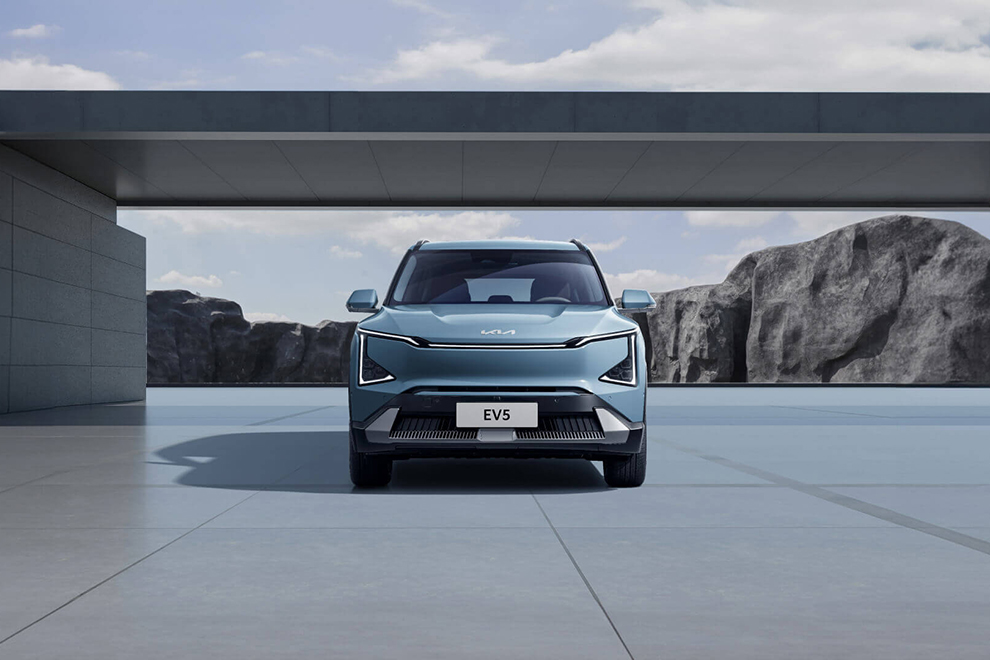
At a glance
- The Kia Ev5 is a compact battery-electric crossover positioned for urban dealers and fleet operators.
- Trim selection should be based on confirmed equipment, battery version, range protocol and destination-market homologation.
- New vehicles suit standardized fleet rollouts, while used vehicles require detailed battery-health and history checks.
- Export pricing changes with trim, year, condition, exchange rates, freight, duties, insurance and the selected delivery term.
- Single-unit buying and container consolidation offer different commercial, logistical and coordination requirements.
- Left- or right-hand-drive availability and destination-market compliance must be confirmed before payment.
Why the Kia Ev5 matters for export markets
The Kia Ev5 matters to export buyers because it combines Kia's familiar identity with a compact battery-electric crossover format suited to urban use and fleet procurement. It offers an alternative to premium-only electric crossovers while remaining more compact than many larger family EVs. For overseas dealers, the important point is not simply whether demand exists, but whether the model can be supported with the right configuration, parts supply, charging assumptions and homologation in the destination market. Assess the Ev5 as a channel product because lifecycle support and local rules determine whether an attractive vehicle becomes workable.
Global demand for compact EVs is strongest where buyers want lower running costs, manageable dimensions and a credible alternative to combustion vehicles without moving into a large or luxury platform. The Ev5's appeal is particularly relevant to company-car programs, urban ride-hailing, municipal fleets and dealers serving dense cities. Those channels can use predictable charging routines and centralized maintenance, although they still need a careful comparison of battery warranty, residual values and total cost of ownership. The model is persuasive when its duty cycle matches those operating assumptions, rather than when a headline specification alone justifies the purchase.
Demand should also be separated from marketability. A country may show strong interest in electric vehicles yet impose registration, charging, data, or battery-service conditions that narrow the eligible fleet. The Ev5 can gain attention through Kia's brand recognition and its crossover practicality, but local aftersales access remains essential. Export buyers should compare it with models already supported by independent workshops, diagnostic equipment, and readily available replacement parts in the destination rather than assuming global parts interchangeability. That comparison should be included in the commercial decision before vehicles are committed, not treated as post-import troubleshooting.
- Confirm charging access before forecasting demand.
- Compare lifecycle support with headline specifications.
- Match vehicle size to fleet routes.
Model range, trims and powertrain variants: how the lineup is structured and how to choose
The China-origin Ev5 line-up visible in export sourcing is organized around 530 Air, 530 Light, 530 Land and a separate Model 720 Land designation. These names should be treated as trim identifiers, not as a substitute for the full homologation record. The Air name normally signals the more accessible end of the range, while Light and Land indicate progressively different equipment positions, but a buyer should verify the exact standard equipment, dimensions and charging specification against the individual vehicle's documents. A trim name can vary by model year, so compare year and destination together.
Powertrain selection is more restrictive than the trim labels initially suggest. The Ev5 is a battery-electric vehicle, so there is no conventional engine, fuel tank or multi-speed gearbox to compare; propulsion comes from electric motors and a battery. However, the usable battery capacity, motor output, axle arrangement, range rating and charging capability are market-specific and are not confirmed by the names in the listing alone. Ask for the complete vehicle specification and the destination-market range standard before making a range or towing decision. Never mix figures measured under different test cycles.
The most useful comparison is therefore a document-based one. First identify the precise trim and production version, then compare battery version, rated capacity, motor configuration, charging inputs, dimensions, curb weight and standard equipment. Check whether the published range is CLTC, WLTP or another protocol, and whether charging or range figures were changed for the destination. This avoids a common export error: selecting a vehicle on a nominal trim designation and later discovering that local certification, software or charging assumptions alter the practical proposition. Those checks should precede any deposit request.
- Match trim to confirmed equipment.
- Compare range under one test protocol.
- Verify battery, motor and charging per listing.
New vs used Kia Ev5: how export inventory is structured and how buyers choose
New and used Ev5 vehicles serve different export routes. A new vehicle normally offers the cleanest ownership chain, current model-year equipment and the strongest basis for warranty discussions, although it can still be an export specification rather than the version sold in the target country. A used vehicle may be an ex-demo, leased or previously imported car with documented mileage and condition. Its purchase logic depends less on the trim badge and more on battery health, service history, accident repair, software status and remaining warranty coverage. These differences must be verified per unit.
For a used Ev5, the battery is the central technical diligence item rather than the odometer alone. Request a state-of-health report where available, confirm that the battery has not been submerged or seriously damaged, and ask whether software recalls or battery-management updates have been completed. Inspect tires, brake condition, suspension noise, bodywork, glass and cabin wear, and compare the recorded service history with the stated mileage. A lower entry price can be erased by an unverified battery fault, deferred maintenance or accident repair that is difficult to value overseas at resale.
New sourcing is usually preferable when a buyer needs predictable configuration, a factory warranty and fleet standardization. Used sourcing can make more sense for a dealer testing demand, a short-duration project or a buyer able to inspect the exact vehicle and budget for near-term service. Do not select on condition labels alone. Compare VIN-level documents, actual delivery date, charger inclusion, local software and warranty transfer rules, then model the cost of preparing the vehicle for registration. Current new and used Ev5 choices should be reviewed together in the live inventory.
- New vehicles favor warranty and fleet consistency.
- Used vehicles require battery and history evidence.
- Include registration and near-term service costs.
How export pricing works: the factors behind a live listing price, and how to read one
An export price is not simply a manufacturer's retail figure because the quoted amount usually reflects the vehicle's configuration and the transaction structure requested. Model year, trim, battery version, mileage, condition, production timing and available equipment can all move the unit price. Commercial variables then alter the final landed result, including the renminbi-to-destination-currency exchange rate, freight, insurance, port charges, taxes, customs duties, documentation and the selected Incoterm. Compare like with like: a vehicle price under one delivery term is not equivalent to a delivered price under another. Request a written cost breakdown.
To read a live Ev5 listing correctly, separate the vehicle's asking price from the total acquisition budget. Check the stated year, exact trim, new or used status, mileage if applicable, battery version, steering configuration and included equipment. Then confirm whether the quote includes export preparation, inspection, inland transport, marine insurance and the named shipping service. A buyer should also ask who is the seller of record, whether the VIN and title documents match the described vehicle, and whether payment terms change the final amount. Currency and validity dates should be stated.
Buyers often gain more from negotiating the quote structure than from chasing an abstract lowest headline figure. Clarify whether the seller is exporting the unit, using a freight forwarder or arranging delivery through a local partner, and ask what happens if the vessel, customs or inspection schedule changes. For fleet orders, confirm whether rates can be held for a defined period, whether unit specifications may vary within the shipment and how discrepancies are resolved. Exact current prices and availability should be taken from each live listing, while a formal RFQ should capture the commercial terms in writing.
- Separate unit price from landed cost.
- State currency, validity and delivery term.
- Request an itemized written quotation.
MOQ, ordering and payment: single units vs consolidating a container
The correct way to approach MOQ is to ask what order quantity the seller will accept for the selected configuration and delivery route. Some live vehicle offers can be purchased as individual units, which suits dealers testing a model or fleet operators needing a small number of cars. Container consolidation changes the economics because fixed freight and handling costs are spread across more vehicles, but it also requires common trim, steering side, destination and readiness dates. The applicable minimum for each unit should be read from its listing terms and confirmed in the quotation.
For a small order, the main risks are unit selection and coordination rather than cargo volume. Confirm that the chosen Ev5 remains available while inspection, payment and shipping are completed, and specify whether the charger, tools, documents and factory accessories must match. If several vehicles are bought, define in advance how color, trim, mileage or minor cosmetic differences will be accepted or rejected. A single-vehicle RFQ should still include the destination, delivery term, inspection standard and expected documentation so that the seller and buyer quote the same transaction in advance.
Ordering and payment should follow a controlled sequence: select the live unit, complete due diligence, receive a written commercial and document checklist, make the agreed payment method, pass the agreed inspection, and then authorize release for shipment. Ask which party holds the vehicle, what evidence supports ownership and the VIN, and what triggers the final balance. Keep every invoice, identification record, inspection result and shipping document together. For a consolidated container, also agree on how units are allocated, how charges are settled and what remedy applies if a vehicle fails final acceptance.
- Confirm each offer's minimum quantity.
- Match destination, trim and steering side.
- Define inspection and discrepancy remedies.
Shipping, homologation and market compliance caveats: LHD/RHD and import rules by country
Shipping begins with destination rules, not simply with securing a vessel. The vehicle's steering configuration must match the importing market: a left-hand-drive car is not automatically suitable for a right-hand-drive country, and converting a steering column can create safety, warranty and registration problems. Confirm whether the particular unit was produced for left- or right-hand drive and whether the destination accepts that configuration. Electric vehicles also require suitable dangerous-goods declarations and battery-related transport documentation, so the forwarder should handle the vehicle as an EV rather than an undifferentiated used car from origin.
Homologation may still be required even when the Ev5 is sold under a familiar Kia name. Depending on the country, the importer may need to address vehicle type approval, VIN and identification data, safety and emissions requirements, local charging interfaces, software restrictions, data governance, warranty arrangements or inspection rules. None should be assumed satisfied by a China-market listing. Provide the proposed use, importer status and destination to the seller or a qualified local compliance adviser before committing, and retain written confirmation of which approvals apply to that exact vehicle and configuration.
Landed cost and timing depend on several linked variables. Ocean or air route, vehicle count, port and terminal handling, origin inland transport, insurance, exchange rate, customs clearance, duties, taxes, storage and delivery all affect the result. Weather, congestion, audits or document corrections can extend the schedule, so request a current estimate and ask what assumptions support it. Arrange destination clearance before arrival, confirm whether battery charging or activation is needed after a long voyage, and use a local transporter that understands EVs. Spare-parts planning should begin before shipment, not after a warranty issue emerges.
Who should buy the Ev5 — and who should pick a different vehicle
The Ev5 fits overseas buyers who can charge reliably, value a compact crossover format and want an electric vehicle with a recognizable manufacturer rather than an imported niche brand. It is particularly relevant to urban dealers, company fleets and ride-hailing operators with predictable routes and access to depot charging. The buying case improves when the vehicle's size, range standard and service package match local duty cycles. For commercial users, uptime, parts response and driver training can matter more than the highest equipment list. A disciplined total-cost comparison supports that decision.
A different vehicle is wiser when the operating environment undermines the EV proposition. Fleets that travel long distances between charging opportunities should assess plug-in hybrid or range-extended alternatives, while gasoline or diesel models may remain more practical where charging infrastructure is sparse. Buyers needing more cargo room, more seats or heavier towing should not force a compact crossover into the role. Performance-focused customers should compare models with higher-output drivetrains. Similarly, buyers prioritizing an established local aftersales network may find a rival with deeper service coverage easier to support in the market.
For a dealer or fleet buyer, the Ev5 should clear a three-way test: affordable acquisition after logistics, suitable energy and duty-cycle economics, and manageable support in the destination. A used example may satisfy a cautious market-entry strategy if its history is strong, while a new vehicle is usually cleaner for standardized fleet rollout. The wrong choice occurs when import savings are consumed by compliance work, unsuitable charging assumptions or parts delays. Conversely, the right vehicle can create a credible compact-EV offer without requiring the buyer to enter the premium electric segment.
- Choose Ev5 with dependable charging and support.
- Consider hybrids where charging coverage is weak.
- Size the vehicle to cargo and duty-cycle needs.
Main rivals and how the Ev5 compares
The closest comparisons for a compact electric crossover buyer include the Hyundai Ioniq 5, BYD Atto 3 and Volkswagen ID.4, although names and equipment vary by market. Each offers a different balance of brand familiarity, charging ecosystem, cabin packaging and service support. The Ev5's strongest argument is not exclusivity but balance: a recognizable Kia product with practical crossover dimensions and a competitive equipment proposition. A rival can still be the better purchase when its local dealer network, homologated specification or charging compatibility is stronger in the intended country for the target buyer.
Against the Ioniq 5, the Ev5 should be judged on the exact imported specification, equipment, software and aftersales coverage rather than on badge familiarity alone. The Ioniq 5 may appeal where Hyundai support is stronger, while the Ev5 may offer a more suitable equipment or cost structure for a particular sourcing package. Against the Atto 3, buyers should compare warranty handling, residual-value assumptions, service parts and the actual homologated range, because nominal headline figures can obscure differences. Against the ID.4, compare platform, charging, software and local Volkswagen support in the destination market.
The most useful rivalry comparison is a sheet built from live, destination-specific offers. Normalize battery version, range protocol, charging capability, dimensions, safety and driver-assistance equipment, warranty, service coverage, vehicle condition and delivered cost. Do not compare a Chinese-market range label with a European homologation figure as if they were the same measurement. Also check whether spare parts, diagnostic software and technician training are locally available. The Ev5 wins when its documented package, landed economics and support plan suit the buyer's market; otherwise, an alternative with the better local ecosystem may be rational.
Live Kia Ev5 export inventory
View all listings →Real units currently on ChinaCarDirect with per-unit asking prices and MOQ. Availability updates live from the catalogue.
How to buy a Kia Ev5 from China
-
1
Define the market and operating requirement
Set the destination country, importer status, expected use, route profile, charging access and required steering configuration before choosing a vehicle.
-
2
Build a live Ev5 shortlist
Review the live Kia Ev5 listings and record each unit's year, trim, condition, battery version, steering side and available equipment.
-
3
Verify the complete specification
Request VIN-level documents, motor and battery details, range protocol, charging specification, dimensions, equipment list and warranty information.
-
4
Request a landed quotation
Ask for the unit price, currency, validity, Incoterm, freight, insurance, duties, taxes, documentation and delivery scope in writing.
-
5
Complete vehicle due diligence
For a used Ev5, review battery-health information, accident and service history, software status and physical condition. For a new vehicle, complete an agreed pre-delivery inspection.
-
6
Confirm compliance and logistics
Check LHD or RHD suitability, local homologation, importer responsibilities, battery-transport documentation, destination clearance and the appointed freight forwarder.
-
7
Order, inspect and release
Follow the agreed payment sequence, retain inspection evidence, authorize shipment only after approval and track the vehicle through export, customs and final delivery.
Ev5 vs rivals
| Hyundai Ioniq 5 | The Ioniq 5 is the closest Korean-brand alternative and may be easier to support where Hyundai's local network is deeper. Compare the imported versions on equipment, charging, warranty and service access; the Ev5 can be the better fit when its confirmed configuration offers stronger value for the sourcing package. |
|---|---|
| BYD Atto 3 | The Atto 3 competes as a value-oriented compact electric crossover with strong EV-market recognition. The Ev5 may benefit where Kia support is more established, while the Atto 3 may appeal where its local pricing, parts plan or residual-value proposition is stronger; compare destination homologation rather than headline range labels. |
| Volkswagen ID.4 | The ID.4 offers a more established Volkswagen route in markets with dense dealer coverage and can suit buyers prioritizing that support network. The Ev5 should win on the exact equipment and landed commercial package, not on badge alone, so compare software, charging, dimensions, warranty and service access. |
Frequently asked questions
How is Kia Ev5 export pricing determined?
The unit price reflects factors such as model year, trim, battery version, mileage, condition and production timing. Freight, insurance, exchange rates, customs charges, taxes and the selected Incoterm determine the broader landed cost. Exact current pricing and availability for each vehicle are shown on the live Kia Ev5 listings.
What powertrain and range does the Kia Ev5 use?
The Ev5 is a battery-electric vehicle with electric motors and a battery rather than a combustion engine and conventional gearbox. Exact battery capacity, motor output, axle configuration, range and charging capability vary by market and should be confirmed in the live listing. Compare range figures only when they use the same test protocol.
Is a new or used Kia Ev5 better for export?
A new vehicle generally provides clearer ownership, warranty and configuration consistency, while a used vehicle can suit cautious market testing if its history is strong. A used Ev5 requires detailed inspection of battery health, accident repair, mileage, service records and software status. Compare the actual unit rather than relying on a condition label.
What is the MOQ when buying a Kia Ev5 from China?
MOQ depends on the seller, vehicle specification and shipment plan, so it must be checked on each live offer and confirmed in the quotation. Individual-unit orders may be available where the listing permits them, while container consolidation can improve freight economics but requires coordinated vehicle specifications. Never assume a catalogue-wide minimum.
What determines Kia Ev5 shipping time and cost?
Shipping cost and timing depend on the route, cargo volume, origin transport, port handling, insurance, exchange rates, customs clearance, duties, storage and destination delivery. Congestion, weather, audits or document corrections can also affect the schedule. Request a current estimate and ask which commercial and operational assumptions it includes.
Can spare parts be supplied for an exported Kia Ev5?
Parts support depends on the destination, model version and the availability of Kia or an approved distributor network. Before ordering, confirm common service items, diagnostic access, software procedures and expected lead times. A dealer should also determine how warranty claims will be handled if the vehicle is serviced outside China.
Is right-hand-drive Kia Ev5 availability confirmed?
Right-hand-drive availability must be confirmed for the specific vehicle and destination; it should not be inferred from the model name. Check the live listing and written quotation for steering configuration. A vehicle imported in the wrong steering configuration may create registration, safety, warranty and modification problems.
How do I order a Kia Ev5 from China?
Start with the live listings, select a vehicle that fits the destination and request an RFQ for an itemized quote. Complete specification, document and condition checks, agree the payment and inspection process, and confirm shipping and homologation responsibilities in writing. Authorize release only after the selected unit and commercial terms are fully confirmed.
Ready to source the Kia Ev5?
Send ChinaCarDirect your destination, steering requirement, preferred trim and quantity for a current unit-level Kia Ev5 quotation.
Request a quote