
Kia Forte Export Buying Guide for Overseas Dealers
Plan a Kia Forte purchase from China with clear guidance on trims, used versus new cars, export pricing, MOQ, shipping and market compliance.
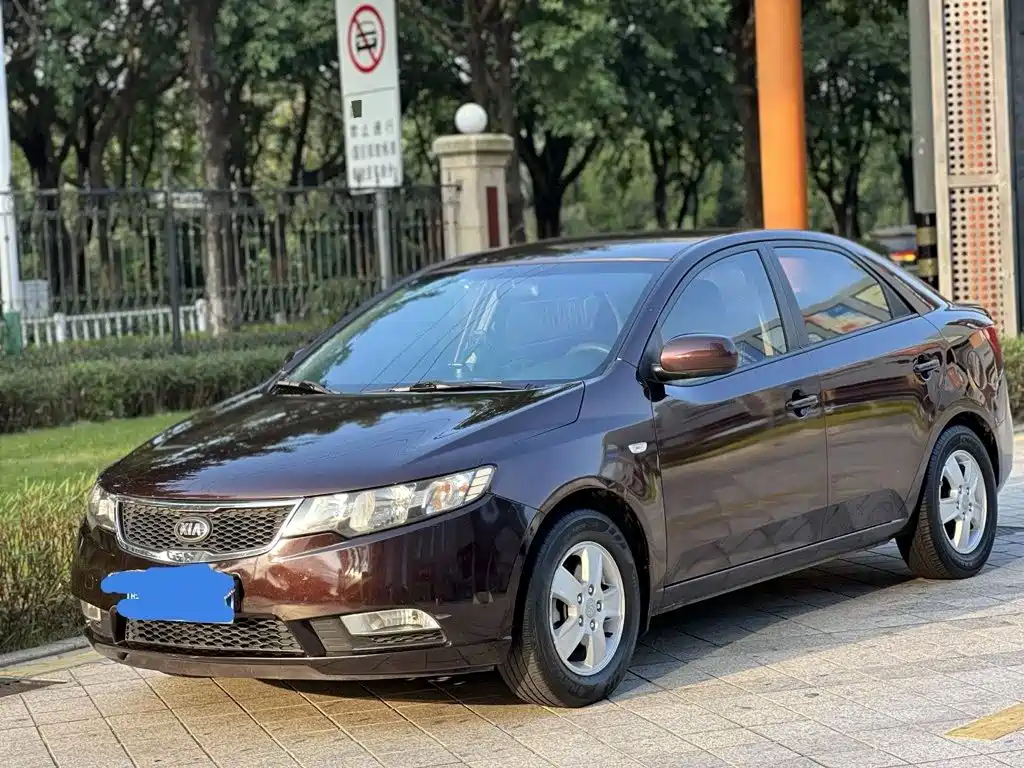
At a glance
- The China-origin Forte is a compact petrol sedan built around a 1.6-litre engine, with manual and automatic options across the range.
- GL, GLS, Premium and market-specific labels make VIN-level equipment verification essential.
- New units suit fleet standardization, while used cars can offer a lower entry cost after careful inspection.
- Export prices move with year, trim, gearbox, condition, exchange rates, freight and the selected Incoterm.
- Confirm MOQ, LHD/RHD configuration, destination compliance and shipping responsibility before paying.
Why the Kia Forte matters for export markets
The Kia Forte for export sits in the compact-sedan segment, where buyers look for a practical vehicle rather than a premium product. China-origin examples are centered on a 1.6-litre petrol powertrain and can appear with manual or automatic transmission, depending on trim. That combination gives overseas dealers a straightforward car for fleet use, local retail and budget-conscious private buyers, provided its specification and road legality are confirmed for the destination. Its appeal is strongest where fuel economy, running costs and straightforward servicing matter more than advanced driver assistance or maximum performance.
Kia Forte models have a long-standing global footprint, but a car exported from China should not be treated as a badge-identical copy of every Forte sold elsewhere. Chinese-market trims carry their own equipment, option bundles and emissions labels, including China V and China VI versions on some listings. The result is a model that can be attractive on value while still requiring an importer to verify specifications, documentation and compatibility with local standards. Two units with similar model-year labels may not be direct substitutes if their trim names, gearbox type or equipment differ.
For export planning, the Forte matters because it occupies a useful middle ground: familiar Kia positioning, a compact footprint and a conventional petrol powertrain. It can suit distributors seeking several trim configurations rather than one fleet-only specification, and it gives fleet buyers an easier vehicle to compare with sedans from Toyota, Honda and Hyundai. The strongest case rests on landed operating economics, not on the assumption that every overseas Forte specification is interchangeable. That distinction is especially important before committing to a mixed container with several trims in one shipment.
- Compact-sedan dealer and fleet fit.
- 1.6L petrol with MT or AT.
- Assess value after landed costs.
Model range, trims and powertrain variants: how the lineup is structured and how to choose
The Forte range is organized around a 1.6-litre engine with two transmission choices: manual (MT) and automatic (AT). Export-facing trim names include GL, GLS and Premium, together with market-specific labels such as Fashion Edition, Trend Edition, Value-Comfort Luxury and commemorative editions. These names are useful identifiers but they are not a universal global trim hierarchy. Buyers should compare the actual equipment on each VIN rather than assuming that a Premium designation guarantees the same content in every market or production year. Request a trim and equipment sheet before paying funds.
Manual versions generally suit markets and buyers who prioritize mechanical simplicity, driver involvement and lower acquisition cost. Automatic versions are easier to use in dense traffic and may be more attractive to fleet operators, drivers and customers who do not want to manage clutch work. The trade-off is not simply better versus worse: local fuel, resale expectations, insurance classification, parts support and the buyer’s own driving pattern should guide the decision. Check how many vehicles of each gearbox type are currently shown in the live inventory rather than ordering on assumption.
Choosing a Forte trim means matching equipment to the resale market, not simply taking the highest nameplate. Compare air conditioning, heating, windows, locks, infotainment, connectivity, wheels, safety equipment and service history, and establish whether every item is functional. China VI or another domestic emissions designation describes the source vehicle’s compliance context, not automatic approval in the destination country. For a Kia Forte specs comparison, request clear photographs, the VIN, production details and an itemized equipment list before placing funds. Missing equipment should be treated as a pricing issue, not assumed.
- Trim labels vary by market.
- Match gearbox to duty cycle.
- Verify equipment by VIN.
New vs used Kia Forte: how export inventory is structured and how buyers choose
Export inventory for the Forte is structured in two broad channels: new vehicles and used Kia Forte units. New examples are generally chosen for standardized condition, model-year consistency and a repeatable specification, while used vehicles can offer broader historical coverage and a lower entry cost. Within each channel, the model year, trim, gearbox, mileage, condition and documentation all affect suitability. Availability therefore changes by unit, and buyers should consult the live Kia Forte listings rather than rely on a general description of the range. Recheck the selected listing when placing the order.
New inventory is usually the cleaner choice for fleet standardization, dealer demonstration stock and customers who prioritize predictable preparation, warranty handling and presentation. The factory warranty may not transfer directly to the destination, so confirm its geographic coverage, duration and exclusions. Used cars can suit a budget dealer or fleet with planned replacement cycles, but transfer more uncertainty in wear, repairs, paint and mechanical maintenance. Lower acquisition cost must therefore be weighed against inspection, preparation and downtime. Treat the condition report as part of the purchase decision before final payment.
A practical buying sequence starts with a written target specification: body style, powertrain, gearbox, trim content, acceptable year and condition. Ask the seller to confirm whether each candidate is new or used, whether the mileage is verified, whether the VIN and title documents match, and whether any parts have been replaced. For used units, commission an independent inspection and document check before releasing the balance. For new units, verify production consistency, delivery accessories and claims that may not survive export. Do not let model-year shorthand replace a vehicle-level review before payment.
- New favors fleet standardization.
- Used lowers entry cost.
- Inspection reduces condition risk.
How export pricing works: the factors behind a live listing price, and how to read one
A Kia Forte export price is built from several interacting variables rather than one fixed catalogue rate. Model year and trim influence the base value, while manual versus automatic transmission, equipment, mileage, condition, ownership history and cosmetic restoration can move a used vehicle up or down. For any transaction, the exchange rate between the seller’s currency and the buyer’s currency, payment terms, freight, insurance, port charges and the selected Incoterm also affect the final commitment. The advertised vehicle price is therefore only one layer of the landed cost for an importer.
To read a live listing correctly, first confirm the currency, whether the figure applies to one vehicle, and whether shipping, taxes, duties or optional services are included. Check the year, exact trim, gearbox, mileage and condition, then look for inconsistencies between the title, photos and description. A lower asking price can be offset by higher freight, repairs or a less favorable Incoterm. Ask for a written quotation separating vehicle price from inland transport, export handling, ocean freight and destination charges. Clarify any fee described only as “possible” before making payment.
A useful Kia Forte export price guide is a process, not a promise of one market rate. Model comparable units by specification, normalize their currency, request the same Incoterm and freight route, then add the same duty, tax, insurance and inland-delivery estimates. Track exchange-rate and freight changes while the quote remains valid. Exact current pricing and availability appear in the live ChinaCarDirect inventory, while a binding quotation should be requested for the selected unit because vehicle details can change the economics. Confirm it in writing before any deposit is due.
- Price follows unit-specific variables.
- Separate vehicle and landed cost.
- Check current live listings.
MOQ, ordering and payment: single units vs consolidating a container
MOQ is a commercial term, so its practical effect depends on how a Forte is sold. Some vehicle listings may be available as individual units, while other sellers, consolidated lots or container-based offers may require several vehicles. Do not infer that a Kia Forte wholesale inquiry automatically permits the purchase of one car. Ask the supplier or platform to state the minimum quantity for the specific SKU, whether mixed trims and years are allowed, and whether the requirement applies at order, payment or shipment. Confirm this in writing before committing funds.
Ordering one vehicle is useful for a test import, a dealer seeking a demonstrator or a small fleet buyer validating demand. Consolidating a container can improve freight efficiency and give a distributor more model-year and trim flexibility, but raises capital exposure and makes quality consistency more important. Before grouping orders, define acceptable specifications in a written condition standard and decide who absorbs damage, missing-equipment claims or customs delays. Consolidation does not remove the need to inspect each unit or reconcile its VIN and paperwork before loading. Keep a modest claims buffer.
The normal transaction sequence is to locate a listing, request a quote, confirm the SKU and commercial terms, pay through the agreed channel, complete inspection and documentation, and then release the balance against shipment evidence. Payment milestones should correspond to verifiable events, especially for a used vehicle or a multi-unit order. Verify ownership, export eligibility, VIN consistency and the seller’s identity; use platform-supported communication and payment methods where possible. A written Incoterm then defines when risk and responsibility pass between seller, freight forwarder and buyer. Do not rely on informal promises alone.
- Confirm MOQ by SKU.
- Single units enable testing.
- Containers increase capital exposure.
Shipping, homologation and market compliance caveats: LHD/RHD and import rules by country
The first steering-wheel check is essential because Forte vehicles sourced from China are commonly configured for left-hand drive. Do not assume that a unit is right-hand drive merely because an overseas buyer wants one. Confirm the steering position, pedal and instrument arrangement, lighting, and any prior conversion from photographs, the VIN and the seller. If right-hand-drive supply is required, ask for documented factory configuration or a reputable conversion and budget for its cost, warranty limitations and destination inspection. RHD availability must be confirmed before the unit is chosen or funds are committed.
Common export movements include roll-on/roll-off shipping, container transport and consolidated cargo, with suitability determined by the vehicle count, dimensions, weight, route and handling requirements. Compare FOB, CIF and DAP-style responsibilities carefully so it is clear who arranges inland transport, loading, insurance, customs and destination delivery. The shipment file should match the VINs and commercial invoice and normally include the appropriate export, customs and transport documents. Freight quotations are only meaningful when they use the same origin, destination and Incoterm. Also clarify insurance coverage and the point at which risk transfers.
Market compliance can eliminate a vehicle even when it looks attractive and ships normally. Importers must check country-specific age limits for used cars, emissions and type-approval rules, safety requirements, customs valuation, duties, VAT or other taxes, and local registration procedures. A China VI label does not guarantee acceptance abroad, and modifications for a different steering position or lighting arrangement may require further approval. Obtain a local customs broker’s or authority’s view before committing, particularly for fleet or repeated imports. The same rule applies to every unit in a mixed consignment.
- Confirm LHD or RHD first.
- Compare Incoterms and freight routes.
- Check local import approval.
Who should buy the Forte — and who should pick a different vehicle
The Forte is a strong candidate for an overseas dealer that needs a familiar, compact sedan for fleet supply, local retail or a mixed customer base. The 1.6-litre petrol configuration and availability of manual and automatic versions let the buyer cover different price points and driver preferences without changing model families. It is especially practical where a straightforward vehicle, manageable servicing and an established brand name matter more than advanced cabin technology or sporty performance. Suitability still depends on local homologation and parts support. Do not assume support exists in every market.
Dealers should choose a different vehicle when their core requirement is minimal purchase cost, strong residual performance, a hybrid or electrified powertrain, premium refinement, high cargo capability or a factory right-hand-drive version without conversion. Fleets carrying heavy loads or operating on poor roads may prefer a more robust platform or higher ride height. The Forte’s sedan layout may not serve buyers needing abundant passenger space, a large trunk for specialist equipment or seven-seat flexibility. Comparing total operating and preparation costs will expose these mismatches. Test the vehicle under real duty cycles where possible.
Before buying, run a short suitability test: confirm the destination can register the exact version, establish a realistic parts and service plan, calculate landed cost, and identify the likely resale customer. Compare the Forte with at least two segment rivals on purchase price, fuel use, insurance, maintenance, warranty handling and resale expectations. For wholesale programs, test whether the trim mix has enough demand and whether suppliers can consistently meet the agreed specification. The best vehicle fits the market and operating plan, not merely the one with the most equipment. Check that fit on every unit.
- Strong fleet and dealer fit.
- Weaker for premium or EV needs.
- Validate compliance and parts support.
Main rivals and how the Forte compares
The Toyota Corolla is the most obvious global benchmark because it addresses the same compact-sedan buyer with a strong reputation for familiarity, fuel-conscious positioning and broad market recognition. The Forte may offer a more competitive acquisition case or equipment levels that suit a particular dealer, but the Corolla can carry an advantage where residual demand and service familiarity are decisive. Availability, exact generation and local pricing should be compared on the same landed-cost basis. The Forte can be the better value when local demand favors a newer or better-equipped unit.
The Honda Civic generally appeals to buyers who place more weight on refinement, handling and a higher specification image, while the Forte is typically chosen for a more straightforward, value-led brief. That is not a universal rule: age, condition, equipment and sourcing terms can reverse the comparison. A used Civic may suit a driver-focused customer better than a less-equipped Forte, while a well-maintained Forte can be more rational for a fleet. Inspect both against the same service-cost and resale assumptions. Neither badge removes the need for local inspection and condition verification.
The Hyundai Elantra is the closest conceptual rival because it competes for value-conscious compact-sedan buyers, fleet managers and importers seeking a straightforward alternative. The choice often comes down to equipment at the vehicle level, warranty portability, parts logistics, dealer familiarity and which specification can be sourced consistently. Since the Forte and Elantra can be evaluated on similar assumptions, compare live unit condition rather than broad badge reputation. The strongest decision is the model that delivers the required configuration at a sustainable landed and operating cost for the destination market and expected service life.
- Corolla emphasizes global familiarity.
- Civic emphasizes refinement.
- Elantra emphasizes value.
Live Kia Forte export inventory
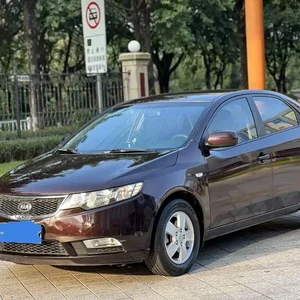
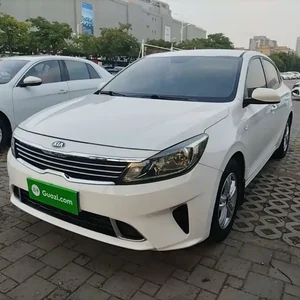
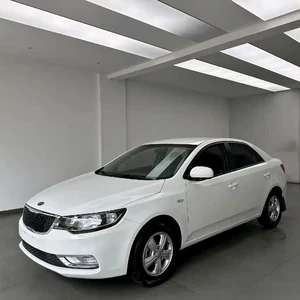
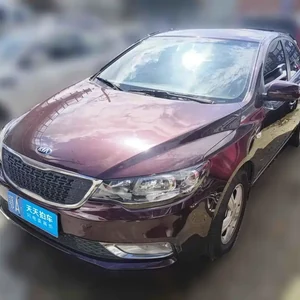
View all listings →Real units currently on ChinaCarDirect with per-unit asking prices and MOQ. Availability updates live from the catalogue.
How to buy a Kia Forte from China
-
1
Define the destination and vehicle brief
Set the destination country, required steering position, preferred gearbox, acceptable condition and target customer. Include local import, tax and registration rules in the brief before selecting a vehicle.
-
2
Search and shortlist live units
Use the live Forte listings to compare model year, trim, gearbox, equipment, condition and seller information. Shortlist by vehicle-level suitability rather than model-year labels alone.
-
3
Request a written quotation
Ask for the exact per-unit price, currency, MOQ, payment schedule, Incoterm, freight route and estimated destination charges. Clarify which costs are excluded from the quoted vehicle price.
-
4
Verify the selected vehicle
Confirm the VIN, production version, ownership documents, equipment list and new-versus-used status. For a used Forte, commission an independent inspection and reconcile the mileage and condition report.
-
5
Confirm MOQ and payment milestones
Obtain written confirmation of the minimum quantity and whether trims or model years can be mixed. Tie each payment milestone to a verifiable event, particularly before releasing the balance for a used vehicle or multi-unit order.
-
6
Complete inspection and shipping documents
Resolve any damage, missing equipment or document discrepancy before shipment approval. Ensure the commercial invoice, VIN list, export paperwork and transport documents agree with the contracted vehicles.
-
7
Ship, track and complete registration
Agree the freight method and Incoterm, monitor the movement and retain every original document. Confirm customs clearance, local inspection and registration before releasing the vehicles for sale or fleet operation.
Forte vs rivals
| Toyota Corolla | The Corolla is a close compact-sedan benchmark with broad international familiarity. Choose it when resale confidence and fuel-conscious operation are decisive; the Forte may offer a stronger landed value when a newer or better-equipped Chinese-origin unit is available. |
|---|---|
| Honda Civic | The Civic generally carries a more refinement- and driver-focused image, while the Forte is commonly selected for simpler fleet use and value. Condition, equipment and sourcing terms should determine the final choice rather than badge reputation alone. |
| Hyundai Elantra | The Elantra is a close value-oriented rival for compact-sedan buyers and importers. Compare vehicle-level equipment, warranty portability, parts logistics and local dealer support to identify which model can be sourced and supported more sustainably. |
Frequently asked questions
How is Kia Forte export pricing determined?
The live vehicle price is influenced by model year, trim, gearbox, equipment, mileage, condition and market movements. Freight, insurance, duties, taxes, exchange rates and the Incoterm determine the final landed cost. Check the per-unit figures on the live ChinaCarDirect Forte listings, then request a written quotation for the selected vehicle.
Does the Forte have an electric range or battery options?
This Forte export context concerns a 1.6-litre petrol engine with manual or automatic transmission, depending on the trim. It is not a battery-electric configuration, so there is no battery capacity or electric range to evaluate. If electrification is mandatory, compare a dedicated hybrid or electric model instead.
Should an overseas buyer choose a new or used Kia Forte?
New vehicles are generally easier to standardize for fleet presentation and preparation, while used cars can reduce the initial acquisition cost. Used units require closer inspection of wear, repairs, mileage, title documents and mechanical condition. The better choice depends on budget, fleet standardization and the buyer’s tolerance for preparation risk.
How does MOQ work for Kia Forte orders?
MOQ depends on the specific listing and seller: one unit may be possible, while a lot or container offer may require several vehicles. Confirm the minimum quantity, acceptable mix and stage at which the requirement applies. Do not assume that a wholesale inquiry automatically permits a single-unit purchase.
What determines Forte shipping time and cost?
Shipping depends on origin and destination ports, vehicle count, available sailing or vehicle-carrying space, freight rates, fuel surcharges, handling charges, insurance and customs clearance. The chosen Incoterm also determines which party arranges and pays for each stage. Compare freight quotations using the same route and responsibilities.
Are spare parts readily available for exported Forte models?
Parts can generally be ordered, but compatibility should be checked using the VIN, production year and original equipment because Chinese-market trims may differ from global versions. Confirm common service items and electronic components with the seller or a local Kia parts network. A realistic parts plan is essential before committing to a large fleet order.
Is right-hand-drive Kia Forte availability guaranteed?
No. China-origin Forte vehicles are commonly left-hand drive, and right-hand-drive supply should not be assumed. Ask for documented factory configuration or evidence of a reputable conversion, then confirm whether the destination accepts that configuration. Budget separately for conversion, inspection and possible registration complications.
How do I order a Kia Forte from China?
Start with the live Forte inventory, shortlist vehicles against a written specification and submit an RFQ for the selected unit. Confirm price, MOQ, payment milestones, inspection requirements, documents and Incoterm before paying. Release the balance only after the vehicle and paperwork have been verified against the agreed terms.
Ready to source the Kia Forte?
Request a vehicle-specific Kia Forte quote with confirmed MOQ, specification, Incoterm and shipping details through ChinaCarDirect.
Request a quote