
Kia K3 Export Buying Guide for Overseas Dealers
Plan a Kia K3 export purchase with clear guidance on trims, used versus new cars, live pricing, MOQ, shipping, compliance and rival models for importers.
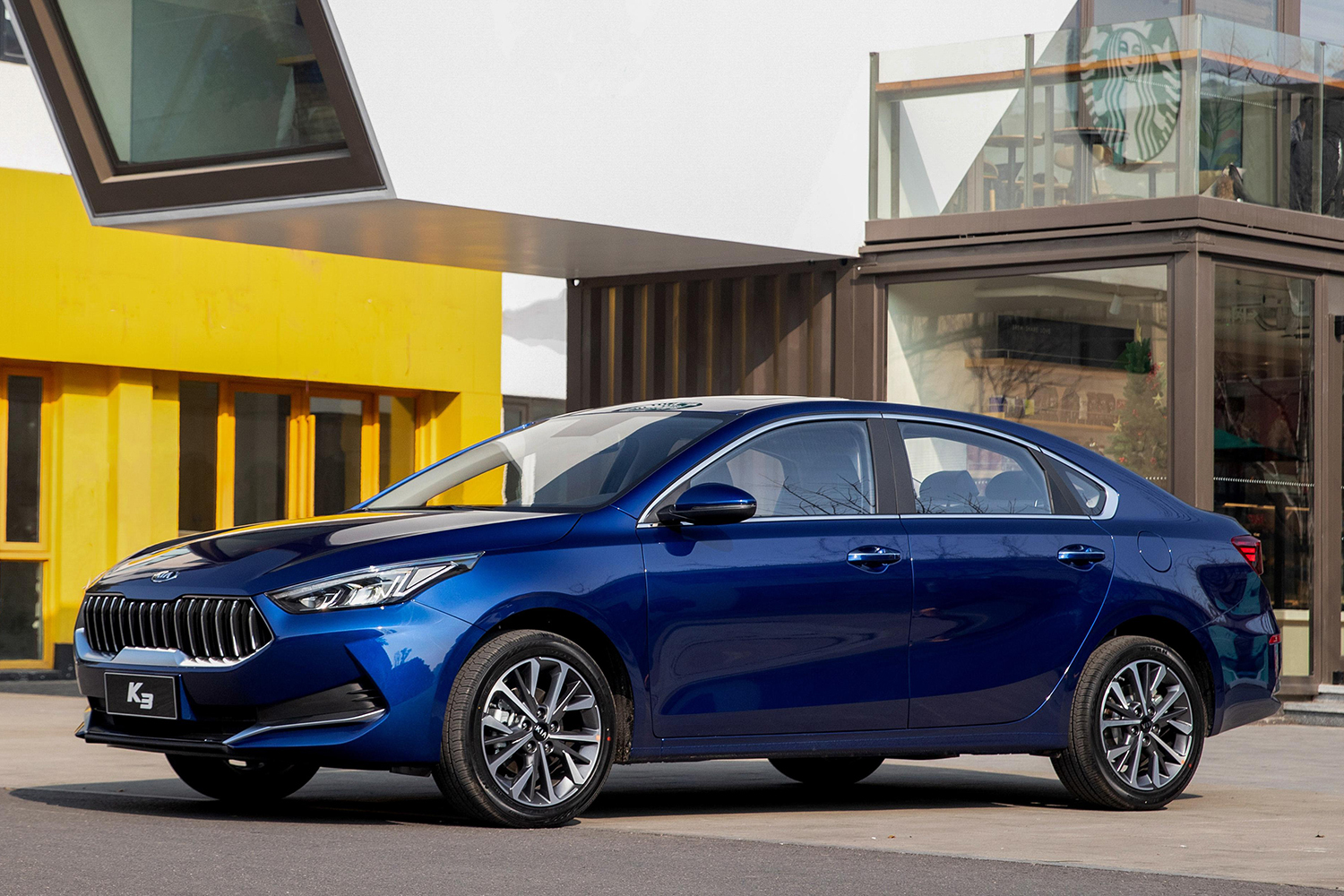
At a glance
- The K3 occupies the compact four-door petrol sedan segment, combining familiar sedan utility with a broad mix of trims.
- The range spans 1.5L, 1.6L, 1.8L and 1.4L turbo engines with CVT, manual, automatic or DCT choices.
- New cars suit standardised fleet handover, while a used Kia K3 suits budget-led buying after documented inspection.
- Export pricing is quoted per vehicle and depends on specification, condition, freight, exchange rates and Incoterm.
- RHD supply, destination homologation, import taxes and local parts support must be confirmed before contracting.
Why the Kia K3 matters for export markets
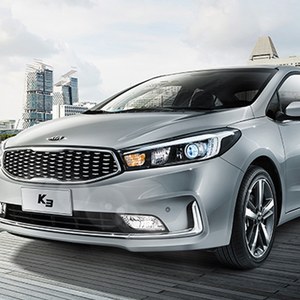
The Kia K3 is a compact four-door sedan for buyers who need practical passenger capacity, manageable dimensions and conventional petrol propulsion. It appeals to overseas dealers building a fleet, importers seeking a familiar model, and private buyers comparing value within the compact-sedan class. Its export relevance comes less from one universal specification than from familiar layouts: saloon-style bodywork, multiple engine and transmission combinations, and both new and pre-owned vehicles entering the export channel. That variety lets a buyer optimize purchase outlay, driver familiarity, equipment and expected resale, provided each unit is checked against the destination market’s requirements.
In its segment, demand follows the compact sedan’s core strengths: straightforward loading, useful passenger space and a smaller footprint than larger family cars. For dealers, the K3 can fill an entry fleet tier, rental or company-car offer, or a value-led used-car range. For importers, the model’s established badge and broadly understood layout can simplify comparison, although name recognition does not replace physical inspection. Export interest is also shaped by fuel availability, traffic, road conditions and the buyer’s ability to service the car. Those variables matter more than whether a listing uses a low advertised price.
Treat the China-market K3 as a sourcing pool rather than a single global specification. The same model name may appear with different engines, transmissions, equipment bundles and facelift treatments, and a unit assembled for Chinese roads may not be homologated for another country without checks or modification. A sound export decision starts with the use case: urban fleet, ride-hailing, private resale or mixed fleet. It then narrows to condition, drivetrain familiarity, parts support and the destination’s exact registration rules. ChinaCarDirect centralizes the search, but the live unit record and local compliance evidence remain decisive.
Model range, trims and powertrain variants: how the lineup is structured and how to choose
The K3 range should be read as several powertrain families rather than one trim ladder. Chinese-market records include 1.5-litre cars paired with CVT, 1.6-litre cars with manual or automatic transmissions, and an 1.8-litre automatic version. A separate 1.4-litre turbo DCT GT-Line variant appears as a performance-oriented branch. Common trim labels include GL, GLS and DLX, while Youth, Fashion, Luxury, Comfort Premium, Smart Connect and anniversary editions reflect equipment packages. Names are not a reliable hierarchy across model years, so compare the full listing rather than assuming a newer or elaborately named edition is mechanically different.
Transmission choice is often more useful than badge level for overseas fleet buyers. A manual can suit markets where drivers know it, although it places more operating effort on the driver. A conventional automatic is familiar in many export destinations and easy to use in traffic. The 1.5-litre CVT family emphasizes smooth, simple operation, while the DCT-equipped turbo car targets buyers seeking a more engaging drivetrain. None of these labels guarantees better fuel economy or reliability in a particular market. Select the combination your drivers understand, your workshop can service and your customers will accept.
Equipment decisions should be made from the exact vehicle, not the K3 name. A GLS or special edition may include additional comfort equipment, and some cars are offered with a sunroof, but features change across model years and editions. Ask the seller for the equipment list, interior and exterior photographs, dashboard images, infotainment language, tyre specification and any camera or parking-assistance equipment. Verify that air-conditioning, infotainment, instruments and controls suit the destination climate and drivers. For fleet resale, standard equipment is often easier to explain and service than a highly optioned car.
- Match transmission to local driver familiarity.
- Compare trim equipment within the same model year.
- Verify climate suitability before shipment.
New vs used Kia K3: how export inventory is structured and how buyers choose
Export inventory for the K3 naturally separates into two channels. New cars offer newer model years, consistent trim presentation and the possibility of a manufacturer warranty, although that warranty’s usefulness abroad must be checked. Used cars broaden the choice of ages, mileage levels and price points, often making the model more accessible for budget fleets. The market also contains facelift, anniversary and special-edition cars, so new or used does not tell the whole story. For buyers looking to buy Kia K3 from China, use each live listing’s year, trim, condition, odometer reading, seller status and photographs as the basis for comparison.
For a used Kia K3, value depends on inspectable condition rather than model year alone. Review bodywork, panel gaps, paint, glass, tyres, brakes, suspension, cabin wear and the maintenance record. A cold start, road test and diagnostic scan can reveal issues photographs miss. Also check the VIN, registration documents, import history, accident or flood evidence and the odometer reading. For an exported used car, local age restrictions and emissions rules may matter as much as mechanical condition. A lower purchase price can be offset by immediate tyres, service or compliance work.
A new K3 is cleaner when a buyer needs uniform fleet specification, current equipment, known delivery condition and a simple handover. Confirm whether the car is road-registered, what warranty applies, whether PDI and delivery charges are included, and which optional accessories are fitted. Also determine whether the supplier allows mixed editions rather than forcing one batch. Used inventory remains rational when acquisition cost is the priority, the vehicle will be inspected thoroughly and replacement costs are budgeted. Compare not new versus used in the abstract, but total operating and handover cost for the same fleet use case.
- Inspect and scan every used vehicle.
- Confirm warranty coverage outside China.
- Budget immediate service and compliance work.
How export pricing works: the factors behind a live listing price, and how to read one
An export price for a Kia K3 is the output of several variables, not a fixed model-level tariff. The vehicle’s year, new or used status, trim, engine, transmission, mileage and visible condition establish the baseline. Then come exchange rates, seller margin, port charges, inland transport, freight, insurance, documentation and the selected Incoterm. A listing’s displayed amount may represent the vehicle price only; duties, taxes, registration, port handling and delivery are separate until a destination quotation is prepared. Compare offers on the same landed-cost basis so a lower headline price is not hidden by a narrower scope of supply.
Read a live Kia K3 listing from left to right. Confirm the model year and exact trim, then check whether the title describes an automatic, manual, CVT or DCT car. Review mileage, condition wording, images, seller location, SKU and stated equipment. Note what is included or excluded, and whether the vehicle is immediately available or still moving through export preparation. Ask for the price basis, payment schedule, Incoterm, named port and validity period in writing. If those fields are absent, treat the displayed figure as an enquiry point rather than a final delivered price.
Wholesale comparison works best when the specification is standardized. Build a shortlist of similar year, trim, powertrain, condition and mileage, then request comparable quotations on the same payment and shipping terms. The Kia K3 export price guide is a methodology, not a fixed benchmark: historical marketplace figures become stale as exchange rates, freight and stock conditions change. Record each quote’s inclusions and exclusions, verify unusual features against the vehicle, and negotiate from total landed cost. For the current binding amount on a specific unit, check the live listing and obtain a written quote.
- Compare identical specifications and commercial terms.
- Separate vehicle price from landed cost.
- Use written quotations with validity dates.
MOQ, ordering and payment: single units vs consolidating a container
Minimum order quantity is a commercial term that must be confirmed for each seller and quotation. A K3 offer may be structured for individual professional purchases, a batch or tiered volume pricing. A sensible first transaction is often one inspected vehicle: it lets the importer validate trim quality, export documents, packing and delivery performance before scaling up. That does not mean every seller will accept the same quantity or payment schedule. Ask for the MOQ, any mixed-model allowance, unit price at each volume tier and consequences of changing the vehicle specification after deposit.
Container consolidation can improve efficiency, but only when the buyer controls the variables that create disputes. Grouping cars of the same year, trim, engine, condition and equipment makes inspection simpler and supports a uniform resale proposition. Mixing generations, transmissions or noticeably different mileage can create unsold stock and inconsistent customer expectations. A Kia K3 wholesale programme may also be combined with other compatible sedans, provided the importer can market and service each subgroup. Agree the allocation, inspection standard and substitution rule before paying, and retain flexibility to replace a failed inspection without changing the entire container plan.
The ordering sequence should be controlled rather than improvised. Send an RFQ with destination, port, quantity, preferred year range, powertrain and budget logic; request the seller’s MOQ, payment terms, invoice format and proposed Incoterm. After specification confirmation, make a deposit under a written contract, complete an inspection, pay the balance against agreed evidence, and collect the export, customs and title documents required in the destination market. Do not rely on a chat message for the final price or vehicle identity. Include the SKU in each order document so the deposit is tied to a specific car.
Shipping, homologation and market compliance caveats: LHD/RHD and import rules by country
Left- or right-hand drive is the first configuration check because availability varies by source car and destination. A Chinese-market listing may not state the steering position clearly enough, and replacing or converting an incorrect configuration adds cost, lead time and safety risk. Confirm the steering-wheel side, driver controls, lighting, mirrors, instruments, air-conditioning controls and wiper arrangement. The same check applies to market-specific equipment. For RHD markets, it is safer to source an RHD example from the outset where available than to assume a conversion is straightforward, fully compliant and commercially worthwhile.
Homologation is country-specific and should be treated as a separate approval exercise. Depending on the destination, imported cars may need evidence for roadworthiness, emissions, safety, electrical compatibility, noise, fuel, software or type approval; confirm exact requirements with the relevant authority. For used vehicles, minimum age, inspection and emissions restrictions can narrow the eligible pool. Customs classification, import duty, VAT or other taxes, anti-theft requirements and registration rules also affect the total project. Do not assume that a Chinese-market K3 is automatically accepted or that another region’s configuration transfers without modification.
Shipping method should match quantity and urgency. A single vehicle may move by roll-on/roll-off or consolidated vehicle transport, while a grouped order can justify containerized carriage; the choice depends on available space, terminals, handling and security. Freight cost changes with port pairs, season, fuel surcharges, route disruptions and cargo condition or dimensions. Pre-shipment inspection, lashing, moisture protection, insurance and destination handling should be allocated in the Incoterm. Request original documents early, and use a freight forwarder that can explain where responsibility transfers and what customs must receive before the vehicle departs.
- Confirm steering position before contracting.
- Check approval requirements with local authorities.
- Assign inspection, insurance and handling costs.
Who should buy the K3 — and who should pick a different vehicle
The K3 is a strong candidate for overseas dealers and importers serving the compact-sedan segment with a cost-sensitive fleet or retail plan. It makes sense when the priority is a practical four-door body, petrol operation, driver familiarity and a broad mix of trims and price bands. It can also suit a used-car specialist comfortable with inspection and reconditioning, or a private importer seeking a conventional sedan rather than a premium model. The strongest buyers are those who research local service support, maintain realistic vehicle specifications and calculate the full cost of ownership before ordering.
Choose another vehicle when requirements fall outside the K3’s mainstream proposition. Buyers bound by zero-emission mandates, needing verified electric range or seeking plug-in charging capability should select an eligible electrified model instead. A performance-focused customer may prefer a rival with a more powerful engine or chassis, while families needing a larger cabin, SUV access, greater cargo volume or all-weather capability may need another body style. Buyers requiring a specific rare feature, premium brand prestige, an extensive local dealer network or guaranteed European parts support should verify those needs rather than assume the badge covers them.
Use a decision matrix before placing an RFQ. Compare total landed cost, fuel use, service intervals, parts availability, warranty coverage, driver training, residual demand and the time needed to place each car. For a large fleet, standardization often matters more than the lowest price for one unit; for a specialist importer, access to a clean, correctly configured vehicle may justify a different trim. The Kia K3 specs a buyer should compare are contextual: engine, transmission, equipment, condition, documentation and destination suitability. A model that fits the operating environment and support network is more valuable than an attractive price.
- Choose K3 for compact petrol fleets.
- Select alternatives for EV mandates.
- Compare total operating costs.
Main rivals and how the K3 compares
The Hyundai Elantra is one of the closest alternatives because it competes in the same global compact-sedan class, with similar size, four-door practicality and an emphasis on efficiency and everyday usability. The decision often comes down to exact powertrain, equipment, local aftersales support and the landed quotation for the vehicle. Do not assume that a Chinese-market Elantra and K3 have identical standards because both wear familiar badges. Compare the exact engine, transmission, condition, documentation and local parts position; the better fit is the one your customers can maintain and resell profitably.
The Toyota Corolla is a relevant rival where buyers prioritize an established compact-sedan proposition, international recognition and a strong resale framework. It may be more familiar to some destination-market drivers and can offer hybrid choices in certain markets, so it deserves consideration when fuel taxation or emissions rules favor electrified powertrains. However, the competing car may differ in equipment, source market and ownership history. Compare like-for-like quotations, including delivery, taxes and support, rather than treating reputation as proof of lower operating cost. Check availability and configuration for the importing country before shortlisting it.
The Honda Civic is another benchmark for buyers who place more weight on driving character, cabin presentation or higher equipment. Depending on the importing market, a Civic may be a used car, a different generation or a specification with features the K3 lacks. That can attract private buyers, yet be less straightforward for a fleet importer seeking simple trim consistency. Compare the exact vehicle, total ownership cost, parts and service access, and whether the rival’s stronger perceived image produces enough extra demand to justify its acquisition and operating cost in that market.
- Elantra: closest like-for-like benchmark.
- Corolla: resale and hybrid relevance.
- Civic: equipment and driving appeal.
Live Kia K3 export inventory
View all listings →Real units currently on ChinaCarDirect with per-unit asking prices and MOQ. Availability updates live from the catalogue.
How to buy a Kia K3 from China
-
1
Define the destination and use case
State the destination country, port, handedness, fleet or retail purpose, and preferred model years. This turns the broad Kia K3 range into a compliant sourcing brief.
-
2
Shortlist the engine and transmission
Compare 1.5L CVT, 1.6L manual or automatic, 1.8L automatic and 1.4L turbo DCT configurations. Select the drivetrain your drivers know and local workshops can support, then define the required trim equipment.
-
3
Review live K3 units
Use the live K3 inventory to compare year, trim, condition, mileage, photographs, seller location and stated equipment. Treat every listing as unit-specific and request a written quote for the current price and availability.
-
4
Request a comparable RFQ
Send the destination, port, quantity, preferred specifications, payment capability and Incoterm needs. Ask for MOQ, unit pricing, inclusions, exclusions, quote validity, lead time and document requirements.
-
5
Verify the seller and documents
Check legal business details, vehicle identity, registration documents and export paperwork before committing. Ensure the VIN and agreed vehicle description in the proforma match the selected car.
-
6
Inspect before final payment
Review or commission an independent inspection of the exterior, interior, engine bay, underbody, tyres, brakes, fluids and diagnostic condition. Document defects and agree repair, refund or substitution terms before releasing the balance.
-
7
Book shipping and complete import steps
Agree the Incoterm, named port, transport mode, insurance, cut-off dates and document handover with a specialist forwarder. Confirm customs classification, duty and tax treatment, homologation evidence and local registration before delivery.
K3 vs rivals
| Hyundai Elantra | The Elantra is a close compact-sedan rival with similar everyday utility, making powertrain, equipment, local support and landed cost the decisive factors. Compare the exact imported vehicles because source market and condition can outweigh badge-level similarities. |
|---|---|
| Toyota Corolla | The Corolla is especially relevant where international recognition, resale reputation and hybrid availability influence demand. It may suit some markets better, while the K3 may offer a more suitable trim and fleet specification for importers targeting the Chinese vehicle channel. |
| Honda Civic | The Civic can appeal to buyers prioritising driving character, cabin presentation and higher equipment. A fleet importer may prefer the K3’s clearer configuration choices, while private buyers should compare the exact vehicle, ownership history and total operating cost. |
Frequently asked questions
How is Kia K3 export pricing determined?
Export pricing reflects the vehicle’s year, trim, powertrain, new or used status, mileage and condition, together with exchange rates, freight, insurance, port charges, documentation and Incoterm. A live listing shows the current per-unit vehicle amount, but the binding delivered total should come from a written quotation stating all inclusions and exclusions.
What powertrain and range options are available?
The K3 variants represented use 1.5L, 1.6L and 1.8L petrol engines, plus a 1.4L turbo DCT version. Transmissions include CVT, manual, automatic and DCT depending on trim. As a petrol model, the K3 has no battery-electric range or charging figure; confirm output, fuel consumption and other specifications on the exact live listing.
Should an overseas buyer choose a new or used Kia K3?
New cars generally suit buyers prioritising consistent specification, known handover condition and newer model years. Used cars can reduce acquisition cost and broaden trim and mileage choice, but require inspection of the body, cabin, tyres, maintenance records, VIN and import documents. Compare total operating and compliance costs rather than acquisition price alone.
How does MOQ work when ordering a Kia K3?
MOQ is set by the seller and written quotation, not by the model name. Ask what quantity applies, whether mixed versions are allowed, and whether volume tiers change unit pricing or payment terms. A single-unit purchase can be used to validate the process if the seller accepts it.
What determines shipping time and cost?
Shipping time and cost vary with origin and destination ports, transport method, season, route conditions, space availability, handling and insurance. A single vehicle and a consolidated container can have different economics and schedules. Confirm the Incoterm, named port, cut-off dates and every charge in the booking.
Are spare parts available for exported Kia K3 vehicles?
Parts support depends on the destination and exact engine and trim, not just the Kia badge. Buyers should compare local dealer coverage, catalogue availability and lead times for wear items before importing. Keep the vehicle identification and original parts references with each unit, and clarify whether any aftersales support is provided by the seller.
Is a right-hand-drive Kia K3 available for export?
RHD availability depends on the exact source vehicle and how often suitable examples are offered. Confirm steering side, driver controls and market-specific equipment before ordering; do not assume a Chinese-market listing can be converted economically or approved automatically. Check current K3 listings and request a written statement for every selected unit.
How do I order a Kia K3 from China?
Start with live Kia K3 listings, shortlist a specification and send an RFQ stating the destination, quantity, preferred years, powertrain and Incoterm needs. Obtain a written quote covering MOQ, payment schedule, vehicle identity, inspection and shipping terms, then use the agreed documents for payment and export. Always confirm the current price and availability on the live unit.
Ready to source the Kia K3?
Send your destination, quantity and preferred Kia K3 specification for a current written quotation and RFQ.
Request a quote