
Kia K3s Export Buying Guide for Overseas Buyers
Compare Kia K3s export options with practical guidance on trims, manual and automatic variants, used cars, live pricing, MOQ, shipping, compliance and rivals.
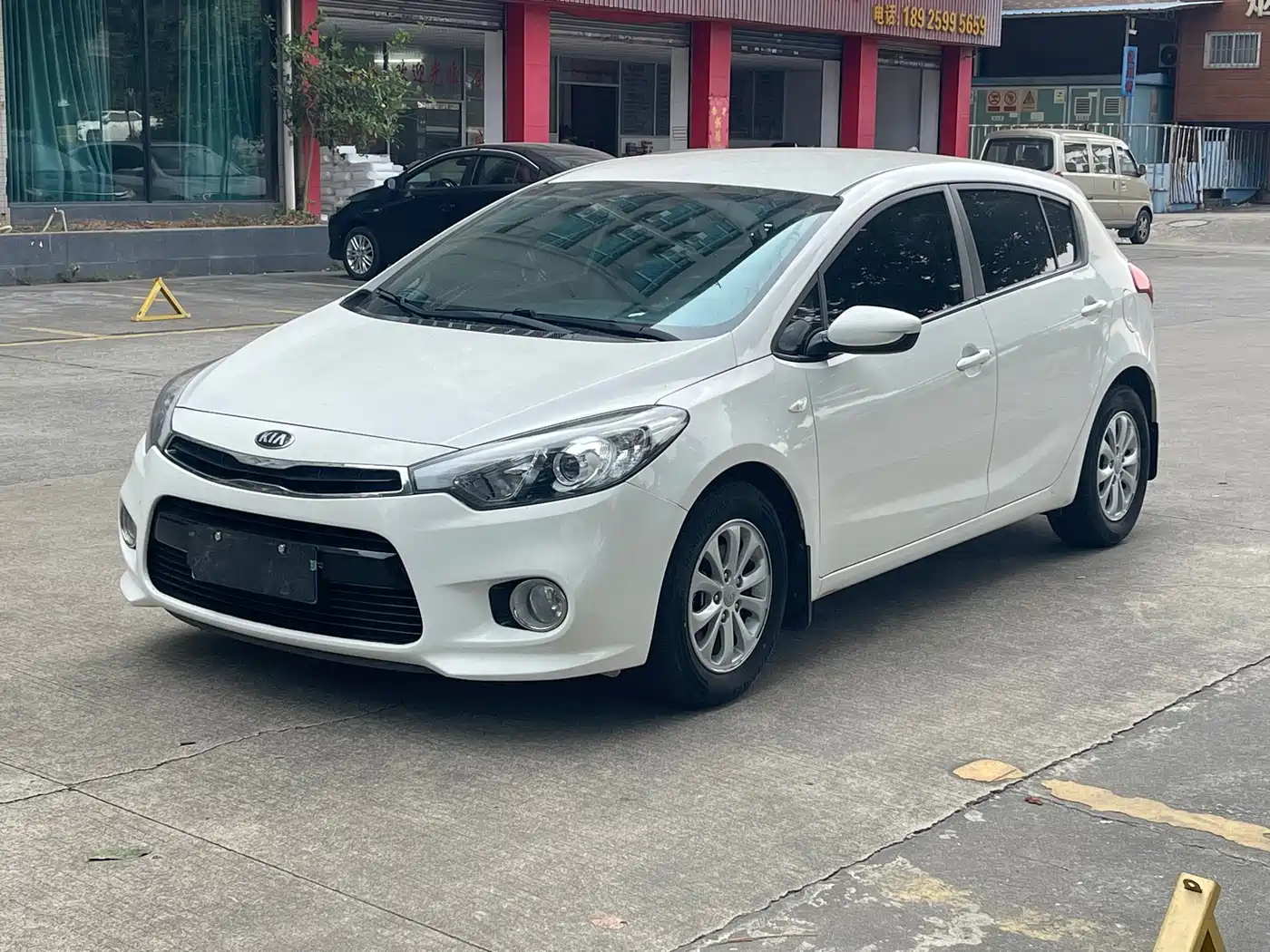
At a glance
- The Kia K3s serves value-conscious fleet, dealer and private buyers seeking a practical compact petrol sedan.
- Buyers can compare 1.6-litre manual and automatic versions across GL, Premium, GLS and DLX trim labels.
- Used cars broaden sourcing options, but condition, service history and ownership documents require careful verification.
- Export price depends on the individual vehicle, its condition, logistics, taxes, exchange rates and agreed Incoterms.
- Live listings provide current per-unit pricing, availability and RFQ terms, while destination rules determine road legality.
Why the Kia K3s matters for export markets
The Kia K3s occupies the practical, value-led compact sedan market. Its 1.6-litre petrol engine, manual or automatic transmission, and several equipment grades give overseas buyers an alternative to larger sedans. For dealers, it can cover taxi, ride-hailing, company-car and entry-level retail roles without moving into a premium price band. The appeal is not luxury; it is the combination of a familiar three-box format, manageable running costs and easier fleet servicing. It also suits importers who want a proven internal-combustion model rather than invest early in charging infrastructure or unfamiliar electric platforms.
Demand for the K3s comes from its ability to serve several buyer types with one platform. A fleet operator can prioritize lower acquisition cost and durable availability; a dealer can offer automatic convenience to private buyers while using manual versions for price-sensitive work. Used examples widen the route to fleet renewal, particularly where older internal-combustion sedans remain practical. This flexibility is commercially important, because an importer must match steering configuration, documentation and service support to the destination market rather than simply move whichever vehicle is easiest to source at the lowest initial outlay.
The K3s should therefore be judged against the buyer’s operating plan, not against headline purchase cost alone. Petrol sedans can suit routes with reliable fuel access and established repair networks, yet taxes, insurance, fuel use and residual demand can change the result in another country. Before importing, compare local tax treatment, expected parts support, workshop capacity and the cost of keeping vehicles in service. A current quote should be compared on the same landed-cost basis, and the live listing should be checked for the precise unit, condition, documents and specification being offered.
- 1.6-litre petrol sedan
- Manual or automatic
- Value-led fleet positioning
Model range, trims and powertrain variants: how the lineup is structured and how to choose
The export-facing K3s range is organized around a compact sedan body and the 1.6-litre petrol engine. Available listings pair that engine with either a manual or automatic transmission. Trim names include GL, Premium, GLS and DLX, but the names alone should not be treated as a universal equipment dictionary. Market, production year and sourcing batch can change fitted features. Buyers should therefore request a written equipment list for each vehicle, covering air conditioning, infotainment, seating, safety equipment, wheels and any other item that affects use or resale in the destination market.
Transmission choice is the first operational decision. A manual can suit drivers accustomed to it, lower-cost fleet use, and buyers who value a straightforward mechanical specification, although the exact vehicle price and total cost still need confirmation. An automatic reduces driver workload in dense traffic and makes the car easier to deploy across a mixed-experience fleet. Its suitability depends on the maintenance record, shift quality and calibration rather than the transmission label alone. Test both if possible, inspect the fluid condition and ask whether the automatic has a service history or a warranty that will continue in the destination country.
For trim selection, compare GL, Premium, GLS and DLX as labels to investigate for equipment differences, not as guarantees of a consistent feature list. Compare the actual car against another unit of the same trim, because condition and prior updates can outweigh a small trim difference. Ask for engine output, emissions information, fuel-consumption figures, fuel-tank capacity and dimensions because these details may vary by source and are not always visible in a summary. If a buyer needs battery range or charging capability, the petrol K3s should not be treated as an electric or hybrid substitute.
- GL, Premium, GLS and DLX
- Manual or automatic
- Verify equipment per vehicle
New vs used Kia K3s: how export inventory is structured and how buyers choose
New and used Kia K3s vehicles serve different buying strategies. A new vehicle can offer a more predictable specification, current model-year features and the possibility of manufacturer or distributor warranty coverage, subject to the supplier and destination. It also carries normal new-car depreciation and may require waiting for production or allocation. A used vehicle can reduce the initial purchase commitment and broaden access to older fleet specification, but it transfers more uncertainty about maintenance, wear and repair history. Neither category is automatically cheaper after freight, tax, insurance and downtime costs.
For a used K3s, the inspection should be treated as part of the product. Check body panels and paint, mileage consistency, service records, VIN, title or ownership documents, tyre condition, brake wear, suspension condition, underbody corrosion, leaks and warning lights. A cold start should be requested where practical, followed by an idling test and a road test in both manual and automatic applications. Automatic cars deserve particular attention to shift quality, fluid leaks and harsh engagement; manuals need clutch operation, gear engagement and evidence of proper service. Independent inspection is sensible for larger purchases.
Use-case should decide the balance. A price-sensitive fleet with trained drivers may accept a simpler used car if parts support is local and downtime is controlled. A dealer serving private customers may favor an automatic used vehicle in better condition, because perceived ease of use and presentation affect resale. A company seeking a standardized new fleet should prioritize common specifications and confirm warranty support instead of buying mixed units opportunistically. The mix of new and used cars in export inventory changes over time, so use the live listings as the source for current availability and ask for a written vehicle-by-vehicle condition report.
- Predictable new specification
- Condition-sensitive used buying
- Standardize company fleets
How export pricing works: the factors behind a live listing price, and how to read one
A Kia K3s export price starts with the value of the individual vehicle, not with one fixed model-wide rate. Year, trim, manual or automatic transmission, mileage, exterior and interior condition, service history, ownership evidence and visible equipment all affect the seller’s asking price. A clean, well-presented unit with complete records should not be compared directly with a high-mileage example, discounted because it needs work. Use like-for-like units when reviewing the live inventory, and note whether each quote includes tax, export documentation or only the vehicle at the stated applicable Incoterm.
The landed price adds a second layer. Depending on the agreed Incoterm, it may include inland transport, origin handling, export clearance, marine or vehicle-carrier freight, insurance, terminal charges, destination customs work, import duties, taxes and port fees. Exchange-rate movements and the route can also change the final commercial total. Ask for an origin quote and a destination landed-cost estimate with each charge identified. This prevents a lower vehicle figure from appearing attractive while hidden logistics, duty or tax obligations make the vehicle more expensive than a competitor in the same market.
When reading a live K3s listing, check the currency, unit identifier, model year, trim, gearbox, condition, mileage and included documents before assuming the displayed amount is comparable. Confirm whether the seller accepts an order for one unit, whether the quote has a validity period and what happens if inspection or payment fails. A professional pro forma invoice should identify the vehicle or agreed allocation, Incoterm, payment milestones, inspection standard and refund conditions. Exact per-unit prices and availability should be taken from ChinaCarDirect’s live K3s listings and reconfirmed for the current RFQ.
- Compare like-for-like vehicles
- Separate origin and landed costs
- Confirm quote terms and validity
MOQ, ordering and payment: single units vs consolidating a container
For a Kia K3s wholesale program, MOQ is a supplier term, not a fixed characteristic of the model, so it must be confirmed in the live offer and written quotation. Some vehicle offers can be purchased individually, while a seller or freight program may set a lot minimum, especially for grouped orders. A single-unit purchase offers flexibility and lower inventory exposure but can leave the buyer paying more per vehicle in freight and handling. A consolidated order can improve transport utilization, yet it ties up more capital, requires common specifications and increases the consequence of one damaged or non-compliant vehicle.
Before consolidating a shipment, buyers should model both vehicle and non-vehicle costs. Mixed trims or transmissions may suit different departments but complicate parts planning and resale. A shared container or consolidation service can reduce freight per vehicle, but coordination, storage, inspection and demurrage can offset savings. Confirm the loading plan, vehicle allocation, insurance coverage and who bears loss or damage at each handoff. For fleet buyers, a phased call-off arrangement may be preferable: it combines shipment economics with staggered deployment, provided the seller can guarantee the agreed specification and delivery sequence.
The safest ordering sequence is clear: review the live listing, request a vehicle-specific pro forma invoice, complete a document and identity check, pay a staged deposit, inspect or receive the agreed inspection report, settle the balance, and release the unit for export. The balance and release trigger should be linked to satisfactory inspection and receipt of title, registration and export documents. Confirm bank beneficiary details independently and clarify refundable amounts, cancellation terms and who pays if a vehicle differs from the written specification. ChinaCarDirect’s RFQ channel can be used to request these terms before any commitment.
- Confirm MOQ in writing
- Balance flexibility against freight
- Link release to inspection
Shipping, homologation and market compliance caveats: LHD/RHD and import rules by country
Compact sedans such as the K3s can travel by container or specialist vehicle carrier, but the correct method depends on the carrier’s accepted dimensions, loading plan and destination handling. Pre-shipment checks should cover fluid levels, battery condition, loose items, tyre condition and moisture or damage on the underbody. Freight cost and transit time are affected by origin and destination ports, sailing frequency, carrier space, season, route disruption, insurance and the Incoterm. Get the charge basis and cut-off dates in writing, and avoid assuming that door-to-door and port-to-port arrangements provide the same protection.
Steering configuration is a critical sourcing check. Do not assume that a vehicle offered in China will be right-hand drive simply because the destination expects it; confirm the configuration shown for the actual unit. A left-hand-drive car may be acceptable where regulations and customer use allow it, but a right-hand-drive requirement can rule it out. If local rules permit conversion, assess the cost and practical consequences: altered controls, electric systems, cooling, safety checks, warranty, insurance and parts supply may all be affected. For fleets, driver fit and regulatory acceptance are more important than a low vehicle acquisition figure.
Import and road-use rules vary materially by country and can depend on vehicle age, emissions standard, engine output, VIN, gross weight and the importer’s status. Used-car imports may be restricted, taxed differently or subjected to age limits, while local registration may require inspection or modification. Verify the exact source documents, emissions label, approval or conformity requirements, customs classification, duty and tax treatment, insurance and registration with a customs broker or the destination authority before committing. Rules can change, so the importer must recheck current requirements for each shipment rather than rely on another vehicle’s paperwork.
- Confirm LHD or RHD
- Compare container and RoRo
- Verify local import rules
Who should buy the K3s — and who should pick a different vehicle
The Kia K3s is a strong fit for overseas buyers seeking a straightforward petrol compact sedan with both manual and automatic options. It suits cost-conscious fleets, local dealers rebuilding entry-level stock and private buyers prioritizing affordability over advanced electric capability or premium performance. Markets with established sedan demand, accessible fuel and a workable parts and service network offer the best operating logic. Buyers should also have the capacity to import, inspect and maintain used vehicles, because low acquisition cost cannot compensate for unavailable parts or prolonged workshop downtime at the destination.
It is a weaker choice for buyers whose priorities are electric range, zero-emission compliance, very low urban running costs, high-output performance or the latest generation of driver-assistance and connectivity technology. A petrol K3s should not be entered into a policy that requires electrified powertrains or compared directly with a modern electric fleet on energy use. It may also be unsuitable where used-car import restrictions are severe, where a right-hand-drive version cannot be sourced lawfully, or where buyers need a large boot, high towing capacity or a body style with better access for mobility users.
The decision should be based on total cost over the vehicle’s intended service life. Add expected fuel, insurance, taxation, scheduled maintenance, tyres, downtime and likely resale demand to the landed acquisition cost, then compare that figure with realistic alternatives. Parts availability, local technician familiarity and the ability to diagnose manual or automatic transmissions are especially important for mixed fleets. If regulations are moving toward stricter emissions standards, an older petrol sedan may lose value faster than a newer alternative. Conversely, where demand for inexpensive conventional sedans remains strong, the K3s can be a practical fleet asset.
- Best for value-focused fleets
- Unsuitable for EV mandates
- Require viable parts support
Main rivals and how the K3s compares
The closest segment alternatives include the Toyota Corolla, Hyundai Elantra and Honda Civic, although the exact comparison depends on the destination market and model year. The Corolla is often the safest general choice for buyers prioritizing brand recognition, fuel-efficiency reputation, broad service familiarity and residual demand. A K3s can compete through lower entry positioning, a useful manual option and simpler fleet economics, but it may not offer the same global service recognition. Neither vehicle should be selected without comparing the specific Chinese import against locally sourced rivals of the same age.
The Hyundai Elantra is a particularly close comparison because it occupies the same value-oriented compact sedan class and is sold with manual and automatic variants in many markets. Depending on local supply, equipment, warranty and styling preferences may determine the decision more than basic platform category. The Honda Civic generally has a stronger performance and enthusiast orientation, with some markets offering more extensive trim and powertrain choices. The K3s is more directly aimed at economical transport, so it wins only when its purchase and operating economics, condition and local suitability outweigh those alternative priorities.
A meaningful comparison should use the same scoring system: landed purchase cost, engine and transmission choice, fuel use, expected maintenance, parts lead time, warranty coverage, emissions and tax status, safety equipment, cargo practicality and likely resale. For used imports, condition can outweigh a small specification advantage, so physical inspection and document verification deserve as much attention as badges. Request a current K3s quotation and current rival quotations on equivalent Incoterms, then model local operating costs. This avoids comparing a basic imported car with a newer, better-equipped domestic model that occupies a different budget tier.
- Corolla: broader global recognition
- Elantra: closest direct rival
- Civic: performance-led alternative
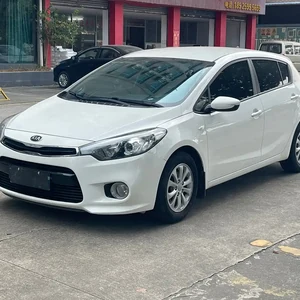
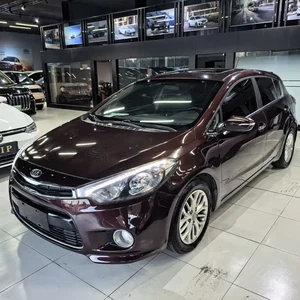
Live Kia K3s export inventory
View all listings →Real units currently on ChinaCarDirect with per-unit asking prices and MOQ. Availability updates live from the catalogue.
How to buy a Kia K3s from China
-
1
Define the fleet brief
Decide the body style, transmission, trim level, fuel needs, steering configuration, service life and operating environment before selecting individual vehicles.
-
2
Compare the live inventory
Review current Kia K3s listings and compare equivalent manual or automatic vehicles by trim, condition, mileage, documentation and seller terms.
-
3
Request the vehicle file
Ask for the VIN, model year, mileage, title or registration documents, service records, photographs, equipment list, emissions information and dimensions.
-
4
Build the landed quote
State the destination and preferred Incoterm, then request a breakdown of vehicle cost, inland transport, export handling, freight, insurance, duties, taxes and port charges.
-
5
Verify destination compliance
Use a local broker or authority to confirm steering rules, used-vehicle age limits, emissions requirements, VIN documentation, customs treatment and registration.
-
6
Agree inspection and payment
Use a written pro forma invoice defining the deposit, balance, inspection standard, refund triggers, document list and payment beneficiary before transferring funds.
-
7
Book shipment and release
Confirm the carrier method, loading plan, insurance, cut-off dates and export documents, then track the vehicle through release, transit and arrival.
K3s vs rivals
| Toyota Corolla | The Corolla generally has stronger global recognition, a well-established fuel-efficiency reputation and broad residual demand, making it a safer general-purpose choice. The K3s is more relevant to buyers prioritizing a value-led import, a manual option or potentially lower fleet acquisition positioning. |
|---|---|
| Hyundai Elantra | The Elantra is the closest direct segment rival, with comparable manual and automatic choices and a similar emphasis on efficient, affordable transport. Local equipment, warranty support, parts pricing and actual vehicle condition should determine which option offers the better landed result. |
| Honda Civic | The Civic usually has a more performance-oriented character and can offer a broader selection of trims in some markets. The K3s is more directly aimed at economical fleet and entry-level retail use, where acquisition and operating efficiency matter more than sporty character. |
Frequently asked questions
How is the Kia K3s export price determined?
The vehicle price reflects the unit’s year, trim, transmission, mileage, condition, equipment, service history and documentation. A landed quote can also include inland transport, export handling, freight, insurance, duties, taxes and port charges, depending on the Incoterm and destination. Current per-unit prices are shown in the live listings and should be reconfirmed through an RFQ.
What engine and powertrain does the export Kia K3s use?
The available K3s configurations center on a 1.6-litre petrol engine with either a manual or automatic transmission. As an internal-combustion vehicle, it does not provide battery range or charging capability. Exact engine output, fuel consumption, tank capacity and emissions data should be checked for the live vehicle.
Are used Kia K3s better value than new ones?
A used K3s can reduce the initial purchase commitment but creates more uncertainty around wear, maintenance and repair history. A new vehicle offers a more predictable specification and may carry warranty support, subject to the supplier and destination. Buyers should compare landed cost, expected downtime and likely resale value rather than purchase price alone.
What is the MOQ for a Kia K3s order?
MOQ is a commercial term set by the seller or freight program, not a permanent model specification. Some offers can be ordered individually, while consolidated shipments may have their own lot requirements. Confirm the minimum, allocation method and price treatment for the selected live listing and written quotation.
How long does shipping take and what determines the cost?
Transit time and freight cost depend on the origin and destination ports, carrier schedule, available space, route, season, shipping method, insurance and the agreed Incoterm. A vehicle carrier or container shipment may have different handling requirements. Obtain current sailing options, cut-off dates and an itemized freight quotation for the intended route.
Are spare parts available for the Kia K3s?
Parts availability depends on the destination and the exact model year, so buyers should establish local workshop and parts support before importing. Ask for VIN-based references and confirm coverage for the engine, transmission and trim-specific equipment. Do not assume a trim badge guarantees that the corresponding components are locally stocked.
Can I buy a right-hand-drive Kia K3s?
Availability varies by the individual source vehicle, so the steering configuration must be confirmed rather than assumed from the model name. If the destination requires right-hand drive and the available car is left-hand drive, check whether conversion is lawful and acceptable to the insurer, registration authority and workshop. Conversion can affect cost, warranty and parts supply.
How do I buy a Kia K3s from China?
Select a unit from the live inventory, request a vehicle-specific pro forma invoice and confirm the specification, documents, MOQ and landed quote. Then agree the inspection standard, staged payment terms and refund conditions before paying a deposit. After satisfactory inspection and receipt of the required export documents, settle the balance, release the vehicle and arrange shipping.
Ready to source the Kia K3s?
Send ChinaCarDirect your Kia K3s specification and destination for a current vehicle-level quote and written export terms.
Request a quote