
Kia K4 Export Buying Guide for Overseas Dealers
Export guide to the Kia K4, covering 1.8L and 1.6T trims, used-car options, live pricing, MOQ, shipping, compliance, and rival models for dealers.
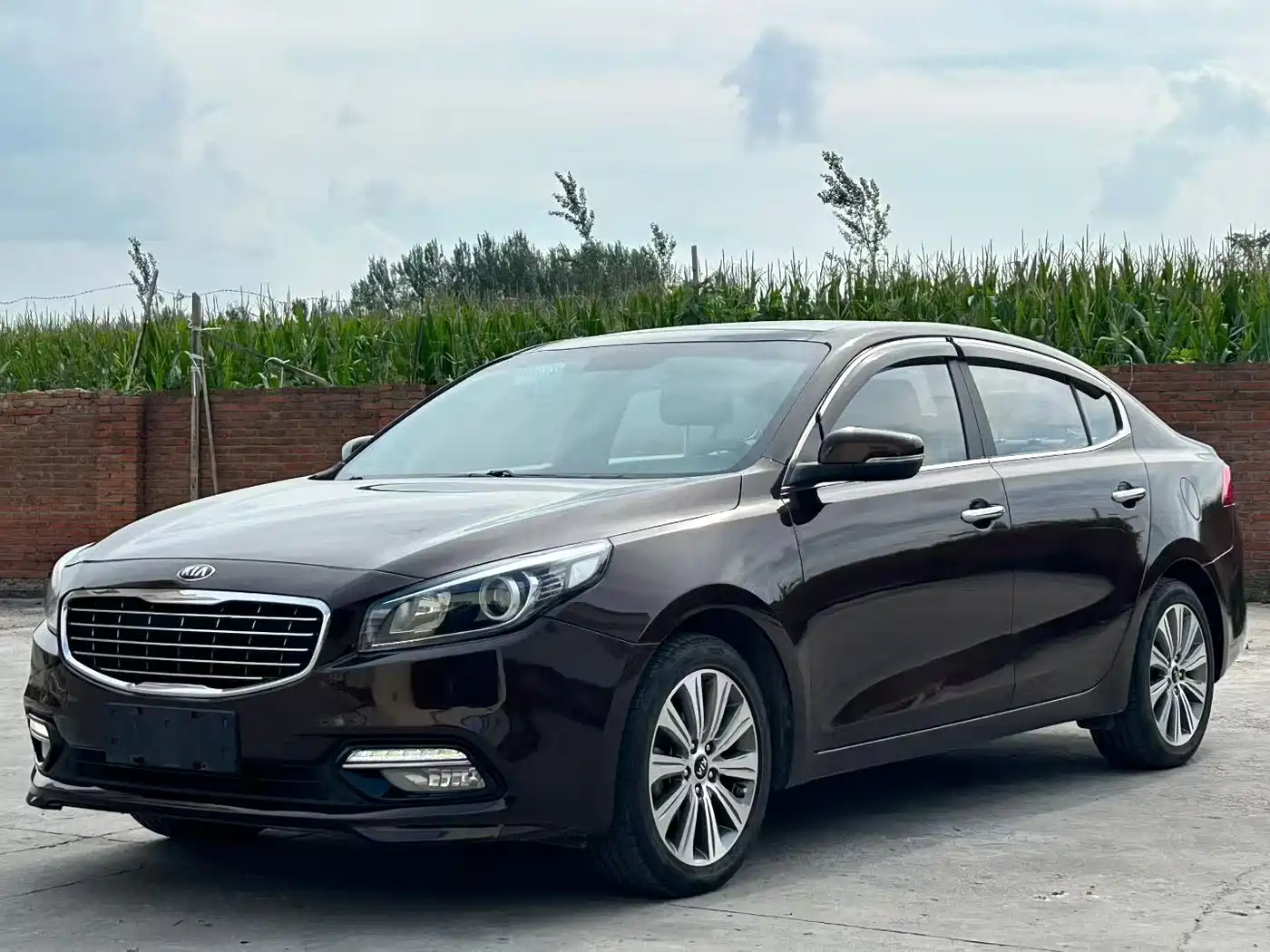
At a glance
- The Kia K4 is a four-door compact gasoline sedan suited to practical fleet and resale use.
- Export examples pair 1.8L and 1.6T engines with automatic transmissions, depending on trim.
- Trim labels differ from global-market Kia equipment hierarchies, making VIN-level verification essential.
- New inventory can be earlier stock, while used cars require careful inspection and documentation checks.
- Landed cost depends on condition, freight, currency, duties, Incoterms, and destination-market compliance.
Why the Kia K4 matters for export markets
The Kia K4 is a compact, four-door gasoline sedan suited to value-focused export segments where buyers need a practical vehicle without moving into a larger premium class. Its core strengths are a conventional sedan layout, automatic transmission, and two engine families: a 1.8-litre naturally aspirated unit and a 1.6-litre turbocharged unit. For dealers and fleet operators, that combination is commercially versatile, particularly where compact sedans remain relevant to company fleets, ride-hailing, and general vehicle resale. The model also gives importers a simpler proposition than niche derivatives, while leaving room to match the engine and equipment level to local operating conditions.
Model-year and generation checks are essential because the K4 name has appeared across multiple market programs, and an earlier China-market sedan may look very different from a newer K4 sold elsewhere. Chinese export inventory can include older production cars with familiar 1.8L or 1.6T naming, so a listing photograph alone is not enough evidence that it matches a buyer’s local-market model. Request the VIN, production date, exact trim, and any original homologation label. Treat cross-market comparisons as model-family comparisons until those identifiers align. This avoids costly assumptions about equipment, parts, and safety.
For an overseas buyer, the K4 matters most when the objective is to secure a maintainable, recognizable compact sedan at a sensible total cost rather than obtain the newest technology. The 1.8L versions may suit drivers prioritising simplicity and predictable service needs, while the turbocharged versions offer a different performance and equipment proposition. Because local taxes, fuel standards, insurance, and parts support can materially alter the commercial result, compare candidate cars on landed cost and ownership suitability—not badge appeal alone—in the destination market.
- Compact four-door gasoline sedan format.
- 1.8L and 1.6T automatic options.
- Verify market generation and VIN.
Model range, trims and powertrain variants: how the lineup is structured and how to choose
The lineup should be read as two powertrain branches with different trim ladders. The 1.8L automatic branch includes GL, GLS, DLX, and LUX designations, with GLS Special and DLX Special packages also appearing in the market. The 1.6T automatic branch uses T-prefixed labels such as T-DLX, T-PRM, and T-GLS, including a T-GLS Special version. These names help identify equipment tier and engine family, but they are not a universal Kia equipment standard across countries. A buyer comparing an export car with a local-market K4 should therefore compare individual equipment items rather than assume that matching letters mean matching content.
When choosing between the 1.8L and 1.6T branches, begin with duty cycle and driver preference rather than output alone. The naturally aspirated 1.8L is the straightforward choice for buyers prioritising familiar mechanical simplicity, lower trim complexity, and broad service familiarity. The 1.6T is worth shortlisting for users who want stronger acceleration or a more upscale specification, subject to condition, fuel availability, and local running costs. Exact power, torque, and equipment should be confirmed from the vehicle record, not inferred from the badge or a generic online configuration chart in writing.
Within each branch, trim selection should be translated into a checklist of equipment that matters to the destination market. For an executive fleet, air conditioning, climate control, upholstery, infotainment, and safety equipment may matter more than a higher trim letter. For resale, factory service history and parts commonality often carry more weight than cosmetic upgrades. Ask for clear interior, dashboard, boot, wheel, and engine-bay photographs, plus the VIN and option list. A trim name is a useful screening tool, not a substitute for vehicle-level inspection before final purchase approval is made.
- GL, GLS, DLX and LUX 1.8L trims.
- Special packages vary by trim.
- T-prefixed labels identify turbo variants.
New vs used Kia K4: how export inventory is structured and how buyers choose
New and used K4 vehicles should be treated as separate procurement channels rather than interchangeable grades of the same car. A marketplace unit marked new may represent unused stock from an earlier Chinese production run, not a recently launched global generation. A used example may be an earlier model year with lower initial depreciation but more age-related condition uncertainty. Buyers therefore need to ask what “new” means in the listing, confirm production and registration dates, and compare warranty status rather than using the condition label alone in the sale record.
For used-car importers, the value case depends on controlling maintenance and hidden damage. Review mileage against the vehicle age, service records, tyres, suspension, brakes, fluids, engine bay, transmission behaviour, and evidence of accident repair or repainting. Check that the VIN matches the paperwork and that the seller can explain prior use, including private, rental, or fleet duty. A clean exterior is insufficient; an inspection by an independent specialist is especially valuable before a unit is committed to cross-border transport because remediation after loading can be both difficult and disruptive downstream.
New inventory can reduce uncertainty about wear and provide access to more complete equipment, yet it can also be older stock with dated specifications or without a market warranty. It may suit a dealer seeking a ready-to-present car or a fleet buyer wanting a uniform specification. Before buying, compare the VIN-linked model year, odometer reading, tax and registration status, production date, and local warranty coverage against a comparable used car. The better option is the one whose condition, documentation, and landed cost match the intended use at the destination market.
- New does not mean latest generation.
- Used cars require condition inspection.
- Compare VIN-linked warranty and paperwork.
How export pricing works: the factors behind a live listing price, and how to read one
An export listing price is a vehicle-level starting point, not necessarily the amount that will appear on the importer’s final invoice. The asking figure is shaped by model year, trim, engine, mileage, physical condition, ownership history, documentation, seller location, and the current vehicle market. Currency conversion also changes the comparison for overseas buyers. Ask the seller to state the quoted currency, whether the amount includes Chinese domestic charges, and the date to which the quote is valid. The current binding figure for each unit should always come from its live listing.
The landed total can add a substantial layer beyond the advertised vehicle price. Ocean or air freight, insurance, export handling, port charges, destination taxes, customs duties, port or terminal fees, registration, and inland delivery may apply depending on the route and Incoterm. Exchange-rate movements also matter between quotation and payment. For a realistic comparison, calculate the same cost basis for every candidate: vehicle price, international freight, insurance, duty and tax exposure, handling, inland transport, and expected compliance work. This prevents a cheaper listing from becoming the more expensive vehicle after mandatory charges and delays are included.
To read a live listing properly, verify the SKU, exact model year, trim, engine, transmission, mileage, condition, seller, location, MOQ, availability wording, and included documents line by line. Check whether photographs show the actual unit rather than a representative vehicle, and ask whether the displayed price is for one physical car or a starting amount. Cross-check every material promise against the VIN and written invoice. When comparing multiple listings, normalise currency and terms before ranking them; a cheaper headline price can otherwise reflect different freight scope, tax treatment, or condition assumptions.
- Vehicle condition and trim set the base.
- Freight, duty and exchange affect totals.
- Use current per-unit live listings.
MOQ, ordering and payment: single units vs consolidating a container
MOQ is a supplier and listing term, not a fixed property of the Kia K4 nameplate. A buyer should read the MOQ attached to the selected SKU, ask whether exceptions are possible, and obtain the current quantity available in writing. One-unit purchasing suits a test purchase, a small importer, or a buyer validating a supplier before scaling. Consolidation suits dealers moving several vehicles, but it should never be assumed to qualify for a container automatically. Any discount or production slot must be tied to a confirmed vehicle mix and timeline.
Consolidating compatible cars can improve freight efficiency, simplify inspection, and give a distributor stronger negotiating leverage. The trade-off is less flexibility: a mixed load may create colour, trim, specification, or documentation complexity, while one damaged or delayed vehicle can hold up the shipment. Build the container plan around confirmed SKUs, realistic allocation of loading space, and a contingency if a vehicle is rejected. Compare savings on freight and handling with the risk of tying up more capital in slower-moving variants. A written vehicle schedule should travel with the final payment and shipping instructions.
Payment terms should follow control of the transaction rather than a universal sequence. A workable process normally defines the vehicle, confirms inspection rights, pays an agreed deposit, verifies documents, and releases the balance only after the agreed inspection or shipment milestone. Confirm accepted payment methods, who bears bank or transfer fees, refund conditions, title-transfer timing, and the currency of settlement. Never rely on informal assurances about a VIN, ownership, or export clearance; include the exact vehicle identity and document set in the purchase contract and any agreed amendments in writing.
- Check MOQ on each selected SKU.
- Consolidate only confirmed compatible vehicles.
- Match payment milestones to inspection.
Shipping, homologation and market compliance caveats: LHD/RHD and import rules by country
Steering configuration is a first-order sourcing decision. China-origin K4 examples are generally left-hand-drive, while some destination markets require or strongly favour right-hand-drive vehicles. Converting a left-hand-drive car to right-hand drive involves the steering assembly and related components, and correct operation must be checked afterward; it is not simply a matter of moving the driver’s seat. Alternatively, source a natively right-hand-drive example where available. Confirm local rules before committing because conversion cost, labour, and homologation consequences vary by market, and a steering conversion may affect resale value in the destination country.
Homologation is separate from the vehicle’s ability to drive in China. Each destination may impose its own type-approval, emissions, safety, VIN, lighting, equipment, and registration requirements, and local authorities—not the exporter—determine admissibility. A Chinese-market trim may lack equipment or carry modifications that complicate approval. Buyers should obtain an early view from a customs broker or local compliance specialist, and check age, emissions, and inspection restrictions for used imports. Never assume that a Chinese invoice or marketplace listing proves import eligibility. The final decision should be documented before non-refundable shipping costs are incurred.
Logistics documentation should be treated as part of the vehicle, not administrative cleanup after loading. Agree on the export invoice, VIN and ownership records, bill of lading or air waybill, packing list, insurance, export declaration, and any certificates the buyer and broker require. Confirm that the description, trim, engine, and VIN on every paper match the physical vehicle. A pre-shipment inspection can verify this alignment and identify signs of damage. If used-car restrictions or missing parts affect operation, resolve those points before release rather than after arrival at destination port.
- Confirm left- or right-hand-drive requirements.
- Check destination type approval early.
- Match VIN across all shipping documents.
Who should buy the K4 — and who should pick a different vehicle
The K4 is a good candidate for cost-conscious dealers, small fleet operators, and buyers who value a conventional compact sedan and accept China-sourcing administration. It is especially relevant where the 1.8L and 1.6T automatic versions are locally supportable and spare parts can be obtained efficiently. It can suit a mixed fleet where straightforward cars are more useful than premium equipment. The strongest purchase case combines a clear budget, access to parts and servicing, realistic compliance, and a vehicle condition that can be verified before shipment with transparent landed fees.
Conversely, the K4 may be the wrong choice for buyers seeking the latest safety architecture, contemporary infotainment, electrified efficiency, or a factory-backed international warranty. Drivers focused on high performance should compare actual vehicle output and condition rather than relying on the turbo badge. Markets with demanding emissions rules, limited recognition of the model, or sparse parts networks can reduce its practicality. A buyer needing abundant local service experience or a modern electric drivetrain may be better served by a more recently engineered rival or an EV, depending on local charging access.
Before committing, separate the purchase decision into four checks: the exact vehicle, the legal route, the landed cost, and after-sales support. Does the VIN identify the promised engine and trim? Can the broker import it in the intended condition? Does the quote include every essential charge? Can a workshop maintain it or obtain parts locally? If any answer is uncertain, pause and request documentation or an inspection. Choosing a different vehicle is often more economical than solving a homologation mismatch, an incomplete parts package, or an unplanned conversion after funds have been committed.
Main rivals and how the K4 compares
The Toyota Corolla is the benchmark many buyers will use against the K4. Corolla variants generally benefit from broad international recognition, extensive service familiarity, and strong residual-value expectations, although those advantages depend heavily on the exact generation and market. The K4 can offer a more distinctive feature set or lower acquisition hurdle in some Chinese export listings, but Toyota may be more straightforward where buyers prioritise parts availability, financing familiarity, and effortless resale. Compare the same body style, engine, condition, and after-sales proposition rather than comparing nameplates broadly in the destination country.
The Nissan Sylphy is a closer size-and-use alternative in many Asian export markets. It generally targets the same practical compact-sedan buyer, with a comfort-oriented positioning that can appeal to fleet managers. The K4’s attraction is its own 1.8L and turbo automatic choices and its China-sourcing opportunity; the Sylphy may be easier to place locally where Nissan recognition is stronger. Decide by actual dimensions, rear-seat needs, fuel economy, service access, and verified condition, because equipment labels and road presence differ significantly between model years. Make that comparison before final selection.
The Hyundai Elantra is perhaps the most direct portfolio comparison because it also occupies the global compact-sedan class. A locally sourced Elantra may offer newer design, more contemporary equipment, and simpler warranty or used-car financing arrangements. The K4 can make sense for buyers seeking a specific Chinese-market engine and trim, often at a different acquisition profile, but it carries more model-generation and parts-planning work. Choose the Elantra when local support outweighs China sourcing benefits; choose the K4 when its verified specification, condition, and landed economics create a clear advantage for the buyer.
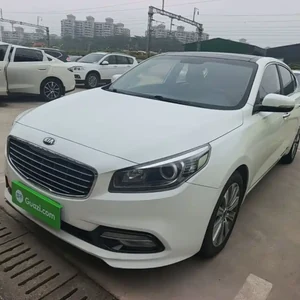
Live Kia K4 export inventory
View all listings →Real units currently on ChinaCarDirect with per-unit asking prices and MOQ. Availability updates live from the catalogue.
How to buy a Kia K4 from China
-
1
Define the destination-market brief
List body style, engine choice, steering side, budget basis, and expected annual use. Include local registration, emissions, and safety constraints before choosing a trim.
-
2
Shortlist the live K4 inventory
Use the live Kia K4 listings to compare current per-unit price, MOQ, model year, trim, engine, condition, seller location, and availability. Save the SKU for every serious candidate.
-
3
Verify vehicle identity and documents
Match the VIN to the listing, engine, transmission, production date, ownership record, and export documents. Ask the seller to clarify model-year inconsistencies or missing records.
-
4
Review condition and operating evidence
Request interior, body, engine-bay, underbody, mileage, maintenance, and damage-repair evidence. For used vehicles, commission an independent pre-purchase or pre-shipment inspection.
-
5
Request a comparable landed quote
Ask each shortlisted seller for currency, vehicle price, Incoterm, freight method, insurance, export handling, estimated destination charges, validity, and MOQ. Use one cost basis across candidates.
-
6
Confirm MOQ, payment, and reservation
Confirm whether the quoted MOQ applies to the exact SKU and whether mixed units can be consolidated. Put the vehicle identity, payment milestones, inspection rights, refund conditions, and ownership transfer in writing.
-
7
Complete pre-shipment compliance and release
Approve export documents, the LHD/RHD plan, homologation pathway, inspection, loading, and balance release. Verify that the VIN and vehicle description match across the invoice, packing list, and transport document.
K4 vs rivals
| Toyota Corolla | The Corolla generally benefits from stronger international recognition and service familiarity, making it a safer resale proposition in many markets. The K4 may provide a different specification or acquisition profile, but buyers should compare the same engine, condition, equipment, and local support. |
|---|---|
| Nissan Sylphy | The Sylphy is a practical compact-sedan alternative with a comfort-oriented market position. The K4 stands out through its 1.8L and 1.6T automatic choices, so the better fit depends on verified space, equipment, condition, and after-sales access. |
| Hyundai Elantra | The Elantra is a close global-class rival and may offer newer styling, contemporary equipment, and easier local warranty or financing arrangements. The K4 makes more sense for buyers targeting a specific Chinese-market engine and trim who can manage generation and parts checks. |
Frequently asked questions
How is Kia K4 export pricing determined?
The live vehicle price reflects factors such as model year, trim, engine, mileage, condition, documentation, seller location, and currency conditions. The final landed cost can also include freight, insurance, export handling, duties, taxes, registration, and inland delivery, depending on the Incoterm and destination. Check the live Kia K4 listings for the current per-unit price and request a written landed quote before budgeting.
Which engine, transmission, and range options are available?
The China-market K4 represented here is a gasoline combustion sedan with a 1.8L naturally aspirated or 1.6L turbocharged engine, paired with an automatic transmission. EV range, battery capacity, and charging figures do not apply to this powertrain. Verify the exact engine, output, fuel consumption, and equipment on the VIN-linked listing.
Should an overseas buyer choose a new or used Kia K4?
Used K4 examples can reduce initial depreciation and may suit buyers comfortable with inspection and planned maintenance. New-marked units can reduce wear uncertainty, but the unit may be older stock rather than the latest global generation. Compare condition, production date, warranty, documentation, and landed cost rather than relying on the condition label alone.
How does MOQ work for Kia K4 purchases?
MOQ is set by the selected listing or supplier, not by the model name alone. Check the MOQ shown for the exact SKU and ask whether a single-unit test purchase or consolidation is permitted. A discount or container rate should only be treated as valid after the vehicle mix, allocation, and payment conditions are confirmed.
What determines Kia K4 shipping time and cost?
Transit time and cost depend on origin and destination ports, transport mode, vehicle count, route, fuel surcharges, handling, insurance, customs, and Incoterm. Consolidation may improve freight efficiency, but mixed specifications can complicate loading and allocation. Obtain a written freight and destination-charge estimate tied to the chosen SKUs.
Are spare parts available for the Kia K4?
Parts support depends on the exact generation, engine, trim, and local Kia service network. Buyers should identify common service items and verify whether parts can be ordered from China or sourced locally before purchase. A documented VIN and original component references are more useful than a trim name alone.
Is a right-hand-drive Kia K4 available for export?
China-origin K4 examples are generally left-hand-drive, so an RHD market may require a native right-hand-drive source or a professionally assessed conversion. Steering configuration, local type approval, safety inspections, and resale implications should be confirmed before the vehicle is shipped. Availability changes by source, so check each live listing rather than assuming RHD stock is held.
How do I order a Kia K4 from China?
Start with the live Kia K4 listings, shortlist by VIN and specification, then send one consolidated RFQ with destination, steering side, expected quantity, inspection, and Incoterm requirements. Confirm MOQ, payment milestones, documents, and price validity in writing. Release the balance only against the agreed inspection and shipment conditions.
Ready to source the Kia K4?
Request a current Kia K4 quote for your destination, including trim, MOQ, Incoterm, freight, and compliance requirements.
Request a quote