
Kia K5 Export Buying Guide for Overseas Dealers
Compare Kia K5 trims, engines and export pricing, then learn how overseas dealers can assess new or used cars, shipping, compliance and ordering.
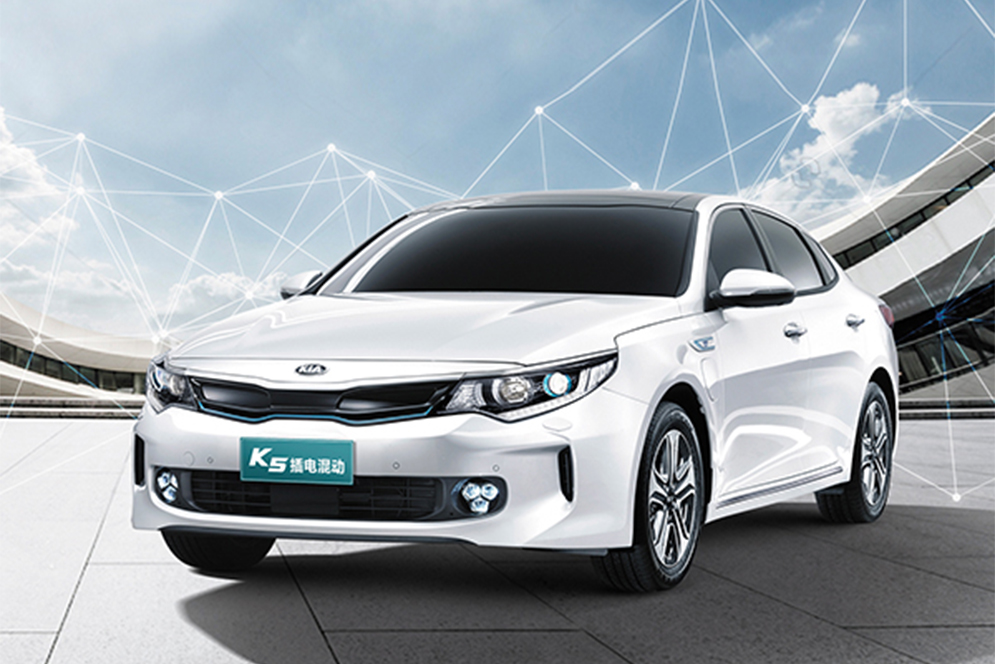
At a glance
- The K5 is a front-wheel-drive midsize petrol sedan positioned between compact saloons and premium models.
- The line-up spans 1.5T, 1.6T, 2.0-litre and 2.0T engines, with automatic transmissions on the named configurations.
- Trim choice should reflect equipment, parts support and target-market demand, not only GT-Line or Luxury styling.
- New cars suit consistency and warranty priorities; used Kia K5 examples suit buyers prepared for detailed condition checks.
- A reliable export decision combines the live unit listing, a landed-cost quotation, destination homologation and pre-shipment inspection.
Why the Kia K5 matters for export markets
The Kia K5 occupies the practical middle of the global midsize-sedan segment: it is larger and more substantial than a compact saloon, yet generally positioned below premium executive models. That middle ground explains why it is relevant to overseas dealers serving company fleets, ride-hailing operators and private buyers who need more cabin and luggage room than a compact car without moving into the cost of a full-size luxury saloon. For fleet managers, the K5's combination of a conventional four-door body, automatic transmissions and several petrol engine choices is especially easy to brief around.
Demand for this kind of vehicle is not driven by one global configuration. ChinaCarDirect buyers may encounter recent Chinese-market K5 cars with 1.5T, 1.6T, 2.0-litre or 2.0T power, as well as used sedans from earlier model years. Their value proposition can be attractive because a well-chosen imported car may deliver a newer appearance, more equipment or a lower purchase commitment than an equivalent premium sedan in the destination market. That advantage varies by country, so assess it against local taxes, fuel rules, insurance, service capability and expected resale rather than assuming it from the Chinese listing alone.
The K5 also bridges compact sedans and larger fleet models. A dealer can cover several price and equipment tiers with one nameplate, while a fleet buyer can match a vehicle to different operating roles. Its popularity in China and recognition as Kia’s Optima successor help brand familiarity, but they do not remove the need for market-specific checks. Equipment labels, safety content, software and spare-parts supply can differ from vehicles sold under the K5 name in other countries, making specification verification decisive before committing. This distinction becomes especially important as fleet use expands.
Model range, trims and powertrain variants: how the lineup is structured and how to choose
The Chinese-market K5 range is organised around four broad engine themes: 1.5T and 1.6T turbocharged units, a naturally aspirated 2.0-litre engine and a 2.0T turbocharged engine. The listings also use family labels such as 270T CVVD and 380T GT-Line, while trims include GL, LUX, LUXURY, DLX, GLS, Premium, Premium Tech and flagship-oriented versions. All named examples use an automatic transmission. For an overseas buyer, read the complete vehicle name rather than selecting only GT-Line or Premium; the engine, transmission description and technology package materially change the car for the market being served.
Engine selection should follow the operating environment and the buyer’s tolerance for acquisition versus running costs. The smaller turbo options can suit urban fleet use where lower displacement is attractive, while the 2.0-litre version offers a naturally aspirated alternative for buyers prioritising smoothness and conventional character. The 2.0T cars are the logical choice when stronger performance or higher equipment levels matter. Exact output, torque, fuel consumption and emissions figures differ across model years and markets, so ask for the engine specification and homologation documents rather than estimating them from the badge.
Trim selection is partly preference and partly a parts-and-resale decision. Luxury-oriented cars may carry more comfort and convenience equipment, while GT-Line versions focus on styling and driver appeal; a Chinese-market car may not match a similarly named trim elsewhere. CVVD denotes Kia’s variable valve-management technology on selected 270T variants, not a different gearbox. Before ordering, compare listing photographs, options, wheels, infotainment, seat functions, driver-assistance systems and documented dimensions. For anything unstated, request written confirmation or an inspection report covering the exact export unit before payment or full funds are committed.
- Engines: 1.5T, 1.6T, 2.0L and 2.0T.
- Transmissions: automatic on named configurations.
- Trim naming varies by model year and market.
New vs used Kia K5: how export inventory is structured and how buyers choose
Export inventory naturally divides into two decision paths rather than one uniform pool. New K5 examples are typically the most recent Chinese-market configurations and can be attractive when consistency, low recorded mileage and factory warranty are priorities. Used K5 inventory covers older production years, trims and equipment levels, giving buyers access to a different balance of purchase cost, depreciation and specification. The relevant point for an importer is to classify each vehicle individually: model year alone does not reveal condition, service history or whether the car is configured for the intended market.
A new-car purchase reduces uncertainty about wear and prior repairs, but it does not eliminate delivery risk. The importer should still verify panel condition, paint, tyres, cabin wear, production consistency and the exact factory configuration, because vehicles may have been displayed, registered or prepared for export. Warranty transfer and destination coverage should be confirmed in writing rather than inferred from the brand. New inventory can also lose value before registration, so compare the live asking price with depreciation expected during planning, inspection, shipment and initial registration in the destination market.
A used K5 can make more sense for a dealer seeking a lower-cost replacement or a fleet buyer who accepts scheduled replacement. The decision should centre on the VIN, odometer, title, maintenance records, accident and flood indicators, cold start, fluid condition, underbody condition and a road-test inspection. Older cars may use different engines, electronics and parts from newer vehicles, so confirm compatible service items are available and the destination has a repair network for that configuration. A pre-purchase report is more valuable than a discount when the underlying car cannot be supported.
- New: consistency, warranty and low recorded mileage.
- Used: lower acquisition cost, higher condition risk.
- Verify VIN, title, mileage, service history and repairs.
How export pricing works: the factors behind a live listing price, and how to read one
A Kia K5 export price is not a fixed market rate. The live listing price starts with the vehicle itself: production year, trim and equipment level, 1.5T, 1.6T, 2.0-litre or 2.0T engine, new or used status, mileage, exterior and interior condition, service history, title status and installed options. These factors explain why two cars carrying the K5 name can have materially different values. For a used example, documented history and verified condition can support a stronger quote; for a new example, specification and expected market demand usually matter more than mileage alone.
Export-related charges are added according to the agreed delivery basis. Ocean or Ro-Ro freight, fuel surcharges, port handling, terminal fees, insurance, inland transport, export documentation and the route to the destination port can affect the total. Exchange rates and Incoterms determine which party bears costs and risk at each stage, while import duty, VAT or other taxes are usually the buyer’s responsibility unless quoted. Ask for a landed-cost worksheet separating vehicle price, inland logistics, origin charges, international freight, destination charges and foreseeable taxes rather than comparing an incomplete export price with a delivered quote.
To read a live listing correctly, open the specific unit rather than relying on a model-level summary. Confirm the displayed price, model year, full trim name, engine description, condition, mileage, MOQ, seller, photographs and identifying reference, then ask whether the price covers one vehicle and which services are included. Clarify the Incoterm, payment schedule, validity period, inspection rights and what happens if the vehicle does not match the description. Exact price, MOQ and availability are unit-specific and change, so use ChinaCarDirect’s live K5 inventory for the current figures and obtain a formal quotation for the binding terms.
- Vehicle factors: year, trim, engine, condition and options.
- Trade factors: freight, insurance, exchange rate and Incoterm.
- Use the live unit price and written landed quote.
MOQ, ordering and payment: single units vs consolidating a container
A Kia K5 export order can be a single-unit purchase or part of a consolidated shipment. Where a seller permits a one-vehicle order, the buyer selects an available unit, requests a formal quotation or pro forma invoice, confirms the specification and inspection terms, and reserves that exact vehicle before shipping documents are finalised. This suits a dealer testing demand or a fleet needing a few replacements. The applicable minimum order quantity must be checked on the live listing and written sale terms; a general contact channel does not override the seller’s unit conditions.
Container consolidation can improve shipment organisation and may offer better commercial terms, but it changes the risk profile. A buyer may need to combine several K5 trims, model years or new and used vehicles to meet a seller’s MOQ, then accept consolidated inspection, loading and documentation rather than controlling every aspect of each car. Mixed inventory can increase model-year inconsistency and complicate spare-parts planning. Before paying a balance, require a packing list identifying each vehicle by VIN and matching description, together with agreed photography, inspection, damage-notice, claims procedures and owner approval.
Payment mechanics should be settled before a non-refundable commitment. The pro forma invoice should state the vehicle or allocation method, price basis, currency, deposit and balance schedule, Incoterm, delivery point, dispatch readiness, inspection conditions, refund or cancellation terms and each document the seller will provide. Use the seller's verified business details and an approved payment channel, and have financing or currency terms reviewed by the buyer’s bank or adviser. For a multi-vehicle wholesale order, define what happens if one unit fails inspection, with written allocation and settlement rules for all parties.
- Single-unit purchases depend on the seller's MOQ.
- Container orders need allocation, packing and inspection rules.
- Define deposits, balance triggers, refunds and document delivery.
Shipping, homologation and market compliance caveats: LHD/RHD and import rules by country
Kia K5 sedans can be moved by Ro-Ro vessel, enclosed container or other specialist vehicle-carrier arrangements, and the best method depends on origin, destination, urgency, volume and loading constraints. Freight quotations should state the origin and destination terminals, carrier service, vehicle-space allocation, surcharges, insurance and the point at which risk transfers. Sea freight is often economical for routine shipments, while faster services may cost more and still require port and inland-haul time. Neither transit time nor delivered cost should be promised without confirming sailing space, customs clearance, terminal handling and inland delivery.
Steering configuration is a frequent source of import errors. Do not assume every Chinese-market K5 is left-hand drive or that a right-hand-drive unit is readily available: ask for the actual configuration shown by the VIN and photographs, then confirm it matches the destination registration category. Steering-side conversion can add cost, affect parts availability and may not be accepted for commercial use without required certification. A genuine RHD car with correct documents is generally cleaner than an aftermarket conversion, but verify local rules rather than treating either configuration as automatically compliant.
Before placing a non-refundable order, check the destination country’s import and homologation requirements with a customs broker or vehicle-compliance specialist. The review should cover VIN and title recognition, age and emissions rules, safety and type approval, roadworthiness testing, customs valuation, duty and tax, insurance, local-language materials, warranty documents and any software or electronic-security requirements. Chinese domestic trims may include equipment not homologated for the target market, and a car prepared for private use may not automatically satisfy fleet registration. Obtain written confirmation that the exact configuration can be registered before balance payment.
- Confirm LHD or RHD from the exact vehicle.
- Verify homologation, age, emissions and import rules.
- Price freight, insurance, origin and destination charges.
Who should buy the K5 — and who should pick a different vehicle
The K5 is a strong candidate for an overseas dealer wanting a recognisable, broadly configured midsize sedan rather than a niche import. It can suit company-car programmes, airport and executive transport, hotel fleets, ride-hailing operations and retail customers who prefer a conventional saloon with an automatic gearbox. The appeal is strongest where buyers value cabin space, a modern profile and a choice of efficient-oriented or higher-output engines while keeping acquisition cost below the premium segment. For volume use, the economic case must still work after taxation, insurance, fuel and maintenance in the destination country.
It is less suitable for buyers whose priorities the K5 does not address. An SUV buyer needs higher ride height, cargo volume, all-wheel drive or a utility body; an EV buyer needs battery-electric range and charging; a performance buyer needs verified output, braking and chassis specification; and a luxury buyer may expect a higher-grade cabin and stronger brand service. Buyers requiring a manual gearbox, a specific regional K5 specification or unusually long-term parts support should not assume a Chinese-market car will satisfy them. The right vehicle matches homologated features and running economics to the actual job.
Before approving a purchase, build a simple weighted decision sheet. Give the greatest weight to registration feasibility, parts and workshop support, safety equipment and residual demand in the intended market; then compare the selected engine, equipment, condition and expected total cost of ownership. A used example can be rational where acquisition cost dominates, while a new example can be rational where uptime, warranty and fleet consistency matter more. If the K5 requires an unsupported engine, costly conversion or an unfamiliar trim, switching to a rival with clearer local supply is usually the stronger decision.
- Best for: midsize fleet and dealer programmes.
- Not for: SUV, EV, luxury or niche needs.
- Compare: registration, support, safety and residual demand.
Main rivals and how the K5 compares
The Hyundai Sonata is the K5’s closest conceptual rival: both are front-wheel-drive midsize sedans with familiar three-box proportions, automatic transmissions and comparable trim hierarchies. The deciding factors are not badges but the exact local specification, warranty, parts pricing, safety content and dealer coverage. A Chinese-market K5 may offer a different equipment mix from a Sonata sold in the same destination, so compare confirmed documents rather than assuming the sibling models are interchangeable. For a fleet buyer, whichever model has the stronger residual-value evidence and simpler service support locally is usually the safer choice.
The Honda Accord is another direct competitor, with a long-standing reputation for combining midsize space, automatic availability and fleet suitability. It is particularly relevant where local Honda inventory, financing or servicing makes ownership risk easier to manage than for an imported K5. Compare the engine offered for the buyer’s market, measured fuel and maintenance expectations, driver-assistance equipment, cargo usability and parts lead time. The K5 can be attractive when its Chinese-market specification and purchase basis create better value, but it should not be selected merely on imported appeal if the Accord has a much stronger local support network.
The Toyota Camry is the other benchmark many fleet buyers will test, particularly because it is widely used in corporate and transport programmes and benefits from broad international recognition. Camry availability, powertrain choices and equipment vary by country, so the comparison must use the same grade, model year and ownership conditions on both sides. The K5 may win for buyers seeking a distinctive design, a particular Chinese-market feature set or a different new-versus-used acquisition strategy; the Camry may be easier to justify where residual demand and service familiarity dominate. Confirm dimensions, output, safety systems and lifecycle costs before deciding.
Live Kia K5 export inventory
View all listings →Real units currently on ChinaCarDirect with per-unit asking prices and MOQ. Availability updates live from the catalogue.
Kia Kia K5 2017 Model 2.0L Automatic 15th Anniversary Special Edition LUX
Kia Kia K5 2017 Model 2.0L Automatic 15th Anniversary Special Edition LUX
How to buy a Kia K5 from China
-
1
Define the destination-market requirement
Confirm the destination country, steering configuration, engine preference, fuel rules, fleet or retail use, expected ownership period and local aftersales coverage before selecting a vehicle.
-
2
Shortlist the live K5 inventory
Compare the complete names of individual units rather than relying on a model-level summary. Review model year, trim, engine, condition, equipment, seller information and photographs.
-
3
Verify the selected vehicle
Request the VIN, exact specification, dimensions, equipment list, service history and ownership documents. Seek written confirmation of anything not visible or stated in the listing.
-
4
Request a unit-level landed quotation
Ask for the vehicle price, applicable MOQ, Incoterm, payment schedule, freight, insurance, inspection terms and all origin or destination charges excluded from the displayed price.
-
5
Agree the order and payment terms
Use a formal pro forma invoice defining allocation, deposits, balance triggers, refund rules, dispatch readiness, insurance and the documents to be supplied.
-
6
Complete pre-shipment inspection
Use an independent inspector or authorised representative to verify the VIN, odometer, panels, paint, tyres, cold start, fluids, underbody, options and documentary condition.
-
7
Book shipping and destination clearance
Confirm the carrier, insurance, Incoterm, booking and document set with the freight provider. Use a customs broker to check import eligibility, taxes, registration and delivery arrangements.
K5 vs rivals
| Hyundai Sonata | The closest positional alternative, with similar sedan format and familiar equipment hierarchies. Choose according to confirmed local safety specification, parts pricing, warranty and dealer support rather than assuming it is mechanically interchangeable with the K5. |
|---|---|
| Honda Accord | A direct midsize competitor that can be easier to support where local inventory and servicing are established. The K5 may offer a more attractive imported configuration, but the Accord can reduce supply-chain and ownership risk. |
| Toyota Camry | A major fleet and transport benchmark with broad international recognition. Compare the same model year and grade, then weigh confirmed equipment, operating costs, service familiarity and expected residual demand against the K5. |
Frequently asked questions
How is the Kia K5 export price determined?
ChinaCarDirect prices each live vehicle according to its model year, trim, engine, condition, mileage, equipment and service history. Freight, insurance, port charges, exchange rates, Incoterms and destination taxes can change the landed total, and some charges may sit outside the displayed price. Check the unit’s live listing for the current vehicle price and MOQ, then request a written landed quotation showing included and excluded charges.
Which Kia K5 powertrains are available, and is there a battery range?
The relevant K5 examples are petrol cars offered with 1.5T, 1.6T, 2.0-litre and 2.0T engines, using automatic transmissions; 270T CVVD and 380T GT-Line names also appear. Because these are internal-combustion vehicles, battery capacity, electric range and charging time do not apply. Confirm the exact engine, output, transmission, fuel consumption and emissions for the selected unit rather than relying on a trim badge.
Should an overseas buyer choose a new or used Kia K5?
New K5 vehicles suit buyers prioritising consistency, low recorded mileage, warranty and a known factory configuration. Used cars can reduce acquisition cost and provide broader model-year choice, but they need closer scrutiny of the VIN, odometer, ownership, maintenance, condition and accident history. For fleet use, weigh uptime and warranty against total cost of ownership rather than treating new status as the only measure of value.
What is the MOQ for a Kia K5 export order?
MOQ is set by the seller and selected listing, not by a universal K5 rule. A single-unit order may be available when the listing permits it, while a consolidated container order can require several vehicles or a mixture of trims. Confirm the applicable MOQ in the live listing and formal invoice before paying a deposit or booking freight.
What affects Kia K5 shipping time and cost?
Shipping time and cost depend on origin and destination, carrier availability, sailing frequency, container or Ro-Ro allocation, port handling, inland transport, fuel surcharges, insurance and customs clearance. Faster routing can reduce transit time but may not reduce total cost, while terminal or document delays can extend the process. Ask the freight provider for a written quotation and service schedule using the exact port pair.
Can spare parts be sourced for a used Kia K5?
Parts support depends on the model year, engine, trim and destination-country Kia network. A Chinese-market K5 may use parts, electronics or service procedures that differ from an export-specification car in another country, so identify the VIN and configuration before ordering. For a used car, request evidence of servicing and availability of common service items, then obtain a written parts and aftersales plan from an importer or local Kia dealer.
Is right-hand-drive Kia K5 availability possible for export?
Right-hand-drive availability depends on the vehicles actually offered by the seller and is not the same as converting a left-hand-drive car. Ask for the steering configuration shown by the VIN and photographs, and verify it against local registration rules. If conversion is required, confirm certification, safety, insurance and parts implications with the destination authority before ordering.
How do I buy a Kia K5 from China?
Start by defining the destination, steering requirement, engine, trim, condition and quantity, then shortlist units from the live K5 inventory. Request a pro forma invoice covering the vehicle price, MOQ, Incoterm, payment schedule, inspection terms, documents, freight and dispatch readiness. After verifying the unit, complete a pre-shipment inspection, pay through the agreed channel and use a customs broker or freight partner for export and destination clearance.
Ready to source the Kia K5?
Send ChinaCarDirect your destination, required engine, trim, condition and quantity for a current unit-level export quotation.
Request a quote